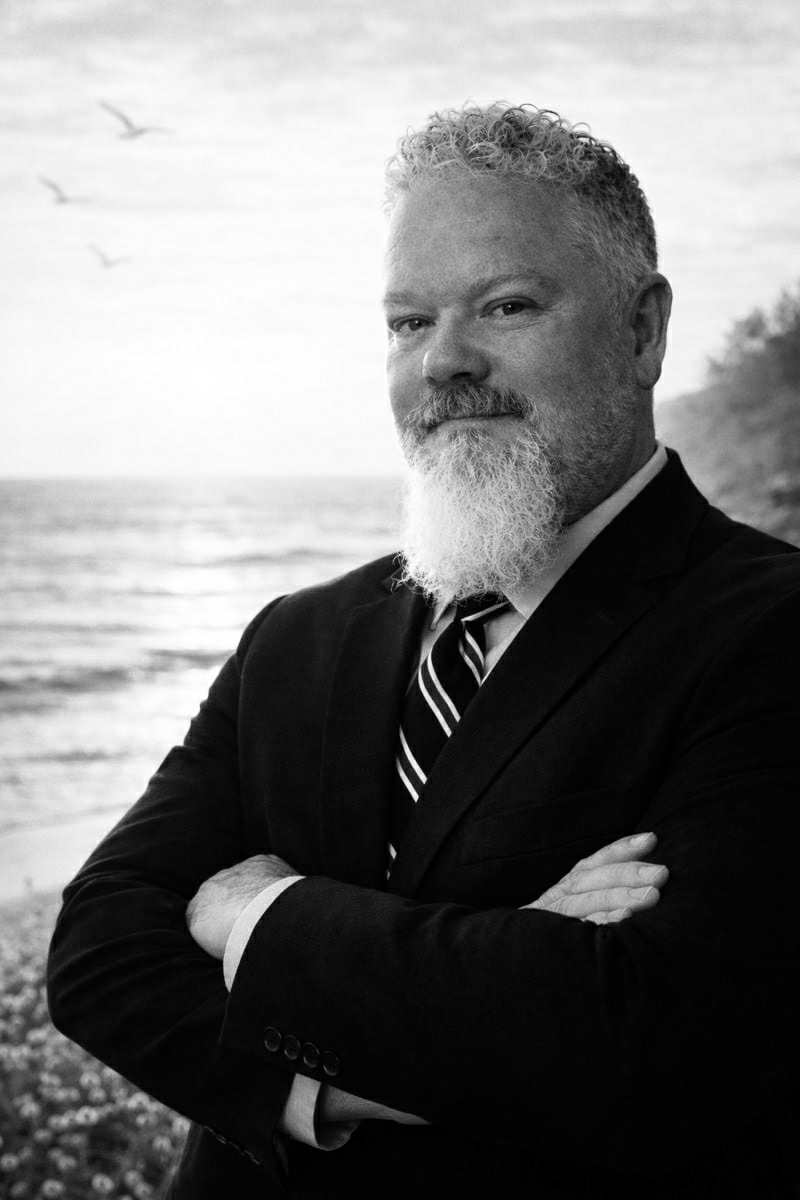
Who is David Williamson?
David B. Williamson is an American screenwriter and psychological storyteller whose work explores trauma, identity, obsession, and emotional invisibility in the modern world.
I grew up in an environment marked by instability and abuse. My father was violent, emotionally unpredictable, and deeply troubled. That trauma shaped my early understanding of the world—how silence can feel safer than truth, and how fear can live inside a home without ever being named. Years later, my father took his own life. That loss, and everything surrounding it, remains a defining
undercurrent in my work.
For a long time, I stepped away from filmmaking entirely to raise my family and survive emotionally. When I returned to writing, it wasn’t to chase industry trends —it was to make sense of experiences that don’t easily fit into neat narratives. My work now focuses on the unseen psychological systems that govern how people attach, dissociate, and search for connection.
Cinema became the place where I could finally articulate what had been unspeakable.
Do you remember the moment you fell in love with cinema?
Cinema found me before I understood it.
As a child, movies weren’t entertainment—they were shelter. In a household defined by volatility, film offered a space where emotion had structure and meaning. Even when stories were dark, they felt contained. They ended. They resolved in ways real life often did not. One of my earliest and most formative obsessions was Michael Jackson. I didn’t just love his music—I loved the worldaround it. What truly changed me wasn’t only the Thriller video itself, but the “Making of Thriller” VHS. I wore that tape out from watching it over and over again. I was fascinated not just by what I was seeing, but how it was made—how fear, performance, makeup, music, and storytelling combined to create something that felt both terrifying and beautiful. Thriller was directed by John Landis, who had also made An American Werewolf in London—a film that balanced horror, humor, and humanity in a way that felt electric to me, even as a child. That connection clicked instinctively. I realized that horror wasn’t just about monsters—it was about transformation, dread, and the fragile line between who we are and who we become.
That was the moment cinema truly opened itself to me. Not as spectacle, but as craft. Watching the behind-the-scenes process taught me that fear could be designed thoughtfully, that emotion could be engineered with intention, and that storytelling was a language with rules you could learn—and then bend.
Later, I understood that I wasn’t drawn to cinema because it was escapist, but because it was honest. Films allowed me to observe human behavior safely—to study fear, love, obsession, and survival from a distance. Horror, in particular, gave shape to emotions that were otherwise unnameable.
Cinema didn’t save me—but it gave me language. And language is how healing begins.
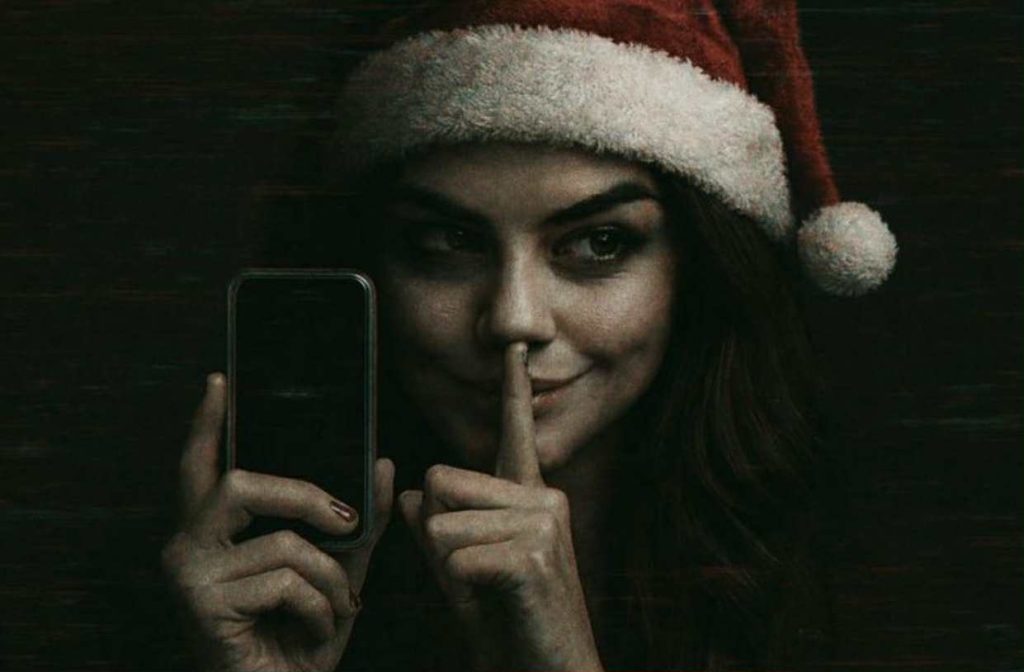
Tell us about your project “Pretty Little Lucy”.
Pretty Little Lucy began as something deeply personal, but it quickly revealed itself to be something larger—a cautionary tale shaped by a cultural moment we’re still struggling to understand.
The film is a psychological drama inspired by a real-life catfishing incident that unfolded over fifteen days and profoundly destabilized my sense of reality.
But rather than dramatizing the mechanics of the scam itself, the story focuses on the internal fallout—the emotional and psychological spiral that occurs when loneliness, unresolved trauma, and digital intimacy collide. At the time this was happening to me, I was also reading story after story about people who had been emotionally manipulated online—romance scams, long-term catfishing operations, and cases where victims were psychologically exploited to the point of financial ruin, public shame, or suicide. What struck me most was how often the aftermath was framed in terms of embarrassment rather than injury. There is a kind of emotional violence in these deceptions—an erosion of trust and selfhood—that rarely receives the language it deserves. In many ways, Pretty Little Lucy became my response to that pain. As a survivor of my father taking his own life, stories of people dying under the weight of shame and isolation are not abstract to me. They’re personal. Loss doesn’t stay contained to one event—it echoes. It reshapes how you recognize suffering in others. Watching victims of digital exploitation be dismissed, ridiculed, or reduced to cautionary headlines felt unbearably familiar. I knew what it meant for pain to go unseen until it was too late.
The film explores how fantasy can become indistinguishable from truth when emotional needs go unmet—and how modern platforms and algorithms can quietly amplify vulnerability rather than protect against it. It asks uncomfortable questions about consent, emotional dependency, and what happens when someone finally feels seen in a world that has otherwise ignored them.
What makes Pretty Little Lucy unusual is that it exists not only as a screenplay or future film, but as a documented transmedia phenomenon. The story gained visibility organically while it was still forming, becoming part of a real-time conversation about identity, deception, and psychological manipulation in the digital age. In a sense, the medium mirrored the message. At its core, the film isn’t about celebrity or scandal. It’s about the human cost of emotional isolation—and how devastating it can be when connection feels real, meaningful, and finally validating… only to collapse. Pretty Little Lucy doesn’t aim to shame victims or sensationalize deception. It’s an attempt to slow the conversation down long enough to replace judgment with understanding—and to remind us that behind every screen is a nervous system, a
history, and a fragile need to be seen.
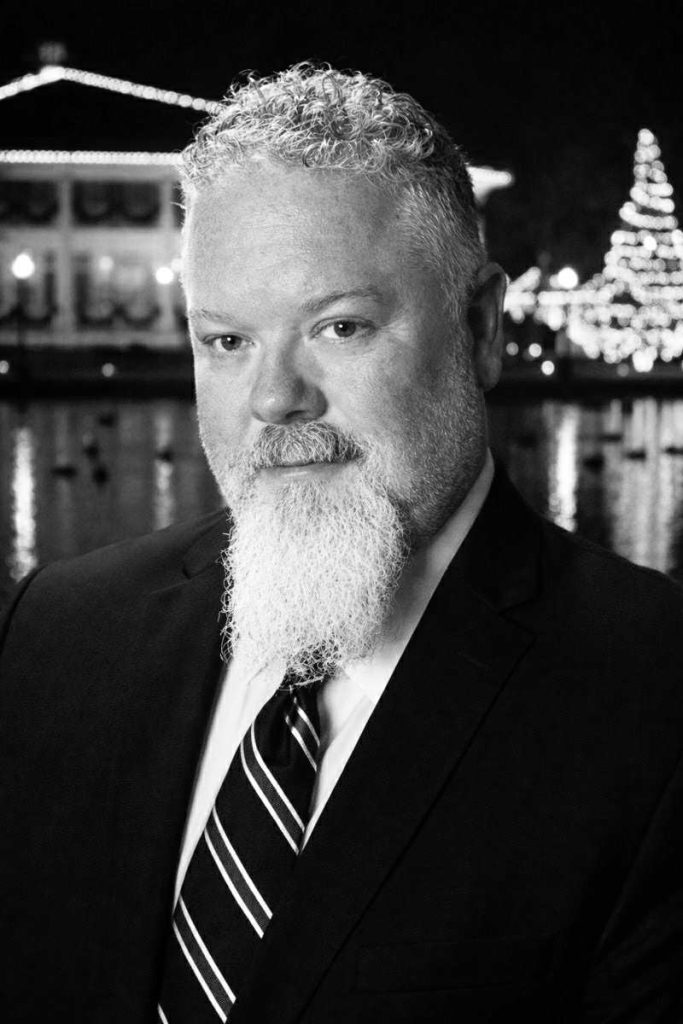
Which director inspires you the most?
David Fincher. Fincher’s work understands that dread doesn’t announce itself—it accumulates.
His attention to detail, his patience with silence, and his trust in psychological tension rather than spectacle are rare. If Pretty Little Lucy were ever to be directed by someone else, Fincher would be
my dream collaborator. His ability to translate internal collapse into visual language—to make obsession feel methodical rather than chaotic—is something I deeply admire and strive toward in my writing.
Slow-burn dread is not easy to execute honestly. Fincher understands that the smallest moments often carry the most weight.
What do you dislike about the world, and what would you change?
I dislike how quickly pain is judged instead of understood. We live in a culture that demands explanations before offering empathy. Vulnerability is often misread as weakness—especially in digital spaces where
nuance collapses and people are reduced to moments rather than contexts. Someone’s worst behavior becomes their entire identity, and the long chain of causes that led there is ignored. Over the years, I’ve been deeply affected by high-profile tragedies involving families who, from the outside, appeared successful, stable, even privileged—yet were quietly unraveling from within. In some cases, the violence didn’t come from strangers, but from children raised inside cycles of unaddressed trauma.
When those stories break, the public reaction is often outrage or disbelief, but rarely curiosity about how pain metastasizes when it goes untreated.
That question has followed me into my own life and work. Working as a pharmacy technician, I’ve witnessed unnerving, intimate moments of human need—addiction stripped of metaphor. I’ve seen how dependency isn’t just chemical, but emotional and psychological. Many people aren’t chasing a high;
they’re chasing relief from something unnamed. When personal needs go unmet long enough, they don’t disappear—they distort. Pain internalized over years often resurfaces as control, manipulation, or emotional numbness. In extreme cases, it can resemble sociopathy, not because someone was born monstrous, but because they were never taught how to process suffering safely.
What troubles me most is how rarely we connect these dots. If I could change anything, it would be how we respond when someone admits they’re struggling—or when their behavior signals that they already are. I would slow the reflex to condemn and replace it with a willingness to listen longer than
feels comfortable.
This is why storytelling matters to me. Cinema, at its best, doesn’t excuse harm—but it contextualizes it. It allows us to sit inside discomfort long enough to understand cause and consequence without
rushing to verdict. It creates space for empathy without erasing accountability. I believe film can slow the world down just enough to let compassion re-enter the conversation. And in a time when attention spans are shrinking and outrage travels faster than understanding, that slowdown might be one of the most radical acts we have left.
How do you imagine cinema in 100 years?
Cinema will become more interactive, more personal, and more psychologically intimate.
Technology will evolve, but the need for emotional truth will remain constant. I believe future cinema will blur boundaries between audience and narrative—allowing viewers not just to watch stories, but to emotionally engage with them in more personalized ways.
The films that endure will be those that understand human psychology deeply. No matter how advanced media becomes, stories that speak honestly to fear, longing, and identity will always find an audience.
What is your impression of WILD FILMMAKER?
WILD FILMMAKER represents something increasingly rare: space. It values voice over volume and intention over trend. In a media landscape driven by speed, WILD FILMMAKER allows cinema to breathe—to be examined thoughtfully rather than consumed quickly. That commitment to arthouse storytelling, emotional intelligence, and artistic risk is essential. It’s the kind of platform that understands cinema not as content, but as cultural memory.