
Who is Mysti Cozart Smith?
Mysti Cozart Smith is a storyteller at heart—writer, director, producer, and composer—who believes cinema should leave a mark on the soul, not just the screen. I create character-driven stories rooted in emotion, faith, longing, and human connection. My work lives in the space between intimacy and scale—small towns, quiet moments, unresolved tensions, and the unseen spiritual undercurrents that guide our lives.
I come from a background in music and storytelling, and that rhythm deeply influences how I approach film. For me, cinema isn’t about spectacle—it’s about resonance. I’m drawn to stories that stay with you long after the credits roll, stories that ask the viewer to feel, reflect, and remember.
Do you remember the exact moment you fell in love with cinema?
Yes—very clearly.
It wasn’t a single film, but a realization: that cinema could say what people often don’t know how to articulate. I remember watching a quiet, emotionally driven scene where nothing “big” happened on screen—yet everything changed internally. I remember thinking, this is language without words.
That moment taught me that cinema could hold grief, hope, faith, and love all at once. From then on, I didn’t just watch films—I studied how they made me feel. That’s when cinema became more than entertainment; it became vocation.
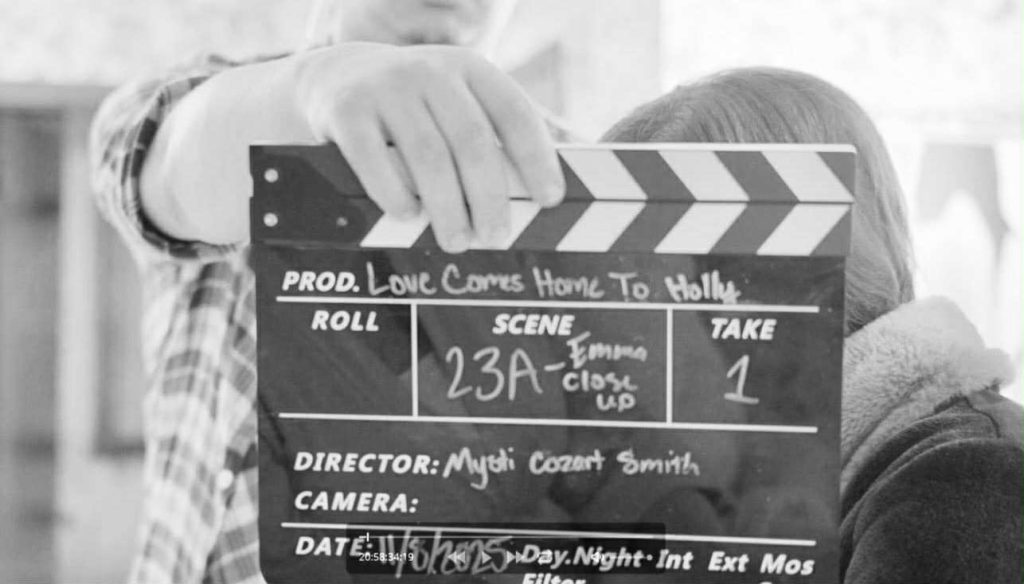
Tell us about your project “Love Comes Home To Holly”.
Love Comes Home To Holly is a faith-forward romantic drama set in a small town during the Christmas season—but at its core, it’s about reconciliation, healing, and the courage to come home to who you really are.
The story follows a woman who returns to her hometown carrying both success and regret, only to confront unresolved relationships, buried faith, and a love she never knew she needed. What makes the film unique is its emotional honesty—it doesn’t rush redemption or romance. It allows space for silence, struggle, and grace.
The film is deeply personal to me. It explores the idea that love doesn’t always arrive loudly—sometimes it waits patiently for us to be ready. It also quietly challenges the industry by blending faith and cinema in a way that is accessible, human, and emotionally grounded rather than didactic.
A teaser and full trailer are currently in post-production, alongside a cinematic music video featuring an original song written for the film—designed to extend the emotional world of the story beyond the screen and into music.
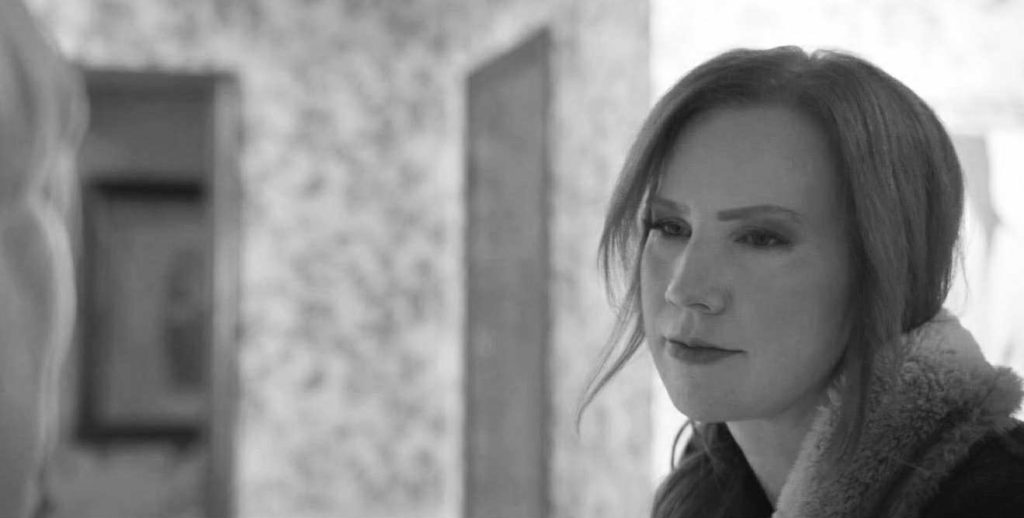
Which director inspires you the most?
I’m inspired by directors who trust restraint and subtext—those who understand that what’s not said can be more powerful than dialogue.
Terrence Malick has deeply influenced me in terms of visual poetry and spiritual inquiry. I’m also inspired by filmmakers who honor character above trend, and who aren’t afraid of stillness, silence, or moral questions. I admire directors who create space for contemplation rather than spectacle—who let the audience meet the film halfway.
What do you dislike about the world and what would you change?
I dislike how rushed everything has become—how quickly we consume stories without sitting with them. We scroll past pain, faith, and beauty as if they’re disposable. I believe we’ve lost patience with depth.
If I could change anything, it would be our willingness to listen—to each other and to ourselves. Cinema has the power to slow us down, to re-humanize us. I want my work to invite reflection rather than distraction, empathy rather than outrage.
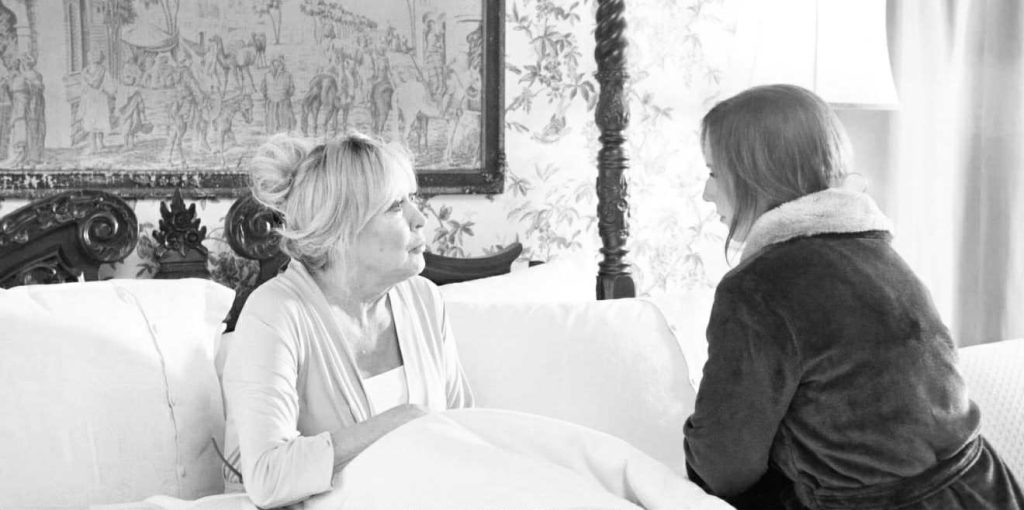
How do you imagine cinema in 100 years?
Technologically, cinema will evolve beyond anything we can currently imagine—but emotionally, I believe it will circle back to its roots.
In 100 years, the films that endure won’t be the ones with the most advanced tools, but the ones that tell timeless truths. Story will always matter. Human longing will always matter. Faith, doubt, love, loss—these themes will never expire.
I believe cinema’s future lies in authenticity. Audiences will crave meaning again. And filmmakers who tell honest, courageous stories will always find their place.
What is your impression of WILD FILMMAKER?
WILD FILMMAKER feels like a necessary voice in today’s cinematic landscape.
It champions independent creators who aren’t afraid to be bold, thoughtful, and unconventional. It celebrates arthouse cinema not as a trend, but as a philosophy—one rooted in artistic integrity and creative freedom. I admire its commitment to giving space to filmmakers who challenge norms and tell stories from the margins.
To be included in this community is an honor. It reminds me that cinema is still wild, still brave, and still capable of truth.