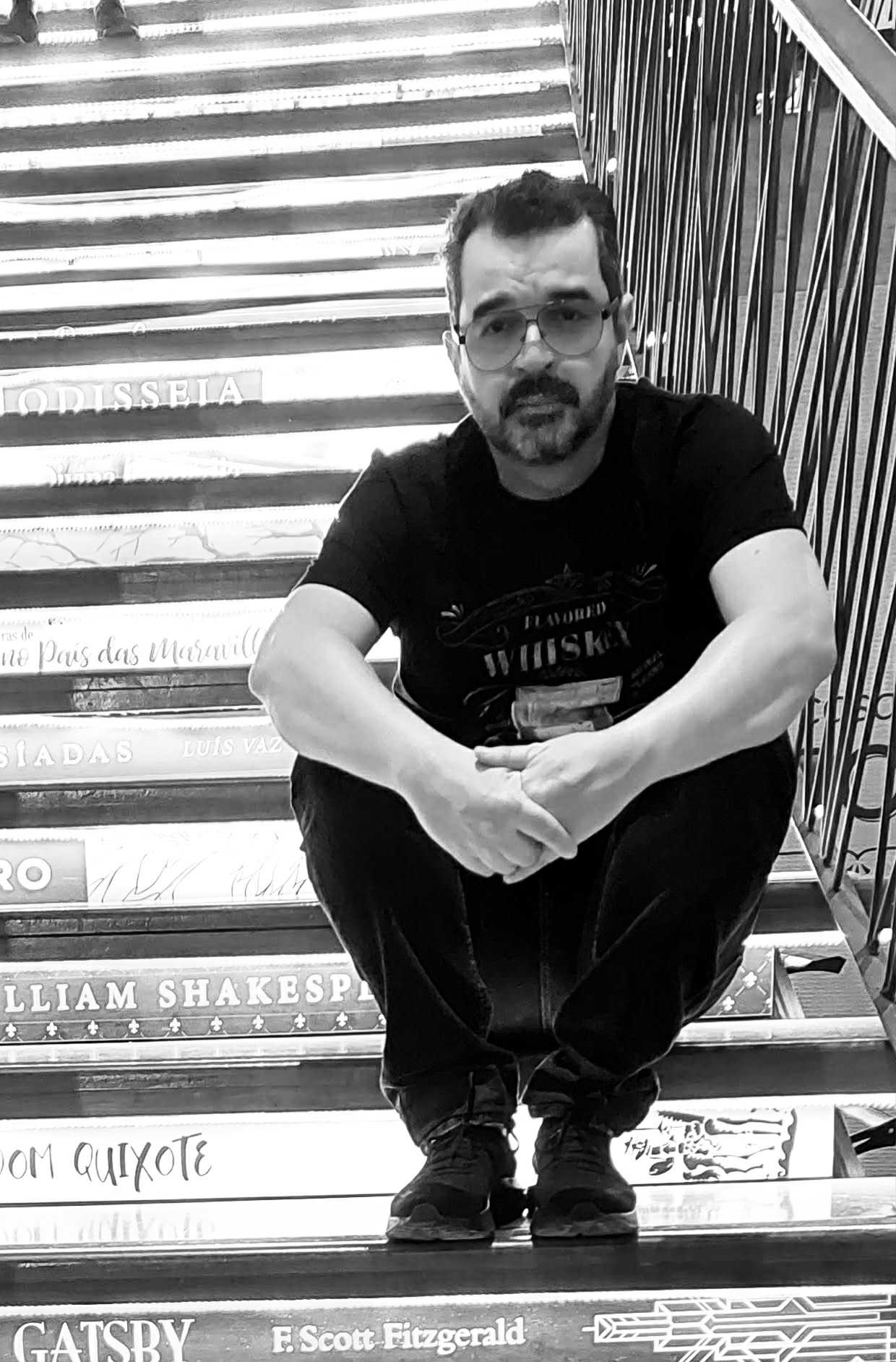
-Who is Fabio Flecha?
I am a South American director, screenwriter, and producer. I have been working in audiovisual production for twenty years, specifically in central Brazil. My filmography includes short films, feature films, and series, covering both fiction and documentaries. My most recent works are the feature film ‘Do Sul a Vingança’ (From The South, The Revenge) and the documentary series ‘Mitos Vivos’ (Living Miths).
I seek inspiration in the popular culture of central South America, a convergence of cultures from Brazil, Paraguay, Argentina, and Bolivia. I believe this macro-region is rich in stories yet to be told in cinema: from the conflicts arising from the encounter between Europeans and indigenous peoples, through the War of the Triple Alliance, to the present day with the disputes between drug trafficking factions in Latin America. I value our mixed heritage and the wisdom of the popular imagination to address social themes.
-Do you remember the exact moment you fell in love with cinema?
I remember two defining moments. The first was at age 5, when I watched ‘Star Wars’ with my father. It was a dubbed version, and at the time I understood very little of the plot, but the love for going to the cinema never left me.
The second, and decisive moment, happened when I was already 37. I produced a short documentary about Fort Coimbra, located in the Brazilian Pantanal. When screening the film for the local community, I realized how meaningful it was for them. People saw their own stories on the screen and showed an emotion I had never witnessed before. From that moment on, I decided I would never stop seeking out these stories to share them with the world through cinema.
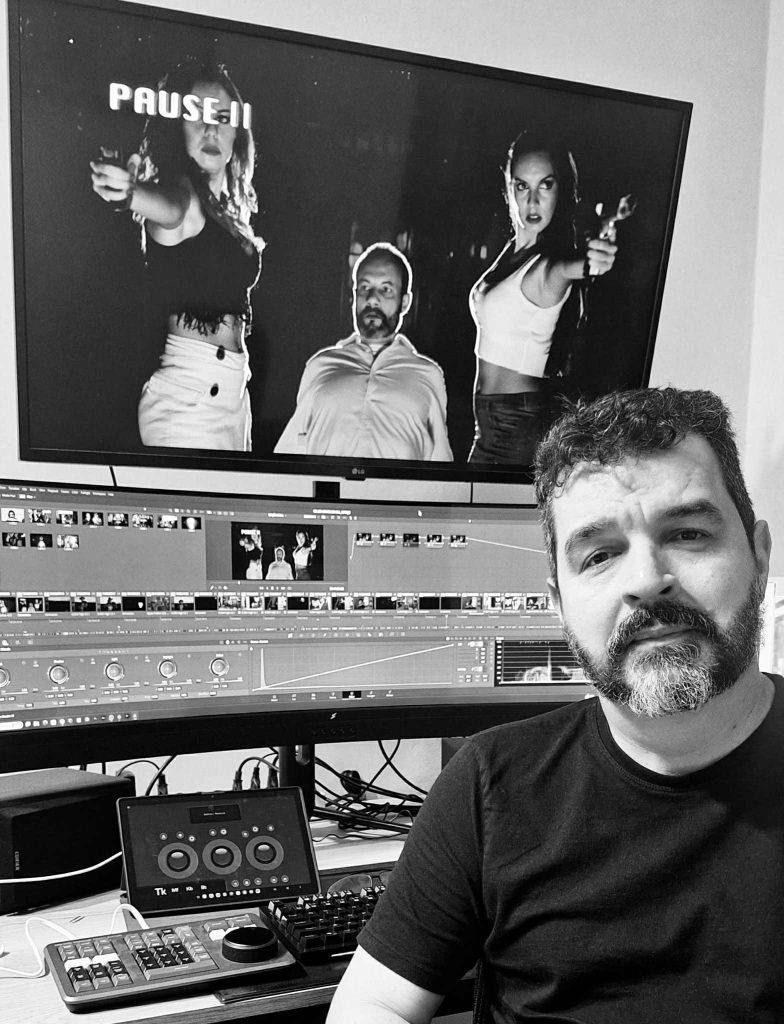
-Tell us about your project “Mitos Vivos (Living Miths)”.
Mitos Vivos’ was inspired by the oral tradition of my childhood, when I witnessed the hypnotic power of legends told by my grandparents. As I deepened my research years later, I sought to understand the social function of these narratives.
I discovered that these fantastic tales are tools of popular wisdom used to process reality. They serve as mirrors of real conflicts, addressing themes such as racism, religious intolerance, and machismo. I also observed an interesting fact among indigenous peoples: the use of myth as an agent of environmental preservation. The project explores how a society synthesizes its sorrows and joys through folklore and demonstrates how external factors — such as the economy, migratory flows, and the environment — play a decisive role in shaping the unique cultural identity of each people in our region.
-Which Director inspires you the most?
I greatly admire the work of my compatriot Fernando Meirelles. What inspires me most in his work is the social realism, a visceral approach that, at times, adopts an almost documentary aesthetic. This ability to bring the truth of the streets into fiction is something I always strive to observe.
-What do you dislike about the world and what would you change?
What troubles me most is the resistance to accepting the facts. Despite all the scientific evidence regarding how certain human activities destroy our planet, these practices persist, almost always generating profit for the few at the expense of the many.
What I would change is our relationship with energy. I believe the transition to sustainable energy sources is urgent, but it must be carried out with a focus on collective benefits and the preservation of life, not merely for economic interest.
-How do you imagine cinema in 100 years?
From a technological standpoint, it is difficult to imagine what the cinematic experience will look like a century from now. However, from the perspective of art, I believe cinema will always hold a prominent place. It will remain essential, both as a powerful social mirror and because it fulfills the intrinsic human habit of being moved by good stories on screen.
-What is your impression of WILD FILMMAKER?
I have a great impression. Wild Filmmaker plays a crucial role in creating a global network for independent cinema, far from the constraints of the commercial circuit. I greatly value the focus on authenticity and experimentation. These qualities are vital for the survival of cinema as an art form, in a time when the mass industry tends to stifle authorial creativity.
PH by Tania Sozza