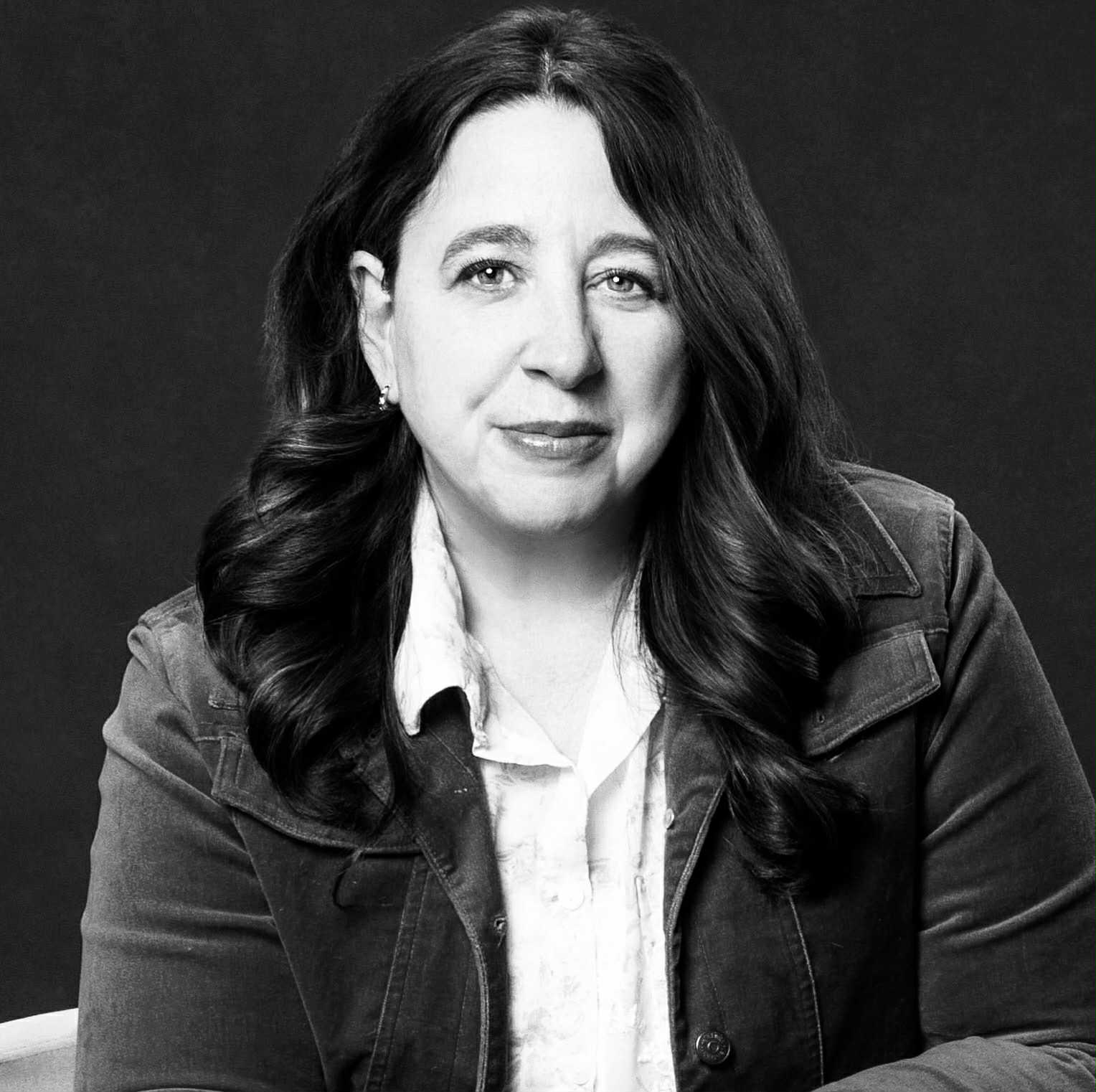
Who is Marla Eaton?
I’m a survivor of emotional abuse who, at the age of 45, found herself at a crossroads and chose to do something bold. I moved halfway across the country to a place where I knew no one and decided to reinvent myself. I was no longer willing to be a victim.
The Revenge Club grew out of real-life experiences—my own abusive marriages, as well as the stories friends trusted me with. Writing became a way to process, to reclaim power, and to tell the truth without shame. The project allowed me to take something deeply painful and reshape it through humor, honesty, and perspective.
Music reopened the door to writing for me. While the songs weren’t written specifically for the screenplay, they helped me find my voice again—and one of them, The Road to Hell, may ultimately live within the film itself.
I always look for the silver linings. My faith keeps me grounded and reminds me that anything is possible—that no matter how difficult life becomes, there is always something to be grateful for.
Do you remember the exact moment you fell in love with cinema?
I don’t remember one exact moment, but I remember the feeling. When I was a kid, going to the movies was an experience. The theaters where I grew up still had balconies and showed only one film at a time—and if you missed it, you had to wait a long time to see it, and it was never the same experience on a small television as it was on the big screen.
There was something magical about walking into a theater and being completely immersed. Seeing those characters come to life, falling in love with the stories, and getting pulled into each world. Cinema wasn’t just entertainment—it was an emotional experience, and that feeling never left me.
Tell us about your project, The Revenge Club.
The project began with an idea inspired by a real-life experience of my own. As I started talking with friends about their experiences in the dating world, the story kept growing. I realized how many of us were navigating similar situations, yet rarely saw those stories reflected on screen.
I wanted to tell a story centered on strong female characters in their late forties, fifties, and beyond. Too often, women at that age are relegated to supporting roles—playing the mom or the grandmother—rather than being shown as complex, desirable women navigating love, desire, and power. Dating in my late forties opened my eyes to how rich and darkly funny those stories could be.
Working with seniors, and watching my own mother date again after being widowed in her late seventies, expanded that perspective even further. I saw real romance, vulnerability, and courage—and was reminded that women never stop wanting love or deserving to be the heroine of their own story.
Ultimately, writing The Revenge Club became its own form of empowerment. Telling these stories—giving voice to experiences that are often minimized—felt like the most meaningful response I could have. For me, the real victory wasn’t revenge itself, but transforming something painful into something honest, creative, and alive.
Which director inspires you the most?
Alfred Hitchcock has always inspired me for the way he created suspense and took audiences on a thrilling ride. He understood how to build tension slowly, letting unease grow through what was suggested rather than what was shown. I admire how he trusted the audience and used suspense to reveal character and emotion, not just plot. That kind of patience and psychological tension feels increasingly rare, and it continues to influence the way I think about storytelling.
What do you dislike about the world, and what would you change?
What troubles me most is how ageism—especially toward women—still quietly exists, particularly in film and media. There’s so much pressure for women to erase themselves as they age, through Botox, airbrushing, and a kind of sameness that makes so many faces almost unrecognizable. Meanwhile, men are often celebrated as debonair or distinguished as they get older, while older women are rarely allowed the same complexity or reverence.
I would love to see more honest portrayals of women—faces, stories, and lives that reflect real experience and emotional depth. Women deserve to be seen as evolving, powerful, and worthy of being the heroine of their own story at every age.
How do you imagine cinema in 100 years?
I imagine cinema becoming far more immersive—almost like an Aldous Huxley Brave New World–style experience, where stories engage not just sight and sound, but feeling, texture, and emotion. But no matter how advanced the technology becomes, I believe the heart of cinema will remain the same. People will always want stories they can escape into—stories that make them feel something, surprise them, and reflect their own humanity. The tools may evolve, but emotional truth and connection will always be what draws audiences in.
What is your impression of WILD FILMMAKER?
WILD FILMMAKER feels like a space that values bold, honest storytelling and the individuality of a filmmaker’s voice. I appreciate platforms that honor cinema as an art form while still making room for independent creators who are willing to take risks and explore uncomfortable or unconventional ideas. It feels rooted in a genuine love of film and storytelling, rather than trends or formulas, and that kind of space is important in today’s creative landscape.