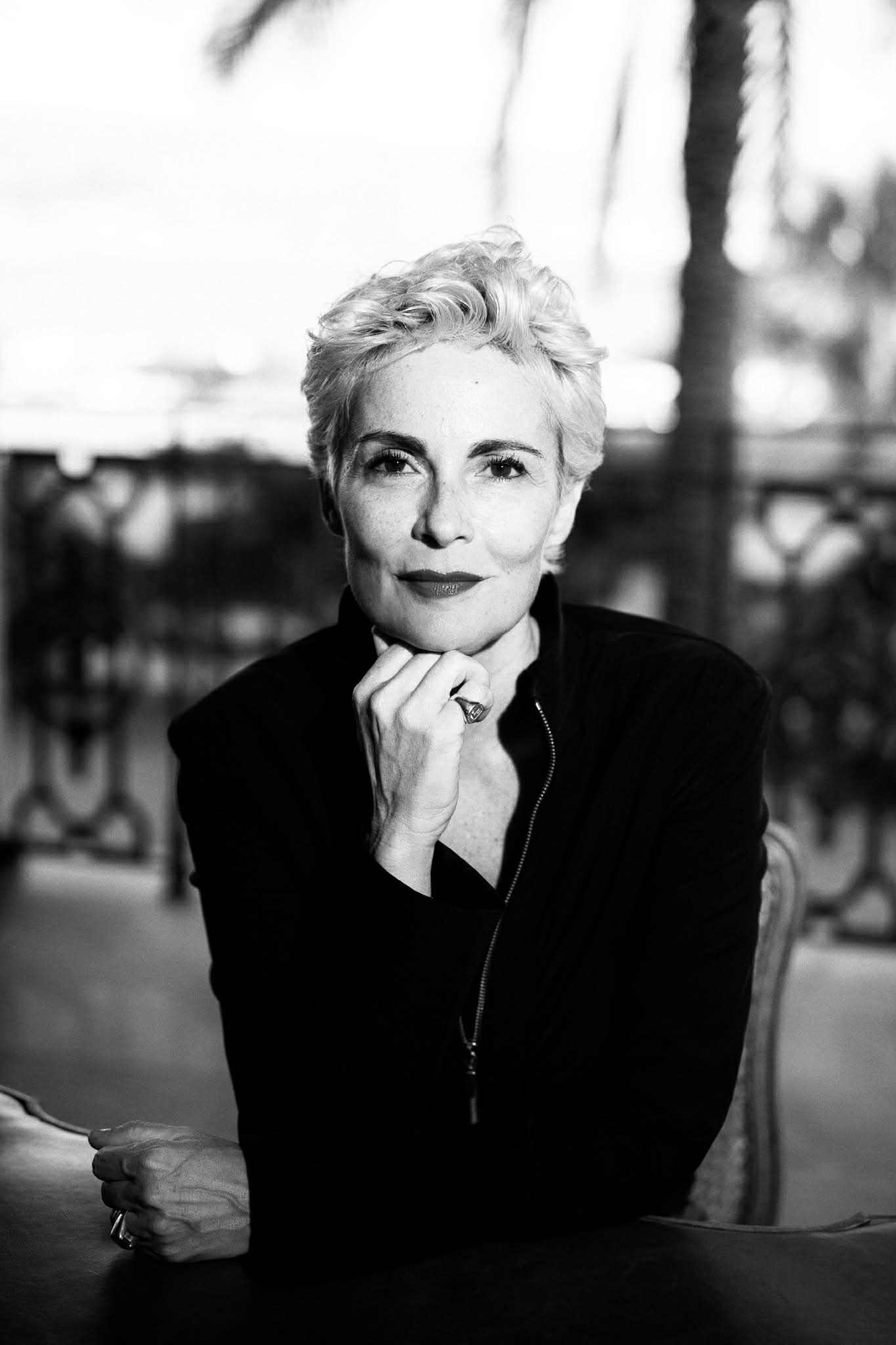
Author’s Quote
“Between the mists of the Sibillini Mountains and the fire of Sicily, Andrea Greco searches for the truth in an investigation where memory, dreams, and reality blur together.”
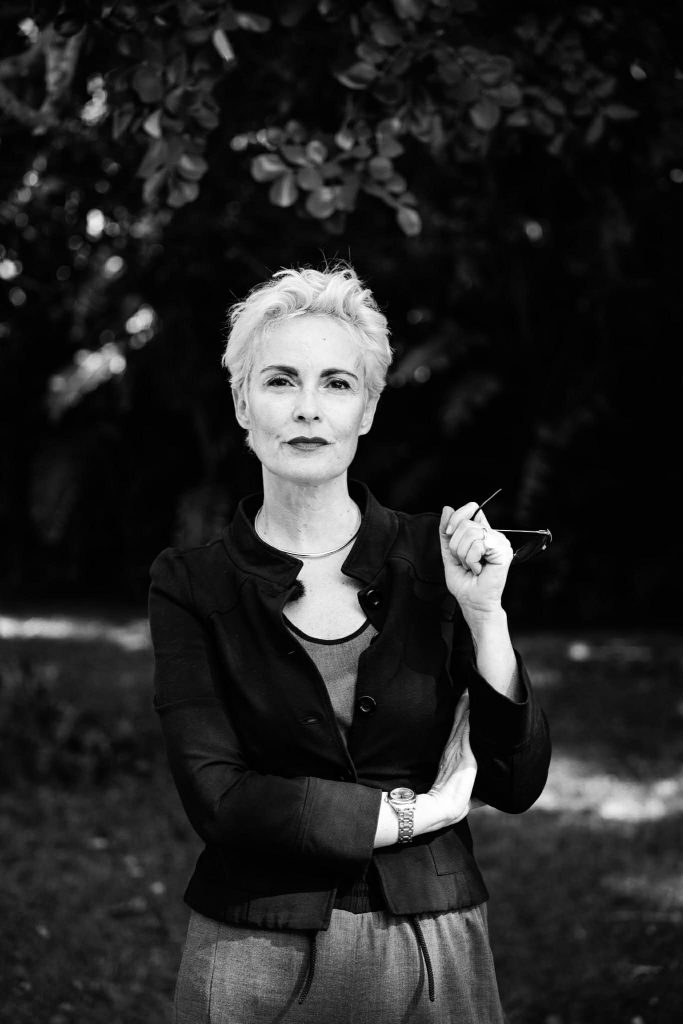
Who is Virginia Spanò?
I am an Italian writer who loves telling stories where dreams, legend, and memory blend with reality.
What I write often arises from a specific territory and from the atmosphere that place can generate.
In my first novel, Perfumes and Scratches, I wanted to explore precisely this border space: the one where the landscape is not just a background, but becomes a living presence capable of influencing the characters, their memories, and their choices.
I am interested in telling the most fragile side of the human experience: invisible wounds, memory, and the way the past continues to act within us. For this reason, two dimensions always coexist in my stories: on one hand the investigation and the mystery, and on the other the inner journey of the characters.
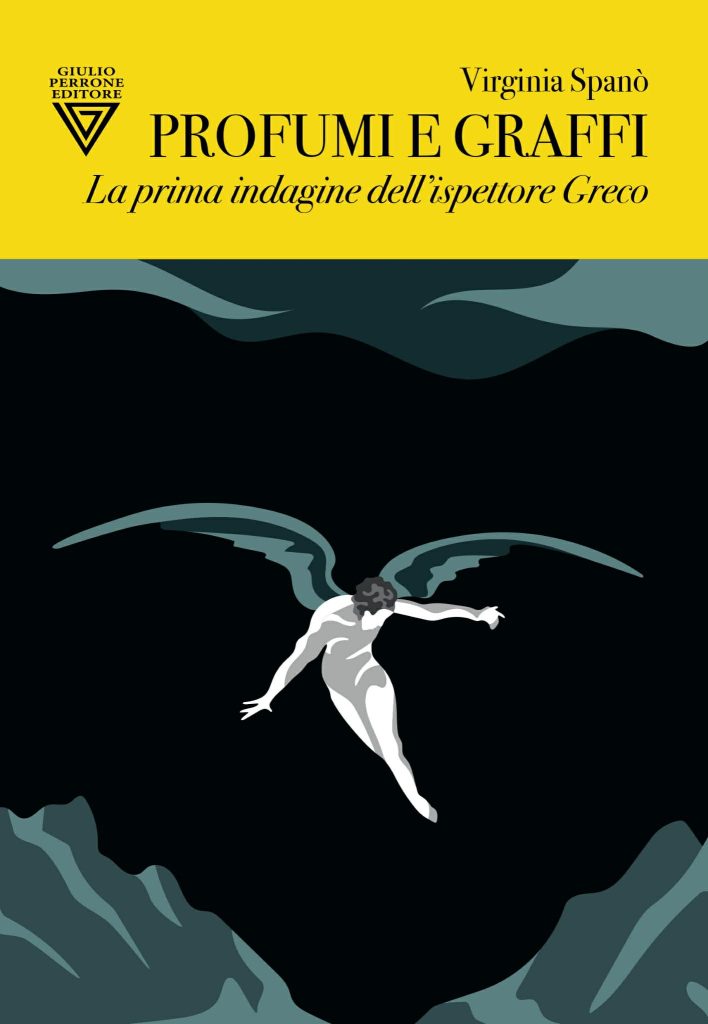
Could you tell us about your novel “Perfumes and Scratches”?
Perfumes and Scratches is a psychological thriller set between Ascoli Piceno and the Sibillini Mountains, a territory rich in ancient legends and atmospheres suspended between mystery and myth.
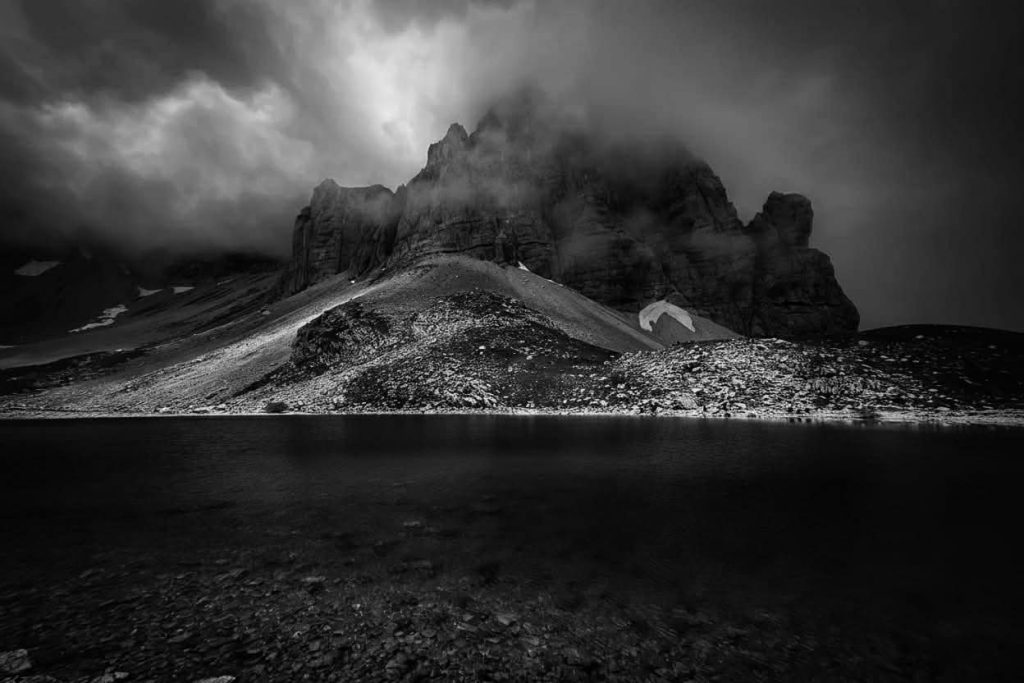
Everything begins with the discovery of a corpse in Lake Pilato, a real place linked to a medieval legend according to which the body of Pontius Pilate was thrown into those waters.
The investigation is led by Andrea Greco, an inspector of Sicilian origin who has been transferred to Ascoli Piceno. While conducting the investigation, he is also forced to confront his own past.
Two narrative layers coexist in the novel: the criminal investigation, made up of murders and symbolism, and the inner journey of the protagonist. Throughout this path, Sicily constantly re-emerges through his dreams, memories, and the scents of his homeland, becoming an emotional presence that accompanies the reader throughout the story.
The central theme of the novel is manipulation: of memory, faith, and human relationships. Evil does not appear as something distant or abstract, but as something that can arise precisely where there should be protection.
Have you already planned a possible film or television project based on your novel?
I believe that Perfumes and Scratches has a strong visual component that could adapt well to a cinematic series.
The story unfolds across very evocative settings: on one side the Sibillini Mountains and Lake Pilato, places full of legends and atmospheres suspended between mystery and myth; on the other side Sicily, which emerges through the memories and dreams of the protagonist and brings the reader back to the landscapes of his homeland, up to the imposing presence of Mount Etna.
This contrast between the mists of the Sibillini Mountains and the primordial strength of Sicily could create a very interesting visual dialogue, in which nature becomes an integral part of the narrative.
I imagine an adaptation capable of maintaining this balance between criminal investigation, psychological dimension, and symbolic suggestion, where the search for truth also becomes a journey through memory and one’s own roots.
What do you dislike about the world and how would you change it?
I dislike when the complexity of people is reduced to simple or superficial categories.
Often what is defined as fragility is not really a weakness, but an authentic part of our nature. These are aspects of human sensitivity that, instead of being understood, are easily labeled and reduced to limitations.
In my novel, for example, the protagonist Andrea Greco suffers from panic attacks and anxiety, and also lives within a very intense dream dimension, where dreams become a space in which the past returns and takes shape. These could be considered signs of fragility, yet it is precisely through these cracks that he manages to perceive what others cannot see. His sensitivity becomes a tool of understanding and, in a certain sense, also a form of strength.
I believe that many of the wounds that run through our society arise precisely from this: from the unwillingness to truly listen to people’s stories and vulnerabilities.
Literature, cinema, and art, on the other hand, have the ability to restore depth to the human experience. Telling a story often means giving space to what is ignored or simplified.
If I could change something, I would like us to learn to look at these fragilities with a different perspective: not as weaknesses to hide or cure, but as parts of our humanity that can become a form of knowledge and strength.
What is your relationship with Artificial Intelligence?
I believe that artificial intelligence is a very powerful tool, but like all tools it depends on how we use it.
For me, writing always comes from a human experience: from observation, memory, and emotions. This remains the heart of every story.
Artificial intelligence can be useful as support in research, but narrative sensitivity and the vision of a story remain profoundly human.
What is your opinion about the activity of WILD FILMMAKER?
I find the work of WILD FILMMAKER very interesting because it creates a space for dialogue between authors, directors, and producers.
Today stories increasingly move across different languages: from literature to cinema, from television series to digital platforms. In this context it is important that places exist where these connections can be created.
Editorial projects like this can help bring out new authors and new stories, encouraging the meeting between the world of writing and that of the audiovisual industry.