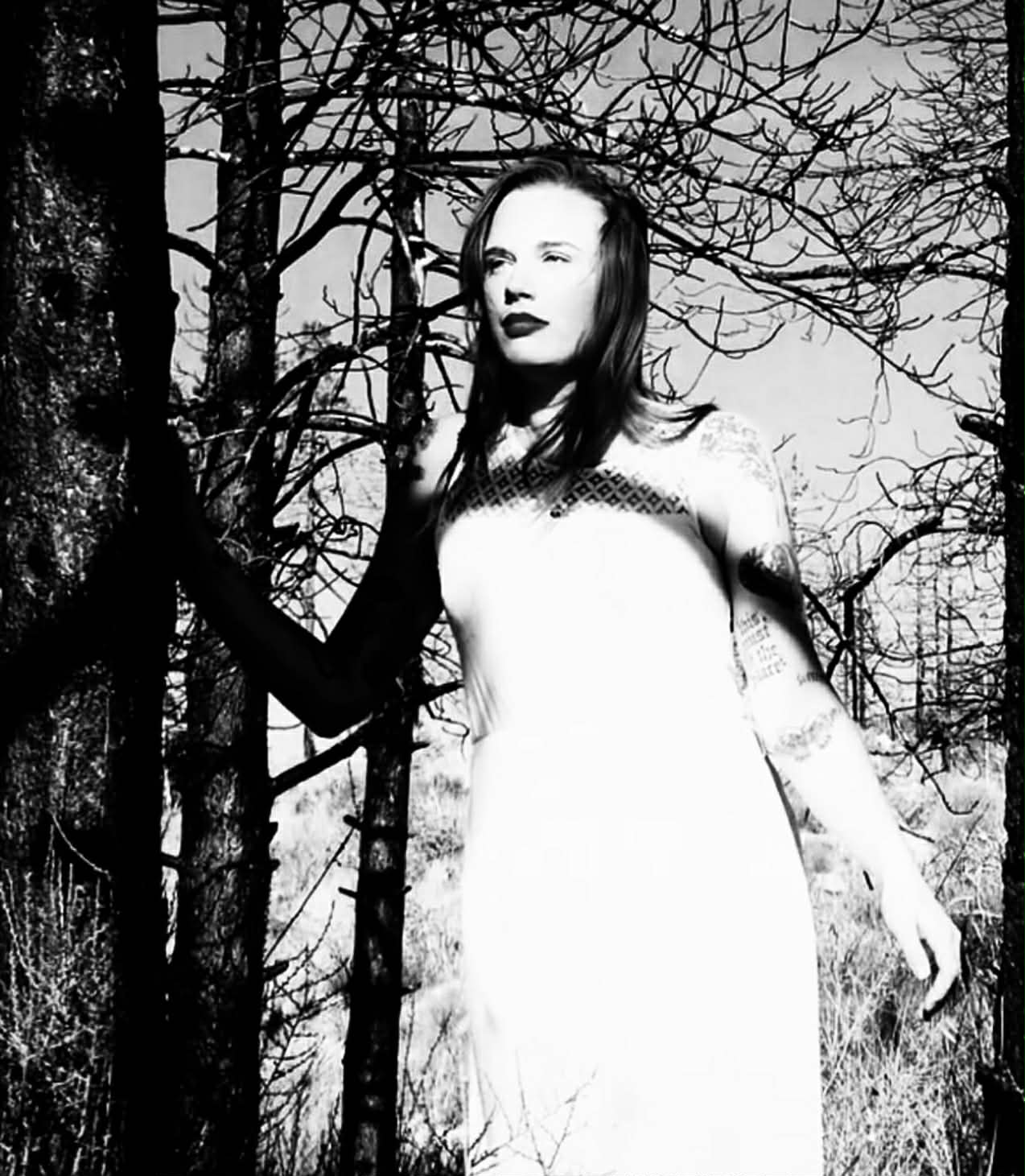
-Who is Sarah Bitely?
Sarah Bitely is a Los Angeles–based filmmaker specializing in psychologically driven, visually distinctive storytelling. Her work spans thriller, music, and fashion film, where she blends narrative tension with experimental form to create immersive, tone-forward experiences. With a focus on rhythm, atmosphere, and sensory impact, her films push beyond traditional structure to engage audiences on a visceral level
-Do you remember the exact moment you fell in love with cinema?
I first fell in love with cinema in college, when I was introduced to a breadth of international and unconventional films that completely reshaped my understanding of storytelling. Encounters with works like The Marriage of Maria Braun and Nights of Cabiria struck me with the force of revelation—opening me to the idea that film could operate on multiple emotional, psychological, and aesthetic layers at once. What began as discovery quickly became fascination, as I recognized cinema’s ability to move beyond narrative into mood, subtext, and visual language. That formative experience continues to inform my work today, where storytelling is driven as much by feeling and atmosphere as it is by plot.
-Tell us about your project “Our Brilliant Destruction”.
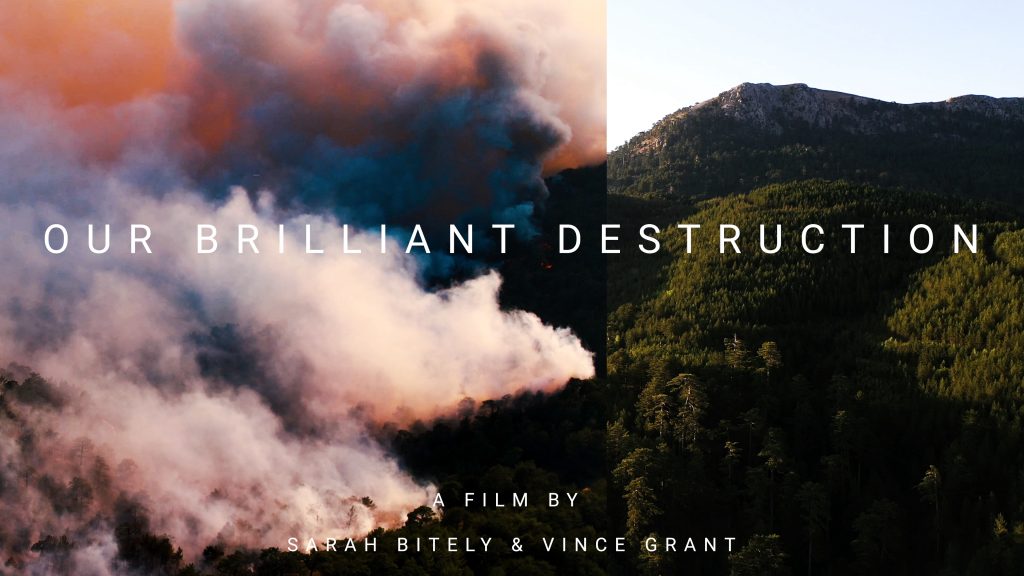
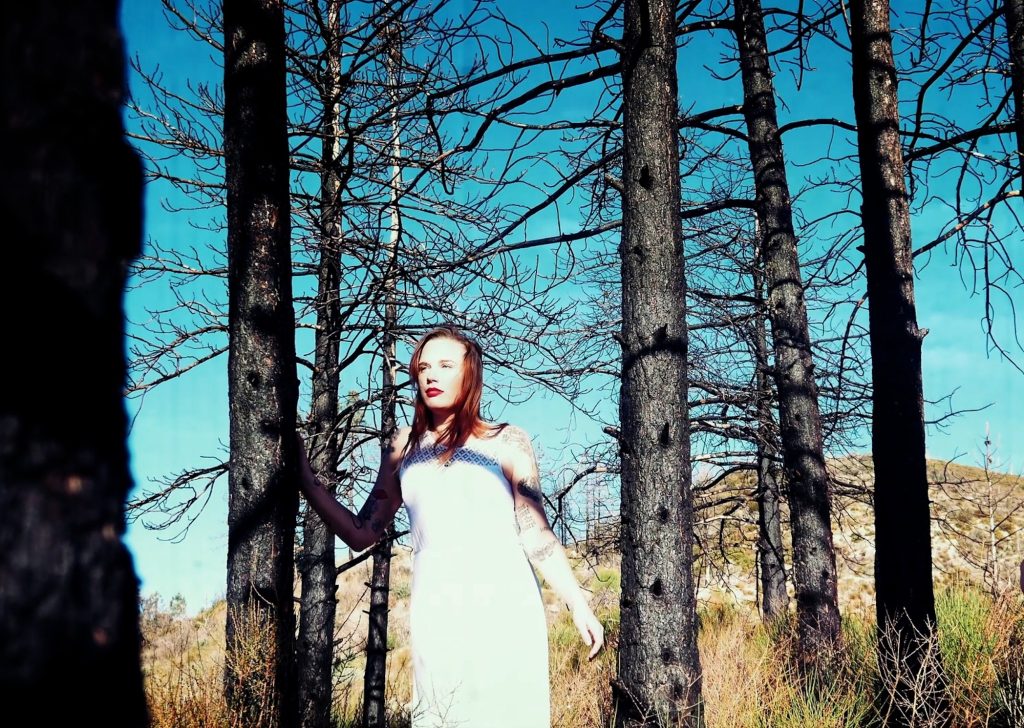
Our Brilliant Destruction was born from grief—and urgency. As climate collapse becomes increasingly visible, our cultural response often drifts toward distraction or denial. I wanted to create a film that resists that numbness.
This immersive music film transforms an album about climate change into a cinematic journey through the consequences we’ve engineered—and the fragile hope that remains. Rather than instructing, it moves through emotion: denial, indulgence, destruction, and reckoning. Music drives the experience; image confronts it.
Visually, the film is built on contrasts—beauty and ruin, machinery and nature, intimacy and devastation—mirroring our collective trajectory and questioning our capacity for change.
I’m not interested in passive viewing. I want the audience to feel implicated, unsettled, and awake. If it creates discomfort, that is intentional. If it sparks responsibility or urgency, it has done its job.
Hope, to me, is not soft—it’s defiant. This film is an act of defiance, and an invitation to protect the only home we share.
The film’s production reflects its message: prioritizing environmental responsibility by relying on archival and stock footage to minimize travel, emissions, and ecological impact.
-Which Director inspires you the most?
I’m deeply inspired by Lynne Ramsay’s work—her films feel raw, unfiltered, and emotionally fearless in a way that prioritizes sensation over explanation. She has a remarkable ability to distill interior experience into image and sound, often stripping away traditional dialogue and exposition in favor of something more visceral and instinctive. Her visual language is intensely intimate—fragmented, textural, and deeply subjective—drawing you into a character’s psychological state until you’re not just observing it, but inhabiting it.
What resonates most with me is her trust in atmosphere and ambiguity. She allows silence, rhythm, and image to carry meaning, creating a tension that lingers beneath the surface and refuses easy resolution. Her films don’t guide the viewer—they immerse you, unsettle you, and stay with you long after. That approach continues to shape how I think about storytelling: less as something to explain, and more as something to feel.
-What do you dislike about the world and what would you change?
Greed is accelerating the unraveling of our world. If I could change anything, it would be our collective perspective—the belief that scarcity must define us. There is enough for all of us, if we choose to live with care rather than excess. By supporting one another and remaining conscious of our impact on the environment, we move toward a way of living that is not only more sustainable, but more humane—for everyone who shares this planet.
-How do you imagine cinema in 100 years?
Imagining cinema 100 years from now is both exciting and a little unsettling—change is happening so quickly that it’s hard to predict where it will lead. I hope that independent cinema continues to be valued, because it’s where some of the most personal, risk-taking, and culturally vital work lives.
The rise of AI is daunting, but I believe there will always be a need for human-driven storytelling—for work that carries lived experience, emotional truth, and a genuine point of view. As a society, we need those voices more than ever.
-What is your impression of WILD FILMMAKER?
What stands out to me about WILD FILMMAKER is its sense of community. It feels like a space where artists are not only showcased, but truly seen and supported. There’s an openness to unconventional work and a real appreciation for filmmakers who are pushing boundaries and exploring new forms of storytelling.