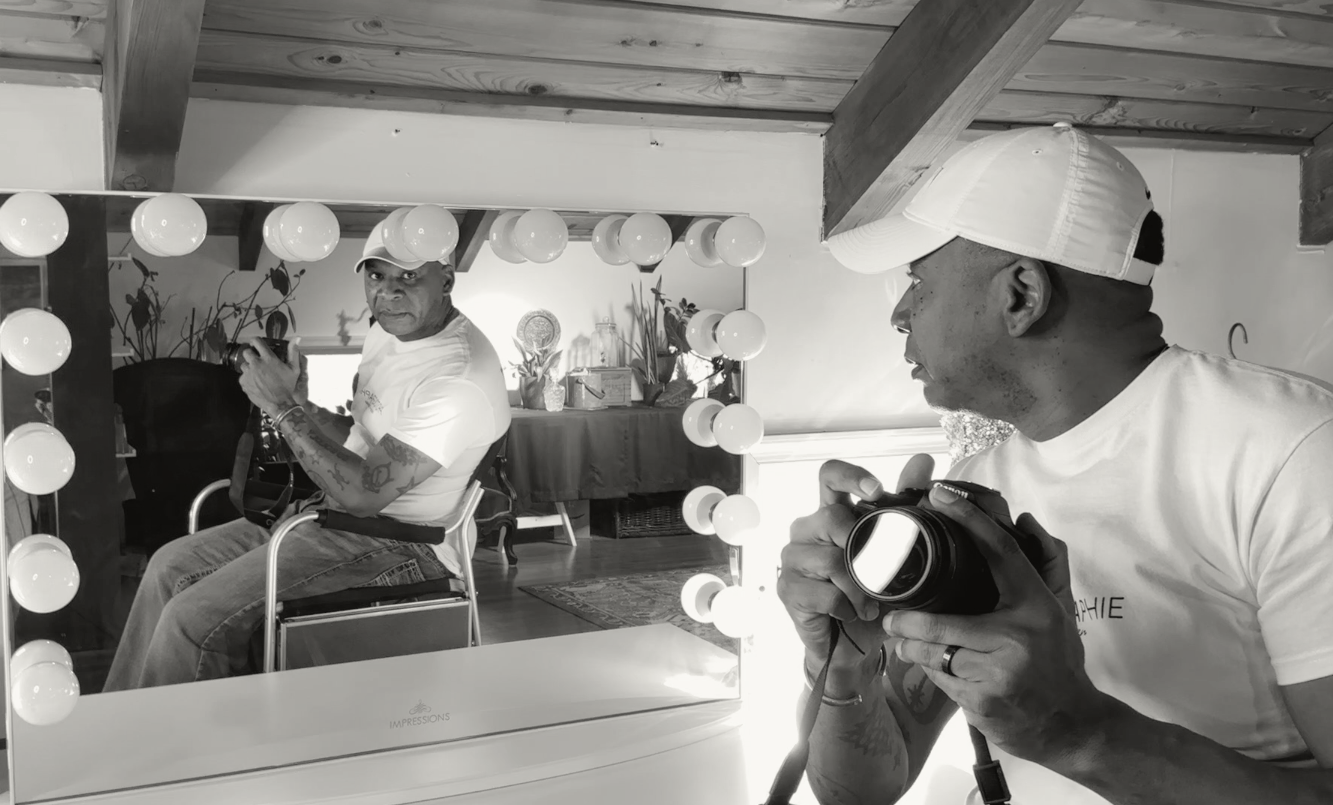
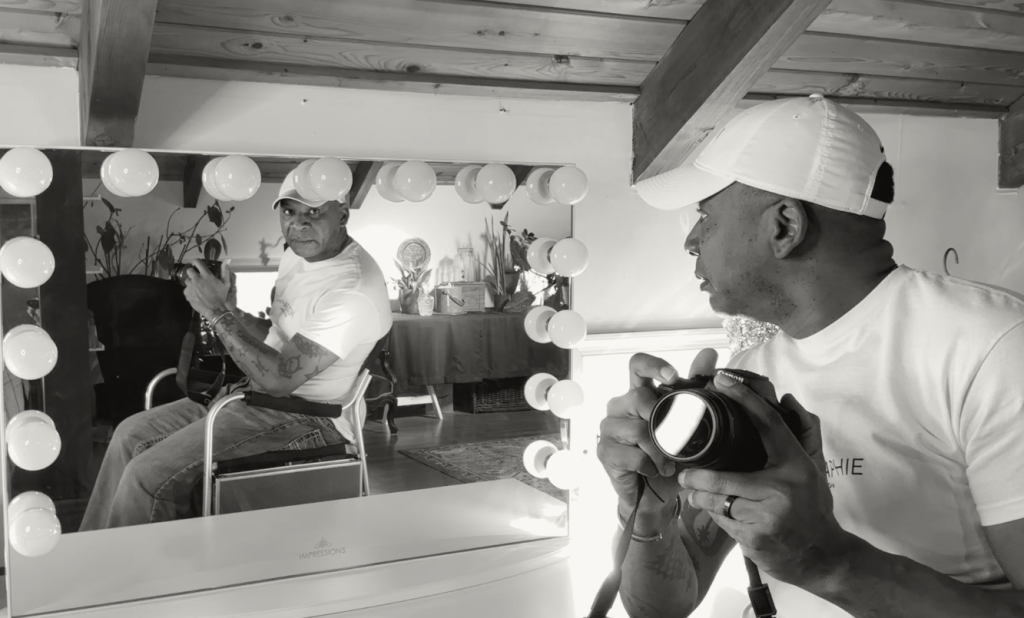
-Who is Ricardo Fleshman?Having started his filmmaking career in screenwriting with Killing Moses in 2017, the award-winning American author, filmmaker, and photographer Ricardo M Fleshman completed his first documentary in 2019 entitled Hope’s City. The Blackest Lens (2026), Fleshman’s second documentary captures the fillmmaker’s experience making the collection of black and white portraits that depicts the sexuality of black people.
Ricardo is an avid reader, travels extensively with favorite destinations in the United States South and international locations in South America and Europe. He is a fan of sci-fi, detective, and horror genres, classical art and jazz music, and pairing fine wines with his cooking based on international cuisine. He resides in Northern Virginia with his family where he continues to write and make independent documentary films.
-Do you remember the exact moment you fell in love with cinema?
I fell in love with cinema when I first saw The Maltese Falcon (1941) with Humphrey Bogart, Mary Astor, Sydney Greenstreet, Peter Lorre, directed by John Houston and based upon Dashiell Hammet’s novel. I was captivated by the acting, the emotion, the nuance of character portrayals as related to the concepts of greed, good and evil, and human nature. It has shaped my works and how I play with human desire, character building and the relationships of those characters to each other.
-Tell us about your project "The Blackest Lens".
The Blackest Lens, Fleshman’s current project, is a compelling documentary that details his journey creating a thought-provoking artistic collection by the same name that explores black sexuality using a unique blend of photography and storytelling. The Blackest Lens documentary and photographs have both received multiple awards from international film festivals including Best Short Screenplay, Best Photography and Best Original Song.
-Which Director inspires you the most?
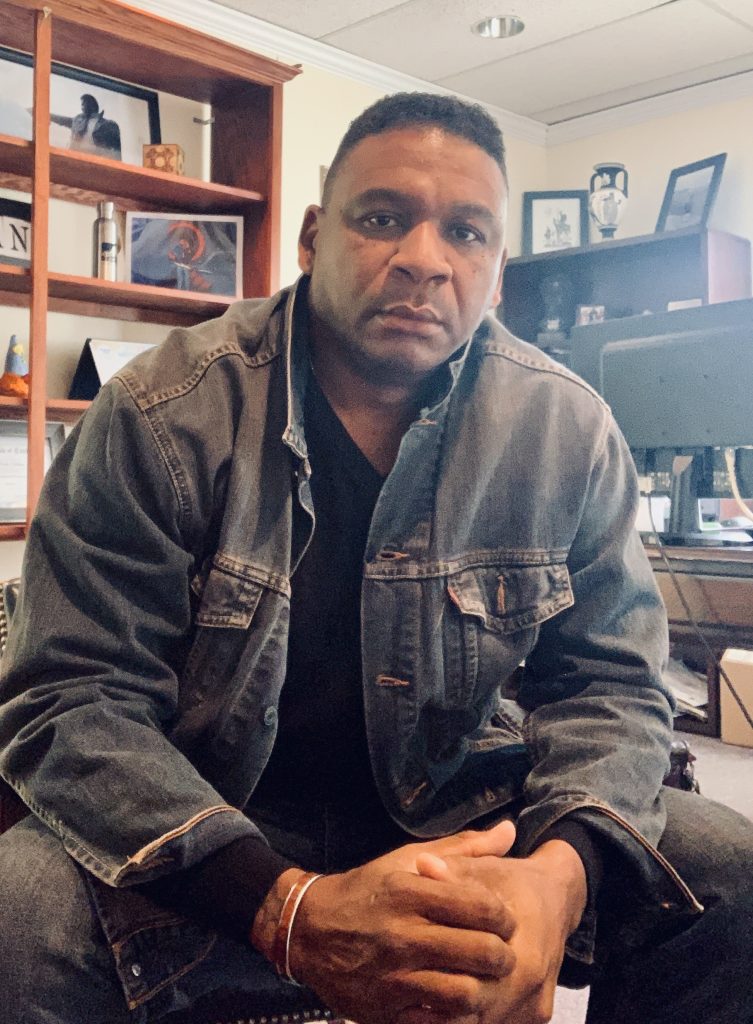
I am inspired by actor and director Michael B Jordan, who as a young black man continues to chart a course from acting to directing using that vehicle to tell the most captivating and interesting stories of black people.
-What do you dislike about the world and what would you change?
I am unsatisfied with the emphasis people place on politics, material possessions and how instead of establishing true and real connections with each other, they use social media to manipulate and berate others. Changing that would mean changing behaviors and having people focus on the things that matter, like genuine lasting relationships, finding the beauty in art and nature, and allowing themselves to create and contribute in a way that is conducive the the human experience.
-How do you imagine cinema in 100 years?
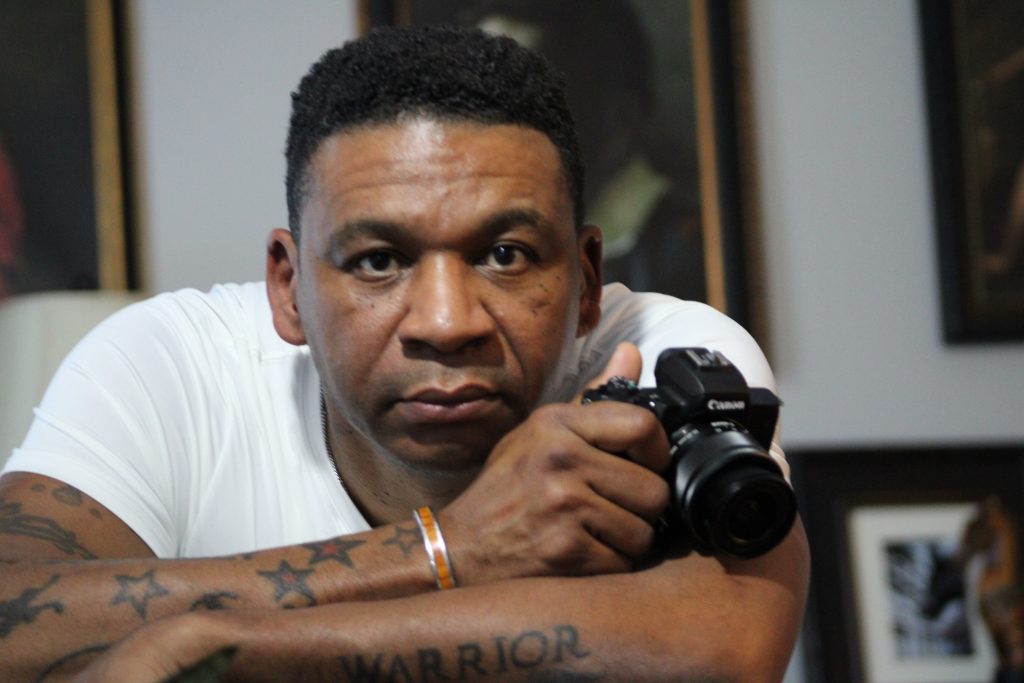
In 100 years, I see cinema as evolved into more intimate, yet diverse storytelling as the proliferation of micro-budget and smaller budget productions continue to drive the viewer experience and where streaming services (that are slowing replacing big budget studio productions and movie theaters) incorporate more independent works into their offerings.
-What is your impression of WILD FILMMAKER?
I love how Wild Filmmaker has incorporated cinema and the experiences of film lovers into its DNA. It offers diverse, thoughtful looks into the world of cinema creatives and promotes the introduction to artists worldwide.