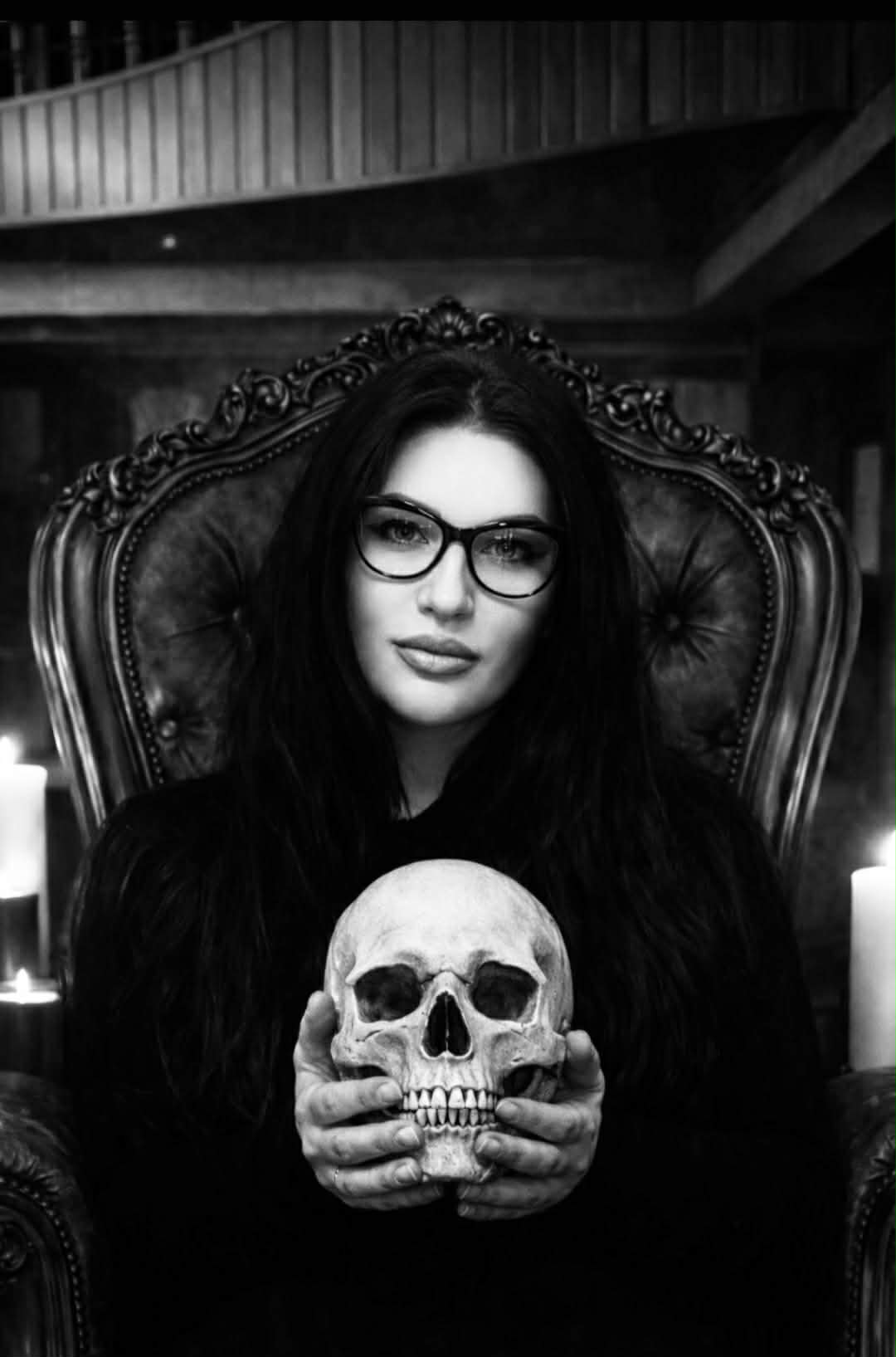
-Who is Cornelia Calaidjoglu?
I am an explorer of words, but also of the silences between them, who believes in the magic of stories to transform the world into a more beautiful reality. As a fiction writer, poet, and screenwriter, I divide my time between the structure of society and the imaginary worlds I create, always searching for that point where emotion becomes universal.
-Do you remember the exact moment you fell in love with cinema?
It was a gradual revelation, but the defining moment came when I realized that a film can “write” with light and silence what I was trying to express through pages of prose and poetry. That ability of cinema to suspend time captivated me forever: light can become language, silence can be more powerful than any answer. That’s when I knew it was no longer just fascination, but belonging.
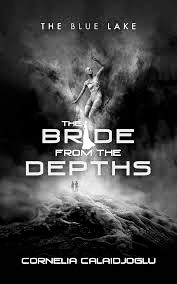
-Tell us about your project “The Bride From The Depths”.
“The Bride from the Depths” is a deeply personal project that started from a fascinating urban legend from the city of Câmpina, Romania, shaped by my obsessions: love, death, trauma, memory. It first took the form of a novel, where I explored themes such as war, death, and parental violence within a mystical atmosphere, and later became a film screenplay. It is a story that weaves Romanian folklore with magical realism. For me, this project represents the bridge between literature and image, an attempt to give visual form to a legend that has haunted the imagination of locals for generations.
-Which Director inspires you the most?
I am drawn to directors who have a strong visual aesthetic and literary depth, such as Tarkovsky for the poetry of images, or Pedro Almodóvar for the way he portrays feminine strength:
Manuela in All About My Mother loses her son, but rebuilds her life by helping other women—her empathy becomes strength.
Raimunda in Volver survives abuse, hides a crime, and protects her daughter.
Benigno & Alicia (in mirror) in Talk to Her: Alicia, though in a coma, becomes the moral center of the story; the film explores fragility and feminine autonomy.
-What do you dislike about the world and what would you change?
I am saddened by the lack of empathy and the speed with which we judge without listening. If I could, I would replace the background “noise” of today’s society with more introspection and a genuine desire to understand the other person’s story.
-How do you imagine cinema in 100 years?
I believe it will become a total sensory experience, where the barrier between the spectator and the screen will completely disappear. However, regardless of technology, the core will remain the same: the human desire to experience a good story.
-What is your impression of WILD FILMMAKER?
I see WILD FILMMAKER as a vital space for creative freedom. In an industry that can sometimes become too commercial, platforms that celebrate artistic cinema and give a voice to independent creators are essential for the survival of the artistic spirit.