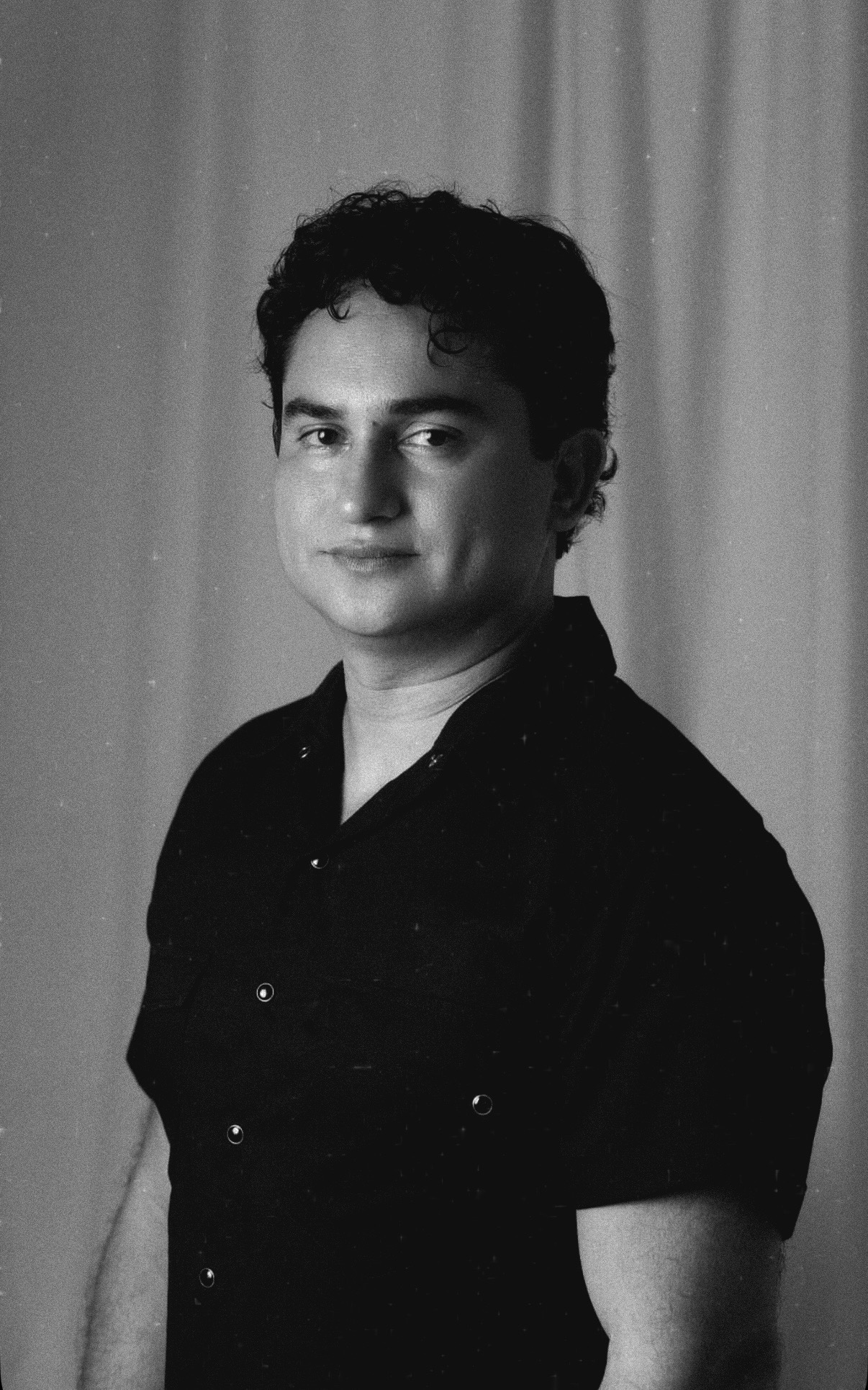
Who is Gleison Castro?
I am a Brazilian writer born in the northeast of Brazil more precisely in the town of Cascavel, in the state of Ceara. I graduated in Portuguese and Latin from the Federal University of Rio de Janeiro. I started reading at a very early stage and used to spend hours immersed in children’s books, something I own to my parents as they read daily to me. As time passed I started to create characters and give them life. However, I felt these stories needed a place where other people could find them and that’s how I started to write and for many years the notebook was my most close friend, a friend that hold my stories, my worlds and my anxieties.
Since then I have a few books published and most recently “A Turma do Zerinho” was selected to compete to Premio Jabuti 2026,the most important literary award in Brazil.”,
But the word is never alone and it is because of my writing skill that I developed a desire for the audiovisual. I founded “Papo Letrinha”, a channel dedicated to children’s literature while silently I was already slowly feeding a deep desire to write for the cinema.
Following my written treatments, this dream became true in the shape of Tramoia. A project that gathered strength after being embraced by Brazilian filmmaker Carla Di Bonito, who believed in my potential and the strength of this narrative. Today I breath cinema. I see in it the possibility to transform dreams into images and to take them worldwide. Stories that communicate with anyone in any place of the world.
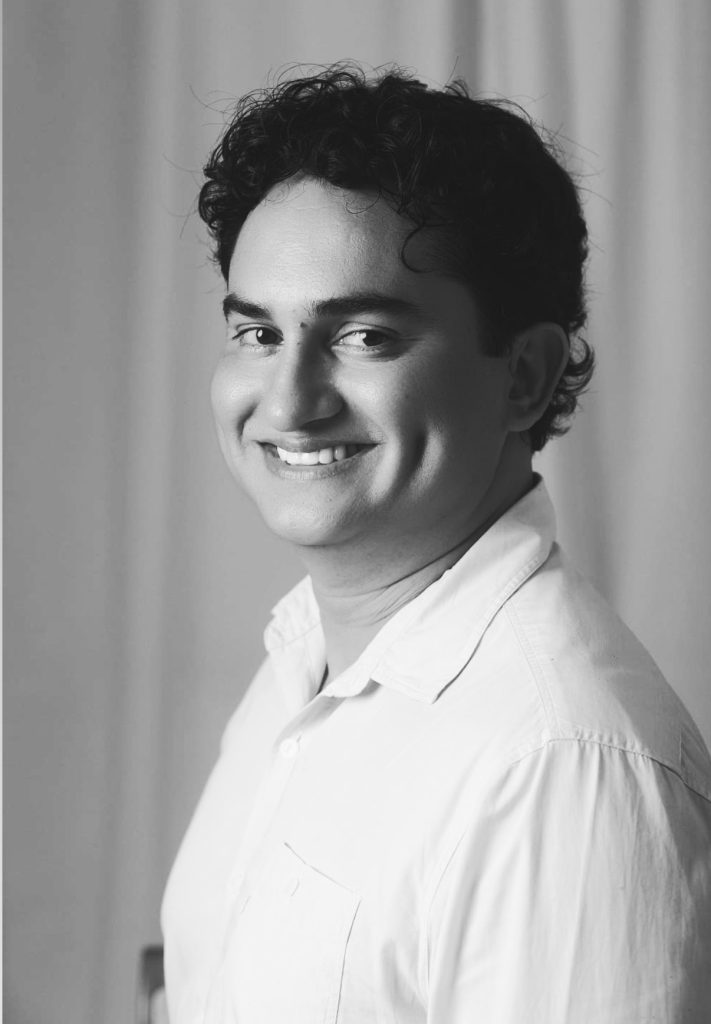
Do you remember the exact moment you fell in love with cinema?
In the 80’s television was very present in my daily life. It was through it that I could access other worlds. And it was in this context that cinema started to, albeit, silently get hold of me.
Despite the Goonies had arrived in the mid 80’s, it wasn’t until I was 10 years old in 1990 that it had crossed my path. 10 years old, the age where phantasy and reality merge on each other without asking permission. That was such an overwhelming passion that it spilt from the screen directly into my life. I didn’t want only to watch, I wanted to create as well. Looking back, I realise now that those hunting afternoons were my first experiences as storyteller.
Tell us about your project “Tramóia”
Tramoia was born from a very intime desire to tell a story that carries the power of my roots but that also dialogues with the outside world. It’s a short film set in the Brazilian backlands, constructed as a contemporary fable where reality and phantasy intertwin poetically. At the centre of the narrative, is a young lacemaker, symbol of tradition, resistance and tenderness that finds herself visited by a mysterious entity that tries to buy her dreams. From this point forward the film proposes a deep reflexion about values. Dreams, Identity and memory. Tramoia also explore choices, about things we can give up and those we simply can’t because they are priceless!
The project gained momentum when producer/director Carla Di Bonito stepped in and Boto Film started producing it. Later TZM joined the project and we have now a co-production between the U.K and Brazil. It is a fusion of different takes where a deep knowledge of the scenario meets the international perspective which amplifies the reach of the narrative. The script is gaining recognition with international selections and an award which reinforces its potential and the global interest for narratives that carries cultural identity.
Tramoia is more than a film. It is a sensorial and emotional experience. It is about what we are about the courage of not selling aways who we are!
Which Director inspires you the most?
Tim Burton. There is something in particular in the way he executes his scenes that captivates me. The capability to see beauty in what it’s perceived as strange, to give humanity to what is somber. His universe is not only aesthetic but emotional. His characters are dislocated, misunderstood but incredibly sensitive and this touches me profoundly as an artist. Burton builds worlds with their own identity. Every detail, from art direction to the atmosphere, seems loaded with intention. He is not afraid to embrace a style, to be auteur, to imprint his vision on every frame.
What do you dislike about the world and what would you change?
What troubles me most is child poverty , which deprives millions of children of the right to dream. Childhood should be a time of imagination and hope, not mere survival. Through cinema, I hope to bring visibility to this reality and contribute to a world where no child is forced to give up being a child.
How do you imagine cinema in 100 year’s time?
Cinema will likely become more technological, immersive and perhaps even individualised. Yet, regardless of these changes, its essence will remain: telling stories that moves us. The greatest challenge will be to evolve without losing that soul.
What is your impression of WILD FILMMAKER?
I see Wild Filmmaker as an essential platform for independent cinema, offering visibility to woks beyond the commercial circuit. More than a showcase, it is a community that fosters connection and helps reach audiences across the world. One of its powerful points is the fact that within this community there is exchange, support and collective empowerment-something rare in a market that is often individualistic. The international visibility they provide is fundamental. For us, independent filmmakers, being seeing outside our country mean opening doors, reaching new audiences, and making our stories cross borders.