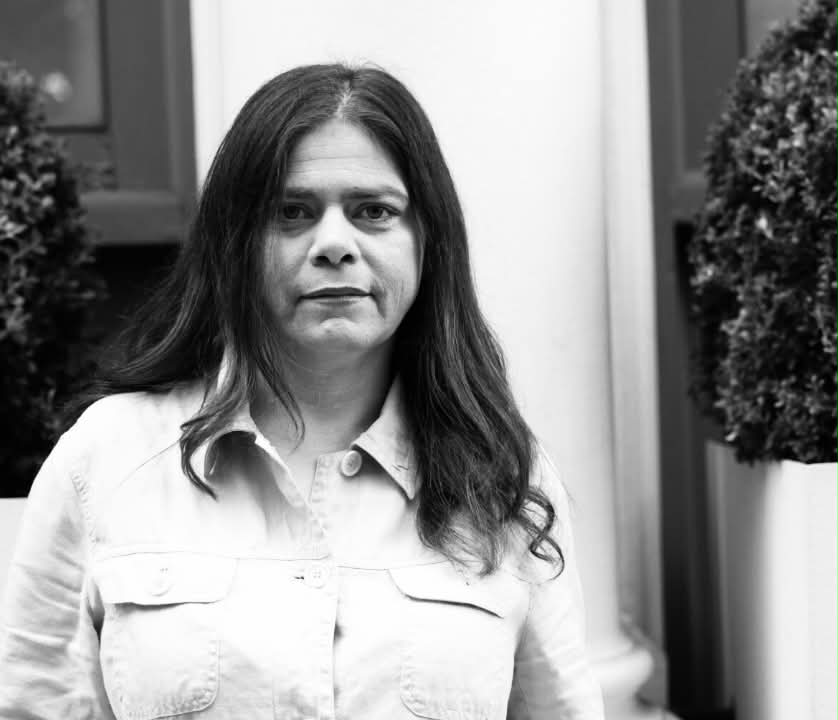
-Who is Darrelle Radcliff?
I’m a writer, filmmaker, actor, model, and athlete based in California’s Central Coast. My writing credits include Shattered but Strong and Back in the Saddle on IMDb. In 2024, I created the short film Practice, a project where I served as director, writer, producer, editor, and performer. I was born with high‑functioning autism and several learning differences that shape how I move through the world. My perceptual reasoning falls in the borderline range, so visual information takes more effort for me to interpret and organize. My working memory is low‑average, which means multi‑step instructions or fast‑paced information can be draining. My processing speed is also in the borderline range, so I often need more time to take in and respond to what I see. I also have a speech impediment and a stutter. Even with all of that, I refuse to let these challenges define my limits. They’re part of my story — not the end of it. I’m committed to creating, performing, and pushing forward toward the dreams I know I’m capable of achieving.
-Do you remember the exact moment you fell in love with cinema?
I think I fell in love with cinema when I first learned that my maternal great‑grandfather had been an actor in the early Our Gang series (1922–1944). When the original shorts were sold for television syndication in 1955, the series was reintroduced to the world as The Little Rascals. Because Metro‑Goldwyn‑Mayer still owned the trademark for the name Our Gang, Hal Roach—the show’s creator—rebranded the package for TV audiences. As I grew older, I also learned how fragile that history was. Many of the early silent Our Gang films were lost forever in the catastrophic 1965 MGM vault fire. Vault 7 on Lot 3 in Culver City went up in flames, taking with it irreplaceable prints from the era when those child actors—my great‑grandfather among them—were just beginning their lives on screen. That connection to a vanished piece of film history is what first made cinema feel magical to me.
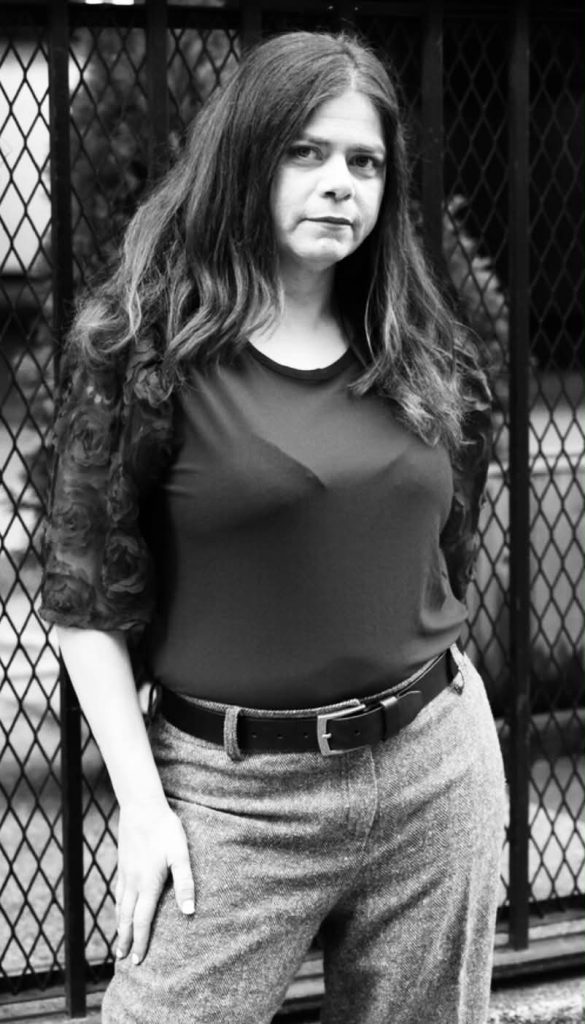
-Tell us about your project “From Shattered to Strong: A Long Way Forward”.
From Shattered to Strong: A Long Way Forward began as a silent screenplay—an assignment for my Writing for Electronic Media class at Cuesta College in San Luis Obispo in the spring of 2023. I originally earned a C on that project, but I didn’t let that be the end of it. Since then, I’ve added dialogue, expanded scenes, and reshaped the story into something far more personal and meaningful to me. This screenplay is rooted in my own experiences with resilience, recovery, and the complicated journey that follows any life‑altering event. “Shattered” represents the breaking point—trauma, loss, betrayal, mental health struggles, or any moment when life feels fractured beyond repair. “Strong” reflects the rebuilding that follows—not pretending everything is fine, but becoming stronger because of what was endured. And “A Long Way Forward” captures what feels most honest to me: healing isn’t linear. It’s slow, imperfect, and full of setbacks and small victories. The themes that emerged—perseverance through pain, mental and emotional recovery, rediscovering purpose, transforming personal experience into art, and holding onto hope without sugarcoating the struggle—are all deeply tied to my own life. I wanted the title to feel universal. Even though the story follows one character, almost anyone can relate to the feeling of being broken and having to figure out how to move forward anyway. As a writer, my goal is to create human characters whose struggles feel real and relatable. I want audiences to see pieces of themselves in the moments of vulnerability, fracture, and growth. I’ve always been drawn to stories where strength and fragility coexist—where adversity shapes a person, but doesn’t define their limits. The themes I return to again and again come from lived experience: being underestimated, pushing through obstacles, and learning to find self‑worth in the aftermath of hardship. I’m especially inspired by the quiet, everyday moments where growth happens almost unnoticed. From Shattered to Strong: A Long Way Forward is my attempt to honor that journey—messy, painful, hopeful, and ongoing.
-Which Director inspires you the most?
I can’t narrow my inspiration down to just one director, but a few stand out for very different reasons. The first is James Cameron. His work on Titanic has stayed with me ever since I saw it in the theater. Even though it wasn’t his personal life experience, the way he brought a real historical tragedy to life made me wonder whether any of my own ancestors might have been on that ship when it went down. His ability to blend epic storytelling with emotional truth is something I deeply admire. Another director on my list is Drew Kirsch, who co‑directed two Taylor Swift music videos. My admiration isn’t just because of the TSwift connection—it’s also because he attended Cuesta College from 2008 to 2011. Since I was at Cuesta from 2000 to 2025, I sometimes wonder if I ever walked past him on campus. Yes, I spent 25 years in college, but I’m proud to say I earned five degrees during that time.
-What do you dislike about the world and what would you change?
One thing I dislike most about the world is the way people often look at and treat individuals with disabilities. There’s still a tendency to underestimate them, to make assumptions about what they can or cannot do, or to treat them as if they’re defined solely by their disability. That mindset has deep historical roots, especially in the entertainment industry. People with disabilities have been visible in entertainment since the 19th century, but not always in ways that honored their humanity. In the early days, they were displayed as spectacles in traveling circuses and dime museums—places that allowed them to earn a living, but at the cost of being treated as curiosities rather than people. Early silent films often used disabled individuals as visual gags, reducing them to punchlines instead of characters. After World War II, Hollywood began telling more stories about disability, but the roles were almost always played by able‑bodied actors. It wasn’t until the disability rights movement gained momentum that things started to shift. Organizations like the Media Access Office pushed for better representation, and the passage of the Americans with Disabilities Act in 1990 helped open the door for more authentic portrayals. One moment that deeply moved me was Garth Brooks’ 1994 music video for “Standing Outside the Fire.” It featured a young man with Down syndrome who falls during a race but gets back up again. That image stayed with me because it showed resilience without pity—strength without stereotypes. What I want most is for people with disabilities to be treated with the same dignity and respect as anyone else. I want the world to stop assuming limitations and start recognizing potential. And in the entertainment industry, I want to see real, lasting change. Authentic casting — ending the long‑standing pattern of able‑bodied actors playing disabled characters. Inclusive storytelling — creating roles where a character’s disability isn’t the entire plot, but simply part of who they are. Supporting disabled filmmakers — ensuring representation exists behind the camera, in writers’ rooms, in directing, and in executive leadership.
-How do you imagine cinema in 100 years?
I imagine cinema a century from now as a fully immersive, boundary‑breaking experience—one where storytelling surrounds, responds, and evolves with people, shaping itself in real time as we move through it.
-What is your impression of WILD FILMMAKER?
My impression of Wild Filmmaker is that it truly champions independent filmmakers and screenwriters who are shaping the next wave of global cinema. What stands out to me most is the industry exposure they provide—something that’s genuinely invaluable for a screenwriter. My work can be strong, but none of it matters unless producers, managers, agents, and directors actually know I exist. Sometimes all it takes is one person reading my script at the right moment to open a door. I also appreciate that they host networking events and industry co‑production opportunities. Through VIP Ignite Live, I learned just how essential networking is in entertainment. This industry runs on relationships; talent alone rarely opens every door. Personal connections get your work in front of the right producers, agents, and executives, helping you bypass crowded submission pipelines. The entertainment world operates on trust. A recommendation from a respected colleague carries enormous weight when people are hiring for cast, crew, or creative roles. Networking also keeps me plugged into industry trends, unadvertised opportunities, and what studios are looking to produce next. For me, that combination of visibility, connection, and access is exactly what makes Wild Filmmaker so compelling.