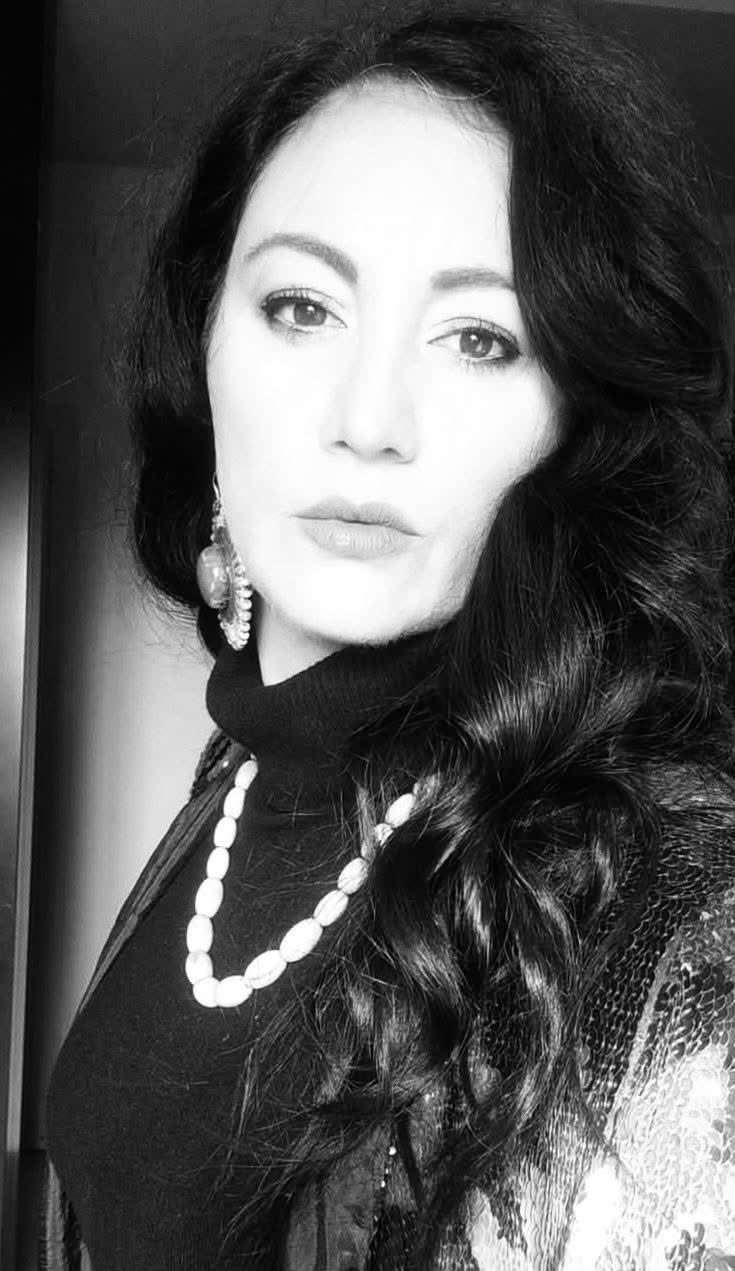
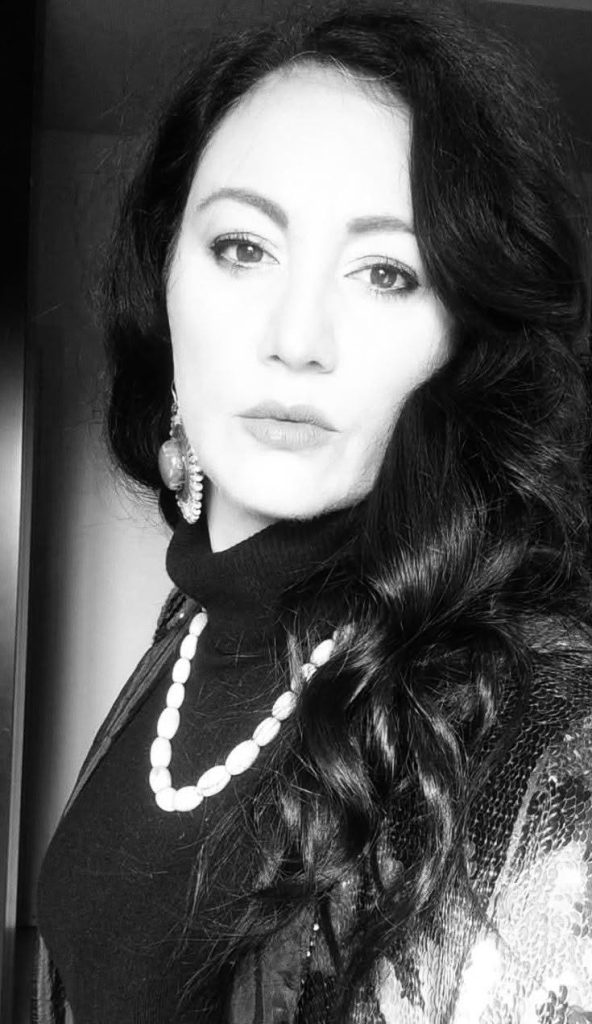
Who is Mara Di Maura?
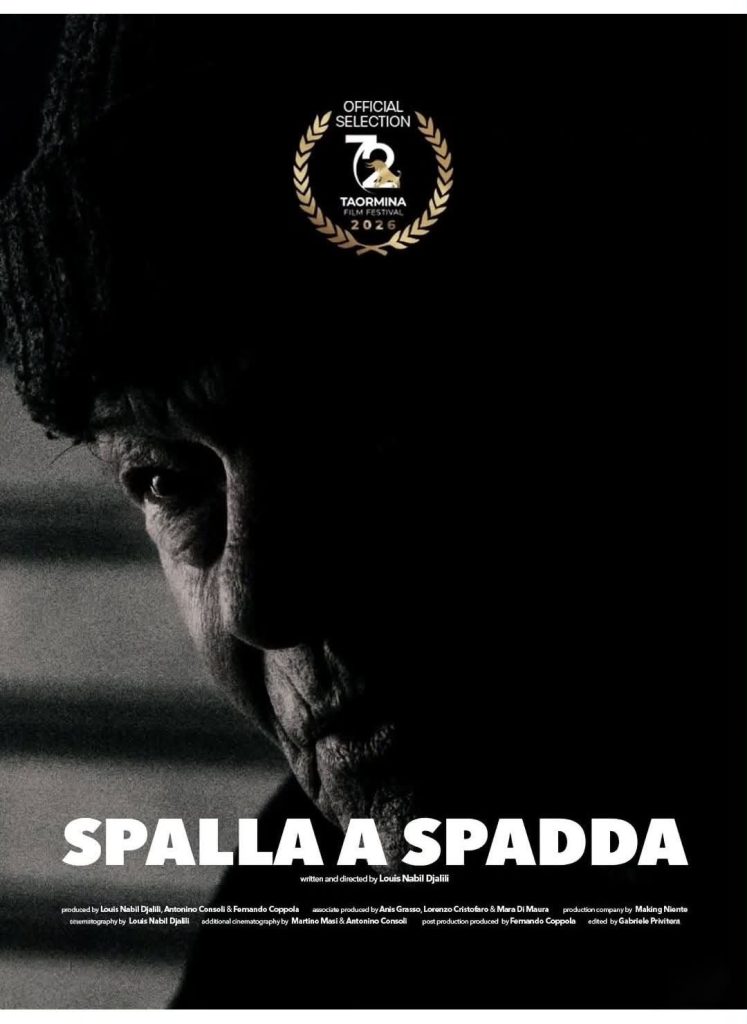
I am an actress, playwright, and theatre director. In 2012, I founded the Sala Teatro Ridotto in Catania, where I staged my own plays, including In the Mirror, The Deception of Algorithms, 2191: Beyond the Garden, and Candida Superluna, Partly by Magic, Partly by Luck, which recently received recognition at the Isolario Competition in the Theatre category. I worked with the Teatro Stabile di Catania, directed by Fabio Grossi, in La volata di Calò by Savatteri, and with Quarta Parete under Costantino Carrozza, performing in classics ranging from Molière to Pirandello. As an actress, I have appeared in several productions, including I Nostri Figli directed by Andrea Porporati, Il Capo del Mondo by Salvo Campisano on Prime Video, the thriller Killer Card by Giuseppe Di Blasi, released in cinemas last April, the short film Argento by Fabrizio Ferrara and directed by Massimiliano Russo, and, most notably, Louis Nabil Djalili’s debut feature film Spalla a Spadda, which is competing at the 72nd Taormina Film Festival.
Tell us about the film you took part in that will be presented at the 72nd Taormina Film Festival.
The film shows how, in order to truly understand the character, customs, traditions, and mindset of a people different from your own, in this case, Sicilians, you must live among them. The director is a very young British artist of Iranian origin who married a beautiful Sicilian woman and moved to Catania for love. My role, in which I was uniquely joined by my father Giuseppe—who has appeared in productions such as Inspector Montalbano, Lost Kisses, Squadra Antimafia, and *Agrodolce*—is that of a woman who stubbornly defends a specific term used for a particular type of food, taking the dispute to its most extreme consequences. It is a role I thoroughly enjoyed playing, and whose determination reflects my own personality.
What do you like and dislike about the world?
I deeply love art in all its forms and the opportunity it offers to dream and escape reality. I believe that the life one can experience on a stage or a film set is far more fulfilling than everyday life—an alternative dimension where one can live as intensely as possible. Art is also the most powerful means of conveying messages and exploring truth and the deepest meaning of life because it works through emotions, which are the strongest and most enduring channel of memory. What I absolutely dislike are dishonesty and violence in all their forms, especially when directed against the most vulnerable people.
Every artist has someone or something that inspired them. Where do you draw your creative drive from?
When I write or perform, I draw inspiration from life itself, whether directly experienced or reflected through the stories of others. Three years ago, I published my first novel, Con i tacchi nei sanpietrini (Walking in Heels on Cobblestones), released by Gaeditori and presented at the Turin International Book Fair. I am currently working on a second novel. I realize that through writing I do nothing but rework lived experiences, perhaps in an attempt to find meaning in them. A part of me is scattered throughout all my characters and every story I write. *Many believe that the acting profession risks being disrupted by revolutionary technologies such as AI. What is your opinion on this?* I firmly believe that nothing can replace the human element. Anything created by human beings possesses something unique, an element that speaks to the heart better than anything else. I do not deny that the simulation of human beings and human creativity can be concerning, especially since, in terms of technical perfection, machines can surpass human beings, who are imperfect by nature and prone to error. It is, in a way, the oldest sin of hubris repeating itself. But can anything compare to the charm of imperfection? Moreover, no technology will ever replace live performance—an experience that is unique, unrepeatable, and different every single night, every single second.
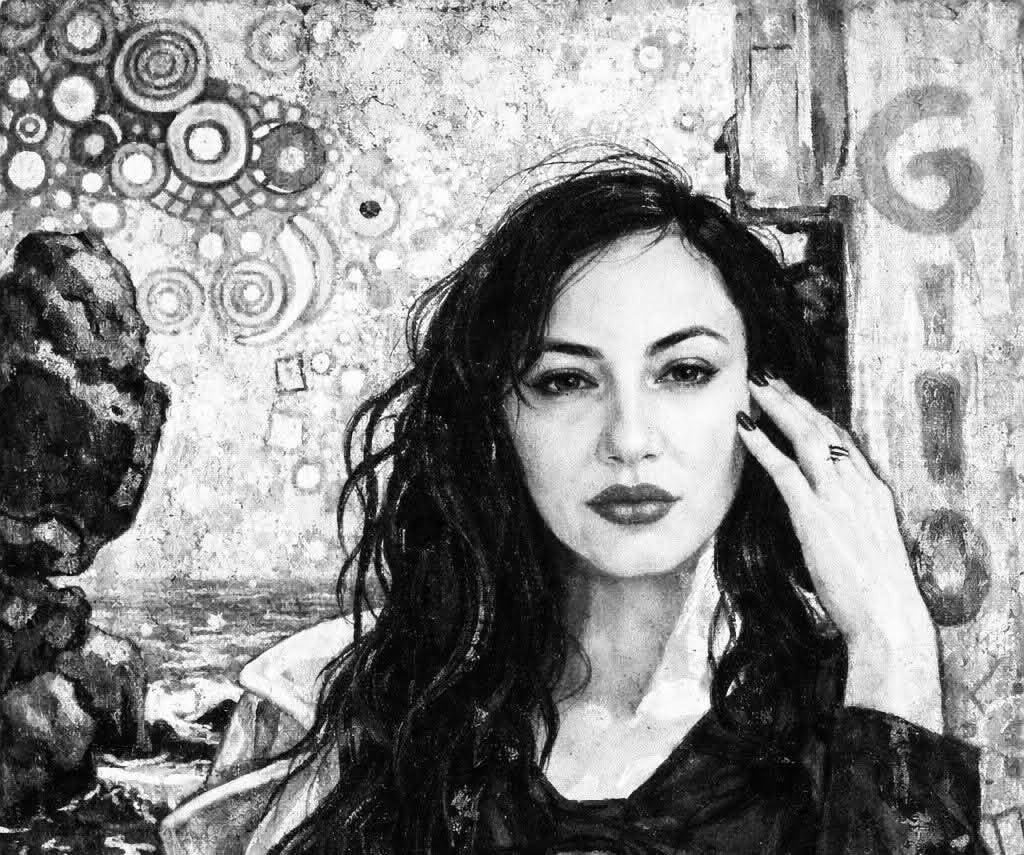
What is your impression of WILD FILMMAKER?
I believe it is an organization undertaking a genuine challenge because any effort to shine a spotlight on independent and lesser-known artists and works is both admirable and monumental. It is easy to write about and promote already established artists and famous faces, but dedicating oneself to discovering and promoting new voices in the arts is always an act of great courage. Thank you from the bottom of my heart. Long live the dreamers!