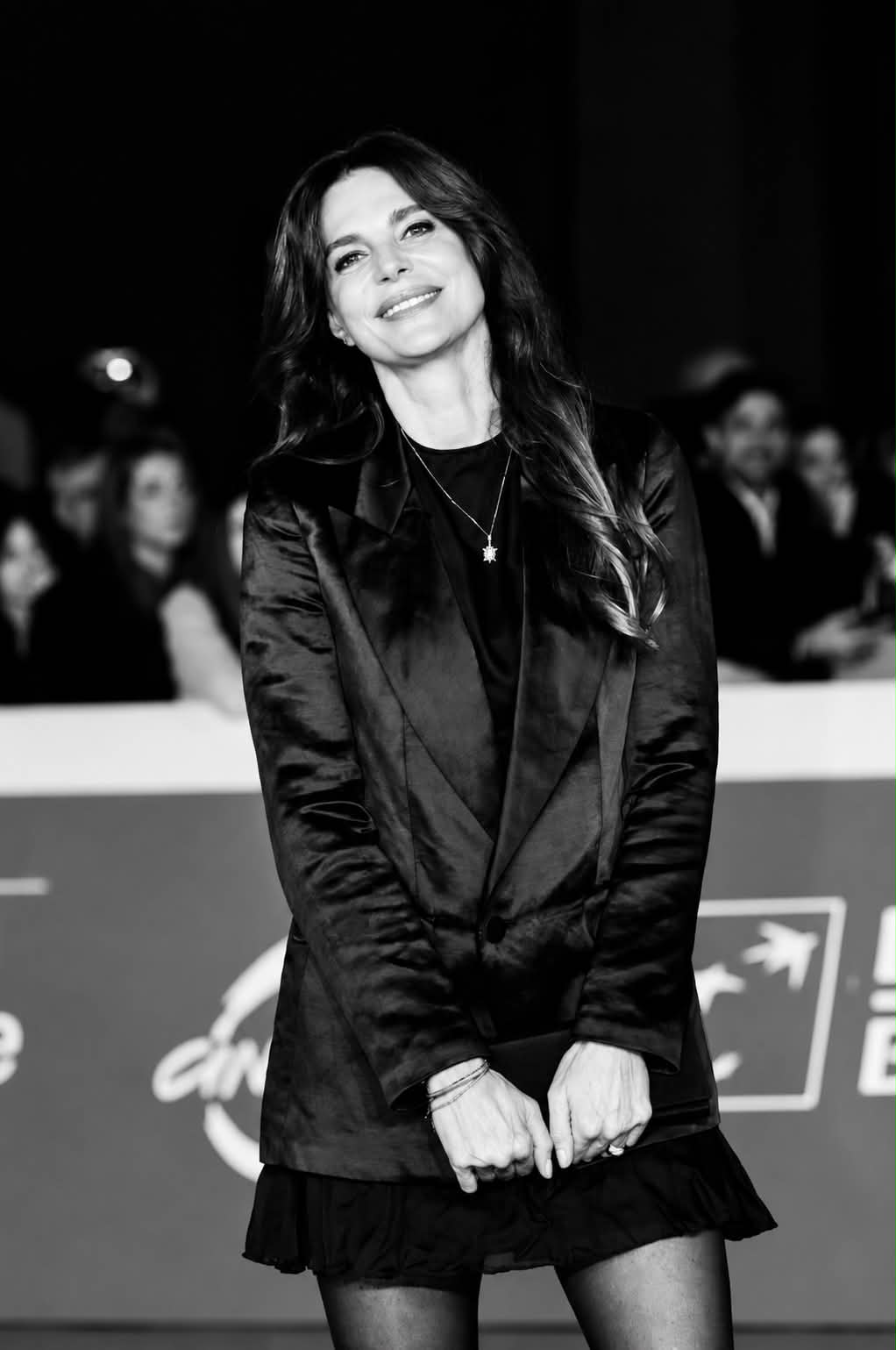
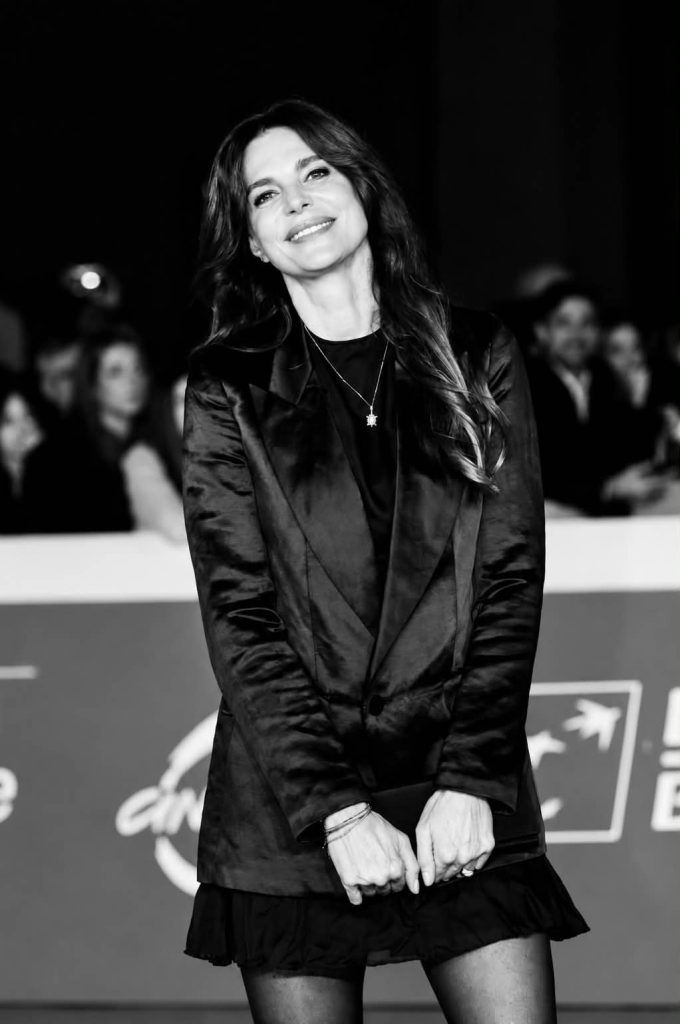
Who is Karen Di Porto?
I am a woman who loves cinema and the possibility of telling stories through this incredible medium. I spent my final year of university in Paris. I left as a law student and returned knowing that I would work with moving images. In Paris, I went to the cinema every day and, unlike in Italy, films were always shown in their original language. There was a cinema that screened Death in Venice by Luchino Visconti every morning at 11 a.m. and that is where I truly fell in love with cinema.
My journey was quite varied: I studied acting, worked in theatre, wrote screenplays, and eventually decided to try directing the stories I was writing. That is when I found my place in the world.
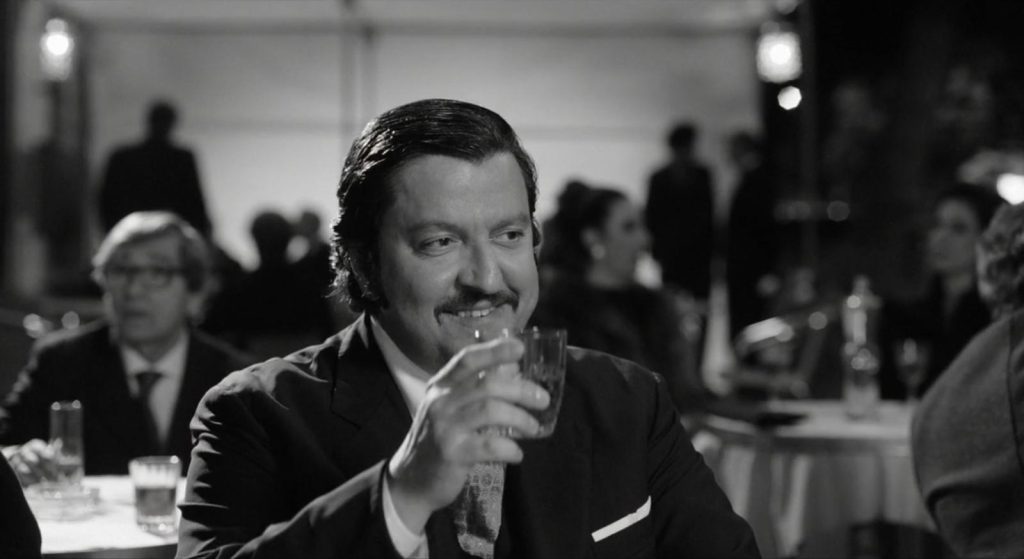
Tell us about your film dedicated to Tanio Boccia.
The Great Boccia is a tribute to the legendary figure of Tanio Boccia, remembered as “the worst director in Italian cinema history,” and tells the story of his remarkable achievement of shooting four films simultaneously in 1964.
What immediately attracted me when producer Galliano Juso proposed the project was the opportunity to tell the story of the underbelly of Italian cinema, operating during the same years when Italian filmmaking was being celebrated worldwide thanks to great auteurs such as Vittorio De Sica, Federico Fellini, Michelangelo Antonioni, and Luchino Visconti.
Tanio Boccia made popular, instinctive cinema, often improvised from script to production, attracting working-class audiences who filled cinemas and parish halls. The stories were simple, but the staging always aimed to be spectacular, even with minimal resources.
Anti-elitist and determined, Boccia managed to complete twenty films throughout his career, becoming famous among film crews for his creative solutions, which were always born out of necessity and a lack of funding. He was also known among major filmmakers as “the worst,” precisely because of the imperfections of his films. This reputation even led to a famous joke referenced by Fellini, when Alberto Sordi teased him after the Academy Awards by saying that the Oscar had not gone to him, but to Tanio Boccia!
Famous for never shooting the same scene twice, he was the king of “one take is enough.” In his films, it is common to find the same sequence reused multiple times or fragments taken from the discarded footage of other productions. For Boccia, everything was possible and nothing was impossible.
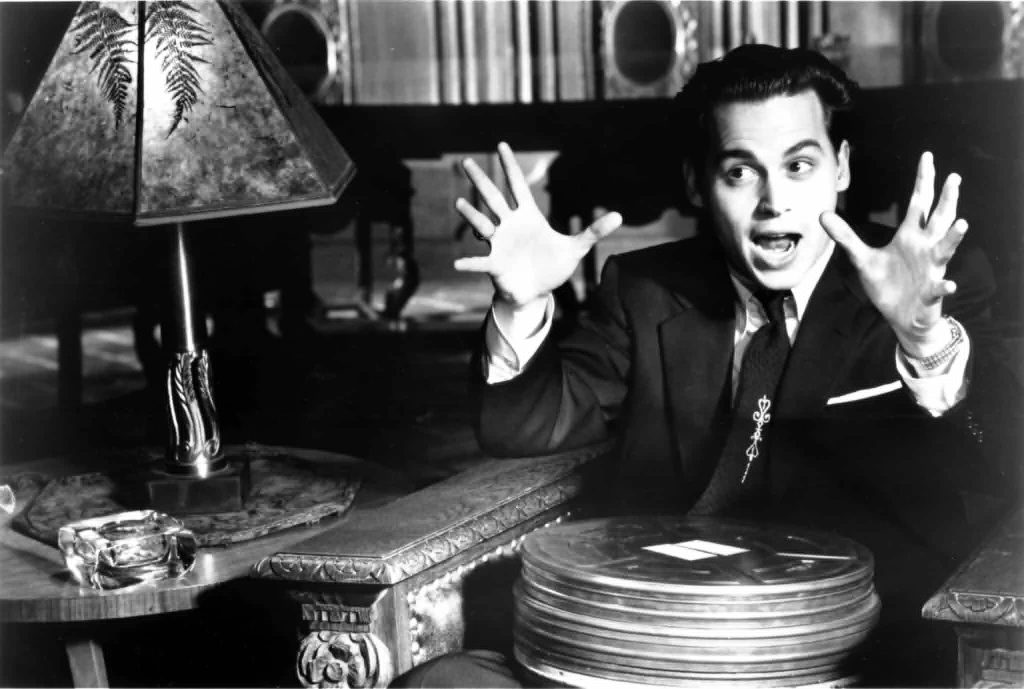
Are there similarities between Tim Burton’s Ed Wood and your film about Tanio Boccia?
I would say that both Ed Wood and The Great Boccia portray their protagonists with affection and curiosity. There is no mockery, but rather admiration for their relentless drive toward cinema and for the dream that cinema represents for these unconventional directors.
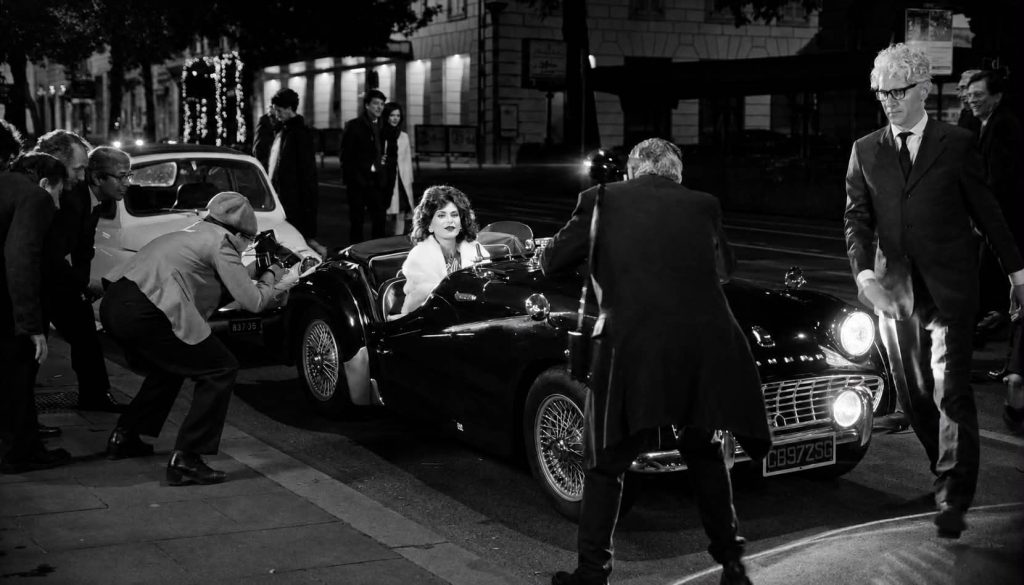
Both characters are driven by an absolute love of filmmaking, which pushes them to realize their projects at any cost, overcoming every obstacle and turning enormous limitations into creative inventions.
The main difference lies in the nature of the two protagonists. Ed Wood is a romantic dreamer who experiences his creativity as something brilliant and unstoppable, whereas Tanio Boccia, in a very Italian way, belongs to a more practical, artisanal, and opportunistic tradition. Less visionary and more pirate-like.
If Ed Wood is the unwitting poet of impossible cinema, Tanio Boccia is the anarchic survivor of Italian popular cinema.
Can the tribute to La Dolce Vita help young people discover that world?
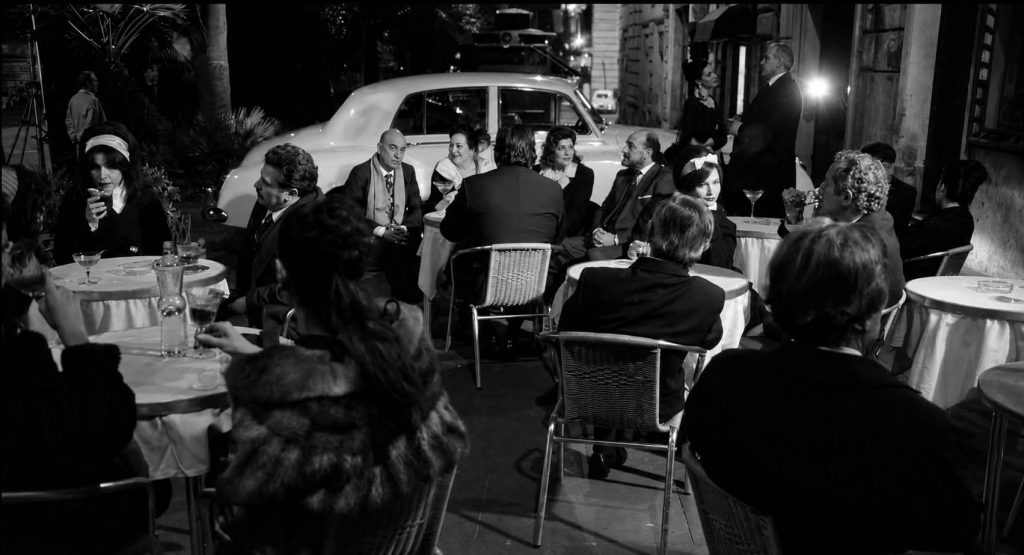
The tribute to La Dolce Vita inevitably passes through the Café de Paris on Via Veneto, which Boccia exploits, together with some cheese vendors, to pretend that he belongs to the glamorous world of cinema, while in reality he is completely on its margins.
The setting is prestigious, but Boccia is a trickster.
The aim of the film is precisely to show the hidden side of Italian cinema in action and perhaps also to tell younger generations about the value of all those people who made, and continue to make, films without necessarily winning festivals or going down in history.
What do you dislike about the world, and how would you change it?
I have never been resistant to change, and I believe that evolution, technology, and any form of human progress should be understood, managed, and, whenever possible, used to improve society.
However, I am deeply concerned, I would even say frightened, by the increasing radicalization of opinions on every subject, from politics to science. In this regard, I believe social media, with its information bubbles, only deepens the inability of people to communicate with one another.
In my own small way, I try to counter this trend by talking with people who think differently from me and, through cinema, by seeking projects that allow audiences to empathize with figures who are difficult to love: antiheroes like Tanio Boccia or controversial characters who challenge immediate understanding.
I believe cinema can do a great deal to encourage doubt and imagine encounters that might otherwise seem impossible.
Your inspiration.
Italian-style comedy is undoubtedly my main source of inspiration: laughing at flaws, misery, and even cruelty, but always with a gaze full of love for the humanity of the characters.
What do you think of WILD FILMMAKER?
A project that dreams of democratizing cinema by promoting creativity, and that in just a few years has managed to build a platform dedicated to independent filmmaking with a community of more than 80,000 artists, can only inspire enthusiasm and hope. Identifying a free space, recognizing a real need, and filling that gap with ideas and hard work is a wonderful example for everyone.