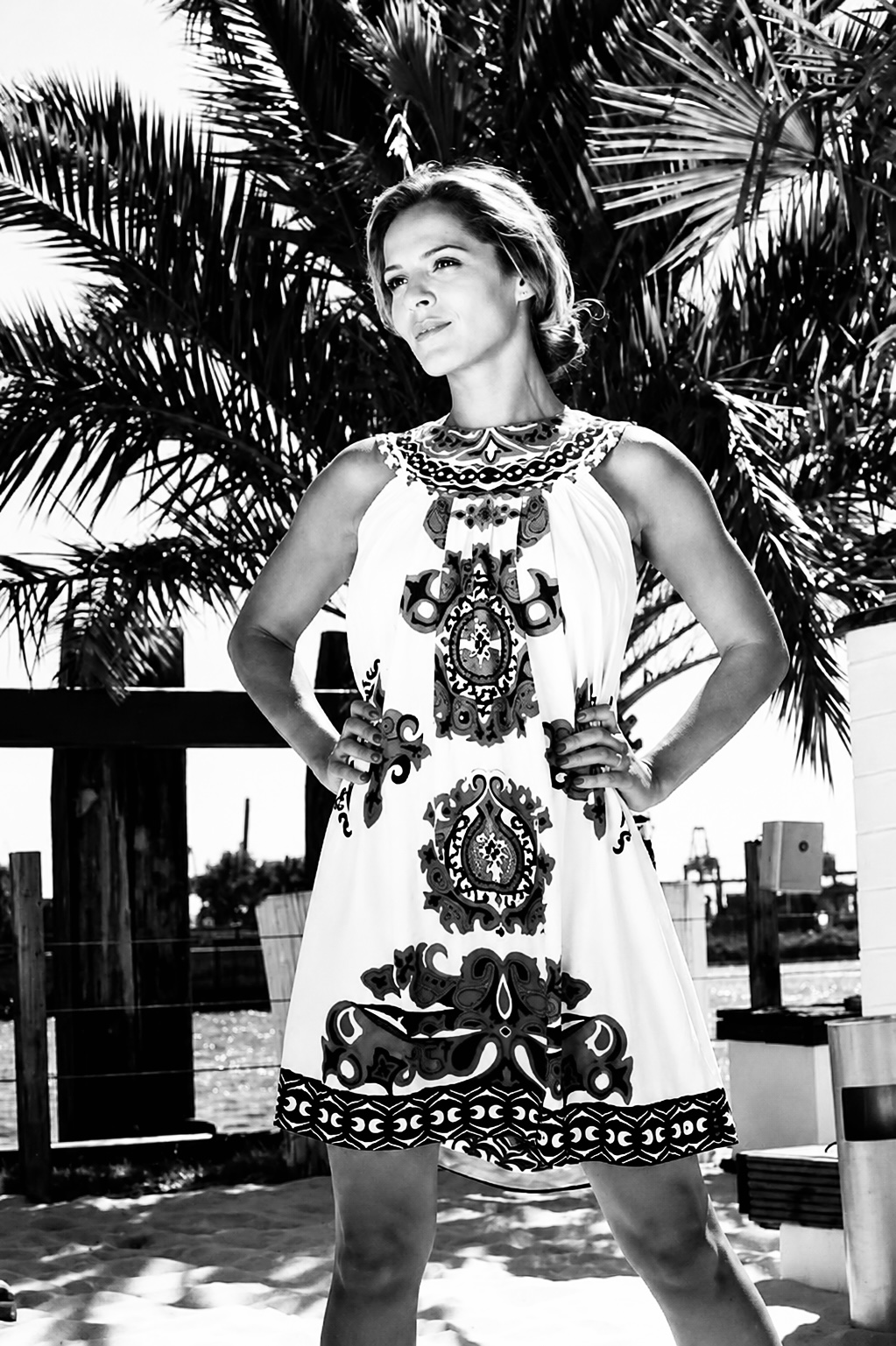
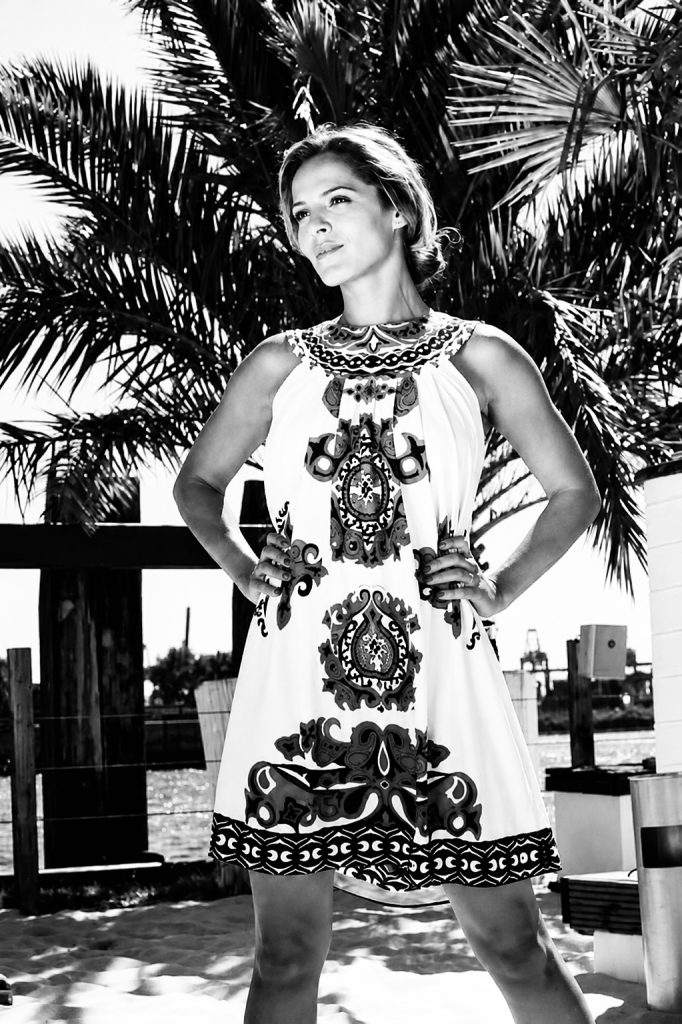
–Who is Ela Ilham von Schöning?
I was born in southern Germany near Munich to Moroccan parents from Marrakech. My creative journey began in music, signing my first record deal with EMI in Milan before living and working in Zurich and later New York, where I gradually fell in love with
screenwriting. Today I’m a screenwriter, a mother of twins, and someone who loves telling stories that make people laugh, feel, and think. I write comedies, family adventures, and science-fiction because I don’t think audiences have to choose between entertainment and emotion. The films I love most are the ones that do both. One principle has always guided my writing: the character should never serve the scene; the scene should always serve the character. When I’m not writing, I love cooking for friends, sharing good conversations, and spending time with my family. If people leave one of my films with a smile, a little hope, or simply feeling something genuine, then I’ve done my job.
–Do you remember the exact moment you fell in love with cinema?
My first love wasn’t actually cinema, it was MTV. As a little girl in Germany, there was only about an hour of MTV each day, and I waited impatiently for Michael Jackson and Madonna videos. Looking back, those music videos were my first experience of visual storytelling. Later I watched Schindler’s List, and the girl in the red coat stayed with me forever. Then I discovered Quentin Tarantino and loved the way he broke storytelling rules. When I eventually started producing my own music videos, I realized that what fascinated me most wasn’t being in front of the camera—it was creating the story behind it.
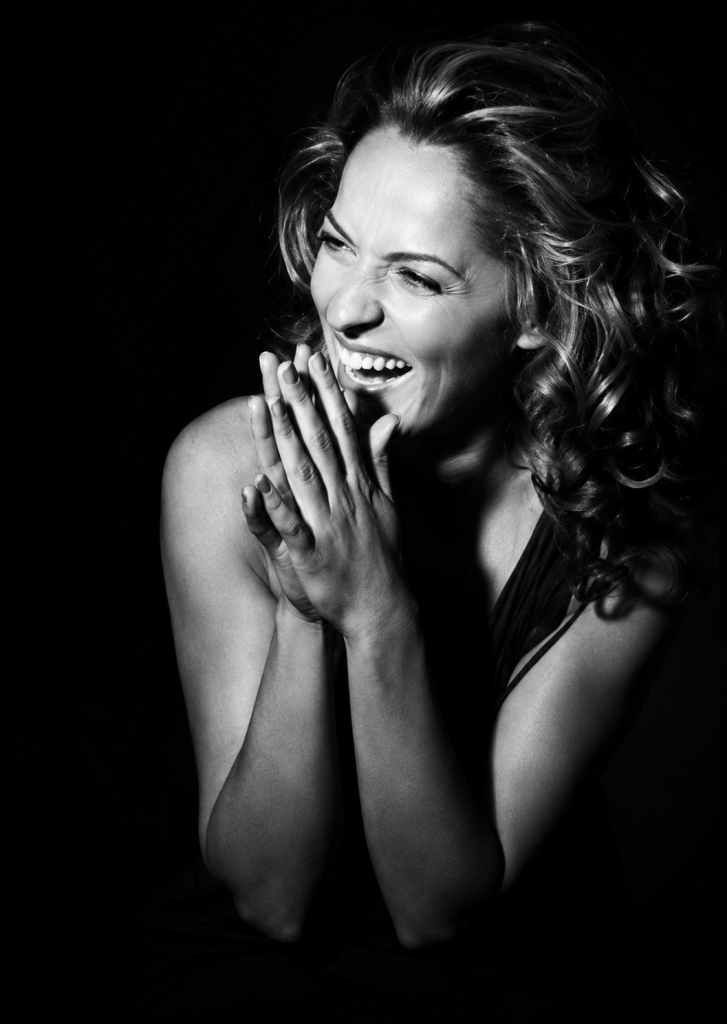
–Tell us about your project, THE SINGER.
THE SINGER actually began during a ski vacation in Austria with my children. I dreamed about a girl who couldn’t sing, woke up, and immediately thought, ‘There’s a story here.’ I never decided to write a science-fiction film. I simply started writing. The world, the characters, and eventually the entire universe revealed themselves step by step. At first it even felt more like a gangster story, and only later did music become the central source of power. My characters usually don’t even have names when I begin.
They’re simply ‘the woman,’ ‘the man,’ or ‘the boy.’ I discover who they are while writing, and once I understand what they want, the story starts moving almost by itself. If I had to describe THE SINGER in one sentence, I’d call it a futuristic gangster drama
where music becomes the most powerful force of all.
–Which director inspires you the most?
I don’t think I could choose just one. The Duffer Brothers inspire me because of the emotional heart they bring to large-scale storytelling. Shawn Levy has an incredible gift for balancing spectacle with warmth and humanity. Luc Besson has always inspired me with his visual courage, world-building, and unforgettable characters. The filmmakers I admire most remind me that pectacular worlds only matter if we genuinely care about the people living in them.
–What do you dislike about the world, and what would you change?
If I could change one thing, it would be access to education. I believe education is one of the greatest forms of freedom. Knowledge doesn’t tell us what to think—it teaches us how to think. I also believe we sometimes think too big when we talk about
changing the world. Real change often begins much closer to home: in our family, among our friends, and within our own Community. If each of us made our own circle a little kinder and more respectful, I believe the world would gradually change with it. As a mother of twins, I have hope. I see a generation growing up that is more connected than any before it. I choose to believe that connection creates understanding, and understanding creates hope. I’m an optimist.
–How do you imagine cinema in 100 years?
I think cinema has always evolved with its audience, and I believe it always will. It’s a bit like music. Every generation has its own sound, and every generation tells stories differently. I imagine films will become faster, more immediate, and more personal because audiences continue to change. Technology will transform filmmaking, just as silent films became sound and black-and-white became color. Artificial intelligence is simply another chapter in that evolution. I’m not afraid of that. Every generation has
new tools. What matters isn’t the technology itself—it’s what artists choose to do with it. As long as cinema continues telling deeply human stories, it will never lose its soul.
–What is your impression of WILD FILMMAKER?
To be honest, I’m still discovering WILD FILMMAKER myself, but I’m always grateful for magazines and platforms that give independent filmmakers and storytellers a voice. We often spend years creating in private, so it’s wonderful when there are places that celebrate that work and introduce audiences to new voices. I’m grateful to be part of it.