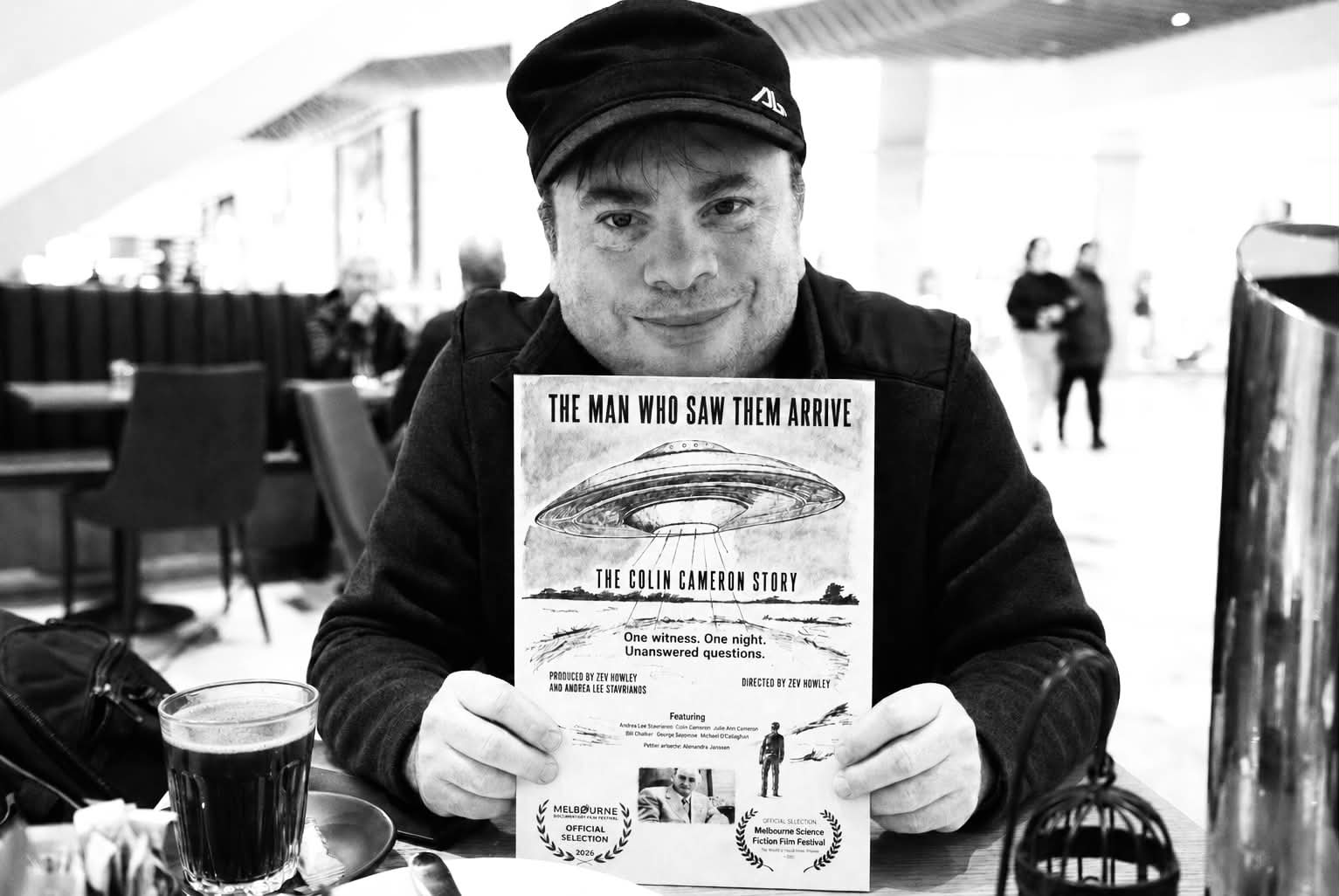
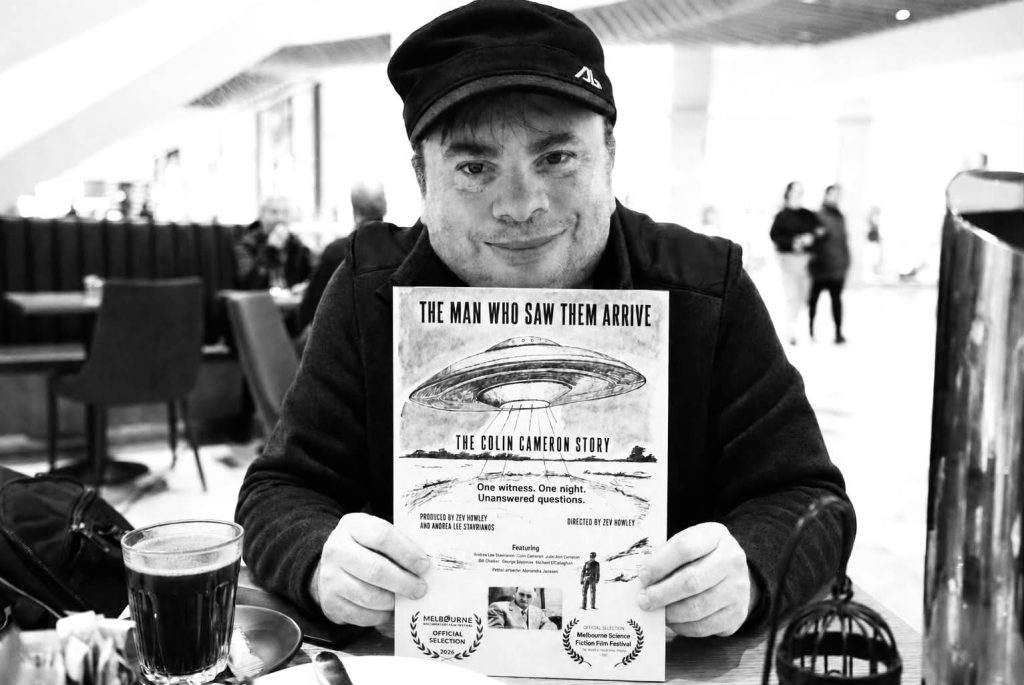
Who is Zev Howley?
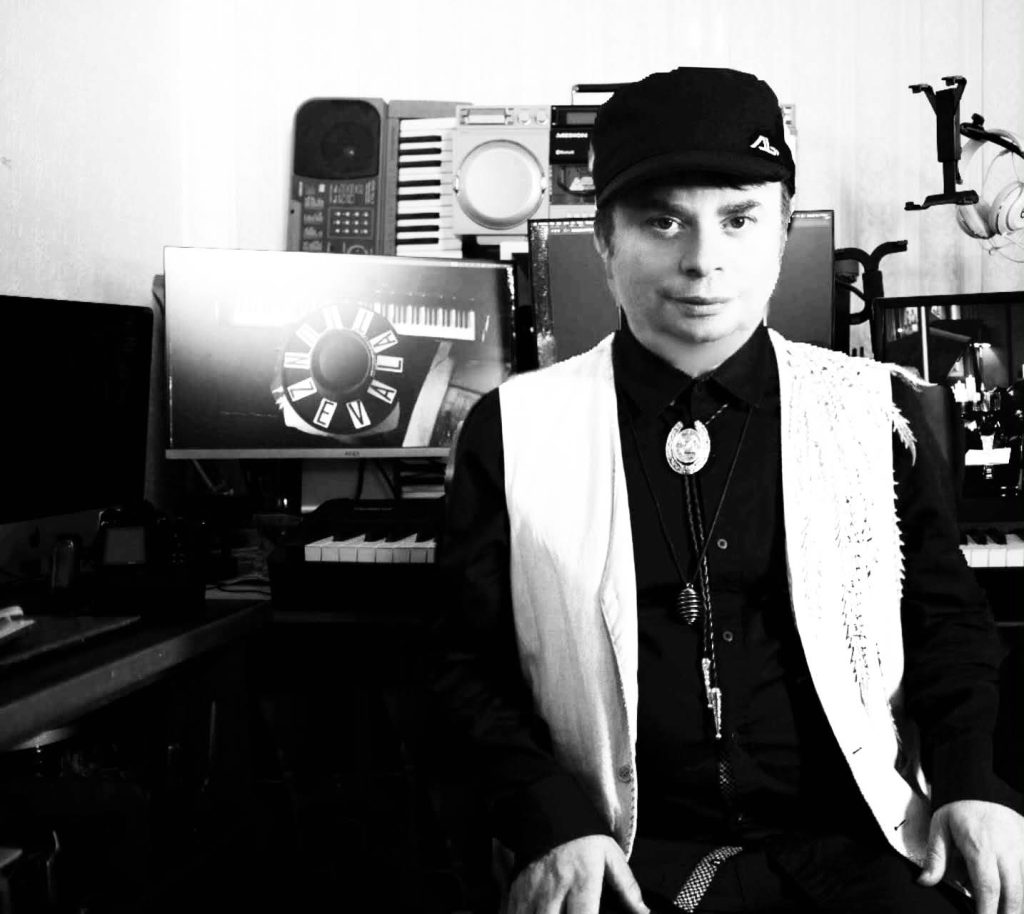
I am a filmmaker, producer, director, musician, dancer, sculptor and songwriter. Having explored many different art forms, I have always gravitated toward my greatest passion: filmmaking. Whether working in short- or feature-length narrative, documentary, or music video, film remains my most powerful form of creative expression—particularly within my favourite genre, science fiction.
I was born into a world of art. My father, John Howley, was one of Australia’s most celebrated artists, while my mother, Rachell Howley, directed one of St Kilda’s earliest art galleries. Together, through the Acland Street Art Gallery, they played a pioneering role in Melbourne’s vibrant arts community during the 1980s.
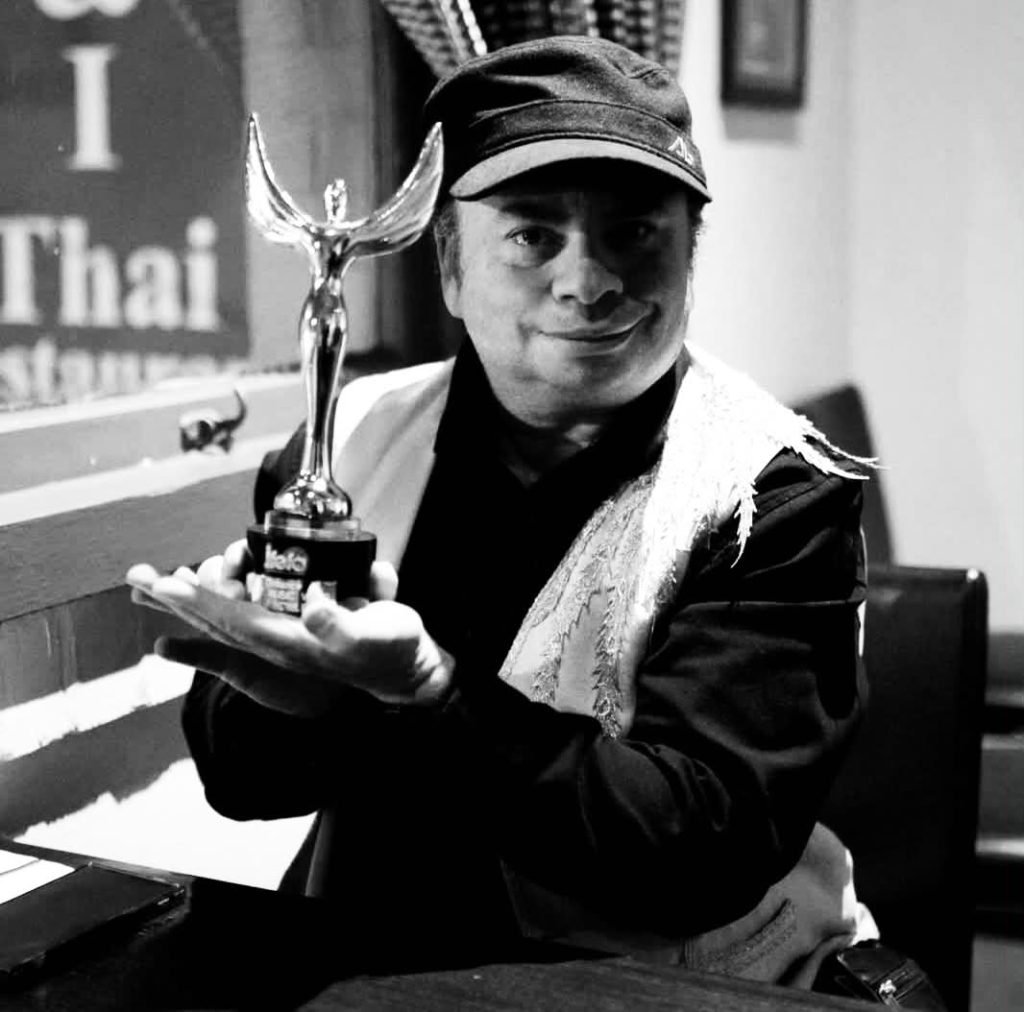
My films have received numerous awards and recognition both locally and internationally. Inspired by my artistic heritage and driven by a lifelong passion for storytelling, I continue to pursue this remarkable creative journey.
Do you remember the exact moment you fell in love with cinema?
Yes, very clearly. In 1977, when I was seven years old, I saw Star Wars for the first time. It had an enormous impact on me. The scale of the story, the imaginative world, the characters and the groundbreaking visual effects opened my eyes to the extraordinary possibilities of cinema. That experience not only sparked my love of filmmaking, but also began my lifelong fascination with science fiction.
Around the same time, I also saw Jaws at the cinema. That film affected me in a very different way—I was probably far too young to see it and had nightmares for nearly three months afterwards. Looking back, both experiences demonstrated the remarkable power of cinema: one film filled me with wonder and imagination, while the other created genuine fear and suspense.
Together, they showed me how deeply films can affect an audience and inspired my enduring passion for visual storytelling.
Tell us about your project, “The Man Who Saw Them Arrive”.
The Man Who Saw Them Arrive is an Australian documentary about Colin Cameron, a man from Kew whose life changed after a mysterious encounter on Kew Boulevard. What began as a strange sighting gradually became an obsession. Colin started documenting unexplained events and sharing what was happening with the people closest to him, but over time, his experiences became more intense – and sometimes dangerous.
The story is told through Colin’s cousin, Andrea Lee Stavrianos, who made a promise to him that his story would one day be shared. Along with Andrea’s personal account, the documentary looks at some of Australia’s best-known UFO cases, including the famous Westall incident of 1966. It also features interviews with UFO researchers who help place Colin’s experience within the wider history of unexplained sightings in Australia.
At its heart, the film is a very personal story about mystery, memory and the unanswered questions that can be hiding in familiar places – sometimes right in Melbourne’s own backstreets.
The documentary had its world premiere in March 2026, when it opened the Melbourne Science Fiction Film Festival to a packed audience. A few months later, it screened at the Melbourne Documentary Film Festival and played to a sold-out cinema, which was an incredible experience.
On 7 August, the documentary will make its Queensland debut at the Australian UFO Festival in Cardwell.
Which director inspires you the most?
That’s a difficult question because so many directors have inspired me in different ways. Steven Spielberg, Stanley Kubrick, Darren Aronofsky, Akira Kurosawa, Quentin Tarantino and James Cameron are among the filmmakers whose work I greatly admire.
I naturally gravitate towards directors who work in science fiction, but I’m also drawn to films that explore important social issues and leave the audience with something meaningful to think about.
My favourite film of all time is actually American History X, directed by Tony Kaye. It’s an incredibly powerful film about racism, hatred and the possibility of change. Its strong anti-racism message is especially important to me, and I believe it remains just as relevant in today’s world. That’s the kind of filmmaking I admire—cinema that is not only visually compelling, but also has something significant to say.
What do you dislike about the world, and what would you change?
What troubles me most about the world is that there often seems to be a lack of empathy and compassion for one another. People can be quick to judge or divide themselves into different groups rather than trying to understand each other’s experiences, struggles and points of view.
There is also far too much conflict and war. So many innocent people suffer because of decisions made by those in power, and the human cost can be devastating for generations. I believe we need to place a much greater value on peaceful communication, understanding and cooperation.
If I could change something, I would encourage people to listen to one another with greater openness and kindness. We may not always agree, but we can still treat each other with dignity and respect. I believe that if there were more empathy in the world, there would be less hatred, division and violence—and a much greater chance of creating lasting peace.
How do you imagine cinema in 100 years?
I imagine cinema in 100 years will be almost unrecognisable compared with what we experience today. Traditional cinemas and flat screens may no longer be the main way we watch films. Instead, cinema could become a fully immersive holographic or virtual experience in which the audience feels physically present inside the story.
Artificial intelligence may allow each viewer to experience a personalised version of a film. The characters could respond directly to us, and our decisions might influence how the story develops or even change its ending. Rather than simply watching a film, we could become active participants in its world.
There may also be technology that connects directly with the brain, possibly through implants or advanced wearable devices. This could allow audiences to experience a character’s emotions, sensations and memories as if they were their own. Filmmakers would no longer be working only with images and sound—they could be creating complete emotional and sensory experiences.
However advanced the technology becomes, I believe the heart of cinema will remain the same. People will always want powerful stories that make them feel something and help them understand themselves and the world around them. The way we experience cinema may completely change, but our need for meaningful storytelling will continue.
What is your impression of WILD FILMMAKER?
I think WILD FILMMAKER is a fantastic platform because it shines a light on independent filmmakers and gives their work the attention it deserves. The film industry can be extremely competitive, and talented independent filmmakers often struggle to receive the same opportunities or recognition as larger, well-funded productions.
I believe it is important to support the underdogs of the film industry—the passionate filmmakers who continue creating despite limited budgets, resources and industry connections. Independent cinema is often where we discover the most original ideas, personal stories and courageous filmmaking.
Platforms such as WILD FILMMAKER provide filmmakers with valuable exposure while also helping audiences discover exciting voices they may not otherwise encounter. I greatly appreciate its commitment to celebrating independent cinema and supporting the people who keep it alive.