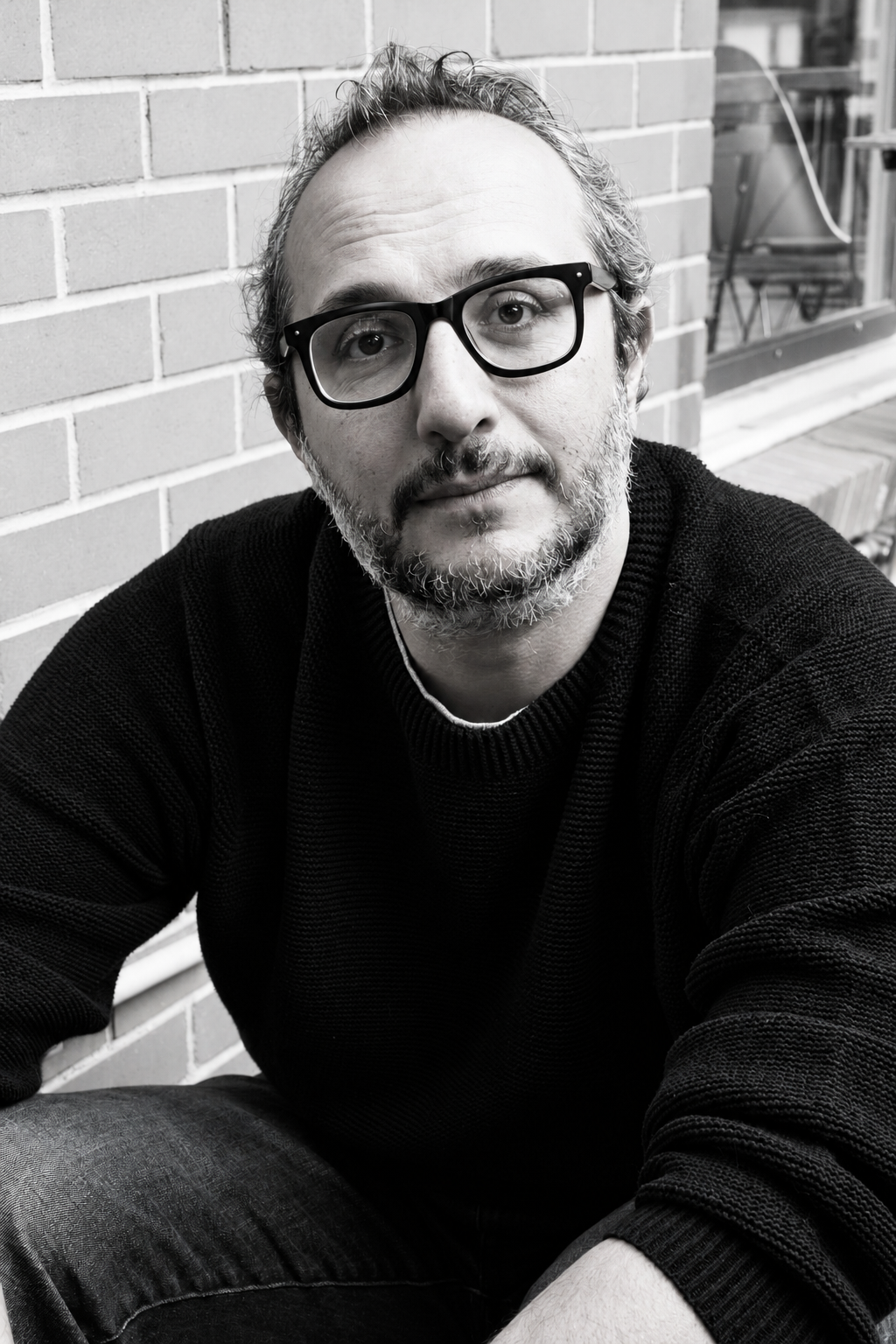
-Who is Paul Fischer?
I am an author and screenwriter, primarily based in the United Kingdom.
-Do you remember the exact moment you fell in love with cinema?
I remember being very young, maybe four or five, and going to my dad’s shelf of VHS tapes on a rainy day, and pulling out the cassette of Raiders of the Lost Ark, because I was intrigued by the cover artwork. I put it on and was completely overwhelmed by it. The music, the swashbuckling, the adventure, the melting faces. I was into movies from then.
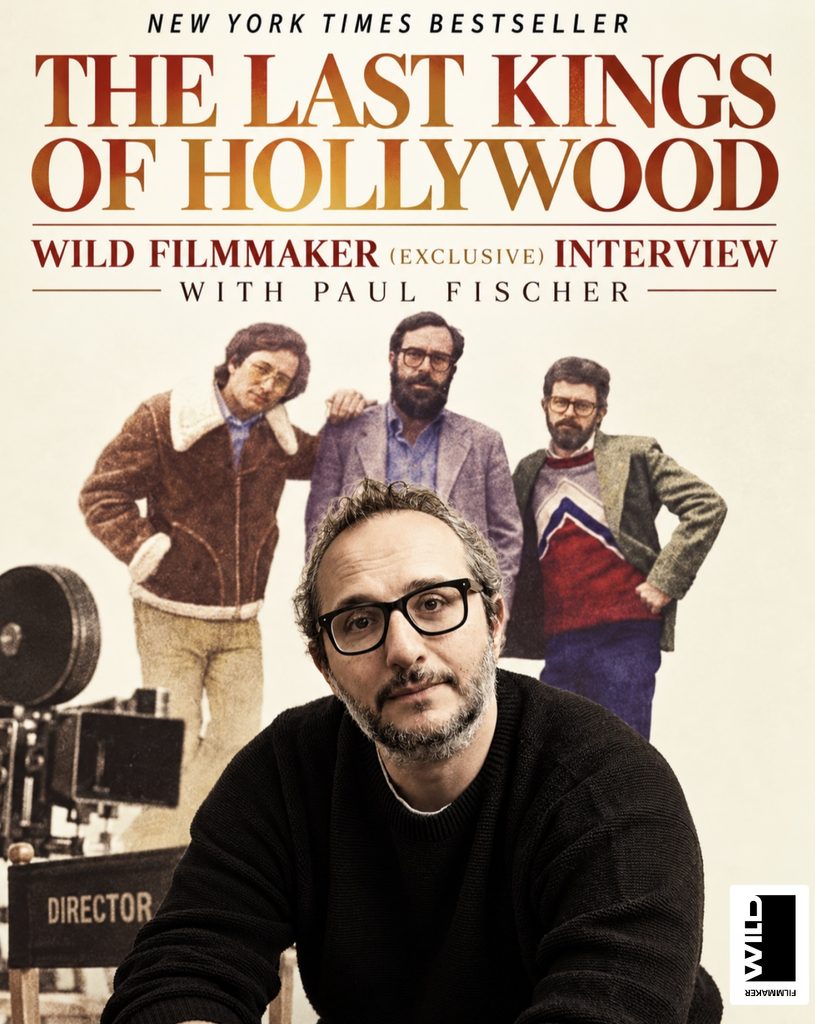
-Tell us about your book “THE LAST KINGS OF HOLLYWOOD”.
THE LAST KINGS OF HOLLYWOOD is about the friendships and early careers of Steven Spielberg, George Lucas, and Francis Coppola, and how they set out to take on an American film system that, at the time and in their eyes, was failing and dying. They wanted to make personal films that were also popular films, or popular films that were also personal films — where to draw that line was part of the dilemma — and they wanted to find a way to have creative and financial control over their work, like artists, instead of being essentially studio employees. The book follows them from the moment they meet, in the late 1960s, to about the mid-1980s, when they were the biggest filmmakers arguably in the world.
-Did you expect this book to make it onto The New York Times’ list of the most successful film books?
I didn’t, partly because I try not to worry about anything other than writing the book. If people like it, amazing, if it sells, great. If people don’t like it and it doesn’t sell, it is what it is. It takes me several years to write each book and I just want to write something I’m proud of. I remember someone once saying you can do this kind of work for the process or for the results, but not for both, and that’s true for me. So I do it for the process. You can’t control the results.
-Why didn’t you include Martin Scorsese among the last kings of Hollywood?
Scorsese is kind of 1B to the Spielberg, Lucas, and Coppola in the book, who are the 1A main subjects, the titular “kings.” He’s very important but he doesn’t fit in the centre of the prism. Essentially, he did not have any interest in taking over the system or running a studio or having that form of power, like they did — Scorsese just wants to make films, and to make every film like it’s his last. And he was a New York guy, not a California guy, which the other three were. And he had great success but not the kind of unprecedented success those guys had, that transformed the industry and how it made films and what films it made. So in the book, as far as cultural history, Scorsese serves more as a contrast, a filmmaker who was influential in other ways, went about things in other ways, while being a very close friend and collaborator to all of them.
-What do you dislike about the world and what would you change?
I’m middle-aged and grumpy, so there’s plenty about the world I dislike. Right now, mostly, it’s everything the fat cats on the hill are trying to push on us — so-called AI, consumerism, precarious work to live, division and prejudice, digital dishonesty and misinformation, treating everything about being alive like it’s something to be earned through work in the global factory rather than a right we all have. We don’t live in the world most of us want, or a world most of us would thrive in, but we’re all prisoners of this system manipulated by the very few to benefit the very few. I grew up in France, and though there is plenty about French culture I don’t particularly love, I am a great admirer of resistance, of the protest and of the barricade.
-How do you imagine cinema in 100 years?
Another hundred years is almost as long as cinema has existed already, so who knows? I hope it remains a collective experience. I hope it remains centred around work you go see on a big screen in a dark room with other human beings. It’s about being overwhelmed.
-What is your impression of WILD FILMMAKER?
I was not familiar with the publication before we spoke, but anyone fighting to remind people cinema is special and worth preserving is fighting the good fight!