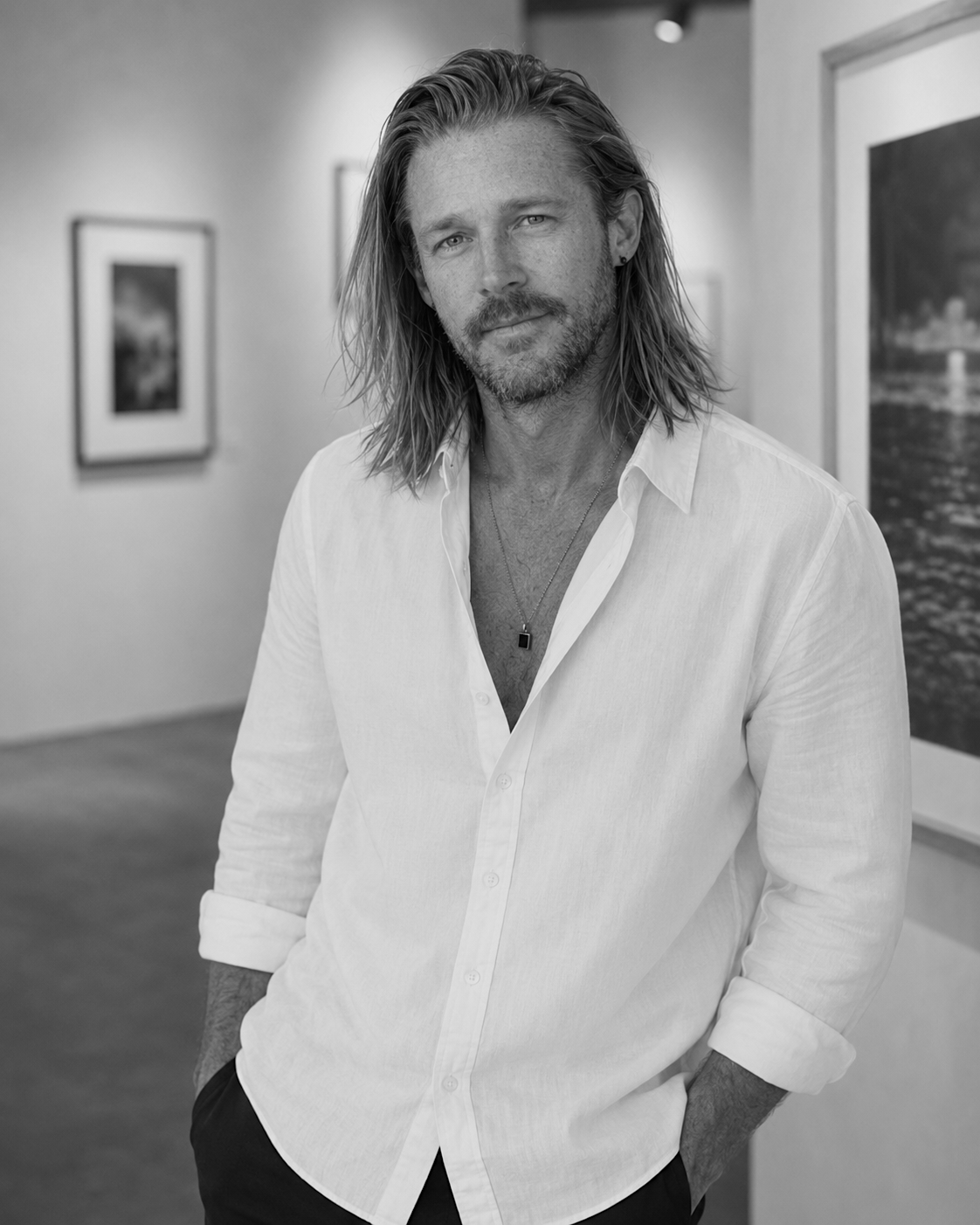
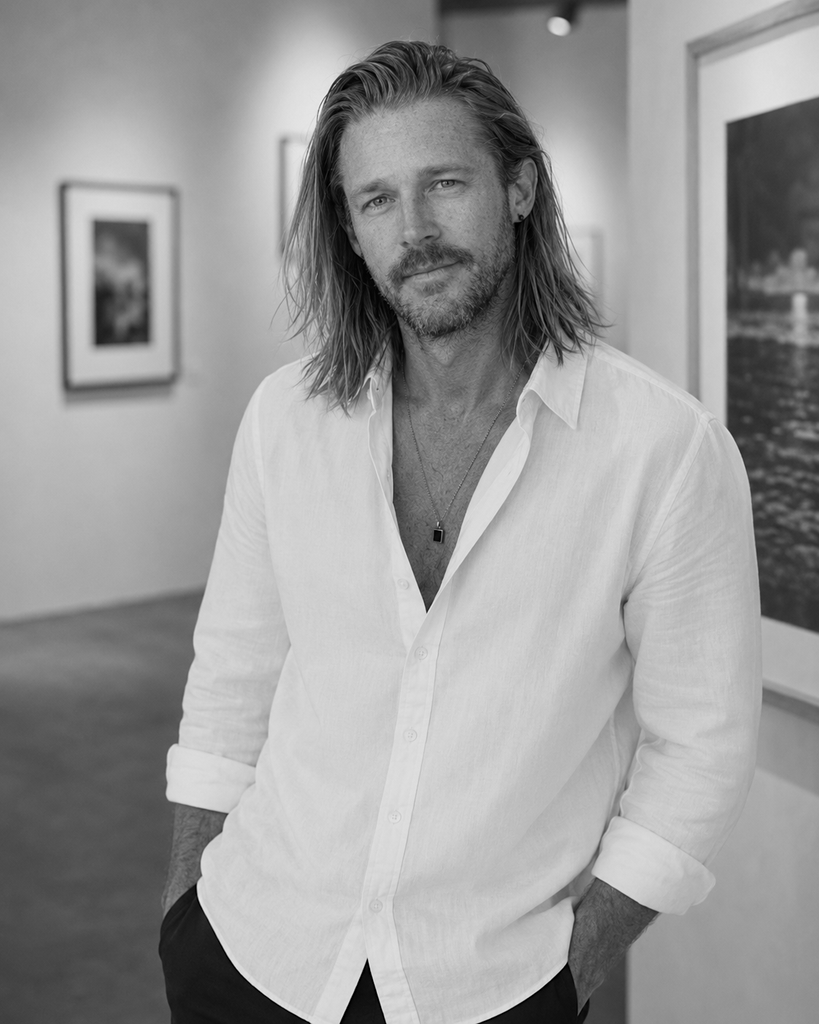
Who is Nathan Roderick?
I’m an Australian photographer and filmmaker, born and raised in Sydney. I was always drawn to the camera, especially through sport. I grew up around some highly talented individuals and loved photographing them. When my own sporting ability reached its limits, the camera gave me a reason to keep joining them. It also gave me a sense of purpose.
Over the past 25 years, that purpose has developed through photography, filmmaking and now writing.
My life experiences have helped me grow as an artist. It took poor health and a period of personal upheaval for me to fully accept how much this work meant to me and commit to pursuing it. I have never felt more myself. Photography, film and writing now feed into one another, each helping me develop how I see and tell stories.
Do you remember the exact moment you fell in love with cinema?
One moment that stands out is seeing Christopher Nolan’s Batman Begins at the cinema in 2005. Like many people of my generation, I had grown up with Batman. But this film made me connect with the person behind the character in a way I hadn’t before.
I was moved by the psychological depth of Bruce Wayne’s story: a traumatised child carrying guilt and grief into adulthood, trying to find purpose in what had happened to him. Nolan’s humanisation of a familiar character made me feel compassion and left room for my own interpretation.
Alongside Wally Pfister’s beautiful cinematography, that experience made me curious about how a film could create such a powerful emotional response. I began exploring Nolan’s work and the filmmaking process. It changed the way I watched cinema.
Tell us about your project “Painting Ivy – Truth”.
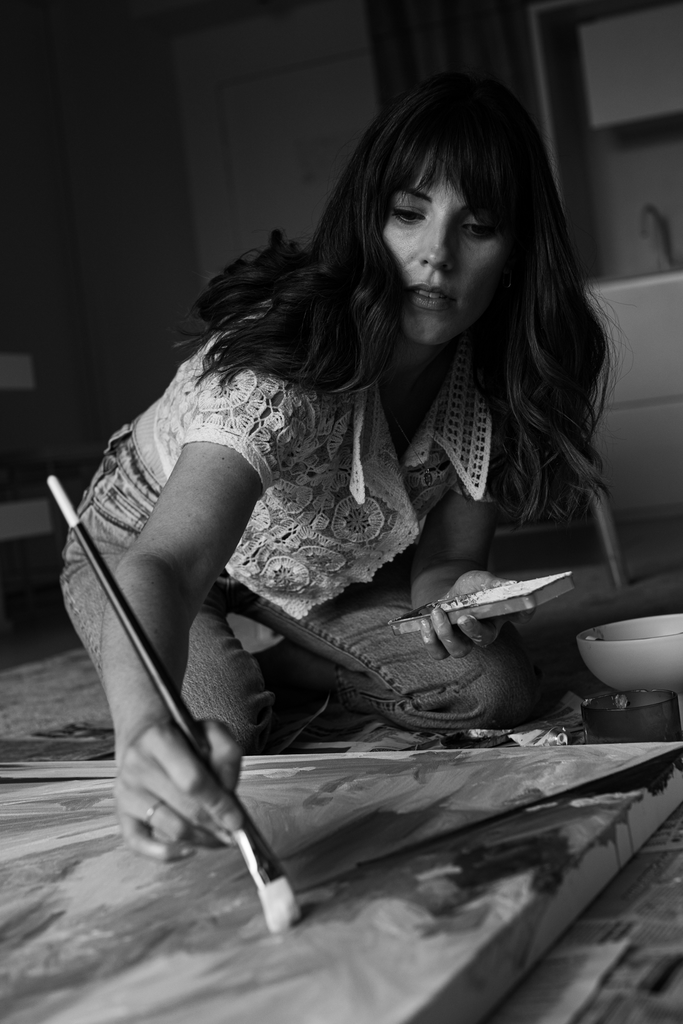
I was sitting in my usual spot near my home in Bondi Beach, where I often write in my journal and develop ideas, when I noticed a woman standing on the platform above me. Something about her made me think she needed a hug. I stayed where I was and continued writing.
A little later, she approached me and asked about my writing. We spoke briefly about her painting and her first visit to Australia. I felt there was more she wanted to share, so I suggested meeting for coffee to talk about her work.
We met a few days later. Hearing her story brought me back to that first instinct: that I had noticed someone who was carrying something difficult.
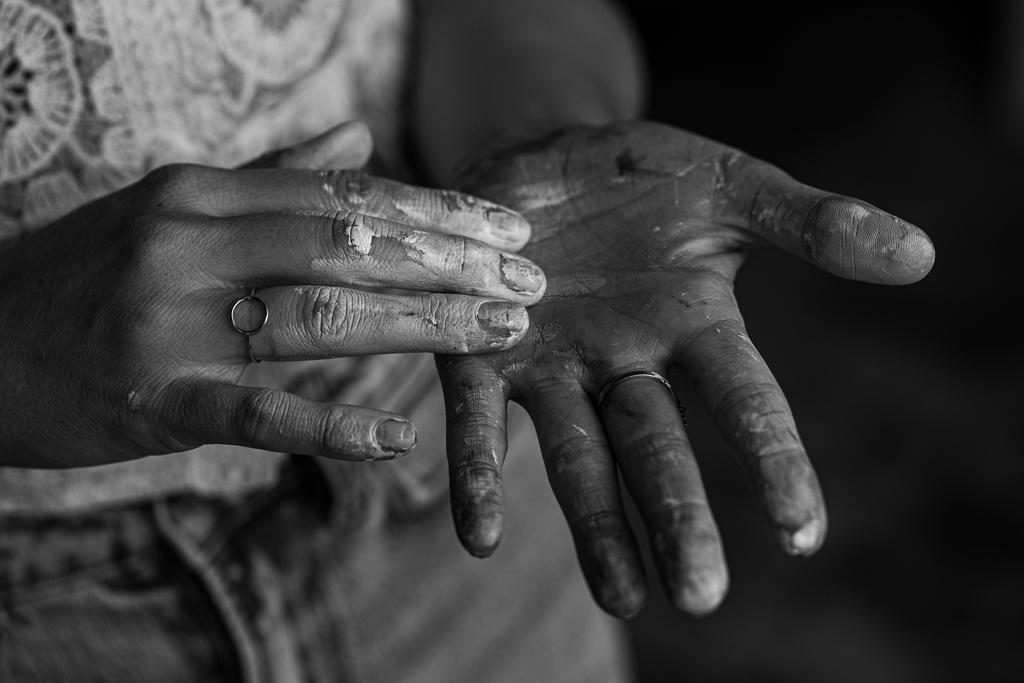
Before she left Sydney, we arranged to film one evening at sunset. I wanted to explore the person and experiences behind her paintings. What she shared during that session became the foundation of Painting Ivy – Truth.
The film was originally shot and edited as a teaser to help seek funding for a longer project. But the two-minute, nine-second piece had an emotional impact of its own, and I came to recognise it as a complete film.
It is now on the festival circuit and has received multiple international awards, which I’m grateful for. More personally, it has deepened my connection to my work.
The experience taught me to trust my creative instincts, give even a small project my full commitment, and keep working until I feel the piece is ready.
Which director inspires you the most?
My greatest creative influence comes from photography: the late Peter Lindbergh.
His approach to light, mood and human connection has deeply influenced how I photograph and film people. I’m drawn to the way his images allow someone’s presence and individuality to carry the frame.
Discovering his work brought me to tears. I had a sense of what I wanted to create visually, but I hadn’t fully understood where that instinct came from or how to articulate it. His work helped me recognise and understand my own creative direction.
Christopher Nolan was instrumental in awakening my curiosity about cinema, but Lindbergh has had the greatest influence on how I approach the person in front of my camera. I feel an affinity with the sensitivity and humanity I recognise in his work. Those are qualities I aspire to bring to my own.
What do you dislike about the world, and what would you change?
Social injustice. I value the differences between people: our abilities, ambitions, perspectives and the lives we choose to pursue. But I believe everyone should have access to the essentials of life, alongside respect, dignity and safety.
If I could change something, I would make that foundation available to everyone. People should have the freedom to strive for more without having to struggle for their most basic needs.
How do you imagine cinema in 100 years?
I imagine technology will transform how films are made in ways we can barely anticipate. Many of the processes we spend time on today may become automated.
But I believe there will always be a need for authentic stories. The desire to understand ourselves and connect with other people will remain, whatever tools we use.
The filmmakers who move audiences will still need sensitivity, perspective and something meaningful to say. I hope technological progress gives us more freedom to explore that human element.
What is your impression of WILD FILMMAKER?
I’m still getting to know WILD FILMMAKER, and I appreciate its interest in independent filmmakers like myself.
There is a story behind the work of every creative person. Having the opportunity to share some of that process, alongside the finished film, is valuable. It helps audiences understand the person behind the images and gives artists another way to connect with people.
I’m grateful for the invitation to share my own experience and introduce Painting Ivy – Truth to your readers.