-Who is Jim Hemphill?
I always describe myself as an enthusiast, since it’s the only term that really encapsulates everything I do. I write about movies, but I also make movies, and I comment on other people’s movies in the form of historical DVD audio commentaries, most of which I collaborate on with my wife, screenwriter Kelly Goodner. Basically, I’m a guy who spends a good deal of his waking (and probably sleeping) life thinking about, talking about, watching, making, and writing about movies.
-How did you get involved in independent cinema, and what did “Bad Reputation” and “The Trouble” with the Truth represent for you?
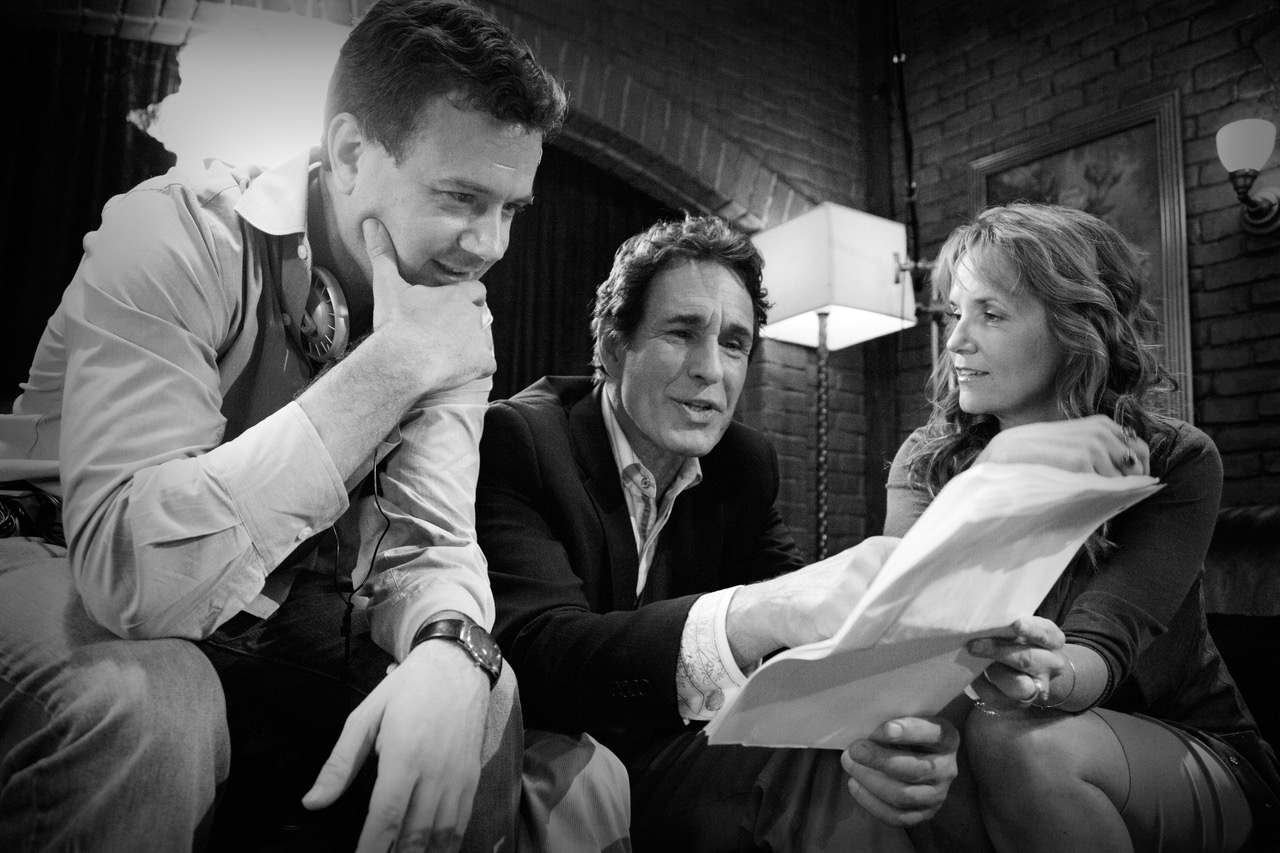
I never had any real commitment to being an independent filmmaker, or a Hollywood studio filmmaker — I just wanted to make movies and was happy to do it in whatever way was possible. At the time I made “Bad Reputation,” which was a micro-budget horror movie I made for a few thousand bucks, technology was just starting to democratize filmmaking. We shot it in the summer of 2004, so there weren’t smartphones or truly affordable HD cameras yet, but you could shoot on mini-DV, edit in Final Cut Pro, and have a movie that was more or less releaseable, at least on home video. In fact, I caught the tail end of the retail video store era, and the “Bad Reputation” DVD was in all the Blockbuster Video stores, which at the time was exciting. By the time I made “The Trouble With the Truth” a few years later, that world was gone.
Ultimately, “Bad Reputation” was the movie that taught me how to make a movie — mostly by all the mistakes I made. It’s a painful movie for me to watch now, because I was straining so hard against my resources. If I made it today for the same money it would be much better, both because technology has improved so drastically and because I know better what I’m doing, but at the time I was lucky to get the camera aimed in the general direction of the actors. I had no control over tone or my own influences; at the time I was obsessed with exploitation films like “I Spit on Your Grave” and Abel Ferrara’s “Ms. 45,” but also Woody Allen and Ingmar Bergman movies and teen comedies. Those aren’t necessarily elements that should go together, and “Bad Reputation” feels kind of all over the place to me now. On the other hand, if the movie has a strength it’s probably the fearlessness and craziness that came from a guy who thought he knew everything but knew almost nothing — about life or filmmaking. If I made it today it would be more technically proficient and less confrontational, but I don’t know if that would make it better.
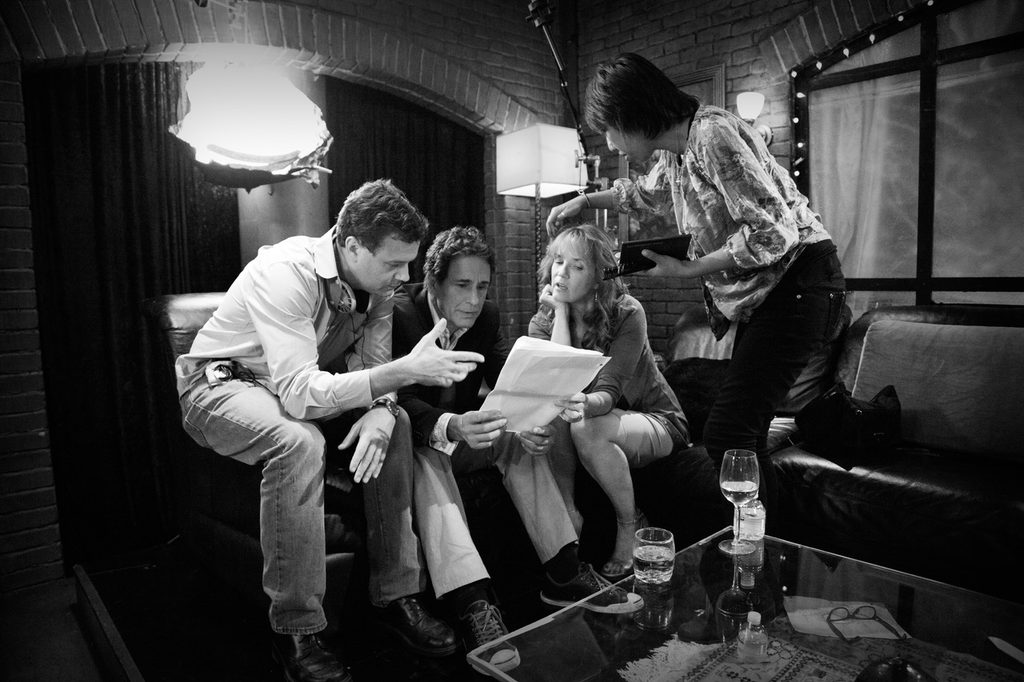
“The Trouble With the Truth” represents something completely different, which is the first time I made a movie that actually lived up to what I wanted it to be — and in some ways surpassed my intentions. It was made as a response to and reaction against “Bad Reputation.” With that movie, I felt like my ambitions to make a studio-type horror movie on a miniscule budget resulted in a film that was way too technically ragged for my taste. I decided that I would write my next movie at a smaller scale and designed so that it would live or die on the strength of the script and acting — two things that don’t necessarily have to cost a lot of money. I also didn’t think at all about the marketplace, for better and for worse. Whereas “Bad Reputation” was made in a marketable genre for a specific audience, “The Trouble With the Truth” was essentially made for me — I was trying to do my version of the kind of personal film John Cassavetes or Paul Mazursky would have made in the 1970s.
And I think I succeeded, though I wouldn’t dare to compare myself to those filmmakers — nor would I take all the credit for the movie’s strengths. There’s a lot of alchemy and good luck required for a movie to work, and I had plenty of both on “The Trouble With the Truth.” The main piece of luck was landing on the exact right two actors, John Shea and Lea Thompson, to play the leads. From there everything fell into place…it was a very easy film to make, or at least as easy as any movie can be, and it felt like there was no obstruction between what was in my brain and what made it to the screen. I don’t know if that’ll ever happen again.
-You are both a filmmaker and a film critic, in the tradition of directors such as Godard and Truffaut. How does being a filmmaker influence the way you discuss and interpret other filmmakers’ work?
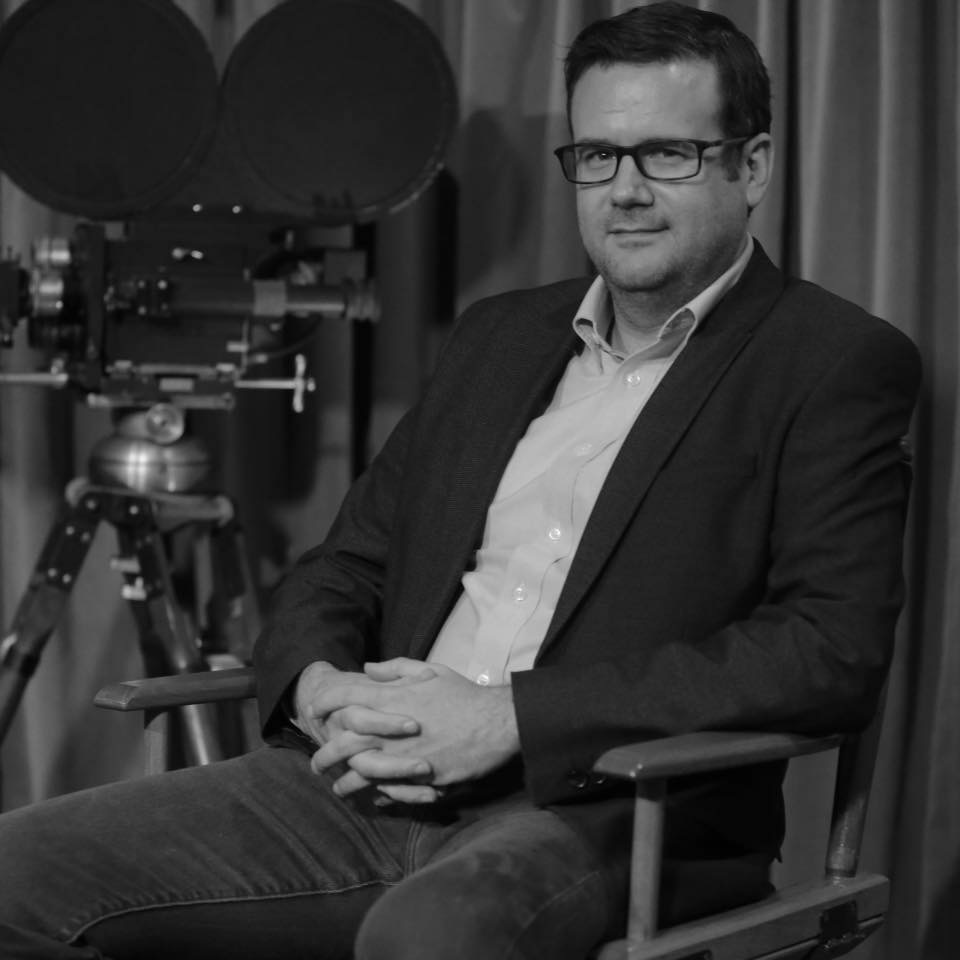
It’s hugely important, though I have to start by saying I’m not a critic; I don’t review movies, really, though I will sometimes write defenses of current films if I feel they’re being unfairly maligned (as I recently did with “Digger”). I’m more of a film historian or reporter; my more analytical writings tend to be about placing older movies in the context of their overall position in film culture, and when it comes to contemporary films I tend to write interviews rather than reviews.
That said, yes, the relationship between filmmaking and writing about film is significant. The biggest difference between me and someone like Godard or Truffaut (aside from the obvious difference in scale of talent) is that I went in the reverse direction — they started out writing about film and made the jump to filmmaking, whereas the bulk of my serious film writing came after I had made a couple of movies. I would never claim to be the world’s greatest writer, or most original thinker, but I do think that I have a perspective that’s unique.
95% of people who write about film have absolutely no clue about how movies are actually made or why directors make the decisions that they do, and that’s fine — you don’t need to be a chef to know if a meal tastes good. But I do think that my experience having made movies gives me a point of view that even a great critic will just never have; it also gives me a certain amount of humility, because I know how hard it is to make a movie and how vulnerable it makes you. A lot of critics I know don’t seem to grasp how much pain they inflict with snarky dismissals (or they’re sociopaths and just don’t care), but I’m very aware of what it feels like to be on the receiving end of that, and I think it makes me more prone to judge each film on its own terms rather than imposing some preexisting set of aesthetic or, God forbid, moral values on it.
-What do you think about artificial intelligence in cinema, particularly in image generation and animation? Can it democratize filmmaking, or does it risk impoverishing cinema?
I’m ill-equipped to answer this question, as I don’t think about it all that much. The kinds of character-driven movies I make aren’t really going to benefit much from AI, and I don’t think AI can really replace them. AI doesn’t know what it’s like to drink too much and say something stupid, or get jealous because an incompetent coworker is promoted over you, or to fall out of love with your significant other, and I don’t think it can ever really replace what great artists do because it’s always learning from things that have already been done. That’s not how you get a Terrence Malick, or a John Cassavetes, or an Elaine May. My biggest fear is that there’s a big swath of the audience that doesn’t know the difference, and that scares me.
-What new projects are you currently working on as a filmmaker?
I’m finishing up a pretty wild horror script that I’d love to see get made, though I don’t necessarily know that I have to be the guy to direct it. I’m also working on another dramedy in the idiom of “The Trouble With the Truth,” but with a little more scale and scope. I hope to shoot that one in 2027.
-What is your impression of WILD FILMMAKER and its international community of independent filmmakers?
My favorite thing about Wild Filmmaker is its embrace and celebration of film history, and its recognition that we’re all on a continuum. We’re all standing on the shoulders of Martin Scorsese and Abel Ferrara and Francis Coppola, just as they were standing on the shoulders of John Cassavetes and Michael Powell and Michael Curtiz and everybody else. More people have the tools of filmmaking accessible to them than at any point in history, but I don’t know if there’s a corresponding increase in visual literacy. Steeping one’s self in the great filmmakers of the past and figuring out how to build on what they’ve done is vital for the survival of the art form.