-Who is Ryosuke Handa?
I am a Japanese independent filmmaker, author, and artist born in Kyoto. I am drawn to the boundary between what we see and what we imagine. In my films, images, sounds, and gestures carry meanings that cannot always be expressed through conventional narrative.
-Do you remember the exact moment you fell in love with cinema?
My first encounter with cinema was as a child, sitting on a grassy embankment after dark, watching a travelling cinema project a film onto the white exterior wall of a sake brewery. I do not remember what was showing, but I still remember the sounds, the voices, and the light on the wall in the darkness.
Another decisive encounter came when I was twenty, at an art film theatre in Shinjuku, Tokyo, where I saw Kenneth Anger’s short films. I was especially captivated by “Rabbit’s Moon.”
-Tell us about your project “A Red Bicycle”.
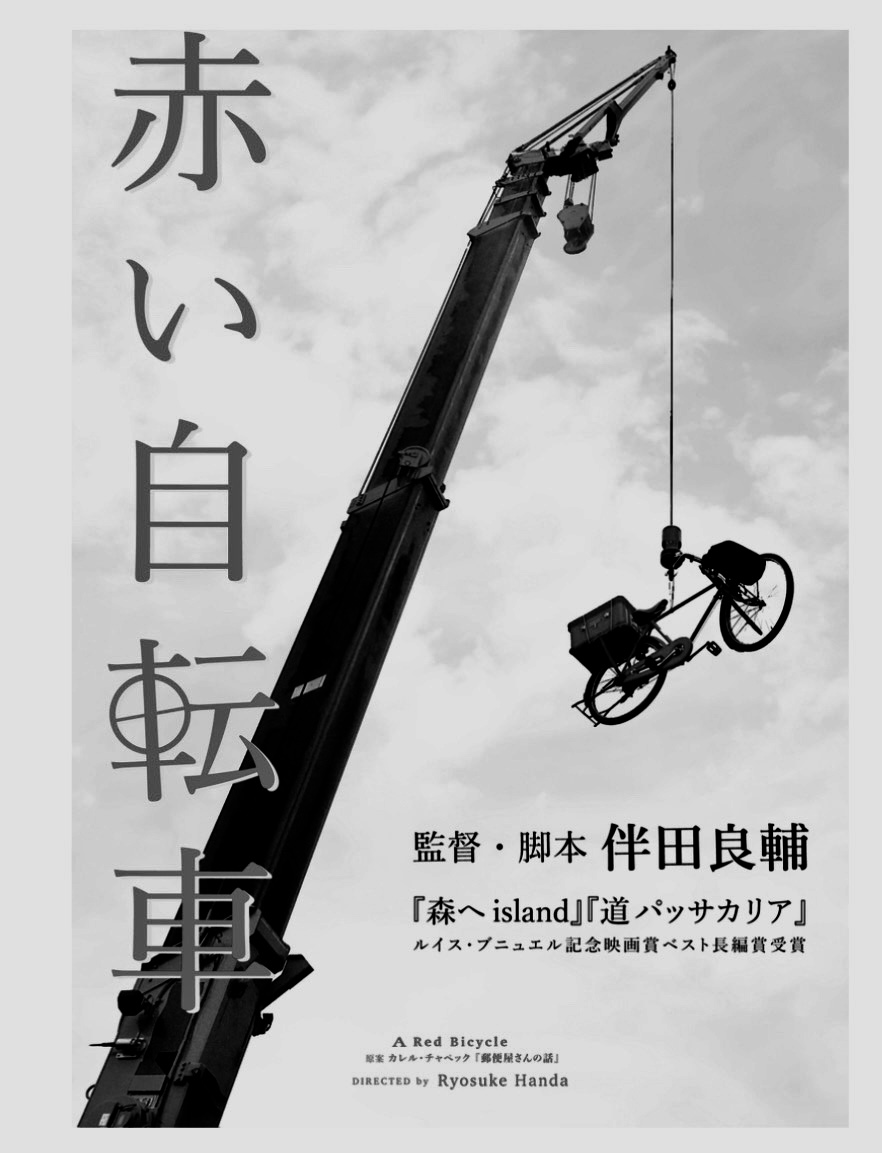
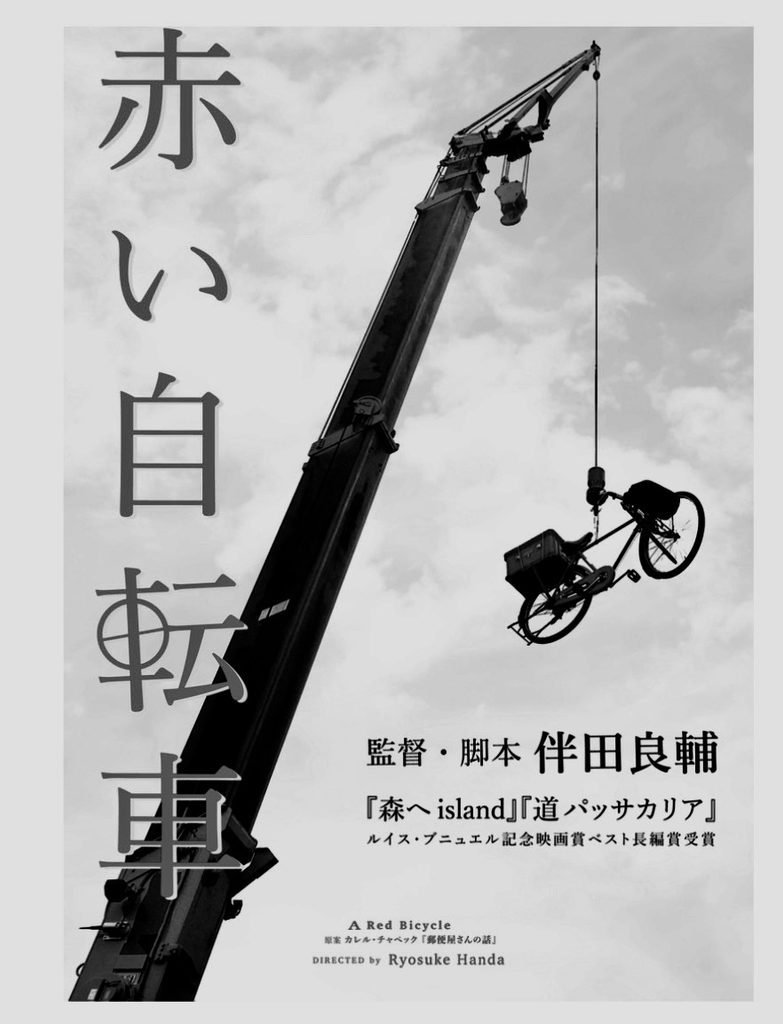
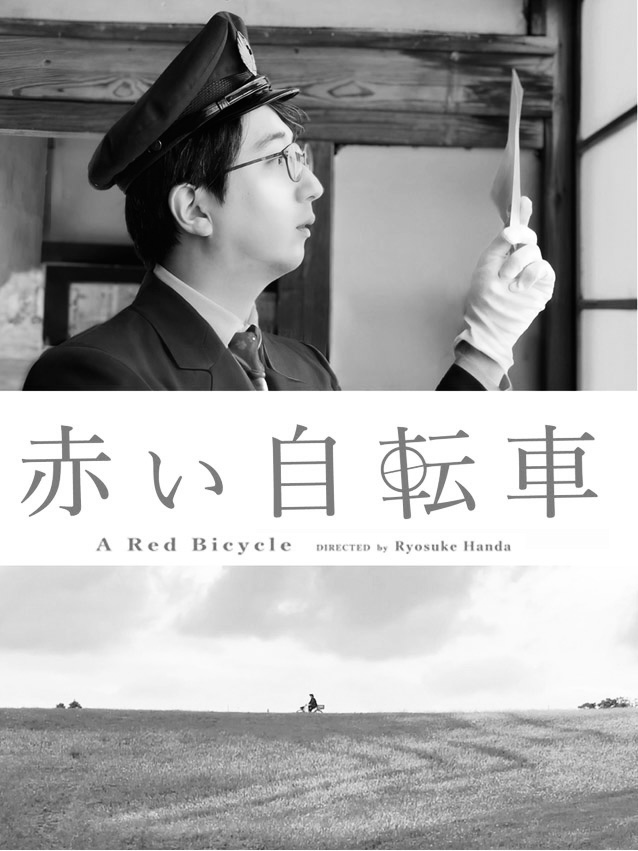
“A Red Bicycle” is my third feature film, set in rural Japan in the 1970s. At its centre is Chotaro, whose father died in the Second World War while his mother was pregnant with him. Separated from his mother, who left home when he was still a child, Chotaro finds joy in his beloved work as a postman. Yet, as time passes, the scars left by war slowly emerge in his everyday life, drawing him into another world.
The rural landscape is essential to the film. I wanted to create a world in which everyday life and unexpected encounters could open a passage into another,strange space.
-Which director inspires you the most?
Andrei Tarkovsky and Sergei Parajanov are especially important to me. Tarkovsky’s treatment of time, memory, and landscape has deeply affected the way I think about cinema. Parajanov, particularly in “The Color of Pomegranates,” reveals how objects, colours, bodies, and gestures can become a language of their own.
Their films encourage me to trust the expressive power of images and to pursue my own cinematic language.
-What do you dislike about the world, and what would you change?
I am troubled by the forces that restrict human freedom and deny people the possibility of happiness. I believe in everyone’s freedom to express what they imagine, feel, and think. My works contain forms of protest, sometimes directly and sometimes indirectly. Even fantasy can carry a protest: imagining another way of living is itself a response to the world as it is.
I would like a world in which people have more room to live, create, and care for one another.
-How do you imagine cinema in 100 years?
What interests me most is how our perception might change. Will people experience time differently?
I imagine that cinema will continue to discover new forms of human expression. Whatever its technology becomes, I hope it will preserve the freedom to encounter something we cannot immediately explain.
-What is your impression of WILD FILMMAKER?
Through close and deeply engaged communication, WILD FILMMAKER discovers talent among independent filmmakers around the world. I sense an understanding of cinema’s true history standing firm against commercial pressures.
“A Red Bicycle” has just been completed, and no screenings outside Japan are currently planned.