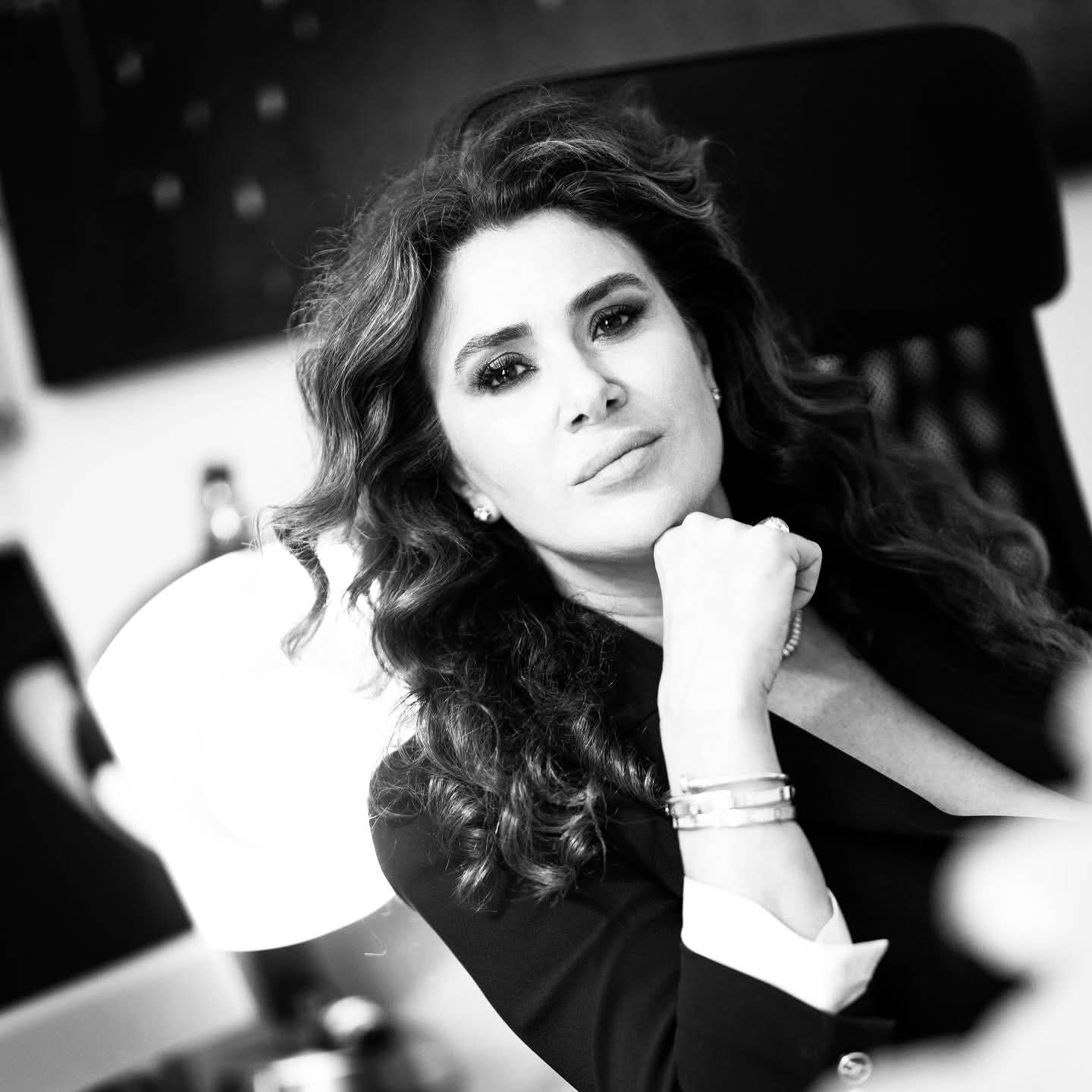
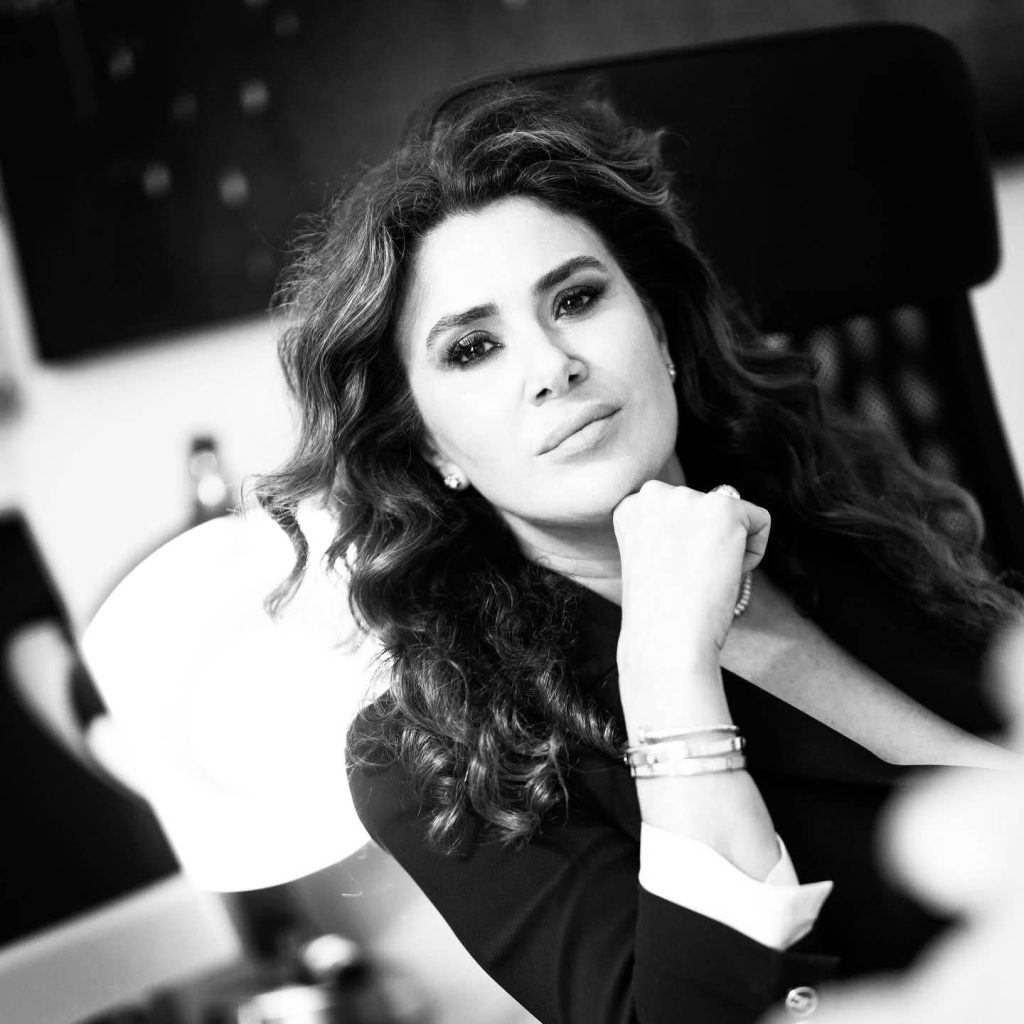
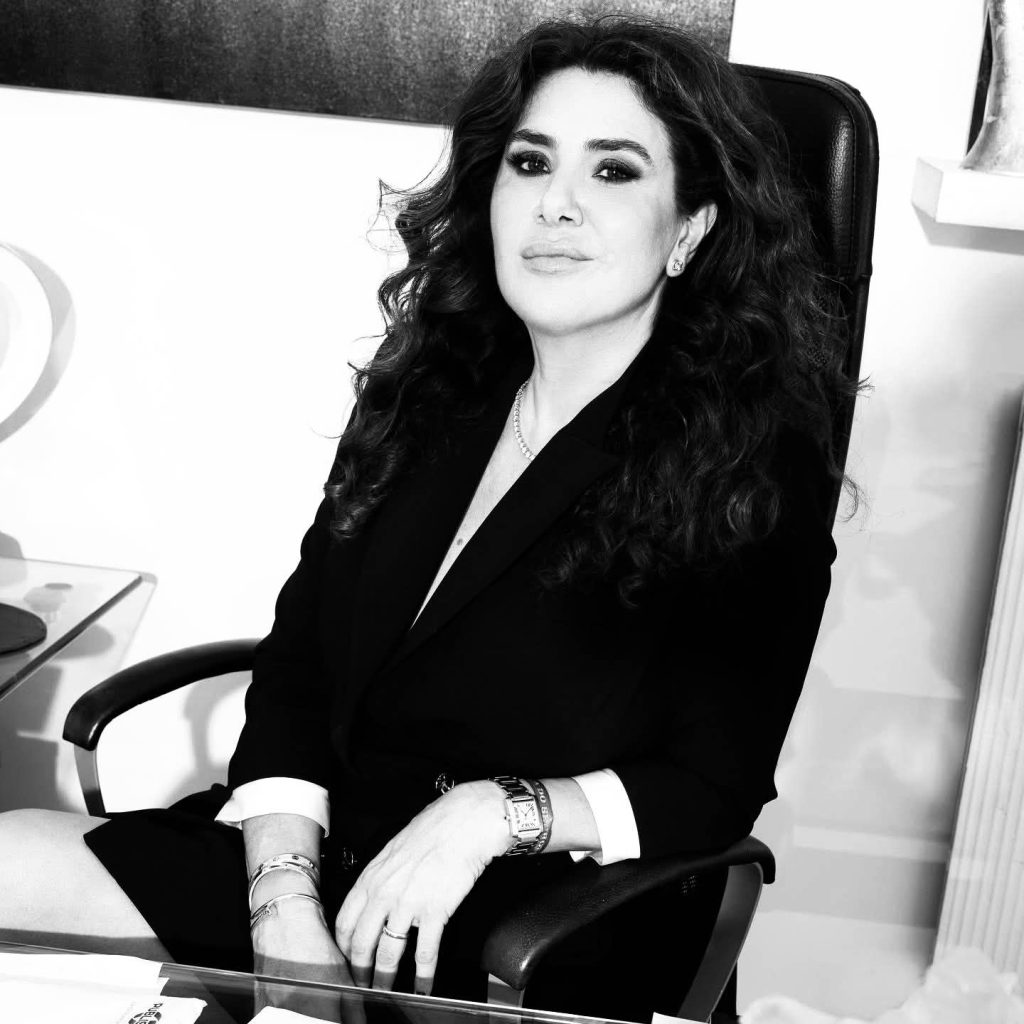
Who is Lucy De Crescenzo?
I am an independent producer and distributor. I have always experienced cinema as an act of freedom, even before considering it a profession. I am drawn to stories that have the courage to move people or leave an open wound. I believe in a human kind of cinema, social in the deepest sense of the word, capable of creating genuine connections between people. My journey stems from an absolute passion for European auteur cinema and from the desire to build an independent space where films can exist without compromise.
How did the Europictures project come about?
Europictures was born from the desire to create a bridge between international auteur cinema and Italian audiences. At a time when the market was becoming increasingly homogenized, I felt the need to support films that may not have had major marketing campaigns, but possessed a strong and necessary identity. Europictures came to life this way: as an act of cultural resistance, but also as a gesture of love for independent European cinema and for discovering and supporting young talents.
What assessment can you make of your 79th Cannes Film Festival 2026?
It was a very strong Cannes, full of true cinema. I felt the return of courageous filmmakers and political films, works that were less designed to please and more necessary to make. For me, Cannes remains the place where independent cinema can still feel alive.
For us, it was also an important edition because “Butterfly Jam”, which opened the Quinzaine, was received very warmly by both critics and audiences. It is always moving to see such a powerful film manage to reach viewers on a visceral level.
“Garance”, the film we have in competition starring Adèle Exarchopoulos, also struck me deeply because it portrays a woman who is fragile yet at the same time incredibly strong, full of contradictions and truth. I believe she is one of the most beautiful female characters seen at Cannes this year.
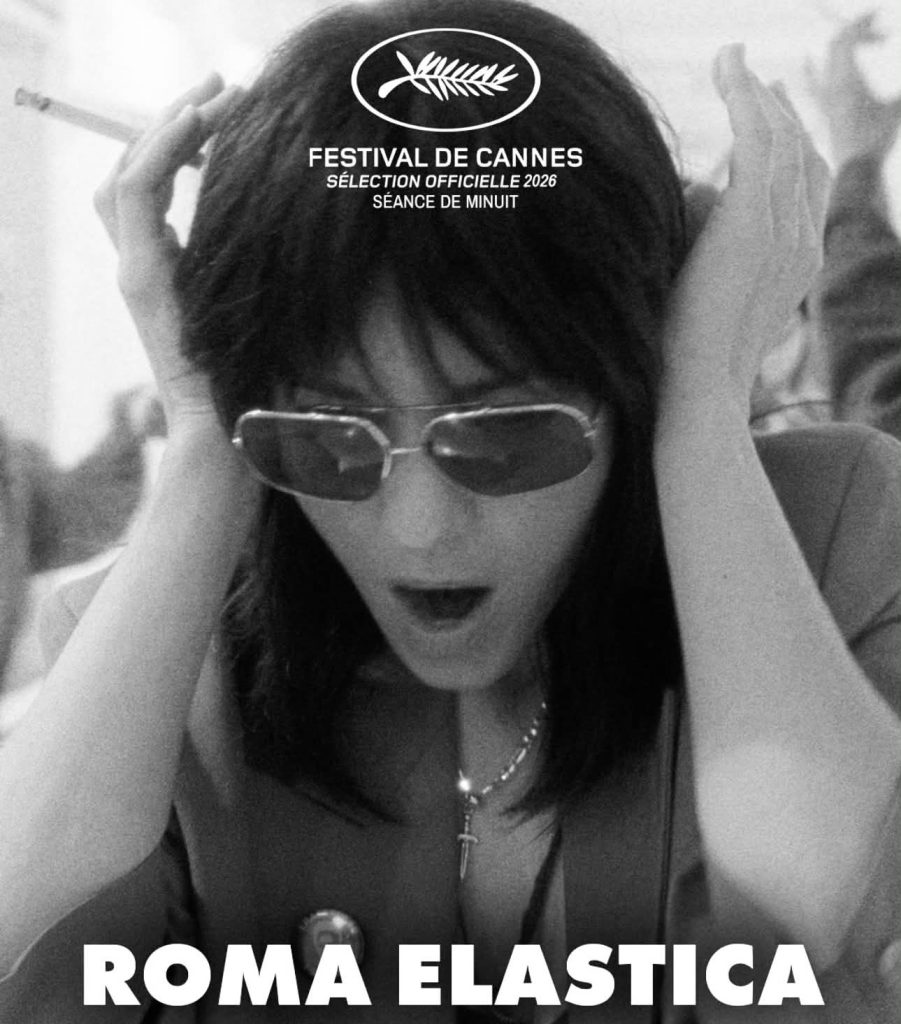
And I was also very happy with the reception of “Roma Elastica” by Bertrand Mandico (Official Selection 79th Cannes Film Festival), which in some way recalls the very best of our cinema, the kind that is freer, melancholic, and poetic.
WILD FILMMAKER is a global community of Arthouse film producers, a movement inspired by the Nouvelle Vague but on a worldwide scale. Do you think it is still possible today for an independent movement to prevail over the distribution power of the major companies?
Yes, but only by remaining radically independent. The major companies have economic power, but independent cinema still possesses the power of vision. The Nouvelle Vague did not change cinema through money, but through artistic urgency and the desire to break the rules. I believe that today audiences are tired of homogenization and are in need of authenticity. An independent movement can still influence world cinema, but it must have courage, identity, and above all, freedom.
How do you choose a film to distribute? What qualities does it need to have?
I always choose instinctively. A film has to leave something with me, even unsettle me, if necessary. I’m not interested in perfection; I’m interested in truth, in emotion. Whenever I watch a film, I always ask myself: “Does this film truly need to be seen?” If the answer is yes, then for me it’s worth fighting to distribute it.
What don’t you like about the world, and what would you change?
I don’t like the superficiality with which people experience everything today. We live in an extremely fast-paced era, where people are afraid of depth, silence, and complexity. I would change the cynicism. And in cinema, I would change this obsession with algorithms and numbers. Art cannot be born solely from statistics. It needs risk, intuition, fragility, and freedom.