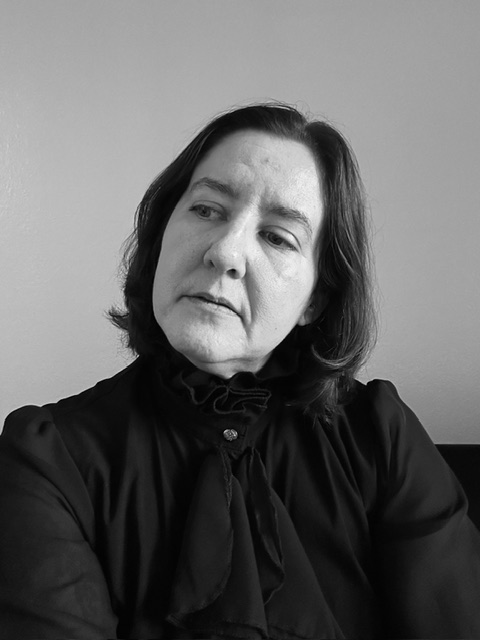
Who is Alison Somilleda?
I am a filmmaker and writer driven by a desire to understand people and the stories that shape who they become. My work primarily explores trauma, resilience, identity, and the desire to belong. I am interested in the moments that define us, the experiences we carry, and the ways we rebuild ourselves after loss or hardship.
My background and upbringing taught me that every person has a story worth telling. I am drawn to stories where individual experiences reveal something larger about memory, emotion and the human condition. For me, filmmaking is both an artistic practice and an act of observation and listening.
Do you remember the exact moment you fell in love with cinema?
I have been watching films for as long as I can remember, they were my best friends and teachers in many ways as a child. I do not recall a single moment, but I do distinctly remember watching Stand by Me when I was eight years old and understanding that I was watching life being lived on screen. Looking back, I can see that I was always drawn to stories that explored complicated emotions and the parts of ourselves we often struggle to express. Films showed me that images, sound, and silence could communicate things words sometimes cannot.
Over the years, I realized that film is more than a medium for entertainment—it is a way to process experiences, preserve memories, and create connections between people who might otherwise never understand one another. That realization continues to inspire me every time I seek out a new story to tell.
Tell us about your project “BREATHE”.
BREATHE is a deeply personal exploration of trauma, resilience, and the weight of memory. The project began as a way to process my own experiences and emotional aftermath of living through both the 2023 Maui and 2025 Los Angeles fires. Through that journey, I became increasingly interested in how we carry difficult experiences within us—how loss, grief, and uncertainty shape our identities, while hope and healing continue to emerge alongside them.
To tell this story as honestly as possible, I made the decision to step in front of the camera. In many ways, the film became an act of self-reflection for me and an attempt to understand what healing can look like after devastation. Returning to Maui to shoot the film was especially meaningful. I wanted to capture not only the beauty and spirit of the island, but also its inherent strength. Collaborating with Director Amia Voluntad, who has her own deeply personal connection to the Maui fire, brought an added layer of authenticity and care to the filmmaking process.
At its core, the title reflects something both simple and profound. Breathing is our most fundamental act of survival, yet it can also symbolize presence, perseverance, and renewal. The film lives in the space between struggle and acceptance—the moments when we choose to face what hurts rather than running from it.
Ultimately, BREATHE asks how we continue moving forward after a traumatic event. It is a story about vulnerability, endurance, and the quiet resilience that often goes unseen. My hope is that audiences recognize parts of their own journeys within the film and leave with a sense of connection, reflection, and a feeling of being a little less alone.
Which Director inspires you the most?
David Lynch is hands down my favorite Director. What inspires me most about his work was his willingness to embrace ambiguity and emotion rather than provide easy answers. I appreciate how he examined mental health and identity in ways that reached the deepest parts of the psyche while creating visually mind-bending art. His films provide a platform for audiences to personally engage with uncertainty and discover meaning through feeling as much as through narrative.
David reminded us that human experiences are often contradictory, fragmented, and wildly subjective. His work explores the hidden layers beneath everyday life, revealing beauty, fear, longing, and mystery in abstract and surreal ways. I admire his commitment to this artistic vision and his belief that film can communicate truths that exist beyond words.
What do you dislike about the world and what would you change?
What troubles me most about the world is how disconnected people have become from one another’s experiences. We live in a time when information is everywhere, yet genuine understanding can feel increasingly rare. People are reduced to labels, assumptions, or headlines now instead of being seen in their full humanity.
If I could change one thing, it would be our capacity for empathy. I believe many of the world’s divisions stem from an inability—or unwillingness—to listen to stories different from our own. Film has the power to bridge those divides. It invites us into someone else’s reality and reminds us that beneath our differences, many of our fears, hopes, and struggles are the same.
How do you imagine cinema in 100 years?
I imagine the technology of filmmaking will evolve in ways that we cannot yet imagine. Stories may become more immersive, interactive, and integrated into our everyday lives. Artificial intelligence, virtual production, and new forms of audience engagement will likely transform both how films are made and how they are experienced.
But I believe the essence of film will remain the same. As someone drawn to stories about trauma, resilience, and identity, I do not think technology can replace our need to see ourselves reflected in the lives of others. We will always search for stories that help us understand who we are, where we come from, and how we connect with one another.
The filmmakers who leave a lasting impact will be those who embrace new tools while remaining committed to emotional honesty and human truth. My hope is that despite ever-evolving technology, arthouse cinema will continue to thrive as a space for bold, personal storytelling—one that challenges us, inspires us, and preserves the magic of experiencing a film together.
What is your impression of WILD FILMMAKER?
WILD FILMMAKER represents the kind of space that independent film needs. It celebrates artistic voices that are willing to take risks, challenge conventions, and explore deeply personal themes. In an industry often dominated by commercial pressures, it is refreshing to see a publication committed to championing filmmakers who view film as an art form and a vehicle for meaningful dialogue.
What I appreciate most is its commitment to building a global community of storytellers. Film has always been a way to connect people across cultures and experiences, and WILD FILMMAKER plays an important role in fostering those connections. It creates space for conversations about creativity, identity, and the evolving language of film, which is essential for the future of independent filmmakers.