By Michele Diomà
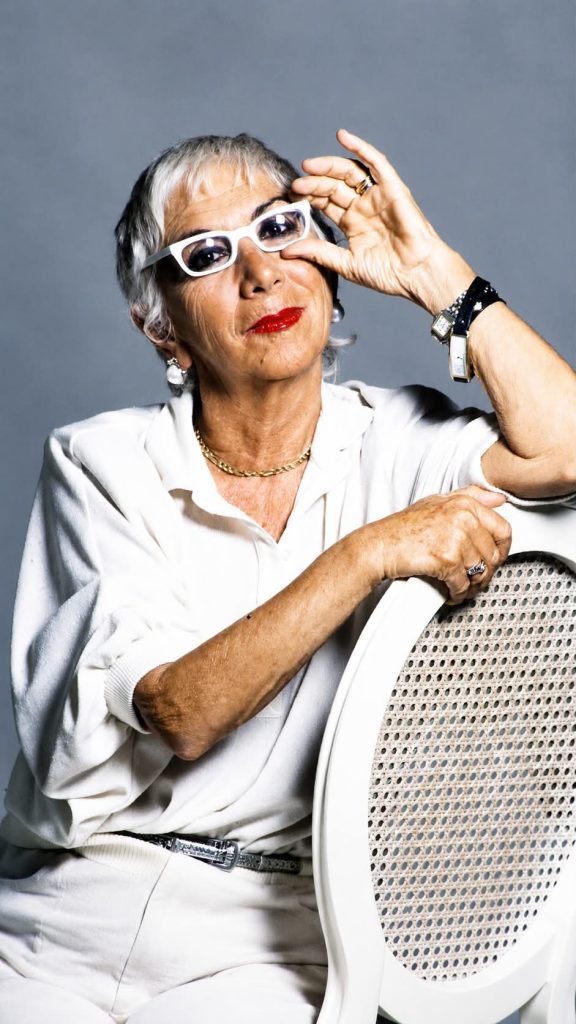
I am truly delighted to welcome Gabriela Trujillo to the Wild Filmmaker community. It is a great pleasure to have her with us, especially because this interview gives us the opportunity to explore the extraordinary legacy of Lina Wertmüller, one of the greatest film directors of all time. In recognition of her remarkable contribution to cinema, the Academy honored her with the Academy Honorary Award in 2020.
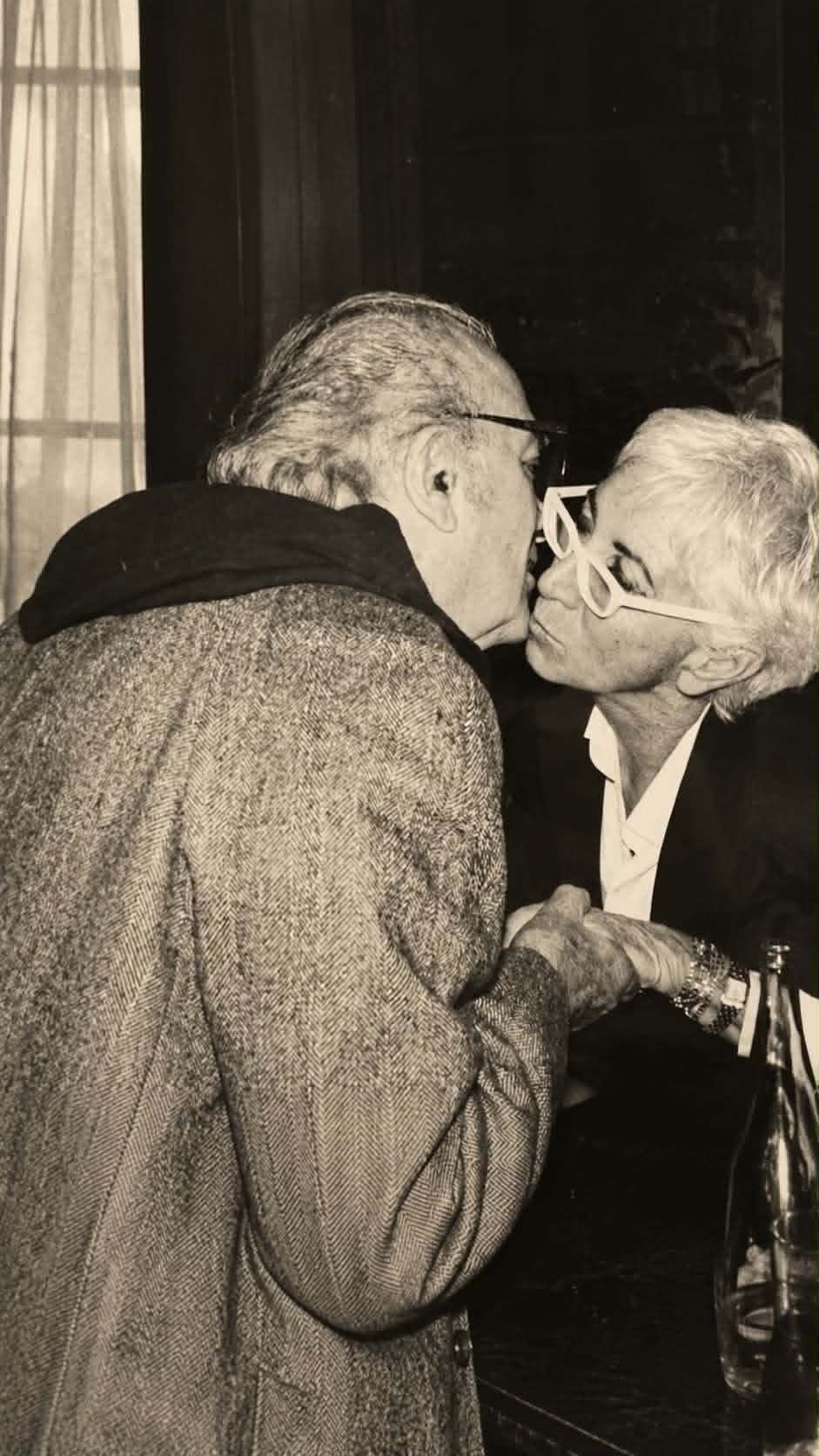
Lina Wertmüller began her cinematic journey in the early 1960s as an assistant director to Federico Fellini before going on to build a groundbreaking career that left an indelible mark on the history of world cinema. For this reason, I am especially pleased that Gabriela Trujillo is helping introduce and preserve Wertmüller’s work for younger generations, ensuring that her artistic legacy continues to inspire audiences around the world.
I was also deeply touched by Gabriela’s kind words about Wild Filmmaker. For more than six years, our community has been committed to supporting independent arthouse cinema on a global scale, championing a vision of filmmaking that places creativity, artistic freedom, and cultural value above purely commercial interests.
I believe this interview is a source of great pride for our entire community, and I am confident it will offer our readers and viewers a valuable opportunity to rediscover the artistic and cultural legacy of Lina Wertmüller through Gabriela Trujillo’s unique perspective and insight.

Who Is Gabriela Trujillo?
Gabriela Trujillo is a film historian and writer. She has published several essays, including Marco Ferreri, le cinéma ne sert à rien (Capricci, 2021) and James Gray, sous le signe de Saturne (Capricci, 2026), as well as a novel, L’Invention de Louvette (Verticales, 2021), in addition to numerous critical essays.
She taught film studies before working at the Paris Cinema Museum. She later became Head of Cultural Programming at the French Cinémathèque. She subsequently directed the Grenoble Cinémathèque and the Grenoble Short Film Festival before joining the programming team of the Directors’ Fortnight.
Can You Tell Us About Your Initiative Dedicated to Lina Wertmüller?
Ever since I discovered Lina Wertmüller’s autobiography (Tutto a posto e niente in ordine, Mondadori) in Turin, along with the restored version of Seven Beauties presented at Cannes Classics in 2019, I wanted to follow the trail of this remarkable Italian filmmaker, whose work remains surprisingly little known in France.
Of course, some of my friends recognized her name and remembered Nanni Moretti’s rather unkind reference to her in Sono un autarchico. That only made me more determined to watch all of her films, and eventually to share them with audiences. It took some time, but thanks to the dedicated teams at the French Cinémathèque, we were able to organize the most comprehensive retrospective of her work possible.
What Fascinates You Most About This Italian Filmmaker?
What I admire is that, like Agnès Varda, Lina Wertmüller was one of the first female directors to openly address the material realities of filmmaking. They made films, they achieved success, and they earned a living from their work—a privilege that many other women filmmakers never had. In Italy, for example, Lorenza Mazzetti directed films without ever being able to make a living from them.
But above all, what I love is the virtuosity of Wertmüller’s cinema: its excess, its audacity, its almost delirious energy. I am deeply drawn to her sense of the grotesque, which I believe is essential. Very few filmmakers, apart from Varda and Cuba’s Sara Gómez, have explored so brilliantly the way class struggle fuels the conflict between the sexes. They dared to expose machismo even within the most respected progressive and activist circles. Wertmüller does so with extraordinary talent, intelligence, and tenderness.
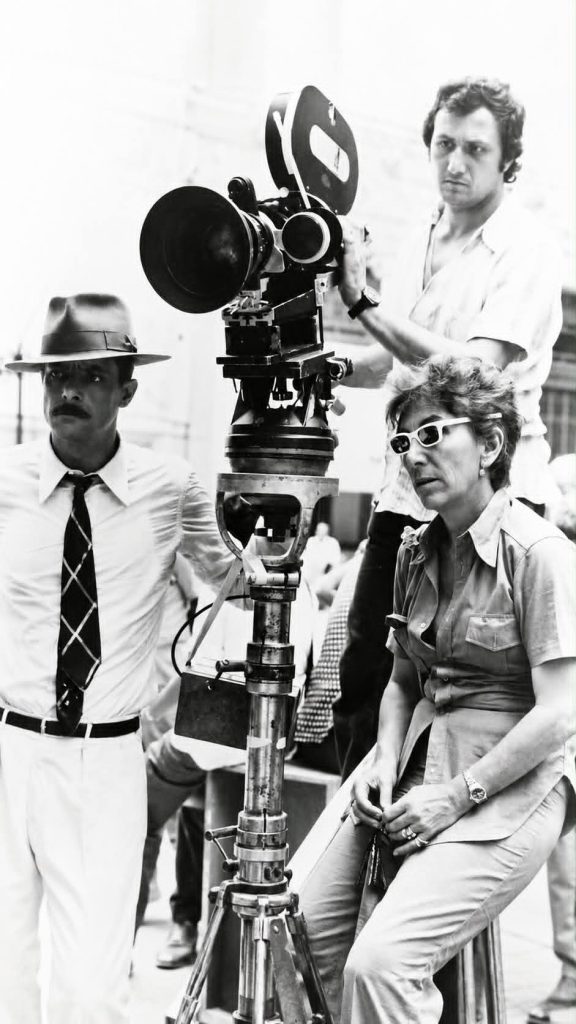
Lina Wertmüller Began Her Career Working Alongside Federico Fellini. What Affinities Do You See Between These Two Great Poets of Cinema?
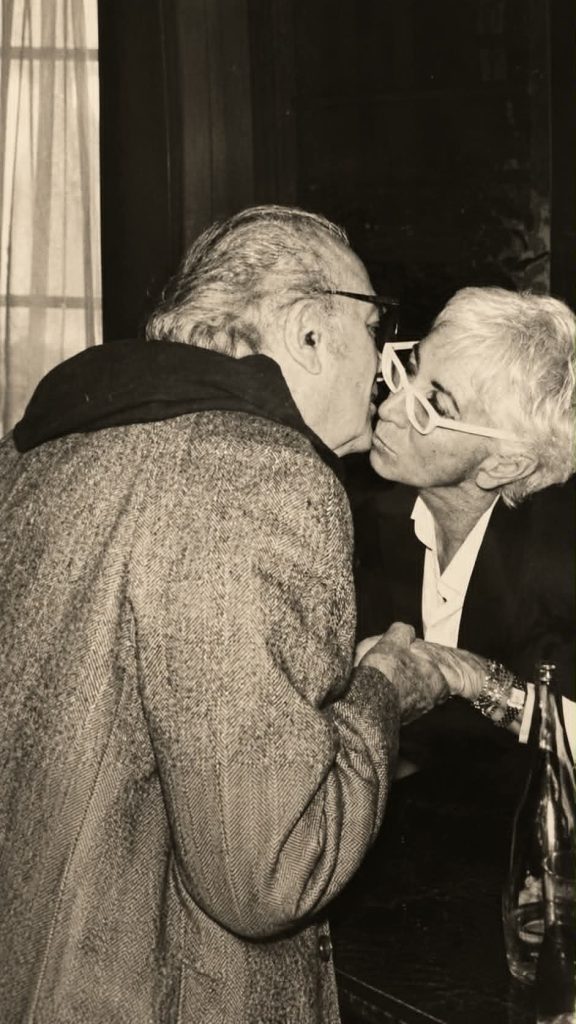
There is, of course, the immense influence of the maestro on The Basilisks (I basilischi). Wertmüller’s debut feature engages with Italian Neorealism only to transcend it through the language of dreams, much like Fellini himself.
Both filmmakers celebrate an overflowing, joyful, and exuberant sensuality that runs throughout their work.
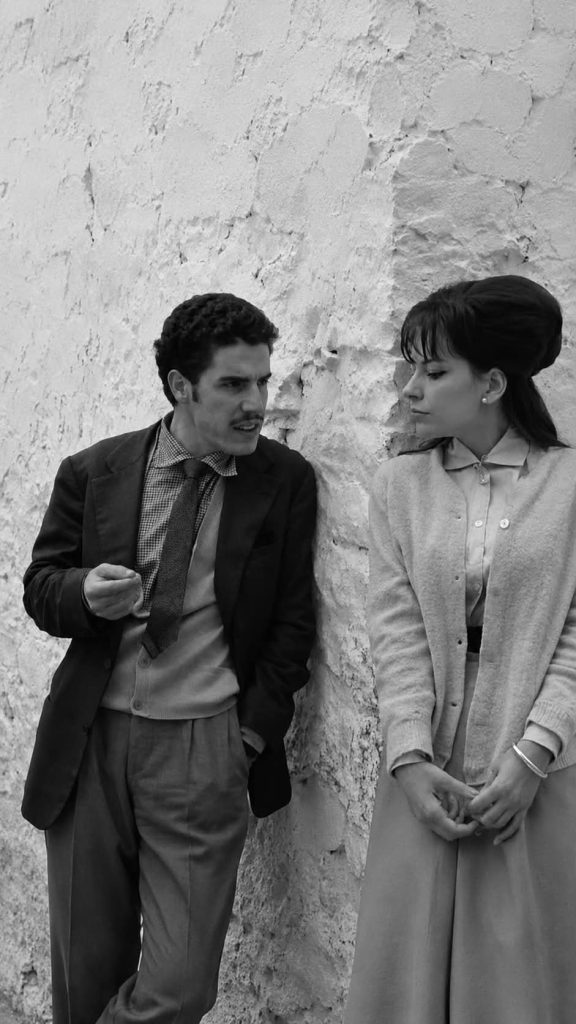
Lina Wertmüller’s Cinema Still Feels Irreverent Today, Filled With Irony in Its Approach to Major Social Issues. Why Do You Think These Themes Remain So Relevant?
First and foremost, I believe that the extraordinary sophistication of many of Wertmüller’s films—in terms of directing actors, production design, and screenwriting, continues to enrich world cinema. Future generations of filmmakers should draw inspiration from this body of work, which is both politically engaged and deeply popular.
When Greta Gerwig and Jane Campion paid tribute to Wertmüller, they reminded audiences of her profound influence. Her films deserve to be programmed now more than ever because twenty-first-century feminism needs to rediscover the contributions of artists who, even while operating outside the major feminist movements of the 1970s, advanced women’s emancipation through their work.
Moreover, the battle between the sexes has never truly disappeared. We see this clearly today with the resurgence of aggressive masculinist ideologies. To remain alert in such challenging times and to do so with humor, generosity, and humanity, Wertmüller’s cinema can still show us the way.
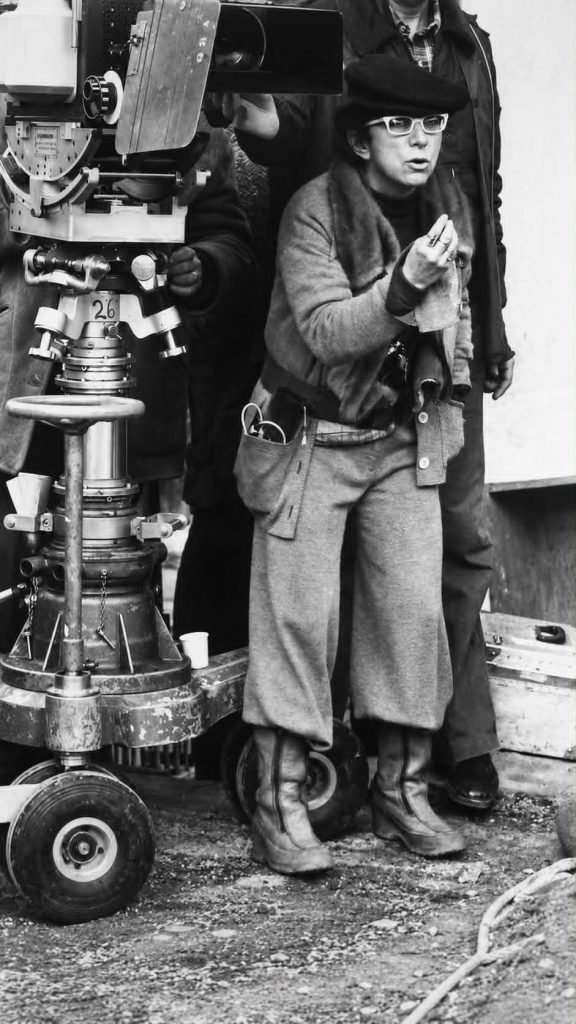
What Is Your Impression of WILD FILMMAKER, a Platform Whose Mission Is to Bring Together Independent Artists From Around the World and Shine a Light on Cinema That Often Remains Completely Invisible?
I firmly believe that WILD FILMMAKER is carrying out not only a mission but a true vocation.
In an age overwhelmed by artificial and increasingly superficial images, it is extraordinarily difficult to preserve both the rigor and the determination required to showcase a cinema that remains invisible, yet lucid, critical, and essential.
We need WILD FILMMAKER if we are to continue loving cinema and defending it as a bastion of beauty and intelligence against the systematic intellectual impoverishment of the masses driven by today’s new forms of fascism.