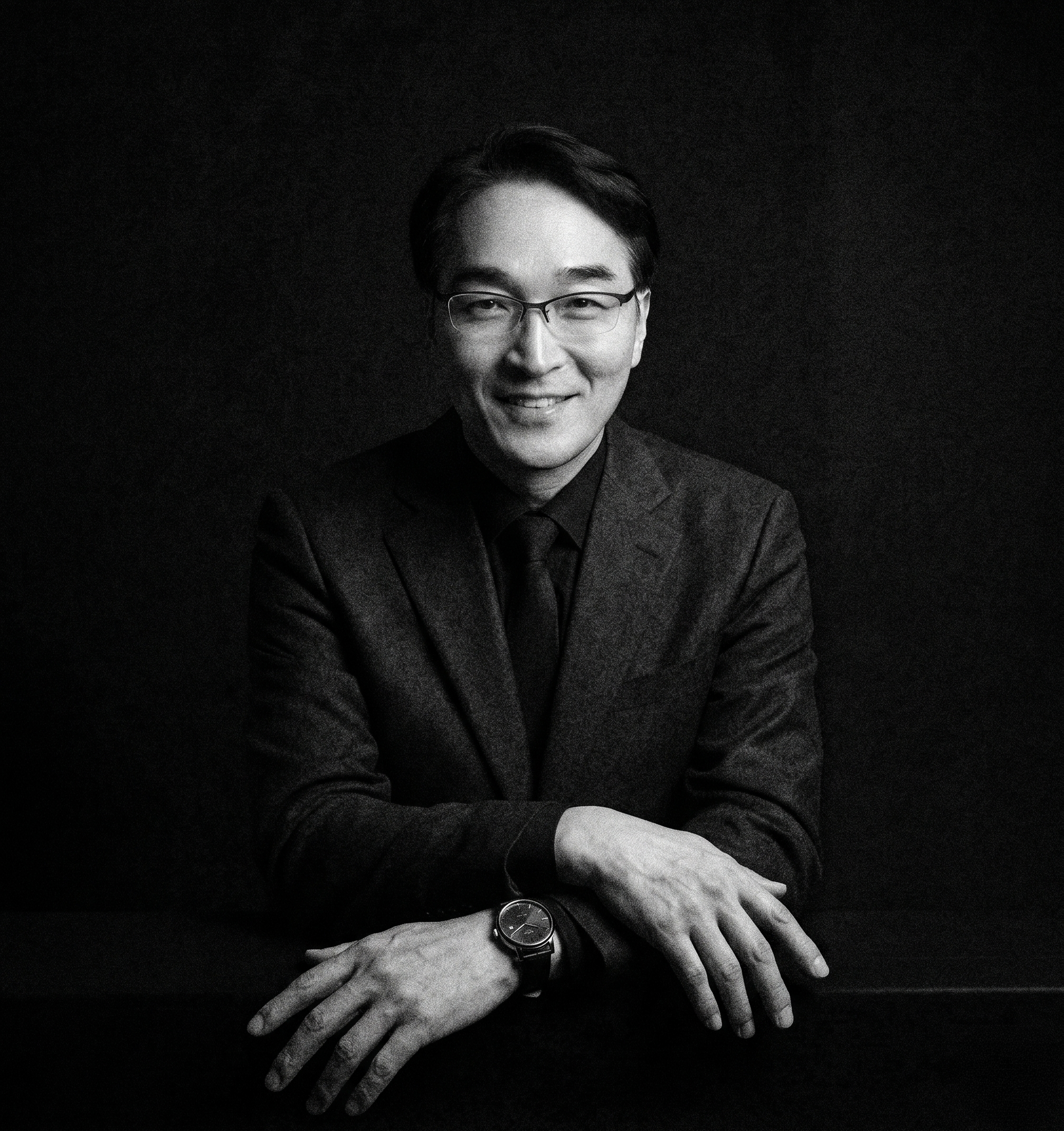
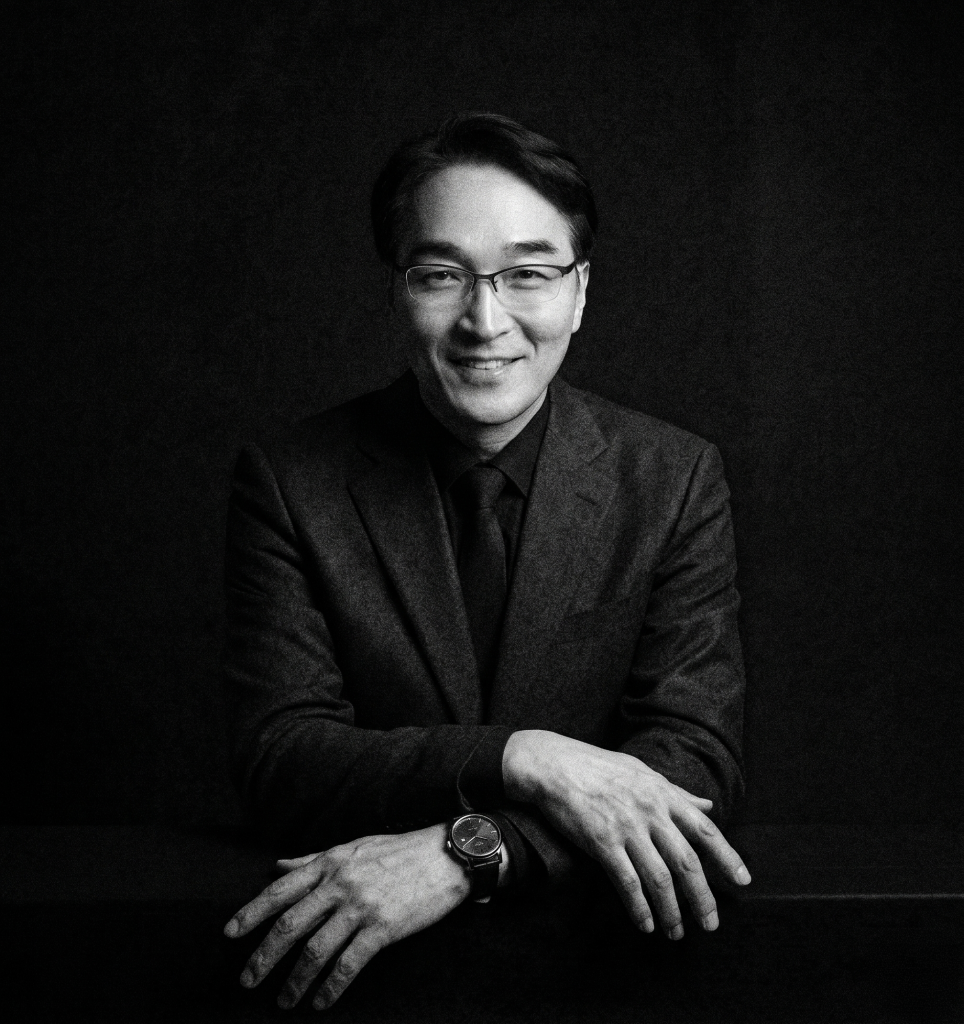
-Who is Dojong Kim?
I call myself a “digital storyteller,” though that single phrase can hardly contain the trajectory I have traveled. As an IT strategist, I dissected the inner logic of technology; as a mystery novelist, I explored the darkest strata of narrative. Now, I am redrawing the horizons of cinema through the unprecedented language of generative AI. Where three identities collide, I have not fractured — rather, I have converged them into a single vision, one determined to make visible on screen what conventional cinematic grammar has never quite been able to reach.
-Do you remember the exact moment you fell in love with cinema?
Growing up, my family did not have much. As the youngest of four brothers, the cinema was not a space I was easily permitted to enter. I can still vividly recall being caught by a caretaker after sneaking over a crumbling wall, and made to stand in punishment. Yet even that moment could not drive me from the films. Those particles of white light cascading down upon the screen — to the boy I was, they were not mere entertainment. They were the very archetype of mystery and wonder.
Among the many works that have marked me, the one I would name as a defining imprint is Giuseppe Tornatore’s Cinema Paradiso (1988). That film, which traces the life of a man who carries within him a near-obsessive love for cinema, was the catalyst that first made me fall in love with the art form in my childhood.
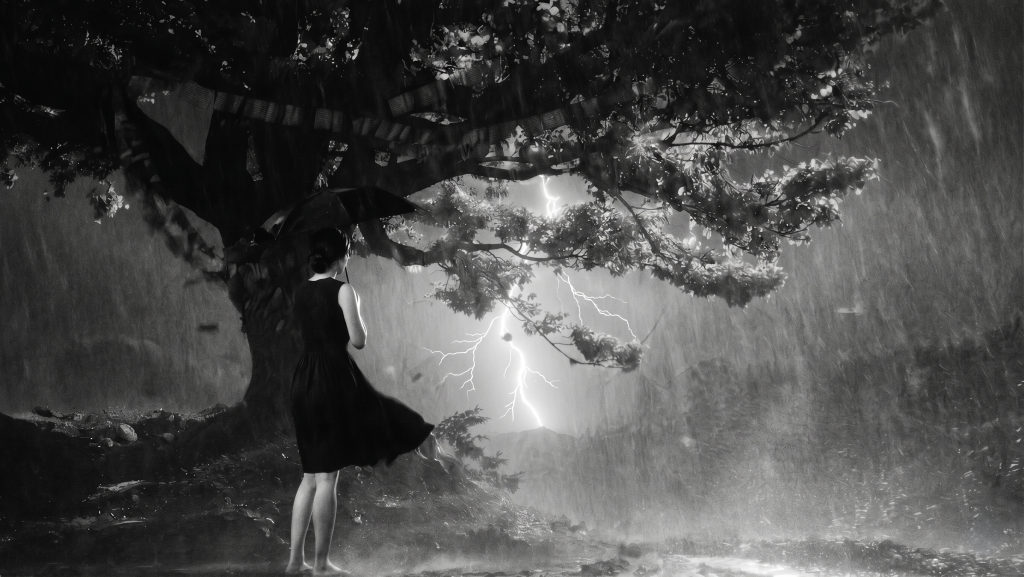
-Tell us about your project “CICADA”.
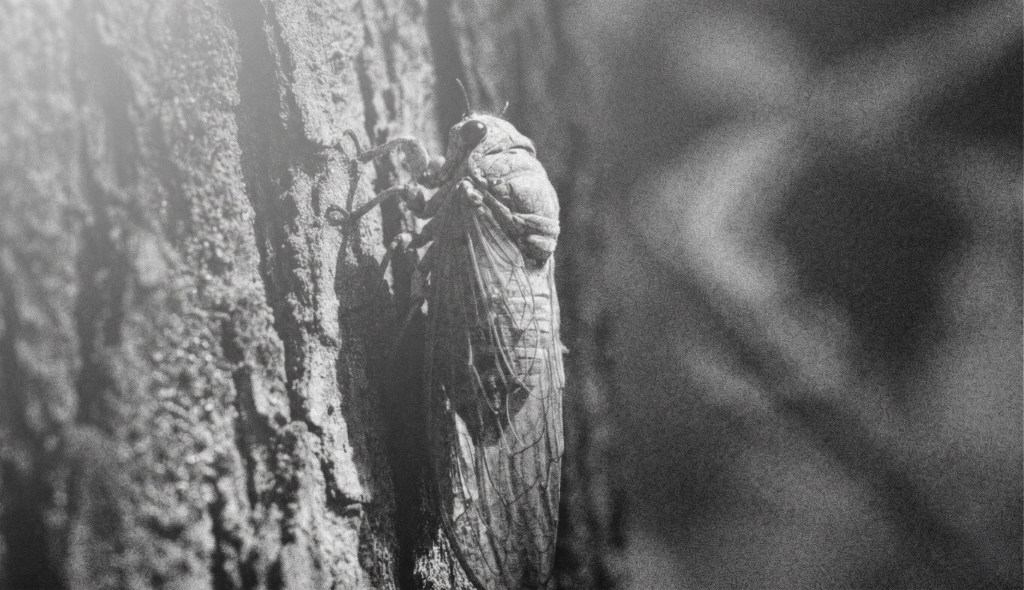
The cicada is often perceived by human eyes as a fragile creature — one that waits seven years beneath the earth only to sing through a single summer before vanishing. I have never considered it fragile.
CICADA is my tribute to that waiting, and to that singular, luminous moment of existence. The song of freedom finally released by a being long suppressed — it is also an allegory for the “freedom” and “self-realization” that modern people crave most desperately, yet so rarely manage to hold in their hands. Employing generative AI to heighten its surreal texture and aesthetically refined mise-en-scène, the work went on to receive recognition at the Cannes Arts Film Fest 2026, proving how gracefully technology and art can coexist. To me, CICADA is not merely an award-winning film. It is the milestone from which every journey that follows will begin.
-Which director inspires you the most?
“From Godard, I learned the liberation of form; from Scorsese, I was profoundly moved by a cinematic legacy that pierces to the very essence of things.”
In my twenties, I liberated myself before Godard’s films. But as time passed, my gaze settled deeply upon the work of Martin Scorsese. What Scorsese’s camera captures is not simply story — it is anthropological insight, the abyss of human nature trembling between guilt and redemption. That unflinching gaze, which persists in looking beyond violent reality, compelled me to ask from the very foundations: what is narrative, truly?
-What do you dislike about the world, and what would you change?
What I fear most is not an external enemy. It is the destruction of human beings by human beings themselves — that is the danger I am most vigilant against.
In an age when everything is volatilized and fragmented, people are imprisoned by the gaze of others, losing the opportunity to look inward and encounter their own authentic selves. Through cinema, I wish for audiences to pause — just briefly. That momentary stillness in which the forgotten value of human dignity, and the beauty of life itself, might be rediscovered. Now that an era has arrived in which films can be made without a camera, I find myself wanting to say, with even greater conviction: precisely now, we must be on guard against lightness, and never cease to wrestle with the question of truth. AI is, in the end, only a tool.
-How do you imagine cinema in 100 years?
A century from now, in the world I envision, cinema will no longer be something one watches. The boundary between screen and audience will have dissolved; people will commune in real time with infinite worlds through the power of imagination alone. They will generate their own narratives, becoming protagonists or directors at will. That world — where the border between reality and fiction is redrawn anew at every moment — may be a utopia, or it may be a world that poses an entirely different order of questions. Standing before that possibility, I find myself filled with wonder, while still refusing to let go of the solemn questions that must accompany it.
-What is your impression of WILD FILMMAKER?
WILD FILMMAKER strikes me as the most vital artistic community of this era. Its commitment to rejecting the grammar of mainstream cinema and championing the auteur spirit and artistic experimentation serves as an immense lighthouse, pointing the way for independent creators such as myself. To have become part of this singular platform — where artists from across the world may share their inspirations and stand in solidarity with one another — is something I regard as a genuine honor. I extend my deepest respect and gratitude to the WILD FILMMAKER team for lending an ear even to the smallest of voices. I hope that you will continue to open doors of opportunity for independent creators like me in the years to come.