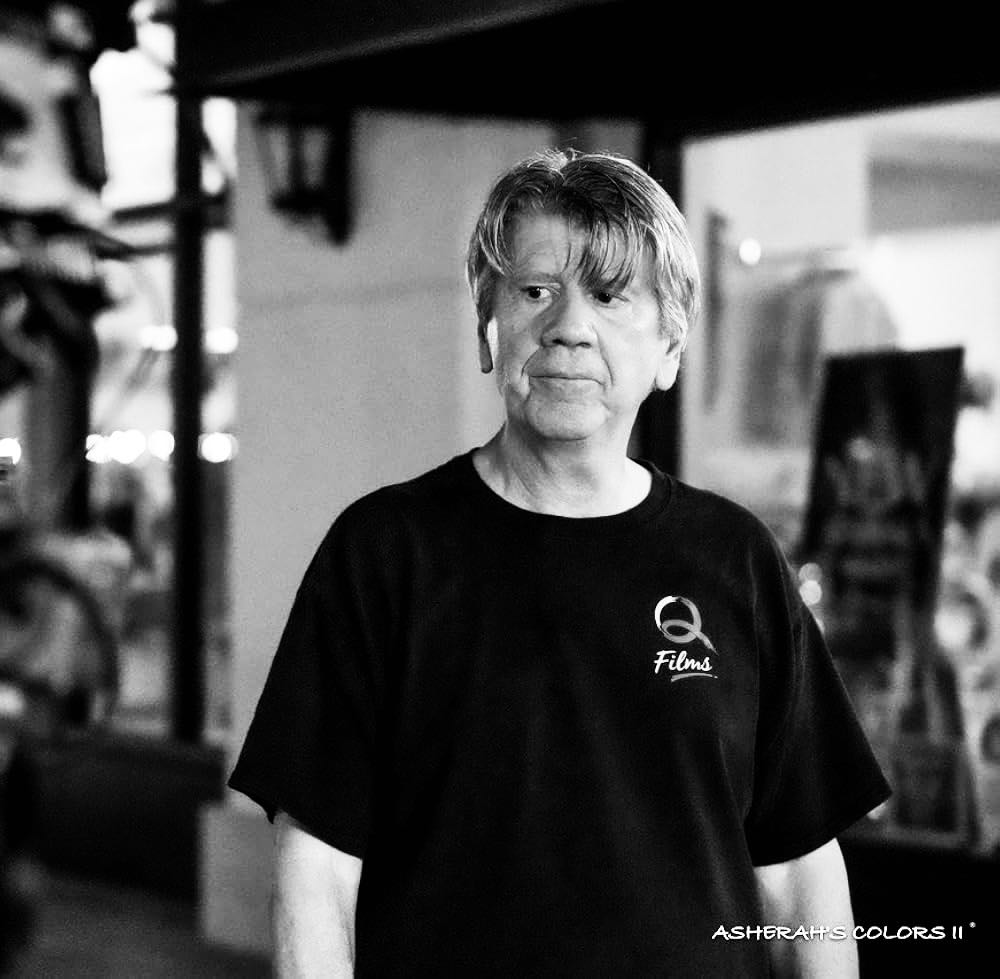
As Cannes 2026 approaches, filmmaker Gary Mazeffa stands on the verge of unveiling Asherah: A Love Odyssey — a work described as mythic, feminine, and fearlessly independent. It is both a film and a movement, a visual odyssey that fuses sacred symbolism with the language of modern cinema. We spoke with Mazeffa about his vision for 2026, his creative process, and the evolving role of independent filmmakers in a rapidly changing industry.
What are your expectations for 2026?
Gary Mazeffa:
2026 is the year of completion — both for the film and for me personally. After years of development, production, and refinement, Asherah: A Love Odyssey will finally meet its audience. I’m not just hoping for recognition; I’m hoping for resonance. My wish is that viewers walk away with the sense that cinema still has the power to reveal something sacred — that independent art can be both intimate and cosmic in scope.
I expect 2026 to be a turning point for Q2 Films as well — establishing a presence on the world stage at Cannes and beginning a global conversation about myth, femininity, and creative renewal.
What projects are you currently working on?
Gary Mazeffa:
We’re finishing post-production on Asherah right now — refining the sound, finalizing music cues with our composer, and locking the visual effects that carry the film’s closing image. Alongside that, I’m developing The Asherah Dialogues, a multimedia extension of the film — part spoken word, part visual essay — where we continue the philosophical and emotional threads the film opens.
I’m also expanding our online ecosystem — the Asherah Movement — which connects audiences through essays, video reflections, and imagery that explore completion, creativity, and the divine feminine. These projects together form one living universe.
What would you ask event organizers in the film industry to do to support highly talented independent artists like yourself?
Gary Mazeffa:
I’d ask them to remember that creativity doesn’t always come from capital. It often comes from necessity, from vision, from the refusal to wait for permission. So give that vision a seat at the main table — not just in “emerging voices” sidebars.
Festivals and markets should create pathways for independent films that take risks — artist residencies, mentorships, even micro-grant showcases — and foster spaces for dialogue rather than competition. Imagine a Cannes where an independent filmmaker can talk about mythology, sound, and philosophy alongside their screening — that’s the kind of ecosystem that keeps cinema alive.
What vision or desire currently guides your artistic choices?
Gary Mazeffa:
Completion. That’s the word that guides everything. Asherah is about the completion of the feminine principle — the return of what was left out of creation. My artistic vision is rooted in reconciliation: between the human and divine, science and spirit, man and woman, creator and creation.
Every frame I make tries to restore a sense of wholeness — to remind us that we’re part of something vast, beautiful, and unfinished. My goal isn’t to escape reality but to complete it.
Asherah: A Love Odyssey is slated for completion in late 2025, with its worldwide premiere planned for the Cannes Marché du Film 2026. Through this project and beyond, Gary Mazeffa continues to prove that myth and meaning still belong at the heart of cinema.