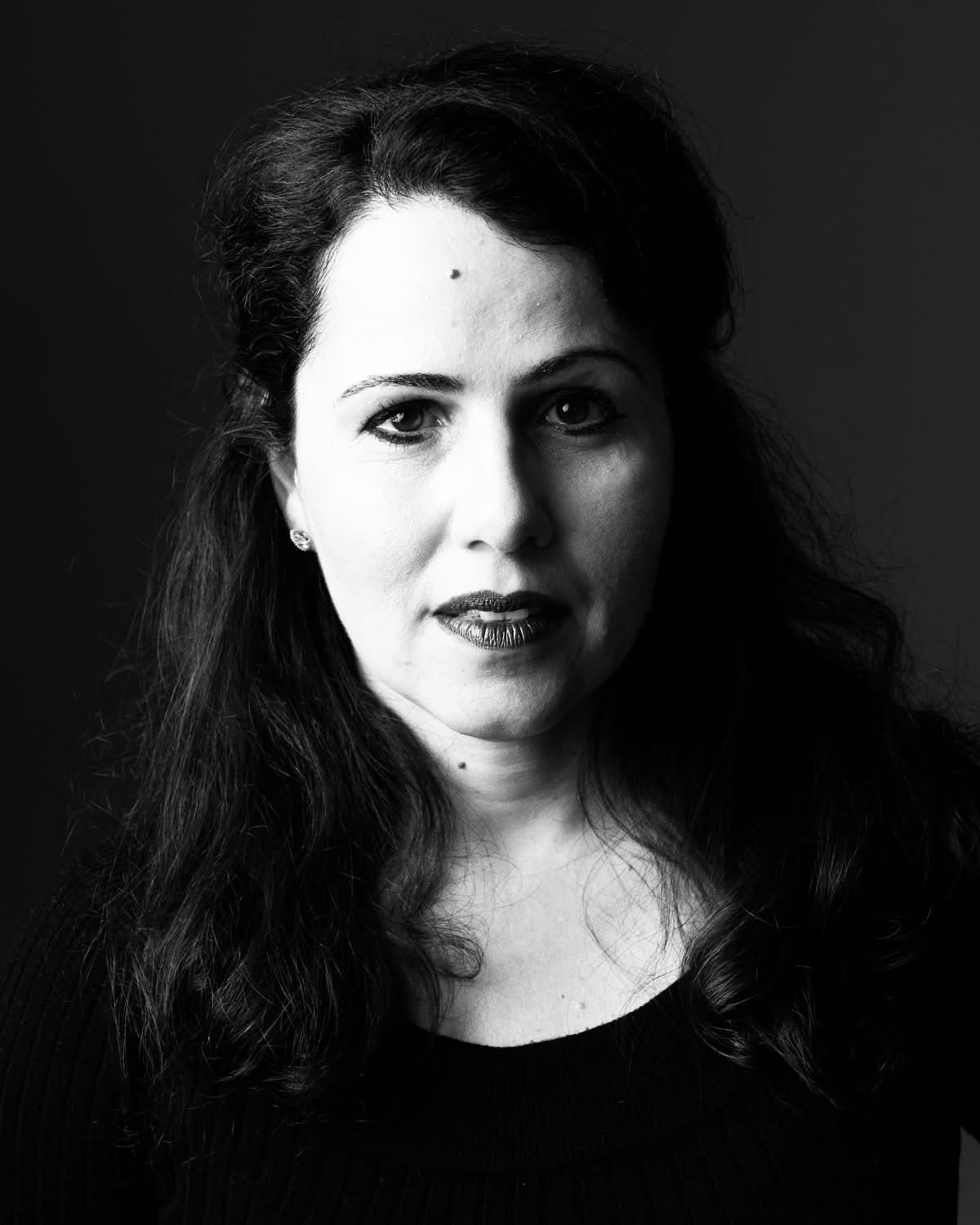
–When you plan the realization of a film project, what are your objectives?
As I usually produce my own film projects, my objectives are to ensure that:
- I develop a unique idea and script, refining it so it fully matches my creative vision.
- I apply for funding and reach out to my network to explore financing opportunities.
- I recruit a talented cast and crew who understand the vision and believe in the project.
- I find suitable filming locations that meet the script’s requirements and enhance the film’s aesthetic.
- The music score aligns with the mood and style of the film, as this is particularly important to me.
–With Artificial Intelligence, cinema is undergoing a phase of transformation even more radical than the one that occurred in the 1920s with the transition from silent films to sound. What is your opinion on this?
There is no denying that artificial intelligence is here to stay, and we have already seen how it is beginning to impact the film industry. For example, we are now seeing the emergence of AI-generated actors and films. However, I believe that AI will never be able to fully replace human intelligence, creativity, and emotional depth. While AI can be a powerful tool for filmmakers—helping with aspects such as editing, visual effects, or even script development—it cannot replicate the unique perspective and personal storytelling that each filmmaker brings to their work. Cinema is already evolving and looks very different from how it did 5–10 years ago due to advancements in AI. Nevertheless, at its core, filmmaking remains a deeply human art form. AI can support and enhance the creative process, but it cannot replace human creativity or the authenticity of human experience.
-To which production or distribution company would you like to propose your new project? Give us a profile, including some examples.
I would like to propose my new projects, The Fatal Dilemma and The Other Side of the Lens, to production and distribution companies that have a strong appreciation for distinctive visual storytelling and vintage-inspired cinema.
In particular, companies such as A24, Searchlight Pictures, and StudioCanal would be ideal, as they are known for supporting filmmaker-driven projects with unique styles and strong artistic identities. For example, A24 has backed visually distinctive and unconventional films, while Searchlight Pictures has a history of producing and distributing character-driven, stylistically rich cinema.
I would also consider organisations like the BFI (British Film Institute) and Film4, which actively support independent filmmakers and projects that explore cinematic heritage and innovation. These companies often invest in films that combine creative storytelling with strong artistic vision.
My projects are inspired by vintage film styles and aim to revive classic cinematic aesthetics for modern audiences. Therefore, I am particularly interested in working with companies that are passionate about bringing timeless storytelling techniques to new generations, while maintaining a high level of artistic integrity.
–WILD FILMMAKER can now “sit at the table with the big players” alongside The Hollywood Reporter and Variety during the Cannes Film Festival, but we have chosen to continue being a Global Cultural Movement with an ethical mission: to bring democracy into cinema, placing the Work of Art at the center of our project rather than Marketing. Do you think we are doing a good job?
You are doing an excellent job in giving independent filmmakers a unique opportunity to showcase their projects and share them with audiences worldwide. It is extremely important to support and give a voice to independent cinema, as it operates with greater creative freedom, free from many of the constraints often imposed by major studios.
Independent cinema has the power to explore diverse ideas, perspectives, and ideologies, and can influence the way audiences think about life and important social topics. It brings fresh perspectives, original storytelling, and experimentation with style, cinematography, and narrative techniques—elements that may not always find space within traditional studio systems. By prioritising the work of art over marketing, you are helping to preserve the true essence of filmmaking and encouraging innovation and authenticity within the industry.