-Who is Starry Venus?
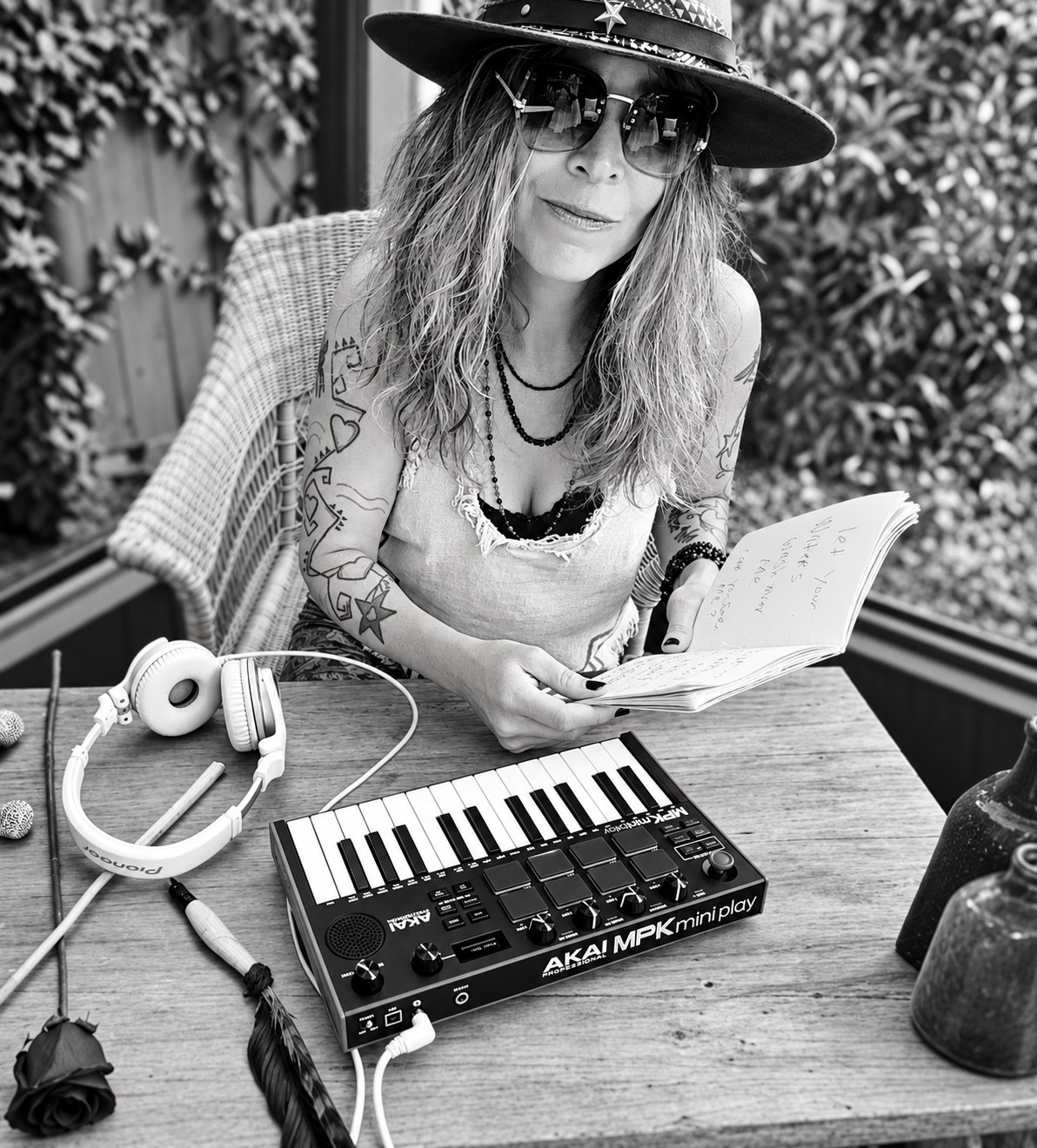
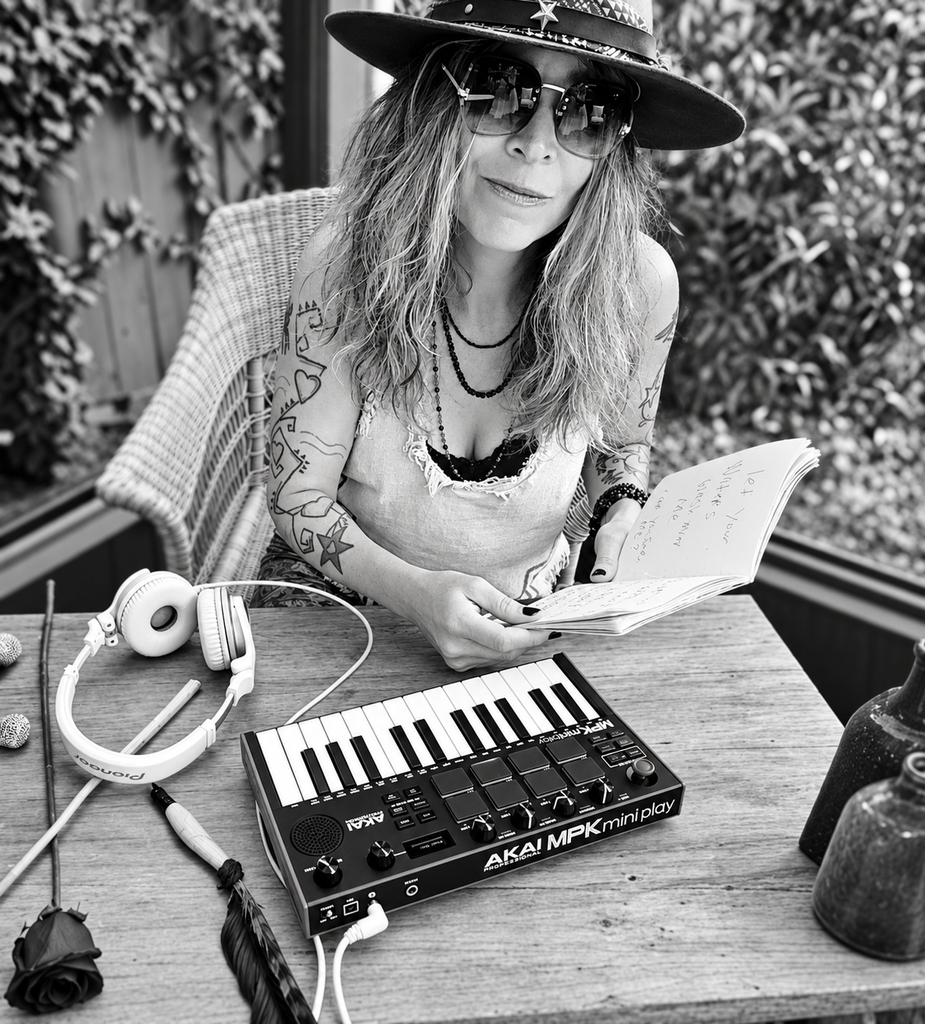
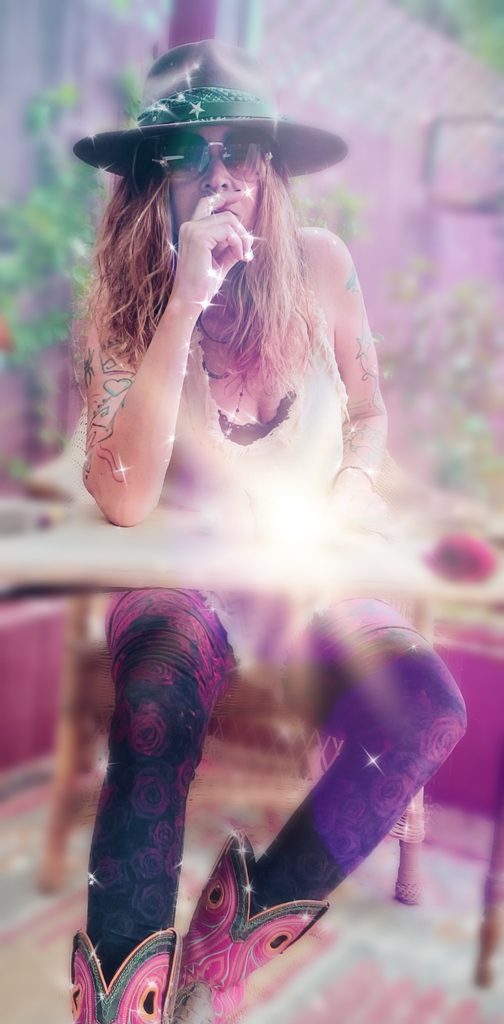
Starry Venus is me, I’m an artist. I have a multi-discipline approach to figuring out who I am and exploring that as part of my path. I’m a lifelong musician and artist, passionate about being in nature and experiencing the world, from a deeply felt, organic place of contemplation and questions. Starry Venus is my exploration of my own consciousness here on this planet and in this universe. It’s a daily communication in many ways. It is a consciousness I chose to be. I’ve always had a deep passion and love for film. I especially like films that go beyond our mainstream perception of what we think film is, as an incredible art form. I have experience with performance art, sculpture, and other things, playing different kinds of music, and even touring in a different incarnation. Starry Venus is the culmination of my path and stepping into my identity.
-Do you remember the exact moment you fell in love with cinema?
I took a German film class when I was in grad school and became very excited and passionate about Werner Herzog’s work. It might be strange films to reference, but the way his early work was put together was so visceral, so powerful, so fascinating to me. It captured me in that moment and showed me something that was possible, because he had a way of bringing something so visceral, so deeply felt, into a story that involves nature. His films always have nature as a character. That was a very transformative experience for me, and it’s what awakened me to what’s possible with film.
-Tell us about your project “Do You Feel It (Eric Kupper Remix).”
This short film / music video is very much a journey, set to Eric Kupper’s trance remix of my song “Do You Feel It.” I’m taking it to another level, weaving together multi-dimensional aspects and a narrative story that expands off the original video. With this one, I decided not to hold back. It’s fast-paced, like the dance song, and visually beautiful. Each character has a story
that’s unfolding, an identity of its own; the various narratives are speaking to each other — giving the viewer an experience as much as telling a story. I intentionally referenced many intense things that are going on in the earth right now, in nature and animals, as well as the character of Anastasia of the Ringing Cedars. I included myself as the creator and artist who moves through these extremes that become the container from which we create. Those same extremes are playing out in the world: life and
death, creation and destruction, love and loss, inspiration and the past and present. I’m weaving something that shows how all these pieces are interconnected, and it’s the song that carries it. I’m presenting these extremes, but it always comes back to showing beauty, moments of connection, the way the light moves. This video is a love story to creation — very connected to the earth itself.
-Which director inspires you the most?
Beyond Herzog’s early work, I’d say David Lynch. Everything he pioneered in his work, such as Mulholland Drive, there are incredible aspects to how he brings wild elements together, so successfully that it reached the mainstream. I feel inspired by the way he figured out how to do that in such a fascinating way. It gives permission to remember, as a filmmaker, what is possible, and that there’s a limitlessness there that I really admire. When you can take that limitlessness and put it into form, that’s the beauty of art.
-What do you dislike about the world and what would you change?
What I dislike about the world is how there seems to be a constant push from all different types of influences to give up our power, to give it away, without first understanding what our power is, as the human beings and spirits that we are, walking this planet in these bodies. There’s so much influence in this world that seems designed to push us out of our power centers without us
even realizing what we’re doing, whether that’s through religious programming, media, or whatever the newest influence is. I don’t like that this world comes with a preset to give that away first, instead of understanding who we are. If we didn’t give our power away, would we even be fighting? Would there be problems? Imagine if everybody was walking around feeling totally empowered, totally embodied, and at peace in themselves. What I would change is that we don’t come into the world forgetting everything. If I could change one thing, it would be that we get to be born and remember who we are: our multidimensional
identity, our cosmic identity, our human identity, our Earth identity, our travels through all the different aspects of the full-body consciousness that we are. That we remember we are that beautiful, powerful light, that all the information is already within us, everything we need, and that we can share that, so we can walk into the world and express that light to one another without having to give it away, take it, or forget it.
-How do you imagine cinema in 100 years?
Given how things are going right now, that’s almost painful to answer, because I don’t want to see cinema become some kind of artificially operated system. To me, the beauty of cinema is working hands-on with the tools and the elements, with nature, the scene, the people, bringing the dreams we fall asleep with to life with our instruments. That tactile artfulness is what I love
about cinema as it’s already existed, and now we’re watching that change. I don’t want to see an AI agent making a movie, because I don’t want to watch that movie. That’s not the art. Maybe people will get tired of that and it won’t happen, but I’m a little concerned about the direction things are moving right now, and I think it’s important to hold on to that sweet spot of where art
in all its forms, cinema, music, painting, community, happens. I think it’s still possible in 100 years, but I’m a little concerned that if that art isn’t there, how can you even call it cinema? Cinema is the place where dreams come to life, where we can speak
and share that dream and communicate. I don’t want to see something artificial running that. This is why I feel publications like this one, and the people holding these spaces where the art is actually getting made right now, matter so much. If we get to hold on to that, I think there could be a really beautiful, amazing part of cinema in the future, one that can involve technology and
still be futuristic. But I don’t know if people will even care about cinema if we’re merged with something virtual. At that point, for me, I’m going to be out in a field somewhere, lying down, watching the sky. I don’t want to merge with that. I want to keep exploring and having that artistic conversation. I think it’s unknown exactly where the direction goes, what art will even be
in 100 years, and whether people will have forgotten where cinema came from.
-What is your impression of WILD FILMMAKER?
My impression of WILD FILMMAKER is like when somebody’s out there mining, treasure hunting in a big field, and when you find that treasure, you’re weaving it and putting it into a presentation that helps other people recognize what those treasures are. I feel like WILD FILMMAKER is celebrating the art within filmmaking and cinema, and it’s important to find that wildness and speak to it. I think it perfectly describes what WILD FILMMAKER is doing, helping people recognize why that wild part matters so much. That’s very important to me, and it’s refreshing.