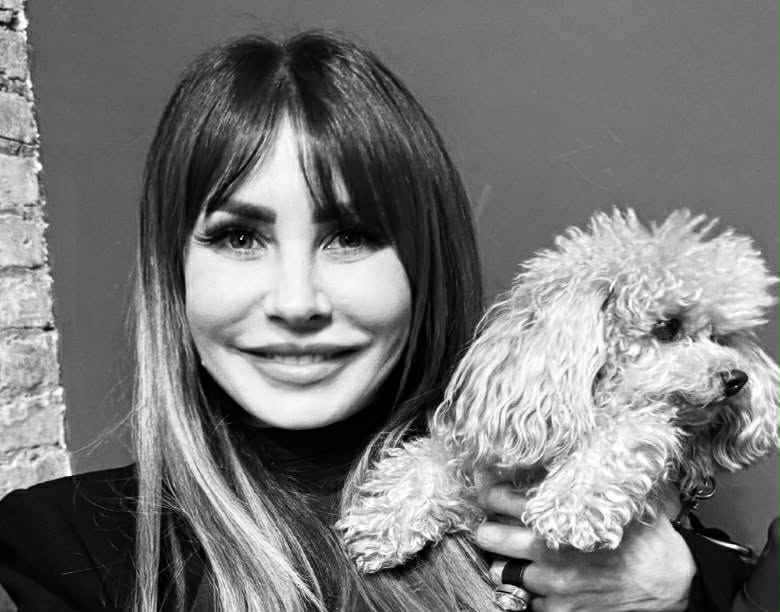
Who is Monica Bartolucci?
Monica Bartolucci is a film producer who has made her passion for storytelling and artistic vision the core of her career. She is a determined professional, with a careful and sensitive eye for stories and people, capable of turning ideas into concrete projects.
Her work stands out for a strong commitment to authenticity and for her desire to give space to new voices in the film industry. She deeply believes in the value of young talent and in the need to create real opportunities for those who want to enter this world, even when it is more difficult and risky.
For her, producing does not only mean making films, but building paths, enhancing people, and contributing to a freer, more inclusive cinema open to change.
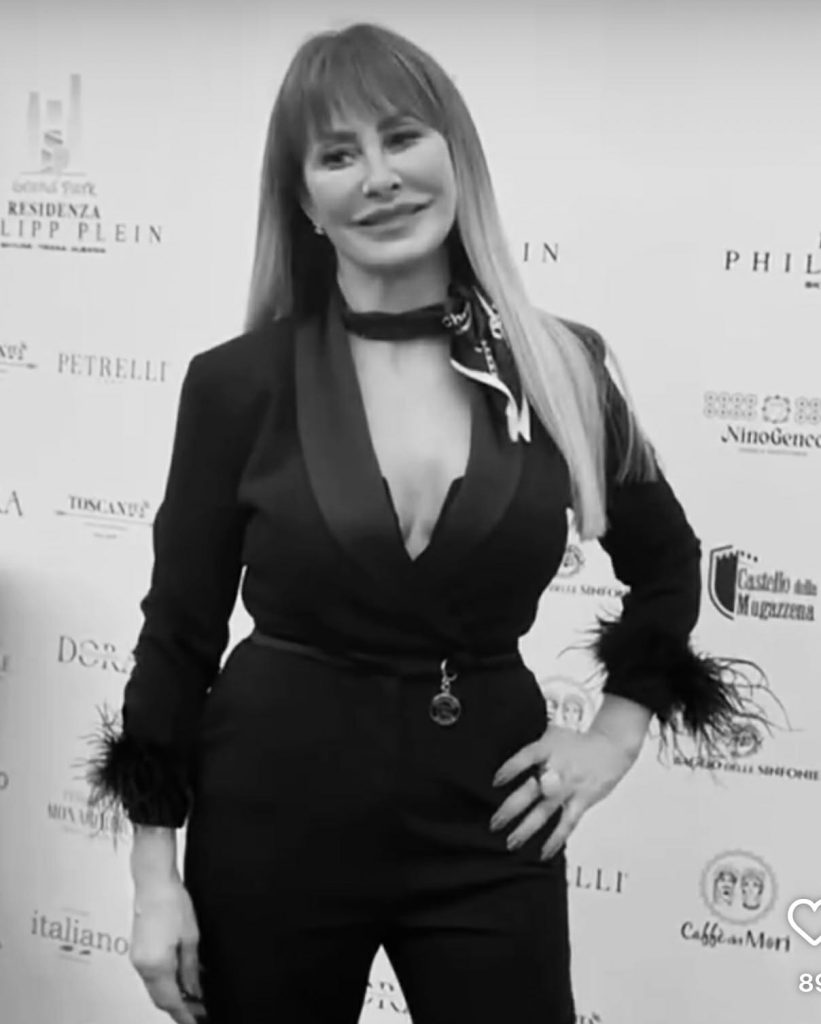
2) Do you remember when you realized you wanted to dedicate your life to cinema?
It was an awareness that developed over time. I have always felt a strong connection with storytelling and the language of images.
At a certain point, I realized that I wanted to actively contribute to that world, transforming ideas into concrete projects. Production became my way of shaping stories and guiding them to the audience.
3) Tell us about your projects
Throughout my career, I have tried to develop projects that are different from one another, but always connected by a strong narrative identity.
Among the works I have produced are Nonna ci produce un film (directed by Walter Garibaldi), Un posto sicuro (directed by Luca Tartaglia), L’abito e l’anima, and Love Game – il gioco dell’amore, broadcast on Rai 2 and now available on RaiPlay.
Currently, the film Storia di una mistress, directed by Ciro Tomaiuoli and starring Alice Carollo, Reyson Grumelli, and Francesco Leone, is about to be released. It will be distributed both in cinemas and on Prime Video.
I am also working on new projects, including the docufilm Bubuset and Luxury Frames.
My goal is to continue creating opportunities for young actors and professionals, focusing on talent and fresh energy.
4) What don’t you like about the world, and what would you change?
I don’t like how difficult it is for young people to emerge, especially in a competitive field like cinema.
I would change this system by giving more space and trust to those who have talent but not yet visibility. I strongly believe that investing in young people means investing in the future of cinema.
5) How do you imagine cinema in 100 years?
I imagine a cinema that is increasingly advanced from a technological perspective, probably more immersive and interactive.
But I believe the true essence will not change: the need to tell stories and to evoke emotions will remain central. Cinema will continue to be a mirror of society, even in new forms.
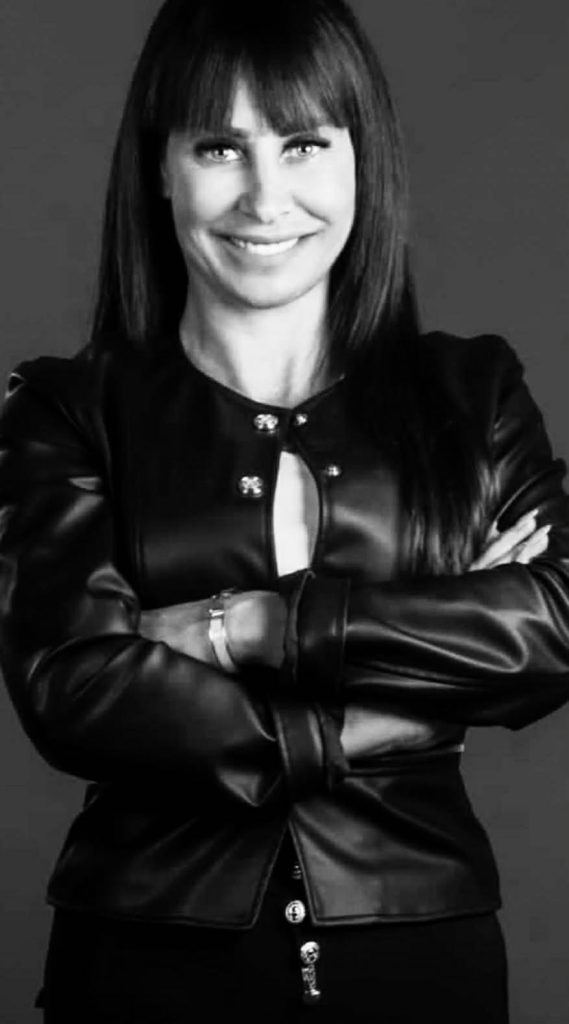
6) What is your impression of WILD FILMMAKER?
WILD FILMMAKER is an extremely valuable reality in today’s landscape because it represents a concrete space for creative freedom and authentic expression.
At a time when cinema often risks becoming standardized, initiatives like this have the courage to give a voice to independent projects, new visions, and emerging talents. This is exactly the kind of platform that can make a difference, creating connections, opportunities, and new paths for those who want to tell stories outside the box.
I really appreciate that WILD FILMMAKER does not simply promote content, but actively contributes to the growth of the sector by supporting those who have something genuine to say. It is an important point of reference for the future of independent cinema.