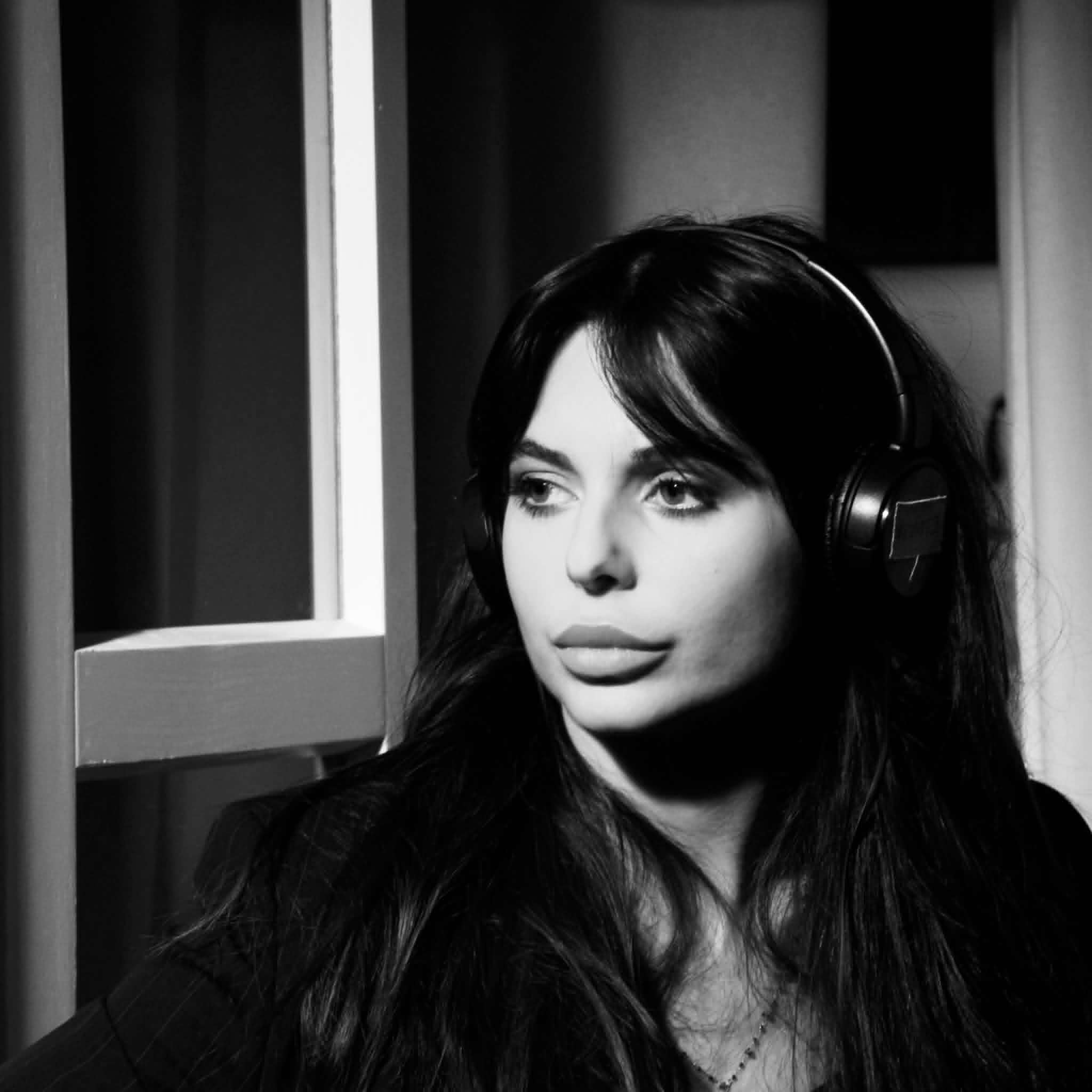
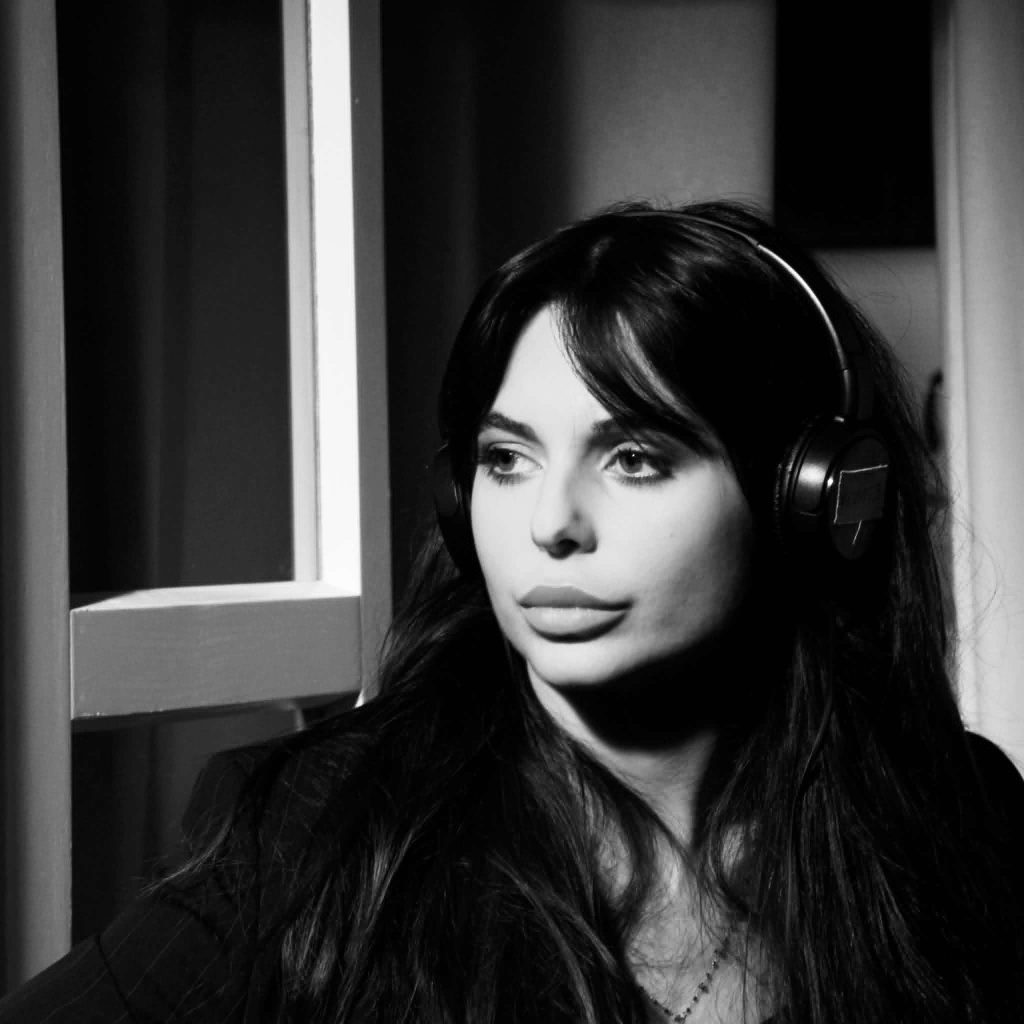
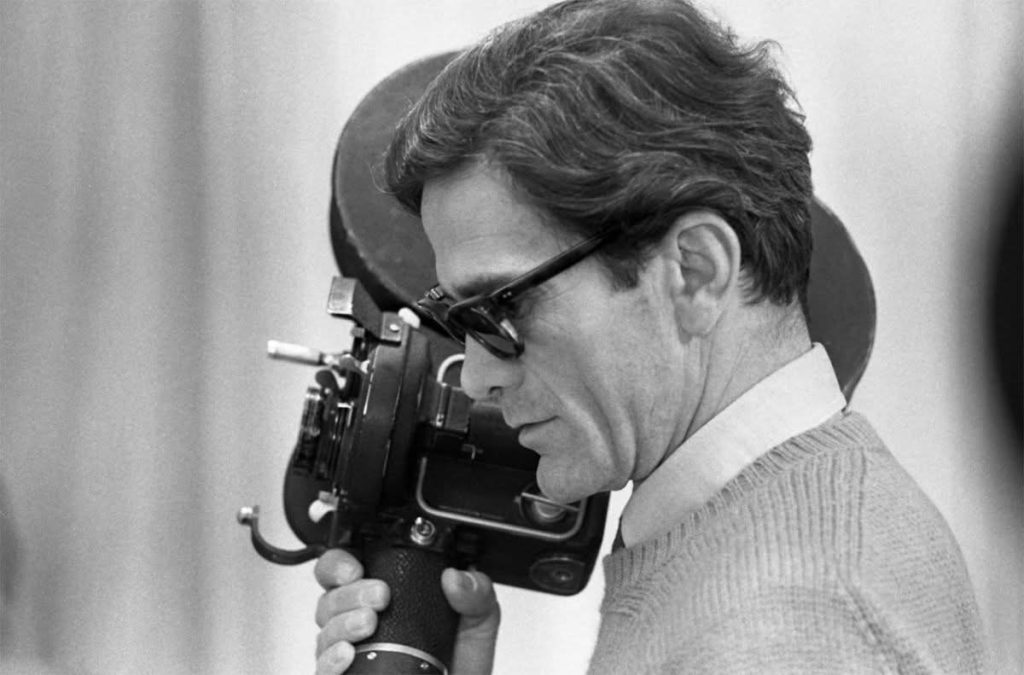
Blue also seems to stem from a reflection that recalls Salò, or the 120 Days of Sodom by Pier Paolo Pasolini, a film that IndieWire ranked as the greatest European film of the 1970s. Pasolini denounced the commodification of the human body by those in power. To what extent did his vision inspire your film?
Salò is one of my all-time favorite films. Its power lies in portraying power for what it truly is, without filters, and to me that is the highest expression of art. Pasolini was certainly a major source of inspiration for me, particularly because of the strength of his visual language and the violence of his storytelling, both of which I consider essential elements of cinema. A film that deals with sensitive issues should shock the audience, it should deliver a slap in the face, while never losing sight of poetry.
Sex and power have always existed on a thin, parallel line. Since the beginning of time, the world has revolved around two fundamental forces: Eros and Thanatos. We pay more attention to a news story, a film, or even a song when it touches on one of these two dimensions.
Speaking of power, erotic content platforms operate on two fundamental levels. First, they promise easy money in a very short time, without revealing the darker side of that world. At first, this creates a sense of empowerment, especially for very young people who suddenly begin earning significant amounts of money. The problem is that they often fail to consider the risks hidden behind this thin veil. Their content is frequently downloaded, shared, and redistributed, ending up in the hands of anyone. Moreover, to keep earning, creators are constantly pushed to raise the stakes and cross new boundaries. Eventually, the line between virtual content creation and actual prostitution becomes increasingly blurred, as online interactions often lead to meeting clients in person. At that point, I don’t see much difference between the two worlds.
The second crucial aspect is that these platforms create a dangerous dissociation between virtual and real life. Many young people believe they are becoming content creators, when in reality they are entering the world of low-budget pornography, with all the risks that come with it. In a professional adult film production there is a crew, a production team, and experienced professionals surrounding the performers. On these platforms, you’re completely alone, in your bedroom, with only a camera pointed at you. When people eventually realize the world they’ve entered, or discover that their explicit videos have been leaked and may even reach family members, the consequences can sometimes be tragic and irreversible.
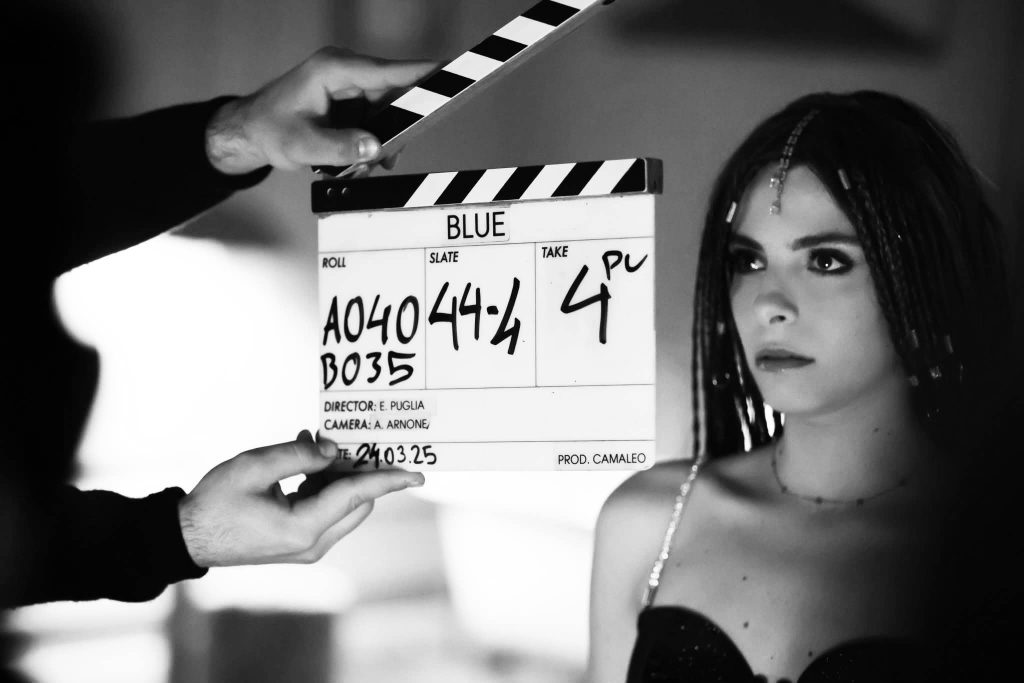
In Blue, this commodification no longer feels like a warning, it seems to have become an accepted reality. What was it like directing a film that tackles such a timely issue?
It was a genuine journey. When you’re dealing with such a sensitive subject, you have to approach it with respect, and that means truly understanding it through research and immersion. That was the most important part of the process: entering that world.
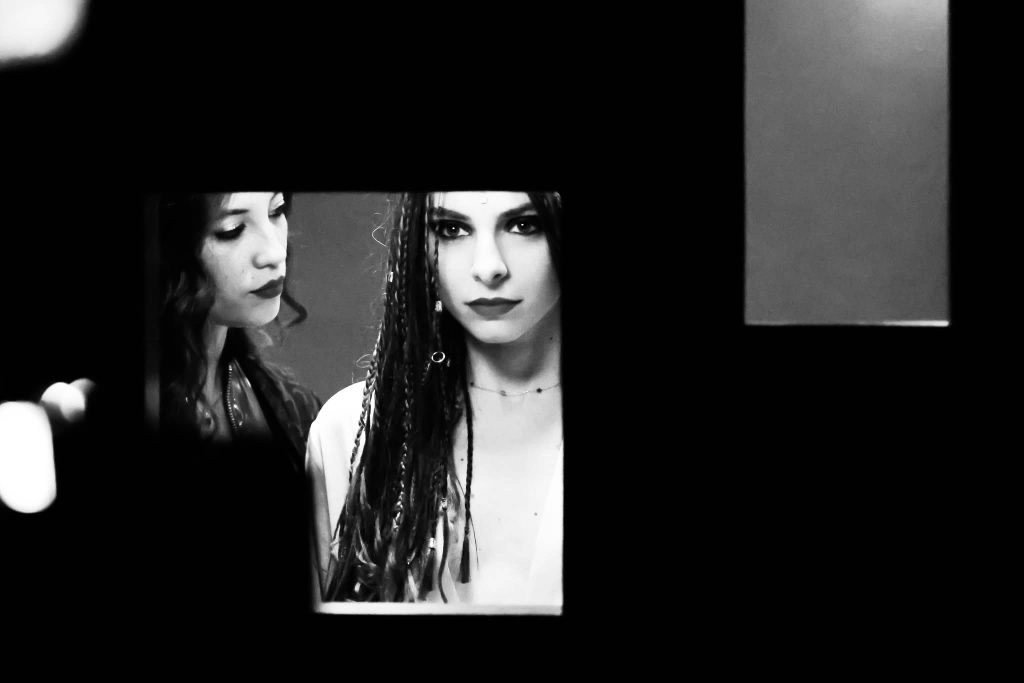
The work with the actors was extremely intense. I spent a full month preparing with the two lead actresses so they could fully internalize their characters, allowing Luce’s descent into hell, with Vicky acting as a sort of Virgil, to feel authentic, profound, and emotionally truthful.
From a technical standpoint, I was fortunate to work with an outstanding crew. We focused on highlighting the beauty of the human body through lighting and cinematography. Conceptually, I tried not to take a judgmental approach. Blue is meant to serve as a mirror for all those young people who are tempted by this world, warning them about its hidden dangers and the consequences it can ultimately lead to.
Why did you choose to cast Rocco Siffredi? What does he represent, both artistically and narratively, for this project?
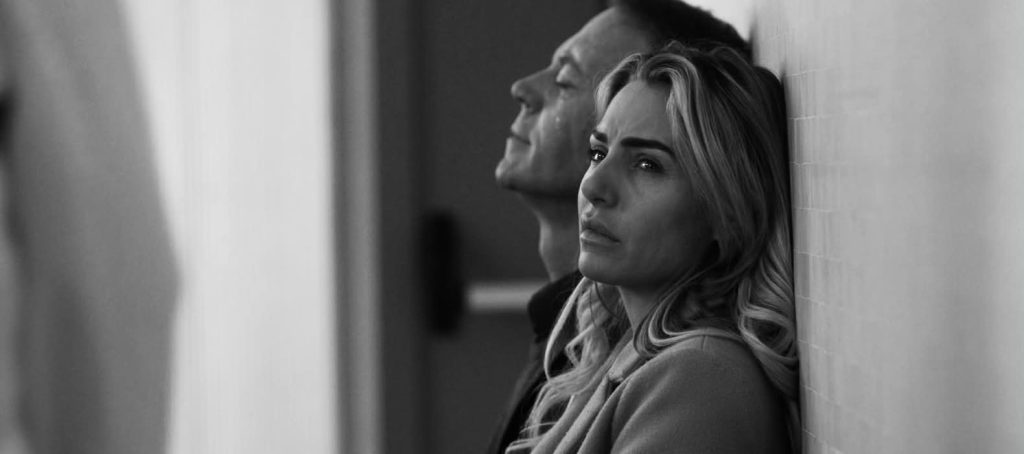
The decision was made together with both the producers and the distributor, and for me having Rocco on board has been tremendously rewarding. He proved to be a true professional, deeply committed to his work, and he fully immersed himself in the role of Diego. Rocco is also a very devoted father in real life, and that authenticity naturally comes across on screen. Beyond that, he has firsthand experience of the world the film explores. Being able to discuss these themes with someone who knows that environment so intimately was incredibly valuable to me.
Blue addresses universal themes. Do you believe it has the potential to resonate with international audiences as well?
Absolutely. From a directing standpoint, I wanted to create a film with a classical storytelling style while combining it with a very contemporary editing approach that could speak to audiences across generations.
The film has already been released on streaming platforms in the United States, where it received very positive reviews. It has also become one of the best-selling Italian films internationally in recent years, with distribution in 25 countries.
After Blue, what are your next projects? Will we be seeing you involved in more international productions?
I certainly hope so. At the moment, I’m working on my second feature film. We’re still in the writing phase, and if everything goes according to plan, we should begin shooting next spring.
As for international projects, I do have one in development, and I’m currently waiting for some important responses. My ambition is to make Italian cinema that can truly speak to audiences around the world. Hopefully, we’ll succeed.