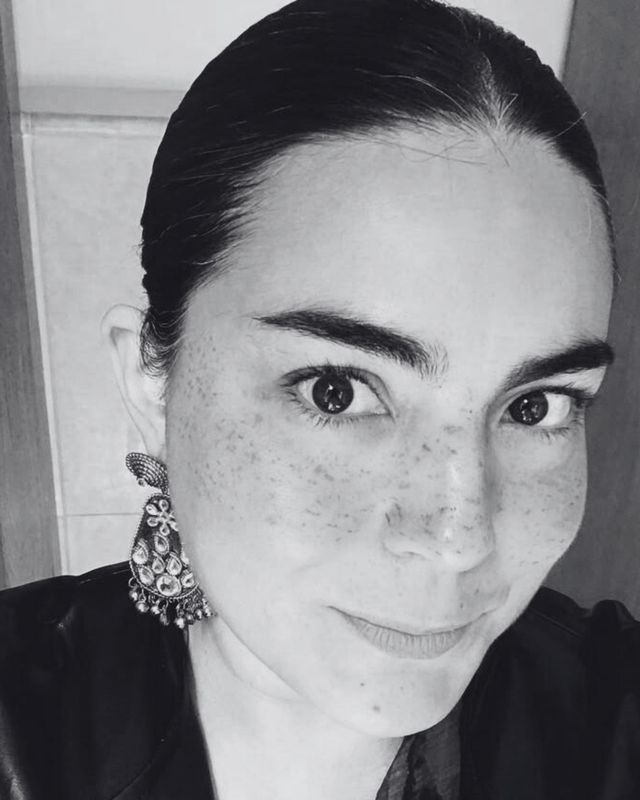
Who is María Valeria Pazos?
A human being who believes in the capacity of art to transform the way we relate to others and to our surroundings. I work through philosophy, sensory theatre, poetry, and visual universes, with the intention of creating atmospheres, dialogues, and reflections that open new imaginaries, question our forms of life, and reconnect us with tenderness, play, wonder, and
sensibility.
Tell us about your projects.
I am currently developing my doctoral research in philosophy of imagination, exploring the connections between imagination and the body — how the imaginaries we inhabit can be transformed, and how aesthetic pedagogies might allow us to imagine better futures. I am passionate about cinema and increasingly drawn to experimenting with AI as a means of storytelling. I am also about to self-publish a poetry book titled Jardín portátil (Portable Garden), developed over the past months in a workshop led by the artist and poet Rocío Cerón.
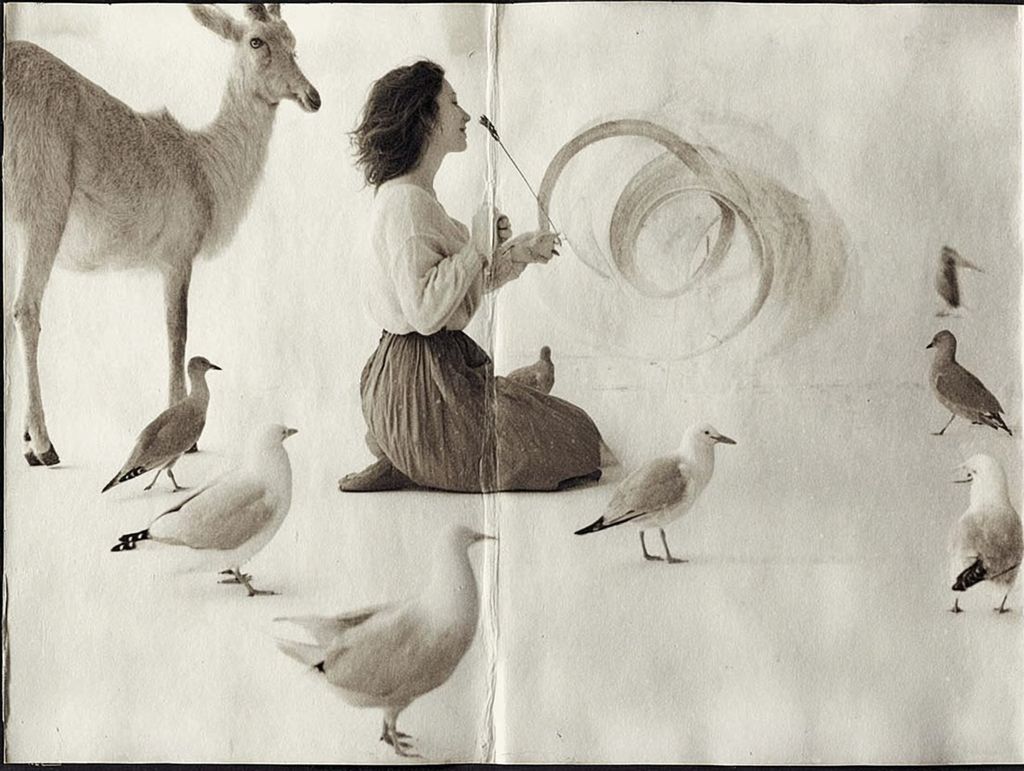
What do you like and what don’t you like about the world?
I love the circus, poetry, tenderness as a form of resistance, love, and compassion. I reject war, dictatorship, and the abuse of children.
Every artist has someone or something that inspired them. Where do you draw your creative drive from?
My deepest source of inspiration is dreams, along with the practice of categorizing atmospheres and observing the constant mixture between what I perceive, what I imagine, and what I remember. The other day, for instance, walking through my university, the way the stones were arranged in the space activated certain sensory memories of Japan, and suddenly my present
moment merged with Japan, generating a new and singular atmosphere. Everyday atmospheres inspire me in this way: what I have seen, smelled, or felt. I am also deeply inspired by artists such as the theatre director Daniele Finzi Pasca and the surrealists.
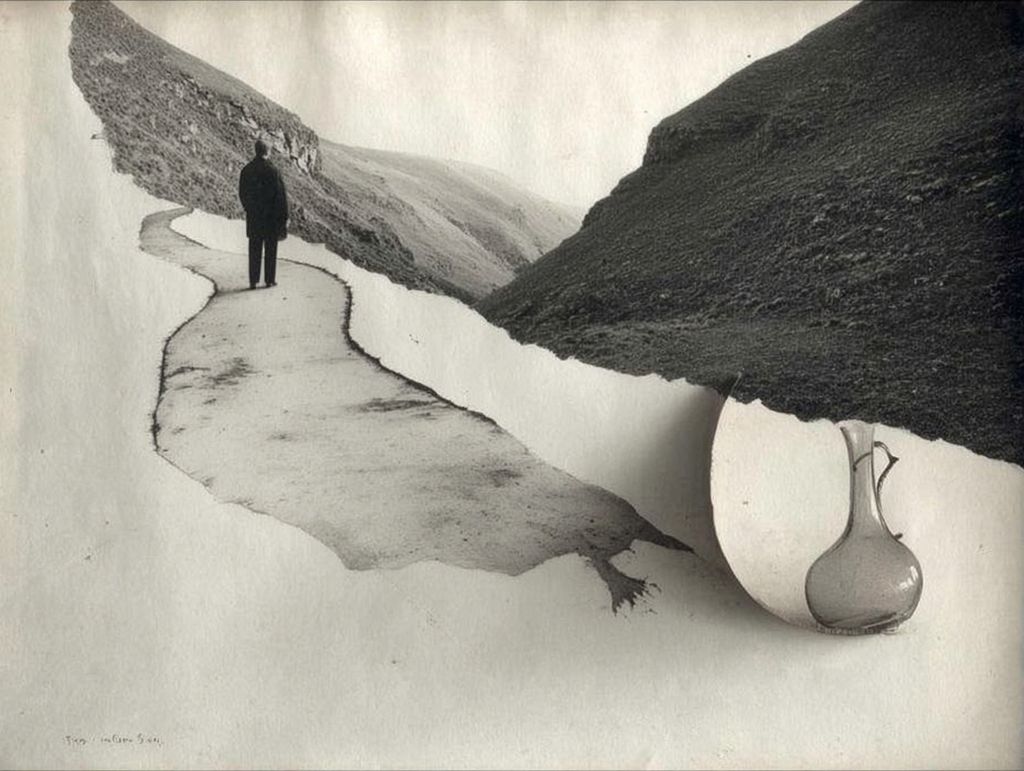
Many believe the actor’s profession risks being disrupted by new and revolutionary technologies like AI. What do you think about this?
I see AI less as a replacement for human creative practices and more as a poetic instrument capable of materializing images, atmospheres, and impossible visual relationships. Every technology throughout history has transformed artistic languages: photography transformed painting, cinema transformed storytelling, video transformed performance. AI opens another
threshold. What matters resides in intention, sensibility, symbolic depth, vision, ethics, and the human capacity to shape meaning. Presence, vulnerability, emotional resonance, embodied experience, intuition, and imagination continue to occupy a profound place within creation.
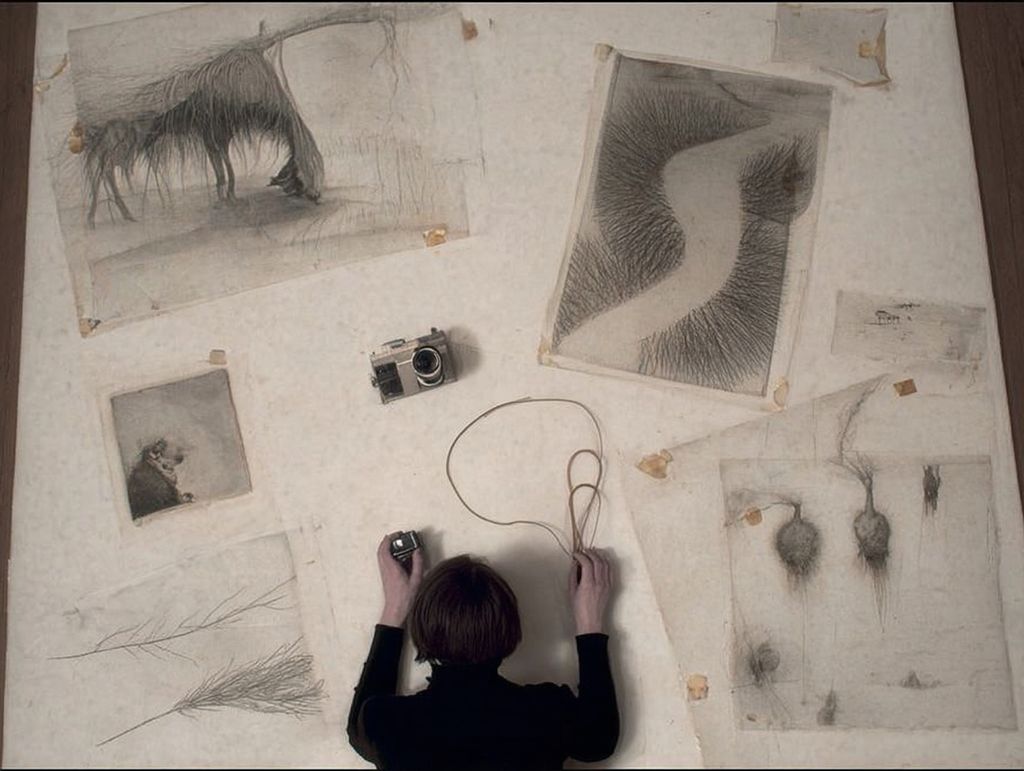
What impression do you have of WILD FILMMAKER?
I appreciate spaces that support independent voices, experimental visions, emerging cinematic languages, and personal forms of storytelling. Contemporary cinema grows through platforms like this one — spaces where experimentation, intimacy, risk, and singular perspectives continue to evolve.