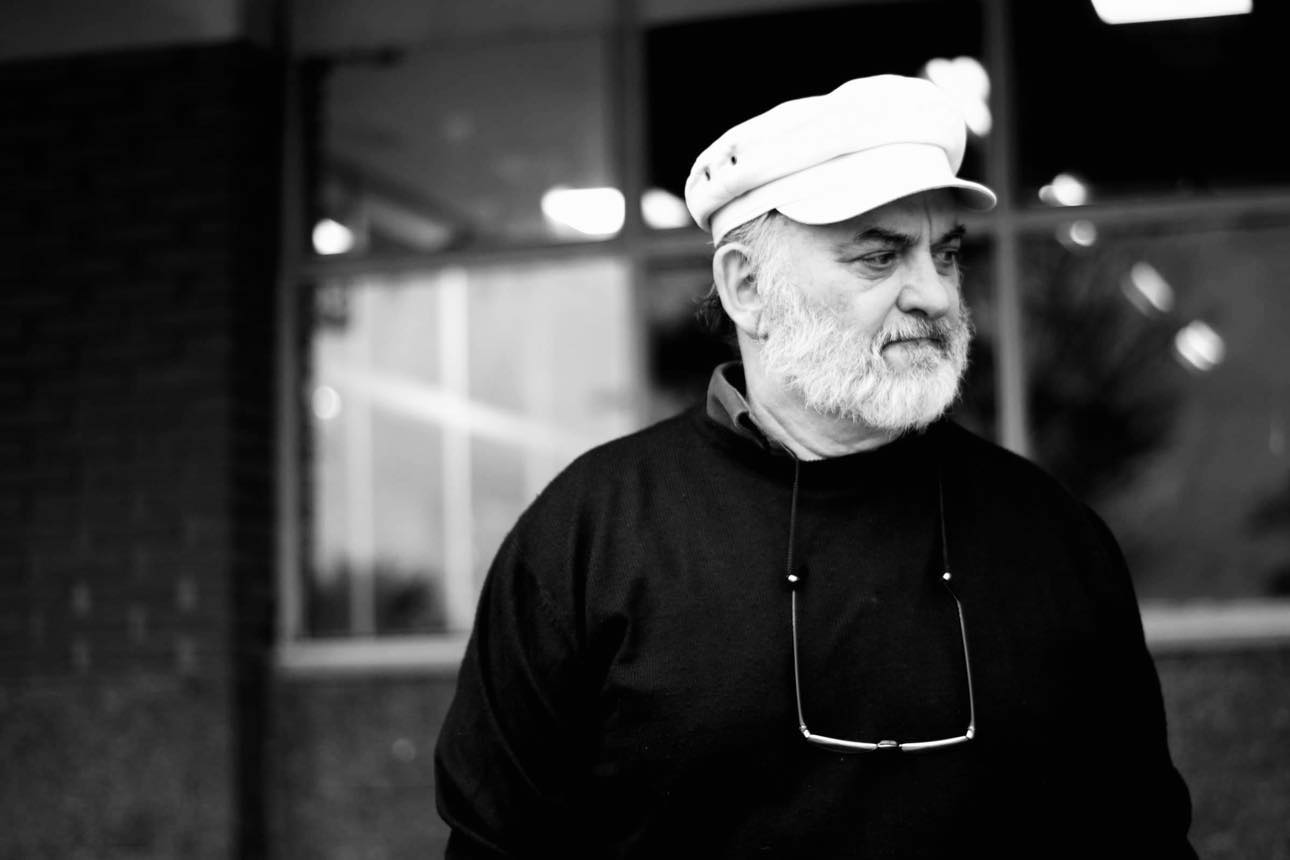
– What are your expectations for 2026?
To film, film, and film. We have a structured production plan already in motion, focused on maintaining continuous output. A new feature documentary about water is currently in post-production, exploring the relationship between natural resources and human development. Porto das Monções is being remastered and expanded, updating both its narrative and technical quality. In addition, we have several fiction projects submitted to Brazil’s incentive laws, awaiting results. These will allow us to expand our shooting schedule and strengthen the production line of Palha & Cia Casa de Criação.
– What projects are you currently working on?
We are currently focused on securing resources to produce Doctor Hypotheses 2 – The Breakdown, the sequel to the internationally awarded feature film. The script is complete, and we are seeking sponsorship and distribution partnerships to begin production early next year. The project continues the visual and thematic approach of the first film, now delving deeper into the boundaries between sanity, power, and manipulation.
In addition, we have several scripts ready for production:
– Coffee and Milk, which explores racial and cultural blending in Brazil through the love story between an Italian immigrant and a Black woman in 1927–1928, set against the backdrop of the Sacco & Vanzetti execution in the United States.
– Commit Me or Not, a comedy about the misadventures of polyamory and the emotional dilemmas of contemporary relationships.
– Berimbau, a children’s feature full of Brazilian rhythm and culture.
– The Three Mosquitteers, a children’s adventure set in dark times, where humor and imagination become acts of resistance.
– Duzinda, a period drama that follows the journey of a woman amid Brazil’s political and social transformations from the 1930s to the 1950s.
Our focus is to expand partnerships with the private sector and international co-producers, maintaining a clear commitment to a cinema that combines strong content with Brazilian identity.
– What would you ask event organizers in the film industry to do in order to support the creativity of highly talented independent artists like yourself?
I would ask them to expand the spaces for dialogue and real opportunities for independent cinema. Talent needs structure, and creativity only thrives when it finds concrete paths for production and circulation.
Festivals and film events play a vital role in promoting works, but they should also establish permanent channels that connect filmmakers, investors, distributors, and exhibition platforms.
Independent cinema fuels the entire audiovisual chain with new languages and narrative formats. To strengthen this ecosystem, it’s essential to create real access to markets, resources, and visibility, with fewer bureaucratic barriers and more predictable processes.
Supporting independent cinema means investing in diversity, innovation, and the sustainable future of the industry.
– What vision or desire currently guides your artistic choices?
I have been developing a language that combines magical realism, humor, and social commentary—elements deeply rooted in Latin American tradition. This aesthetic emerges from historical contexts marked by contradiction—dictatorships, inequality, and resistance—yet finds in imagination a form of liberation.
I approach the screenplay as the foundation of a strong audiovisual work, where every image serves a narrative purpose. I strive to compose frames with contrast, depth, and rhythm, drawing inspiration from Caravaggio’s use of light and shadow, applying it to the creation of atmosphere, character, and visual storytelling. The goal is to produce films with a distinct visual identity, solid structure, and genuine potential to connect with diverse markets.