-Who is Gabriele Gallinari?
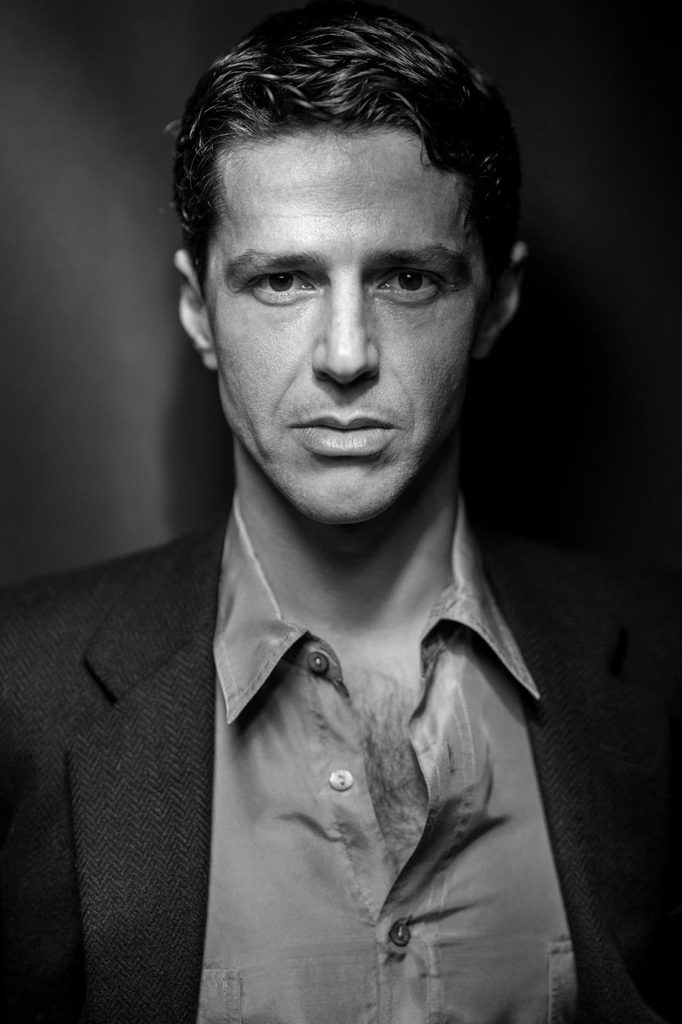
I am an actor, but today, much to my regret, I owe my public profile to the Torre di Pasolini case. And indeed, over the past few months, all my energy has been devoted to this cause.
-Could you tell us about the recent events surrounding Pier Paolo Pasolini’s last home?
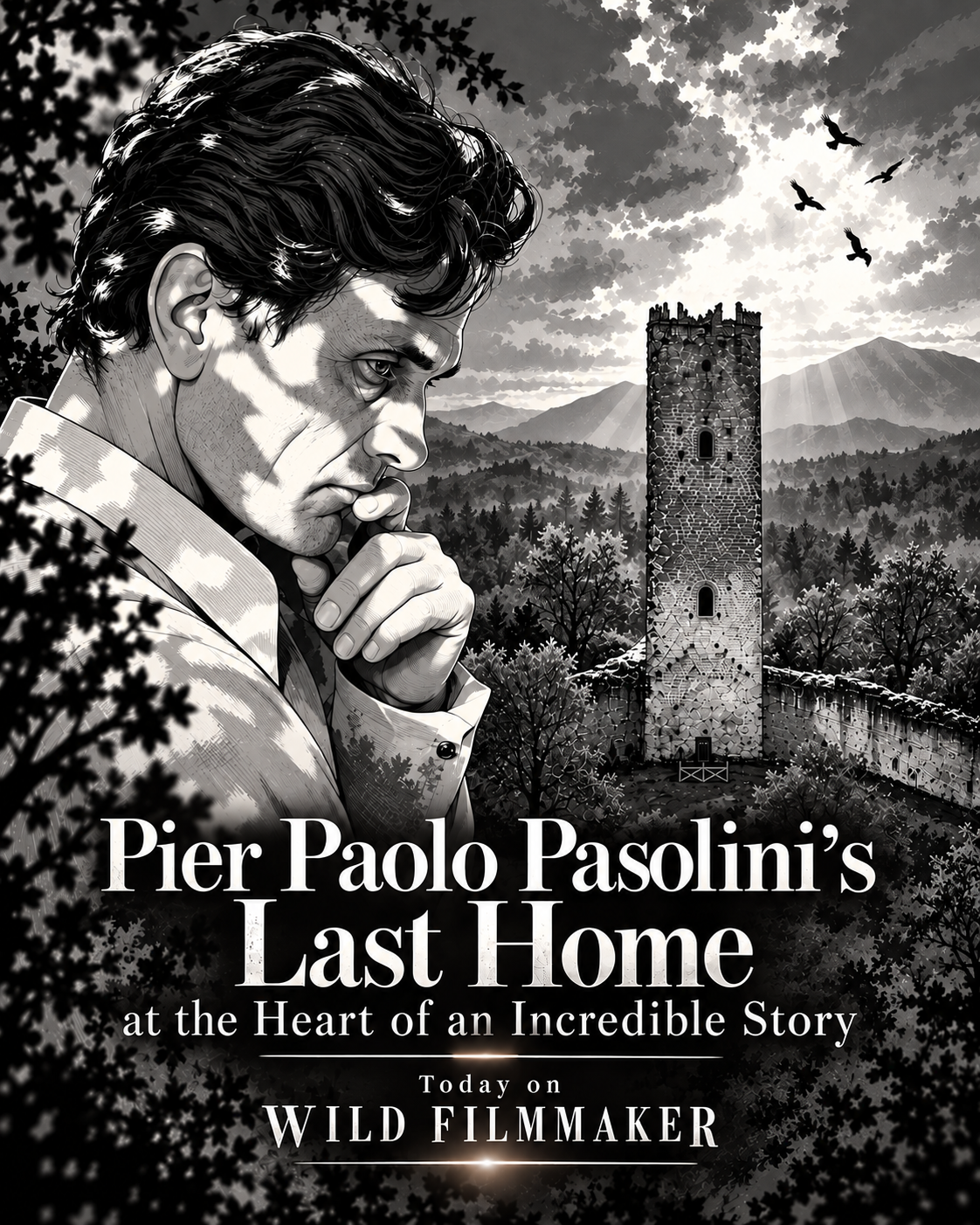
Pasolini’s tower, the Poet’s last home and study, where Petrolio and many of his Lutheran Letters were written, protected by the Ministry of Cultural Heritage and ultimately relinquished by the State, is being saved by a private individual who lawfully purchased it, restored it over four years under the supervision of the Superintendency, and opened it to the public. A private agricultural body that manages the surrounding public-domain land is, after 200 years, claiming a civic-use right, suing the new owner on the grounds that Pasolini himself was an illegal occupant of his own home, and seeking expropriation of the property without compensation. Meanwhile, however, it uses the Poet’s name and image, as well as that of the Tower, as the area’s main tourist attraction. While the judicial proceedings are still ongoing, the Lazio Region has already initiated the expropriation—or rather, the “reintegratio”.
-What kind of cultural and artistic initiatives did you organize in the house that once belonged to Pier Paolo Pasolini?
I signed an agreement with the Municipality of Soriano nel Cimino to reopen the complex to the public under the same arrangements previously established by the heirs. I welcomed the expression of interest shown by the Ministry’s Institute for Monumental Villas of Tuscia and stepped up our free cultural activities. Special openings in collaboration with the Italian Historic Houses Association, the Historic Houses Network of the Lazio Region, the Superintendency, the Order of Architects and schools. Readings, concerts, film screenings, and anything else that made sense to organise here.
-We sincerely hope that this difficult chapter will soon be behind you and will end in the way you hope. When that happens, what initiatives would you like to organize again in your home?
To be honest, what I am going through right now is so intense and painful that I find it very difficult to maintain a clear vision of the future. But I remember perfectly well why I decided to buy this house. Nobody wanted it. It was falling into ruin, and I felt it deserved to be saved, that it deserved a custodian. I decided to buy it so that I could take care of it, and to do so, I sold my home in Rome. It was not an investment, nor a speculative venture. It was an act of rescue. So this is what I would do if this surreal ordeal were to end well: I would continue to care for the house and keep it open to the public.
-What do you dislike most about the world we live in today, and what would you change if you had the opportunity?
The abuse of power. It leaves me with a profound sense of injustice that I find difficult to come to terms with. It is a sad coincidence that Pasolini wrote Petrolio here, the novel that explores the dynamics of power and corruption, in which oil becomes a metaphor for everything that corrupts and destroys, for the civilization of consumerism and the commodification of life. More than 50 years after his murder, there is still violence, still “oil” poured over the memory of a Poet declared an illegal occupant in his own home. Once again, this place—a witness to a history that began with the Etruscans and, passing through the Middle Ages, reaches the culture of the 20th century—needs to be saved.
I will use every legal avenue and every means available to me under the law to pursue any personal liability on the part of all those involved.
I have launched a petition on Change.org, calling for the expropriation to be suspended pending a final court ruling and for me to be compensated for the expenses I incurred in good faith should the final ruling go against me. 27,000 signatures in just a few days. It is important that people know what can happen to you in Italy in 2026.
-At WILD FILMMAKER, we have been supporting independent artists from all over the world for the past seven years, and we see our work not only as a cultural mission, but also as a social one. Do you think it is important for independent artists, filmmakers, writers, and cultural figures to build a strong international community capable of supporting one another, defending cultural freedom, and giving greater strength to independent voices?
Absolutely. I believe that building a strong international network of mutual support is essential. Independent artists and cultural figures can often find themselves isolated when facing challenges, and creating a community that stands together can make a real difference. Culture should be a space for freedom, dialogue, and solidarity, and none of us should have to face these challenges alone. Mutual support is not just important; it is fundamental. Throughout these four years of legal battles, the words of the visitors we have welcomed here during our regular opening days, their recommendations and their words of encouragement have been a great source of comfort. They made me feel less alone at a time when public institutions had completely abandoned me.