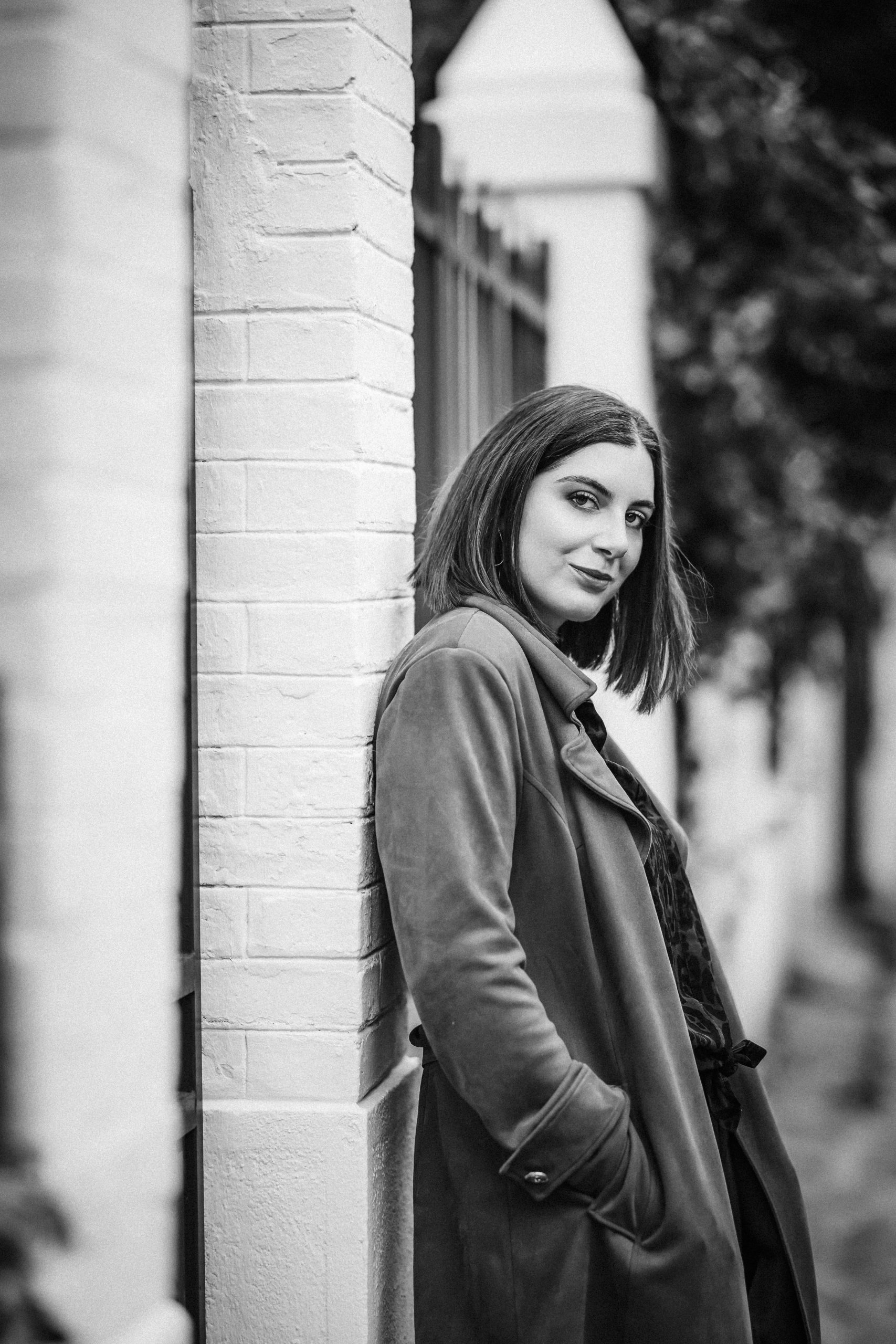
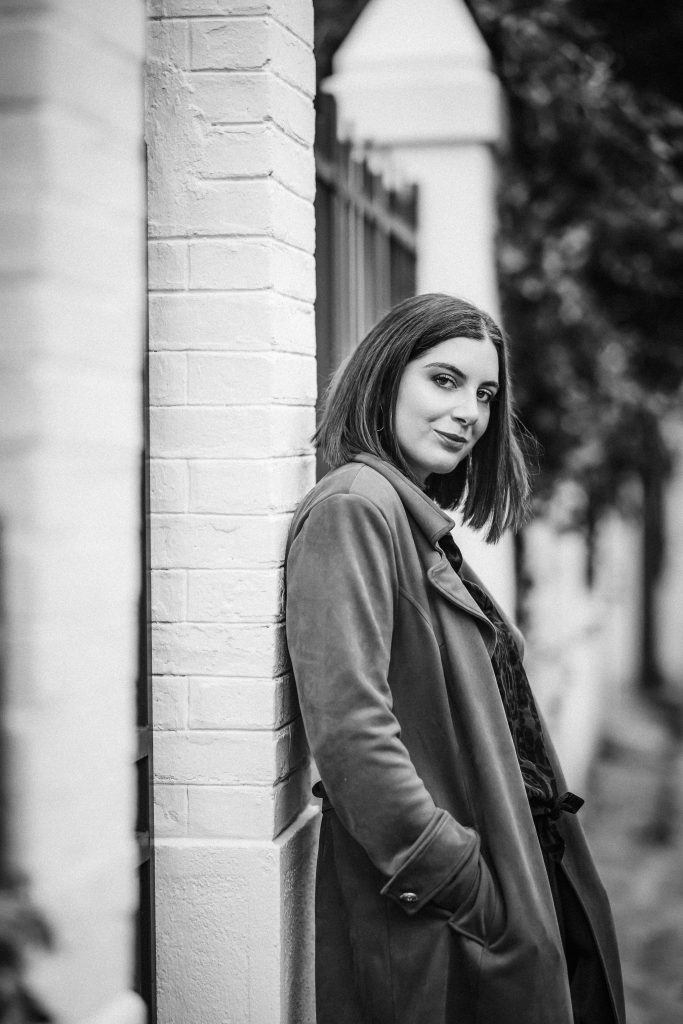
Who is Sarah Ortolan?
I am a trained psychologist specializing in autism. I have always written in my free time, and a few years ago I began publishing short stories in literary journals. When I had the opportunity to devote more time to writing, I completed my first novel, Return to Carbery, whose plot and characters had been haunting me for about ten years.
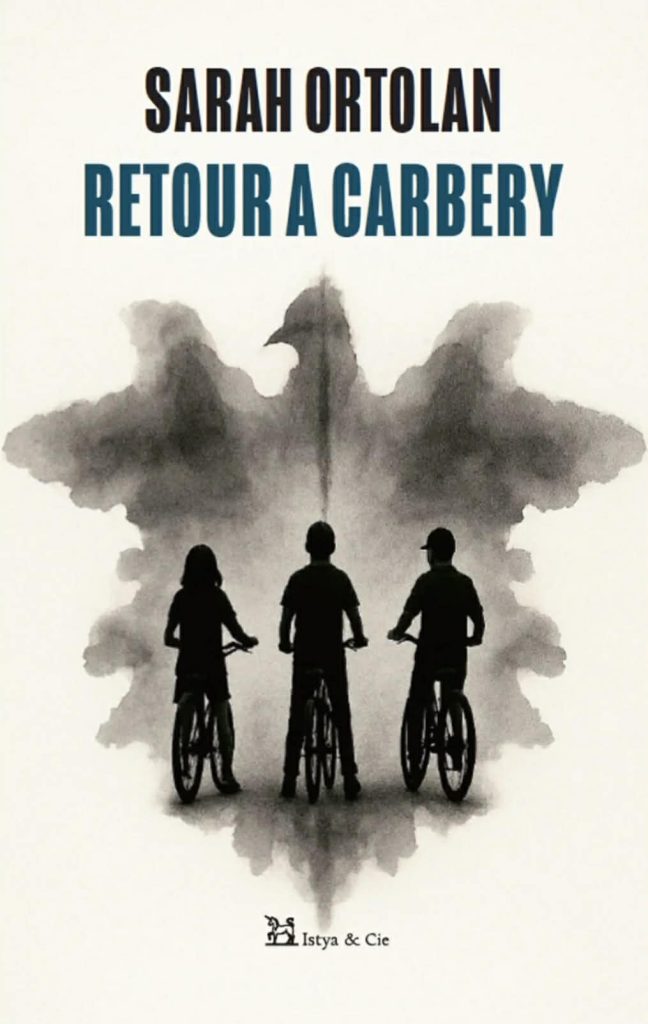
Tell us about your book: Return to Carbery.
It is a psychological thriller with a strong nostalgic dimension. The story follows three childhood friends—Stan, Alice, and Finch—who reunite as adults. They are confronted with a gruesome murder that takes them back to the summer of 1997, when they were tracking a mysterious “Thing” behind disturbing events in the seaside town where they spent their holidays. They begin to realize that this “Thing” may have grown along with them… and they resume their investigation where they left off.
The novel alternates between two timelines: 1997 and 2017. The chapters set in the past fully immerse the reader in the atmosphere of the 1990s, a period that coincides with my own childhood and that I am particularly fond of with its music, cultural references, games, advertisements, and more. It’s a kind of Proustian madeleine for my generation, but with a bitter aftertaste.
What particularly interested me was exploring the idea of the uncanny: something familiar that suddenly becomes disturbing, where discomfort arises from the shift between the known and the unsettling, between the lost paradise of childhood and what truly lies beneath it.
This may be linked to my background in psychology, but I feel that the past, with its share of trauma, buried or repressed memories, is always potentially dangerous, while at the same time exerting a powerful attraction on us.
Which writer inspires you the most?
Without hesitation: Stephen King. I discovered him at the beginning of my adolescence, at a time when I was shaping my personality and artistic universe, and it was a real shock. I feel as though I continue to live in some of his stories, or that they continue to live within me.
What I admire most about him is his ability to anchor completely wild plots in absolute psychological realism, and to create worlds so familiar that they feel like parallel versions of our own. We fully identify with his characters’ thoughts and emotions. We believe in them because they are sincere and deeply human.
His vision of childhood confronted with threat, and of summer as a threshold, a liminal space, an initiatory rite of passage, has greatly influenced me. In fact, the name Carbery is a tribute to Derry, the Maine town where the characters of his novel It return after twenty-seven years of absence and forgetting.
What do you dislike about the world, and what would you change?
I’m going to give a completely naïve but obvious answer: I would remove the existence of evil and all forms of suffering from this world. Of course, I would also be shooting myself in the foot creatively and probably signing the end of my career, since it is precisely the question of the evil lurking within each of us that obsesses me and that I explore in my thrillers.
How do you imagine cinema in 100 years?
I believe technological developments will allow for extremely advanced visual performances and immersive experiences, but also increasingly standardized ones. At the same time, I hope we will remain capable of returning to the essence of cinema: telling stories through images.
Because what truly matters and I think audiences recognize this is that these stories are good, sincere, and driven by a unique vision.
What is your impression of WILD FILMMAKER?
I believe that initiatives like WILD FILMMAKER are essential to keeping independent cinema alive outside the rules imposed by the industry, and to making it more accessible to everyone.
I also find it very valuable to bring together a strong community around a shared vision of artistic creation, and to give visibility to emerging authors like myself, who might not otherwise have access to these spaces. So, thank you.