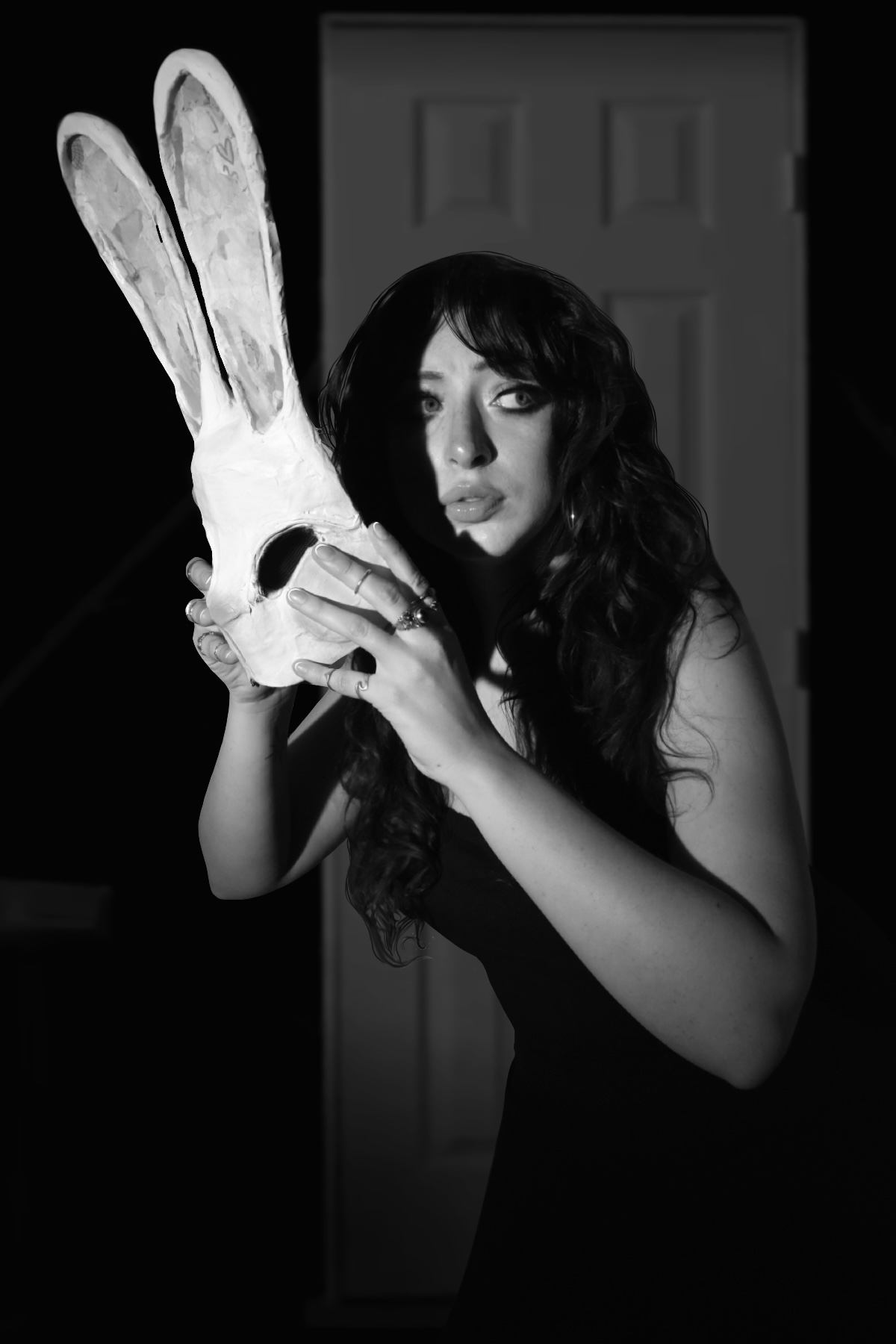
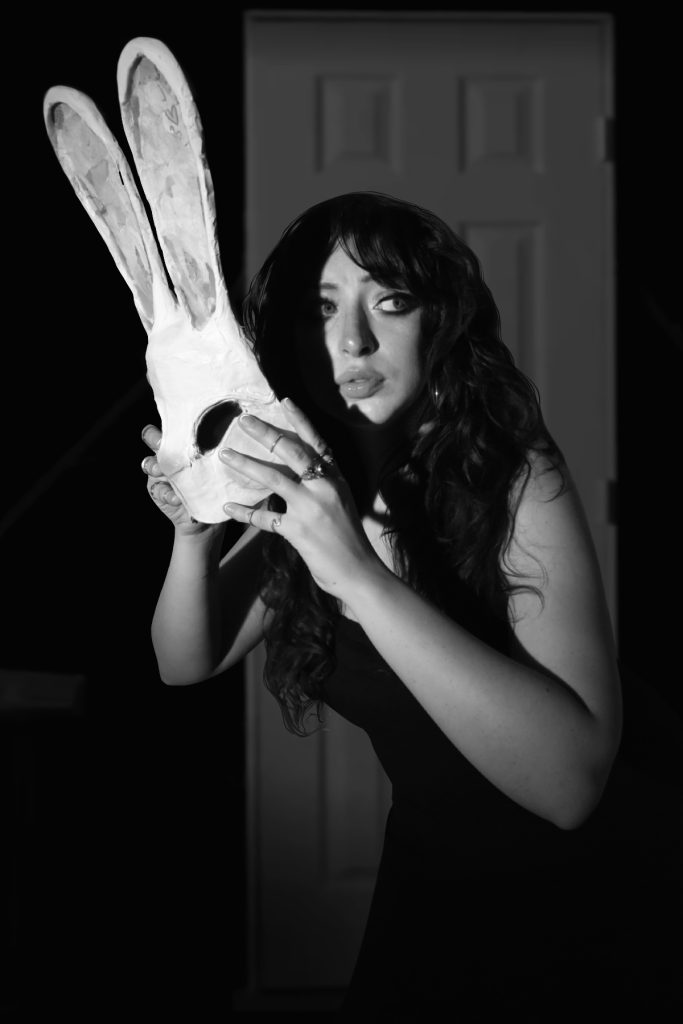
Who is Sydney Rincón?
I began studying as an actor at the Academy of Performing Arts, Orange County and later moved to San Francisco to study Cinema and Political Science at SFSU. With a lifelong love of freaky animation, subversive genres, and surreal outliers in the film world, I grew to express my voice as a director/ actor in the Bay Area.
Alongside my filmmaking work, I have long been involved in local and national political movements as an advocate, spokesperson, artist, and activist. My political engagement is inseparable from my work as a filmmaker; if anything, it defines my approach to filmmaking, it is how my works speak to the political circumstances of our time. Films like Do the Right Thing (1989) and Fantastic Planet (1973) live close to my heart for these reasons. It’s important to learn from other artists, and I always love connecting with my fellow filmmakers and community. I can be contacted on TikTok, Instagram (@cableservice), and IMDB.
Do you remember the exact moment you fell in love with cinema?
Like all toxic relationships, it was love at first sight for me and cinema. I grew up going to the theaters and learning to express my most complex feelings through film quotes. But it wasn’t really until the COVID-19 lockdown, with no other attachment to the outside world, that I immersed myself in film entirely. Admittedly, I spent more time studying the film catalogues on my TV than I did in Zoom class. Wes Anderson, René Laloux, and Hayao Miyazaki became my peers, and I shared in their works religiously.
Cinema was no longer just an excuse for me to talk with others or share interests; it was my language in which to communicate and share myself in the most honest sense with the world. That love has continued to grow richer and stronger as time goes on, with my first directorial project, Sensus Mori (2025), being the first of many opportunities for me to speak directly to audiences. I hope that maybe there is another lost someone on the other side of the screen who can find their voice through mine. Like the directors I fell in love with in high school, I learned how to blend film, animation, and advocacy in my own cinematic style.
Tell us about your project “Sensus Mori”.
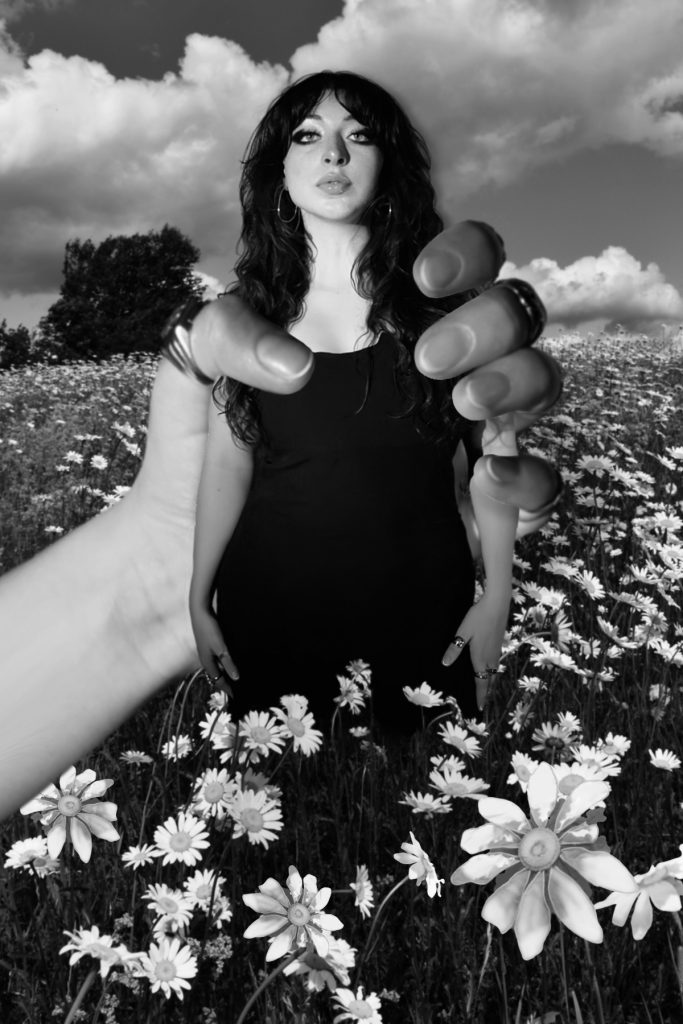
When an elusive society agrees to be interviewed, a journalist must contend with their ideologies or risk falling prey herself. Sensus Mori (2025) is shrouded in banter, oddity, and fantasy; it urges us to question how much we are willing to sacrifice ourselves in pursuit of belonging somewhere or to something. With the divisiveness in our communities, I encourage others to consider what makes us authentically ourselves and be conscious of what we are willing to blindly sacrifice for the approval of others.
An undergraduate SFSU thesis film, Sensus Mori (2025), has thus far screened at 72 festivals across 19 countries. Inspired by the MAGA movement and the submission of the media to government forces, Sensus Mori (2025) speaks about the ridiculous and dangerous layers of political avoidance. This film serves to drive conversation into how cult mentality, ignorance, and boneless media can harm our communities at large. To learn more about Sensus Mori (2025), I encourage everyone to check our Instagram (@sensusmori) to stay up to date with screenings, interviews, and more.
Which Director inspires you the most?
Boots Riley should be on everyone’s mind right now. A Bay Area activist-turned-director, Boots Riley is redefining how we see one another and organize politically through film. With so many creatives willing to be silenced by mainstream media and an oppressive regime, Boots Riley has shown we don’t need to bow to censorship or cower away from our morals. As obvious as this may seem, he’s one of the few really walking the walk. I was fortunate enough to attend the Oakland Premiere of I Love Boosters (2026), a film that embodies Black Surrealism and advocacy through art. This film does not shy away from the cruelty of capitalism under the guise of cultural influence. It’s a must-watch and one of my newfound favorites. Cinema is not dead so long as Mr. Boots Riley is around.
What do you dislike about the world, and what would you change?
I could write a manifesto of what I don’t like about the world and how I would change things. But in the simplest of terms, there is too much division and not enough compromise. I don’t mean left and right either; I mean the oppressed against the oppressing oligarchs. People are going to think differently, so it’s important to look beyond minute differences and collectivize for the bigger picture: unity amongst the working classes and a more fruitful future for everyone.
This kind of future takes work, and we need to be willing to do it. Everyone wants a village, no one wants to be a villager. Nothing will change until that mindset shifts, and I hope my work as a filmmaker can lead us closer to that future.
How do you imagine cinema in 100 years?
I’m an optimist when it comes to the future of cinema. Right now, there’s a lot of fear surrounding AI, studio monopolies, and the pricing out of industry creatives, especially for independent filmmakers like myself. But the truth is, I don’t think any of these will outlive cinema. I think it’s a bump in the road, as with any industry– the difference is cinema is not just any industry. Cinema is culture at its best (and sometimes worst), that’s something that I think will continue to endure and grow with us over the next 100 years, so long as there are human artists to make it and human audiences to love it.
What is your impression of WILD FILMMAKER?
I’m thankful for the platform WILD FILMMAKER has provided for independent creatives to share their stories and connect on a grassroots level. It’s cliché to say, but now more than ever, we need spaces like this to hold authentic conversations with one another for the sake of art, not box office sales. Small creators, particularly women, are being pushed to the fringes of society, and as a result, our voices are being stifled by algorithms and paywalls. Connecting with real cinephiles and creatives like this actively works against these barriers. I imagine that through stories and collaborations shared amongst us, more young artists will realize that their scrappiness and passion are a driving force of cultural influence, not a hindrance. We should be grateful that WILD FILMMAKER will be here to see us through the technological and cultural changes inevitable to come.