-Who is Stephen Benham?
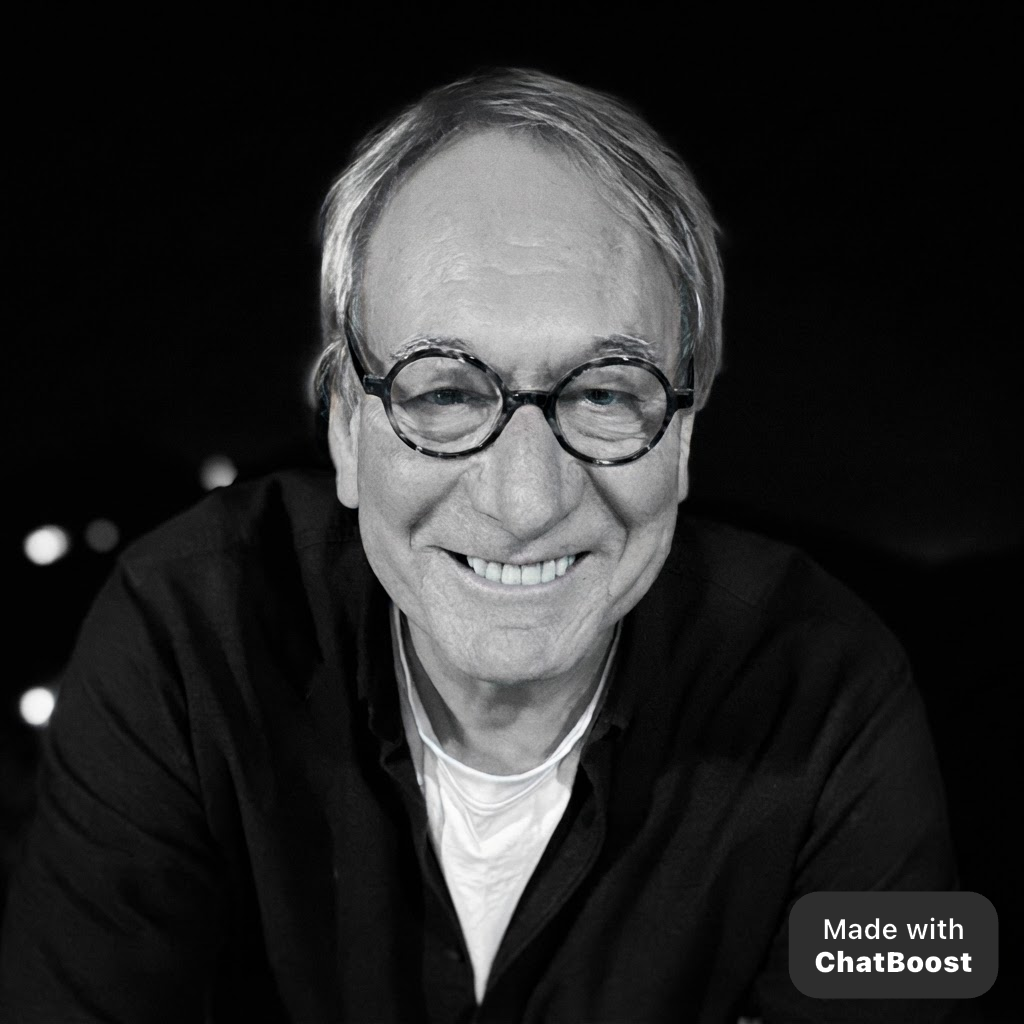
Stephen Benham is a British musician, songwriter, television and film producer, broadcaster and creative director whose career has spanned more than four decades, encompassing music, television, film and international media.
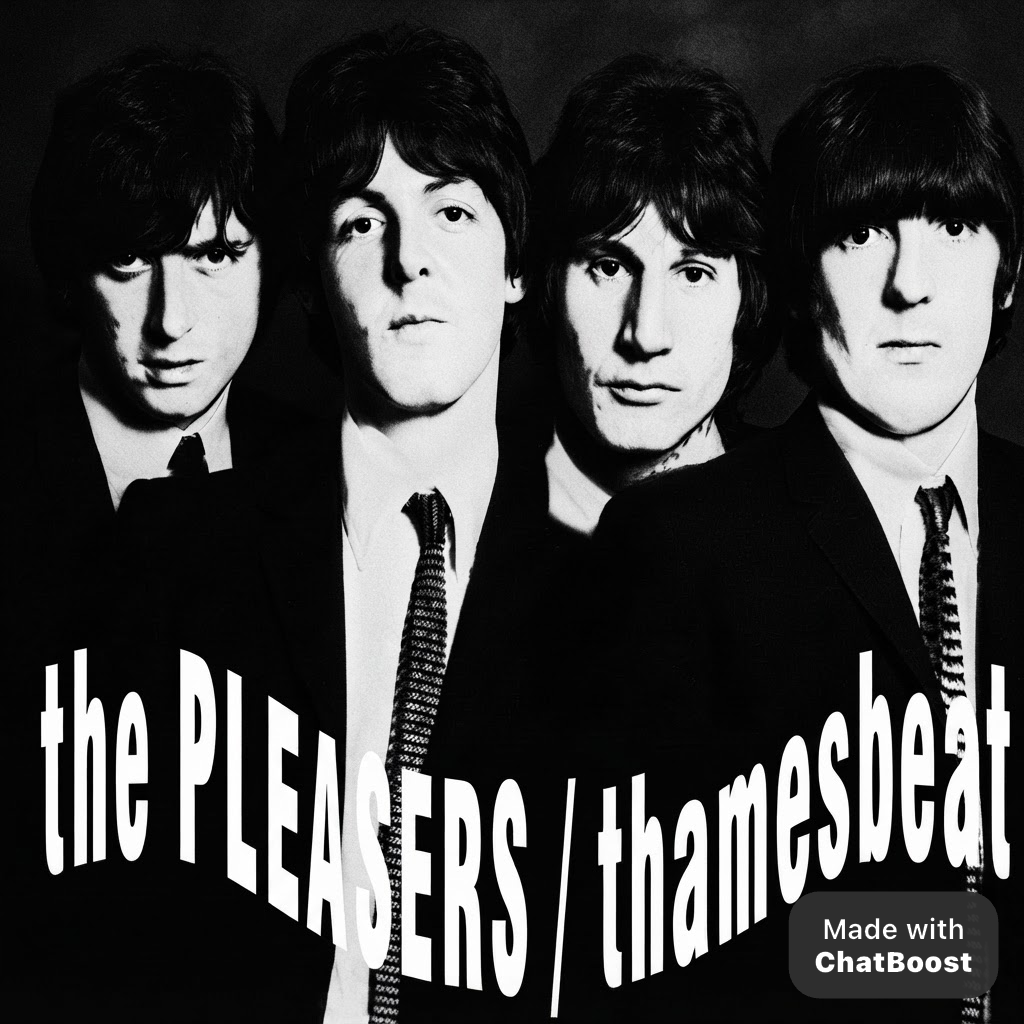
He first came to prominence as co-founder of The Pleasers, a successful British rock band of the late 1970s who signed to Arista Records and became part of the British power pop scene.
Throughout his career, Stephen has worked across the music and entertainment industries, with associations including Paul and Linda McCartney, Eric Clapton, Marc Bolan, Jack Bruce, Vangelis and Tom Jones.
Moving into television and film production, he composed and produced music for major advertising campaigns, including Gillette, Fiat and Norwich Union. His television credits include producing New Music Television, a 26-part ITV1 series presented by Marc Almond of Soft Cell and distributed internationally by FremantleMedia. He also produced the short film It’s a Goat’s Life, which was a runner-up at the Venice Film Festival. His production career includes more than 300 television commercials and music videos.
Other achievements include founding Sound Street Radio in Japan, one of the early online radio stations showcasing new international music, and founding the Sitkovetsky Piano Trio for Sony Classics.
More recently, Stephen reunited with fellow Pleasers songwriter Steve McNerney to release One Second In Time, an album celebrating their original sound and dedicated to their late bandmates. Its title track has enjoyed considerable success in the United States, reaching No. 4 on the American Independent Chart and entering the Mediabase Top 40.
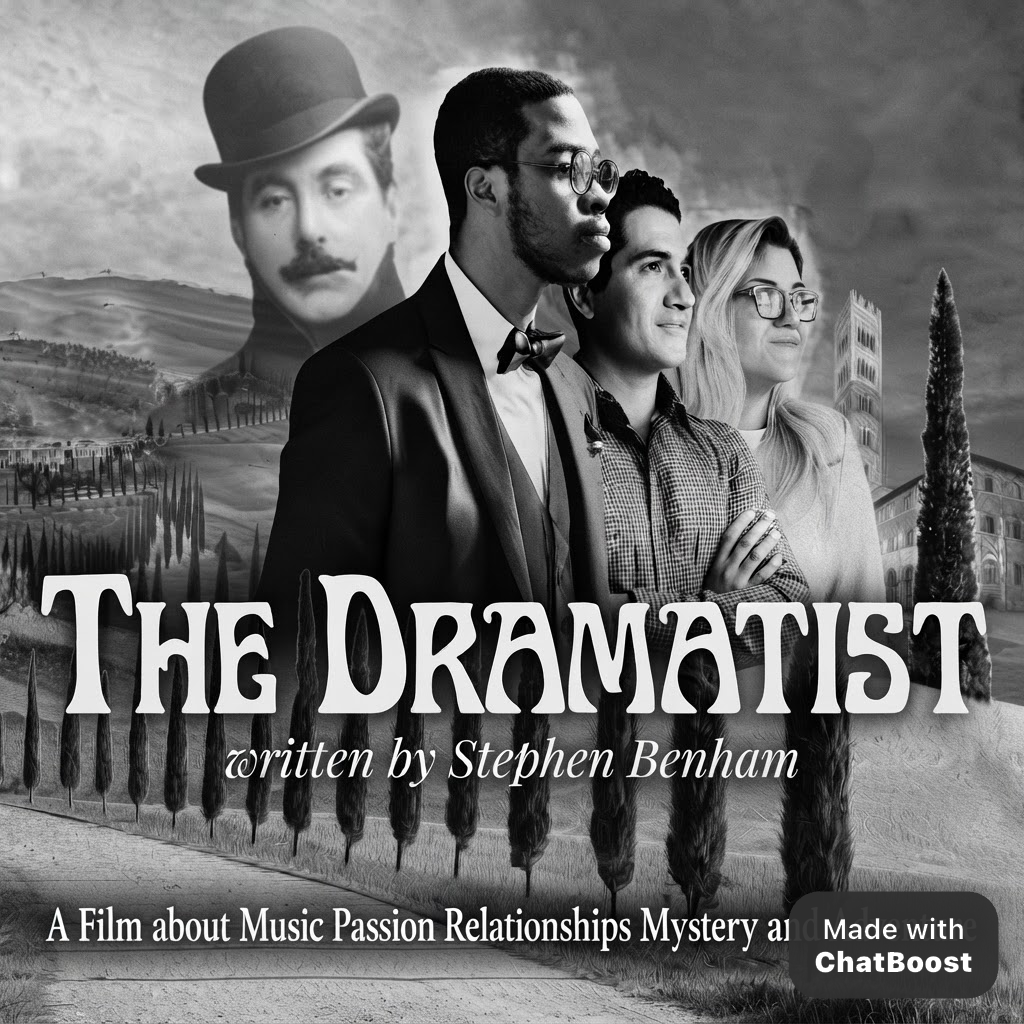
Now, Stephen has turned his creative attention towards screenwriting. His debut feature screenplay, The Dramatist (The Unfinished Score), a comedy-drama with a mystery at its heart, inspired by true events, has already attracted considerable international recognition.
Following its semi-finalist success in the 2025 Outstanding Screenplays Feature Competition, the screenplay has gone on to achieve further recognition in 2026, winning Best Film Script at the Florence International Film Festival and becoming a finalist at the Cannes Script Festival, the International Indie Film & Screenplay Festival and the New York Script Awards.
For Stephen, screenwriting represents a natural new chapter in a creative life spent telling stories through music, television and film. He now hopes to bring his storytelling experience and imagination to the big screen.
-Do you remember the exact moment you fell in love with cinema?
I think my first real love affair with cinema began when I saw David Lean’s Lawrence of Arabia on the big screen. It was an extraordinary experience. The sheer scale of the film, the breathtaking cinematography, the sweeping landscapes and the power of its storytelling left a lasting impression on me.
I remember being captivated by the idea that cinema could transport an audience into another world and make them feel part of something so epic. From that moment on, I began fantasising about one day making a film of my own on that kind of grand scale. That ambition stayed with me, even as my career took me in different creative directions through music, television and film production.
Looking back, I suppose that was where the dream really began.
-Tell us about your project, The Dramatist?
The Dramatist, also known as The Unfinished Score, is a project that brings together several things I have always been passionate about: music, history, mystery and storytelling. But its origins are actually quite personal.
Back in 2000, I was attending the Venice Film Festival with a film I had produced and composed the music for. While walking through the beautiful streets and canals of Venice, I was listening to Luciano Pavarotti singing Puccini on my iPod. Surrounded by the grandeur and romance of the city, I was suddenly struck by just how deeply Italian opera, with all its passion and emotion, resonated with me. Being a professional rock musician, I felt compelled to discover more about Puccini the man, his life and his music. The idea stayed with me for years, until I finally began researching his life and work in earnest three years ago. Eventually, that research developed into the screenplay I have today.
At its heart, The Dramatist follows Julius Amare, a driven and somewhat glory-hungry Black American opera director who becomes obsessed with the possibility that Giacomo Puccini secretly completed the final two scenes of his last opera, Turandot, before his death in 1924.
Convinced that the missing ending exists somewhere, Julius sets off from New York on an extraordinary journey through Tuscany, accompanied by his flamboyant Cuban boyfriend and his loyal English female production assistant. What begins as a quest to uncover a lost musical masterpiece soon develops into something far more extraordinary, involving Freemasonry, hidden messages, a mysterious murder, a lovesick ghost and secrets buried in Puccini’s past.
The story moves between the present day and early twentieth-century Italy, exploring Puccini’s life, his extraordinary musical genius, his romantic entanglements and the personal struggles behind his public success. I was particularly interested in portraying the contrast between the celebrated composer the world adored and the more complicated, restless and vulnerable man behind the music.
Although the film has a strong mystery at its heart, it is also a comedy-drama, with humour, romance, eccentric characters and moments of genuine emotion. You certainly don’t need to know anything about opera to enjoy it. The music and historical setting provide the backdrop for a much bigger human story.
Ultimately, The Dramatist is about obsession, ambition, love and the choices we make in life. I wanted to create something that would entertain audiences while taking them on a fascinating journey through one of the greatest musical legacies in history.
For me, this screenplay represents a particularly exciting new chapter. It has allowed me to bring together my lifelong experience as a musician, songwriter and television and film producer with a new passion for cinematic storytelling.
-Which Director inspires you the most?
I find it difficult to choose just one director because I’m inspired by very different qualities in several filmmakers. David Lean has always been a major influence, particularly his ability to tell deeply human stories on an epic scale, combining extraordinary visuals with powerful emotional journeys. Steven Spielberg inspires me through his imagination, his instinct for storytelling and his ability to connect with audiences emotionally. Stanley Kubrick fascinates me with his perfectionism, visual intelligence and willingness to challenge conventional filmmaking. Federico Fellini, with his surreal imagination, eccentric characters and wonderfully distinctive way of looking at the world, brings something entirely different.
I would also have to include Martin Scorsese. I particularly admire the natural performances he draws from his actors and the way he uses dialogue to make conversations feel spontaneous, authentic and completely believable. His films have a wonderful energy, with characters who seem to exist naturally within the world he creates.
What I admire about all five directors is that they each have such individual cinematic voices. They don’t simply make films; they create worlds that audiences can become completely immersed in. As someone now writing for the screen, I find that particularly inspiring. I would love to bring a little of that ambition, imagination and originality into my own work.
-What do you dislike about the world and what would you change?
I think what I find most troubling about the world we live in today is the apparent lack of genuine leadership. Too often, politics seems dominated by career politicians rather than people with strong principles, moral conviction and the common sense to make decisions in the interests of ordinary people. I would like to see more honesty, integrity, compassion and, above all, a sense of responsibility from those entrusted with leading our countries.
We seem to be going through a particularly strange and unsettling period in history, with so much uncertainty and division. Perhaps that’s one of the reasons I believe cinema is more important than ever. A really good film allows us to escape the everyday pressures of the world, transport us somewhere completely different, make us laugh, move us emotionally and, sometimes, remind us of what really matters in life.
I think we need that escapism, imagination and storytelling now more than ever. After all, cinema has the extraordinary ability not only to entertain us but also to make us think differently about the world around us.
-How do you imagine cinema in 100 years?
I think cinema in 100 years will be almost unrecognisable compared with what we experience today. Technology is already changing the way films are written, produced and viewed, and I suspect that development will eventually take us somewhere extraordinary.
I can imagine a future where audiences no longer simply watch films but become part of them. We may be able to choose the stories, characters and settings we want to experience, and even submit our own digital personas into films, allowing us to see ourselves in fully immersive 3D environments, acting alongside our favourite stars and playing a role in the story.
In effect, we could become both the audience and the performers, with films adapting to our individual imaginations and choices.
Having said that, I don’t believe AI will remove or replace the need for real human actors. There is something quite unique about the human ability to convey emotion, vulnerability, humour and personality. Those subtle qualities that make a performance believable are difficult to replicate artificially. I believe audiences will always want to connect with real people and the emotions they bring to a character. Technology may transform how films are made and experienced, but I hope that great storytelling, compelling characters and genuine human performances will always remain at the heart of cinema.
-What is your impression of WILD FILMMAKER?
To be honest, until very recently, I didn’t know very much about WILD FILMMAKER at all. When I first heard the name, I imagined some elite band of renegade filmmakers on a rampage through Hollywood, taking on anyone who dared disagree with their approach to making films on a fixed budget! Almost a case of, “Your money or your life!” (laughs).
Of course, having now discovered more about WILD FILMMAKER, I’ve realised that its ambitions are rather more interesting. What I particularly like is its aim to give independent filmmakers, screenwriters like me, actors and creative artists from around the world a platform to showcase their work, regardless of their financial resources or industry connections.
I also admire its ambition to challenge the traditional film industry by putting creativity, originality and artistic freedom ahead of big budgets and commercial considerations. Its international community and events are designed to bring filmmakers together, create new connections and help independent projects find opportunities to reach producers, distributors and wider audiences.
I think that’s an important ambition, particularly at a time when the film industry can sometimes feel dominated by established names, big studios and commercial formulas. New voices and original ideas deserve to be given a chance.
So perhaps WILD FILMMAKER isn’t quite the Hollywood revolution I first imagined, although I rather liked that idea! (laughs). In reality, I think what they are trying to achieve is both worthwhile and necessary for the future of independent cinema.