“Completion Belongs to Her”: An Interview with Gary Mazeffa on Asherah: A Love Odyssey

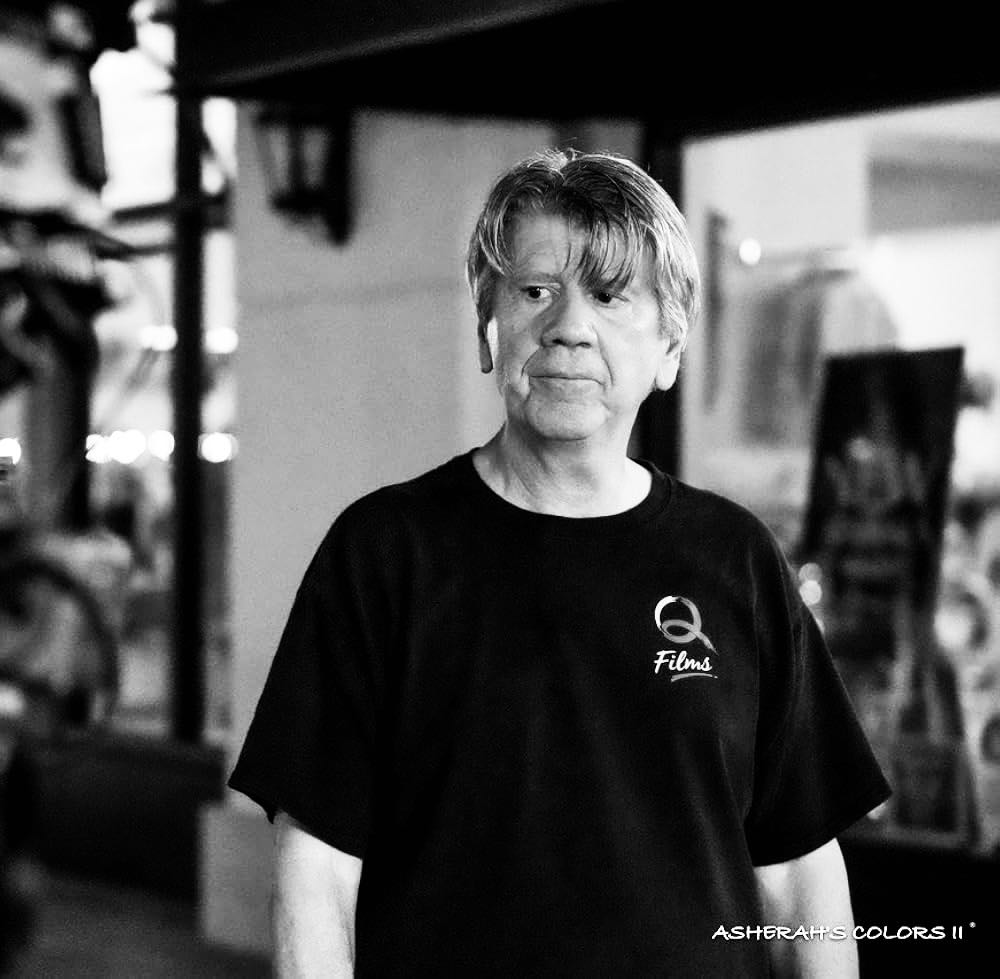
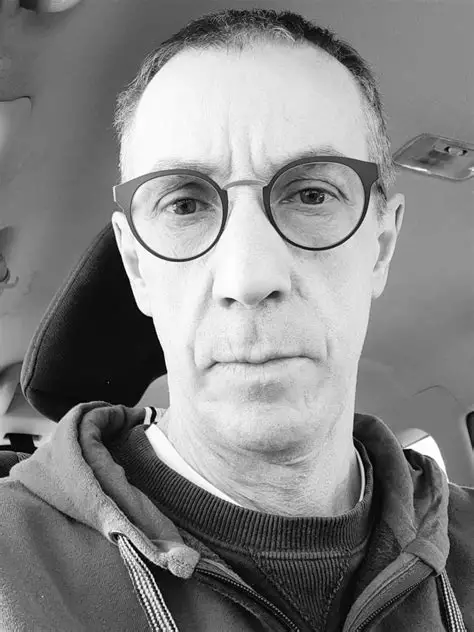
As Cannes 2026 approaches, filmmaker Gary Mazeffa stands on the verge of unveiling Asherah: A Love Odyssey — a work described as mythic, feminine, and fearlessly independent. It is both a film and a movement, a visual odyssey that fuses sacred symbolism with the language of modern cinema. We spoke with Mazeffa about his vision for 2026, his creative process, and the evolving role of independent filmmakers in a rapidly changing industry.


What are your expectations for 2026?

Gary Mazeffa:
2026 is the year of completion — both for the film and for me personally. After years of development, production, and refinement, Asherah: A Love Odyssey will finally meet its audience. I’m not just hoping for recognition; I’m hoping for resonance. My wish is that viewers walk away with the sense that cinema still has the power to reveal something sacred — that independent art can be both intimate and cosmic in scope.

I expect 2026 to be a turning point for Q2 Films as well — establishing a presence on the world stage at Cannes and beginning a global conversation about myth, femininity, and creative renewal.


What projects are you currently working on?

Gary Mazeffa:
We’re finishing post-production on Asherah right now — refining the sound, finalizing music cues with our composer, and locking the visual effects that carry the film’s closing image. Alongside that, I’m developing The Asherah Dialogues, a multimedia extension of the film — part spoken word, part visual essay — where we continue the philosophical and emotional threads the film opens.

I’m also expanding our online ecosystem — the Asherah Movement — which connects audiences through essays, video reflections, and imagery that explore completion, creativity, and the divine feminine. These projects together form one living universe.


What would you ask event organizers in the film industry to do to support highly talented independent artists like yourself?

Gary Mazeffa:
I’d ask them to remember that creativity doesn’t always come from capital. It often comes from necessity, from vision, from the refusal to wait for permission. So give that vision a seat at the main table — not just in “emerging voices” sidebars.

Festivals and markets should create pathways for independent films that take risks — artist residencies, mentorships, even micro-grant showcases — and foster spaces for dialogue rather than competition. Imagine a Cannes where an independent filmmaker can talk about mythology, sound, and philosophy alongside their screening — that’s the kind of ecosystem that keeps cinema alive.


What vision or desire currently guides your artistic choices?

Gary Mazeffa:
Completion. That’s the word that guides everything. Asherah is about the completion of the feminine principle — the return of what was left out of creation. My artistic vision is rooted in reconciliation: between the human and divine, science and spirit, man and woman, creator and creation.

Every frame I make tries to restore a sense of wholeness — to remind us that we’re part of something vast, beautiful, and unfinished. My goal isn’t to escape reality but to complete it.


Asherah: A Love Odyssey is slated for completion in late 2025, with its worldwide premiere planned for the Cannes Marché du Film 2026. Through this project and beyond, Gary Mazeffa continues to prove that myth and meaning still belong at the heart of cinema.

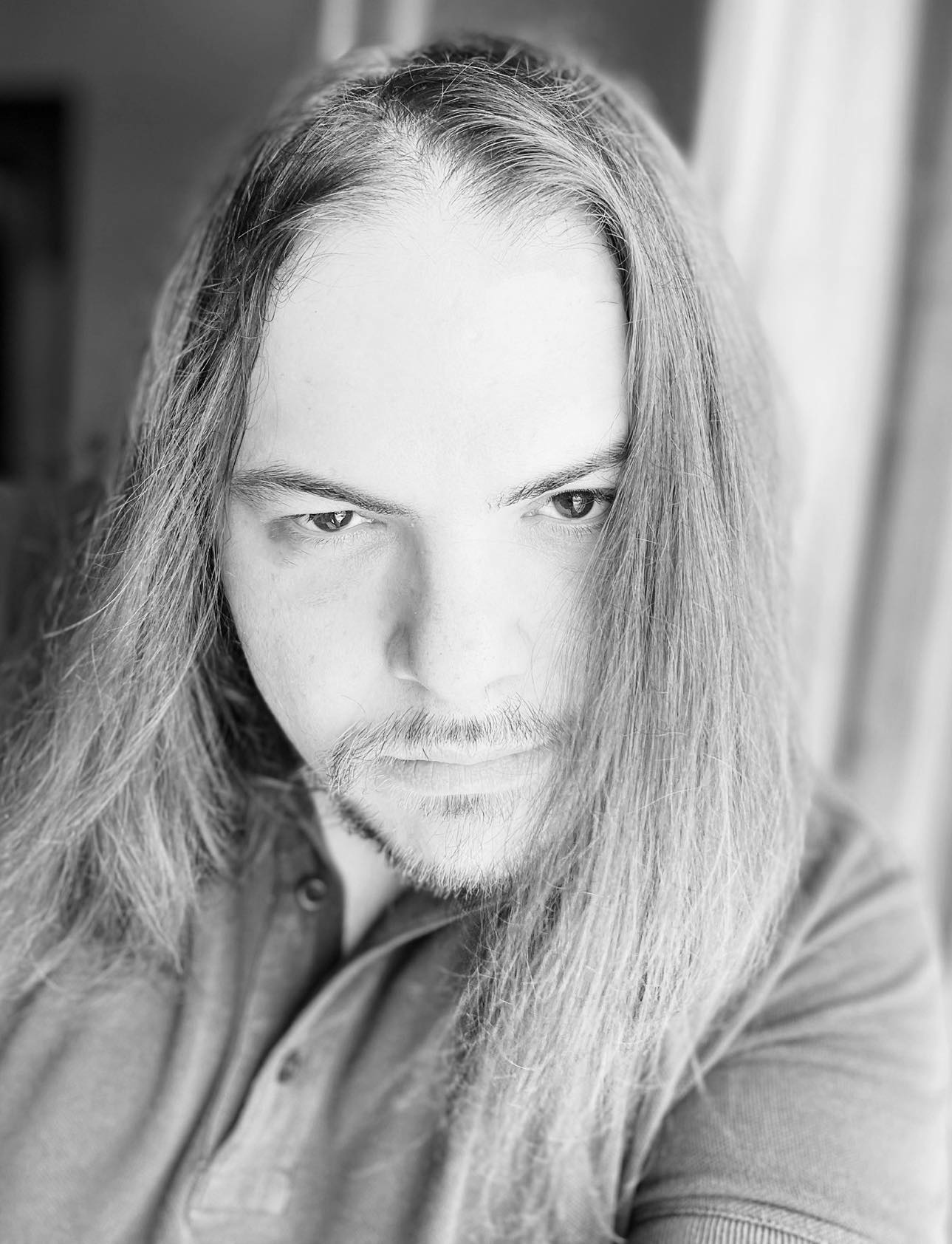
“My Plans For 2026” (EXCLUSIVE) Interview with Danilo Del Tufo

– What are your expectations for 2026?

I have a couple of projects I’d like to tackle, but they’re very difficult to make; both were written a while ago. One requires, as usual, my sole dedication, because I’ve completed both the screenplay and the storyboard, subject to any changes during production, of course. The other is also ready at the script level, but I wouldn’t be involved as the full author of the work, as it would require the involvement of other people, in particular for an upcoming crowdfunding initiative, and it needs time to organize, it should be on Indiegogo.

– What projects are you currently working on?

I’m starting to supervise the first one and think about it. A lot of preparation is needed for this kind of thing; it’s important to think about how to make all the scenes, see what might work, everything is still in a phase I like to call “theater of the mind.” My last two animated works took a long time to make, and even “D.W. Griffith: The Silent Era,” my third documentary, required months and months of research.

– What would you ask event organizers in the film industry to do in order to support the creativity of highly talented independent artists like yourself?

I don’t think I’m particularly talented, otherwise I’d do even more, but I do believe I have a strong drive to improve my situation. I would have preferred to win cash prizes for my work; I’ve even chosen a few festivals that offer them as prizes, but so far, everything has been done at my own expense, with very little money. For various reasons, I can’t currently travel outside of Italy because I still have so many responsibilities here, and I don’t have the capital to cover such expenses. To the question, “What could I ask of the film industry to support me?” I answer that if companies like Netflix acquired the rights of my documentaries, for example, paying me even though they’re available on other platforms, where there’s no advertising and therefore fewer views, perhaps the situation could improve. But I also believe there’s a lack of interest in the topics I address, which may be very interesting to expert juries but not to the general public. So, a reasonable offer would be needed to acquire the rights to at least my three documentaries, perhaps from American television channels or something along those lines. As for my two animated shorts, I tried to showcase my style of direction as well as the themes that are dear to me. But specifically in animation, developing this on a large scale alone is impossible. These two animated shorts could also be of interest to some American television channels.

– What vision or desire currently guides your artistic choices?


These have been difficult years for me personally. I believe cinema saved me, and I have reciprocated by responding through the same medium to continue to love.

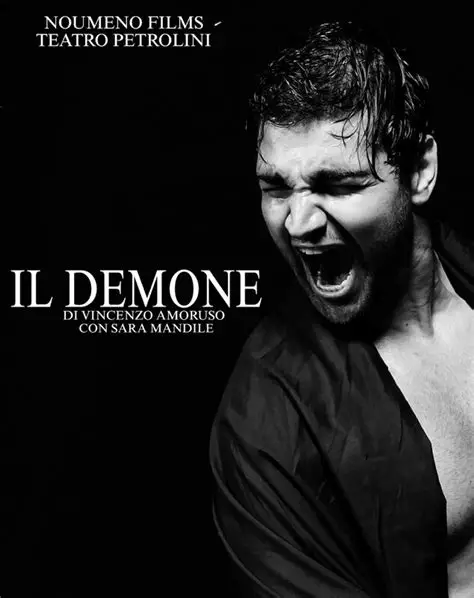
“My Plans For 2026” (EXCLUSIVE) Interview with Vincenzo Amoruso

-What are your expectations for 2026?

What are my expectations for 2026? Definitely to continue studying to become a better artist, to experiment, to be a better and fairer person, even towards others, despite everything around me. To have the strength to face future challenges, both in art and in life itself. But for me it’s the same thing because art IS MY LIFE! I hope in 2026 to be able to create something new, something the public doesn’t know but that resonates with them, something that can touch people’s souls, to leave a positive mark in a world full of negativity. I hope in 2026 to have a real turning point in my career, that can raise my limits and that I can reach them. I hope to meet serious people, unique people, with true artistic goals, honest people who don’t make fun of anyone, honest and humble people despite their talent. And I expect to further broaden my horizons and my journey!

-What projects are you currently working on?

I have two projects I’m working on. One project will be a tribute to a great Italian actor, who has inspired me for many years. Only great artists could understand him. A true revolutionary who, despite everything, always showed his power. On stage, he never acted, but was himself. For me, a great role model and a true and unique artist: the great Carmelo Bene. I will recite some Shakespearean acts, adapted by him, and a reading of some verses from Dante Alighieri’s Inferno, all in his style. And another project, based on a poem by the great Mikhail Lermontov, entitled THE NOVICE, tells the story of a man who confesses his sins and prepares for religious life, but first seeks the freedom of his soul and his inner light. A project very dear to me, which I’ve had in mind for a year. Now I’ve reached the right maturity and culture to do it. Both were filmed on stage. I’ve been attached to the theater since I was a child. Theater is my life, I’d die for it. It’s always been my dream to combine theater and film, and now I think I’ve achieved it, but there’s always room for improvement. I hope these two projects turn out as well as my previous ones. Both will be wrapped up in one film…one project.

-What would you ask event organizers in the film industry to do in order to support the creativity of highly talented independent artists like yourself?

They should listen to us, give us our artistic freedom, give us at least one real chance to play well. They should have a broader, not narrower, vision; they should be hungry for knowledge and emotion. They should help young people gain more self-esteem. Above all, they should not be vulgar and believe in us more. Even if we’re original, that doesn’t mean we’re wrong.

-What vision or desire currently guides your artistic choices?

I don’t want to be one of the greats, I don’t seek great fame, I don’t want to be a superstar, there are too many of those. I don’t want to be the heir of this or that.

I’m working and studying to be a stage animal in the future, an emotional beast, a fiery torch that warms the souls of the audience.

I don’t feel like an actor; actors pretend in one way or another. I want to tell the truth, the light, the dream that comes true. This is true art.

I don’t know where it will take me; life, unfortunately, is very unpredictable. But one thing is certain: I WILL NEVER GIVE UP. When I die, they’ll be able to say…” There was also a certain Vincenzo Amoruso.”

“My Plans For 2026” (EXCLUSIVE) Interview with Damiano Rossi

– What are your expectations for 2026?

I believe that expectations are detrimental in the artistic field. Obviously, it is necessary to plan a project well so as not to get lost along the way, but I am convinced that the various solutions always come at the right time.

– What projects are you currently working on?

I always have lots of ideas in my head, and very often they are diametrically opposed to each other. I really like this because it keeps my interest alive in anything that can be a creative stimulus. The unexpected is my idea of a project.

– What would you ask event organizers in the film industry to do in order to support the creativity of highly talented independent artists like yourself?

I would ask them not to have expectations (referring back to the first question) so that they always remain open to the unexpected.

– What vision or desire currently guides your artistic choices?

Work through images and sounds. Cinema should be primarily this and not focus mainly on the story and the linear development of the plot. The image should guide the viewer in discovering parts of themselves that they may never have explored. I believe that the future of independent cinema will move in this direction.

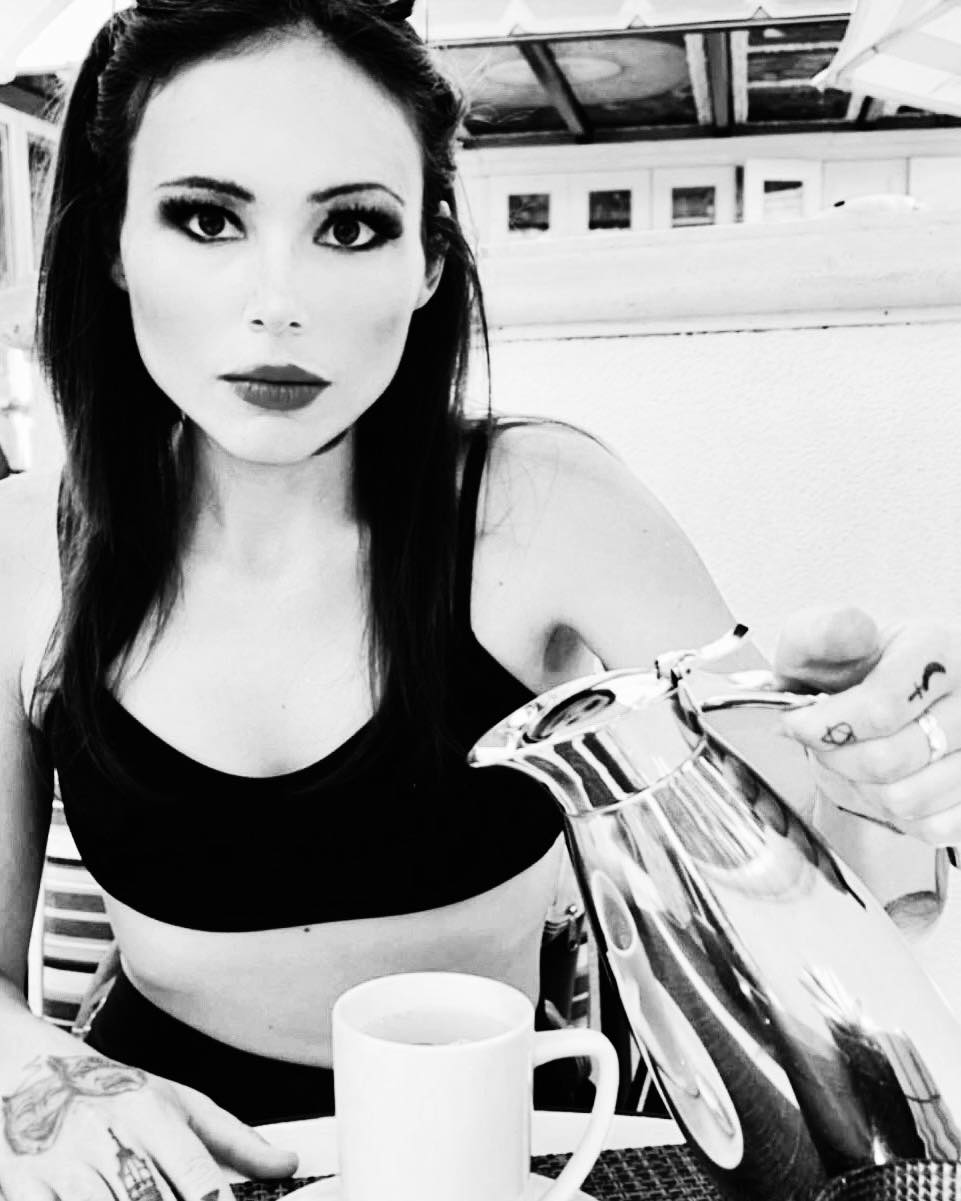
“My Plans For 2026” (EXCLUSIVE) Interview with Phoebe von Satis

What are your expectations for 2026?

As I look ahead to 2026, my main aim is to secure funding for my original scripts. I am hopeful that either a top-tier celebrity might come across my work and feel inspired to support the projects, or that a seasoned film executive producer will genuinely reach out to me and my company to discuss potential collaboration to bring my films to life.

To increase the visibility of my scripts, I am actively submitting to various film festivals and screenplay competitions, as well as using platforms like InkTip to showcase my work. I firmly believe that participating in these festivals will help my scripts gain the recognition they deserve.

Living in Los Angeles, I am often told I have an advantage as a screenwriter because of the creative landscape here. However, the reality is that many aspiring writers flood this market, and the challenge lies in making the right connections with industry professionals who have the influence and resources to help bring projects to fruition. Networking in this environment has been quite challenging, and I have faced significant difficulties in reaching key individuals who can support my work.

To this end, my publicist has worked tirelessly to send my pitch decks and press kits to a wide range of industry figures, including notable names such as Rae Sanchini, Noah Baumbach, Lawrence Bender, Sarah Bradshaw, Don Hahn, Michael Fottrell, David Streit, Kathryn Busby, Jay Leno, Mark Cuban, Francis Ford Coppola, Martin Scorsese, Brad Pitt, Angelina Jolie, Jennifer Aniston, Richard Bronson, Ridley Scott, and many others. I hope this outreach will lead to fruitful conversations and potential collaborations.

Furthermore, my entertainment attorney has shared my press kit, scripts, synopses, and loglines with prominent agents and executives including Angie Lucania, Sean Dubravac, Jack Whigham, Steve Levine, Brian Lourd, Ariel Emanuel, Wyatt Dillion, Patrick Whitesell, Mcall Koenig, Dan Aloni, Boomer Malkin, Connor Armstrong, and Amanda Hacohen, among others. I genuinely believe that any of these talented individuals could play a vital role in helping me secure funding or support for my upcoming projects.

What projects are you currently working on?

My ongoing projects include The Hallmark Couple, Only In Malibu, Gold Glory & Nobility, and my latest script, Malibu Madam, which I completed earlier this year.

The Hallmark Couple is a biographical drama exploring the notorious relationship between Jeffrey Epstein and Ghislaine Maxwell. This narrative compellingly unpacks how these two individuals transitioned from lovers to co-conspirators in a web of deceit, greed, and exploitation. As we follow their toxic romance and tragic downfall, I aim to highlight the wider implications of their actions on society.

Switching gears, Gold Glory & Nobility transports viewers into a fantastical world where a queen named Mirage, cursed for her selfishness, undergoes a transformation from regal figure to a mere relic of the past. The story unfolds through the eyes of a determined ballerina named Sherri, who, alongside her eclectic companions, encounters enchanting sirens, greedy enchantresses, and monstrous challenges. This adventure intertwines magic and mortality, illustrating that nobility isn’t solely about lineage but also about the choices we make.

Moving into drama, Only In Malibu reveals the glamorous yet dangerous world of love and ambition. Lilith, a District Attorney, finds herself caught in a perilous love triangle with Mark and his brother Jimmy. As both men delve deeper into her life, things take a darker turn, culminating in a haunting conclusion that explores the costs of desire and ambition in a superficial society.

Finally, Malibu Madam tells the story of Olivia, a spirited young woman with dreams larger than her circumstances. Through creating an elite escort service, Olivia and her companions navigate the complexities of societal expectations, female empowerment, and friendship. Over time, Olivia’s journey evolves from escorting to screenwriting, illustrating how success can be achieved in both personal and professional realms.

I believe each of these scripts offers compelling stories ripe for screen adaptation, reflecting contemporary societal issues alongside timeless human dilemmas. I am enthusiastic about their potential and would love to explore support in bringing these stories to life—whether through funding, connections, or industry referrals.

What would you ask event organisers in the film industry to do to support the creativity of highly talented independent artists like yourself?

The landscape of the film and television industry is incredibly competitive, and the success of a script often hinges not just on its content, but on the willingness of others to share and advocate for it. Having been fortunate enough to create a body of work that I believe resonates with audiences, I am eager to amplify its visibility and reach a wider audience. It would mean a great deal to me if event organisers could help in promoting my scripts through the appropriate channels.

Here are a few ways that support could make a meaningful difference:

  1. Promotion via Networks: To share my scripts within network through newsletters, social media, or websites, it would significantly help in raising awareness. I believe that the more people who hear about my work, the more opportunities will arise.
  2. Press Coverage: Any press coverage or features you can provide would be invaluable. Positive press not only increases visibility but also lends credibility to my work, encouraging others in the industry to take a closer look.
  3. Industry Referrals: Connections and relationships with producers, directors, or agents interested in my scripts,referrals would be extremely beneficial. Even a warm introduction can open doors to exciting opportunities.

What vision or desire currently guides your artistic choices?

As a storyteller, I believe every experience, no matter how small or seemingly insignificant, plays a crucial role in shaping my understanding of the world and influences my writing. Life is a continuous tapestry of moments, emotions, and lessons that serve as a wellspring of inspiration. The joys, challenges, and transformations I’ve encountered have all found their way into my work, allowing me to craft narratives that resonate more deeply with audiences.

Over the years, I have realised that my own experiences provide rich material for characters and plots. Whether it’s the exuberance of childhood or the complexities of adult relationships, I draw upon the nuances of my life to create authentic and relatable stories. When writing for children, I particularly aim to capture their sense of wonder and imagination. My goal is to evoke the same joy and curiosity I felt as a child, fostering connection and understanding.

Writing screenplays involves translating emotions into a visual medium, which presents its own challenges and rewards. Through film, I aim to portray universal themes that connect people from various backgrounds and walks of life. Understanding the profound struggles and triumphs we all face allows me to craft stories that entertain while also inspiring reflection and discussion.

A key life experience I draw from is the transformative power of storytelling itself. I have seen how stories can bring people together, foster empathy, and offer solace. As a children’s author, I cherish the moments I can introduce young readers to new worlds and ideas through words. I believe stories can empower children, ignite their imaginations, and encourage them to see beyond their immediate realities.

My background has also shaped my perspective on diverse experiences. I strive to include varied voices and perspectives in my work, as I believe representation is crucial in creating an inclusive literary landscape. Each character I develop and story I craft reflects the richness and diversity of life. By sharing these stories, I hope to promote greater understanding of our shared humanity.

In conclusion, my life experiences are the guiding force behind my artistic vision. They deepen my writing and help me create stories that are authentic and meaningful. Through my work as a screenwriter and author, I aim to explore the complexities of the human experience, to connect, educate, and inspire viewers and readers alike.