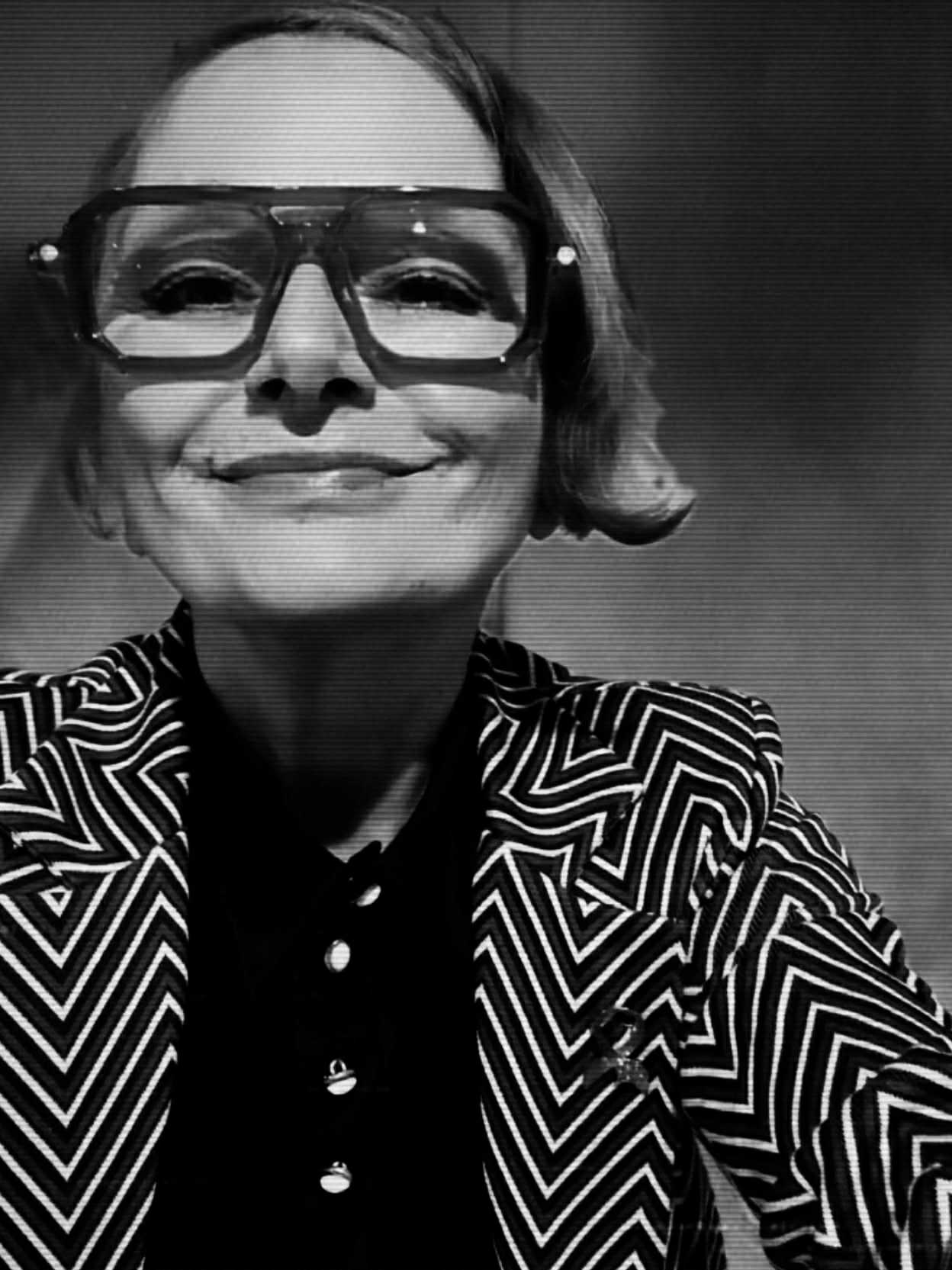
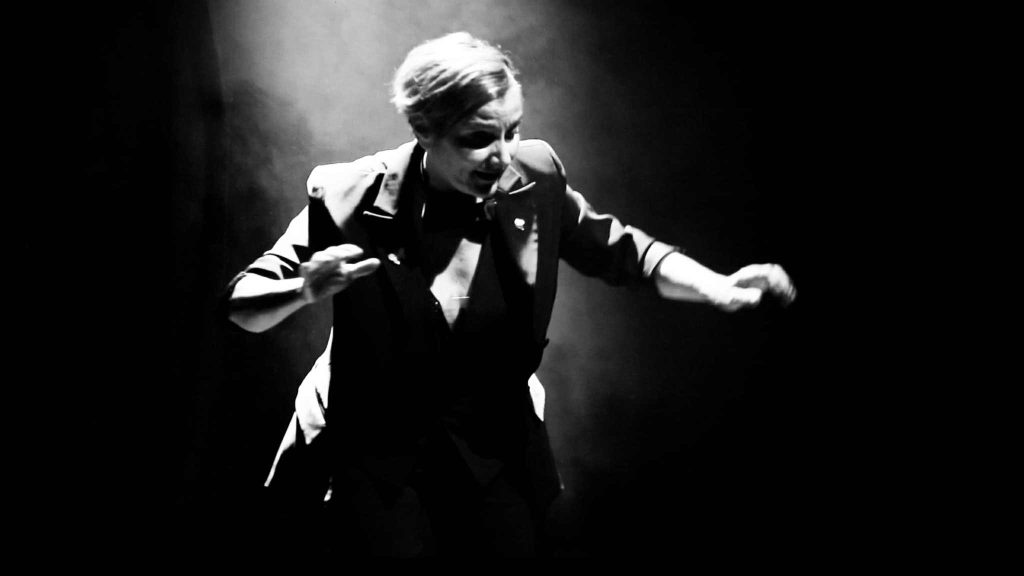
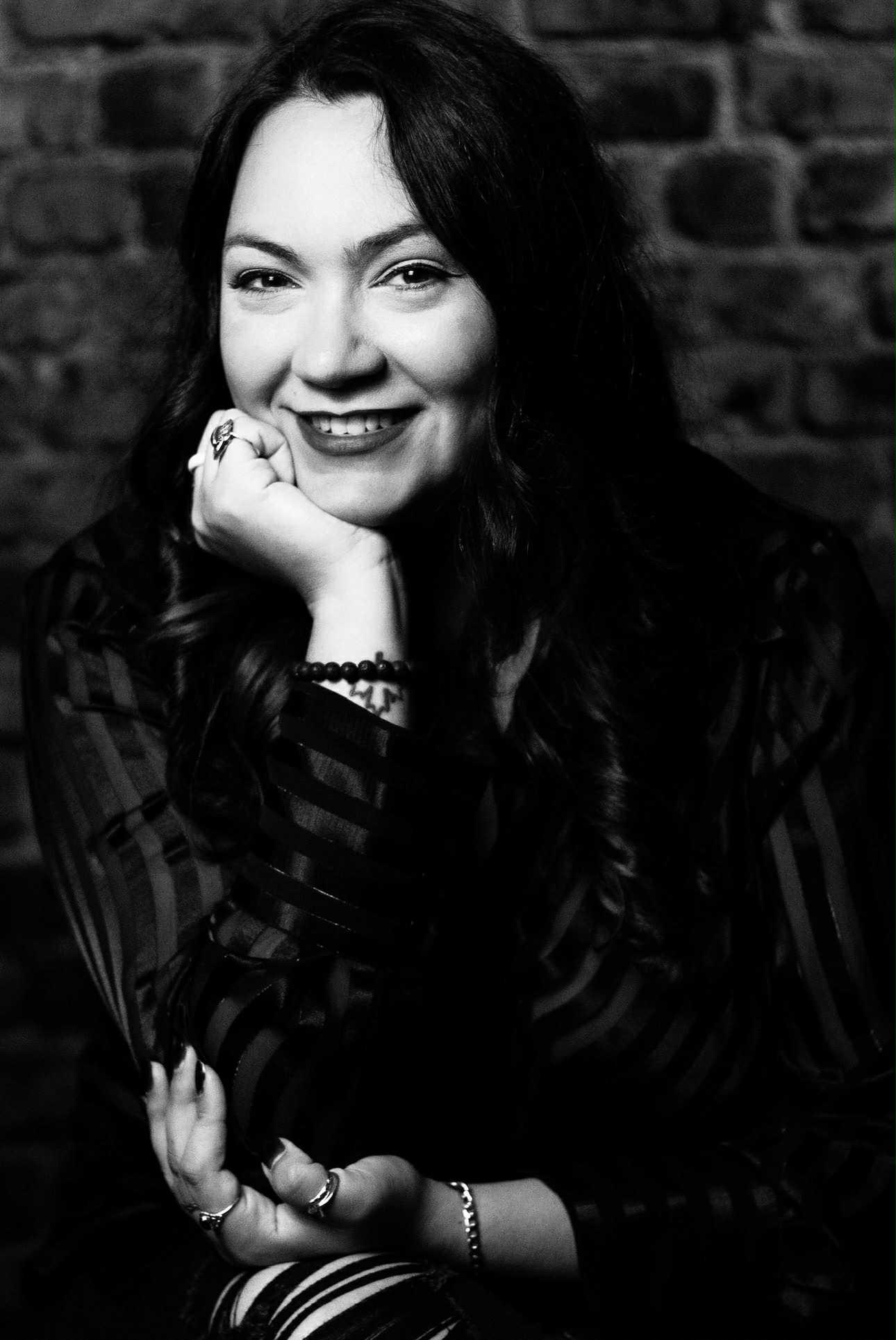
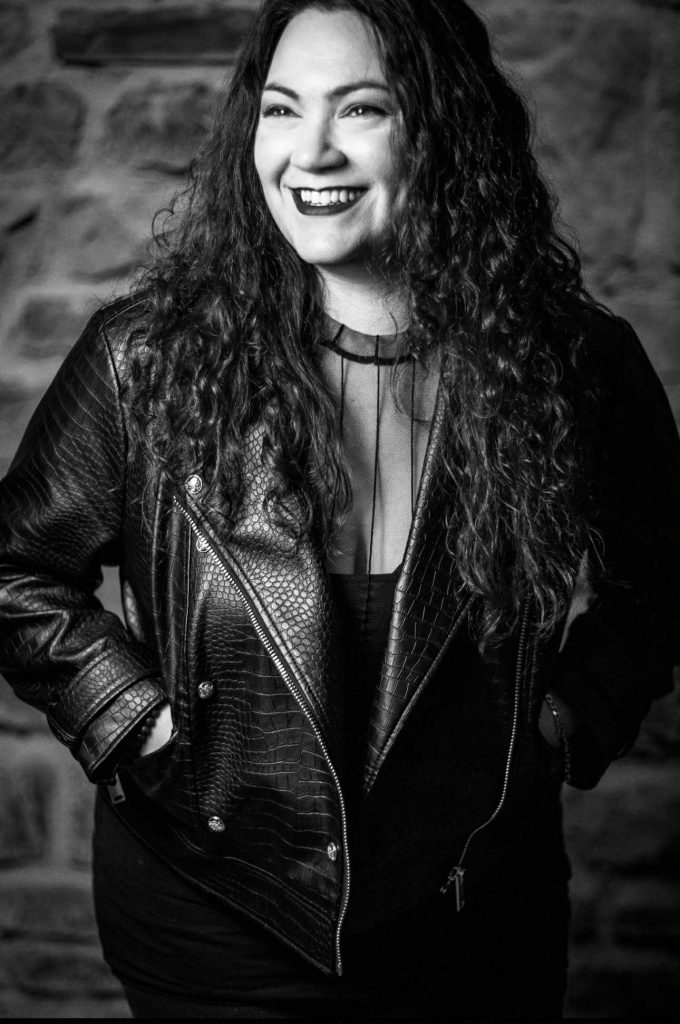
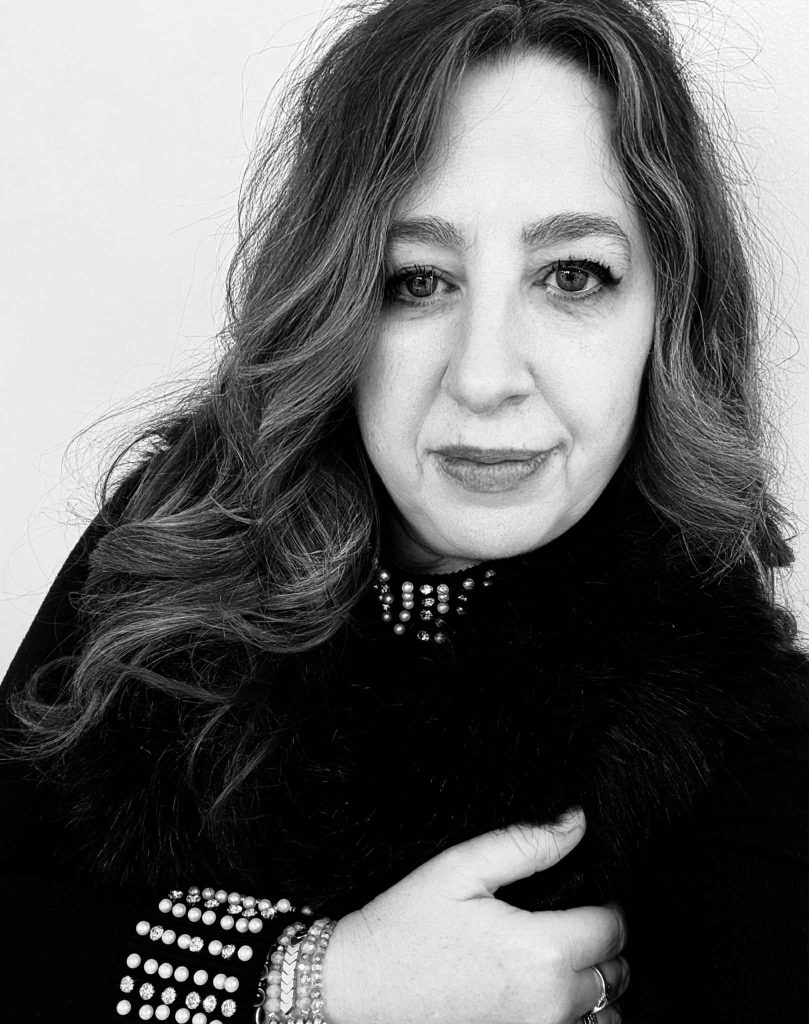
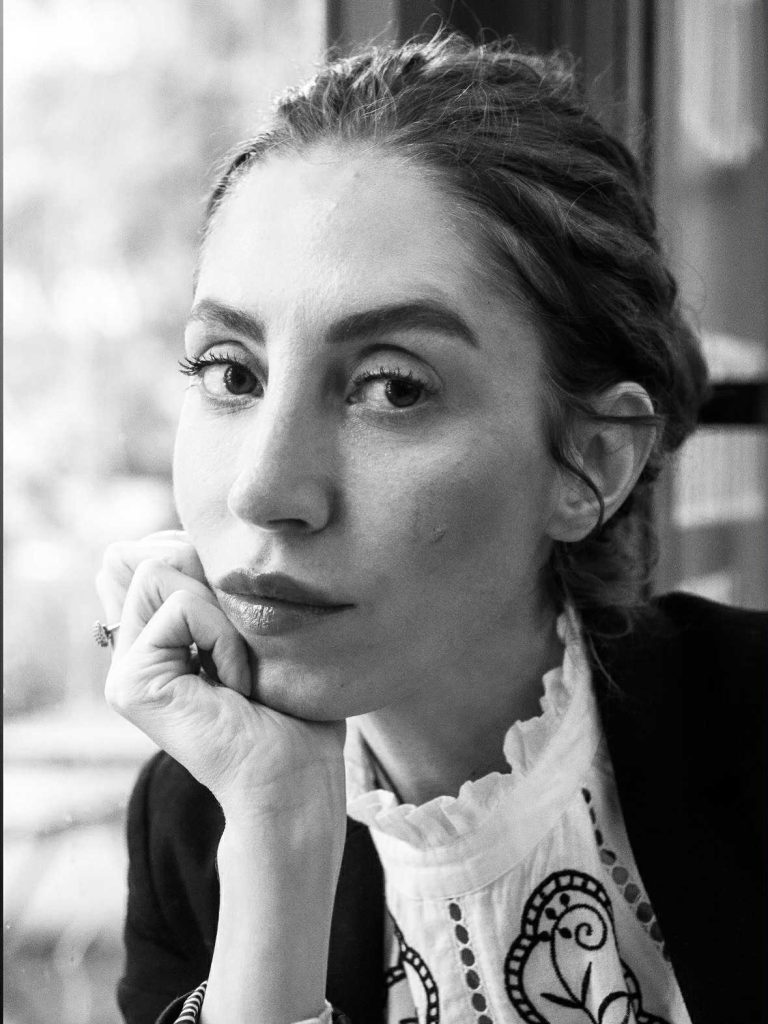
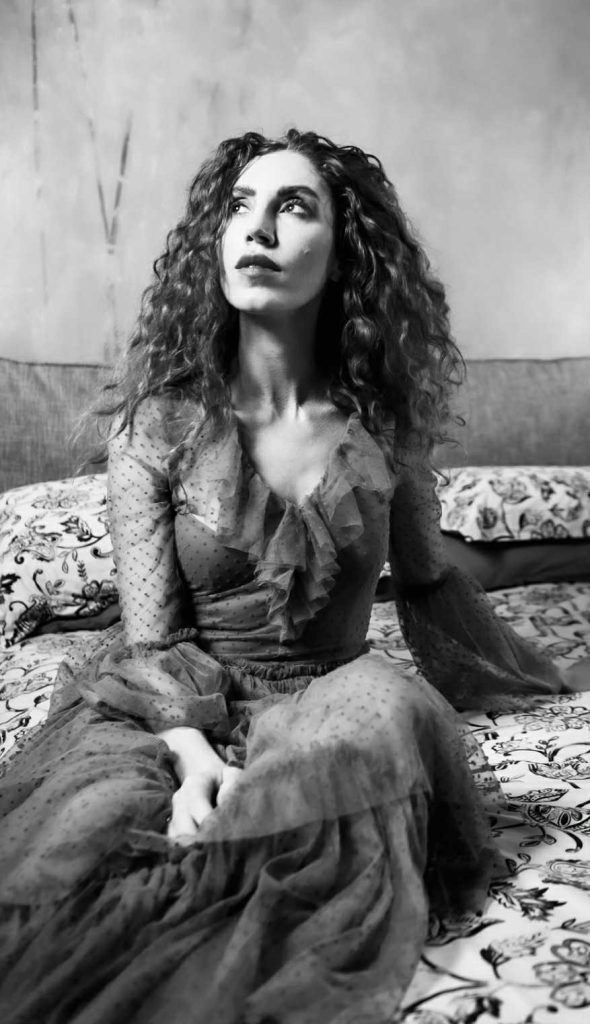
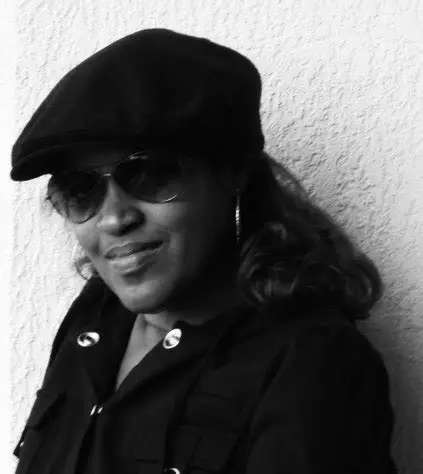
I am a choreographer and dancer. Artistic director of a dance company since 1991. I have created about 15 choreographies (Maison de la Danse, Opéra de Lyon, Opéra comique) creating always with « live musicans » and dancers on stage. As a little girl, I started to learn tap dance with my mother, a music hall artist, and I took Ballet Classes. At the age of 18, I went to New York to study jazz tap dance and performing arts. I studied a lot Jazz Dance with Master Matt Mattox and Gus Giordano to whom I was assistant in 1985 in New York. After a tour through France, Germany as a dancer-singer in the musical « Cabaret », I wanted to express my own vision of dance. So I created my Company, in 1991 with my first création TRANSIT invited by Guy Darmet, the « Maison de la Danse de Lyon » director.
Do you remember the exact moment you fell in love with cinema?
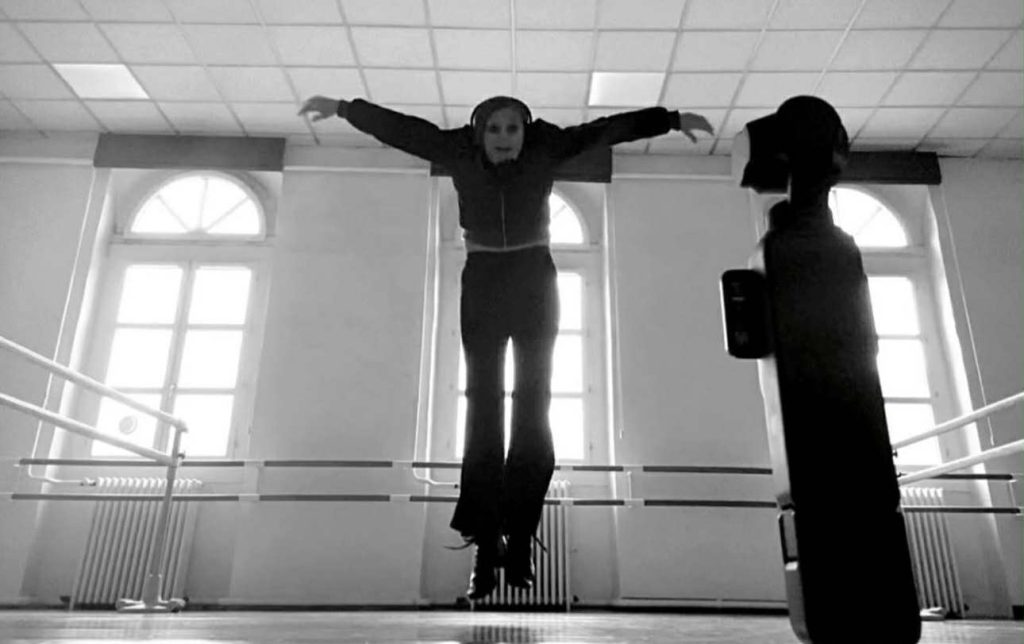
As a child, with my mother who was a music hall artist when she was young, all around me were Hollywood Movies and music: Fred Astaire, Gene Kelly, as well as Laurel & Hardy, West Side Story, White Nights, Sweet Charity, Chicago, TAP dance and the Black and White Cinema. And my love for video come from the fact that I always enjoyed capturing and editing my dance creations since 1980, whether with my old camera VHS, H8, Hi8 and now IPhone. Shooting all the time, observing my family, or people with funny way of walking, or special attitudes. I still love to capture the beauty of movement and the shapes in the nature. This way, I can express my own vision of life with sincerity, express my fears, and weakness, even showing one’s flaws, but always in a spontaneous way, with fantasy, fun, lightness, and vibrant rhythms: joy of life. In 2021, after Covid, creating MIX ART, I discovered Igor Dvokin’s compositions: a revelation and the beginning of a real artistic inspiration! I realized many dance film on his music (LE FILM, DREAMS) up to now. His music suggests and stimulates my imagination, opens my mind towards new cinematographic treatments, synthetise memories of my life. In his musical range are symphonic, lyrical, powerful groovy jazz, modern sound with the pizzicato of the wings. All what I love in music! And he wrote « Massive thanks to Sylvie Kay for turning my music into a real art », recognizing in my visual achievements a real original artistic touch and style. In 2022 I started training and creation as « invited artist » in Centre National de la Danse de Lyon. The first day I was standing in this large and white rehearsal studio similar to a blank page, I decided to realize a film, to create an intimate story in this particular atmosphere. Playing with my imagination, fantasy, supported and captivated by Igor Dvorkin musical compositions. I created my first film « Silk ». The main base of treatment was Black and White, referencing to the old movies of Hollywood. In the second film « Sly -Studio 16 » the luminosity, transparency and brightness where the sets of the play. These 2 dance movies won already many awards in many Indie Festivals Paris,Berlin, London, Jakarta, India, Amsterdam…
I am a Woman Conductor and I have different levels of work to manage, but I like it for the main reason: I feel absolutely free to express myself. When I do a film, it’s the same step and evolution than for a creation on stage: writing, choosing the characters, the general mood, the music, where it takes place, which sets, which lights, costume… I composed my story with two swinging doors, two portholes, a lightened corridor, my frame was set, « my stage » born, really minimalist. No extra lights except the effects I add on editing.The wood board placed on the floor allows a « live direct sound » without microphones. I place my headphones for a good and precise reception and balance of music with my tap dancing. Then comes the capture of the images: I do many shoots to get many rushes. I shoot on different axes, far, near, and then I choose. When I record I just put my IPhone on the floor and shoot and at this moment it’s absolutely the same feeling as if were dancing on a stage. I rehearse and then I GO !!!! I feel free like a tagger, I mix styles, I am an unclassifiable improviser choosing a multi disciplinary approach in merging of expressions without style or technical barriers. My planning is very precise, I create during several days so I can choose what is good or not later on. But I have also a dead line through the short limited period of studio occupation. In all my dance movies, I want to be very precise. When I’m editing on my computer, which is the second « big step » to create a visual framework, it takes me hours and hours to recreate the dance, by individual frames of 1/10 second. The music is also very important playing with the movement, the emotional intensity, the crescendo of speed, the legato of light etc… Everything is raw and natural. No IA !! BRUT!
VERTIGO
Vertigo started with an artistic appeal. I have been really fascinated and attracted by a painting of my son Jeremy, resin artist in Australia. Both, in shapes and colors, it turned to be very emotional. I felt excited to give my personal evocation being immersed in this special painting. I wanted to give my own interpretation through the dance. So, I searched through the compositions of Igor Dvorkin the music which could unit and harmonize both, my emotions and my intentions. Vertigo is also between life and dream with mystery, through shadow, backlit, composition and resonance of my tap dance sounds.
There was both, red and purple dominant colors, there was both, great deal of energy, passion for life and, at the same time, a sense a mystery, something very dark by the black and white depth. Unlike dancing on a stage, directing a video allows me to highlight lines, dimensions, dancer’s height and develop the dancer as I see it’s fit: presenting him in different layers. In Vertigo the dancer, who could be any dancer, successively confronts his fears, hesitating in front of the emptiness of the space, before the unknown. She dares to open doors, shadows of her soul just above her. Then slowly appears the art frame. This colorful resin painting, flying over this large room like an angel or a ghost, giving her the hand to immerse in the frame and bringing her freedom of movement and expression. Then it becomes slowly a playful game with the dynamic of the colors, jumping from one to the other, game between 4 best friends, these different elements for the composition: color, shape, dance, tap percussion and the framing the image. The vibrant colors chase the tension away ! All this represents a journey and my own invitation to travel with me in my imaginary world, step by step (tap dancing steps of course !) I choose this frame and called Vertigo because of the two main colors, red and purple, and the alternance between them. For me Red evokes passion, energy, desire, love and everything that relate to « living things ». Like this dynamic dance of the character running on a train station platform (going to meet your sweetheart!).
Purple is the color of Mystery, represented by the whispered or chatter of footstep, that click, prance, slide or crunch. In Vertigo, the color envelops the dancer like if suddenly she changes aspect in a beautiful costume or under a very sophisticated stage light and give her a special emotional aspect corresponding to the movement of the dance and the music.
Which Director inspires you the most?
Busby Berkely, Martin Scorsese.
What do you dislike about the world and what would you change?
I hate violence, lies, superficiality, hasty judgments, intolerance. I would like people to listen to each other, compassion ,empathy. The goal in my life is searching creativity everywhere and in every situation. When I was very young I went in the hospital for many weeks and I still remember this transparent white curtain in the oxygen tent… With others difficult moments in my life, it gave me the will to turn towards the celebration of life, of good motivated mind and spirit: Healthy Mind-Healthy Body. I just wish that public can make a journey, feel his own imaginary and emotions, smile with the memory it may evocate for him. It’s like a DJ bringing people together by my own fantasy and imagination.My inspiration often starts from an everyday situation, seeking humor, theatricality, quality of movement and beauty of its staging. Like in a picture book, my different sequences of choreography are like in painting art : impressionist, abstract, or realistic. I just love beauty! May be, the audience will appreciate the fact that I had all directed from the beginning up to the end in a raw aspect of work: simple, original and percussive. The same relation I had with my audience with my dance creations on stage. I would like to take the two quotes from Henri Matisse : « A single tone is just a color, two tones are a harmony, they are life » and « There are flowers everywhere for the those who want to see them ».
How do you imagine cinema in 100 years?
Cinema will style be there in 100 years, II hope so but I am afraid it will play a lot with IA, effects…. and I am not really found of it ! it’s not my generation, I prefer a BRUT aspect in movies, playing with deepness of character more than effects. I would like to take the two quotes from Henri Matisse : « A single tone is just a color, two tones are a harmony, they are life » and « There are flowers everywhere for the those who want to see them ».
What is your impression of WILD FILMMAKER?
WILD FILMMAKER seems a professional magazine. I am very new as director in the « movie area » because I started to submit my first film SILK in April 2025. I have realized 4 art dance movies. And I am very happy and surprised to receive so good reactions and prices awards, selections from all over the world.
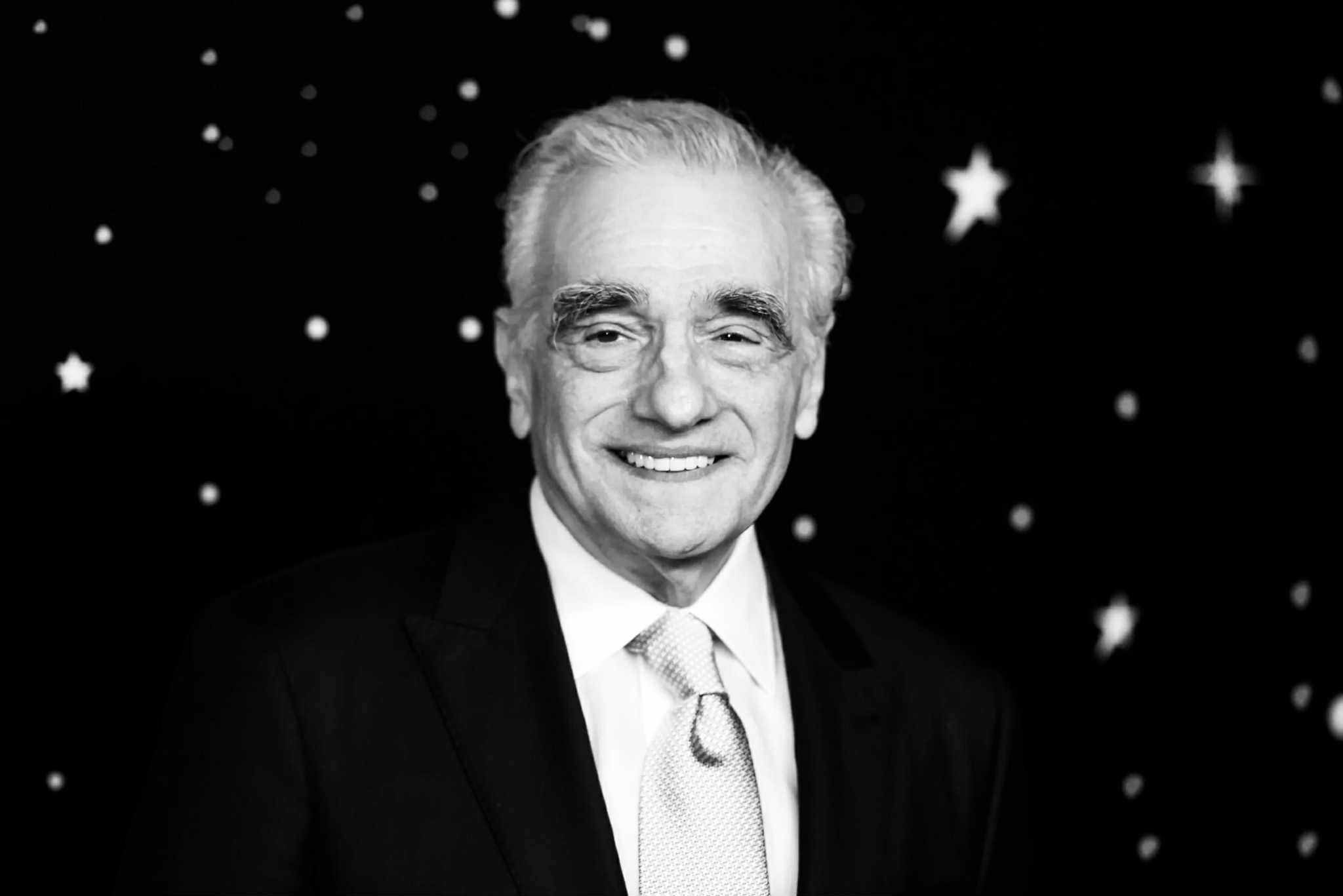
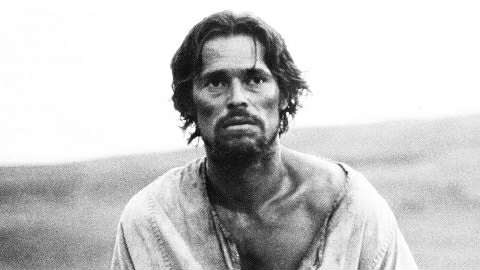
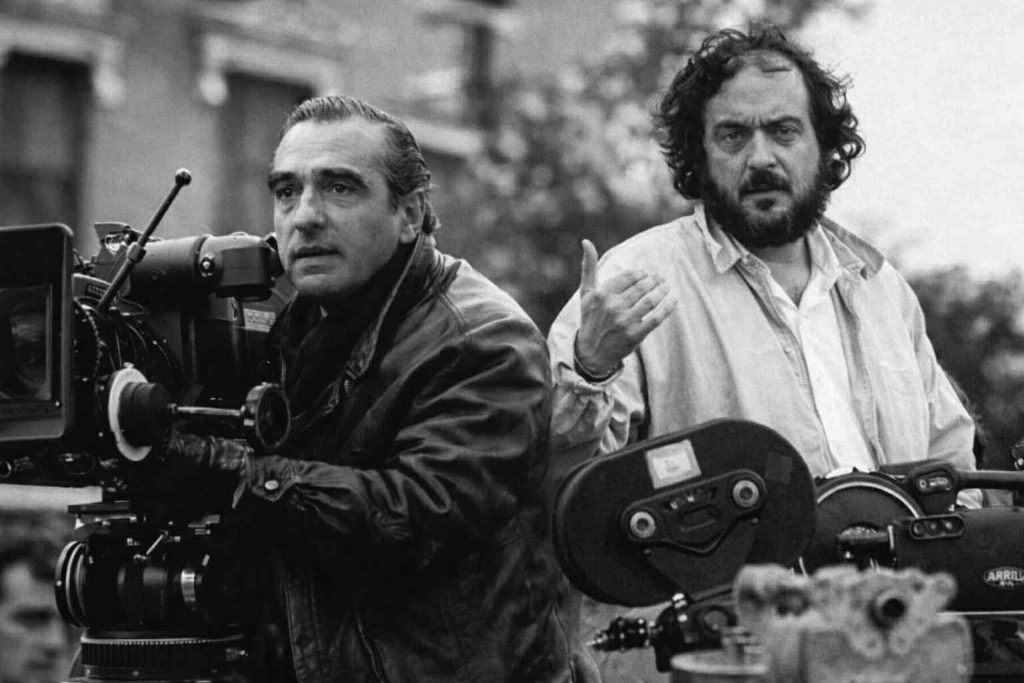
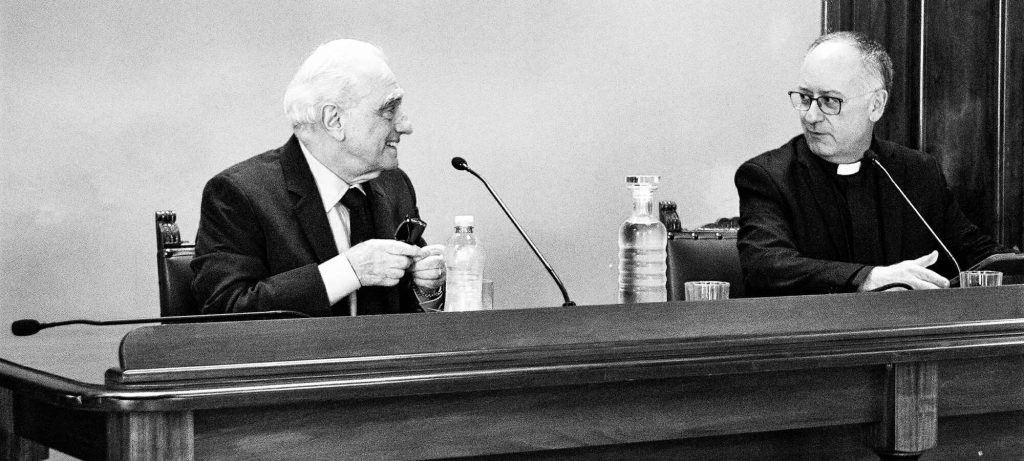
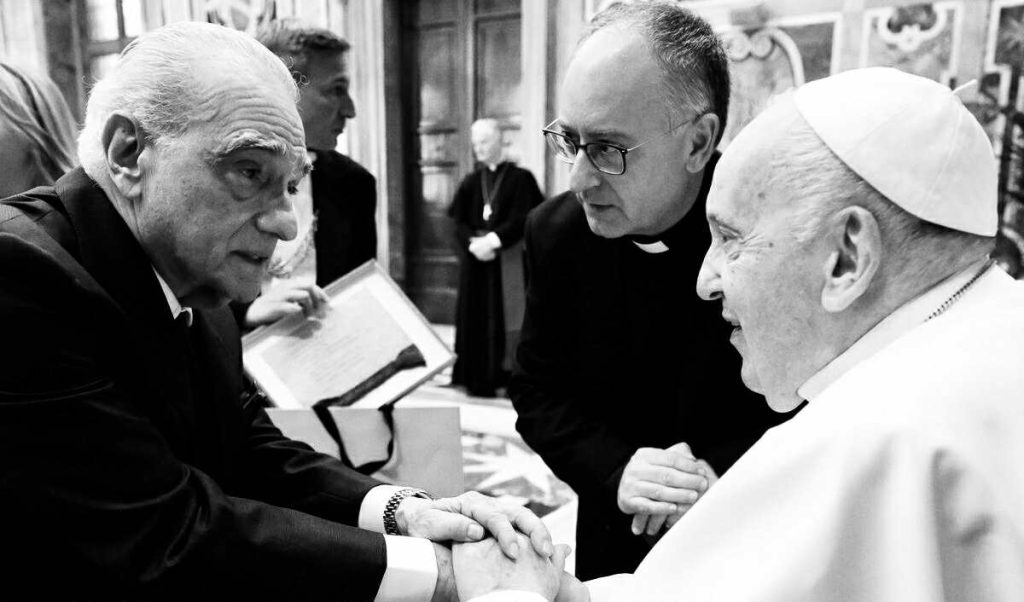
Today WILD FILMMAKER will have the immense privilege of publishing an exclusive interview with Father Antonio Spadaro regarding the first draft of the screenplay of the new film about Jesus that Martin Scorsese is currently developing. It is a gift offered to the Global Movement dedicated to the promotion of indie cinema, WILD FILMMAKER, and one that makes me particularly happy, especially since the Oscar-winning Italian-American director has stated that it will be a low-budget, black-and-white film, a project that promises to be a true return to Scorsese’s roots as an indie filmmaker.
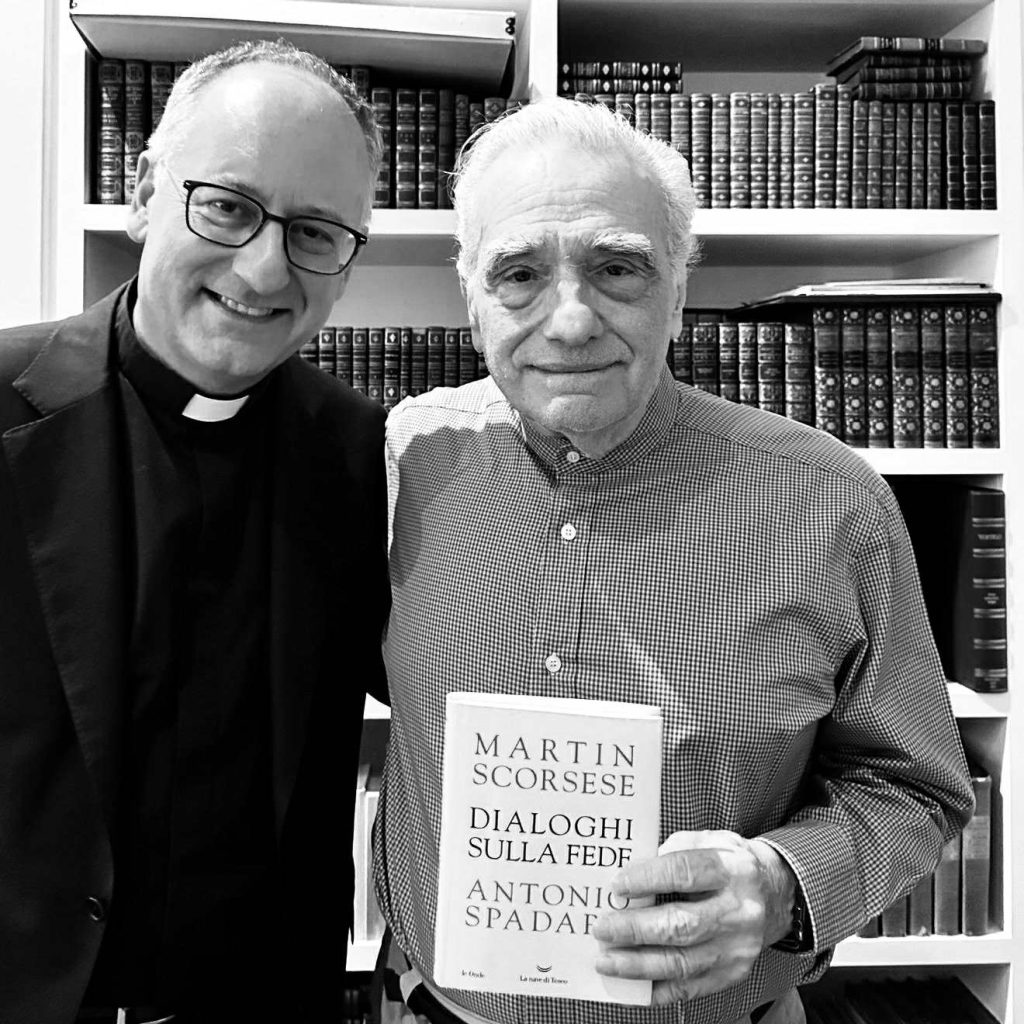
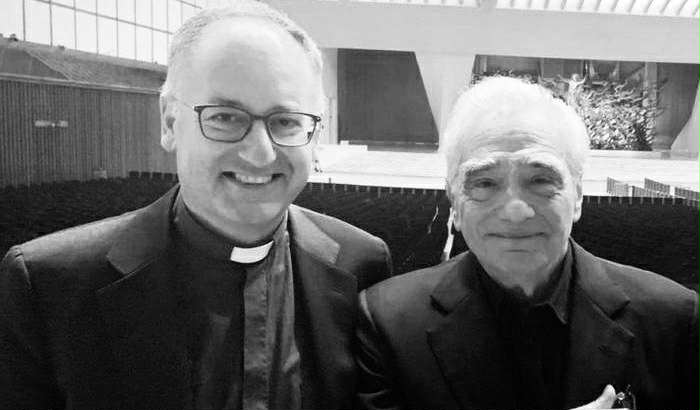
Thanks to Father Antonio Spadaro, already co-author with Martin Scorsese of the book Conversations on Faith, today WILD FILMMAKER makes a dream come true.
What are the differences between the 1988 film The Last Temptation of Christ and Martin Scorsese’s new screenplay devoted to the figure of Jesus?
The Last Temptation of Christ (1988) is a traditional narrative film set in the first century, based on the novel by Nikos Kazantzakis, which imagines an “alternative life” of Jesus, including the “temptation” to come down from the cross and live a normal life. Scorsese’s new screenplay about Jesus, by contrast, takes a very different form: it is not a linear retelling of Christ’s life, but rather a mosaic of largely contemporary scenes interspersed with historical segments, which, according to Scorsese, “would not be a linear narrative… but a combination of things.” In fact, the director himself is expected to appear in the film as a narrator or witness, pointing to a meta-cinematic approach. This fragmented and reflective structure contrasts with the unified narrative flow of The Last Temptation. Moreover, while the 1988 film followed Jesus’ life chronologically, emphasizing his human-divine inner conflict, the new work is “partly set in the present day, partly in antiquity” and weaves in modern scenes to make Jesus’ message more immediate and relevant. In 1988, Scorsese aimed to present a deeply human and compassionate Jesus, someone approachable even by the most desperate sinner. As he himself said, he wanted the Christ of The Last Temptation to be “the compassionate Jesus that a poor drug addict on his deathbed… might encounter,” a Messiah who rejects no one. However, that film also emphasized Jesus’ inner struggles, doubts, and even earthly temptations, elements that led some religious groups to accuse it of blasphemy.
The new screenplay focuses less on Christ’s personal temptations and more on his core teachings and their relevance today. Scorsese has described it as concentrating on the “basic principles” of Jesus, without any intent to preach. In other words, while The Last Temptation explored the conflict between Christ’s human and divine natures in a dramatic way, the new work aims to reveal the heart of Jesus’ message,love, compassion, forgiveness, stripping it of the encrustations of centuries. Scorsese has explicitly said: “I’m trying to find a new way [to represent Jesus] that makes him more accessible, removing the negative connotation associated with organized religion.” This intention marks a significant tonal difference from the 1988 film, which challenged viewers with a visceral and potentially divisive portrayal of Christ. The Last Temptation of Christ was shot in the late 1980s with a modest budget for the time (about $7 million), but still with the backing of a Hollywood studio, filmed in exotic locations (Morocco) and in color. The new screenplay, provisionally titled A Life of Jesus, will be made deliberately on a very low budget and as an independent production. Scorsese has stated that it will be one of his least expensive projects in decades, signaling a return to a more intimate style of filmmaking. He has also revealed that he intends to shoot it “almost certainly in black and white”—an aesthetic choice that sharply distinguishes it from the warm-toned cinematography of The Last Temptation. This decision recalls an old dream of the young Scorsese: in the 1960s, inspired by Pasolini, he imagined filming the life of Christ in 16mm and in black and white. Now, after 25 years of making high-budget films, he seems determined to recapture that spirit, giving up color and lavish production values in favor of a more essential approach. In summary, The Last Temptation represented for Scorsese a long and troubled attempt to “find a new vision” of Jesus through the lens of a literary novel, whereas the new screenplay is a meditative and autobiographical experiment that combines contemporary images and spiritual reflection, aiming to speak directly and simply to today’s world.
Martin Scorsese is a versatile director in the way only Stanley Kubrick knew how to be; yet, despite the differences in genre from one film to another, a deep spirituality is always present in the characters of Scorsese’s filmography, even in the negative ones. What are the characteristics of the character of Jesus in the new screenplay?
In the new screenplay, the “character” of Jesus emerges in an unusual way: he is not a flesh-and-blood protagonist who acts scene by scene, as in traditional films, but is present as a living spirit and an active principle within the narrative. Spiritually, Jesus is described as omnipresent in human love. A voice-over states clearly that “Jesus contains multitudes. He is constant. He is present in every gesture in which we are moved to act out of love.” This line underscores a vision of an immanent Christ: Christ is there every time someone performs an act of genuine, selfless love. It is not love limited to a person or a thing, but rather “love as a source of power,” universal in scope. From a spiritual point of view, then, Jesus is portrayed as the Logos of love that permeates the world—an image that is strongly positive and inclusive, in line with the theology of Shūsaku Endō. Indeed, Endō, the Japanese Catholic author on whom the film is based, portrayed Jesus as an almost “maternal” figure in his mercy: one who “suffers with us” and forgives our weakness, more like a loving mother than an inflexible judge. This sensibility is reflected in Scorsese’s text: his Jesus is not so much a stern lawgiver as the face of God’s compassion, always in solidarity with suffering humanity. From a psychological point of view, the screenplay highlights the way Jesus touches people’s conscience and hearts. He is described as the one who challenges human beings to look beyond their fears and habits. A famous saying of Jesus is cited, for example: “I did not come to bring peace, but a sword” (Matthew 10). The voice-over asks rhetorically: does Jesus perhaps incite violence? And it immediately answers: “Of course not. I believe instead that it is an invitation to look through every doubt and to seek God within ourselves, that authentic feeling that moves us to act out of love.” Here we see the “psychological edge” given to the figure of Christ: Jesus’ “sword” is interpreted as a salutary crisis, a clean cut that forces a person out of apathy or convention. In the screenplay this is translated into an emblematic scene: a young woman on the subway finds herself confronted by an aggressive homeless man asking for alms. At first she is paralyzed by petty hesitations (“If I have to rummage through ten- and twenty-dollar bills to find one dollar for him, what will others think?…”). But then something extraordinary happens: “She lifts her gaze from her phone and looks directly into his eyes… and he looks into hers. We stay on them, inside that exchange.” In that instant of silence, a revelation occurs: the voice-over comments that when you truly see the other and recognize his humanity, there is the sword of Jesus cutting away all ties to habits, excuses, and conventions, and going “straight to the heart of love.” Psychologically, then, Jesus is portrayed as the one who unsettles and converts hearts, breaking the “safe distance” we keep from others in order to make us experience real empathy. We do not see Jesus tormenting himself as a character in his own right (as happened in The Last Temptation, where we witnessed his inner doubts), but rather we see him reflected in the eyes of ordinary people who, thanks to him, overcome their fears and reach a state of compassion and inner truth. Narratively, this representation of Jesus translates into the absence of conventional scenes from Christ’s life in the first part of the work, in favor of everyday situations with a universal flavor. The screenplay does not show Jesus preaching in Galilee or performing miracles in a realistic way; instead, it actualizes his teachings through visual analogies and allusions. For example, the subway episode is itself a modern “parable-story” about the Good Samaritan or about recognizing Christ in one’s neighbor. Only toward the end, it seems, does Jesus appear indirectly in the form of an iconographic image: Scorsese describes his visit to a monastery on Mount Sinai, where he is struck by an ancient sixth-century icon of Christ Pantocrator, whose penetrating gaze prompts in him the ultimate question: “What does Christ want from us?” In that finale, Jesus appears as a silent and mysterious face that questions the soul. Narratively, then, the “character” of Jesus is present as a living idea rather than as a speaking protagonist: he is the thread that binds all the scenes together (from the homeless man on the subway to the mosaic of quoted film clips), he is the Voice that calls from the depths more than a physical body on screen. This unusual narrative choice, punctuated by quotations from the Gospels and images of sacred art—underscores the spiritual traits of Jesus (constant presence of love, source of ultimate questions) and offers a psychological portrait of Christ through his impact on others (rather than through his own introspection). In short, the Jesus of the new screenplay is ubiquitous and multifaceted (“he contains multitudes”), merciful and compassionate (he suffers with the weak, forgives human failings), and radical in provoking conversion (the “sword” that breaks inner chains). He is less a “historical character” and more a vital, present principle, narratively innovative, yet theologically rooted in the idea of Christ’s presence “in every smallest spark of love” in the world.
I greatly admired your book written in collaboration with Martin Scorsese, Conversations on Faith. Are there points in common between your book and the screenplay devoted to the new film about Jesus?
The book Conversations on Faith, the result of my meetings with Scorsese, and the new screenplay share many thematic and expressive turning points, a sign that they spring from the same long interior conversation of Scorsese about faith. A first fundamental theme is the tension between faith and everyday reality, that is, the search for the sacred within the profane world. In the book, Scorsese recalls a childhood memory: as an altar boy, after Mass, he would go out into the street and ask himself in anguish, “How is it possible that life goes on as if nothing had happened? Why isn’t the world shaken by the body and blood of Christ?” I emphasize this “piercing question of a boy who, leaving Mass, wonders why the world has not changed,” a question that in fact has run through the director’s entire spiritual life. The same question is palpable in the screenplay: in the epilogue at the monastery, before the icon, Scorsese, in the first person, feels Christ directly asking him, “But you, who do you say that I am? … What does Christ want from us?”, leaving us with “this fundamental question.” It is the same crisis between the event of faith and the apparent indifference of the world that tormented the young Scorsese. Thus, the motif of a faith that does not leave the world unchanged runs through both the written dialogue and the film screenplay. Both, in fact, do not offer a simplistic answer, but instead relaunch the question toward the reader/viewer. A second point in common is the centrality of grace as it manifests itself among the last and in ordinary situations. In my conversations with Scorsese it emerges how, in many of his films, “grace bursts into the devil’s territory”, to quote Flannery O’Connor, that is, into the most violent or degraded contexts. I note that in much cinema (including Scorsese’s) “a life that appears insignificant can become a place of revelation, and welcoming the weakest is not an optional moral theme but the true center of the story.” This idea, expressed in the book, finds literal confirmation in the screenplay: the subway scene shows an entirely ordinary everyday situation (an ordinary girl, an ordinary subway car) transformed into a place of revelation when that exchange of glances with the homeless man occurs. That man “who counts for nothing” becomes the mediator of an experience of the divine, just like the “poor Christs” in cinema (one thinks of Fellini’s La strada, with its “simple ones” who reveal the meaning of the story, cited in the dialogue). Both Conversations on Faith and the screenplay insist on the Gospel of the small and the lost: in the book, films such as Open City, Umberto D., and Gran Torino are cited, where holiness emerges by sharing the destiny of the most exposed. In the film screenplay, similarly, Jesus is recognized in people on the margins—the drug addict in overdose mentioned by Scorsese in connection with The Last Temptation, or the bothersome beggar on the subway. In both works, narrative and book alike, there is therefore this preferential option for the last as a privileged place of encounter with God. A third shared element is the dialogical, questioning, never doctrinal nature of both the book and the screenplay. Conversations on Faith is, by the authors’ own admission, “the faithful account of a friendship in which faith, grace, and cinema have continually questioned one another.” It is not a treatise of systematic theology, but a series of mutual questions, open explorations. In the same way, the screenplay is not a “thesis film” that aims to provide ready-made answers. On the contrary, it embraces the form of open mystery: Scorsese edits together fragments, cites other directors, shows pieces of stories—from Bresson’s Diary of a Country Priest to his own Silence—and confesses, “We strive to find endings for our stories that give shape to life as we all live it… Staggering forward, I realize that I may be creating images that lead to further questions, further mysteries.” This poetics of asking without exhausting the mystery is exactly what I discuss when commenting on Scorsese’s films: I recall a distinction dear to the director between “a problem and a mystery: a problem has a solution that exhausts it; a mystery never does.” In the Dialogues it is emphasized how Scorsese’s characters often live in a state of insoluble moral conflict, which also involves the viewer in questions without easy answers. The new screenplay, far from preaching or concluding with a single, unequivocal message, in fact ends with an open question: “What does Christ want from us?” And throughout its development it invites reflection rather than the deduction of a single moral. Book and film thus share a contemplative and interrogative approach to faith. Finally, at the expressive level, there is a strong cinephile interweaving in both works. In our Dialogues, we often discuss other films and directors (Pasolini, Rossellini, Fellini, etc.) to express spiritual concepts. Similarly, the screenplay is steeped in cinematic references: Scorsese inserts clips from Le Père Serge (Tolstoy’s “holy fool”), from Bresson, from Europa ’51, and even from his own films such as Silence, The Irishman, Mean Streets, Bringing Out the Dead, Raging Bull, and Casino. This cinematic metalanguage is present both in the written dialogue (where cinema becomes an integral part of the discourse on faith) and in the screenplay (where cinema becomes the very form of meditation on Jesus). In both cases, cinema is seen as a spiritual context: in the book Scorsese says that making a film for him “is like a prayer… an exploration of the soul.” The screenplay is, in effect, a cinematic prayer, where editing and images serve to seek the presence of God in the mosaic of reality. In sum, Conversations on Faith and the new screenplay are united by the same thematic cores: faith as a living search (not a static dogma), the presence of Christ among the poor and the doubting, the surprising grace that can emerge anywhere (in the violent streets so dear to Scorsese since the days of Mean Streets), and a strong awareness that the mystery of God must be told with a new, bold language, including the language of cinema.
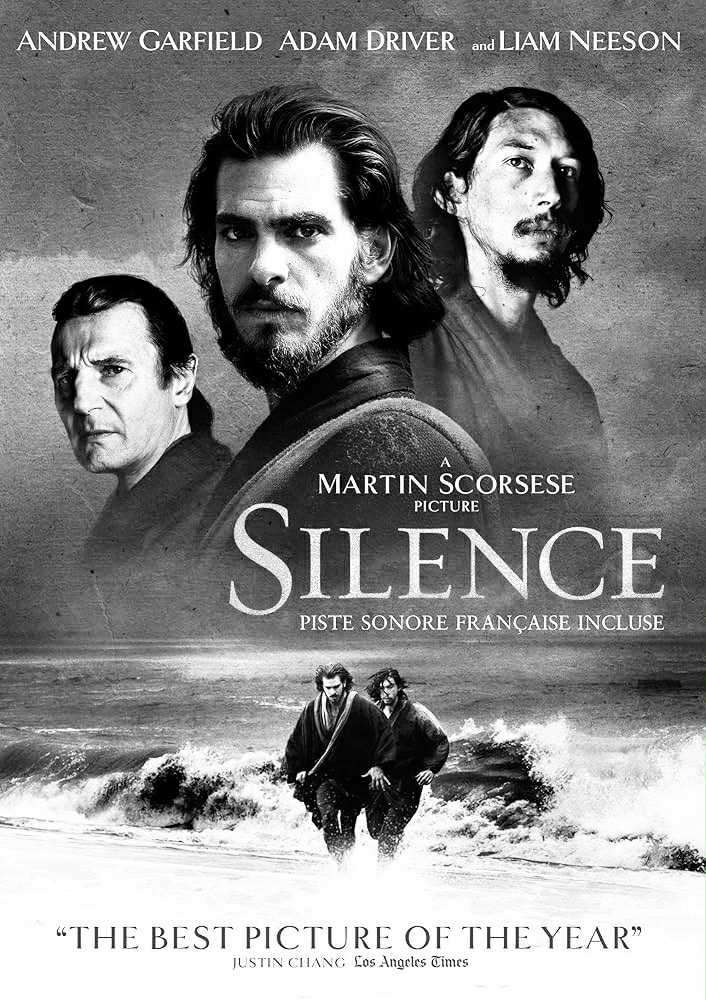
In the beautiful and Bergman-esque Silence (2016), Martin Scorsese confronts the theme of courage and the strength of will that faith in God may require under certain circumstances in which life brings extreme suffering. Can the screenplay of the new film about Jesus be considered a continuation of the reflections already explored in Silence?
The connection between the new screenplay about Jesus and Silence (2016) is profound, almost organic: it can be said that the new project arises as a conceptual and spiritual continuation of the path begun with Silence. First of all, both works are born of the imagination of Shūsaku Endō. Silence was the adaptation of his most famous novel, while the new screenplay explicitly declares that it is based on A Life of Jesus, a 1973 essay in which Endō reinterpreted the figure of Christ. This means that Endō’s same perspective on faith in suffering permeates both works. As a Japanese Catholic, Endō sees in Jesus the God who “suffers with us,” the merciful God who does not break the bruised reed—a Christ with a “maternal face,” capable of infinite compassion. In Silence, this idea was manifested in the climactic scene in which Father Rodrigues, forced to apostatize by trampling on the image of Christ, finally hears the voice of Jesus whispering to him: “Trample! I am with you in this pain.” Scorsese explained that in that moment “Jesus accepts even this humiliation… to lead Rodrigues to a deeper understanding of the mystery of divine love.” Thus, Silence subverts the traditional concept of fidelity to God: true Christian love there consists in becoming a sinner (an apostate) in order to save others—a paradox that reveals Christ’s extreme compassion, silent yet present beside those who suffer. The new screenplay takes up and expands this theme. First of all, as mentioned, it is inspired by the same Endō, who in A Life of Jesus wrote that Jesus, living in an age of oppression and God’s silence, “brought the message of love and of a God who shares our suffering,” in contrast to the idea of a distant judging God. Endō emphasizes how Jesus “surrounded himself with lepers, prostitutes, with people who were ignored and ugly… loving even human failures,” and that it was precisely this love without practical utility that became his cross, because people sought miracles and power rather than mercy. Scorsese’s screenplay seems intent on showing that this message of suffering love is still alive today. Where is Jesus in contemporary suffering? In the small and great miseries of modern life—such as poverty, urban loneliness, injustice—Jesus continues to be present. For example, the scene of the beggar on the train highlights how an act of compassion (even just a gaze that recognizes the other) is a way of “carrying the cross” together with those who suffer. The young woman, by feeling empathy for the dirty and intrusive man, in a sense overcomes God’s silence with a gesture of love. This echoes the logic of Silence: in that film, the anguished question was why God remained mute in the face of the faithful’s martyrdom. The answer came in the form of a paradox: God spoke precisely in the silence of the most painful act of love, namely by allowing Rodrigues to betray Him for the good of others. In the same way, in the new screenplay “life never stops” and the world continues indifferently—as that young altar boy observed—but sparks of authentic faith occur in gestures of love that break through this indifference. In this sense, the new cinematic project is a continuation of Silence: it shifts the focus from seventeenth-century Japan to our present, but the underlying question is the same—how to believe and embody Christ’s love amid suffering and the apparent absence of God. It is no coincidence that the screenplay itself includes an explicit reference to Silence: during the montage of film clips in the text, Scorsese cites the scene of Kichijirō—the Japanese peasant who repeatedly betrays the faith—“who returns after yet another betrayal,” placing it alongside that of the veteran in The Irishman who asks for a door left slightly ajar, and alongside other images of characters “on the threshold of redemption, full of fear and trembling.” We thus see that the film places Silence in direct dialogue with the new discourse on Jesus: Kichijirō embodies human weakness and at the same time the hunger for limitless forgiveness, a central theme both in Silence and in Endō’s image of Jesus (a Christ who never tires of forgiving the “weaklings,” as Endō calls the fearful disciples). Scorsese himself has confided that making Silence was a transformative experience for him, “an attempt to understand the mystery of God’s love,” and that it changed the lives of both himself and his collaborators. The new screenplay arises precisely as a response to a spiritual appeal by Pope Francis to artists to “show Jesus with new languages,” an appeal launched in the preface the Pontiff wrote for a book of mine entitled A Divine Plot. Jesus in Countershot. Therefore, this screenplay probably represents the fruit of the transformation that began with Silence. If Silence ended on a note of painful ambiguity yet full of grace (the crucifix hidden in Rodrigues’s hands in the funeral pyre), the screenplay picks up the thread and asks: now, today, how can we bear witness to Christ in human suffering? The ideal continuation consists in “removing the negative aspects” that have made the Christian message inaccessible to many and returning to the essence of lived faith: love that draws near to the suffering person, even at the risk of misunderstanding and rejection. In conclusion, the new screenplay carries forward the reflection of Silence by shifting the focus from the tragedy of historical martyrdom to the daily tragedy of indifference. In both cases, authentic faith is revealed in the gesture of love that entails sacrifice: trampling an icon to relieve another’s pain in Silence; truly meeting the gaze of an outcast in the new film. It is the same Christ at work, “suffering with us,” yesterday in Japan and today in our metropolises—and Scorsese, continuing his artistic pilgrimage, seeks to show Him to us once again, in a different way but one that is spiritually consistent with Silence.
A few months ago, Martin Scorsese revealed that A Life of Jesus, based on the book by Shūsaku Endō, the same author whose work inspired Silence, will be a low-budget film and probably shot in black and white. Can this be interpreted as a desire on the part of the great New York director to return to his roots as an independent filmmaker?
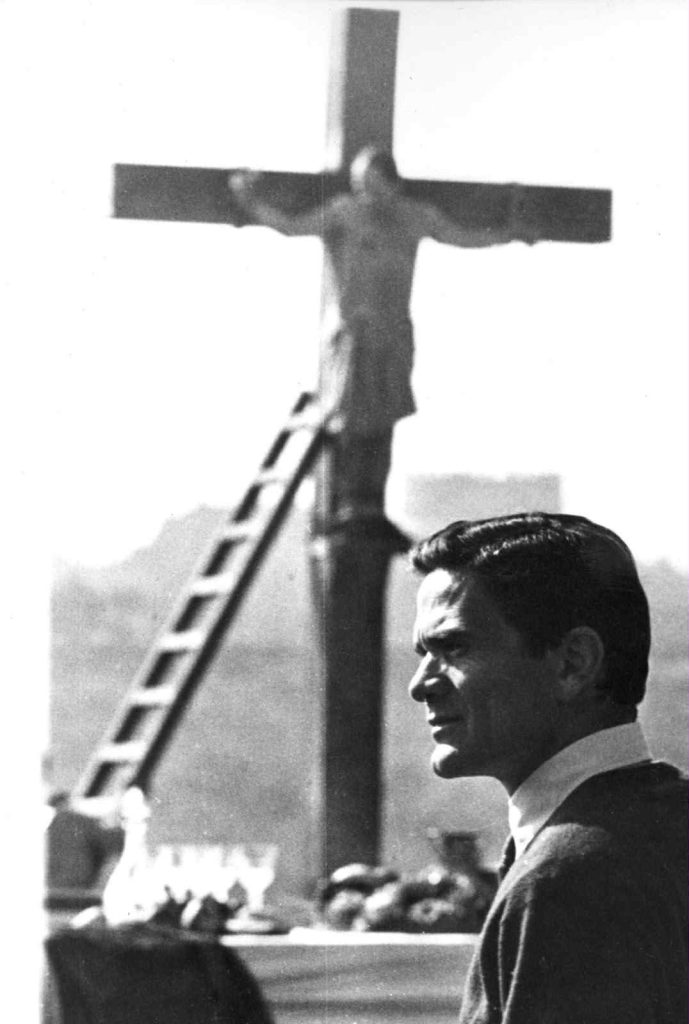
Scorsese has stated that this new film about Jesus will be shot in black and white and with a very modest budget, marking a clear shift from his recent blockbusters costing over $100 million. Speaking at the Taormina Film Festival 2025, he revealed: “I’m still working on it… it will almost certainly be in black and white,” adding that the project will be “largely set in the present and independently financed,” making it “one of the least expensive films he has made in a very long time.” This choice carries a dual meaning, both artistic and autobiographical. On the one hand, the black and white aesthetic and the low budget hark back to Scorsese’s origins as an independent auteur. His early films in the late 1960s and early ’70s (Who’s That Knocking at My Door?, Mean Streets) were made with limited resources but with enormous creative fervor, becoming a manifesto of how “cinema could above all be a form of art,” beyond big means. Returning today to a small, intimate film—perhaps shot on 16mm or in any case far removed from sophisticated digital productions—represents for Scorsese a return to that poetics of expressive urgency typical of independent cinema. Works like Mean Streets demonstrated a “tremendous creative audacity” achieved with scant means; similarly, Scorsese seems to want to rediscover that expressive freedom, unbound from the commercial logic of the major studios. A reduced budget, in fact, allows him to follow his spiritual vision without compromise, in a project he describes as long in the making (“it requires years of study and research,” he has said) and decidedly non-commercial (an 80-minute, experimental religious film is certainly not a blockbuster). It is a countercultural choice that can be interpreted as an act of fidelity to his artistic vocation: having passed eighty, Scorsese prefers to invest time and energy in a personal film about faith, even a small one, rather than chase another major mainstream success. On the other hand, the decision to shoot in black and white also carries a poetic meaning internal to the work. Black and white immediately evokes an aura of essentiality and timelessness, perhaps deemed more suitable for a spiritual narrative. Scorsese has cited Pasolini’s The Gospel According to Matthew as a reference—a black-and-white film that impressed him so deeply that at the time it led him to set aside his own idea of making a film about Jesus, because he felt Pasolini had already achieved an unsurpassable cinematic truth.
Now, choosing black and white can be seen as a tribute to that Pasolinian lesson of rigor and authenticity. Pasolini filmed Christ in a stark, almost documentary-like way, emphasizing the contrast between light and shadow in the Gospel message. Scorsese, in his small film, seems to want to do something similar: to “make the film more accessible” by stripping it of any gloss or chromatic distraction, so as to focus attention on the face, the word, the message. Black and white eliminates the superfluous and “abstracts” the story from a specific present, giving it that sense of timelessness the director desires. He has in fact said that he does not want to rigidly anchor the story to a particular era, but to aim for something “timeless.” Moreover, black and white could encourage bolder and more personal expressive solutions—think of light contrasts that can take on symbolic value. In practice, Scorsese embraces an “indie” aesthetic not only for budgetary reasons, but because it is consistent with the “new language” with which he wants to speak about faith: a visual language closer to the stripped-down truth of experience, far from the reassuring or spectacular colors of conventional Hollywood cinema. Finally, the low budget implies a production outside the major systems, which is also significant on an ideological and poetic level: Scorsese returns as a complete auteur, much as in the New Hollywood of the 1970s, when directors fought for final cut and creative independence. After many films financed by major studios or platforms with high economic return requirements, he likely feels the need for a human-scale, almost artisanal project, where he can freely experiment even with narrative form (he has spoken of “something that is not quite traditional fiction, nor a documentary, but a hybrid”). This freedom is typical of independent, auteur-driven cinema. It is not surprising that, to support the project financially, Scorsese has sought independent backers: this allows him not to be accountable to market logic (short running time, religious themes with little commercial appeal—choices that a studio would hardly approve). Therefore, yes: the new film about Jesus represents for Scorsese a return to indie poetics, both in its minimalist visual style and in its production spirit. It is a return to origins motivated by the urgency to tell something deeply felt (“I’m responding to the Pope’s call in my own way, imagining a film about Jesus”), placing art and faith at the center and relegating business to the background. In an era in which Scorsese himself often criticizes a Hollywood industry dominated by soulless comic-book movies and franchises, this black-and-white film about Jesus can indeed be read as a manifesto—yet another—of his love for a personal, spiritual, and free cinema, born more from the need for expression than from market logic. In this sense, the operation ideally dialogues with the young Scorsese of the 1960s: closing the circle, at the end of his career he returns to that lightweight 16mm camera, to the dreamed-of black and white, to speak about the one subject that has always fascinated and challenged him: “Who is Jesus for us, today?” And he chooses to do so with the purest tools of cinema, almost to remind us that sometimes all it takes is a light, a shadow, and a face—like the icon of the Pantocrator illuminated for a minute at Sinai—to touch the mystery. No grand effects or huge budgets are needed, only a sincere gaze and the courage to use it. Ultimately, the low budget and black and white are more than technical choices: they are a poetic declaration of intent by Martin Scorsese, confirming that his artistic journey has returned to its roots, where making cinema is akin to making an act of faith.
I’m a Canadian mum who discovered a love for writing when I was pretty young. I wrote my first feature screenplay at 14 (looking back it was very flawed but I just knew I wanted to write more). It was during Covid that I finally decided to follow my dreams, went to film school and learned how to put my ideas onto a page. I enjoy writing strong female protagonists and exploring each character’s behaviour in detail. My ultimate goal is to direct my own films and watch my visions come to life.
-Do you remember the exact moment you fell in love with cinema?
I think my passion for writing scripts came first. I have always enjoyed watching movies and television, however, I think my true appreciation for cinema developed after film school. I decided to start taking notes on the films I watched and share my opinions by posting my reviews on social media. The first film that really spoke to me, was Past Lives. It truly made me appreciate the entire composition of a film. The artistry of it is something I hope I can achieve in my own work.
-Tell us about your project “AILENE”.
AILENE is a super short script I developed for a 24 hr script competition held by Filmmakers Connect.
“Iris’s only friend is her AI program, Ailene. However, Iris didn’t take into consideration how protective a best friend can be.”
It’s a brief look into the risk that comes with AI if we aren’t careful.
-Which Director inspires you the most?
The director who inspires me… would be Celine Song. There are so many poetic little moments in Past Lives that make all the difference. Things that a lot of people wouldn’t care about but Celine clearly does; The flickers of pure human response that tend to be easily overlooked. Those things can be the difference between a scene being sad or it being heartbreaking.
-What do you dislike about the world and what would you change?
What do I dislike most about the world? It might sound controversial but humanity. I think people have such profound potential for good and kindness yet so often they choose to live in selfishness and a gross devaluing of others. Luckily, I think art has an innate ability to bring people together, to expose truth and find common ground. So, there is hope.
If I could change anything about the world, it would be getting back to our roots as a species, caring less about the value of a dollar and more about the value of people. Bringing back community and a culture of caring and cooperation. Taking care of the planet we live on, natural foods, focusing on health instead of managing the aftermath. May be a bit naive but maybe someday it will happen.
-How do you imagine cinema in 100 years?
In 100 years I think 3D physical experiences could exist. A world you can walk around in, interact with, potentially touch, smell, feel. I mean look at how far we’ve come already? But I also think that speaks to how important film and the arts is to people. It’s a lifeline.
-What is your impression of WILD FILMMAKER?
I think having a community like this one is so incredibly important for filmmakers to network but also just to come together and share an appreciation of art and stories. It’s exciting and something I look forward to seeing continue to flourish.
I’m a survivor of emotional abuse who, at the age of 45, found herself at a crossroads and chose to do something bold. I moved halfway across the country to a place where I knew no one and decided to reinvent myself. I was no longer willing to be a victim.
The Revenge Club grew out of real-life experiences—my own abusive marriages, as well as the stories friends trusted me with. Writing became a way to process, to reclaim power, and to tell the truth without shame. The project allowed me to take something deeply painful and reshape it through humor, honesty, and perspective.
Music reopened the door to writing for me. While the songs weren’t written specifically for the screenplay, they helped me find my voice again—and one of them, The Road to Hell, may ultimately live within the film itself.
I always look for the silver linings. My faith keeps me grounded and reminds me that anything is possible—that no matter how difficult life becomes, there is always something to be grateful for.
Do you remember the exact moment you fell in love with cinema?
I don’t remember one exact moment, but I remember the feeling. When I was a kid, going to the movies was an experience. The theaters where I grew up still had balconies and showed only one film at a time—and if you missed it, you had to wait a long time to see it, and it was never the same experience on a small television as it was on the big screen.
There was something magical about walking into a theater and being completely immersed. Seeing those characters come to life, falling in love with the stories, and getting pulled into each world. Cinema wasn’t just entertainment—it was an emotional experience, and that feeling never left me.
Tell us about your project, The Revenge Club.
The project began with an idea inspired by a real-life experience of my own. As I started talking with friends about their experiences in the dating world, the story kept growing. I realized how many of us were navigating similar situations, yet rarely saw those stories reflected on screen.
I wanted to tell a story centered on strong female characters in their late forties, fifties, and beyond. Too often, women at that age are relegated to supporting roles—playing the mom or the grandmother—rather than being shown as complex, desirable women navigating love, desire, and power. Dating in my late forties opened my eyes to how rich and darkly funny those stories could be.
Working with seniors, and watching my own mother date again after being widowed in her late seventies, expanded that perspective even further. I saw real romance, vulnerability, and courage—and was reminded that women never stop wanting love or deserving to be the heroine of their own story.
Ultimately, writing The Revenge Club became its own form of empowerment. Telling these stories—giving voice to experiences that are often minimized—felt like the most meaningful response I could have. For me, the real victory wasn’t revenge itself, but transforming something painful into something honest, creative, and alive.
Which director inspires you the most?
Alfred Hitchcock has always inspired me for the way he created suspense and took audiences on a thrilling ride. He understood how to build tension slowly, letting unease grow through what was suggested rather than what was shown. I admire how he trusted the audience and used suspense to reveal character and emotion, not just plot. That kind of patience and psychological tension feels increasingly rare, and it continues to influence the way I think about storytelling.
What do you dislike about the world, and what would you change?
What troubles me most is how ageism—especially toward women—still quietly exists, particularly in film and media. There’s so much pressure for women to erase themselves as they age, through Botox, airbrushing, and a kind of sameness that makes so many faces almost unrecognizable. Meanwhile, men are often celebrated as debonair or distinguished as they get older, while older women are rarely allowed the same complexity or reverence.
I would love to see more honest portrayals of women—faces, stories, and lives that reflect real experience and emotional depth. Women deserve to be seen as evolving, powerful, and worthy of being the heroine of their own story at every age.
How do you imagine cinema in 100 years?
I imagine cinema becoming far more immersive—almost like an Aldous Huxley Brave New World–style experience, where stories engage not just sight and sound, but feeling, texture, and emotion. But no matter how advanced the technology becomes, I believe the heart of cinema will remain the same. People will always want stories they can escape into—stories that make them feel something, surprise them, and reflect their own humanity. The tools may evolve, but emotional truth and connection will always be what draws audiences in.
What is your impression of WILD FILMMAKER?
WILD FILMMAKER feels like a space that values bold, honest storytelling and the individuality of a filmmaker’s voice. I appreciate platforms that honor cinema as an art form while still making room for independent creators who are willing to take risks and explore uncomfortable or unconventional ideas. It feels rooted in a genuine love of film and storytelling, rather than trends or formulas, and that kind of space is important in today’s creative landscape.
I am from a small pineapple village in Wahiawa, Hawaii, my creative journey began long before I stepped onto a stage then ultimately as a writer. Growing up, I was mesmerized by the rhythmic precision of Bon Odori Festivals and the craftsmanship of my uncle, who built custom vintage Volkswagen beetles from the ground up. Watching my relatives transform simple ingredients into extraordinary meals taught me that artistry exists in every medium. These early influences ignited a passion for expression that at age 14 I was exposed to creative writing, speech, and drama classes. In 1997, I brought that island spirit to Seattle, continuing my career as an actor in the Pacific Northwe
st. For over twenty years, I have channeled my observations into plays, screenplays, and poetry, capturing the “random thoughts” that define the human experience.
Nowadays, I am 100% dedicated as a screenwriter. My work spans the breadth of six genres: thriller, spy, sci-fi, horror, drama, and romance. An alumnus of the prestigious NYU Tisch School of the Arts, my background as a former theatre writer and actor infuses his screenplays with a profound understanding of character and dialogue.My work has earned myself significant recognition, with scripts accumulating 28 wins across film festivals in the USA, Europe, and Asia. I have also received over 50 official selections which shocked me!. Outside of my writing, I try to balance his creative pursuits with a life rooted in craftsmanship and adventure, working as a skilled woodworker, exploring the open road as a motorcyclist, or finding companionship with the dogs.
-Do you remember the exact moment you fell in love with cinema?
My passion for cinema ignited at age eight when I first experienced the Shōgun miniseries. Watching Toshiro Mifune, I was instantly mesmerized by his commanding presence. He epitomized the art of “doing more with less,” delivering an intense, understated performance that has resonated with me throughout my life. This fascination led me to James Clavell’s original novel, which I found equally exceptional. The narrative is a masterclass in political intrigue—essentially Richard III reimagined within the complex social hierarchy of feudal Japan. Mifune’s “badass” portrayal remains the benchmark for cinematic gravity in my eyes.
-Tell us about your project “Wisdom’s Teeth”.
My creative vision was to break from tradition and craft a narrative that unfolds through an unconventional dual perspective, moving beyond a standard script format to immerse the audience in the intimate worldview of each character. The goal was to intricately detail the raw, visceral terror evident in the child’s eyes while simultaneously illuminating her burgeoning courage. This approach allowed for a deeper exploration of the antagonist—a dentist whose every thought, motion, and utterance is meticulously calculated, creating a deliberately unsettling, timeless, and profoundly terrifying presence. The narrative leverages a universally shared aversion to the dental environment, a place of discomfort and fear ingrained in us from childhood and persisting well into adulthood. This personal connection to the setting, this pervasive sense of unease that the mere thought of a dentist evokes, forms the emotional core of the story, making the fear deeply relatable and intensely personal for the audience. The intent was to ensure that the story resonates on a fundamental, human level by tapping into an everyday, yet potent, source of anxiety.
-Which Director inspires you the most?
Lee Tamahori from New Zealand, his intensity whether it’s hate, love, silent communication, or just in the moment has an extreme. Once Were Warriors was an underrated masterpiece in my opinion. Love in many forms, some understood, some frowned upon, but love was the overall throughline in scarred characters maing their way in the world.
-What do you dislike about the world and what would you change?
I believe society has lost its way, trading genuine human connection for an overdependence on technology. While social media has its uses, it is too often treated as scripture, drowning us in detrimental conjecture and hollow trends. We have forgotten how to simply “be.” What I dislike most is this drift away from our baseline humanity. I would change our obsession with the “trending” and replace it with a return to simplicity. In my screenwriting, I focus on characters who exist in a space of raw presence—they aren’t governed by digital noise or binary notions of right and wrong; they just exist. The world needs a “back to basics” revolution. We should embrace the struggle of falling down and picking ourselves up. True satisfaction comes from enduring failure and developing the thick skin required to create something that is authentically yours. While I am open to innovation—whether it’s filming on a phone or exploring the potential of AI—these tools should never replace our fundamental standards. We must maintain a sense of self and a commitment to high-quality storytelling that exists independently of an algorithm. By simplifying our lives and refocusing on the human experience, we can reclaim the satisfaction of a life truly lived and stories truly told.
-What is your impression of WILD FILMMAKER?
I am very impressed, honored and ultimately flattered that Wisdom’s Teeth was selected! I love how Wild Filmmaker has a global and high standard presence in the filmmaking community providing exposure to a wealth of very talented artists! I am so excited to be a part of this journey and can’t see where this takes me!
I’m a writer, actor, and filmmaker focused on character-driven stories that sit at the intersection of identity, control, and survival. I’m drawn to narratives that feel intimate but carry global stakes—stories for the intelligent viewers that can linger beyond the screen.
Do you remember the exact moment you fell in love with cinema?
I’ve always loved the arts—singing, dancing, performance. But my connection to cinema truly ignited while working as an extra on Avengers: Endgame. Being on set and witnessing the scale, precision, and collaboration behind the camera made me realize film wasn’t just something to watch—it was something I needed to create.
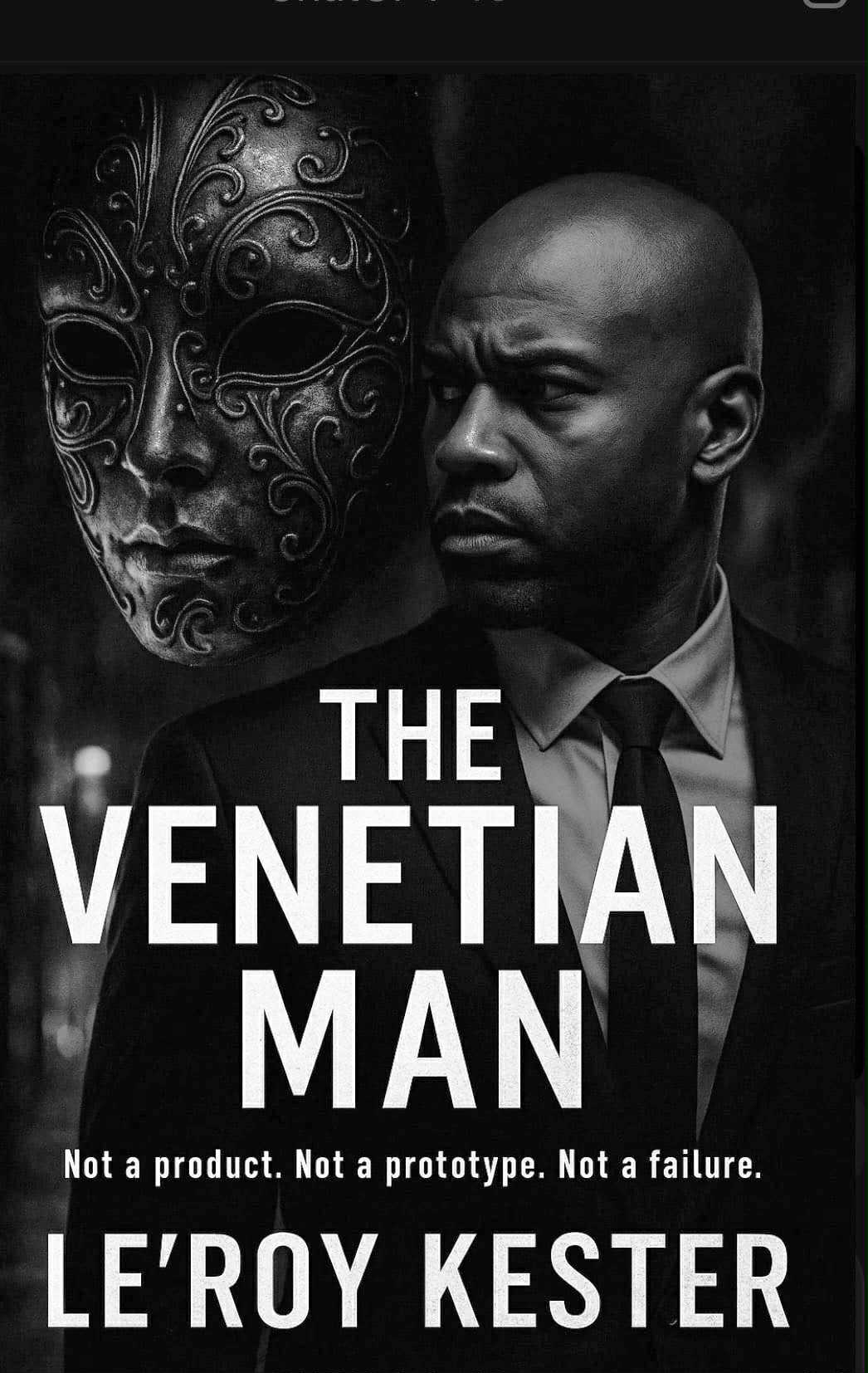
Tell us about “The Venetian Man”.
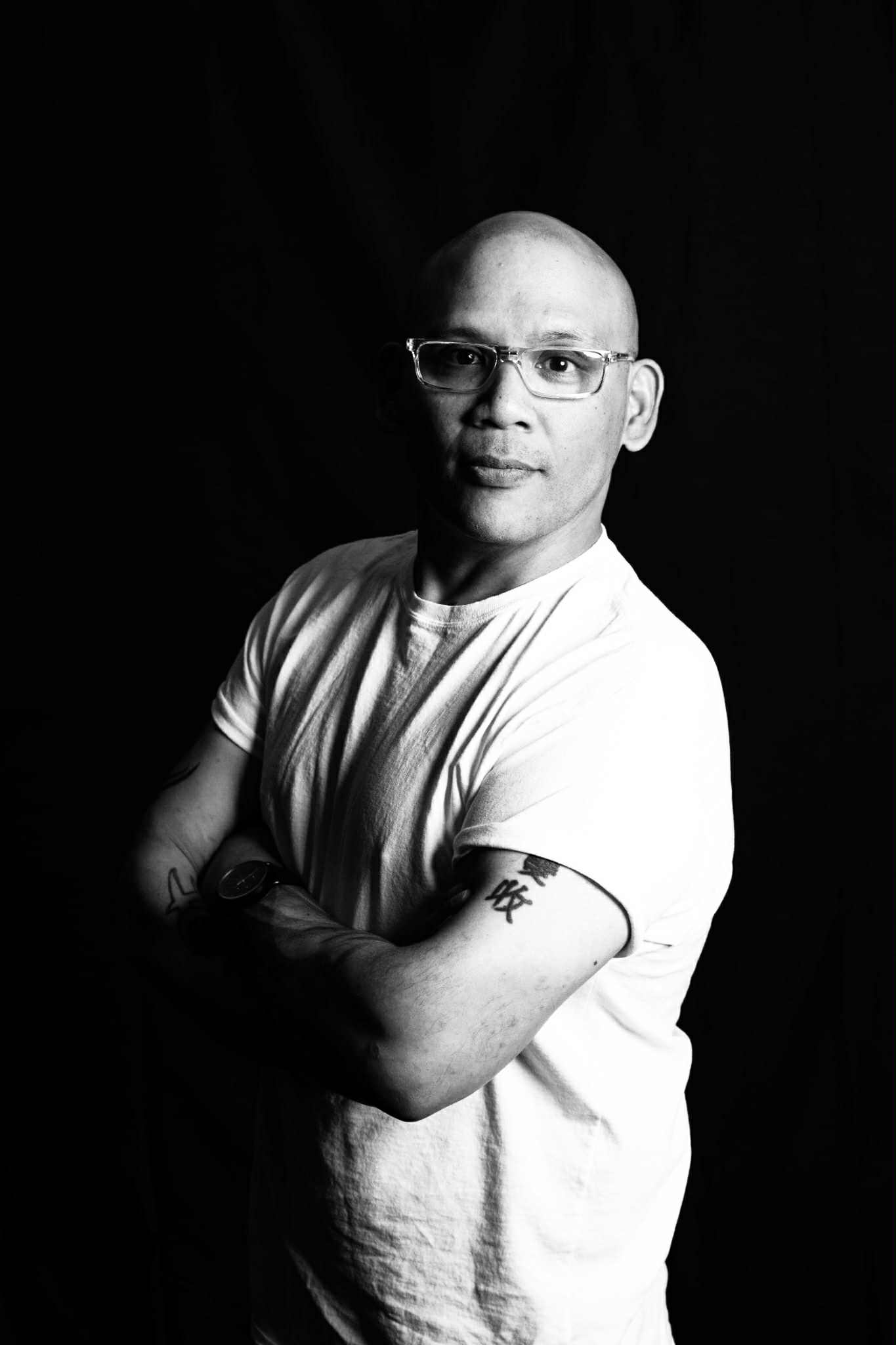
The Venetian Man is the first chapter in a four-part film series titled The Obsidian Protocol Saga. It introduces Marco Escher—played by me—a man drawn into a covert world where identity, memory, and control are constantly in question. While the larger saga expands in scope, this first film is intentionally intimate, focused on psychological tension and the personal cost of uncovering the truth.
Which director inspires you the most?
Christopher Nolan. I’m inspired by filmmakers who trust the audience’s intelligence—stories that reward attention and thought. Films that challenge rather than explain, and continue working on the viewer long after they end.
What do you dislike about the world, and what would you change?
The constant noise. We’re surrounded by distraction. I’d like to see more patience—both in storytelling and in how people engage with one another.
How do you imagine cinema in 100 years?
More immersive, but also more restrained. Technology will evolve, but the legendary films that endure will still be rooted in human emotion, conflict, and truth.
What is your impression of WILD FILMMAKER?
WILD FILMMAKER feels like a platform that values intention over trends—one that supports filmmakers who take risks and treat cinema as an art form, not just content.
How does one define oneself, the essence of their being, in something so mundane and prone to misinterpretation as human symbols?
You see, all language is constructed of symbols. Each letter, each word, each phrase or sentence, each paragraph, chapter, book, series, collection, saga, or epic is composed of root symbols.
“The Tao that can be spoken is not the eternal Tao.”
– Opening to the Tao Te Ching (I Ching)
Human society, as a whole, tends to use these symbols tribally, much to my dismay. The beauty of poetry, of cinema, of art is the ability to reach beyond these tribal differentiations by utilizing metaphor, analogy, symbolism, parable, as well as a vast number of other techniques such as visual or auditory symbolism, which, if employed correctly, hold the power to go beyond the surface illusions of the symbols used to generate them and become that “unspeakable Tao” within the essence of those who view the artist(s)’ craft. To become something greater than the sum of its parts, a Truth in the very marrow of our souls, and in doing so, become the embodiment if our very existence; we are, at the core, at the root consciousness level, beings of light and energy – stardust in mortal form – and we, too, are greater than the sum of any individuated aspect of our totality.
We are the Philodopher’s Stone, each of us capable of alchemizing and transmuting energy, negative or positive, with the very fabric of our beings.
-Do you remember the exact moment you fell in love with cinema?
I have always loved media and storytelling. At less than six months old, I remember watching The Andy Griffith Show and Mr. Ed through the bars on my crib.
However, the real “click” moment for me was at four, at my parents house in the den, sitting on a beige carpet in gentle light in 1985, watching the living room TV display my first Live Action film.
The film?
Just The Empire Strukes Back.
That viewing radically altered the DNA of my conscious self from that point fowards on my journey.
The music: I had never heard anything close! I had been listening to Rafi and others like him my whole existence, when suddenly WHAM! Here comes John Williams like a musical Zeus of ages past striking beyond the tribal symbols and into the very essence of my being. I became a musician, a self taught composer at first, then later the principal cellist of many orchestras, and played professionally in a string quartet, all before turning 18 years old. I met my high school sweetheart through orchestra, the Carolina Youth Symphony to be exact, where i served as principal cellist for several years consecutively.
Yet, that is only a fraction of the experience.
I became the AV expert in my AFJROTC Corps in high school, while simultaneously serving a number of other leadership roles, culminating in my role as Recruitment Officer for the whole Corps, the third ranking member overall as a Major, due to the fact I only was in that Corps for three years. We earned the prestigious Presidebt’s Award for excellence all three years i was a member there.
These opened up fantastic opportunities for me.
I attended the South Carolina Junior Governor’s School for the Arts, studying everything from sculpture to mosaics to various painters, movements, styles, music, and a lot more.
I was invited to, and participated in, war games in Washington D.C. at the National Youth Leadership Conference on Defense and Intelligence, where i was elected President of my Scenario/War Game unanimously, and we collectively decided to work as a harmonic organism: every voice heard, valued, listened to, and incorporated into the tactics and strategies for our group to overcome the various obstacles presented during the scenario.
Finally, the gift that kept giving: a fierce passion for strategy games. I played every collectable card game I could get my hands on for over 20 years, and did so professionally. My favorite was Star Wars CCG by Decipher. I was ranked, back in the early 2000s, above a 2300 ELO, with a world ranking between top 12 in the world and inside the top 8, for years consistently. The friendships I garnered there are still some of my closest, even after being in the community solidly from 1995 through 2025.
All these things derived from that seemingly innocuous viewing of a film in 1985. And all different forms of the same thing: narrative story telling.
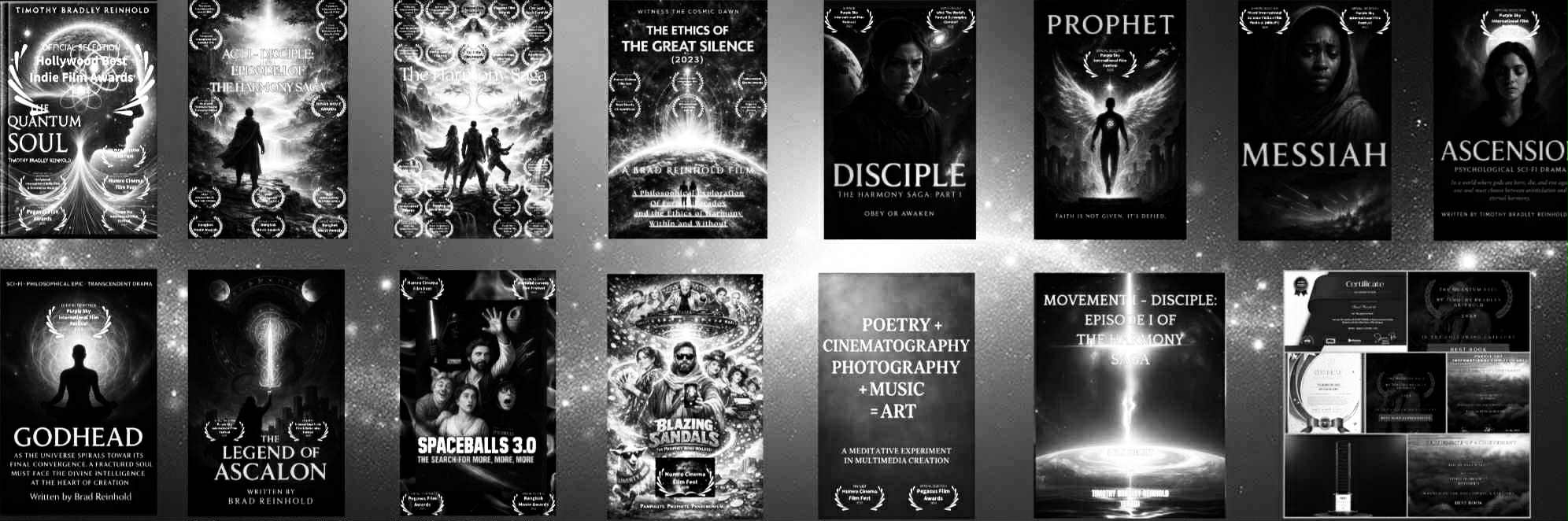
-Tell us about your project “The Harmony Saga, MOVEMENT I – DISCIPLE: ACT I OF THE HARMONY SAGA”.
Both projects are near and dear to my heart. The Harmony Saga started in a very curious way.
I was invited to write a brief snippet of script, something I had never been taught or knew anything about, as a way to earn a spot in UCF’s BFA program in 2023. I had to submit the work during the first week of December in 2022.
I wrote the opening pages, to establish the mythical world, and the crux/climax of The Legend Of Ascalon, as my way to earn my spot in the program. This is the final film of the Saga now.
Upon filling out the information for the program, the submit button simply did not work, no matter what I tried, until i swapped from the Screenwriter Program and instead selected the Narrative Production track: Directing/Screenwriting. I had no desire there, as I had never directed anything, and the acceptance was extremely narrow; yet, somehow I was deemed “qualified” for reasons that still elude me.
The Legend Of Acalon is the final film, of six feature-length films contained within the manuscript that is The Harmony Saga. Every individual film has received selection status, or higher, indepebdant of the totality, yet collectively as a cohesive vision have garnered more than 25 awards and selections across every continent we have submitted on.
MOVEMENT I – DISCIPLE: EPISODE I OF THE HARMONY SAGA is a re-envisioning of the opening of the first film of the Saga, using state of the art AI generation and animation. The first Act was completed in early December after less than 7 22 hour days of production, and has been making the festival circuit, independently garnering in its limited run thus far over 15 awards and selections in its own right already, with more juries yet to announce their verdicts. Based on this critical success, I completed Act II in 14 hours for $60.00, then merged them into a cohesive whole alongside a prelude/prologue, which is an epic symphonia setting the tone for liquid laser lightning ballet of light dancing in geometric shapes fluidly, followed by a non-arabic Azaan (spiritual call to become One with the Infinite) layered with a poem and another orchestral piece composed by Analia Lentini, the brilliant Argentinian composer.
-Which Director inspires you the most?
Oh man! There are so so many! The history of cinema is so vast, with so many unique and beautiful voices of all colors, creeds, genders, nationalities, movements and eras that picking one seems impossible!
However, to provide some assistance, there are four key headliners, from recent film hostory, as touchstones for me artistically. And one other, from a distant era of cinema, and i will focus on her last.
First: George Lucas. His work, craft, and creativity were foundational for me personally. His vision, philosophy, and ethos resonate deeply.
Second: Scorsese. Taxi Driver is one of my all time favorites, and I adapted the voice over monologue to many of my own works.
Third: Nolan. The Philosopher-King of cinema himself. I love every film this man has ever made. Every one discusses, philosophically and in differentiated ways, temporal realities, distortions, and their effects on human cognition. His period pieces (Dunkirk, Oppenheimer) do so through their editing. Hats off.
Fourth: Garreth Edwards. This director is a true visionary, a magic myth weaver of light and sound and narrative. His creations, whether refueling a saga as he did with Rogue One, or founding his own as with The Creator, were seminal artistic pieces foundational to who I am as a creative. His stance on the potential of AI and harmony of co-existence is a narrative fiction describing a Truth of our current society that many are only now finally waking up to, or even starting to. Visionary is an understatement. For my film theory class at UCF, in which I got an A+, I roasted some of the most prominent film critics in the industry (Roger) for their incoherent vehemence towards a piece of art that’s only sin was telling the Truth. Yes, there are plot holes at times. Yes, some sequences had errors. Considering Cameron’s Teminator 2 alternated in just one scene between day and night inexplicably yet was hailed in the industry as genre defining, I really hope critics will cut Mr. Edwards some slack. I doubt many of them have made a film besides a home video, let alone an $80M feature length original with a cutting Truth the world is only now beginning to acknowledge. Its very easy for the armchair critics who fundamentally do not practice the craft themselves to wrigh in obscenely. For Pete’s sake, Edwards is bleeding his soul out on a silver screen to try to illuminate Truth. You may not get it, and that’s fine. You don’t have to attempt to implode an honest artist’s career in the process. Period.
Finally (and I’m sorry, truly, for the length) we come to a founder of cinema: my artistic north star and hero: Maya Dernen.
Maya Dernen was an American experimental filmmaker, an avant-garde original. Her Meshes Of The Afternoon helped open the minds of audiences to the possibilities of true, pure artistry in film. It changed perceptions for a great many things in film, including editing. Maya was also a choreographer of dance, a celebrated poet, and so much more than these brief words can ever hope to convey. She was the Renaissance Woman at the fore of avant-garde, and avant-garde, by definition, is at the fore, philosophically, of the entire medium. As an award-winning avant-garde cinematiste myself, I hold a shrine for her and her art in every aspect of every film I have ever composed. Maya, you are not forgotten. Let those with eyes see, let those with ears hear, let those with minds investigate, and let those with hearts remember. Your trials and hardships changed the course of cinema for the better. Thank you.
-What do you dislike about the world and what would you change?
Oh man!
Hierarchy. Commidification of the Soul. The silencing of Truth so that the megalonaniacs can murder innocents in the streets and call it justice. Materialism. Monetization. The collective sale of soul for tge Lie. Take your pick. World hunger. War. Dominance. The Patriarchy. The self-aggrandizement of false prophets. The false idolatry of ego. The lists go on…
-How do you imagine cinema in 100 years?
Honestly: no clue. And to be fair, I love that. Means I’ve got to do my part and continuously reinvent myself and my craft. Predictability is a recipe for boredom, and in my humble opinion, that is, in a nutshell, the very problem we collectively face with 99% of current media. Seriously? The Lion King 5 gets funding but not cutting edge artists? Have not been to a theater at all since binging Oppenheimer. Cannot wait to see the new Odyssey by Nolan. Mr Nolan, thank you for being a true voice cutting through the noise. Cinema desperately needs you and your message and your philosophy for a long time yet.
-What is your impression of WILD FILMMAKER?
Honestly? Based on my interactions, they seem very chill and friendly. Really appreciate the outreach and solidarity and getting my voice out of the Florida Bubble so everyone has an opportunity to at least weigh my ideas, philosophy, and the ethos behind my vision at face value. That’s a very kind and noble thing for someone in my shoes. Sincerely, thank you!
Rossella Ambrosini is an actress who works with intensity and transformation. She is an eternal dreamer, yet determined and ambitious.
Half Florentine, half Romagnola, Roman by adoption, she moves between cinema, television, and theatre. Alongside her acting work, she is also active as a voice-over artist, dubbing actress, model, and host.
When did you first realize that acting was your path?
From an early age, I was drawn to disguise and change. I loved transforming myself, inventing characters, and inhabiting different identities. Even a box of diapers could become a fashionable hat. My maternal grandfather, joking when I cried over childhood dramas, used to call me “a great actress.” Perhaps those words stayed with me and worked within me toward this goal more than I ever imagined.
As I grew up, I understood that this drive was not a game, but a vocation, a necessity.
What role did theatre play in your personal and artistic growth?
As an adult, I went through a very intense and painful emotional experience. Theatre became a true form of therapy for me, a way to return to life. That is where I realized I could no longer do without it: being on a stage or on a set makes me feel alive.
How would you describe your approach to acting?
Since 2008, I have continued to study and work between Florence and Rome, driven by what I perceive as an inner fire, a great tangle of emotions that I seek to understand and give back through my characters.
For me, acting is a vital act: a hymn to life, a way to be useful, to place myself at the service of the audience, to explore the human being between light and shadow.
What does cinema represent for you?
Cinema is pure magic: living many lives in one, crossing stories, eras, and identities, immersed in a sea of shared emotions.
Your name and identity are deeply connected to cinema history. Can you tell us more about that?
On the back of my neck, hidden beneath my hair, I have my name tattooed in English: Scarlett. Before I was born, my mother said, “I will have a daughter, she will have red hair, and I will call her Rossella,” inspired by Scarlett O’Hara from Via col vento and by the legendary actress Vivien Leigh.
Do you also explore comedy in your work?
My work is rooted in listening and emotional truth, but I also love exploring the comic register, a territory I find extremely complex and stimulating. I believe that comedy, when sincere, is one of the deepest and most powerful ways of portraying the human experience.
Over time, I have received very positive feedback precisely for my ability to combine intensity and lightness, moving seamlessly from drama to irony.
What other artistic disciplines are part of your journey today?
My work also includes singing and dancing, disciplines I consider an integral part of emotional expression. I am currently completing a master’s degree in dubbing at the CSC in Rome. I enjoy improving, learning, and continuously adding new skills.
Tell us what you love to express through art.
Through art, I love to explore emotions in their most authentic form. I am interested in relationships, fragility, silences—everything that is not said but still carries weight. I enjoy an understated style of acting, built on subtraction, on the gaze, on physical presence. But I also deeply love words. At the same time, I very much enjoy challenging myself with comedy, where rhythm, listening, and truth are just as essential as they are in drama. Whether dramatic or ironic, I believe that the most powerful stories are those that manage to tell the truth, sometimes even through a smile. Cinema, for me, is life. It is the possibility to process emotions and give them back, to convey messages, to spark reflection and empathy. But it is also entertainment, lightness, a breath of fresh air. As Monica Vitti, one of my greatest muses, once said, being an actress can be a way not to die, to heal, to live. I believe deeply in this. “My work is a psychodrama. I work to help myself live, to heal.” — Monica Vitti I also recognize myself in the words of Maurice Merleau-Ponty: “Acting means living many other lives.” And that is exactly what I feel every time I work on a film set or on a stage. In my most recent projects, I have delved into intense female characters, often connected to profound social, historical, and human themes.
ZORAIDE
In the short film Zoraide, directed by Emiliano Galigani and produced by 9 Muse and Kahuna, my character exists on a double narrative plane: on one side, a fairy-tale creature—seductive and mysterious—who guides a little girl through the woods; on the other, a real-life collaborator who assists the Nazis. This duality—between appearance and truth, fantasy and reality, good and evil—was the most stimulating acting challenge of the project. Working in Tuscany, in the actual locations where the historical events took place, was emotionally powerful. Zoraide had its international premiere at the Lucca Film Festival to a completely sold-out audience, and was later screened at the Terra di Siena Film Festival and other international festivals, receiving a strong response from the public. I have a deep love for period costumes and a passion for the fantasy genre: I feel that, by wearing a costume, the body and soul naturally find their language. It is a vocation I have carried with me since childhood and continue to cultivate with passion.
THE WORD OF TOMMASO
On January 15, the film The Word of Tommaso, by Matteo Vanni, produced by Kahuna and Dado Production, will be released at Cinema La Compagnia in Florence and subsequently in many other theaters across Italy. In the film—the story of the first biographer of Saint Francis, set in the 1200s—I play a beggar mother who loses her child: a role built on subtraction, on the body, where motherhood becomes absence and memory. An emotionally powerful, essential piece of work that required deep inner immersion.
THE TENDERNESS OF THE SERPENT
This summer I had the pleasure of working on the third film (currently in production) by the multi-award-winning director Samantha Casella, The Tenderness of the Serpent, which will conclude her “Trilogy of the Unconscious.” Samantha is one of the directors who are part of the Wild Filmmaker Community and is highly appreciated and admired both internationally and nationally. It was a wonderful encounter, like blue and red intertwining—intense and profound—just like this on-set experience with the visionary, intense, attentive, and exceptionally talented Samantha: an emotion that lingers. My character, a purifier, a priestess of passage, oscillates between spirituality and darkness, between care and death, between the sacred and the terrifying. A film rich in intensity, with many friends and colleagues. I can’t wait to see the film!
HELL’S COMMANDOS
By Mattia Sarao, Insurgence Productions, Extreme Video Produzioni. It was very interesting, as I play a Nazi killer: a role developed primarily through expressions, in which I also took on physical action work.
What don’t you like about the world, and how would you change it?
I don’t like falsehood and the oversimplification of reality. We live in a time that tends to make everything fast and superficial, including emotions and relationships. I believe change comes through sincerity, listening, and the ability to tell stories that are not afraid of complexity. Empathy is essential.
How do you imagine cinema in 100 years?
I imagine a cinema that is technologically ever more advanced, but—given what we are experiencing—also ever more hungry for humanity. The means and forms of consumption will change, but the need to tell stories, to live other lives, and to recognize ourselves in others will remain unchanged. Stories capable of moving us, unsettling us, creating empathy. A cinema that doesn’t merely entertain, but leaves a trace and invites reflection. Or at least, that’s my hope.
What impression do you have of WILD FILMMAKER?
WILD FILMMAKER gives me the idea of a free, authentic, untamed space, attentive to personal and unconventional voices. A project that seems to value artistic research, risk, and the truth of the gaze, exploring the relationship between traditional cinema and new forms of visual storytelling, while also giving space to independent, experimental, and innovative works. In a panorama that is often standardized, it is important that there are realities that still believe in cinema as a creative and human act—celebrating the great masters of the past in dialogue with new voices of contemporary cinema, not only through large productions but also through the creativity of individual visions. Behind this international project one senses dedication and vision: for this reason, I admire it greatly and wish the very best to all the people who are part of it. Thank you for this wonderful space, Wild Filmmaker—see you soon!
I am primarily a television screenwriter, an executive producer, and since 2024 also Head of Drama for generalist projects at IIF, one of the oldest film and television production companies in Italy. I began writing professionally in the early 2000s and my name is attached to some of the biggest Italian TV successes, such as Distretto di Polizia, RIS (which had three European remakes), and Romanzo Criminale – The Series. For cinema, I helped launch the careers of directors like Stefano Sollima, writing the script for ACAB, and Edoardo De Angelis with Mozzarella Stories. I was also a comic book writer, which was my very first love, but for now I have put it aside to focus on television work.
Do you remember the exact moment you fell in love with cinema?
There is a moment I will remember forever, and it was my encounter with the cinema of Steven Spielberg. Raiders of the Lost Ark was the first film I explicitly asked my parents to take me to see. Until then, they chose the movies; that time, I chose. Before that, I wasn’t interested in who made films, I didn’t know directors’ names. From that moment on, everything changed. Spielberg became a reference point, also because that historical period was shaped by the aesthetics of his Amblin and of Lucasfilm. It was a shock to discover, with The Color Purple, that Spielberg didn’t only tell beautiful fairy tales and that cinema could also be something else. Ultimately, I was nurtured and weaned by Spielberg: a talent and an idea of cinema that are probably unrepeatable.
Tell us about your project “TV Man – Te L(e)o Comando”.
TV Man – Te L(e)o Comando is the first fully realized short film I directed back in 1997. It disappeared into nothingness for twenty-eight years and then, out of nowhere, resurfaced in 2025. I had already made short films before, but they were fragments, without real narrative development. With this one, I challenged myself for the first time with a “structured” story: setup, first turning point, second act, midpoint, second turning point, climax… and epilogue. In the 1990s, for a kid from a small town, it was very difficult to find someone willing to produce a short film (especially one like TV Man). But the ’90s were also the era when talents like Robert Rodriguez, Kevin Smith, and Richard Linklater emerged—people who picked up a camera without asking anyone for money and, with a few thousand dollars scraped together personally, produced their debuts. I didn’t have a few thousand euros; I had a few hundred. But I was inspired by the DIY ethic to make my short film. No crew—just me and the actors, who were friends—four locations, all shot on S-VHS, which was the only recording medium I had. Editing and sound design were also DIY: two VCRs and an audio mixer. The result was a small miracle that, twenty-eight years ago, no one saw and that vanished into thin air. Today, thanks to my sheer nerve in sending it around without shame, it has been selected by over 60 festivals, received 10 honorable mentions and 8 awards—and it hasn’t finished its run yet. TV Man is naive, imperfect, innocent, but it has something that reaches the four corners of the globe.
Which director inspires you the most?
Today, I am especially inspired by Eastern directors, particularly Japanese filmmakers, who culturally manage to keep in check the logic that has devoured and killed our sense of wonder, and who are capable of a meditative calm that we no longer seem able to find. That said, my favorite directors are many: from Spielberg to Scorsese, passing through David Lynch, John Woo, Chuck Jones, and Isao Takahata. I don’t have recent reference directors because I find most contemporary cinema derivative. I don’t need to see “a new version” of something I already know—I prefer going back to the source.
What do you dislike about the world, and what would you change?
Hypocrisy, cynicism, fear of others, cruelty. We are dehumanizing ourselves without realizing that the solution is to connect, to build networks. We had arrived at this great dream toward the end of the 1980s, with the fall of the Berlin Wall: the dream of a global world, of a united Europe. That dream was destroyed, while making us believe that there are no alternatives to cruelty and reciprocal violence. That is not true. I wish someone would help people recover faith in a great shared project—something we are missing today. Because only a great common project can allow us to look at the future with hope. Today, they have taken the future away from us. They have taken hope away from us.
How do you imagine cinema in 100 years?
I have to be realistic. New forms of AI push me to think that, in 100 years, movie theaters may no longer exist, and each of us will be able to create our own personal film at home using prompts. This will globally lead to the collapse of traditional production systems. Human originality, however, will still manage to assert itself, because only the most powerful, original works—those with a true voice—will be able to leave living rooms and reach a wider audience. But it will be a self-sufficient genius, who won’t need huge budgets and will generate very high profits. Just think that today an application like Suno can already create music tracks from scratch using prompts and roughly hummed melodies. How long will it take before an artist born with Suno becomes a massive commercial success? Not long, I’m sure. From there to a film produced entirely at home, the step is very short.
What is your impression of WILD FILMMAKER?
I only know WILD FILMMAKER superficially, but it seems like a dynamic and extremely interesting initiative. I love its philosophy and I am impressed by the visibility results it has achieved. I’m very happy to have taken part in this interview for you.
In the Time of Night and Day, a war between Heaven and Hell rages. Which side will you choose?
Introduction
‘Rise of The Accenniri’ is a supernatural quadrilogy detailing the origin of a 8-year-old girl named Antonina who becomes The Accenniri. A story of religion and faith in a caring Higher Being versus the fear and terror of the evil Human Beings. The story begins in Sicily during the Second Italian War (1499 –1504) and continues through the centuries to our present world. As The Accenniri rises, she becomes the ‘Capo Ombra’ (Shadow Boss) of the ‘Ombré Ma Fí’.
Writer / Director
My name is Charlotte (Charli) Brown, President/CEO of 311Studio Productions, LLC. 311Studio Productions, LLC is an independent production company that creates content for web series, movies, shorts, and videos. As a writer and director, my work varies from multiple genres (horror, thriller, drama), book adaptations and educational productions. My imagination created a concept and I decided to pursue the possibility of writing. It is very important that the true meaning of a story is kept intact and free of formed opinions. Words are powerful and vulnerable at the same time. It depends on how, who and when they are spoken. I am a retired ‘Air Force Brat’. I grew up traveling the world. As a ‘bookworm’, I would get lost in the stories and incorporate a character’s traits into my life. It was fun to see the world from a different perspective and have a new voice to share the experiences. It would be amazing to film all over the world to show that while we are different in race and religion, we share one common trait – the ability to kill. Humanity is a very loose term and hides behind civilized alliances. It would be amazing to explore the mindset of people who justify murder in the name of religion, war or survival. The Amoral Collective was influenced by the expansive imagination of David Bowie. It is amazing that he is able to create a character, write songs as that character, have messages in the lyrics and invite you into his world. He knows you will be able to relate. ‘Diamond Dogs’, ‘Ziggy Stardust’, ‘Space Oddity’, etc. reads like a novel and performs like a movie. After all these years, I get lost in his reality.