“Maxwell” (EXCLUSIVE) Interview with Derek Martin

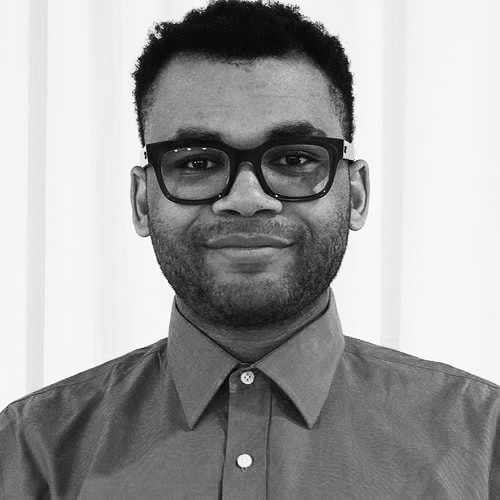
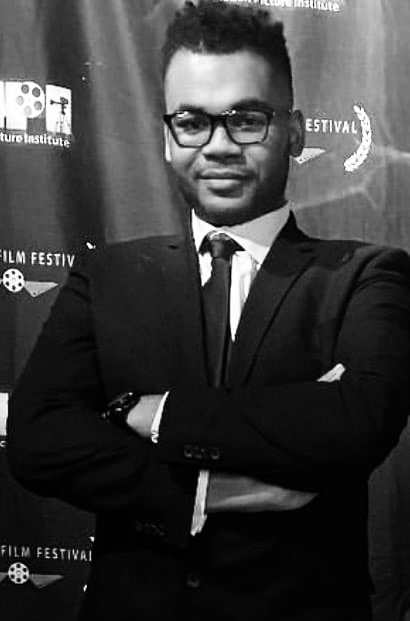
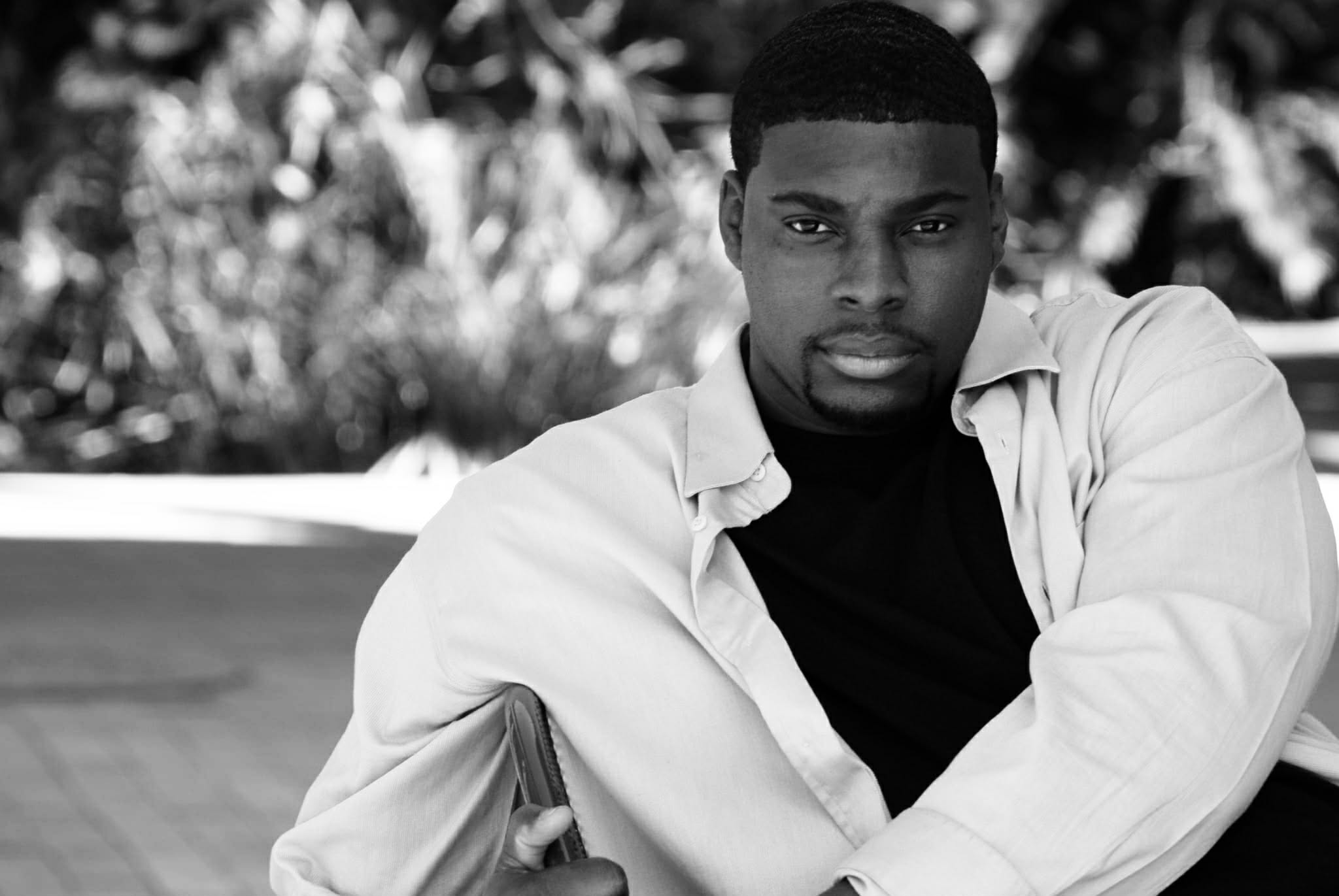
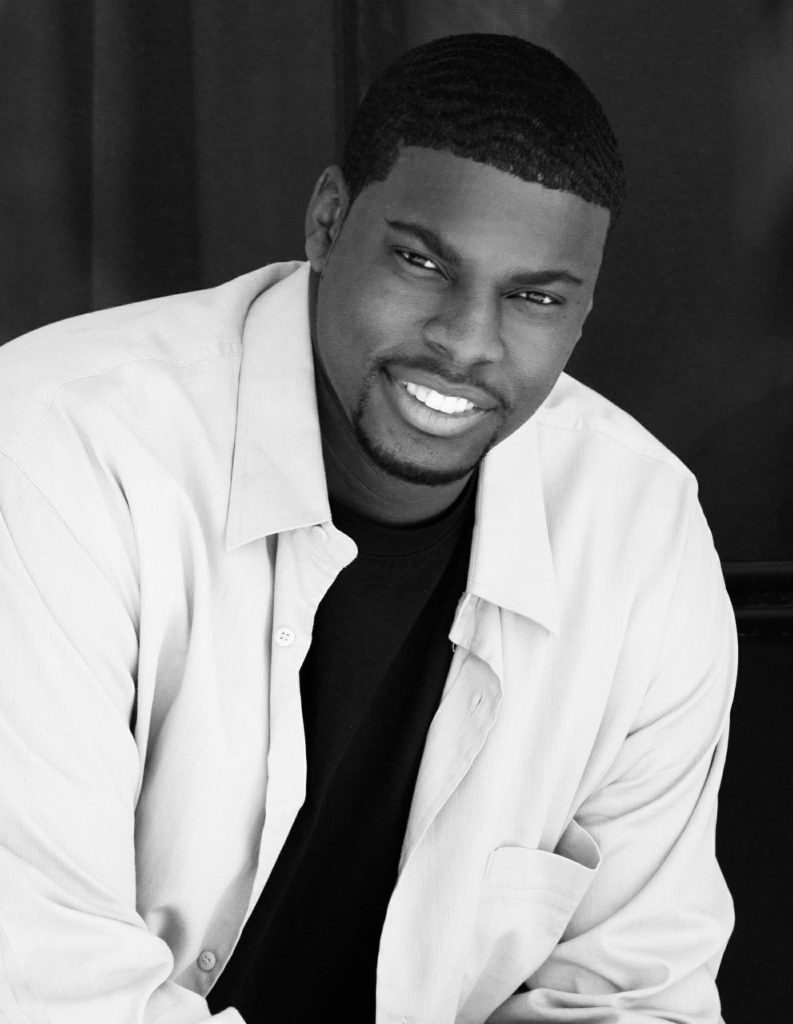
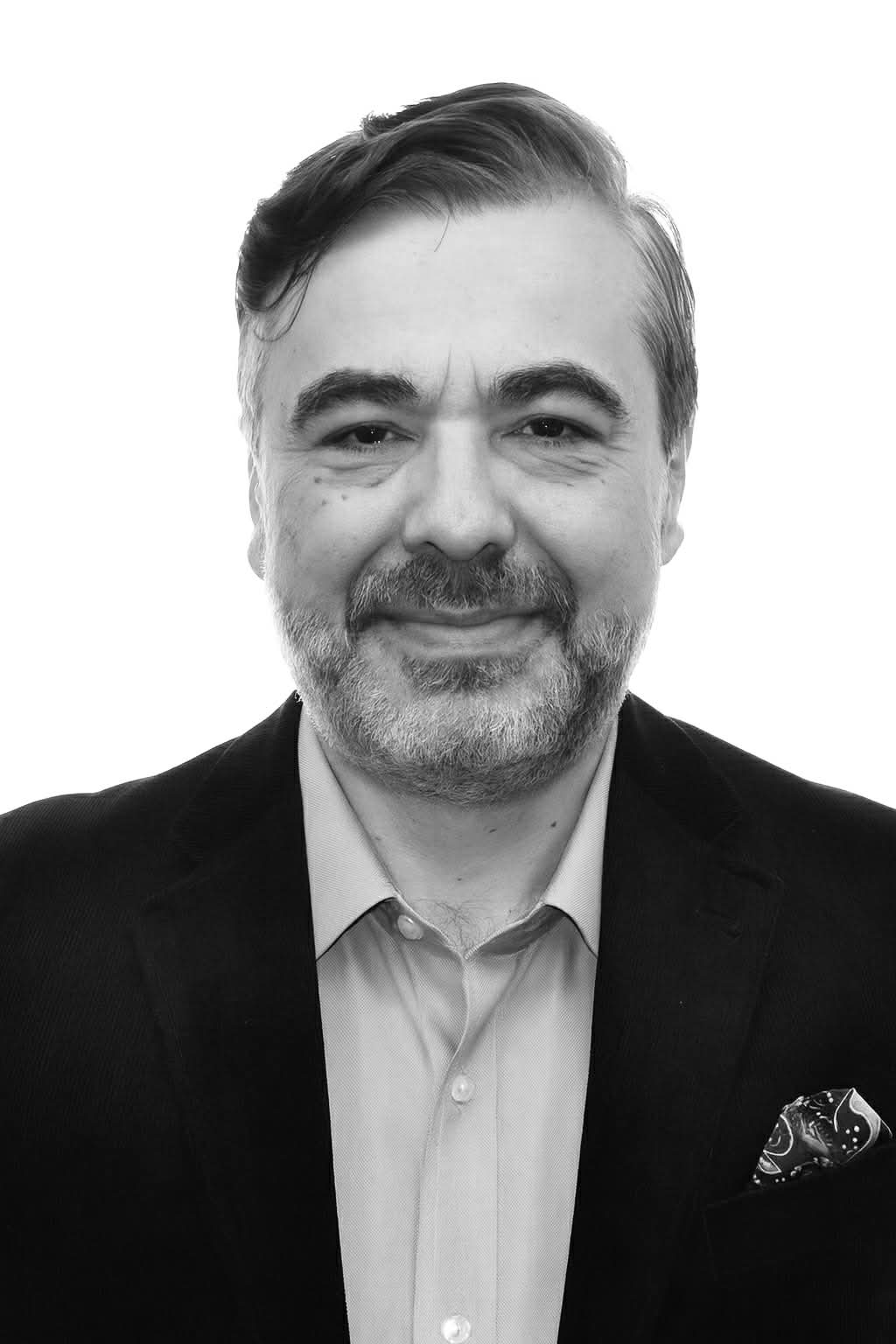
-Who is Derek Martin?

Well Derek Martin, professionally Derek Lakeith Martin, is a passionate individual who loves all-things Cinema. From an early age I have always been drawn to movies and TV shows, especially the ones that require you to use your imagination a little bit. My journey into filmmaking was a long one. I started as an actor, then later joined SAG/AFTRA, which I’ve been a part of for 20 years. Being a part of that organization allowed me to get up-close and personal on Film and TV sets where I could see all of the departments in action. There, I was able to learn what it takes to put a film in motion. My love for directing, cinematography and editing were the driving forces behind this. I am a self-driven person that believes if you can conceive something in your mind, then you should at least put forth an effort to make it happen. 

I’m also a big history fan. What people did differently from how we do them now always fascinates me. I like learning about anything that took place in different eras. To be honest, I like learning about anything new. I believe you should try to educate yourself on anything outside of your on comfort zone that will allow you to be a well-rounded person.
-Do you remember the exact moment you fell in love with cinema?

    The exact moment I fell in love with cinema had to happen when I first experienced cinema on a large scale. I was young when the television premiere of Richard Donner’s Superman: The Movie came on TV one night. Although I had been to movie theatres before, and this was TV, there was still something different about this. The commercials hyped it up all week as a must-see experience…and they weren’t wrong!  I can remember sitting there eating popcorn while the opening credits swooshed in, accompanied by that iconic score from John Williams. To see one of your favorite cartoon characters come to life in a movie at that age was magic to me, and I knew that I wanted to be a part of that somehow when I grew up. To this day, I will always go and watch it when there is a special screening at the theatre.

-Tell us about your project “Maxwell”.

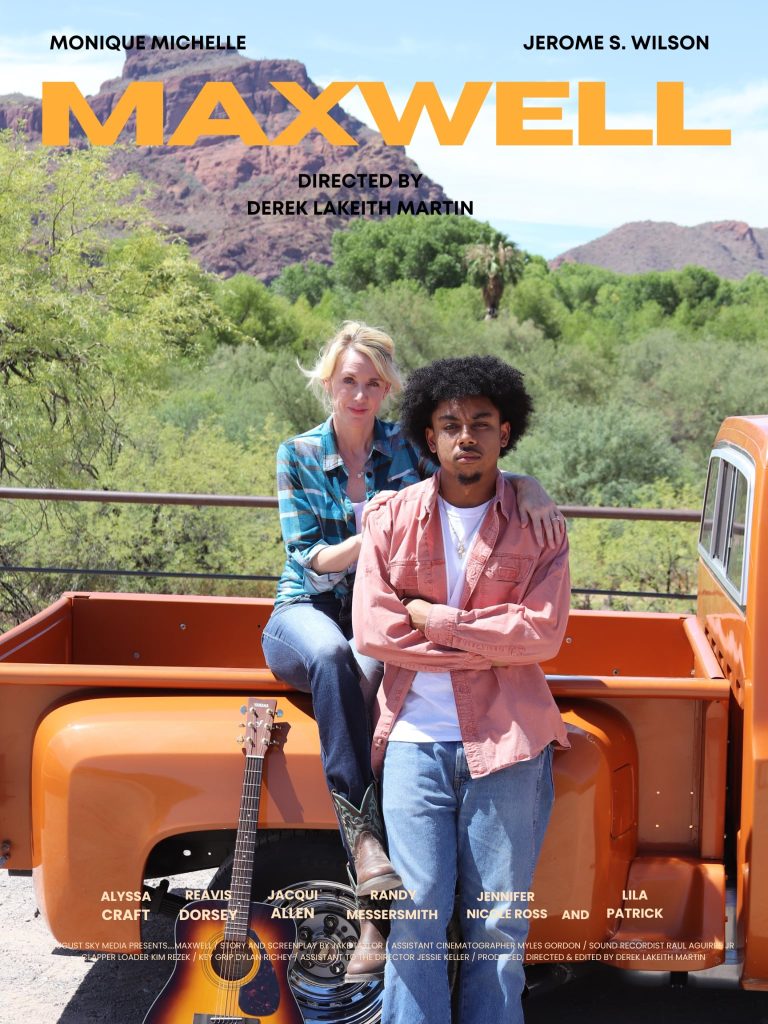
        Maxwell follows the story of Ann, a horse ranch owner and her enduring relationship with an aspiring artist, Maxwell. As they navigate the journey of their relationship, they have to decide what is best for them individually. I was looking to make a story-driven film, something where you could relate to the characters and the situation that they were in. I reached out and acquired a script from a longtime writer friend, Jake Taylor, who just happened to be sitting on this story.  After reading it, I simply said “Hey, I want to make this!” One of the things that attracted me to the story was its possibility to expand and be more than just a standalone short film. 

       I got started on casting the roles by picturing who I thought would be a great fit for each character, and how they could bring them to life. This process went fairly smooth until it came time to cast the role of Rain. I needed to find an actress of a certain age and was the perfect fit for what I was looking for. After not finding someone that fits the description, I was starting to think I was going to have to go in a totally different direction. One day I received a phone call from a theatre coach saying they may have found who I was looking for…they were correct! So, I cast this remarkable young actress and started filming. I always mention to people that Lila Patrick was the one that “completed” my film.

   When you’re in the realm of independent filmmaking, you have to be able to explore creative ways to execute your vision of the final product. This only happens with a talented cast and crew that you trust. I wanted to create an environment where they could be comfortable speaking freely and having their ideas heard. There were a lot of moving parts while producing and directing Maxwell, and having a strong group around you makes the filmmaking part of it easier. So far Maxwell has been making waves through the film festival circuit. I am very proud of some the accolades that it has received so far, especially Best Indie film and Best Indie Filmmaker.
-Which Director inspires you the most?

      To be truthful, I don’t have one particular director that serves as a source of inspiration. As someone who enjoys different types of movies, I am influenced by different types of directors. I grew up watching films from big budget directors like Steven Spielberg and later Michael Bay, but I also like the recognizable styling of directors like Tim Burton. Then you have directors like Ryan Coogler whose films I enjoy with his brand of storytelling, and the loyalty he always shows by using familiar cast, crew, and composers. I admire that type of loyalty. This is a practice that I’m fond of and use in my own world of filmmaking, as I am a very loyal director myself. I am always studying different styles from individual directors, therefore I’m inspired by a lot of different directors.

-What do you dislike about the world and what would you change?

    The world is filled with many different types of people and everyone has their own path that they follow. Being an individual is okay, but I dislike when someone can’t become knowledgeable outside of their own world. I believe that “knowing is growing” and how I would change this is to encourage people to learn something new outside of their comfort zone.

-How do you imagine cinema in 100 years?

I hope that cinema is still going strong and still has a strong base in storytelling in 100 years. As someone that understands how technology is important in film, I hope it doesn’t overtake some of the practicality that makes cinema special. People, meaning cast and crew, are what makes cinema what it is. I do believe that technology will have a prominent presence, but I just hope it doesn’t take over fully.

-What is your impression of WILD FILMMAKER?

Wild Filmmaker is doing a great job of giving a voice to independent filmmakers such as myself. Not everyone gets the opportunity to be heard or share what inspired them, but having a platform like this certainly helps change that. I really hope that Wild Filmmaker can continue to expand its reach across the globe.
“Heart of Love” (EXCLUSIVE) Interview with Gaetano Cristiano

Who is Gaetano Cristiano?

I’m an Environmental and Safety practitioner with a lifelong passion for storytelling. As an emerging screenwriter, I explore identity, memory, and the emotional landscapes we carry with us. Though in screenwriting as a creative hobby in my spare time, my debut feature Heart of Love has already received positive feedbacks, affirming the emotional resonance and originality of my work. I bring a unique perspective shaped by years working within real-world systems and a deep interest in the human side of transformation

Do you remember the exact moment you fell in love with cinema?

..of course..it was 1981 and I went to the cinema with my dad and brother to watch Raiders of the Lost Ark…that was the moment…when the magic sparked…

Tell us about your projects: “Heart of Love”.

The script explores an intimate drama about the haunting power of memory, the fragility of timing, and the radical courage it takes to show up as your true self. For anyone who’s ever whispered “What if?”, this is the answer—echoed across decades and danced in the dark. Heart of Love is written with an emphasis on emotional architecture, character depth, and cinematic intimacy.

Heart of Love presents an intersection of emotional and high‑concept identity mystery—two genres that consistently perform in both theatrical and streaming markets. This combination widens the film’s reach: it appeals to viewers seeking nostalgia and emotional catharsis, as well as those drawn to mystery, reinvention, and psychological tension.

The story’s core engine—a man confronting the life he abandoned and the love he never stopped carrying—is universally relatable . Themes of memory, identity, and redemption translate across cultures, and the high‑school‑reunion setting offers a built‑in hook that resonates with a broad demographic.

Heart of Love has received multiple accolades, including:

• Winner – Wolf Media Festival
• Winner – Seattle Filmmaking Award
• Winner / Finalist – World Class Film Awards (Honourable Mention category)
• Semi‑Finalist – Hollywood Indie Festival
• Semi‑Finalist – Dallas Movie Awards
• Semi‑Finalist – WIKI: The Fastest Screenplay Contest
• Quarter‑Finalist – Los Angeles International Screenplay Award
• Official Selection – American Screenwriters Conference
• Official Selection – Slamdance
• Official Selection – Philadelphia Off Page Movie Festival
• Official Selection – Off Page Film Festival

Which Director inspires you the most?

..Steven Spielberg without any doubt….independently of talent and styles or commercial allure he is the only one that can truly speak to a wide audience from small child to elderly people

What do you dislike about the world and what would you change?

I love the world the way it is and the way it has always been…I truly believe in balance of good and evil and an higher power so I let myself go in this wonderful thing we call life without complains and accepting the good and the bad, because of the AI revolution and technological advances I would not really know….it impossible to foresee…let’s hope the magic of acting and directing won’t be lost…

What is your impression of WILD FILMMAKER?

Great..very positive and engaging experience and a good opportunity for emerging talents to be heard.

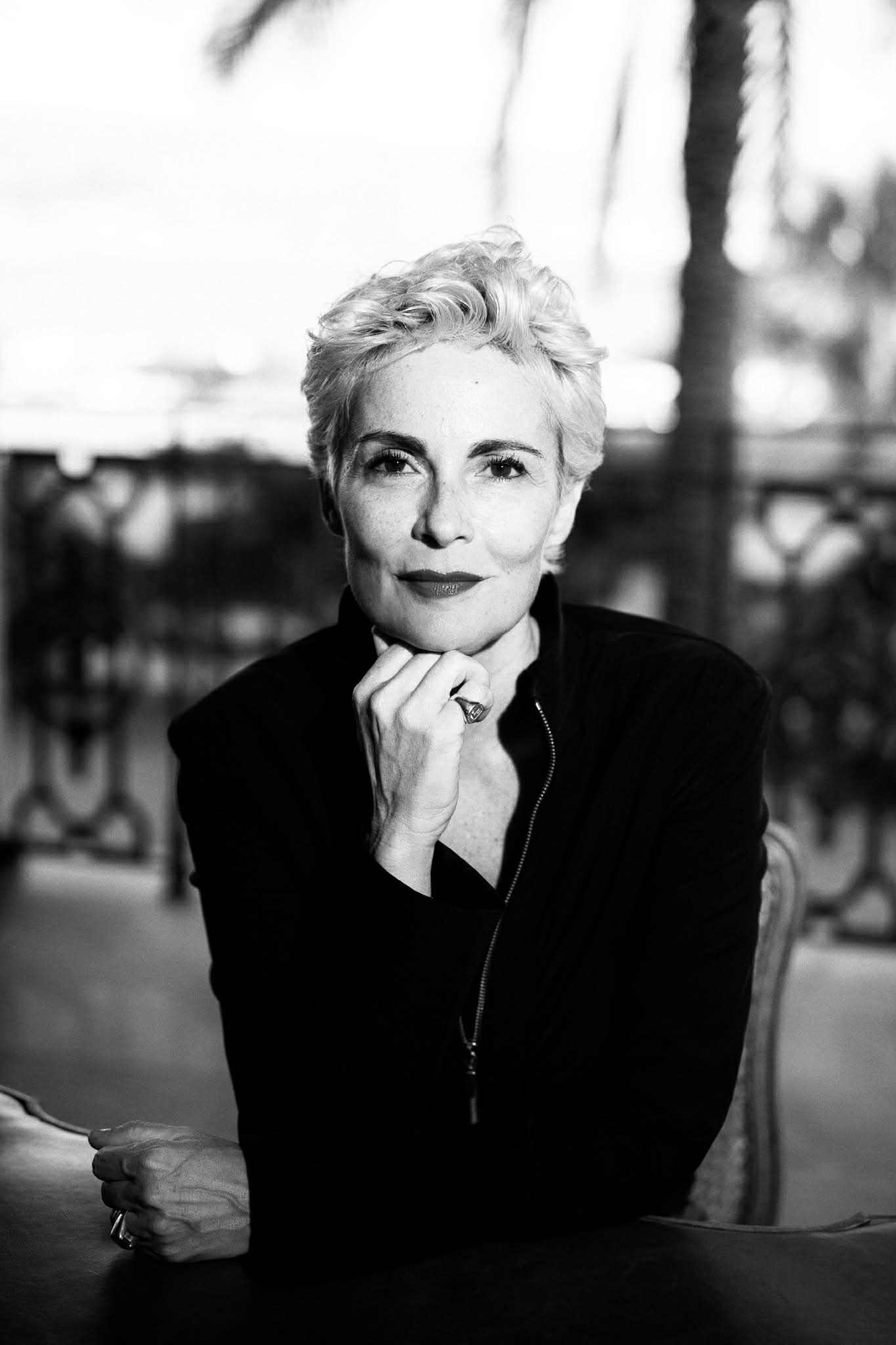
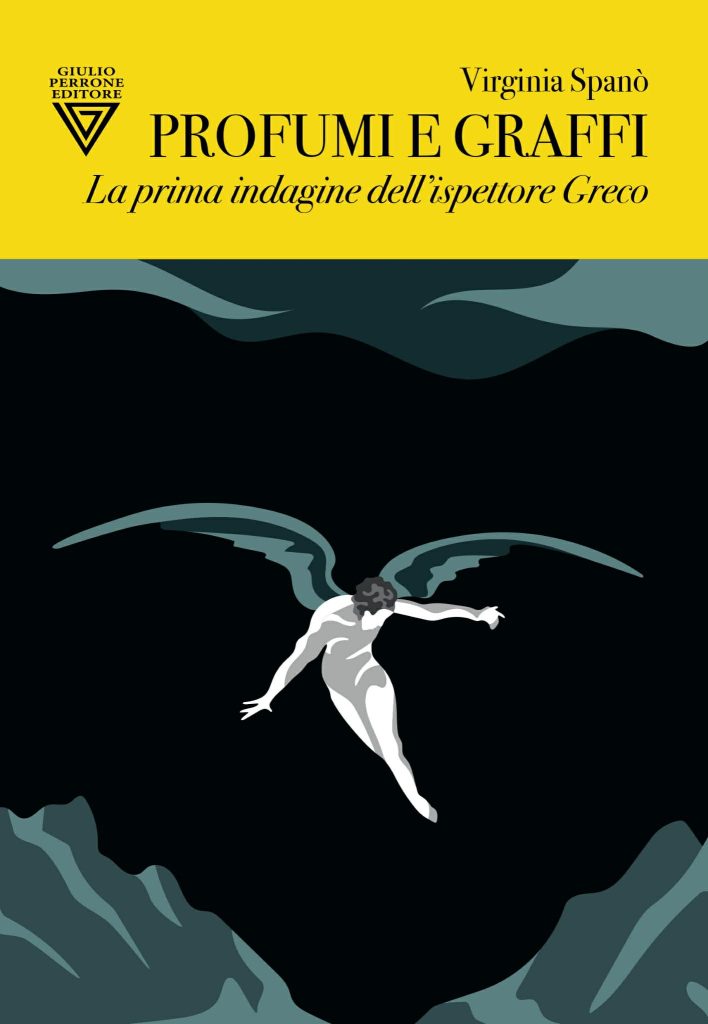
“Perfumes and Scratches/Profumi e Graffi” (EXCLUSIVE) Interview with Virginia Spanò

Author’s Quote

“Between the mists of the Sibillini Mountains and the fire of Sicily, Andrea Greco searches for the truth in an investigation where memory, dreams, and reality blur together.”


Who is Virginia Spanò?

I am an Italian writer who loves telling stories where dreams, legend, and memory blend with reality.

What I write often arises from a specific territory and from the atmosphere that place can generate.

In my first novel, Perfumes and Scratches, I wanted to explore precisely this border space: the one where the landscape is not just a background, but becomes a living presence capable of influencing the characters, their memories, and their choices.

I am interested in telling the most fragile side of the human experience: invisible wounds, memory, and the way the past continues to act within us. For this reason, two dimensions always coexist in my stories: on one hand the investigation and the mystery, and on the other the inner journey of the characters.


Could you tell us about your novel “Perfumes and Scratches”?

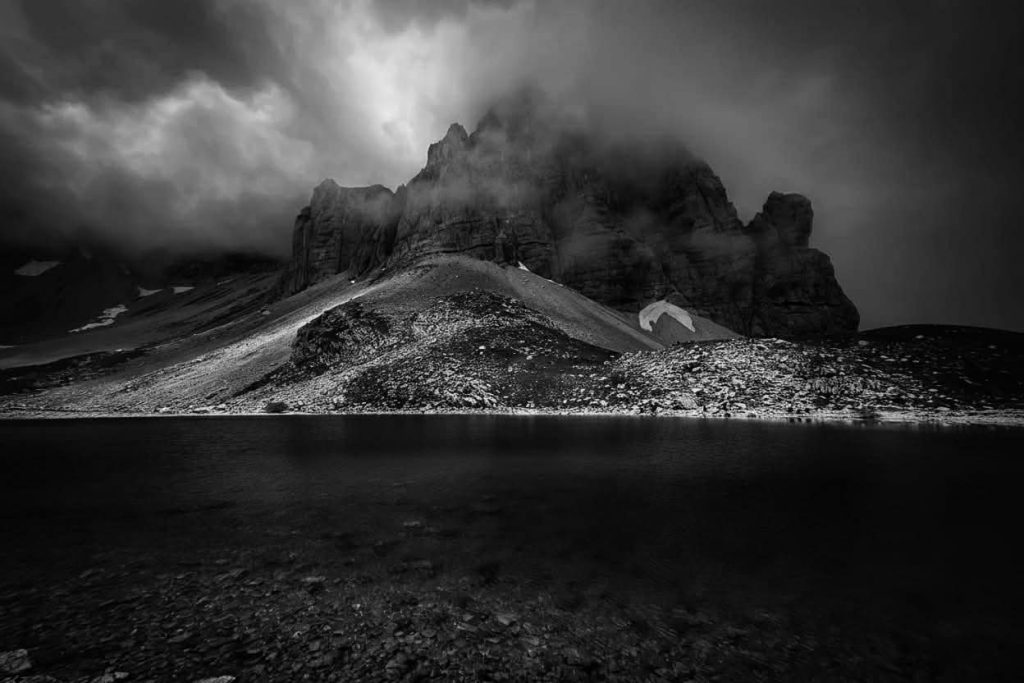
Perfumes and Scratches is a psychological thriller set between Ascoli Piceno and the Sibillini Mountains, a territory rich in ancient legends and atmospheres suspended between mystery and myth.

Everything begins with the discovery of a corpse in Lake Pilato, a real place linked to a medieval legend according to which the body of Pontius Pilate was thrown into those waters.

The investigation is led by Andrea Greco, an inspector of Sicilian origin who has been transferred to Ascoli Piceno. While conducting the investigation, he is also forced to confront his own past.

Two narrative layers coexist in the novel: the criminal investigation, made up of murders and symbolism, and the inner journey of the protagonist. Throughout this path, Sicily constantly re-emerges through his dreams, memories, and the scents of his homeland, becoming an emotional presence that accompanies the reader throughout the story.

The central theme of the novel is manipulation: of memory, faith, and human relationships. Evil does not appear as something distant or abstract, but as something that can arise precisely where there should be protection.


Have you already planned a possible film or television project based on your novel?

I believe that Perfumes and Scratches has a strong visual component that could adapt well to a cinematic series.

The story unfolds across very evocative settings: on one side the Sibillini Mountains and Lake Pilato, places full of legends and atmospheres suspended between mystery and myth; on the other side Sicily, which emerges through the memories and dreams of the protagonist and brings the reader back to the landscapes of his homeland, up to the imposing presence of Mount Etna.

This contrast between the mists of the Sibillini Mountains and the primordial strength of Sicily could create a very interesting visual dialogue, in which nature becomes an integral part of the narrative.

I imagine an adaptation capable of maintaining this balance between criminal investigation, psychological dimension, and symbolic suggestion, where the search for truth also becomes a journey through memory and one’s own roots.


What do you dislike about the world and how would you change it?

I dislike when the complexity of people is reduced to simple or superficial categories.

Often what is defined as fragility is not really a weakness, but an authentic part of our nature. These are aspects of human sensitivity that, instead of being understood, are easily labeled and reduced to limitations.

In my novel, for example, the protagonist Andrea Greco suffers from panic attacks and anxiety, and also lives within a very intense dream dimension, where dreams become a space in which the past returns and takes shape. These could be considered signs of fragility, yet it is precisely through these cracks that he manages to perceive what others cannot see. His sensitivity becomes a tool of understanding and, in a certain sense, also a form of strength.

I believe that many of the wounds that run through our society arise precisely from this: from the unwillingness to truly listen to people’s stories and vulnerabilities.

Literature, cinema, and art, on the other hand, have the ability to restore depth to the human experience. Telling a story often means giving space to what is ignored or simplified.

If I could change something, I would like us to learn to look at these fragilities with a different perspective: not as weaknesses to hide or cure, but as parts of our humanity that can become a form of knowledge and strength.


What is your relationship with Artificial Intelligence?

I believe that artificial intelligence is a very powerful tool, but like all tools it depends on how we use it.

For me, writing always comes from a human experience: from observation, memory, and emotions. This remains the heart of every story.

Artificial intelligence can be useful as support in research, but narrative sensitivity and the vision of a story remain profoundly human.


What is your opinion about the activity of WILD FILMMAKER?

I find the work of WILD FILMMAKER very interesting because it creates a space for dialogue between authors, directors, and producers.

Today stories increasingly move across different languages: from literature to cinema, from television series to digital platforms. In this context it is important that places exist where these connections can be created.

Editorial projects like this can help bring out new authors and new stories, encouraging the meeting between the world of writing and that of the audiovisual industry.

“SCP-Zombie” (EXCLUSIVE) Interview with Bryan Harris

Who is Bryan Harris?

I’m a writer and director who loves family, friends, technology, and keeping up with the latest in TV, film, and comics. Storytelling has always been the center of my life. Whether I’m watching, writing, or filming, I’m constantly exploring how stories connect us and challenge us.

Do you remember the exact moment you fell in love with cinema?

I don’t remember the exact moment, but I can point to two memories that narrowed it down. The earliest story, according to my family, is me at two years old watching Cats & Dogs, shouting, “No, Lou, no!” at the screen. Even then, I was emotionally invested. That was my first understanding of how powerful storytelling could be. The second moment came when I was 17 and Batman v Superman hit theaters. I remember thinking, “People dedicate their whole lives to filmmaking.” That realization changed something in me. It made me see cinema not just as entertainment, but as purpose.

Tell us about your project “SCP-Zombie”.

SCP-Zombie exists within the larger SCP universe, an online collaborative writing project that anyone can contribute to. The SCP Foundation is essentially a catalog of horror stories organized by numbered anomalies. Each entry focuses on a monster, object, or humanoid anomaly that is captured and studied. My film centers around an outbreak of SCP-008, known as the Zombie Plague virus. It follows a group of survivors who must shelter in place while waiting for rescue. At its core, the film explores fear, isolation, and how people respond when systems of control begin to collapse. As for my film it follows a group of survivors that live through an outbreak of SCP-008 the Zombie Plague virus. The survivors must shelter in place until help arrives.

Which Director inspires you the most?

Zack Snyder inspires me the most. After watching Batman v Superman, I did a deep dive into his filmography and realized he had directed many films I already loved. I had only missed a few. His bold visual style, mythic scale, and willingness to take risks deeply resonate with me. His work reinforced my desire to pursue filmmaking seriously.

What do you dislike about the world and what would you change?

The world is beautiful. From the oceans to the sky, it’s filled with wonder, mystery, and love. But if I could change one thing, it would be the human mindset. We can be violent, destructive, and lacking in empathy. If we led with empathy, we would understand that people make mistakes. We would be kinder to emotional and physical pain. We would accept different cultures, religions, and lifestyles without hostility. The lack of empathy is what I would change.

How do you imagine cinema in 100 years?

In 100 years, I imagine cinema being separate yet connected. Traditional physical theaters may decline, but technology will bring audiences together in new ways. I believe virtual reality will be perfected, allowing people to simulate the theater experience from their own homes while still sharing it with others across the world.

What is your impression of WILD FILMMAKER?

I think WILD FILMMAKER is doing something important. They create space for artists to share their thoughts and vision while asking thought-provoking questions that push deeper reflection.

“Pathos” (EXCLUSIVE) Interview with Loick Matthias Peeters

-Who is Loick Peeters?

I’m a film director/screenwriter/producer/videographer/content creator from Belgium. I’m neurodivergent in the sense of having Autism Spectrum Disorder and Gilles de la Tourette (mentally, not vocally). I’m an author filmmaker; I have chosen my own voice which I dub “east meets west”: my own filmmaking style that is inspired by Japanese anime, manga and video games (east) as well as iconic western cinema (west).

-Do you remember the exact moment you fell in love with cinema?

I was around 14-15 years old when I frequently watched two films: The American (directed by Anton Corbijn) and Tron Legacy (directed by Joseph Kosinski) which started to spark my interest in cinema, but it wasn’t until I saw In Bruges (directed by Martin Mcdonagh) that I knew I wanted to be a filmmaker namely a screenwriter. Years later I would decide to primarily become a film director as well.

-Tell us about your project “Pathos”.

After my first short film Ethos received mostly negative reviews, I was devastated by it and wanted to make a new short film as soon as possible. Around that time I became an intern at a local ambitious IT company AMOTEK Technologies founded by entrepreneur Filip Smet. We shared an interest in cinema and the idea for making a short film together was born. During my internship, I became fascinated by AI and thus Pathos was born.

Originally Pathos was going to be very different, namely a science fiction thriller short film about redemption, but eventually I realised the story felt flat and I took the advice I received of starting over with the script. I dived deep in my cinema loving soul, I realised I wanted to be a stand out and created my filmmaking style “east meets west” and thus the real Pathos was born: a story with the personal theme of healing and the modern most important subtheme of AI. Pathos is inspired by the masterpiece Nintendo DS game Kingdom Hearts 358/2 Days (directed by my biggest artistic influence Tetsuya Nomura), the Japanese anime film Dragonball Super Broly, the legendary iconic masterpiece The Godfather (directed by Francis Ford Coppola) and finally The American (directed by Anton Corbijn).

-Which Director inspires you the most?

I have two directors who inspire me the most: from the east there is Tetsuya Nomura who is the creator of the Kingdom Hearts series of which I’m a huge fan and from the west there is Francis Ford Coppola who directed The Godfather trilogy. I always felt a special connection with the video game series of Kingdom Hearts which is much more than partially Disney to me, it’s so original, emotional and tragic with a beautiful soundtrack composed by Yoko Shimomura and as for The Godfather trilogy that needs no explanation of course.

-What do you dislike about the world and what would you change?

The toxicity and all the hate: people constantly backstabbing each other because they only care about themselves. I would want to change that and make people aware that in these dark times the last thing we should do is raise the sword against each other. We have to be there for each other in times of need, work together and we have to unite as we are supposed to be humanity.

-How do you imagine cinema in 100 years?

There will be four categories of cinema: the first three are what we have always known as arthouse, arthouse/mainstream mix and mainstream cinema, but the fourth one will be new: AI cinema which will be films entirely made by AI. Why you might ask? Because AI technology can’t be stopped and must co-exist with humanity, the arts and cinema.

Life is complexly gray: we need AI and AI needs us, we compliment each other, but true cinema (the first three categories) must always remain dominant!

-What is your impression of WILD FILMMAKER?

WILD FILMMAKER is great and kind for giving filmmakers like me the chance to show their voice and let them be heard. For that I’m eternally grateful to WILD FILMMAKER.