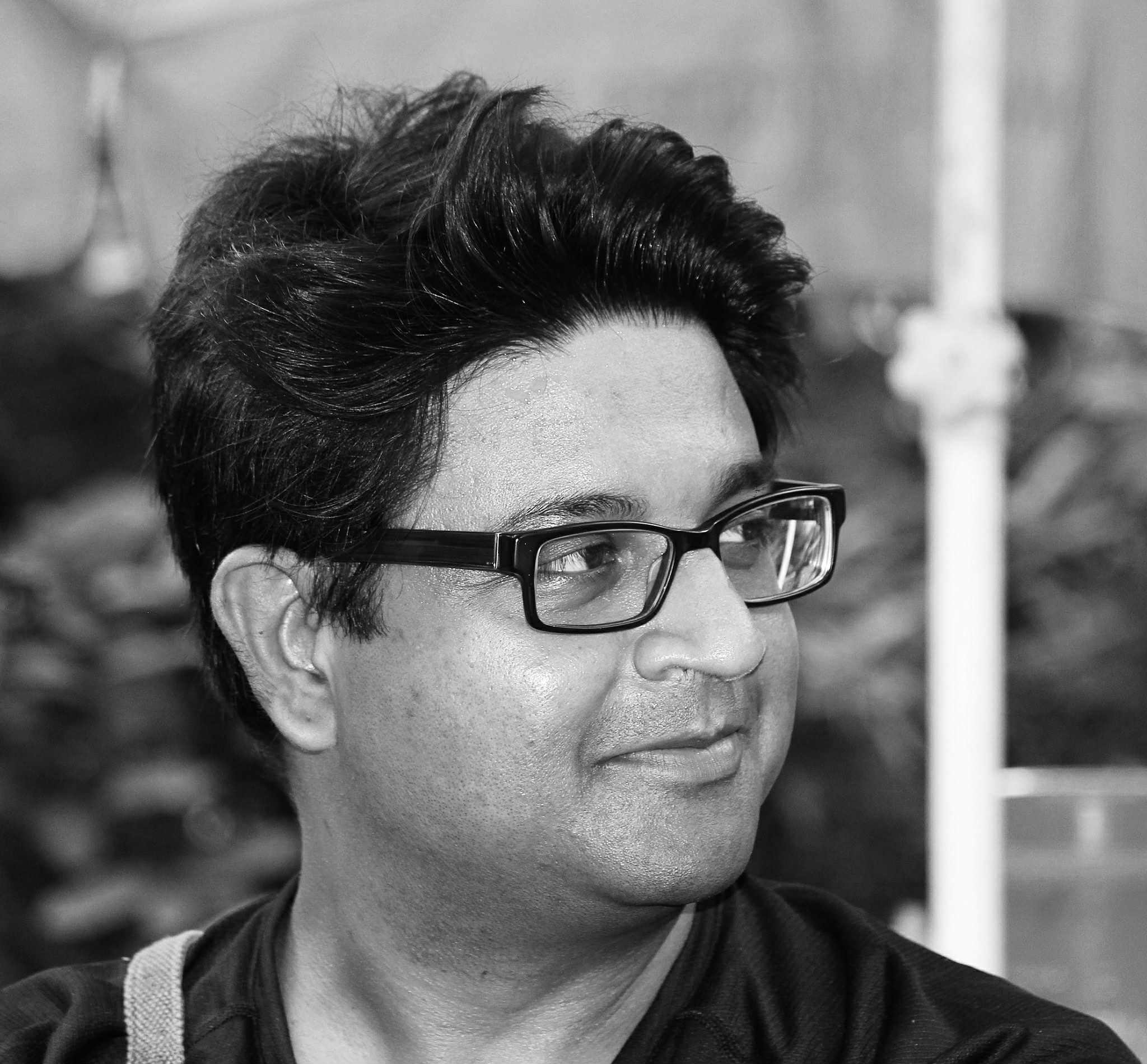
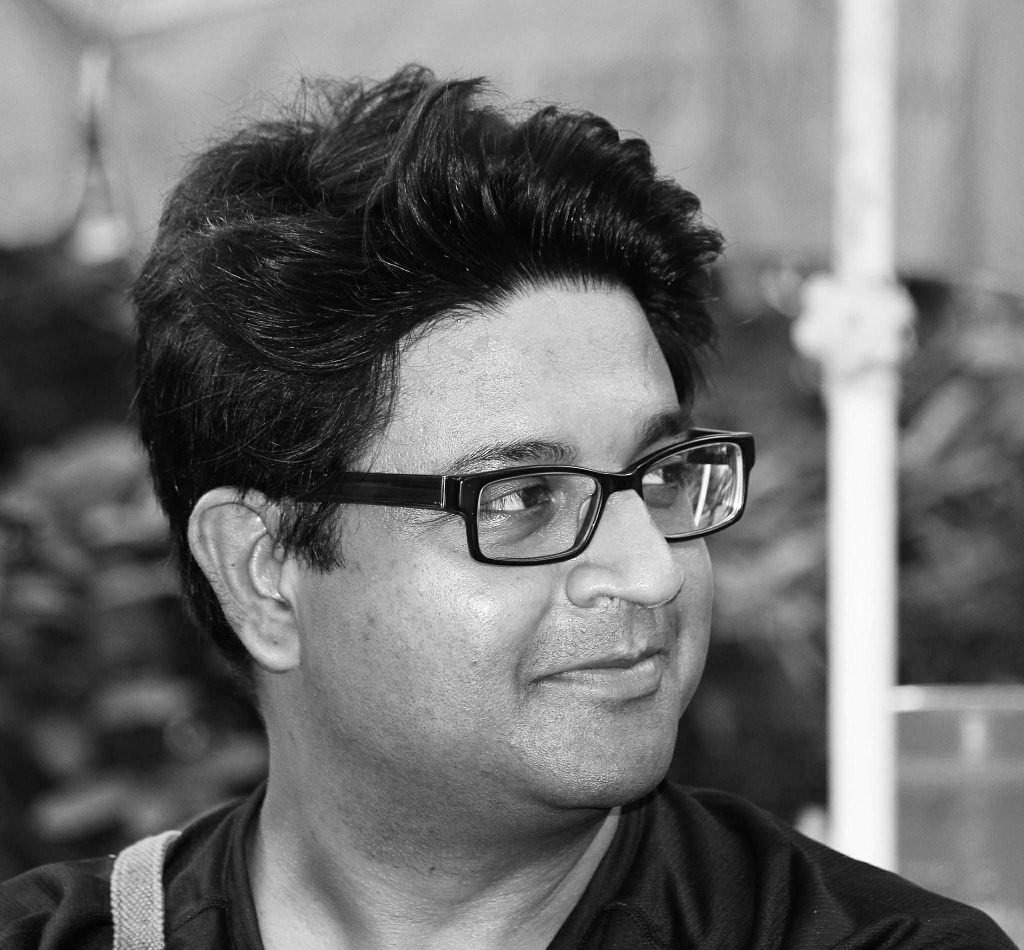
Who is Indrajit Das?
I am Indrajit Das — an independent filmmaker, photographer, heritage and travel blogger, and lifelong learner from Kolkata, India, currently living and working in Australia.
My creative path didn’t begin with formal training or access to big studios. It began with a simple camera, a deep curiosity, and a quiet urge to observe the forgotten corners of life. Over the years, I’ve made films like Akhrot and Fag End, which reflect my exploration of human emotion — often portraying the subtle pain and fleeting beauty hidden in everyday experiences.
Beyond filmmaking, I’ve been deeply committed to the free knowledge movement. I’ve contributed extensively to Wikipedia and Wikimedia projects, including organizing community outreach events and photographing historical monuments — trying, in my own small way, to preserve stories that might otherwise be lost. I’ve also written articles for various Bengali little magazines, focusing on heritage and travel.
In everything I do — whether through cinema, photography, or writing — I try to document life with sincerity. I believe in storytelling not as performance, but as remembrance.
Do you remember the exact moment you fell in love with cinema?
It’s hard to pinpoint a single moment, but I believe the seeds were sown in my childhood. My mother had a deep love for music and cinema, and my father was passionate about amateur photography. Looking back, it’s possible that I inherited both the sensitivity of storytelling and the visual curiosity from them.
During my college days, I became more consciously drawn to world cinema — watching Russian, Polish, Iranian, and Japanese films. I was fascinated by how filmmakers from different cultures expressed silence, sorrow, or resistance with such unique language and restraint.
But it was Krzysztof Kieślowski’s Amator (Camera Buff) that truly moved something within me. That film didn’t just inspire me — it gave me a sense of permission, like I too could pick up a camera and try. That was the turning point. I started experimenting with my small 8mm video camera, making films simply because I felt compelled to.
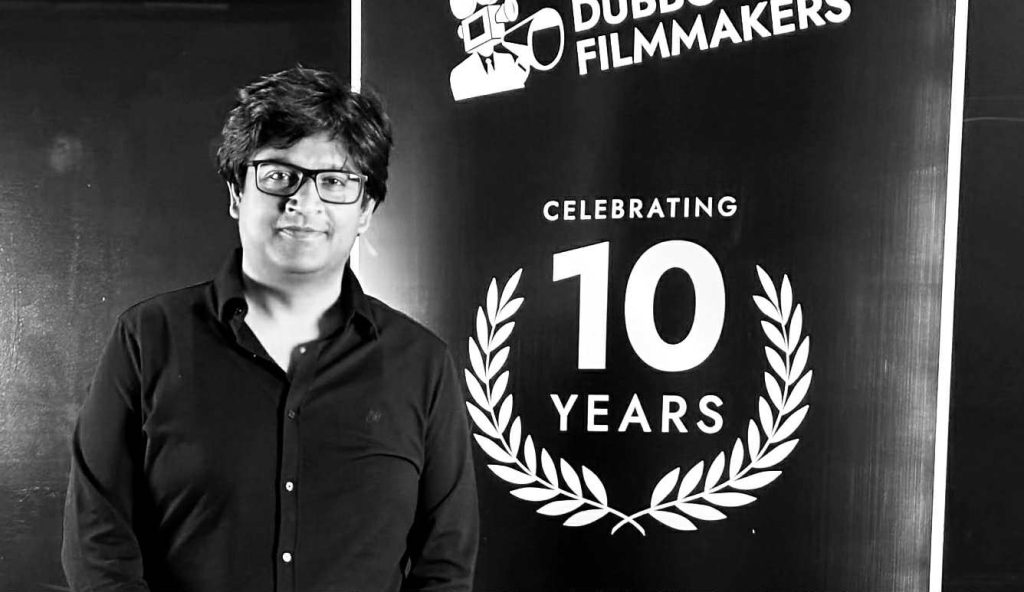
Tell us about your project “Fag End”
Fag End: Story of a Smokey Womb is a deeply personal and metaphorical journey into the silent devastation of addiction and the fragile hope of motherhood.
At its core, the film follows Tania — a woman wrapped in layers of cigarette smoke, alcohol haze, and the haunting echoes of past choices. Her story unfolds not in loud dramatics, but in quiet despair, as she dares to dream of rebirth through IVF. Based on a true story, this narrative stirred something deep within me — the kind of truth that demanded to be told with restraint, respect, and rawness.
Tania’s path is riddled with inner conflict. Her pursuit of motherhood is a form of redemption — an attempt to reclaim her body, her choices, her future. But the scars of addiction are not just physical. They cling to memory, to guilt, to grief. When she momentarily relapses, the consequences are devastating — a miscarriage that leaves her standing at the edge of emotional ruin.
The title Fag End itself is a metaphor — not just for the literal end of a cigarette, but for the frayed edges of life, the burnt-out remains of hope, and the quiet dignity of those who continue despite the ashes.
With very limited resources and a handful of passionate collaborators, I set out to translate this deeply internal story into a visual language — one that leans into silence, minimalism, and emotional realism. It was more than just a project — it was a quiet commitment to honesty, to nuance, and to portraying the often-overlooked emotional interior of someone surviving on the edge.
The film doesn’t preach. It reflects the resilience of the human spirit and the complexity of redemption. Fag End is now streaming on CPICS.TV.
Which Director inspires you the most?
There are many filmmakers whose work has shaped the way I see cinema — but Krzysztof Kieślowski remains closest to my heart.
His films taught me that silence can be as powerful as dialogue, and that cinema doesn’t always need to show — it can suggest, whisper, and reflect. Amator (Camera Buff), in particular, felt like a personal awakening. It didn’t just inspire me to make films — it gave me permission to be vulnerable through the camera.
Alongside Kieślowski, I deeply admire directors like Mohsen Makhmalbaf, Majid Majidi, and Andrei Tarkovsky, whose works explore inner worlds and spiritual questions with poetic realism. Akira Kurosawa’s humanism and mastery of form, Ingmar Bergman’s emotional intensity, and Ritwik Ghatak’s raw expression of partition and pain — all have left lasting impressions on me.
I also love the bold visual storytelling of Aleksandr Petrov, the narrative tension of Alfred Hitchcock, and the profound humanity of Charlie Chaplin, whose silent films still move me deeply.
Each of these filmmakers reminds me that cinema is not just entertainment — it is empathy, memory, and philosophy in motion. I don’t try to imitate them, but I do carry their spirit into my own quiet attempts at storytelling.
What do you dislike about the world and what would you change?
I believe the world, in its essence, is beautiful.
The rhythm of waves, the hum of forests, the laughter of children, the quiet dignity of everyday people — these are not illusions. They’re real, and they remind us what’s worth preserving.
What disturbs me deeply, even in an age when we call ourselves “civilised,” is that wars are still waged — not only with guns, but with greed, ego, and systematic indifference. The pursuit of unchecked control often overshadows empathy, and that has led humanity down dark alleys of destruction. The scars of war, the erosion of nature, the discrimination that poisons minds and divides hearts — these aren’t just political failures; they’re failures of imagination, of compassion.
Hunger still exists in a world of excess. Inequality widens. I want equality for every human being — regardless of caste, creed, colour, class, or identity. Equality is not a utopia, it’s a basic need. A more just, compassionate world is possible only when dignity isn’t a privilege, but a right shared by all.
If I could change anything, I’d start by rekindling the soul of empathy — where leadership is about care, not control. A world where we pause to understand, not just react. A world where kindness isn’t revolutionary, but routine.
John Lennon’s song “Imagine” has always haunted and inspired me. Especially the line:
“Imagine all the people / Living life in peace…”
It’s more than an anthem. It’s a mirror. It’s the will to imagine better.
And as he sang:
“You may say I’m a dreamer, but I’m not the only one.”
I carry that line not just in my mind, but in the way I choose to make films, tell stories, and exist. Because to imagine is the first act of building a different world.
How do you imagine cinema in 100 years?
I have always believed that art — in any form — holds up a mirror to society. And among all art forms, cinema is one of the most powerful and democratic. It doesn’t just entertain; it influences, documents, and inspires. It reaches people across boundaries of language, class, and geography.
In the next 100 years, I imagine cinema will evolve in astonishing ways — through immersive technologies, virtual storytelling spaces, and even AI-driven narratives. But beyond technological leaps, I hope cinema continues to challenge conventions, open hearts, and ask difficult questions. In my view, art must remain a tool of reflection and transformation.
I believe cinema will become more open, more inclusive, and braver in its thinking. The audio-visual medium will continue to shape public imagination, and its responsibility as a mirror to society will grow even stronger.
What is your impression of WILD FILMMAKER?
Wild Filmmaker has carved out a unique space in the global arthouse community — one that feels genuinely inclusive and open to voices from across the world. In an industry that often feels dominated by gatekeepers and commercial metrics, Wild Filmmaker provides a refreshing alternative — a space where sincerity, independent thought, and experimental vision are truly celebrated.
I deeply appreciate how the platform amplifies lesser-known voices, especially from regions and cultures that are often underrepresented in global cinema discussions.
To be featured here is a privilege. It affirms that even modestly made; emotionally honest films have their place in the global conversation. Wild Filmmaker doesn’t just honour cinema — it honours the spirit of those who dare to make it, against all odds.