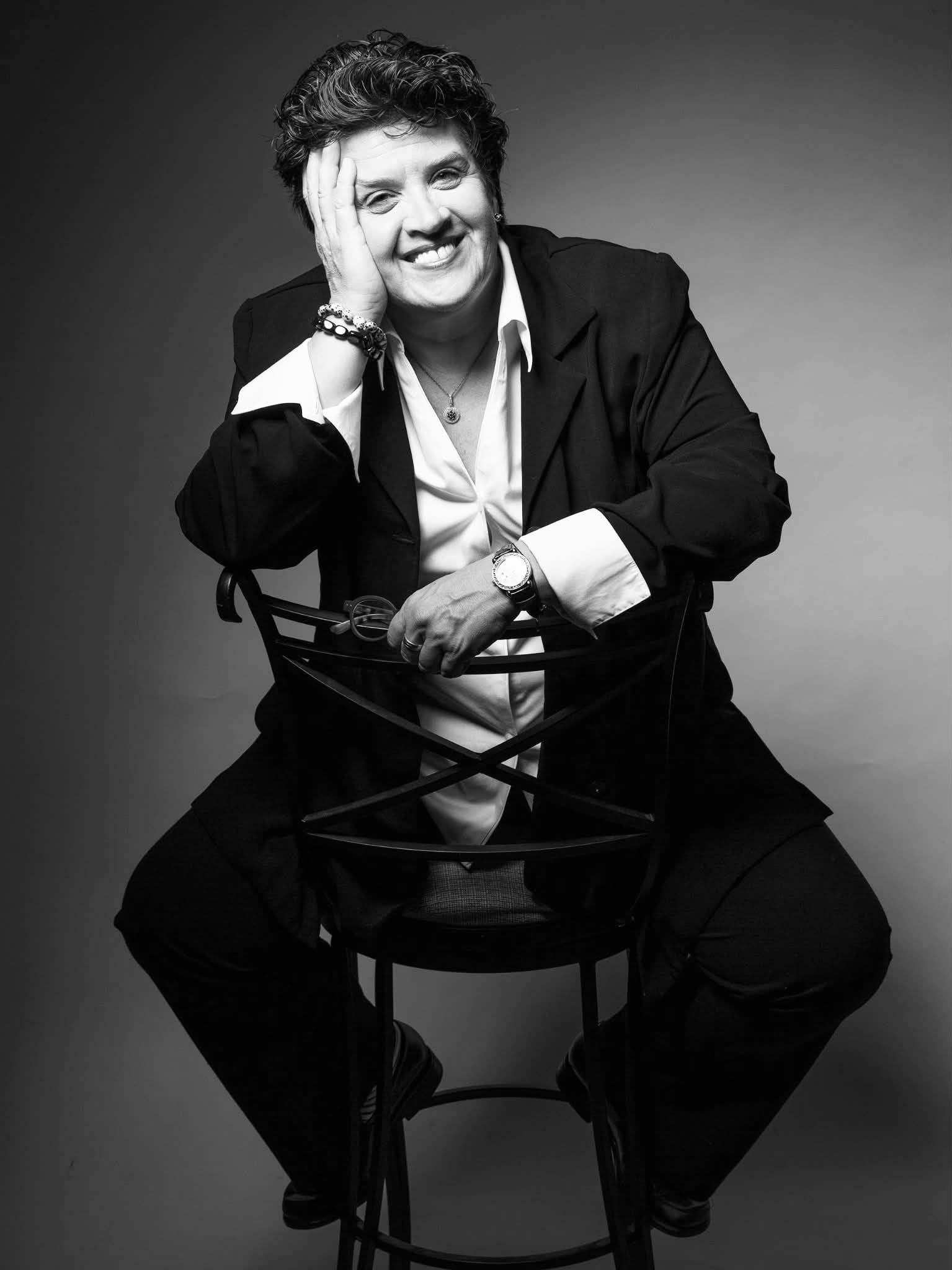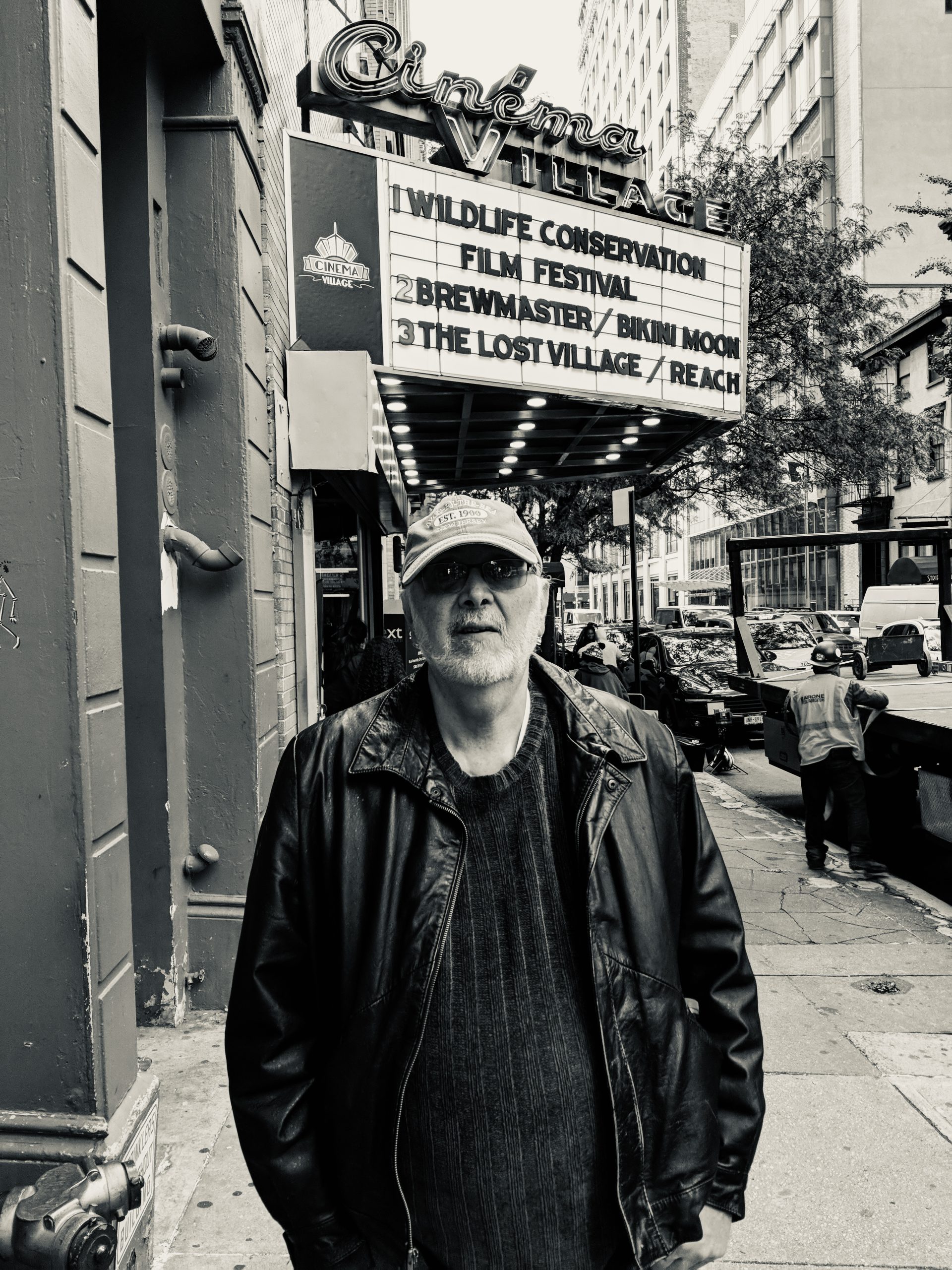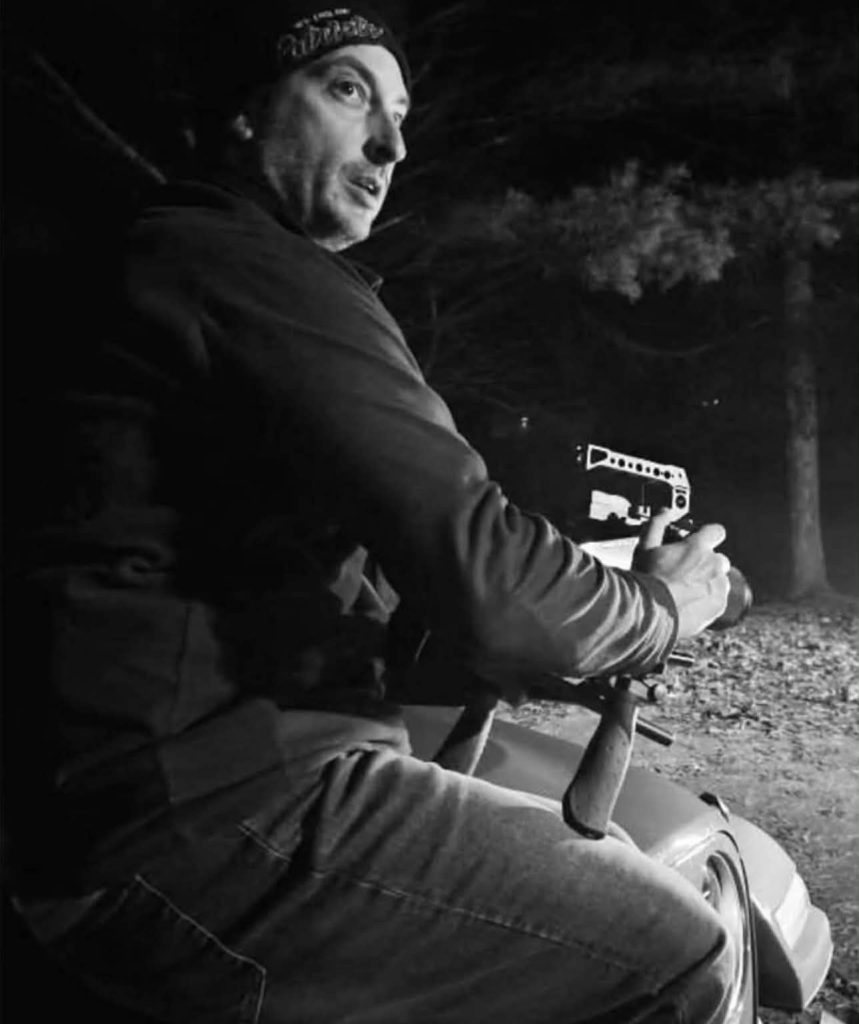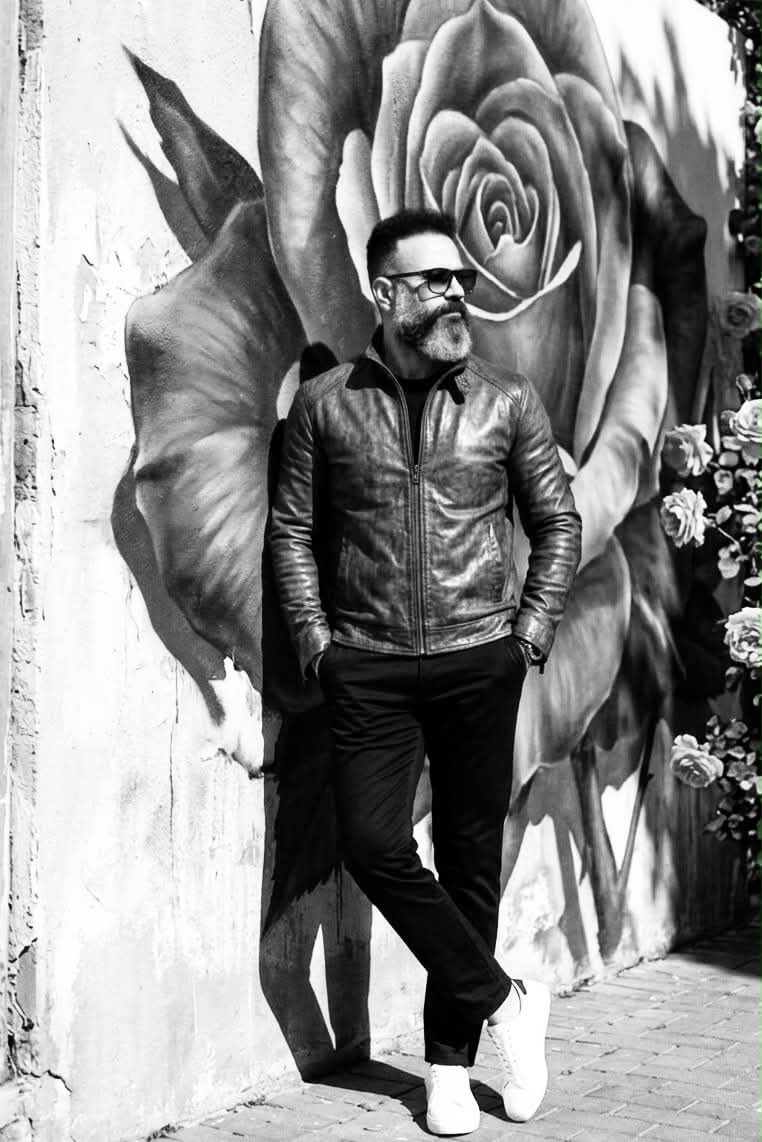
I am an artist, designer with 15+ years of experience building digital experiences, visual brands, and cinematic storytelling. I have worked with small boutique shops, to entertainment companies, to large global corporations.
From enterprise UX and motion design, logo design, to my award-winning feature-length documentary film (A Father’s Day on Amazon Prime), I blend creativity with strategy to deliver what engages and inspires.
-Do you remember the exact moment you fell in love with cinema?
I would have to say, I first fell in love with cinema when I watched a movie titled, “Sharky’s Machine” starring Burt Reynolds. It wasn’t a huge blockbuster movie at that time. (I was a kid in middle school when it came out.) But, there is a scene in the movie where the bad guy falls from the window of a high rise building. The camera stayed on the stuntman almost all the way down to the ground. As a kid I thought, “Wow, I would like to be involved in making something like that!”
-Tell us about your project “Why We Create. The Art of Being Human”.
“Why We Create. The Art of Being Human” is a visually rich, emotionally resonant video that explores why art, music, and creativity are not luxuries—but necessities in any functioning society.
The goal: to remind people that art is not “extra,” it’s essential to our identity, empathy, memory, history and evolution.
-Which Director inspires you the most?
There are a few, but I would say Spike Lee. The subject matter of the films that he produces and directs, plus his signature ‘character on a dolly’ move while the camera follows is world class art!
-What do you dislike about the world and what would you change?
I dislike the lack of truth and authenticity right now. I’m encouraged however, by the belief that truth and authenticity still matter, even in a time when it can be easy to hide behind screens and present a false version of oneself. No matter the disguise, honesty has a quiet strength—it always finds a way to surface and be seen.
-How do you imagine cinema in 100 years?
I imagine that 100 years from now, cinema will still be thriving sustained by the foundations we, as creatives, are building today, and by those who came before us. Knowledge will be shared through mentorship and teaching, empowering those eager to learn. From there, new generations will discover their own voices through hands-on experience, passing their insights forward in an ever-evolving cycle. In this way, cinema can continue to grow while preserving its artistic integrity.
-What is your impression of WILD FILMMAKER?
My impression of WILD FILMMAKER is that it is, or will be, a hub of all things film. A database of filmmakers and their films, up and coming projects by filmmakers. And a whos-who of award recipients and their projects.
I am a South American director, screenwriter, and producer. I have been working in audiovisual production for twenty years, specifically in central Brazil. My filmography includes short films, feature films, and series, covering both fiction and documentaries. My most recent works are the feature film ‘Do Sul a Vingança’ (From The South, The Revenge) and the documentary series ‘Mitos Vivos’ (Living Miths).
I seek inspiration in the popular culture of central South America, a convergence of cultures from Brazil, Paraguay, Argentina, and Bolivia. I believe this macro-region is rich in stories yet to be told in cinema: from the conflicts arising from the encounter between Europeans and indigenous peoples, through the War of the Triple Alliance, to the present day with the disputes between drug trafficking factions in Latin America. I value our mixed heritage and the wisdom of the popular imagination to address social themes.
-Do you remember the exact moment you fell in love with cinema?
I remember two defining moments. The first was at age 5, when I watched ‘Star Wars’ with my father. It was a dubbed version, and at the time I understood very little of the plot, but the love for going to the cinema never left me.
The second, and decisive moment, happened when I was already 37. I produced a short documentary about Fort Coimbra, located in the Brazilian Pantanal. When screening the film for the local community, I realized how meaningful it was for them. People saw their own stories on the screen and showed an emotion I had never witnessed before. From that moment on, I decided I would never stop seeking out these stories to share them with the world through cinema.
-Tell us about your project “Mitos Vivos (Living Miths)”.
Mitos Vivos’ was inspired by the oral tradition of my childhood, when I witnessed the hypnotic power of legends told by my grandparents. As I deepened my research years later, I sought to understand the social function of these narratives.
I discovered that these fantastic tales are tools of popular wisdom used to process reality. They serve as mirrors of real conflicts, addressing themes such as racism, religious intolerance, and machismo. I also observed an interesting fact among indigenous peoples: the use of myth as an agent of environmental preservation. The project explores how a society synthesizes its sorrows and joys through folklore and demonstrates how external factors — such as the economy, migratory flows, and the environment — play a decisive role in shaping the unique cultural identity of each people in our region.
-Which Director inspires you the most?
I greatly admire the work of my compatriot Fernando Meirelles. What inspires me most in his work is the social realism, a visceral approach that, at times, adopts an almost documentary aesthetic. This ability to bring the truth of the streets into fiction is something I always strive to observe.
-What do you dislike about the world and what would you change?
What troubles me most is the resistance to accepting the facts. Despite all the scientific evidence regarding how certain human activities destroy our planet, these practices persist, almost always generating profit for the few at the expense of the many.
What I would change is our relationship with energy. I believe the transition to sustainable energy sources is urgent, but it must be carried out with a focus on collective benefits and the preservation of life, not merely for economic interest.
-How do you imagine cinema in 100 years?
From a technological standpoint, it is difficult to imagine what the cinematic experience will look like a century from now. However, from the perspective of art, I believe cinema will always hold a prominent place. It will remain essential, both as a powerful social mirror and because it fulfills the intrinsic human habit of being moved by good stories on screen.
-What is your impression of WILD FILMMAKER?
I have a great impression. Wild Filmmaker plays a crucial role in creating a global network for independent cinema, far from the constraints of the commercial circuit. I greatly value the focus on authenticity and experimentation. These qualities are vital for the survival of cinema as an art form, in a time when the mass industry tends to stifle authorial creativity.
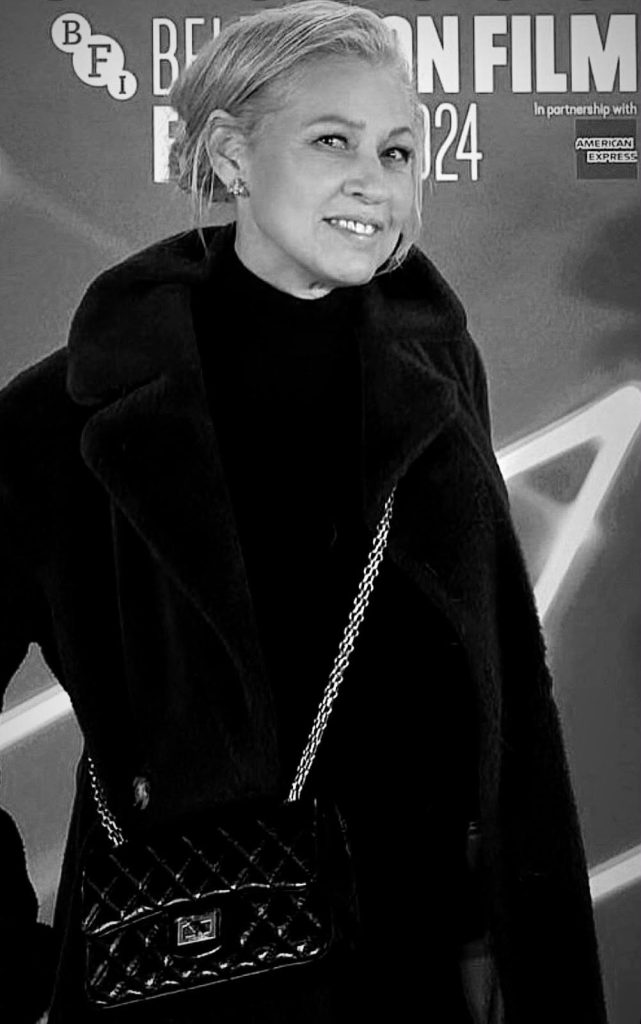
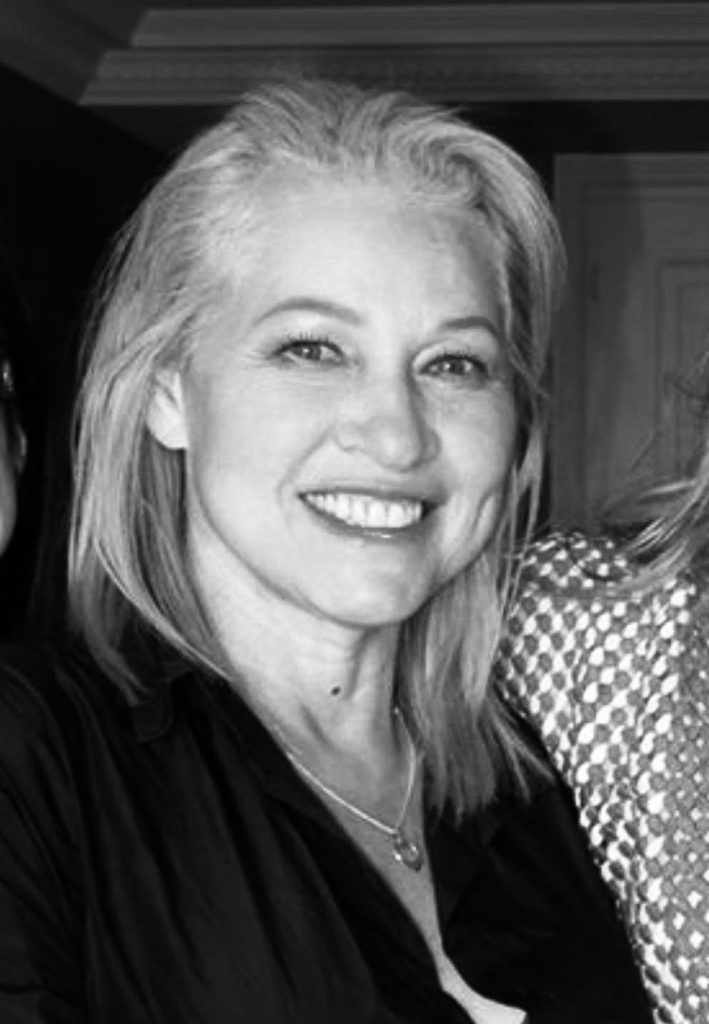
Mysti Cozart Smith is a storyteller at heart—writer, director, producer, and composer—who believes cinema should leave a mark on the soul, not just the screen. I create character-driven stories rooted in emotion, faith, longing, and human connection. My work lives in the space between intimacy and scale—small towns, quiet moments, unresolved tensions, and the unseen spiritual undercurrents that guide our lives.
I come from a background in music and storytelling, and that rhythm deeply influences how I approach film. For me, cinema isn’t about spectacle—it’s about resonance. I’m drawn to stories that stay with you long after the credits roll, stories that ask the viewer to feel, reflect, and remember.
Do you remember the exact moment you fell in love with cinema?
Yes—very clearly.
It wasn’t a single film, but a realization: that cinema could say what people often don’t know how to articulate. I remember watching a quiet, emotionally driven scene where nothing “big” happened on screen—yet everything changed internally. I remember thinking, this is language without words.
That moment taught me that cinema could hold grief, hope, faith, and love all at once. From then on, I didn’t just watch films—I studied how they made me feel. That’s when cinema became more than entertainment; it became vocation.
Tell us about your project “Love Comes Home To Holly”.
Love Comes Home To Holly is a faith-forward romantic drama set in a small town during the Christmas season—but at its core, it’s about reconciliation, healing, and the courage to come home to who you really are.
The story follows a woman who returns to her hometown carrying both success and regret, only to confront unresolved relationships, buried faith, and a love she never knew she needed. What makes the film unique is its emotional honesty—it doesn’t rush redemption or romance. It allows space for silence, struggle, and grace.
The film is deeply personal to me. It explores the idea that love doesn’t always arrive loudly—sometimes it waits patiently for us to be ready. It also quietly challenges the industry by blending faith and cinema in a way that is accessible, human, and emotionally grounded rather than didactic.
A teaser and full trailer are currently in post-production, alongside a cinematic music video featuring an original song written for the film—designed to extend the emotional world of the story beyond the screen and into music.
Which director inspires you the most?
I’m inspired by directors who trust restraint and subtext—those who understand that what’s not said can be more powerful than dialogue.
Terrence Malick has deeply influenced me in terms of visual poetry and spiritual inquiry. I’m also inspired by filmmakers who honor character above trend, and who aren’t afraid of stillness, silence, or moral questions. I admire directors who create space for contemplation rather than spectacle—who let the audience meet the film halfway.
What do you dislike about the world and what would you change?
I dislike how rushed everything has become—how quickly we consume stories without sitting with them. We scroll past pain, faith, and beauty as if they’re disposable. I believe we’ve lost patience with depth.
If I could change anything, it would be our willingness to listen—to each other and to ourselves. Cinema has the power to slow us down, to re-humanize us. I want my work to invite reflection rather than distraction, empathy rather than outrage.
How do you imagine cinema in 100 years?
Technologically, cinema will evolve beyond anything we can currently imagine—but emotionally, I believe it will circle back to its roots.
In 100 years, the films that endure won’t be the ones with the most advanced tools, but the ones that tell timeless truths. Story will always matter. Human longing will always matter. Faith, doubt, love, loss—these themes will never expire.
I believe cinema’s future lies in authenticity. Audiences will crave meaning again. And filmmakers who tell honest, courageous stories will always find their place.
What is your impression of WILD FILMMAKER?
WILD FILMMAKER feels like a necessary voice in today’s cinematic landscape.
It champions independent creators who aren’t afraid to be bold, thoughtful, and unconventional. It celebrates arthouse cinema not as a trend, but as a philosophy—one rooted in artistic integrity and creative freedom. I admire its commitment to giving space to filmmakers who challenge norms and tell stories from the margins.
To be included in this community is an honor. It reminds me that cinema is still wild, still brave, and still capable of truth.
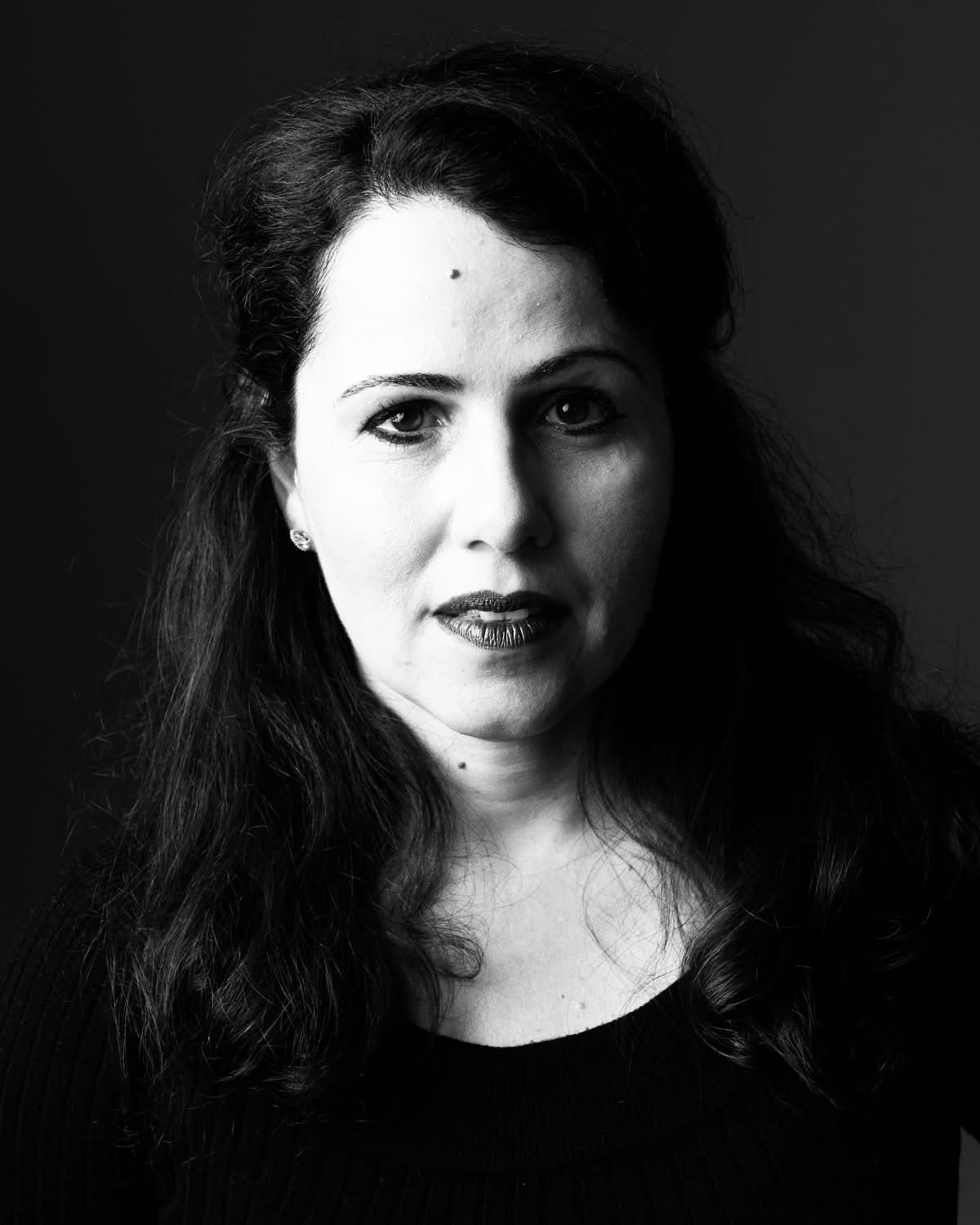
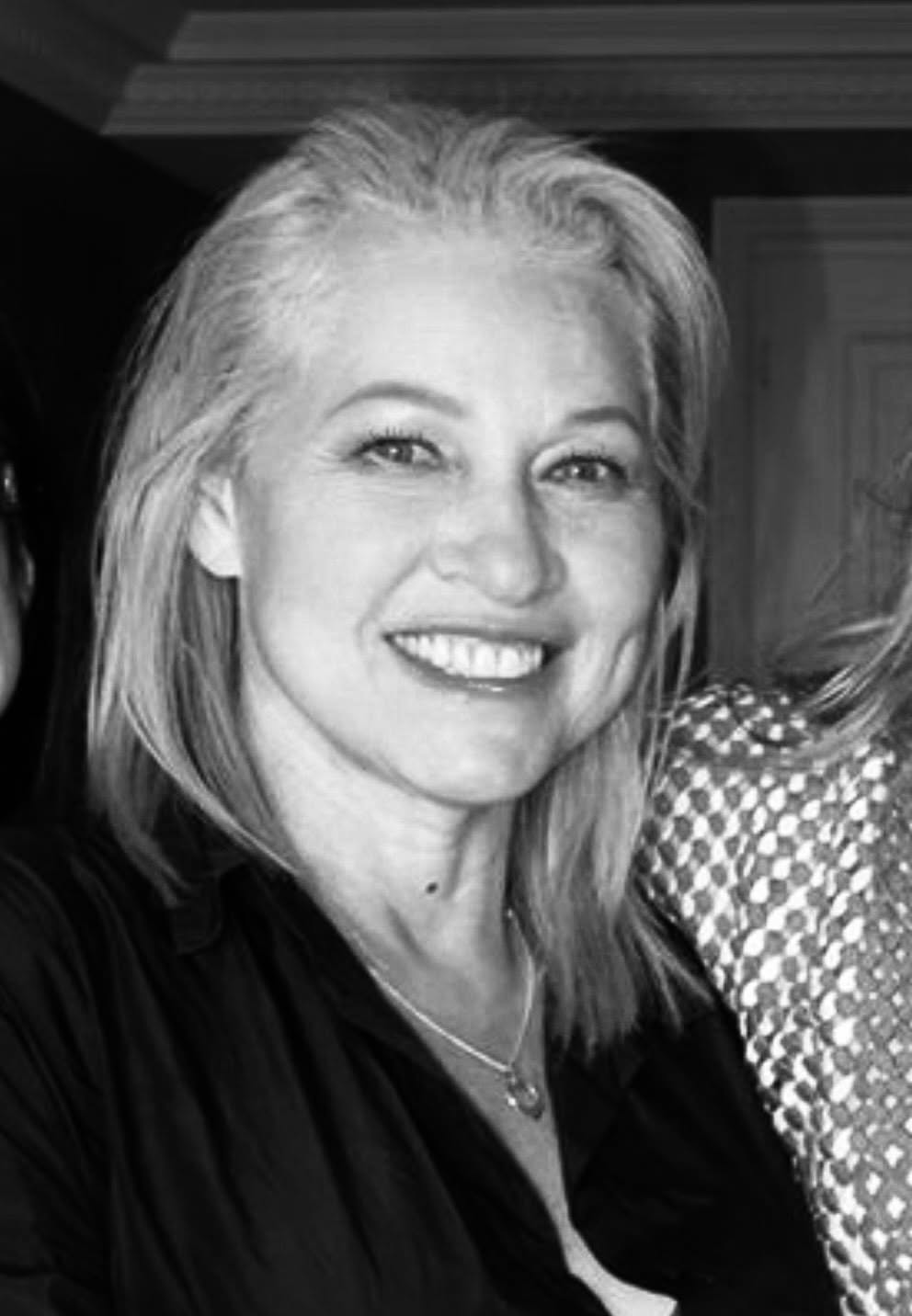
I am a woman who loves to create! I enjoy writing and soon filming subjects that give people food for thought, a new perspective and maybe a new way to view topics.
Do you remember the exact moment you fell in love with cinema?
Yes, I actually do. We were at my Aunt June’s house for my cousin’s birthday. After the party we settled in to watch The Wizard of Oz. I was mesmerized! Oh, that Wicked Witch and poor Dorothy and Toto with her friends, Lion, Scarecrow and Tinman off to see the Wizard.
Tell us about your project “The Enforcers”.
The Enforcers is about enforcers for loan sharks. Quiet and loyal, he does the loan shark’s bidding without question. Sometimes it just takes a nod of the head, and it is done. A woman who deals with a comatose son and his ever-rising medical costs goes to a loan shark she knows from her husband’s dealings with the shark. There are things happening behind the scenes she doesn’t know about and causes the situation to spiral out of control.
Which Director inspires you the most?
Hands down Alfred Hitchcock inspires me the most. I always looked forward to his movies and especially his tv show. I love to give my plots that Hitchcockian twist.
What do you dislike about the world and what would you change?
I dislike the obsession people have with their cellphones. Social etiquette and interaction have slowly fallen to the wayside. Many of the younger generation in general don’t have the necessary social skills and can’t seem to function without a cellphone in their hands. They have FOMO and need to constantly check social media and messages.
How do you imagine cinema in 100 years?
Looking back over the decades of how much cinema has changed is mind blowing. We started with black and white silent movies with little to no special effects to amazing films, series and effects like in Star Wars, The Matrix, Terminator, The Lord of the Rings and so on.
I see special effects and clarity of images/films continue to evolve. I don’t see AI becoming mainstream but rather a different niche in the market. I think the techies will continue to try to implement its usage and it will become their genre.
What is your impression of WILD FILMMAKER?
I love WILD FILMMAKER! They notice those that go beyond the ordinary and strive for excellence. I see WF continue to grow and become a household word much like Sundance and the Academy Awards. I will continue to participate with WF and cheer my fellow competitors to greatness.
David B. Williamson is an American screenwriter and psychological storyteller whose work explores trauma, identity, obsession, and emotional invisibility in the modern world. I grew up in an environment marked by instability and abuse. My father was violent, emotionally unpredictable, and deeply troubled. That trauma shaped my early understanding of the world—how silence can feel safer than truth, and how fear can live inside a home without ever being named. Years later, my father took his own life. That loss, and everything surrounding it, remains a defining undercurrent in my work. For a long time, I stepped away from filmmaking entirely to raise my family and survive emotionally. When I returned to writing, it wasn’t to chase industry trends —it was to make sense of experiences that don’t easily fit into neat narratives. My work now focuses on the unseen psychological systems that govern how people attach, dissociate, and search for connection. Cinema became the place where I could finally articulate what had been unspeakable.
Do you remember the moment you fell in love with cinema?
Cinema found me before I understood it. As a child, movies weren’t entertainment—they were shelter. In a household defined by volatility, film offered a space where emotion had structure and meaning. Even when stories were dark, they felt contained. They ended. They resolved in ways real life often did not. One of my earliest and most formative obsessions was Michael Jackson. I didn’t just love his music—I loved the worldaround it. What truly changed me wasn’t only the Thriller video itself, but the “Making of Thriller” VHS. I wore that tape out from watching it over and over again. I was fascinated not just by what I was seeing, but how it was made—how fear, performance, makeup, music, and storytelling combined to create something that felt both terrifying and beautiful. Thriller was directed by John Landis, who had also made An American Werewolf in London—a film that balanced horror, humor, and humanity in a way that felt electric to me, even as a child. That connection clicked instinctively. I realized that horror wasn’t just about monsters—it was about transformation, dread, and the fragile line between who we are and who we become. That was the moment cinema truly opened itself to me. Not as spectacle, but as craft. Watching the behind-the-scenes process taught me that fear could be designed thoughtfully, that emotion could be engineered with intention, and that storytelling was a language with rules you could learn—and then bend. Later, I understood that I wasn’t drawn to cinema because it was escapist, but because it was honest. Films allowed me to observe human behavior safely—to study fear, love, obsession, and survival from a distance. Horror, in particular, gave shape to emotions that were otherwise unnameable. Cinema didn’t save me—but it gave me language. And language is how healing begins.
Tell us about your project “Pretty Little Lucy”.
Pretty Little Lucy began as something deeply personal, but it quickly revealed itself to be something larger—a cautionary tale shaped by a cultural moment we’re still struggling to understand. The film is a psychological drama inspired by a real-life catfishing incident that unfolded over fifteen days and profoundly destabilized my sense of reality.
But rather than dramatizing the mechanics of the scam itself, the story focuses on the internal fallout—the emotional and psychological spiral that occurs when loneliness, unresolved trauma, and digital intimacy collide. At the time this was happening to me, I was also reading story after story about people who had been emotionally manipulated online—romance scams, long-term catfishing operations, and cases where victims were psychologically exploited to the point of financial ruin, public shame, or suicide. What struck me most was how often the aftermath was framed in terms of embarrassment rather than injury. There is a kind of emotional violence in these deceptions—an erosion of trust and selfhood—that rarely receives the language it deserves. In many ways, Pretty Little Lucy became my response to that pain. As a survivor of my father taking his own life, stories of people dying under the weight of shame and isolation are not abstract to me. They’re personal. Loss doesn’t stay contained to one event—it echoes. It reshapes how you recognize suffering in others. Watching victims of digital exploitation be dismissed, ridiculed, or reduced to cautionary headlines felt unbearably familiar. I knew what it meant for pain to go unseen until it was too late. The film explores how fantasy can become indistinguishable from truth when emotional needs go unmet—and how modern platforms and algorithms can quietly amplify vulnerability rather than protect against it. It asks uncomfortable questions about consent, emotional dependency, and what happens when someone finally feels seen in a world that has otherwise ignored them. What makes Pretty Little Lucy unusual is that it exists not only as a screenplay or future film, but as a documented transmedia phenomenon. The story gained visibility organically while it was still forming, becoming part of a real-time conversation about identity, deception, and psychological manipulation in the digital age. In a sense, the medium mirrored the message. At its core, the film isn’t about celebrity or scandal. It’s about the human cost of emotional isolation—and how devastating it can be when connection feels real, meaningful, and finally validating… only to collapse. Pretty Little Lucy doesn’t aim to shame victims or sensationalize deception. It’s an attempt to slow the conversation down long enough to replace judgment with understanding—and to remind us that behind every screen is a nervous system, a history, and a fragile need to be seen.
Which director inspires you the most?
David Fincher. Fincher’s work understands that dread doesn’t announce itself—it accumulates. His attention to detail, his patience with silence, and his trust in psychological tension rather than spectacle are rare. If Pretty Little Lucy were ever to be directed by someone else, Fincher would be my dream collaborator. His ability to translate internal collapse into visual language—to make obsession feel methodical rather than chaotic—is something I deeply admire and strive toward in my writing. Slow-burn dread is not easy to execute honestly. Fincher understands that the smallest moments often carry the most weight.
What do you dislike about the world, and what would you change?
I dislike how quickly pain is judged instead of understood. We live in a culture that demands explanations before offering empathy. Vulnerability is often misread as weakness—especially in digital spaces where nuance collapses and people are reduced to moments rather than contexts. Someone’s worst behavior becomes their entire identity, and the long chain of causes that led there is ignored. Over the years, I’ve been deeply affected by high-profile tragedies involving families who, from the outside, appeared successful, stable, even privileged—yet were quietly unraveling from within. In some cases, the violence didn’t come from strangers, but from children raised inside cycles of unaddressed trauma.
When those stories break, the public reaction is often outrage or disbelief, but rarely curiosity about how pain metastasizes when it goes untreated. That question has followed me into my own life and work. Working as a pharmacy technician, I’ve witnessed unnerving, intimate moments of human need—addiction stripped of metaphor. I’ve seen how dependency isn’t just chemical, but emotional and psychological. Many people aren’t chasing a high; they’re chasing relief from something unnamed. When personal needs go unmet long enough, they don’t disappear—they distort. Pain internalized over years often resurfaces as control, manipulation, or emotional numbness. In extreme cases, it can resemble sociopathy, not because someone was born monstrous, but because they were never taught how to process suffering safely. What troubles me most is how rarely we connect these dots. If I could change anything, it would be how we respond when someone admits they’re struggling—or when their behavior signals that they already are. I would slow the reflex to condemn and replace it with a willingness to listen longer than feels comfortable. This is why storytelling matters to me. Cinema, at its best, doesn’t excuse harm—but it contextualizes it. It allows us to sit inside discomfort long enough to understand cause and consequence without rushing to verdict. It creates space for empathy without erasing accountability. I believe film can slow the world down just enough to let compassion re-enter the conversation. And in a time when attention spans are shrinking and outrage travels faster than understanding, that slowdown might be one of the most radical acts we have left.
How do you imagine cinema in 100 years?
Cinema will become more interactive, more personal, and more psychologically intimate. Technology will evolve, but the need for emotional truth will remain constant. I believe future cinema will blur boundaries between audience and narrative—allowing viewers not just to watch stories, but to emotionally engage with them in more personalized ways. The films that endure will be those that understand human psychology deeply. No matter how advanced media becomes, stories that speak honestly to fear, longing, and identity will always find an audience.
What is your impression of WILD FILMMAKER?
WILD FILMMAKER represents something increasingly rare: space. It values voice over volume and intention over trend. In a media landscape driven by speed, WILD FILMMAKER allows cinema to breathe—to be examined thoughtfully rather than consumed quickly. That commitment to arthouse storytelling, emotional intelligence, and artistic risk is essential. It’s the kind of platform that understands cinema not as content, but as cultural memory.
At the heart of me, I really am an actor. I also write and direct but acting is my passion. I’ve always said that actors live in their own world. Actors get each other. As an actor, I have always been a sensitive, passionate person. Even as a kid, I felt things very deeply. I would watch a film and then lock myself in my room and act out all the parts with my action figures.
–Do you remember the exact moment you fell in love with cinema?
Yes. I was a little boy and I had seen both “Jaws” and “Jaws 2” on the big screen. I was completely mesmerized by every shot, every action and character. I remember the opening where Susan Backlinie who played the beautiful blonde Chrissie, decides to take the plunge and go for a midnight swim. Everything about this scene was movie magic to me – the photography, the lighting, the way she treads water completely unaware of the danger she is in. And then she is taken by an unseen shark. Wow, what a way to start a movie.
–Tell us about your project “Tightly Bound”.
This is a very intense film about domestic abuse that involves a husband and wife. I grew up playing a lot of all American good guys in independent films and theater. This was very different. I knew that my character was the antagonist (villain) but I didn’t want him to be one dimensional. So, I added layers to make sure you could see the cracks in his armor. Even with the most deplorable people, you can find a human being somewhere inside them. This was an exhausting shoot where I had no voice left at the end. With the intensity of my character, I managed to throw my back out. That being said, I was proud of my performance since I gave it my all and a shout out to my director, Joey Marino who sets up a great environment for actors to work in.
–Which Director inspires you the most?
There are several who inspire me. Robert Redford is one. I thought Ordinary People was a masterpiece. That was the first time I think I cried in the middle of a film. It was way ahead of its time and one of the first to talk about family dysfunction. Timothy Hutton and Mary Tyler Moore in particular, gave amazing performances. Even though at times you don’t like her character, it’s in her private moments that you see she is riddled with pain and is a victim herself.
George Lucas’s American Graffiti is a great piece of cinema. It’s almost like watching a documentary on a specific time in America that doesn’t exist anymore. It is the last moment of innocence. It also launched some of the biggest names in Hollywood e.g. Ron Howard, Cindy Williams, Richard Dreyfus, Harrison Ford.
Lastly, John Carpenter had a big impact on me. Halloween, (1978) really set the bar especially since it was an independent film. The music is iconic and the simplicity of the way the story was told – two girls babysitting (Jamie Lee Curtis and Nancy Loomis) across the street from each other encounter evil. Carpenter’s use of creepy blue lighting and the mood is so effective that you always worry that the girls are in danger. Setting the film in small town suburbia was very smart.
–What do you dislike about the world and what would you change?
The threat of war and the lack of empathy and civility will destroy us all. We’re going backwards. We’re picking the bullies over the victims. I think as artists, it’s our job to provide commentary on today’s society and how we can change things.
-How do you imagine cinema in 100 years?
What I would hope for is that we go back to great storytelling. One thing that scares me is the rise of AI and CGI. If you notice, I tip my hat to films from the “70’s” which was a great decade in filmmaking. I think there’s a certain symmetry with independent films and these films. Often times today, I feel like I’m watching a video game which dilutes the characters and storyline. Where was the creative collective energy going? I hope we get back to that.
-What is your impression of WILD FILMMAKER?
I am beyond grateful for this opportunity. You are giving voice and a spotlight on a lot of artists and independent filmmakers that people might never know about. Your efforts may well save the future of cinema.
Whoever said Bach is boring? Come and find out with Bachanale, a show that blends rigor, brilliance and… tons and tons of irony. A concert? No. A music lesson? Not that either. Bachanale is a centrifugal journey into Bach’s music, an experience where the genius and complexity of the most rigorous composer in history come to life before your eyes — and ears. Amid dizzying fugues, playful sound experiments and crazy curiosities, Bachanale draws you into the most mathematical — and wild — music ever written, with guaranteed laughter and constant surprises. You don’t need any musical knowledge: just open your ears and let yourself be swept away by the rhythm, ingenuity, and irony of one of the greatest composers of all time. You’ll witness a show unlike any other: original, unconventional, and completely yawn-proof — capable of making you fall in love with his music. Throw yourself into the BACHANALE whirlwind: a musical show dedicated to Bach’s world, shaken into an explosive cocktail of MUSIC, STORYTELLING, and IRONY. The original format — already successfully presented in Italy and abroad — is entirely written and created by Maestro Mario Margiotta, who combines the role of pianist with that of music communicator. At the piano he performs Bach’s masterpieces while, at the same time, surprising, intriguing, and captivating the audience in a show that takes us back to the time and world in which Bach lived and wrote his immortal works — a music lesson as compelling as a movie.
Wednesday, January 14, 2026 | 8:30 p.m.
Teatro Ghione | Via delle Fornaci 37, Rome Duration: 90 minutes Ticket: €25
MARIO MARGIOTTA is a young and multifaceted artist from Bari who is steadily establishing himself — in the classical world and beyond — as a highly appreciated musician with one of the most original and unconventional formats around. He has created, tailor-made for himself, not just a concert, but a true musical show that blends recital and theatrical monologue, cultural storytelling and cabaret, in a performance that interweaves genres with strikingly effective and enjoyable results. Presented in numerous shows, the format has proven to be one of the most imaginative and appreciated by audiences, attracting critical attention to the point of being taken across Italy and abroad, receiving great acclaim everywhere — “a show that mixes music, cinema, theater, cabaret and education, in which Margiotta is musician, writer, director and actor… a complete showman always ready to amaze” (L’Edicola del Sud). Among his most recent performances are the commission of the musical show FelliniRota for the Italian Cultural Institute in Cairo and for the Dante Alighieri Society in Biel/Bienne (Switzerland); the shows Bachanale, Notturno con Chopin, FelliniRota, and Schumann/Carnaval, all staged at the Arena della Pace in Bari to sold-out audiences of over 700 spectators; his appearance at the prestigious Circolo dei Rozzi in Siena with Notturno con Chopin; and his participation in the renowned festival Il libro possibile in Polignano a Mare, alongside figures such as Umberto Galimberti, Walter Veltroni, and Erri De Luca. His YouTube channel, where he uploads clips from his musical shows, has now exceeded 700,000 views.
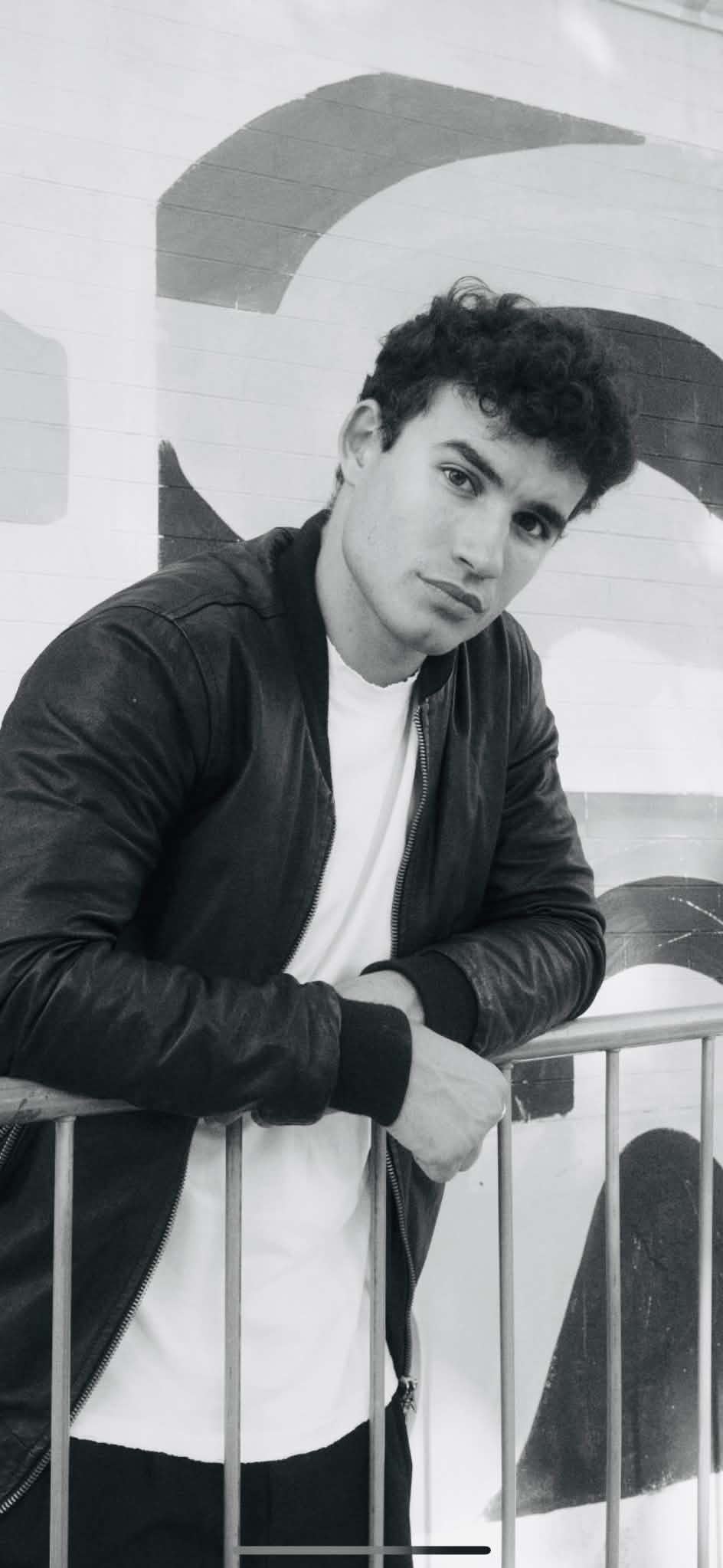
I come from an Algerian and French heritage, am twenty two years old and passionate about filmmaking but especially writing. I think the writing is the knitting of a craft whether it’s a movie, book, or video game. My favourite story told is actually a video game, Life is Strange 2, where two brothers are confronted to a terrible event that causes dramatic changes in their lives. I’ve been doing theatre ever since I was a kid and I think that’s where I got my love for writing.
-Do you remember the exact moment you fell in love with cinema?
When I saw La Grande Magie by Noémie Lvovsky, I knew theatre could propel me somewhere, but cinema was something else. It’s a love letter to both genres: the three acts, but also not a unity of time and place, it’s literally using the magic of both genres to make a magnificent musical. I don’t think I’ll ever like a film more, but I’m open to surprises.
-Tell us about your project “Tutti Frutti”.
Tutti Frutti is a reimagined version of Jacques Demy’s The Young Ladies of Rochefort, except I was frustrated with the ending… In my opinion, sisterhood or brotherhood should overcome everything. Maybe I’m too cheesy but I’d like to mention my brother who inspires me a lot in being successful and proud of yourself. My project puts Demy’s film in a modern atmosphere with addiction, isolation and strangers in a club. It’s very shiny, bright and bold, just like me. This is the project I’m most proud of so far!
-Which Director inspires you the most?
Ti West hands down. His Mia Goth trilogy is absolutely fabulous and a true homage to cinema. And the mantra as well: I will not accept a life I do not deserve—what a powerful line! It inspires me daily and I hope I’ll get the good life one day.
-What do you dislike about the world and what would you change?
At the minute, there are a lot of things I dislike: censorship, racism, sexism, oppression, genocide. It’s a very dark era we live into and I really do hope it will turn out good. Cinema lets us escape these dark themes, but they should not be forgotten.
-How do you imagine cinema in 100 years?
Sadly, I think small town cinemas will have closed and online streaming will have won. And don’t get me started on AI. I think the future is impossible to predict as things go by really fast and we don’t always have take the time to see through them properly.
I am a multi award winning animator from the UK. I have been an animator since 2018 and I love creating work of the weird, wacky and wonderful. I am also a voice actor who voices in my own projects, such as my animated show, “Herd Adventures”. I love animation as an artform rather than a genre, as I believe that animation should be for all, whether that’s a movie for a younger audience, or a show aimed at adults.
-Do you remember the exact moment you fell in love with cinema?
I fell in love with Cinema when I was just a child. I used to love getting lost in films as a kid as it would help me escape times that weren’t so pleasant. It got to the point where I would even make films and music videos with my old best friend at his house after school. It’s one of the best memories of my childhood. Granted, they weren’t very good at the time, but it has equipped me with the skills and memories that I cherish today and can use in my work currently. Cinema has always been a big part of my life; I couldn’t imagine my life without it.
-Tell us about your project “The Label Maker”.
My project “The Label Maker” was inspired by my older brother, Ben. He is a very vibrant sibling and would pull pranks on the family, from spray-painting swear words in our barbeque to putting the iron in the fridge. One day, my mum was given a label maker from her girlfriend’s sister for Christmas. My brother found it and decided to have some fun with it by plastering labels all over the house, including the tiles in the bathroom, individual pieces of coal in the scuttle and even our pets. The short film captures my reaction to his antics, discovering labels all over the house and slowly going insane whilst doing so. The Label Maker was made whilst I was living at student accomodation whilst studying for my second year at university. I made this project at the same time as another short film and my animated show, but I put a lot of effort into making The Label Maker the best it can be. One struggle I had was remembering what my home backgrounds looked like to the finest detail. I didn’t have any decent pictures of the background of my home so I had to do it all from memory whilst living away from home. But I was successful with that. The Label Maker has gained 16 awards during its time in the Film Festival circuit so far and I couldn’t be prouder of how much it has achieved.
-Which Director inspires you the most?
I have 3 main inspirations for my work. The first is Tim Burton. Tim Burton is amazing at creating weird and wacky films, including The Nightmare Before Christmas” and “Corpse Bride”. I love how his animations stand out amongst others as they are incredibly unique and aesthetically pleasing. My second inspiration is Edd Gould. Edd Gould is the creator of a Web Series called “Eddsworld”. Unfortunately, he passed away in 2012, but his show lives on in the hands of his friends and cherished to this day by his fans. Eddsworld has had several generations as it has been run by different people, but it is very inspiring to see all of the different stories told by the characters. My third inspiration is Glitch Productions. Glitch Productions is an indie animation studio based in Australia that has created animated shows such as “Murder Drones” and “The Amazing Digital Circus” by reaching out to creators on the web and collaborating with them. They have revolutionised the indie animation space by assisting other small creators with their own projects as well and making their own web shows that fans adore. I would love to collaborate on a show with them one day because I would love to share my creative ideas with them.
-What do you dislike about the world and what would you change?
Honestly, I dislike how much Generative AI has taken over everyone’s lives. Everyone is so obsessed with ChatGPT and SoraAI and MetaAI and all these other AI companies, whilst not knowing how awful it is for the environment. People are willing to sacrifice clean water and so much electricity for a picture of themselves with their favourite celebrity that they will probably forget about the next day. People are getting lazy and are sacrificing the only thing that I believe makes us human: our creativity. Get rid of Generative AI, think for yourself and pick up that pencil.
-How do you imagine cinema in 100 years?
In 100 years, I imagine (and hope) that Cinema will blossom with beautiful creations from younger filmmakers that are appreciated and praised for their hard work. Making a film is hard and whoever does it or even attempts it deserves as much praise as possible. I also hope to see Generative AI banned from the film industry and to see nothing but pure, human made works of art.
-What is your impression of WILD FILMMAKER?
My impression of WILD FILMMAKER is that they are a fantastic conduit for filmmakers alike to express themselves through interviews and share their stories. I am ever so grateful to be reached out for this interview and happy to answer your questions!
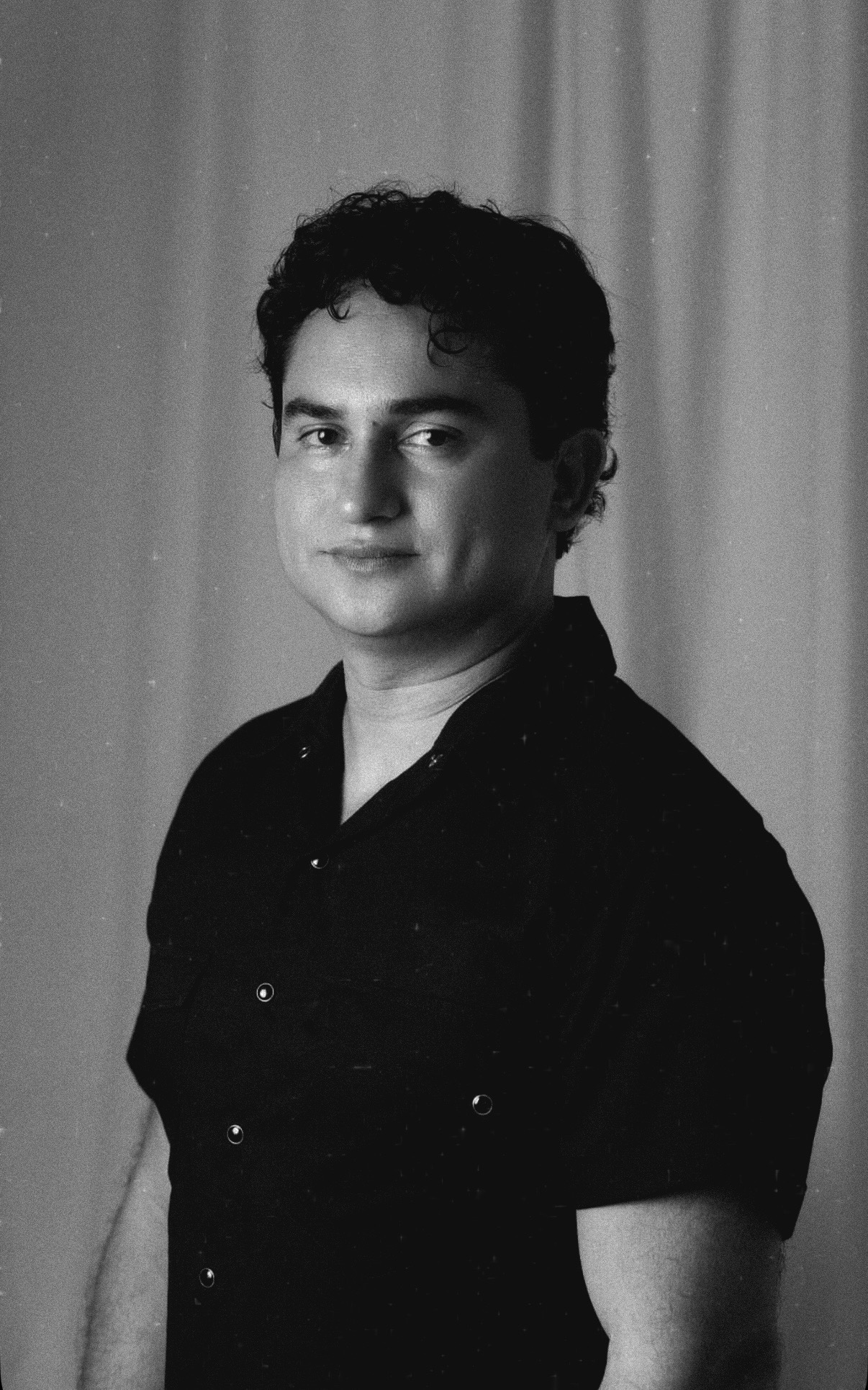
Lorenzo Scibilia is a 21-year-old filmmaker who can’t help but tell stories, in every way he finds compelling. Cinema, at the moment, is the most seductive medium for him. Now in the production of his sixth short film, he is promoting his latest work: I Know You Well. Shot between the end of 2024 and the beginning of 2025, it is an experiment that explores mystery, psychology, and meta-cinema. Produced by Nymphéa Production and producers Antonella Di Nardo, Michael Moscatelli e Lorenzo Scibilia, written and directed by Lorenzo Scibilia, starring Susanna Morello as the protagonist, the short film is available to watch for free on the streaming platform MyMovies from December 31 to January 3, as part of the selection of the 30th Capri, Hollywood Film Festival.
(EXCLUSIVE) INTERVIEW
How did the idea for this story come about?
At night. I often find inspiration in the moments when I should be dreaming, and it often comes through talking to someone, chatting online. Human contact, even virtual, as well as prolonged solitude, can create a kind of frequency that connects with an idea I then decide to pursue. It was almost Christmas, I was alone in the room where I live in Milan, and my mother had been asking me for days to shoot something set in our home, which she decorates like a Christmas village every year. So I put together these ideas, some images, and an object I had always ignored, and this experiment was born.
So, a traditional Christmas object becomes a co-protagonist…
Exactly. The advent calendar has always symbolized surprise and joy, as well as a very precise way of marking time. I’m fascinated by the idea of subverting the use of objects, something that also happens in my next short film, and in I Know You Well, I was struck by the idea of turning surprise into something that creates discomfort, worry, and paranoia. The drawers of an advent calendar are perfect for setting a rhythm in a film, especially in a short one: they allow you to jump through time without confusing the viewer.
Regarding the characters, Susanna is the protagonist, but we also hear other voices, in addition to the presence of the calendar.
Yes, they are fundamental voices that represent the connection with reality, allowing Susanna to confront what is happening to her. They are performed by Antonella Di Nardo, one of the producers with Michael Moscatelli (Character: Susanna’s mother), and Andrea Maddalena Bernardi (Character: Susanna’s best friend). The voice we hear at a certain point in the short, you will hear, is by Davide Schio. All three were essential in giving even more depth to the story, and they are incredibly talented, I’m very grateful to them for taking part. I should also mention that I made a small cameo myself, voicing the ex-boyfriend in the story.
This is Susanna’s third project as a lead actress, all three with Lorenzo. What challenges did you face in playing the only visible character in a story with four characters?
To be honest, being the only visible character in the short didn’t feel particularly difficult. Being alone on set or having someone physically there is different, of course, but that doesn’t necessarily increase or reduce the complexity of the performance. The real challenge was interacting with characters who weren’t physically present, talking on the phone without a script. Lorenzo would explain roughly what the scene needed to convey, and I would improvise. I imagined conversations, guessed the pauses where the other person might respond to lines that hadn’t been written yet. It really pushed me to take risks, but that’s always the case when working with Lorenzo. He gives me general directions and the freedom to express myself however I feel is right, and if something doesn’t work, we try again.
In this short film, music is an integral part of the storytelling, almost giving voice to the images and becoming one with them.
I am grateful to Filippo Signorini, who composed all the music for this film, and who collaborated with Gaia Gorla Neggia known as Ansia, a dear friend and a talented singer, who lent her voice. I had a very specific musical world in mind, and by talking with Filippo, a true professional and a great talent, we managed to find the right balance between instruments and voices. My request was to use Ansia’s voice as if it were a musical instrument, not as a speaking human voice, but as breath. I believe Filippo, Ansia, and I truly succeeded. I say this with pride, because every time I reach the end of the short and hear the final piece of music, I can’t help but feel moved.
And finally, who is the person who Knows Susanna Well?
(Smiles.) The answer can be found by watching the short carefully until the very last second. It’s right there, but many people only catch it after three or four viewings. Susanna’s real mother, not the character, sent a message in their family group months after the first screening. After watching it again, she came to a realization that perfectly solved the mystery. I was surprised and genuinely happy: it means it’s not as hard to understand as some people have said. You can watch I Know You Well from December 31 to January 3 in free streaming on MyMovies by reserving your seat in the virtual cinema.