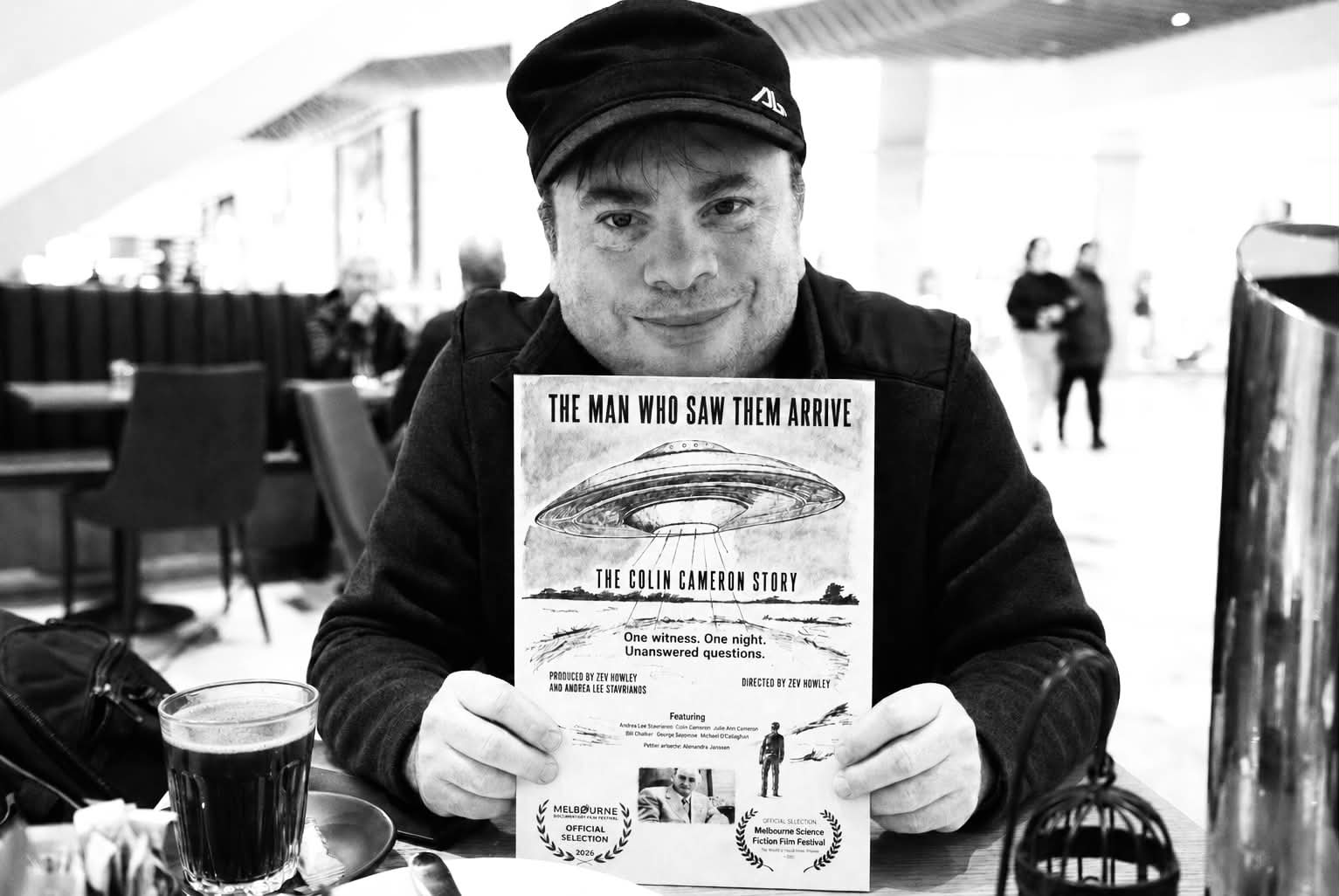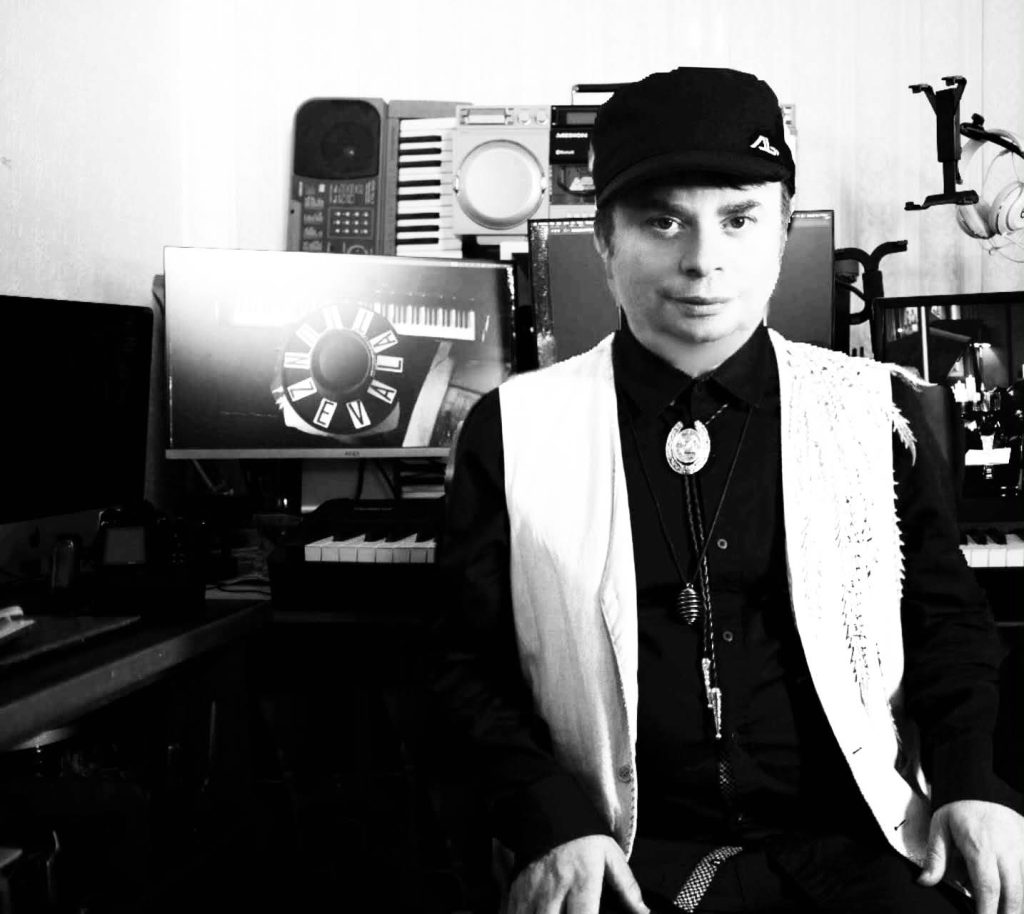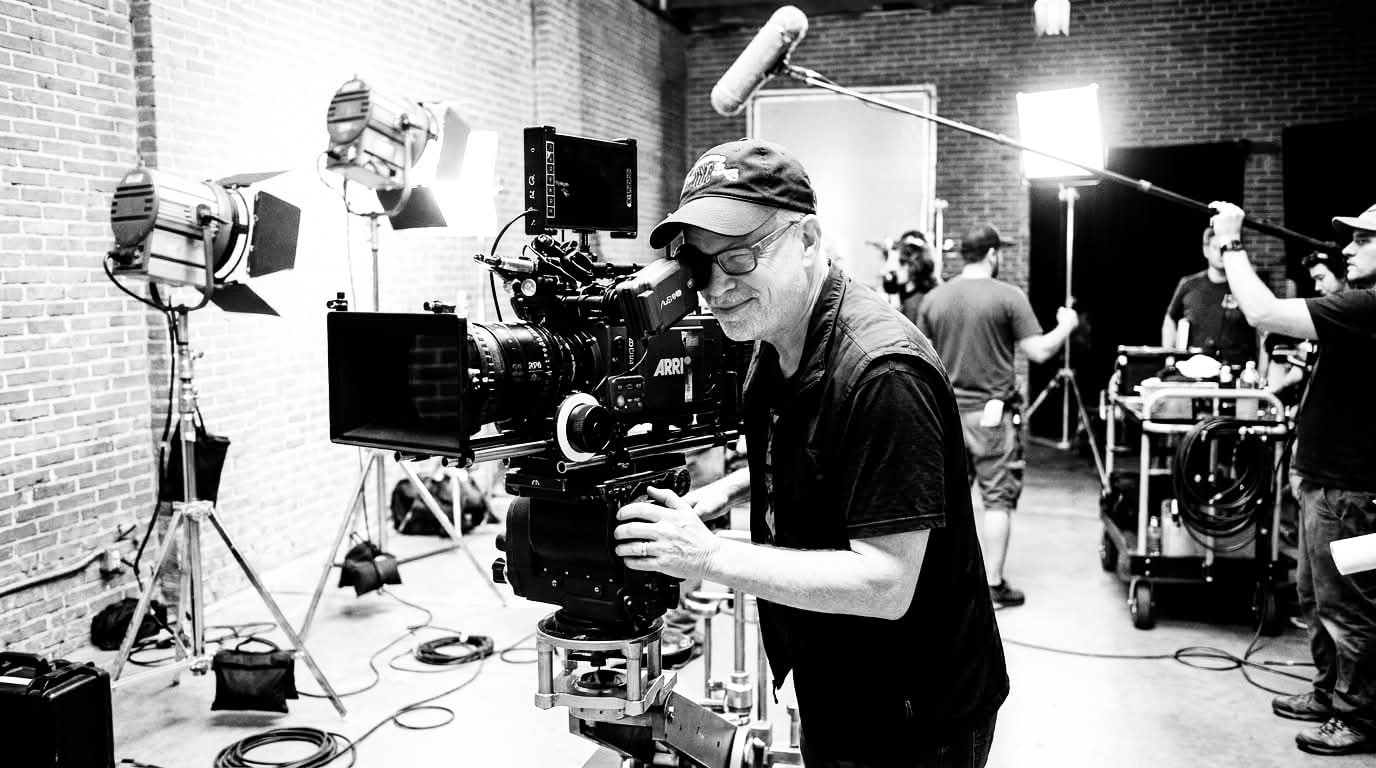
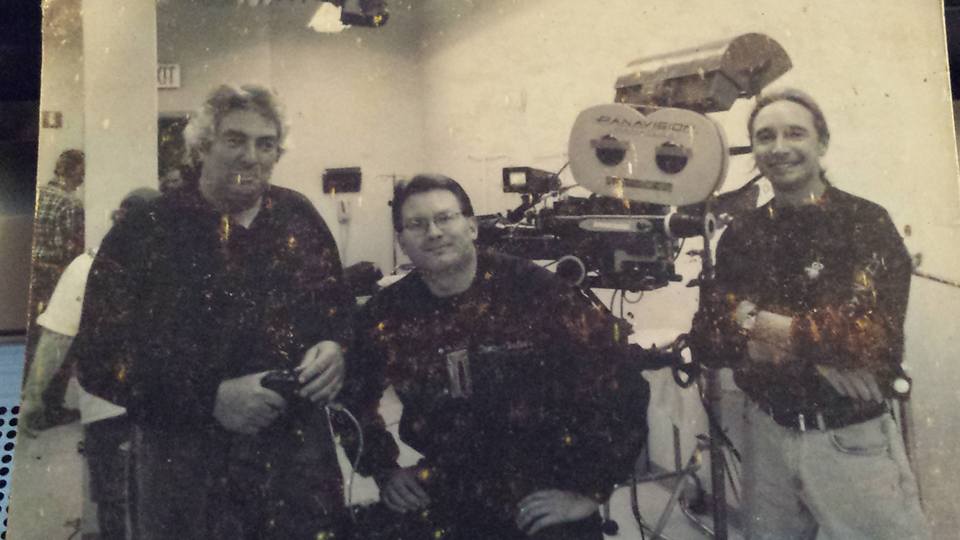
Director’s Talk: Derek Lakeith Martin

-When you plan the realization of a film project, what are your objectives?

My main objective is to ensure that the story will hold your attention and the characters will resonate with the audience, in other words, the creative vision. In my opinion, filmmaking is a product and the audience are your customers. You want to establish that you can deliver a film branding that they can recognize, and with any film you always want that repeat audience. This includes making sure that I take my time as a Director in casting the correct actors and actresses for each role. I believe that the person you see on screen has to embody that character so well, that you feel every emotion from them while you are watching the performance. Another objective is assembling the team that will bring the project to life. I know a lot of emphasis is put on the cast, but I am a firm believer that a great crew is key to your project’s success.  

-With Artificial Intelligence, cinema is undergoing a phase of transformation even more radical than the one that occurred in the 1920s with the transition from silent films to sound. What is your opinion on this?

   I understand that Artificial Intelligence is becoming more common place in our society and this is also true when it comes to cinema. Personally, as a filmmaker I believe in “shared space” when it involves practical effects versus A.I. and CGI. My main concern is with the overtaking of human likeness and their motions. Actors bring the story to life and I can’t really comprehend anything else coming close to replicating this. 

-To which production or distribution company would you like to propose your new project? Give us a profile, including some examples.

   I actually have 2 projects in development and there are 2 particular production companies that would be a great fit for these. The first project is a suspense thriller that takes place at a holiday party. It involves the party guest participating in a “friendly game” that has different types of unexpected outcomes. I would purpose this project particularly to A24 Films. I believe that A24 films’ catalog matches that of this project, and with this type of familiarity, they would have the expertise and knowledge for the appropriate marketing, distribution and finding the right audience. The next project is a drama period piece set in the roaring 1920’s of the prohibition era. The story is set around a large and charming, but uniquely stylish mansion. It was once inhabited by a prominent, wealthy family but now serves as a boarding house under the control of the family’s daughter. Although initially described as a drama, there are comedic undertones that adhere to the plot, subplots, and overall story arch. This project I feel would be best purposed for Focus Features due to their vast experience with period pieces of this nature.

-WILD FILMMAKER can now “sit at the table with the big players” alongside The Hollywood Reporter and Variety during the Cannes Film Festival, but we have chosen to continue being a Global Cultural Movement with an ethical mission: to bring democracy into cinema, placing the Work of Art at the center of our project rather than Marketing. Do you think we are doing a good job?

I feel that Wild Filmmaker is doing an excellent job! Independent filmmakers take a lot of pride and ownership in their work, but rarely have a voice of their own when it comes to their projects. Having an outlet like Wild Filmmaker now allows that voice to be heard. Having the opportunity to be featured and then seen by industry leaders is an advantage unlike any other. The independent film community owes Wild Filmmaker a gratitude of thanks, and I can attest that it is well deserved.

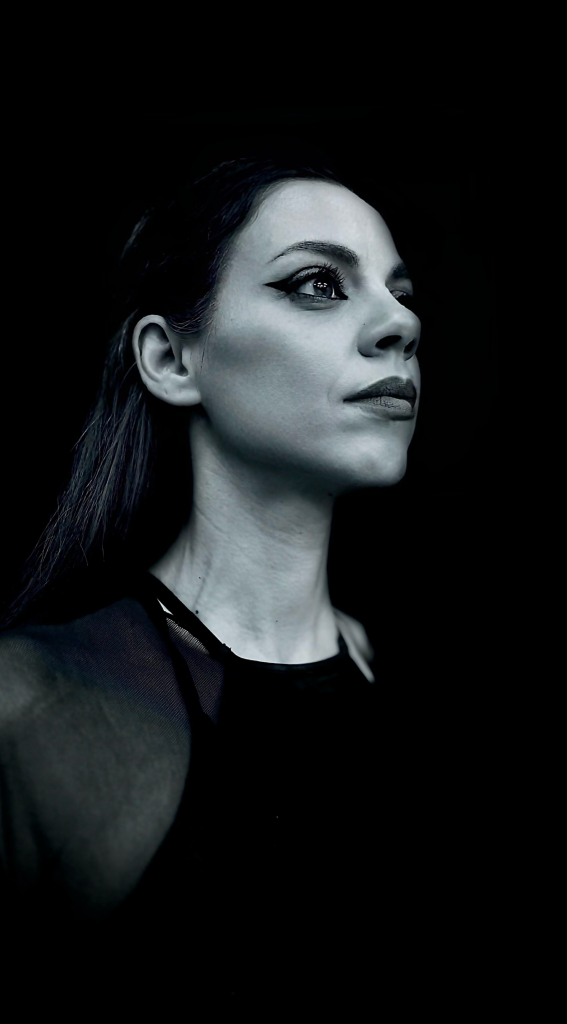
(EXCLUSIVE) Interview with Fabia – Maria Cerra

Who is Fabia – Maria Cerra ?

I’m still finding myself in this life. From a troubled childhood, through my teenage years and adulthood life has challenged me through abuse, taking wrong paths and becoming a mother and carer of an amazing son who has autism.

I found happiness as a child through the dark times by competing in world dance championships. Holding titles in the contemporary jazz and disco style.

Creativity and expressive feelings through the medium of dance, gave me freedom to feeling the music, have goosebumps on my skin and enabling facial expressions instead of sadness and fear.

Burlesque dancing came into my life in later years when I entered a television show called “Britain’s Got Talent” 2009. My audition was a burlesque act and I reached the semi-finals with my homage to a Flashdance routine which to me back to my initial roots of dance.

When I used to perform burlesque in London cabaret, an audience member asked me after if I was an actor? I explained I wasn’t. He said in my performance he could see an actress struggling to get out. That evening whilst on the train home, his words struck a cord with me. That’s when I decided I’m going to take acting classes. So I did.

This is my acting portfolio:

www.spotlight.com/7611-8974-1784

I also work as an extra on films, music videos and commercials. Gaining any experience by watching the director and listening to the producer on set. 

A person told me once “you remind me of Merle Oberon”. Once I’d researched this name, I’d discovered the actress is actually a descendant on my late mother’s side of the family. I have roots from Mumbai. My late grandmother Freda was somehow related to her. Joyce was Freda’s friend when Freda once lived in Edgebaston, Birmingham. 
They were friends serving in the Royal Airforce.

I also have Italian roots. My father’s side of the family originated from Catanzaro, Reggio Calabria. Whenever I visited there it felt like home. 

My mental took a decline after my Nonno Umberto passed away. I was later admitted to having with the first of many nervous disorders and breakdowns. My late mother was very ill and I helped nurse her at home as her wish was not to go into a hospice. My mother passed away in 2001 and I was later diagnosed with bipolar and in 2003.

I’m please to say that I am now in remission from bipolar disorder.

Being creative through the medium of acting has enabled me yet again to escape certain feelings. It doesn’t mean to say I’m running away from my demons, they will always be around, just not controlling me anymore. I call use emotional recall in my acting and it works for me as I can turn it off and on.

It’s another form of therapy for me.

My psychiatrist recommended I write a book. To get her everything done, see it all in black and white. So I took a writing course at home online, put pen to paper and wrote.

One day, I’d love to create a script for my book ” In 2 Minds” and send it to an Italian director. I need to learn how to write scripts from my memoir.

That’s why I called my short-film “My heads f*cked” because the truth of matter is that it’s a fact. Doesn’t mean I’m some sort of psychopath who goes around destroying other people’s lives.

Instead, I use my personal life experiences to try to help other people express their painful memories and feelings into another art form. Every human is creative.

Remember school? Our lessons were drama, music, dance, singing, writing, painting and drawing. As we get older, we somehow can lose all these mediums because of life commitments.

For me, having so many nervous breakdowns took me back to my past and I had to start my life over again somehow. Life is an art form at the end of the day. If you study close enough, everything is being created all the time.

Do you remember the exact moment you in love with cinema?

I do remember the first time I fell in love with cinema. It was when my school friends invited me to watch the movie “Rain Man”.

I felt so much empathy for the character played by Dustin Hoffman. The character is diagnosed as 

autistic – savant.

Which is in our family in Italy. My nephew and my son also have this condition.

Nowadays more adults are being diagnosed with autism as shows up later in life.

Which Director inspires me most?

Well that’s an easy question. With no doubt in my mind it’s Francis Ford Coppola. The God Father I, II and III is the trilogy of films that make me feel many overwhelming emotions. home, love and heartbreak.

Such powerful storylines and capturing the true authenticity of Italy takes me back.

My father always says to me “You left your heart in Italy Fabia”. He was right, until someone passed away, 

then my heart began to heal.

If a film doesn’t make you feel somehow, then personally it’s not a MOViE!

Tell us about your project “my heads f*ucked”

My project is called “My heads f*ucked” A £0.00 budget short-film I shot on my iPhone in the comfort of my own home.

When sending in self tapes for auditions for my agents, I used the same set up.

I talk about my mental state and how bipolar disorder affects my daily life and also functioning on medication which is also shown.

I break down the fourth wall in short-film by speaking directly into camera. The audience can see me clearly as I honestly open up about my mental health.

This is only one aspect of my life.

I’m honoured to say that my short-film won an award at the Milan Indie Film Festival for “Best Low Budget Film” First 2026 Season.

I couldn’t believe it when Mona Louis sent me a congratulations email along with my certificate. 

Again, thank you so much to Mona. Milan has such beautiful creative history and culture. To even be recognised for my work is a privilege.

What do you dislike about the world and what would you change?

I detest war, violence, racism, abuse and hatred.

The world was certainly very different when I was young. No body was be killed in street with guns and knives. Women and girls weren’t afraid to go out to discos and certainly not have their drinks spiked with date rape drugs. Couples in domestic abuse relationships.

If I could change it, honestly, I would get a law in where any person who kills another human, rapes, spiked them or uses any form of domestic abuse or violence they would be incarcerated.

I don’t know what happened in the world but it’s evil now. 

This is global pandemic. They say hurt people hurt people. I’ve been hurt, I don’t go around hurting others. Instead, I use my pain in a creative way it helps other people.

How do I imagine cinema in 100 years?

Firstly, in 100 years, I imagine cars flying. More space being used up. 

Everyday, we are being filmed by CCTV, ring doorbell cameras, dash cameras and mobile phones.

Human life is no longer private. Therefore, without realising it, we are making cinema. Now, this may sound a bit like big brother is watching you. Let’s face it, it’s the truth.

Hours and hours of footage, not forgetting social media where some people find entertainment out of filming others pain.

I would love to imagine cinema being interactive and immersive. A bit like theatre but the audience can have control to how they want the movie to play out. They get choices before hand and the most popular parts of the movie are in. They are then signed up to be a part of the movie too.

Depending on the genre, we can all relate to something someone else has been through. Instead of using violence, hatred, crime and war why not play it out instead if certain people feel that much anger and hatred towards the world.

Cinema is the place for expressing use emotions into art form. It’s therapeutic.

What is your impression of WILD FILMMAKER?

My impression of WILD FILMMAKER is that the filmmaker had been let loose in the wild. Freed up from any restraints of the typical everyday studio filming routine.

I always believed that I’d have to a degree in filmmaking. How wrong am I.

The poetry of free cinema. How beautiful is that!

I never thought my short-film would get reconsidered. To be honest, as it’s a zero budget film, no production, crew, cast, technicians, MUAH. I thought it be rejected!

I’m thrilled to say I am part of the WILD FILMMAKER community. I’m very grateful to Michele Diomà the Editor – In – Chief of WILD FILMMAKER for this opportunity of an exclusive interview. 

I never thought in my wildest dreams at fifty two years old, I’m finally finding my direction in life. 

Director’s Talk: Pamela PerryGoulardt

When you plan the realization of a film project, what are your objectives?


My first objective is always to write a script with a distinct voice and a compelling narrative. I’m drawn to stories that carry emotional weight, social relevance, and a meaningful character arc. I also believe
screenwriters benefit from being conscious of marketing — not as a constraint, but as an extension of storytelling.
I enjoy the process of building connections, understanding the industry, and sharing responsibility for bringing a project to life. Filmmaking is inherently collaborative: the script is the blueprint, but imagining the right director, cinematographer, and sound designer early on helps shape the film’s visual and sonic identity. High-quality storytelling deserves high-quality execution.


With Artificial Intelligence, cinema is undergoing a transformation even more radical than the shift from silent films to sound. What is your opinion on this?


I’m genuinely enjoying the creative and experimental possibilities that AI brings. It’s a progressive evolution, and approaching it with fear or judgment only limits artistic growth. I celebrate the diversity of
expression it enables — new tools often lead to new forms of storytelling. Even Marlon Brando anticipated this future when he created digital images of himself so his performances could continue through emerging technologies. To me, AI is not a threat but an expansion of the cinematic
palette.

To which production or distribution company would you like to propose your new project? Give us a profile, including some examples.


I would love to collaborate with Matthew Toffolo and his company WILDSOUND. Matthew has produced several short script films for me as proof-of-concept pieces, and I trust his interpretation of my work
completely. His ability to translate a script into a vivid, emotionally resonant short film is exceptional, and I’ve always been more than satisfied with the results.


STAR CROSSED

https://www.wildsound.ca/videos/script-movie-star-crossed


CUSTER
https://youtu.be/bshiSNpybmM
https://www.wildsound.ca/videos/script-movie-custer-s
last-plan


WILD FILMMAKER can now “sit at the table with the big players” alongside The Hollywood Reporter and Variety during the Cannes Film Festival, but we have chosen to remain a Global Cultural Movement with an ethical mission: to bring democracy into cinema, placing the Work of Art at the center rather than Marketing. Do you think we are doing a good job?


WILD FILMMAKER is a gift to innovative screenwriters. The platform continues to amplify the importance of independent film and original ideas, and I’m sincerely grateful for the support they’ve given my work.
Recently, my script The Secrets of the Forbidden City received a WILD FILMMAKER Gold Award for “creating a short film capable of portraying a contemporary world with a universal style.” That recognition aligns perfectly with my creative goals. It also strengthens my brand and supports my marketing and promotional efforts — an essential part of building a screenwriting career.
WILD FILMMAKER’s commitment to artistic integrity makes that visibility even more meaningful.

Director’s Talk: AnayaMusic Kunst

-When you plan the realization of a film project, what are your objectives?

When I plan the realization of a film project, my first objective is always to create something that carries soul, emotion, and meaning. For me, cinema is not only visual storytelling—it is a spiritual language where music, image, silence, and symbolism come together to awaken something deeper in the audience.

I begin with the essence of the message: what transformation do I want the viewer to feel? Whether it is love, healing, transcendence, hope, or the journey between light and darkness, I want each project to elevate the human spirit and leave a lasting emotional resonance.

As a composer and filmmaker, music is the heart of my creative process. I often hear the soundtrack before I see the images. The orchestral atmosphere, the rhythm of emotion, and the energetic vibration of the film guide the visual direction. My objective is to create harmony between sound and image so that the audience does not only watch the film—they feel it.

Another important objective is authenticity. I want each project to reflect my artistic identity: mystical, cinematic, poetic, and universal. I believe art must be honest and timeless, not only technically beautiful but spiritually true.

I also value excellence in production—strong cinematography, meaningful editing, symbolic aesthetics, and a visual language that can communicate across cultures. Since my work reaches international festivals and audiences worldwide, I always think globally while keeping the emotional core deeply personal.

Ultimately, my objective is simple: to create films that inspire, heal, and connect people with something greater than themselves. If a viewer finishes one of my films feeling more light, more peace, or more hope, then I know the project has fulfilled its purpose.

-With Artificial Intelligence, cinema is undergoing a phase of transformation even more radical than the one that occurred in the 1920s with the transition from silent films to sound. What is your opinion on this?

I believe Artificial Intelligence is one of the most significant transformations cinema has experienced since the transition from silent films to sound. Just as sound expanded the emotional and narrative possibilities of film in the 1920s, AI is now opening new dimensions of creativity, production, and artistic expression.

For me, AI is not a replacement for human sensitivity—it is a powerful creative instrument. Art is born from consciousness, emotion, intuition, and spiritual vision. Technology can assist, amplify, and accelerate processes, but it cannot replace the soul of creation. The heart of cinema will always remain human.

As both a filmmaker and composer, I see AI as an extraordinary tool that allows independent artists to dream bigger. It helps us create visual worlds, orchestral textures, cinematic atmospheres, and complex productions that once required enormous budgets and large studios. It democratizes possibilities and gives voice to creators who might otherwise never have access to such resources.

At the same time, I believe responsibility is essential. We must use AI with ethics, originality, and artistic integrity. It should support authenticity, not imitation. True cinema is not made only with technology—it is made with vision, courage, and purpose.

In my own work, I use innovation as an extension of imagination. Whether through music, visual storytelling, or symbolic narratives, I see AI as a bridge between the invisible world of inspiration and the visible world of film.

Cinema is evolving, but its mission remains the same: to move hearts, awaken consciousness, and tell stories that transcend time. AI can help us reach new horizons, but the soul behind the art must always lead the way.

-To which production or distribution company would you like to propose your new project? Give us a profile, including some examples.

I would like to propose my new project to production and distribution companies that value artistic cinema, visionary storytelling, and projects with strong emotional and international resonance. My work lives between music, film, and spiritual symbolism, so I seek partners who understand cinema not only as entertainment, but as an immersive artistic and transformative experience.

One ideal profile would be companies connected to independent auteur cinema and international festival circuits, such as A24, known for supporting distinctive artistic voices and films with strong identity and emotional depth. Their approach to cinematic storytelling and visual originality aligns with the poetic and symbolic nature of my projects.

I also admire companies like Pathé and StudioCanal, which have a strong presence in Europe and a tradition of supporting elegant, cinematic productions that travel internationally through festivals and global distribution platforms.

For projects that merge music, visuals, and elevated emotional storytelling, I would also look toward platforms such as Netflix or Amazon Prime Video, especially for worldwide reach and access to audiences across continents. Today, streaming platforms have become powerful bridges between independent creators and global viewers.

My ideal collaboration would be with a company that believes in originality, beauty, and spiritual depth—where a film can be both cinematic art and a universal emotional experience. Projects like “Heaven,” for example, are not simply music videos; they are visual journeys of transcendence, healing, and light. I look for partners who can understand and amplify that vision.

Ultimately, I seek not only distribution, but resonance: a company that can help transform a personal artistic vision into a global emotional experience for audiences around the world.

-WILD FILMMAKER can now “sit at the table with the big players” alongside The Hollywood Reporter and Variety during the Cannes Film Festival, but we have chosen to continue being a Global Cultural Movement with an ethical mission: to bring democracy into cinema, placing the Work of Art at the center of our project rather than Marketing. Do you think we are doing a good job?

Yes and wonderfully!

Director’s Talk: Earnest Diaz 

-When you plan the realization of a film project, what are your objectives?

My original objective with the feature screenplay Thankful was to share a semi‑autobiographical story set just before the 2004 Indian Ocean tsunami. Several images from my award‑winning table book Thankful—the Thankful series—were exhibited internationally, including at the Carrousel du Louvre during the high‑profile jewelry heist in October 2025. That exposure broadened the project’s scope and opportunities.

What began as a personal story evolved into a project that addresses contemporary issues—LGBT and heterosexual relationships, building a career in fashion, love and heartbreak, suicide, the loss of a child and friends and family, and the emergence of an unexpected love. In short, sometimes the objective grows organically from the story itself.

-With Artificial Intelligence, cinema is undergoing a phase of transformation even more radical than the one that occurred in the 1920s with the transition from silent films to sound. What is your opinion on this?

I welcome the change. As a multidisciplinary artist, I see AI as a powerful creative tool that accelerates work I used to outsource to freelancers. AI helps me refine scripts quickly and shortens processes that once took days or months down to hours or minutes. As a composer, AI can be useful for generating ideas and textures, but I still begin with lyrics, rhythm and a clear sonic vision—then shape notes by hand; for the Thankful soundtrack I blended original direction with AI-assisted tracks to good effect.

That said, I won’t rely on AI to fully build a project. It still has limitations, and some creative domains—like my fashion design practice—remain sacredly manual: I sketch on paper first because keeping ideas human is, to me, essential for emotional resonance. Overall, AI is an exciting expansion of creative possibility, not a replacement for human authorship.

-To which production or distribution company would you like to propose your new project? Give us a profile, including some examples.

This is a critical decision, as the vision for Thankful is to be filmed primarily in Houston with additional production in Galveston, while prioritizing a cast rooted in Houston-born talent. Because of that, I am targeting companies that not only understand elevated storytelling, but also have the flexibility to support regionally grounded productions with global reach.

Distribution:

Amazon MGM Studios
This is a top choice due to its hybrid model of theatrical and streaming distribution through Prime Video. Their focus on IP-driven storytelling—especially adaptations—aligns directly with Thankful’s evolution from book to screenplay to visual art property. Additionally, the legacy of MGM (including The Wizard of Oz) creates a meaningful creative alignment with my own artistic influences and connections to the Oz Museum in Wamego, Ks.

Netflix
Netflix’s global reach and willingness to acquire high-profile, buzz-driven projects makes it an ideal distribution partner. Their model supports culturally specific stories while scaling them to international audiences, which is key for a Houston-rooted narrative like Thankful.

Production Companies

Artists Equity
Known for its creator-first approach, Artists Equity emphasizes ownership, backend participation, and performance-based upside. This aligns with my goal of maintaining creative integrity while building long-term value around Thankful as a property.

Candle Media
Candle Media is particularly compelling due to its focus on building franchises from IP across multiple platforms. Their understanding of cross-medium storytelling makes them a strong fit for Thankful, which already exists across publishing, screenplay, and visual art.

Positioning Strategy

Rather than viewing Thankful as a single film, I am positioning it as a multi-platform intellectual property—a story that can live across film, streaming, publishing, and visual art. The goal is to partner with companies that recognize both the cultural specificity of Houston and the scalability of the story globally.

Director’s Talk: Faye Fayerman

-When you plan the realization of a film project, what are your objectives?

I see it first, an immediate, immersive vision where image, sound, and idea surge into being all at once before language, as something both sensed and known. It appears in its totality, not as a sequence but as something that I hold in my mind. From there, the process becomes one of translation: bringing that vision into form while humanizing what lives within each frame. The work unfolds as a conceptual passage rather than a fixed destination, a space where discovery moves, responds, and breathes into being. At the same time, I focus on building a collaborative environment grounded in trust and sensitivity. I want the people I work with to feel engaged in the process not just execution. Their contributions often reshape the work in ways I couldn’t have anticipated. Ultimately, my goal is to make films that invite contemplation rather than provide answers, works that exist somewhere between clarity and ambiguity, where viewers can project their own meanings and experiences.
I think ahead about editing, sound design, festivals, or platforms. The film’s life doesn’t end at shooting, it needs a path to reach an audience. Things change. So I try maintaining the film’s essence while adjusting to real-world limitations or unexpected opportunities. From there, the process becomes one of translation: bringing that vision into form while humanizing what lives within each frame.

-With Artificial Intelligence, cinema is undergoing a phase of transformation even more radical than the one that occurred in the 1920s with the transition from silent films to sound. What is your opinion on
this?

I am scared and apprehensive of AI but I am sure we will be able to utilize technically.

-To which production or distribution company would you like to propose your new project? Give us a profile, including some examples.

A2: Everything Everywhere All At Once, Moonlight, Uncut Gems, Marty Supreme, The Smashing Machine, Eternity. Element Pictures: Room,The Favourite,Normal People. Black Bear Pictures: The Imitation Game, I Care a Lot Oscilloscope Laboratories: We Need to Talk About Kevin, Kedi Sony Pictures Classics: Call Me by Your Name, Whiplash Roadside, Attractions: Manchester by the Sea, Judy

Troma Entertainment:  The Toxic Avenger

Miramax:  Pulp Fiction, The Gentlemen

Focus Features: Brokeback Mountain, Lost in Translation

NEON: Parasite, Titane

-WILD FILMMAKER can now “sit at the table with the big players” alongside The Hollywood Reporter and Variety during the Cannes Film Festival, but we have chosen to continue being a Global Cultural Movement with an ethical mission: to bring democracy into cinema, placing the Work of Art at the center of our project rather than Marketing. Do you think we are doing a good job?

YASSSSSSS

Director’s Talk: Vicentini Gomez

-When you plan the realization of a film project, what are your objectives?

When I plan a film project, my objectives are clear: to build a narrative that holds on screen, to structure a viable production model, and to ensure the film reaches the audience in its full form.

The starting point is always conflict. It is what organizes character, action, and language. From there, I approach the film both as an artistic work and as a product. I aim for a narrative with a strong identity, but also with the capacity to circulate in festivals, theaters, and streaming platforms. Planning must balance dramatic strength with real production feasibility.

I seek to develop projects with solid dramatic consistency, a defined language, and a clear market positioning. This guides every decision, from script to direction, from budget to distribution strategy.

I work with my feet on the ground, within the possibilities of independent cinema, without giving up aesthetic ambition. Creativity is the axis that sustains this equation, allowing the project to achieve quality and compete in the international circuit.

– With Artificial Intelligence, cinema is undergoing a phase of transformation even more radical than the one that occurred in the 1920s with the transition from silent films to sound. What is your opinion on this?

Artificial Intelligence is just another tool. The creative process remains human. Creation requires decision, and decision is human.

Cinema comes from experience, conflict, and intuition, elements that cannot be automated. Artificial Intelligence can support technical stages and research processes, but it does not replace the eye, the decision, and the responsibility of the creator.

The transition from silent to sound cinema transformed language. AI impacts the process. These are different natures.

The risk is not in the technology, but in how it is used. The tool cannot dictate content. If that happens, cinema loses its identity. AI expands possibilities, but it must function as support. Authorship and creativity remain human.

– To which production or distribution company would you like to propose your new project? Give us a profile, including some examples.

I am looking for partners with international reach, capable of connecting my films to different territories and platforms, without losing the project’s identity. My interest is in production and distribution companies working in independent cinema, with presence in festivals and experience in international sales, both for theaters release and streaming licensing, with a real capacity to bring the film to the audience. Partners who follow the project, understand its positioning in the market, and sustain its trajectory after completion.

Projects like Doctor Hypotheses 2 call for this kind of partnership, with an international vision and practical experience in film circulation, capable of articulating co-productions, accessing funds, and building a consistent trajectory across festivals, theaters, and platforms.

– WILD FILMMAKER can now “sit at the table with the big players” alongside The Hollywood Reporter and Variety during the Cannes Film Festival, but we have chosen to continue being a Global Cultural
Movement with an ethical mission: to bring democracy into cinema, placing the Work of Art at the center of our project rather than Marketing.

            The proposal is relevant. Placing the work at the center is essential. But this needs to have the magic word of cinema: action. It cannot be just discourse. It has to be practice and sustain this position within a market driven by marketing. If you can maintain this commitment over time, you are on the right path, and we will be applauding.

– Do you think we are doing a good job?

The path is interesting. The fact that you open space for the film and for the independent filmmaker is a major differentiator, especially for those working outside the center of the major industrial market.            But the result is measured in practice, in the way projects are presented, followed, and positioned in the market. If this commitment is maintained, then yes, it is an exceptional work.

Director’s Talk: Joey Agbayani 

– When you plan the realization of a film project, what are your objectives?


I am happiest when I am creating something new and challenging. I aim for my films to explore unusual stories or themes and to have a distinctive visual style. Another key objective is to assemble a dream team of talented production professionals who are not only experts in their fields but also enjoyable to collaborate with.


– With Artificial Intelligence, cinema is undergoing a phase of transformation even more radical than the one that occurred in the 1920s with the transition from silent films to sound. What is your opinion on this?


What used to exist as a written film treatment is now evolving into something much closer to the final vision. With the advent of new AI tools, directors can present scenes in a more cinematic and concrete way—using AI as an advanced form of previsualization. This makes collaboration with cinematographers, actors, stunt coordinators, and CGI artists easier and more effective even before shooting begins. It allows the entire team to discuss, refine, and enhance the vision early in the process.


– To which production or distribution company would you like to propose your new project? Give us a profile, including some examples.


I am interested in collaborating with production and distribution companies that value bold, visionary storytelling and are open to unconventional narratives. Ideally, these would be companies that support distinctive visual styles and are willing to take creative risks. Examples include companies known for championing auteur-driven cinema and innovative filmmaking approaches.


– WILD FILMMAKER can now “sit at the table with the big players” alongside The Hollywood Reporter and Variety during the Cannes Film Festival, but we have chosen to continue being a Global Cultural Movement with an ethical mission: to bring democracy into cinema, placing the Work of Art at the center of our project rather than Marketing. Do you think we are doing a good job?


Yes, absolutely. Avant-garde, underground, and edgy films are given meaningful exposure and strong support through the Global Cultural Movement of Wild Filmmaker. It is inspiring to see a platform that prioritizes artistic integrity and creative freedom while amplifying diverse and unconventional voices in cinema.

“Primordial” (EXCLUSIVE) Interview with Nana Papadaki

Who is Nana Papadaki?

I am an artist working across acting, theatre and film directing, and poetry, based in Greece. My work as an actress includes collaborations with major cultural institutions such as the National Theatre of Greece, the Greek Art Theatre Karolos Koun, the National Theatre of Northern Greece, the Athens and Epidaurus Festival, and many others, encompassing  total participation in more than thirty theatre productions, including many leading parts. My directorial portfolio comprises four stage productions, most recently Tennessee Williams’ Two-Character Play, presented under the auspices of the Hellenic Institute of Cultural Diplomacy—USA and currently touring Greece. My literary work includes four published poetry books. Among these, Encore—Women of Odyssey engages with the female figures of Homer’s Odyssey through a contemporary poetic lens, while Primordial provided the conceptual and textual basis for the multi award-winning poetic film Primordial. In addition to my artistic practice, I am the founder of the artistic company Maldoror focusing, among other, on international cooperation and development and on the promotion of work that foregrounds women’s identity and creativity.

Do you remember the exact moment you fell in love with cinema?

When I saw Maya Deren’s Meshes of the Afternoon and the legendary film Evdokia by the Greek director and actor Alexis Damianos, whom I had the pleasure of meeting in person, and who played a role in my decision to pursue theater, since during a recording session he pushed me to a level I hadn’t known I was capable of reaching. I think that in every area of my life, I’m drawn to creations made by people who dare to go against the grain. 

Tell us about your project “Primordial”.

Primordial is a poetry/experimental film set in a wasteland, featuring an enigmatic woman—who could be an idea, history, or simply a human being of our times—who comes face to face with an end. The film is based on my book Primordial (Archegoni), which consists of poetic fragments and is inspired, among other, by Shakespeare’s The Tempest and the obscure Sykorax. I am interested in women as bearers of inner power and spiritual birth. The film Primordial, which we co-directed with George Zorbas, has participated in thirty international festivals in Greece, Brazil, Mexico, Russia, Malta, Serbia, Bulgaria, India, Belgium, the Netherlands, Thailand, Malta, France, Germany, the United Kingdom, Spain, the United States of America, and other, and has won ten honorable mentions and international awards.

Which Director inspires you the most?

Werner Herzog, because he works across different film genres, has made some much-loved films, such as Where the Green Ants Dream, Woyzeck, Stroszek, The Enigma of Kaspar Hauser, and amazing documentaries, and has never compromised. Alejandro Jodorowsky, with his dazzling, poetic cinema, is truly admirable; lately, I’ve also been discovering many experimental films that I greatly enjoy watching and marveling at how they were created under the conditions of their time. And I’ve also discovered a female director I didn’t know about, and I’m going to start studying, Sarah Maldoror, the mother of African cinema.

What do you dislike about the world and what would you change?

The lack of imagination and complete subservience to money. Generations of one-dimensional people are contributing to the perpetuation of the same suffocating environment that knows only how to profit from destruction. I wish we could believe in the good that lies within people.

How do you imagine cinema in 100 years?

Divided, just like our world. On the one hand, the majority of films lack imagination, packed with technology and following the same old formula; and on the other, films that explore, that center on the human being as a living entity, and that speak not to consumers, but to human beings with a soul. 

What is your impression of WILD FILMMAKER?

A fresh perspective on the world of cinema and an international creative community that celebrates diversity and authenticity.

Director’s Talk: Kai Fischer

Screenshot

Born in Frankfurt am Main in November 1973, Kai has called Spain home since 1994. 

His screenplay LAMBADA THE DANCE OF FATE made history, earning over 120 accolades across five continents — making him the most decorated debut screenwriter for a single biographical screenplay in cinema history.

Now, Kai turns a new and exciting page with his latest screenplay, MASTER HEIST – A True Christmas Fiction. Barely out of the starting gate, this bold new work has already captured 7 awards and 3 official selections on the international circuit — this includes winning the prestigious ABAFTA (Arthouse British Academy of Film and Television Arts) Awards 2026 and the Final Competition of the Indie Oscar 2026 in Los Angeles. The world, it seems, is once again paying close attention.

-When you plan the realization of a film project, what are your objectives?

When I plan the realisation of a film project, my objectives operate on several levels simultaneously — and they are all equally non-negotiable.

The first objective is always the story itself. Everything else — budget, casting, distribution, format — must serve the story, never the other way around. With both MASTER HEIST and LAMBADA THE DANCE OF FATE, the narrative architecture was built from the very beginning with a clear understanding of what each story needed to breathe. MASTER HEIST, for instance, was conceived with contained production value in mind — strong commercial appeal without sacrificing creative boldness. That balance is not an accident. It is a deliberate creative and practical decision.

The second objective is finding the right partnership. I have learned — sometimes the hard way — that the wrong collaboration can be more damaging than no collaboration at all. I am not simply looking for a producer or a director. I am looking for someone who understands what these stories are truly about. Someone who sees Mateo Vega, my protagonist, not just as a character, but as a statement. Someone who is as unafraid of the edge as I am.

The third objective is longevity. I do not write films I want people to watch once and forget. MASTER HEIST is already conceived to function as both a standalone feature and a natural entry point into a limited series — because the best stories deserve room to expand, to breathe, to surprise you a second time.

-With Artificial Intelligence, cinema is undergoing a phase of transformation even more radical than the one that occurred in the 1920s with the transition from silent films to sound. What is your opinion on this?

This is perhaps the most urgent and fascinating question facing cinema today — and I think it demands honesty rather than comfort.

Artificial Intelligence is not coming for cinema. It is already here. And yes, I believe the transformation it is triggering is every bit as radical — perhaps even more so — than the seismic shift from silent film to sound. That transition changed the technology of storytelling. What AI is doing now goes deeper. It is challenging the very definition of authorship, of creativity, of what it means to make something.

And that terrifies some people. I understand why. But it does not terrify me.

Here is what I believe. AI is a tool — the most powerful and most misunderstood tool the creative world has ever been handed. Like any tool, its value is entirely determined by the hands that hold it. A camera in the wrong hands produces nothing of consequence. The same camera in the hands of a Coppola or a Kubrick changes the world. AI will be no different.

What AI cannot replicate — what it will never replicate — is genuine human experience. The specific weight of loss. The particular texture of longing. The irrational, magnificent, destructive hunger of someone like Mateo Vega, who burns everything down just to be heard. Those things do not come from an algorithm. They come from a life actually lived.

My concern is not that AI will replace great storytellers. My concern is that the industry, in its perpetual chase for efficiency and profit, will use AI as an excuse to stop looking for them.

The transition to sound silenced some voices and amplified others. AI will do the same. The question — the only question that matters — is whether the industry will have the courage to ensure that the voices it amplifies are the ones with something real and necessary to say.

I intend to be one of those voices. With or without the machine.

-To which production or distribution company would you like to propose your new project? Give us a profile, including some examples.

This is a question I have thought about deeply — because the right home for MASTER HEIST is not simply the biggest name or the deepest pockets. It is the right creative culture. The right appetite for bold, original, commercially viable storytelling.

With that in mind, there are several companies that represent exactly the kind of partnership I am looking for.

A24 sits at the very top of that list. They have built something genuinely rare in modern Hollywood — a brand synonymous with creative courage and artistic integrity that nonetheless delivers consistent commercial results. Films like Everything Everywhere All at Once, Hereditary, and Midsommar prove that A24 understands something most studios have forgotten — that audiences are hungry for the unexpected. MASTER HEIST, with its meta-cinematic boldness and darkly original premise, feels entirely at home in their catalogue.

Working Title Films is another natural fit — particularly given the European dimension of my work. With a legacy that spans Four Weddings and a Funeral, Atonement, and The Theory of Everything, Working Title has consistently demonstrated an ability to bridge intimate, character-driven storytelling with genuine international commercial appeal. That balance is precisely what both my screenplays are built on.

Canal+ and StudioCanal represent the European pathway — and given the distinctly Mediterranean soul at the heart of MASTER HEIST, a company with deep roots in European cinema and strong international distribution infrastructure would be a powerful ally. StudioCanal’s history with films like Paddington, The Motorcycle Diaries, and Blue Is the Warmest Colour demonstrates a remarkable range and a genuine commitment to stories with a distinctive cultural identity.

For the streaming dimension — and given the series potential already built into MASTER HEIST — Netflix and Apple TV+ are the natural conversations to be having. Apple TV+ in particular has shown an extraordinary willingness to back original, ambitious projects from distinctive voices. The Banshees of Inisherin, Killers of the Flower Moon — these are films that take their audience seriously. That is exactly the company I want to keep.

Ultimately, the ideal partner is one who sees what I see — that MASTER HEIST is not just a film. It is a franchise, a conversation, and a statement. And that the audience waiting for it is larger, and hungrier, than anyone might yet imagine.

-WILD FILMMAKER can now “sit at the table with the big players” alongside The Hollywood Reporter and Variety during the Cannes Film Festival, but we have chosen to continue being a Global Cultural Movement with an ethical mission: to bring democracy into cinema, placing the Work of Art at the center of our project rather than Marketing. Do you think we are doing a good job?

Absolutely — and I want to say this with complete sincerity: Wild Filmmaker is doing an extraordinary job. Not just a good job. An extraordinary one.

What you have built is something the industry genuinely needs and, if we are honest, has been afraid to build for itself. The fact that Wild Filmmaker can now sit at the same table as The Hollywood Reporter and Variety during Cannes is not a small thing. That is a seismic shift. That is years of relentless work, uncompromising vision, and the kind of stubborn belief in something bigger than commercial gain that the industry rarely rewards — until suddenly, it cannot ignore it anymore.

But here is what I find most compelling about Wild Filmmaker’s position — and this is something I feel deeply as a filmmaker and screenwriter myself. You have chosen to remain a Global Cultural Movement with an ethical mission. To place the Work of Art at the centre, rather than the marketing machinery that so often suffocates it. That choice, made from a position where you could have easily gone the other way, says everything about the integrity of what you are doing.

And yet — and this is important — one does not necessarily rule out the other. Sitting at the table with the big players and maintaining an ethical, democratic mission are not opposing forces. They never were. In fact, I would argue that the most powerful position in any industry is the one where you have earned the respect of the establishment while refusing to be defined by it. That is exactly where Wild Filmmaker stands today.

Democracy in cinema is not a romantic ideal. It is a necessity. The greatest stories are not always born in the biggest offices or backed by the deepest pockets. They are born in the margins, in the overlooked corners, in the minds of people who were told the table was not for them. Wild Filmmaker pulls up a chair for those people. And in doing so, it makes the entire conversation richer, sharper, and more alive.

As someone who has experienced firsthand what it means to fight for a story that the mainstream was not yet ready to hear — I am genuinely grateful that platforms like Wild Filmmaker exist. You don’t just report on cinema. You’re changing what cinema can be.