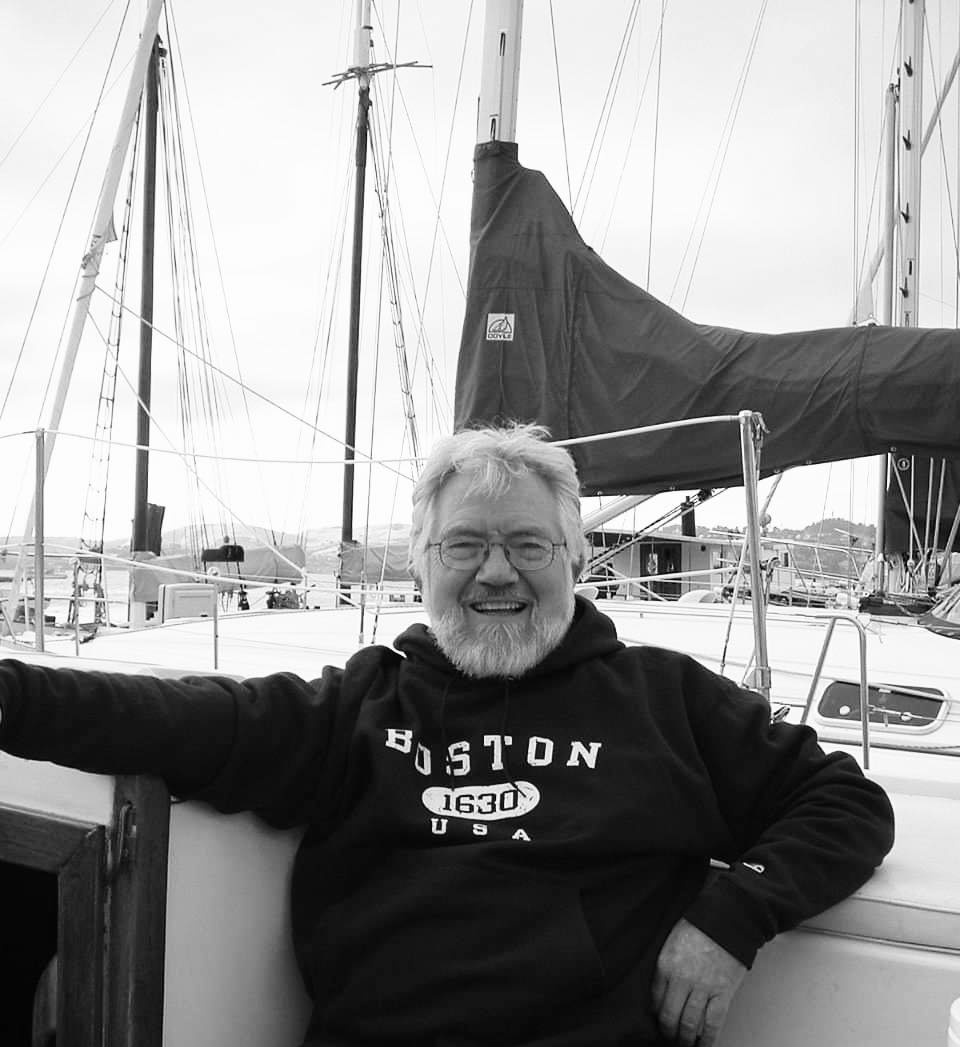
(EXCLUSIVE) REFLECTIONS ON MY WRITINGS by Lynn H. Elliott


    -What and who has inspired you the most in your artistic career?


    I have never taken a writing course, per se. My background is academic: BA, MA, PhD and teaching dramatic literature. So, my inspiration comes the writers who came before me, or those currently writing. Ideas, plots, structure, challenges—all are provided by writers. I was brought up with a love and
    respect for Shakespeare. In my formative years I explored the works of Samuel Beckett which led me to existentialism: Sartre, Gabriel Marcel, etc. My PhD thesis was on the works of Ben Jonson whose “Bartholomew Fayre” (1614) provided the background for my “Rodeo.” In my teaching at the university, I
    introduced students, and myself, to the works of so many writers and thinkers.


    -Every true artist is also a revolutionary against power. Do you think there is still
    room today to express one’s revolution through art?


    “[Writers] are the unacknowledged legislators of the world,” Percy Bysshe Shelley. This is the true challenge. The word “revolution” invokes large-scale images: war, politics, etc. But there are also smaller, but not unimportant, challenges: a woman’s struggle against control by her husband (“Pirandello’s
    Wife”), the poor manipulated by those who have power and wealth (“Borderline Justice”), a historical truth reinterpreted by later generations (“Alta California”), and so many more. Continued questioning is in my bones.


    -We live in a world where, unfortunately, war still exists. Do you believe that if there were more dissemination of art through the media and social networks, the world would be a more peaceful place?


    In my work “And We Were Left Darkling” I explored which predominates in humans: love or power. I was haunted by Yeats’ question: “what rough beast, its hour come round at last, /Slouches towards Bethlehem to be born?” We know and experience power daily. Does love, decency, respect have a place in the
    world? In my script, two men, Adolf Eichmann and Raoul Wallenberg, play chess in an unspecified limbo. The former worships a god of power; the latter a god of love. Can we, in a world filled with power, hate, etc. attempt to know someone like Wallenberg, a force of love? Or are we destined to be left “darkling”?

    -Are you working on a new project? If so, can you give us a sneak peek?

    “I can’t go on! I’ll go on!” (Samuel Beckett, The Unnamable). I’m always working at something. I recently wrote a novel for young adults, “The Boy Who Earned His Magic.” Again, there is the human dichotomy as competing characteristics battle within the characters. This story also allowed me to note and explore the different elements that make up the United States. The central character, Howell, is joined in his quest by a blind Latino boy, a Navajo girl, and a deaf Haitian girl. All bring their different languages, different ways of seeing, and different myths to the story. Plus, their tale is set in the dramatic desert landscape of the Western United States. Recently, I decided to transform “The Boy Who Earned His Magic” into a series of one-hour teleplays: six in total. The earlier ones, including the pilot, are already winning national and international festival awards.

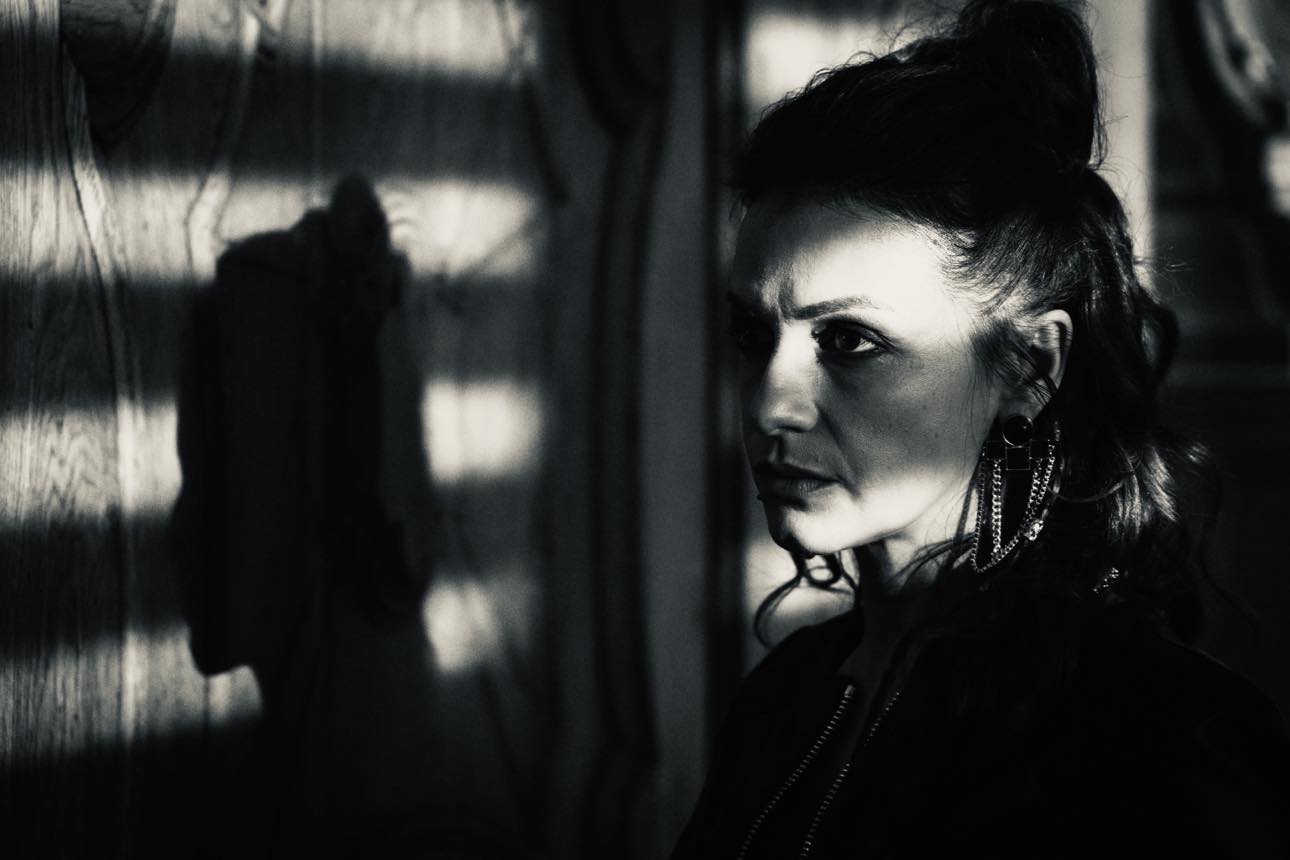
    (EXCLUSIVE) Interview with Anaya

    What and who has inspired you the most in your artistic career?

    For me, the need to create and elevate soul vibrations for a 5th dimensional world on Earth is a profound source of inspiration. The Universe, God, and my own Soul are the great inspirations that drive my artistic journey.


    -Every true artist is also a revolutionary against power. Do you think there is still room today to express one’s revolution through art?

    Art is a transformative force, catalyzing change within individuals’ minds and souls. The unity of love in people’s minds, hearts, and nations is the most powerful force that brings us together.

    -We live in a world where, unfortunately, war still exists. Do you believe that if there were more dissemination of art through the media and social networks, the world would be a more peaceful place?

    Inner peace is the cornerstone of a peaceful spirit. Creating art with the intention of fostering inner peace can profoundly impact humanity. Social media has played a vital role in spreading this message of peace.

    -Are you working on a new project? If so, can you give us a sneak peek?

    -Excitingly, I am currently working on a new project—a portal of abundance that brings prosperity, love, beauty, and profound insights to our world. Through artistic music videos, I aim to express my love for humankind and the existence of light and love in the universe. 

    (EXCLUSIVE) Interview with Zsolt Pozsgai

    -What and who has inspired you the most in your artistic career?

    The heyday of film in Europe was when I was a teenager going to the cinema in the seventies and eighties. Great Italian, French and English films, extremely talented directors and actors shaped my taste. I didn’t grow up on thrillers or horror films, but on the real, lasting value. I was a teenager, I couldn’t help it, I was lucky. At that time, in my country, Hungarian cinema was also extremely good. I came into contact with many directors, actors and film professionals. It is difficult to single out any of them. He recently received the Bunuel Lifetime Achievement Award, which I was happy about, because he was one of my favourite film directors, for example. So I was inspired not by a master but by an era.

    Every true artist is also a revolutionary against power. Do you think there is still room today to express one’s revolution through art?

    I am not quite sure. A revolutionary is always working against something, rebelling, leading people. An artist becomes a nuisance to a power because he refuses to compromise. That he represents truth and value even if the leadership of a country or society does not. Because as an artist he sees facts and events from many sides, he can judge the true content of reality. The obvious. And that is what he represents. It makes him an enemy of the powers that be. And if he is talented, and has an audience, and many people listen to him, then he is indeed almost like a revolutionary. But he is not. In today’s world, anyone who wants peace between man and man, who tries to understand different cultures and different opinions, is becoming an obstacle for the leaders of a country. But this is not a revolution. Revolution is very rarely started and made by artists. If they did, they went crazy about it later. But if you can create a revolution with your talent within your own art – theatre, film, literature, visual arts – it means you will find disciples and followers. Like Jesus. He teaches, not fights. I apologise for the simile. But yes, indeed, the artist can do a lot to make people in a lying society feel the truth and decide between truth and lies.

    Translated with www.DeepL.com/Translator (free version)

    -We live in a world where, unfortunately, war still exists. Do you believe that if there were more dissemination of art through the media and social networks, the world would be a more peaceful place?

    When a war breaks out, the artist is too late. He cannot influence the process. All he can do is build stories from situations during wars as lessons. But in war, the masses are not primarily concerned with art. So these works are really only for our descendants, our children. To learn from where and what our era went wrong. Because we know that where there is war, where only one man is killed for the sake of others – there is no justice. Because people are not fighting each other directly. But the arms companies, the politicians, the power maniacs, and all for money and profit. There are no lofty principles. Specifically: we can give Israel credit for wanting to repair the damage done to it. But, at the same time, we must see a desperate people walking up and down a small area in desperation, constantly burying their dead. As in Ukraine, so in the Gaza Strip, there is more and more destruction, buildings in ruins, people dying underneath. What can an artist do? Like a photographer, he can capture the moments. But this is very important. That when it’s all over, we can express the pain through film, so that another tragedy happens as late as possible.

    The world would be a more peaceful place if art could take its old place, when an artist’s opinion mattered, when he or she could influence the course of society with his or her work. That time has passed. But we must nevertheless trust that our films can influence the way we live.

    -Are you working on a new project? If so, can you give us a sneak peek?

    In 1335 there was a famous meeting of kings in Hungary, where the rulers of Central Europe formed a very strong alliance. And after that there were no wars for a very long time. And there was economic prosperity, prosperity. Simply because good people came together in a strong alliance. A lot of what happened then is relevant to today. In 1996 they tried to re-establish this alliance, but it has now become clear that they will not succeed. But if it succeeds as it did then, in 1335, there may be no economic crisis, no Ukrainian-Russian war, and many other things. This film will be shown in October, and we are working on the post-production of it. We are using quite modern means to depict that period. Because I would like to affirm that it is not too late, that with a sensible coalition we can perhaps improve our lives now.

    (EXCLUSIVE) Interview with Rick Meghiddo

    -What and who has inspired you the most in your artistic career?

    I have been very lucky and blessed with great teachers since childhood. Growing up in Buenos Aires and later living in Tel Aviv and Los Angeles, I was always surrounded by creative people. Yet my seven years living in Rome with my wife Ruth were critical. We had two great teachers. Bruno Zevi, a historian and critic, who stimulated us to learn from architecture and art history; and a genial architect, Luigi Pellegrin, who taught us to look at architecture, art, film, and our surroundings with a critical eye. He also led us to study Frank Lloyd Wright’s works and ideas. This brought us to travel to photograph over one hundred of his works across America. In parallel, I loved good cinema since I was a teenager, and later, when living in Rome, we encountered some great filmmakers. Yet it was in 2012 when I started to do short documentaries, mostly about architecture and the arts.

    -Every true artist is also a revolutionary against power. Do you think there is still room today to express one’s revolution through art?

    Of course! Look at Ai Wei Wei, at Davis Guggenheim’s “An Inconvenient Truth.” Look at Picasso’s Guernica, at Poliforum Siqueiros in Mexico City. Our great mentor, Pellegrin, was a revolutionary architect. And I also had heroes in other disciplines.

    -We live in a world where, unfortunately, war still exists. Do you believe that if there were more dissemination of art through the media and social networks, the world would be a more peaceful place?

    I would hope so, but I am not sure. The Medici family significantly impacted Renaissance art, yet their regime was bloody. Great art of the 19th and 20th centuries did not stop two world wars. As for today’s media and social networks, there is much confusion and lack of education to discern what is meaningful art and what is not. In doing architecture and art-related films and considering the short span of attention of most people, I am cautiously optimistic.

    Are you working on a new project? If so, can you give us a sneak peek?

    I am concerned about the future of the planet. We need exponential transformation at an unprecedented speed and scale to safeguard our existence and that of future generations on this planet. How to make a meaningful contribution through film is not easy. I am considering my next project to relate to this subject. As a sneak peek of that direction, the trailer from a previous short documentary, A Permaculture Path, may give you some idea of what I am trying to do. To watch the trailer, please go to: https://vimeo.com/936452710

    WINNERS MONACO FILM MEETING 2024

    Wax Colors

    BEST ORIGINAL FEATURE SCRIPT & BEST AMERICAN SCREENWRITER

    Roses are Blind

    BEST INTERNATIONAL THRILLER & BEST ARTHOUSE SCREENWRITER

    Omnipotent Resolution

    BEST INTERNATIONAL MUSIC VIDEO, BEST DANCE NARRATIVE SHORT, BEST SONG & BEST ARTHOUSE SINGER

    Trouble In Paradise

    BEST INDIE DIRECTOR & BEST CINEMATOGRAPHER

    Stay With Me

    BEST  ORIGINAL SCREENWRITER

    Doumi Girls

    BEST ORIGINAL NARRATIVE SHORT, BEST SCREENWRITER (Category: Narrative Short) & BEST INDIE DIRECTOR

    The Priory of Sion

    BEST EUROPEAN FEATURE SCRIPT

    Two Stoners

    BEST INTERNATIONAL SUPER SHORT FILM

    The Stones of Rome

    BEST AMERICAN NARRATIVE SHORT & BEST ORIGINAL DIRECTOR

    The Pathos of Hamlet

    BEST INDIE PRODUCER & BEST INTERNATIONAL INSPIRATIONAL SHORT FILM

    The Lost Village

    BEST DIRECTOR

    Hot Afternoons Have Been in Montana

    BEST VIDEO POETRY & BEST ARTHOUSE EDITING

    Sand in the Crack

    BEST COMEDY

    Parenting Without Screems

    BEST DOCUMENTARY SHORT & BEST DIRECTOR (Category: Indie Documentary)

    We love Everywhere

    BEST EUROPEAN DIRECTOR

    We’re Gonna Come Back

    BEST ARTHOUSE MUSIC VIDEO

    Atlas of Uncertainty

    BEST ORIGINAL IDEA & BEST SOUND DESIGN

    Dojo

    BEST NARRATIVE SHORT FILM, BEST ACTING, BEST ACTION MOVIE & BEST ORIGINAL SCREENPLAY

    Alta California

    BEST INTERNATIONAL SCREENWRITER, BEST SCREENPLAY & BEST AMERICAN FEATURE SCRIPT

    Passacaglia

    BEST INTERNATIONAL PICTURE & BEST PRODUCTION COMPANY

    Borderline Justice

    BEST ORIGINAL WRITER

    The Assassin’s Apprentice 2: Silbadores of the Canary Islands

    BEST INDIE PRODUCER, BEST ORIGINAL DIRECTOR & BEST ORIGINAL SHORT FILM

    Routine

    BEST FILMMAKER, BEST CINEMATOGRAPHER & BEST ARTHOUSE EDITING

    Malcolm

    BEST INTERNATIONAL ACTOR

    Change The World

    BEST ARTHOUSE DOCUMENTARY SHORT & BEST FILMMAKER

    Eye of the Storm

    BEST INTERNATIONAL DOCUMENTARY & BEST DIRECTOR

    Remnant

    BEST NARRATIVE FEATURE, BEST DIRECTOR (Category: Narrative Feature) & BEST PRODUCER

    Thankful

    BEST WRITER & BEST INTERNATIONAL FEATURE SCRIPT

    Soul

    BEST ORIGINAL PROJECT & BEST FILMMAKER

    Halloween (Rabbit Well Episode 6)

    BEST EXPERIMENTAL COMEDY, BEST ANIMATED SHORT PROJECT & BEST ARTHOUSE FILMMAKER

    The Dead Ringer

    BEST INTERNATIONAL ORIGINAL SCREENAPLAY

    Risveglio Planetario

    BEST INDIE MUSIC VIDEO

    5 Marzo 1955 Una Canzone Per Carla

    BEST EUROPEAN ERTHOUSE PROJECT

    13 Driver’s Licenses

    BEST DOCUMENTARY SHORT

    An impossible secret

    BEST INDIE DIRECTOR, BEST ACTRESS & BEST ACTOR

    BLIND FAITH: Moments of Missed Understanding

    BEST EXPERIMENTAL FILM & BEST EDITING

    TALITA l’abbandono

    BEST ARTHOUSE EXPERIMENTAL FILMMAKER

    Bitter Brownies

    BEST INDIE NARRATIVE SHORT

    Hitched

    BEST TV/PILOT & BEST INTERNATIONAL INDIE WRITER

    Can’t Figure It Out

    BEST ORIGINAL DIRECTOR & BEST INSPIRATIONAL FILM

    Luzinete

    BEST INDIE PRODUCER & BEST ARTHOUSE SHORT FILM

    Prima del giorno dopo

    BEST EUROPEAN FILM & BEST SCREENPLAY

    Anything You Lose

    BEST DOCUMENTARY FEATURE & BEST ORIGINAL CINEMATOGRAPHY

    Cosmic Light

    BEST INTERNATIONAL MUSIC VIDEO & BEST SINGER

    Alchemy On The Amstel (III)

    BEST EXPERIMENTAL DIRECTOR

    Bat Sheva (The Daughter of 7even)

    BEST ORIGINAL SCORE

    Not Without Gloves

    BEST INTERNATIONAL ARTHOUSE DIRECTOR

    L’Amour est temps de reflets

    BEST ARTHOUSE EUROPEAN DIRECTOR & BEST CINEMATOGRAPHER

    Colombano & La Ventunesima Fetta

    BEST EUROPEAN INDIE FILM

    Thirty Days

    BEST DOCUMENTARY FEATURE & BEST INDIE FILMMAKER

    Emergency Musical Response: Part 1 – Journey to Netherworld

    BEST FIRST TIME DIRECTOR

    WINNERS FANTASY FESTIVAL in Santiago de Chile 2024

    Luzinete

    BEST NARRATIVE SHORT, BEST SCREENPLAY SHORT, BEST DIRECTOR (Category: Narrative Short) & BEST MAKE-UP ARTIST

    Not Without Gloves

    BEST INSPIRATIONAL DIRECTOR, BEST EXPERIMENTAL CINEMATOGRAPHY & BEST ORIGINAL EDITING

    Monument to Love

    BEST DOCUMENTARY SHORT & BEST CAMERA OPERATOR

    Dojo

    BEST ARTHOUSE SHORT FILM, BEST INTERNATIONAL FILMMAKER, BEST INDIE PRODUCER & BEST ACTION MOVIE

    Bat Sheva (The Daughter of 7even)

    BEST ORIGINAL SCORE & BEST ORIGINAL IDEA

    Atlas of Uncertainty

    BEST VIRTUAL REALITY PROJECT & BEST SOUND DESIGN

    The Stones of Rome

    BEST ORIGINAL INDIE NARRATIVE SHORT & BEST EXPERIMENTAL EDITING

    The Pathos of Hamlet

    BEST ACTOR & BEST AMERICAN NARRATIVE SHORT

    The Assassin’s Apprentice 2: Silbadores of the Canary Islands

    BEST AMERICAN DIRECTOR, BEST CAST & BEST ORIGINAL SHORT

    Routine

    BEST INDIE FILMMAKER, BEST INTERNATIONAL SCREENWRITER & BEST INDIE PRODUCTION COMPANY

    The Quest for Camelot

    BEST ARTHOUSE DIRECTOR & BEST CINEMATOGRAPHY

    Alta California

    BEST FEATURE SCRIPT & BEST INTERNATIONAL WRITER

    An impossible secret

    BEST ORIGINAL ARTHOUSE DIRECTOR, BEST CAST & BEST COSTUME DESIGNER

    BLIND FAITH: Moments of Missed Understanding

    BEST EXPERIMENTAL FILM & BEST ARTHOUSE PRODUCER

    Omnipotent Resolution

    BEST INTERNATIONAL MUSIC VIDEO, BEST DANCE FILM, BEST POETRY PROJECT & BEST INTERNATIONAL SONG

    The Dead Ringer

    BEST INTERNATIONAL SCREENWRITER & BEST ARTHOUSE FEATURE SCRIPT

    Sinestesìa

    BEST MUSIC VIDEO & BEST EXPERIMENTAL DIRECTOR

    Appoggiata a un Tramonto

    BEST EUROPEAN WRITER & BEST SHORT SCRIPT

    The Liminal Space

    BEST EXPERIMENTAL SHORT FILM & BEST ARTHOUSE CINEMATOGRAPHY

    Tututango

    BEST VIDEO POETRY & BEST ORIGINAL EXPERIMENTAL MUSIC VIDEO

    Museum Or The Marble Statue

    BEST EUROPEAN DIRECTOR

    But I Want to Leave the Party

    BEST ARTHOUSE SHORT FILM, BEST INDIE AMERICAN DIRECTOR, BEST ACTRESS & BEST ORIGINAL SCREENPLAY

    Rise

    BEST SILENT COMEDY

    Winners Japan Film Critics Awards 2024

    For the Love of Horses

    BEST INTERNATIONAL ARTHOUSE DOCUMENTARY SHORT

    Roses are Blind

    BEST INTERNATIONAL THRILLER

    Medea

    BEST ARTHOUSE SHORT FILM, BEST EDITOR & BEST ORIGINAL FILMMAKER

    Michelangelo and Me + Da Vinci and Me opener

    BEST INDIE WRITER & BEST ORIGINAL FEATURE SCRIPT

    Tututango

    BEST VIDEO POETRY & BEST ARTHOUSE CINEMATOGRAPHY

    The Liminal Space

    BEST ORIGINAL EXPERIMENTAL PROJECT

    Apples, Oranges, Lemons & Limes

    BEST AMERICAN NARRATIVE SHORT, BEST ORIGINAL INDIE DIRECTOR & BEST CAST

    Space table Symphony

    BEST ARTHOUSE MUSIC VIDEO

    Lights, Camera, Action!

    BEST PICTURE & BEST INDIE NARRATIVE FEATURE

    Now

    BEST EXPERIMENTAL SHORT FILM

    Americans in Japan

    BEST ORIGINAL DOCUMENTARY SHORT

    An impossible secret

    BEST NARRATIVE SHORT & BEST INDIE CINEMATOGRAPHER

    Halloween (Rabbit Well Episode 6)

    BEST ORIGINAL ANIMATED PROJECT & BEST ARTHOUSE FILMMAKER

    SOUL

    BEST EXPERIMENTAL CINEMATOGRAPHY & BEST INDIE NARRATIVE SHORT

    The Divers

    BEST ORIGINAL WRITER

    Omnipotent Resolution

    BEST SONG, BEST AMERICAN MUSIC VIDEO, BEST SINGER & BEST DANCE SHORT FILM

    Mourning Coffee

    BEST FIRST TIME DIRECTOR

    My Life as a Piece of Space Debris

    BEST DOCUMENTARY SHORT

    Hot Afternoons Have Been in Montana

    BEST INTERNATIONAL VIDEOPOETRY

    The Face of the Faceless

    BEST INTERNATIONAL FILM, BEST SCREENPLAY & BEST CINEMATOGRAPHER

    Peace Prayer (Extended Version)

    BEST ORIGINAL MUSIC VIDEO

    Precious the Baby Dragon

    BEST INTERNATIONAL BOOK

    0 = 45 version V and version VI

    BEST ORIGINAL DANCE MOVIE & BEST CHOREOGRAPHY

    Atlas of Uncertainty

    BEST SOUND DESIGN & BEST EUROPEAN ORIGINAL PROJECT

    Lifes Mapped Out

    BEST INDIE DIRECTOR

    Catalysm Down Under ( trailer)

    BEST TRAILER

    Thankful

    BEST INTERNATIONAL FEATURE SCRIPT

    La Rixe

    BEST INTERNATIONAL DRAMA

    The Mori

    BEST NARRATIVE SHORT, BEST SCREENWRITER & BEST INDIE DIRECTOR

    Last Dance in Mariupol

    BEST HUMAN RIGHTS NARRATIVE SHORT & BEST ARTHOUSE PRODUCER

    Lifes Mapped Out

    BEST INDIE DIRECTOR

    The Girl Who Faded Away

    BEST INTERNATIONAL MUSIC VIDEO & BEST INDIE PRODUCER (Category: Music Video)

    Bat Sheva (The Daughter of 7even)

    BEST ORIGINAL SCORE

    What Kind of Day

    BEST INTERNATIONAL DRAMA

    Aneyshia

    BEST ORIGINAL MUSIC VIDEO

    Balkan Jazz

    BEST DOCUMENTARY FEATURE & BEST INTERNATIONAL FILMMAKER (Category Documentary)

    Monument to Love

    BEST SOCIAL DOCUMENTARY & BEST PRODUCER

    BLIND FAITH: Moments of Missed Understanding

    BEST EXPERIMENTAL FILM & BEST INSPIRATIONAL DIRECTOR

    Déjà Vu On the Ledge

    BEST ARTHOUSE SHORT FILM

    The Victims of Sundarbans

    BEST INDIE SHORT FILM & BEST EDITING

    The Priory of Sion

    BEST EUROPEAN FEATURE SCRIPT & BEST ARTHOUSE SCREENWRITER

    The Forest Of The Honey Bees

    BEST INTERNATIONAL ANIMATED SHORT FILM

    Luzinete

    BEST INTERNATIONAL INDIE NARRATIVE SHORT

    Sky Walker

    BEST ORIGINAL FEATURE SCRIPT

    Dojo

    BEST THRILLER SHORT, BEST ACTING, BEST ACTION MOVIE & BEST INDIE PRODUCTION COMPANY

    The Quest for Camelot

    BEST DIRECTOR

    “Only You Can Save Her,” pilot teleplay of series THE BOY WHO EARNED HIS MAGIC

    BEST PILOT TV & BEST AMERICAN WRITER

    The Dead Ringer

    BEST INTERNATIONAL SCREENWRITER & BEST ORIGINAL IDEA

    Remnant

    BEST INDIE NARRATIVE FEATURE, BEST CAST, BEST DIRECTOR (Category: Narrative Feature) & BEST ORIGINAL SCREENPLAY

    Not Without Gloves

    BEST EUROPEAN DIRECTOR & BEST POETIC CINEMATOGRAPHY

    Anything You Lose

    BEST ARTHOUSE DOCUMENTARY & BEST INDIE FILMMAKER

    L’amour est temps de reflets

    BEST EUROPEAN SHORT FILM

    Eye of the Storm

    BEST BIOGRAPHICAL FILM

    Final Fire

    BEST FEATURE SCRIPT

    Flames of Love

    BEST TELEVISION SCRIPT

    Routine

    BEST AMERICAN NARRATIVE SHORT, BEST ORIGINAL DIRECTOR & BEST ORIGINAL IDEA

    The Assassin’s Apprentice 2: Silbadores of the Canary Islands

    BEST INTERNATIONAL ARTHOUSE SHORT FILM, BEST SCREENPLAY SHORT, BEST INDIE FILMMAKER & BEST CINEMATOGRAPHY

    Brothers of Babylon

    BEST SCREENWRITER & BEST ORIGINAL FEATURE SCRIPT

    The Pathos of Hamlet

    BEST INDIE PRODUCER & BEST AMERICAN ACTOR

    The Stones of Rome

    BEST ARTHOUSE SHORT FILM

    Risveglio Planetario

    BEST INDIE MUSIC VIDEO

    5 marzo 1955 Una Canzone per Carla

    BEST SUPER SHORT FILM

    Artists & Aliens

    BEST SCI-FI

    In a Whole New Way

    BEST ARTHOUSE DOCUMENTARY SHORT

    Sinestesìa

    BEST EUROPEAN MUSIC VIDEO & BEST ORIGINAL DIRECTOR

    Emergency Musical Response: Part 1 – Journey to Netherworld

    BEST ARTHOUSE FIRST TIME DIRECTOR

    Unsuitable Meeting

    BEST ORIGINAL INDIE DIRECTOR

    (EXCLUSIVE) Interview with Jackson Martini

    -What has been the greatest difficulty you faced in producing your project?

    Definitely the novelty of it all. When we started Sitting in a Dream, we barely knew anything about filmmaking or producing music videos. Before this one came about, our experience was limited to a bunch of high school amateur shorts and fake trailers shot on a tiny Panasonic camcorder in our old Soviet panel housing backyards. This was our first real attempt at more or less professional filmmaking, and Sitting in a Dream was originally meant to be part of a series of promos for an arthouse Syd Barrett-inspired film we were planning but never ended up making (hence the title).

    From the start our aim with it was festivals, which is why the production quality had to urgently get much less embarrassing. At last, we left behind our usual “Moscow Hollywood” setup—our affectionate term for the Soviet brick jungle where we had filmed everything up to that point—and drastically expanded our location scouting to ensure the material properly matched our vision. We upgraded to a 4K camera, invested in proper lighting, and expanded the crew by bringing on a gaffer, grips, and a makeup artist, all of whom had to learn on the job since hiring experienced professionals was way out of our budget. Needless to say, my job as a director had gotten a lot tougher, but the fact that we pulled it off speaks volumes about the fast learning and incredible talent of the people I had the privilege to work with.

    -Do you think the film industry today has been damaged by political correctness?

    Certainly, and quite severely in my opinion. What I have seen happen in the industry almost on every level is the utter politization of the art of filmmaking, to the point where every movie seems to try to make the same old political statement and pander to different minority groups rather than tell an actual story or God forbid entertain the audience. On the other hand, history has shown that such periods of censorship in the arts cannot last forever and, in the end, can only lead to one thing: an explosion of free artistic spirit fueled by a desire to break those chains and tell new, unique stories that inspire and entertain. I believe we might just be on the brink of such a “renaissance”, where filmmakers will once again be prioritizing artistry over agenda.

    -What was the greatest source of inspiration for creating your project?

    Quite simply, Syd Barrett. I firmly believe he is among the most important figures in music history with one of the most tragic and unusual, at times even magical personal stories that just begs for a biopic about his life. This was my first time working on a music video, so I looked to other music videos for inspiration, particularly Pink Floyd’s 1960s TV promos featuring Syd. The one that impressed me most was their 1967 promo for “Jugband Blues,” Syd’s last song with the band, and what was so interesting about it was how you could see that at that point due to his progressing mental illness he was completely and forever lost in his quiet senseless darkness never to return again. “Now there’s a look in your eyes, like black holes in the sky”, – as his bandmate, Roger Waters would later put it.

    Fairy tales were another key inspiration for this music video. Syd Barrett was apparently just as fond of them as I am, which is why for “Golden Hair” he adapted the lyrics from a James Joyce poem that seems to hint at the story of Rapunzel, one of the most iconic fairy tales out there. With its imagery, we aimed to evoke a sort of magical-mythical feel in our music video by featuring fireflies, candles, mysterious masked men, and the Golden-Haired lady herself, all quietly surrounding our hero. The interplay between these elements was designed to transport the viewer into a dreamlike world that blurs the boundaries between reality and fantasy, a reflection of the mesmerizing quality of Barrett’s own work.

    -If you could ask a question to a great director from the past, who would you like to talk to and what would you ask them?

    I would have definitely loved to talk to Andrei Tarkovsky (who, interestingly, comes from roughly the same region in Russia as my mother) about his filmmaking style and try to get him to explain his unique approach in very plain and practical terms, rather than the artistic and almost spiritual responses he typically gave in his interviews.

    -What do you think of the Wild Filmmaker platform?

    So far, I am quite fond of it! I think it offers a unique opportunity for us little indie people to participate in some of the biggest and most prestigious cinematic events all over the world, not to mention interview us and allow us to give our own unique perspective on what the art of filmmaking can be. It’s incredibly encouraging to see such platforms providing a voice to independent filmmakers, fostering creativity, and helping us reach wider audiences we might not have been able to access otherwise.

    (EXCLUSIVE) Interview with Robert Scott MacLeay

    -Who is Robert Scott MacLeay?

    I am a Canadian new media artist (photography and video) / composer / writer, who lived and worked in Paris for 30 years before moving to Florianópolis, Brazil in 2010. My formal education was in the social sciences and I have an Msc. in Economics from the London School of Economics and Political Science (LSE). I left my doctoral studies to pursue a career in photography in Vancouver, Canada in the mid-70s and decided to dedicate myself exclusively to my exhibition work when I moved to Paris in 1979. In the 80s, thanks to good gallery representation in New York and Paris and multiple participations in the biennial Paris Month of Photography (1980, 1982, 1988), I was able to exhibit my work widely in Europe, N. America and Japan. I left the analog photographic world in the late 80s to devote myself full time to composing music for video art, contemporary dance and my group Private Circus. I had always composed music on a part-time basis since moving to Paris, but my frustrations with the limitations of analog photography led me to explore the world of digital music on a full-time basis, an activity that enhanced my later interest in digital imagery, filmmaking and online technologies. When the quality of digital applications in the visual arts had begun to catch up to those in the audio universe in the period between 2003 and 2008, I began to apply many of the processes I had developed in my musical composition and sound designing work to digital image-making based on combinations of photography and the graphic arts.
    By the time I arrived in Brazil, I was dividing my time between research and exploration in digital photography, video and music, all in the service of creating new media pieces. Over the past seven years I have grown increasingly interested in exploring and developing interactivity in both my online and video projects, devoting the majority of my time to experimental video work. Throughout my 45 years as an artist, my formation in the social sciences continued to be an important influence on the manner in which I develop and evolve the conceptual processes underlying my work.

    -What inspired you to become a Filmmaker?

    Upon arriving in Paris, I quickly realized that I needed to find a way in which to assure a relatively steady flow of income to finance my photographic exhibition work. I was offered the opportunity to create the Photography Department at the American Centre for Artists in Paris, an avant-garde independent cultural institution that was famous for introducing American video art to French audiences as well as for its work in the field of modern dance and music with its affiliations with the Merce Cunningham Dance Company and John Cage. The video activities at the American Center were initiated by Don Foresta who was Director of its Center for Media Art. Don regularly organized presentations, workshops and encounters with some of the most influential video artists of the day including Woody and Steina Vasulka, Nam June Paik and William Wegman as well as exciting newcomers like Bill Viola, Gary Hill and Joan Logue among others. I attended all the presentations and began to develop a deeper understanding of the power of video art and its relationship to experimental film. During my first year of teaching at the Center I was asked to participate in the first transatlantic transfer of an image over a telephone line via slow scan between the American Center in Paris and Center for Advanced Visual Studies at M.I.T. In 1981 this constituted a veritable technological adventure and I found the experience profoundly inspiring.
    Anne Marie Stein succeeded Don Foresta as Director of the Center for Media Art and invited me to make my first experimental videos in 1983. When in 1984 she and her husband decided to move back to the USA, she recommended that I be named director of a new entity that would combine my now successful photography department with the center’s video activities. The Center for Media art and Photography (CMAP) was born. I remained Director of the CMAP until I left the Center in 1987 to begin pursuing my musical composition work full time, with a particular emphasis on music for video art works where I had the privilege of collaborating with many very talented French video artists.
    My innumerable encounters with remarkable artists that characterized my life in the 1980s cemented my belief in the importance of video art as a means of expressing what we think and feel about more intangible subject matter as opposed to focusing on what we see in the world around us. I became passionately interested in non-linear narratives in both video and photography, a passion that continues today.

    -Do you think the cinema can bring a change in the society?

    Change is a very complex process and profound change requires a number of powerful ongoing influences operating simultaneously and in harmony over rather long stretches of time. So, if I am honest, I do not believe that cinema alone can bring a change to society, although it is very capable of inspiring reflection on a change in progress. I think that the invention of filmmaking and the development of cinemas in the early 20th century did bring about a certain change, not because of its content, but because the nature of the medium itself represented a societal change, just as television did in the 1960s. As Marshall McLuhan wrote with respect to television “the medium is the message”. Cinemas in the early 20th century represented a new form of social gathering, one in which individuals did not communicate with each other during the event – a strange new form of atomized social gathering, a form that has been taken to new heights with the invention of the cellphone where groups of people can be seen in social settings, each individual glued to their cellphone screen.
    I do however believe that cinema, whether commercial or as a more abstract art form, does represent a powerful tool for raising questions and awareness about highly relevant questions and as such, is capable of making contributions to the groundwork necessary for profound change in many areas of society. Because commercial cinema has the potential to reach vast audiences worldwide, I think that perhaps it has the power in certain cases to incite a certain degree of reflection on a societal level. This is not true of the type of experimental work I create. My work is, by definition, more confidential. It is reserved for gallery and museum exhibitions and specialized festivals and as such, has significantly less power at a societal level. Instead, its power is that of touching a small number of individuals interested in more abstract philosophical topics. I make my work for myself, to express thoughts and feelings on topics such as doubt, ambiguity, chance and interpersonal messaging. I believe that much of my work is a mirror in which people can catch a glimpse of themselves in a different light, one that provokes reflection and often, a sense of discomfort. My work may not be able to change the world but I believe it has the power to change the way individuals see themselves, one by one. This, to me, already constitutes a relevant achievement.

    -What would you change in the world?

    The things I would like to change have to do with both individual and social relationships. For example, I would like to see an end to the ravages of world poverty and more emphasis placed on constructing genuine equality of opportunity and universal access to high quality public healthcare, education and local transportation worldwide. I would like to see an end to bigotry in all its forms. I would like to see a world in which children have the time to be children before we begin to pressure them into becoming what we adults think they ought to be in the future. I would like to see a world in which formal education devoted much more time to creative analytical thinking and culture and spent less time emphasizing memorization. Lastly, I would like to see countries place less emphasis on promoting nationalism and more on developing understanding and respect for the traditions and perspectives of other nations.
    So, as you can see, the list is an ambitious one … but you asked.

    -Where do you see the film industry going in the next 100 years?

    That is an almost impossible question to answer. Imagine if you had asked that same question to a filmmaker in 1924? However, there are perhaps trends opening up that suggest pathways to future film industry characteristics.
    Firstly, I believe there will be a strong push towards more independent filmmaking that involves both feature films as well as more experimental works. I believe that cinemas as we know them today will continue to have difficulties in drawing audiences if they cannot provide more technologically interesting experiences and do not strive to offer a more varied selection of types of work. I believe that this may be made possible by ongoing technological developments in the art of filmmaking that make the cinema experience a more immersive one capable of transporting the audience to entirely new environments. This may require rethinking of what constitutes a cinema. Will it continue to be a dark room with rows of seats or a more open concept with multiple projections and points of interest? In any case, I feel that in order to survive, the cinema experience will have to undergo changes that enable it to create and provide audio visual experiences very different from those which potential spectators can now enjoy daily in their own homes with their large screens and surround sound installations.
    Lastly, on a more general level, I believe that the notion of interactivity will play an increasingly important role in the evolution of filmmaking of all types. If innovation was the concept driving progress in almost all areas during the 20th century, I believe that the concept of interactivity will play a similar role in the 21st century. This implies a more active role for the spectator when compared to their passive consumer profile of the 20th century. This may oblige the film industry to focus much more on the development of sophisticated home-based interactive streaming experiences not unlike perhaps those being developed in the gaming / RPG universe.
    In any case, the transmedia aspect of the film industry which began developing 20 years ago will undoubtedly continue to evolve, exploiting new platforms and formats of communication, both online and off, designed to take the cinephile experience to new heights.

    “Medea” (EXCLUSIVE) Interview with Andronica Marquis

    -Who is Andronica Marquis?

    I’m an auteur filmmaker and storyteller simply because I perceive the world differently than the
    majority, and I love movies. My love for everything that makes a movie is something I was born
    with, but I never felt I could make a movie – it was too great a thing; so I decided I was an
    actress. With a drama degree, I went to L.A., but could never embrace or fit into the system; I
    met some people who wanted to make a short film, I wrote it for them; they suggested I be in
    it, then direct it and I eventually produced it. Producing was the most intense thing I ever
    experienced and it made me feel alive. Shaping a personal perspective into a cinematic story is
    the most interesting challenge to me.

    -What inspired you to become a Filmmaker?


    I grew up in San Francisco, raised by public school teachers. My mother would take me to The
    Castro – a grand arthouse theater – where we would watch classic movies, because I was the
    only one out of her four daughters who was interested. I would walk out of Katherine Hepburn
    movies unable to capture the fabulousness of the cinematic experience. The romance of Fred
    Astaire and Ginger Rogers movies – the costumes, sets, music, dance – the world they created
    to harbor a love affair between unlikely lovers…it was overwhelming to me; In college I worked
    at a movie theater and stand in the back watching the movies over and over, simultaneously
    getting lost in the story, but subconsciously being able to breakdown and appreciate all the
    components that created it and dissect what I felt were the weaknesses or strengths. My love
    of everything that makes a movie runs deep in me.

    -Do you think the cinema can bring a change in the society?

    Cinema is art and art changes the world. People are challenged by other’s stories and
    understanding of life. They’re inspired and moved. They are forced to compare and contrast
    their understanding with that of others. Movies inspire people to think and feel. The world can’t
    help but be a better place because of it.

    -What would you change in the world?

    My feeling is that people are inherently good. I work to expose that notion, so that people for
    whom being good is a challenge can discover the good in themselves and share it, potentially
    changing the lives of others who are struggling.


    -Where do you see the film industry going in the next 100 years?

    I’ve heard people talking about films disappearing and I don’t see that ever happening.
    Television has become really amazing story-telling, but it’s not a movie. Cinema is a special
    kind of story-telling. I feel like the large studios have really lost their way and are financially
    suffering from it. People will spend money for amazing movies and they won’t spend money for
    films that have no story. I see women film-makers changing the industry overall in the next 100
    years, because they are breaking through with a more inclusive, sensible and ultimately
    productive way of making films. They run the set with schedules that allow the cast and crew
    to sleep; they listen to actors when they need something – rather than the “deal with it and get
    it done” attitude, inspiring better performances; and the tension that is produced by sexual
    predatory practices and intimidation can become a thing of the past. Movie-making and the
    movies produced from it should become an even richer experience for everyone as this
    process develops over time.