-With this victory, you have achieved an important milestone and have become an authoritative voice in international independent cinema. What are your next projects?
Receiving this distinction from the TriBeCa Film Critics Circle Awards is a tremendous honor. I am deeply grateful for this recognition, and I am humbled to be considered a respected voice within international independent cinema. My next projects naturally grow out of my background in dance, sound, and visual storytelling. I am currently writing a film that reflects on my move here and explores the emotional and psychological landscape of displacement, memory, and belonging. Another project is a highly visual work centered on the expressive language of the body and how movement can communicate emotion, history, and experience without words. I am also developing a deeply personal film inspired by a close friend. It begins with the simple act of putting on jackets as she recounts her story. Through intimate gestures and conversation, the film explores resilience, vulnerability, and the ways our bodies carry memory.
This award encourages me to continue making films that embrace experimentation while remaining deeply human. I look forward to sharing these new works with audiences and continuing to explore cinema as a space where image, movement, sound, and personal histories come together.
-Describe yourself with three adjectives that best reflect your vision of the world.
Intuitive, Daring, Visionary.
-WILD FILMMAKER is, above all, a space for freedom of thought and sharing. Who would you most like to find yourself in front of, and what would you say to them? You may include figures from the present or the past, from Julius Caesar to Marilyn Monroe, just to give an example.
I would love to find myself in front of and have long vibrant conversations with:
Lina Wertmuller, Federico Fellini, Michelangelo Antonioni, Bernardo Bertolucci, Paolo and Vittorio Taviani, Chantal Akerman, Akiro Kurosawa, Jean-Luc Godard, Pier Paolo Pasolini, Agnes Varda, Jacques Tati, Francois Truffault, Andrei Tarkovosky, Pina Bausch, Vaslav Nijinsky, Rudolf Nureyev, Martha Graham, Ohad Naharin, Meredith Monk, Leontyne Price, Maria Callas, Bidou Sayao, Jessye Norman, Charles Baudelaire, Alberto Moravia, Agnes Gund, Gordon Matta-Clark, Carolee Schneemann, Bruce Nauman, Louise Bourgeois, Robert Frank, Diane Arbus…. Soooo many more…..
-Through the WILD FILMMAKER Community, we have succeeded in bringing independent filmmakers under the same spotlight as mainstream industrial cinema. How do you evaluate our work and activities?
Cinema/Film has always been a place where different voices can meet, regardless of budget, geography, or industry. What I admire most about the WILD FILMMAKER Community is its sincere and deep commitment to creating that meeting place. By bringing independent filmmakers into the same conversation as mainstream cinema, you remind us that the true value of a film lies not in the scale of its production, but in the depth of its vision. Independent cinema is where many of the most courageous artistic risks are taken. It is where new cinematic and visual languages are born, where visual silence can speak as powerfully as dialogue, and where deeply personal stories find a universal heartbeat. Your work nurtures this creative ecosystem by giving filmmakers not only visibility, but also a sense of belonging. I believe cinema is a living art form, nourished by diversity of voices and perspectives. The WILD FILMMAKER Community has become more than a platform, it is a bridge between cultures, artists, and audiences. In a world that often celebrates the loudest voices, you create space for the quiet, the experimental, and the deeply human. That is a meaningful contribution to the future of cinema.
With this victory, you have achieved an important milestone and have become an authoritative voice in international independent cinema. What are your next projects?
My next project is a video called Young River, the river through the eyes of a child. It is a project about innocence, discovery, and the way a child can look at nature with wonder and truth.
Describe yourself with three adjectives that best reflect your vision of the world.
Hopeful, energetic, and humanistic.
WILD FILMMAKER is, above all, a space for freedom of thought and sharing. Who would you most like to find yourself in front of, and what would you say to them?
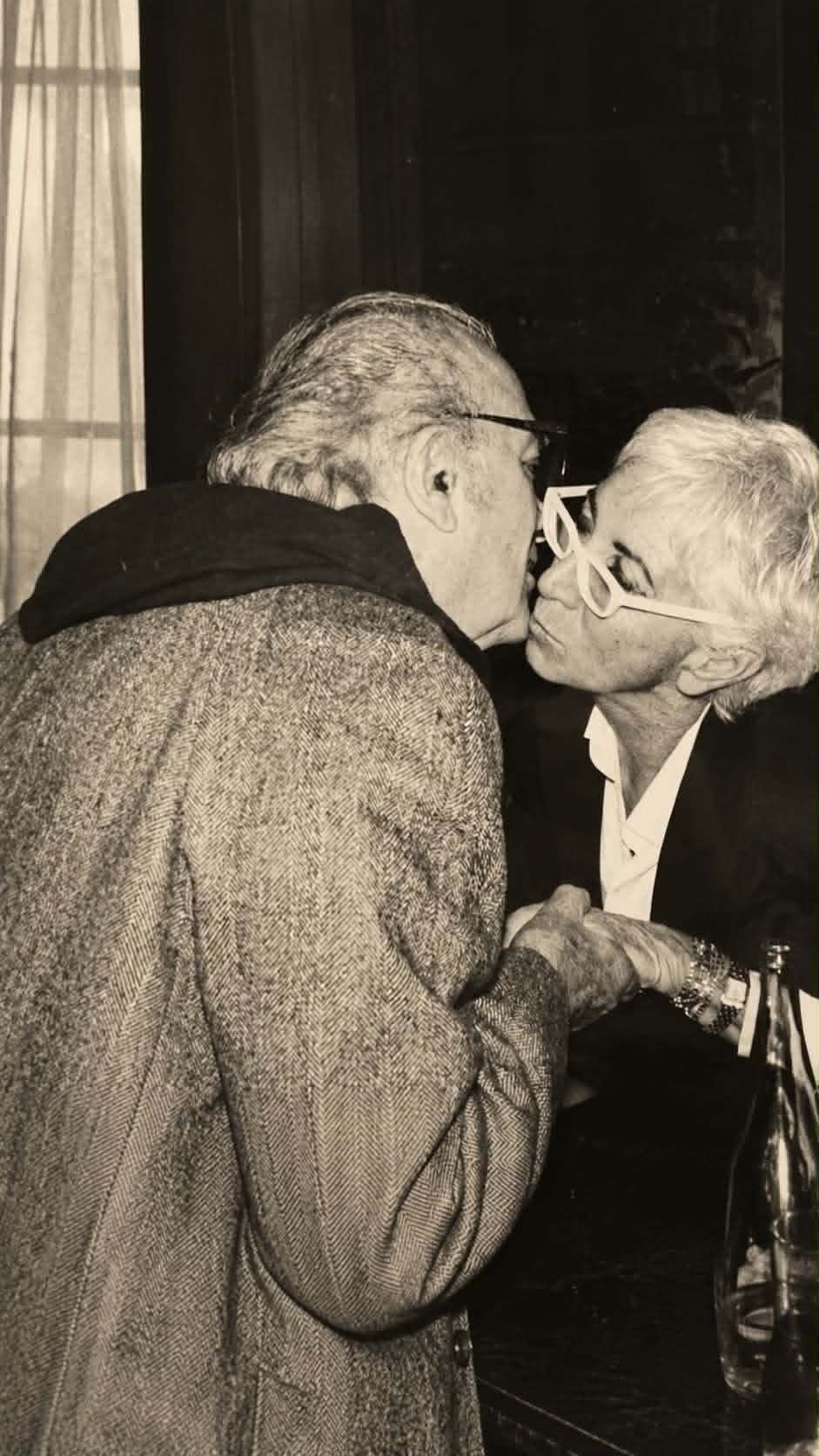
I would like to find myself in front of Marie Curie and Lina Wertmüller. I would tell them that I admire their courage, their vision, and the way they opened roads for others. I would also say that I would like to see a world without wars, with human understanding and hope for the new generations.
Through the WILD FILMMAKER Community, we have succeeded in bringing independent filmmakers under the same spotlight as mainstream industrial cinema. How do you evaluate our work and activities?
I believe that WILD FILMMAKER offers a platform where filmmakers find a resonance for their work. This is so important because, after the solitude of creating, the filmmaker can feel that their message has found a road to walk in the world.
-With this victory, you have achieved an important milestone and have become an authoritative voice in international independent cinema. What are your next projects?
Great question! In this time of flux, I do believe in the continuing power of original storytelling, and so, creatively speaking, my other projects on the EP!C slate like “NeverWere: a Lycan Love Story”, “Deadeye”, “LoveBeats” and “Shelter: No Place to Run” continue to be developed on an ongoing basis.
-Describe yourself with three adjectives that best reflect your vision of the world.
Original. Outstanding. Excellent.
-WILD FILMMAKER is, above all, a space for freedom of thought and sharing. Who would you most like to find yourself in front of, and what would you say to them?
You may include figures from the present or the past, from Julius Caesarto Marilyn Monroe, just to give an example.I’d love to be in front of the people who are putting the business in front of the stories, and saying to them that we do not make widgets that are efficiently making money for them. Everybody from TV stations to Marvel has found out that widgetry and art are two different products. Original art is not scalable, hedgeable, refinable. Craft is, and professionalism is. But reducing art to content and calling them the same exhibits a profound lack of perception along with a distinct myopia and atmosphere of scarcity which, although great in the world of Warren Buffet et cie, achieves little of long term value in the cinema. Yes, ’twas always thus. But as we can all plainly see today, that paradigm must change or perish.
-Through the WILD FILMMAKER Community, we have succeeded in bringing independent filmmakers under the same spotlight as mainstream industrial cinema. How do you evaluate our work and activities?
Bringing an open and frank discourse into industry is always good. Data scraping in the name of efficiency is not always good. Industrial cinema has always been about the middle way. Nothing stand-out, everything catered to the tastes of the viewers (and their pocketbooks). That’s thankfully going away, leaving the independents to find their own way to economic viability outside of industrial norms, concepts, doctrine. This is a good thing, as we are seeing increasing evidence that the industrial business models of the Age of Industry and Information are sunsetting and giving way to the Age of Communication. And the WILD FILMMAKER Community is at the vanguard of a new direction, despite what the gate-keeper pundits would have us all believe.
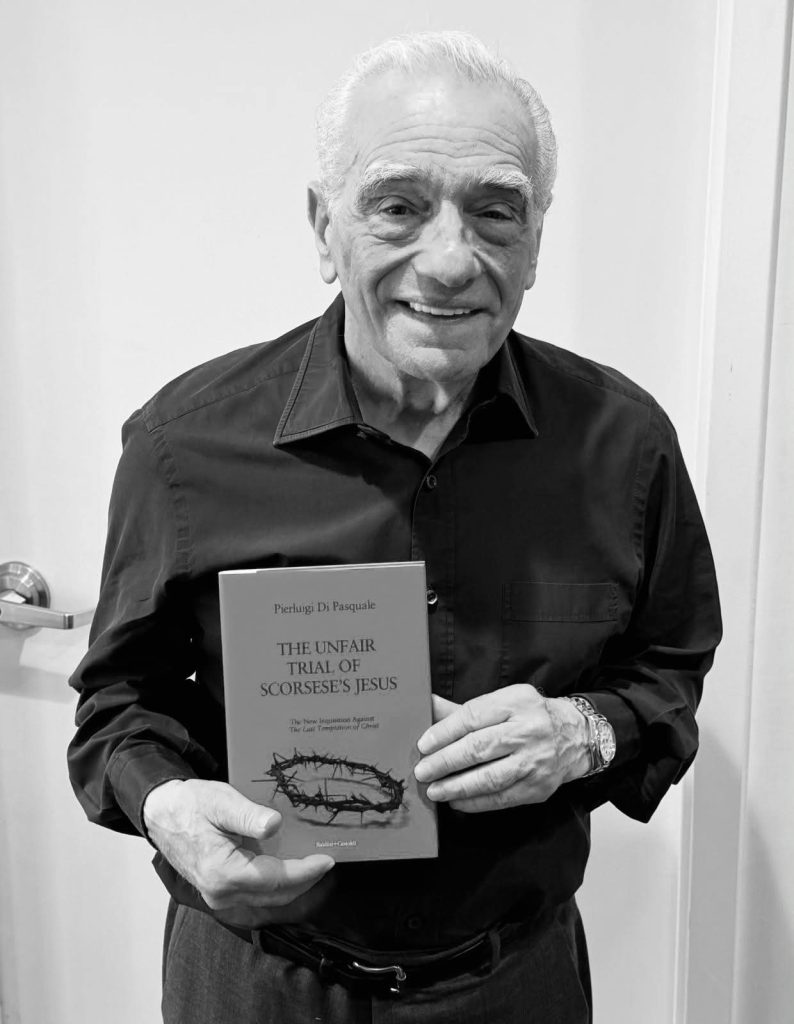
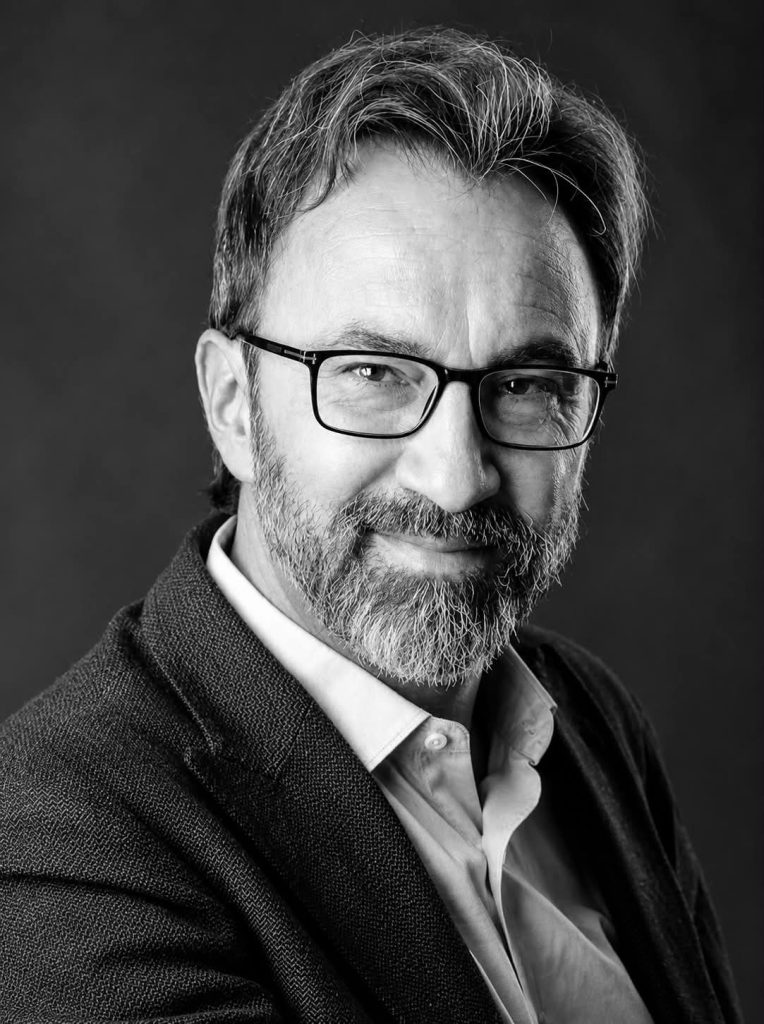
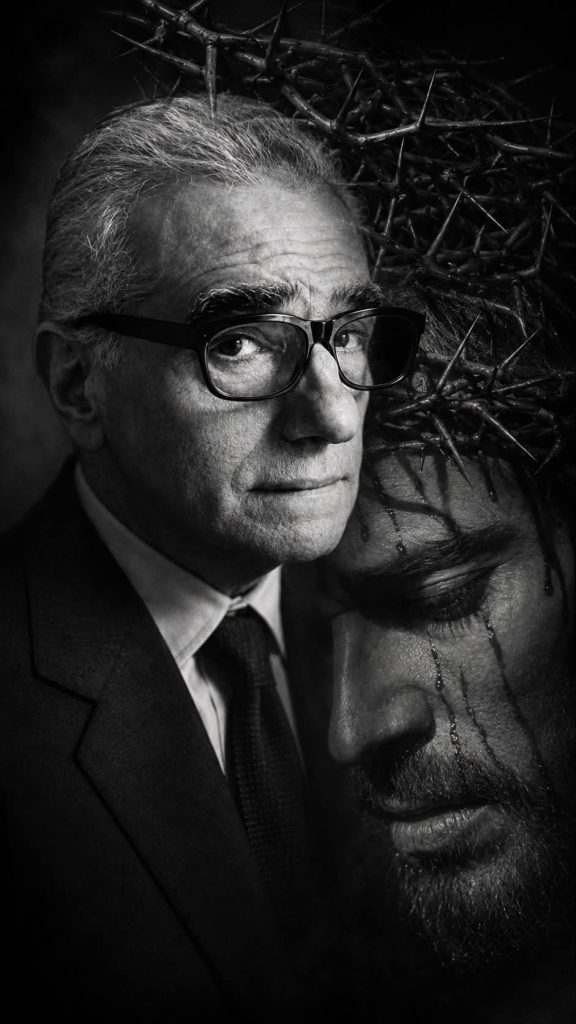
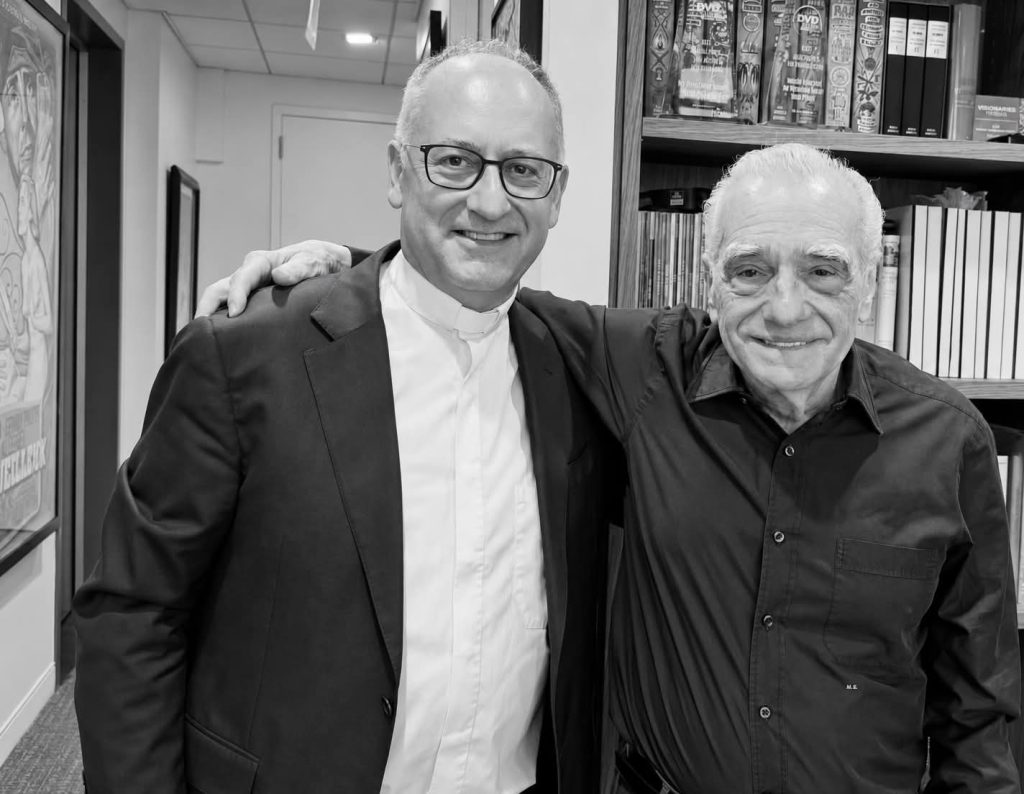
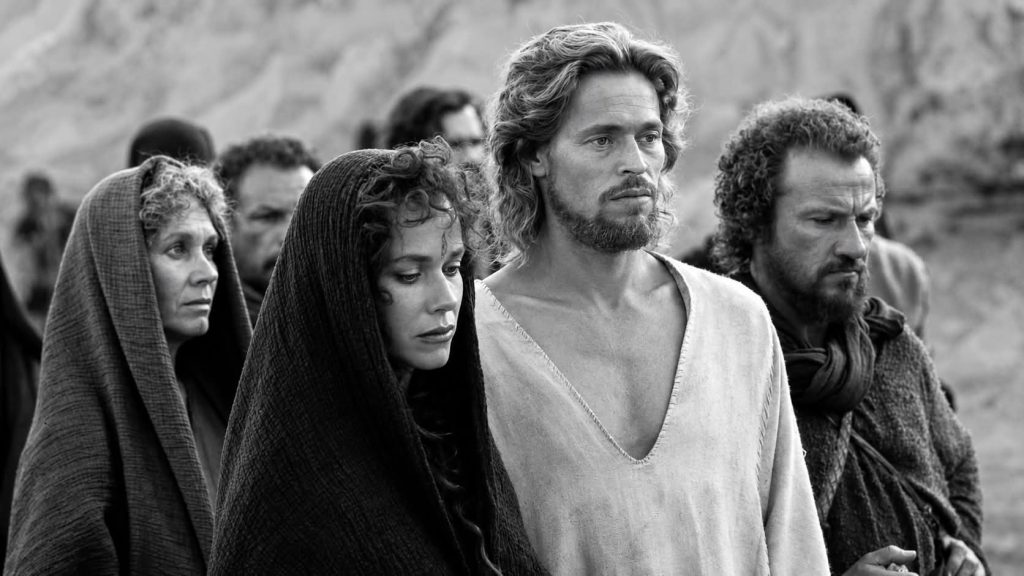
Nearly seven years after the founding of WILD FILMMAKER, I feel a special sense of excitement in publishing this interview. Not only because it is dedicated to one of the films I love most, The Last Temptation of Christ, but also because it explores a subject that I consider to be at the very heart of our editorial identity: freedom. Freedom of expression is the essential foundation of every genuine work of art. Yet cinema, more than most other art forms, has often had to contend with limitations imposed by its very nature. Making a film has always required significant financial resources and, as a result, has often involved compromises, constraints, and external pressures. Fortunately, this reality is changing. Technological progress and the gradual reduction of production costs are giving filmmakers ever greater creative independence. And with that comes the possibility of a truly free cinema. In my view, The Last Temptation of Christ stands as one of the finest expressions of that freedom. It is a masterpiece of cinematic art not only for its extraordinary visual and narrative power, but also because it embodies the courage of an artist who chose to remain faithful to his vision despite the controversy it provoked. Martin Scorsese demonstrated that creative freedom is not a privilege, it is a responsibility. I would therefore like to thank Martin Scorsese for the courage with which he brought this remarkable work to life; all those who, often behind the scenes, believed in the film and made its existence possible; Father Antonio Spadaro, who met with Scorsese and presented him with the book at the center of this interview; and, of course, Pierluigi Di Pasquale, author of this outstanding volume devoted to The Last Temptation of Christ. Enjoy the interview.
-What inspired you to dedicate a book to Martin Scorsese’s film The Last Temptation of Christ?
My initial idea was actually to write the screenplay for a documentary to be produced for the fortieth anniversary of The Last Temptation of Christ and its controversial presentation at the Venice Film Festival. During the research phase for the documentary, I found information about the story in many books and countless newspaper articles published at the time, but no Italian publication devoted entirely to the controversy surrounding this film. Moreover, in one of the books I consulted, I read that the film had such a complicated and convoluted history that it deserved a book of its own. In the United States, a few books were published when the film was released in theaters, but they deal only with the events that took place overseas, and I naturally cite them in my essay. Above all, however, I wanted to write a defense of Scorsese’s film, which scandalized Christian fundamentalists and sparked an intense controversy over its alleged blasphemy, ultimately becoming the subject of what was, in every respect, an unjust trial.
–What new or previously undiscovered insights emerged from your research into the challenges and controversies surrounding The Last Temptation of Christ when it was released in 1988?
For The Last Temptation of Christ, Martin Scorsese endured vicious accusations and boycotts, often from people who had never even seen the film, and this began long before he was able to make it. In fact, in 1983, just four days before principal photography was due to begin, and despite five million dollars already having been spent, Paramount, intimidated by the protests and threats of Christian fundamentalists, decided to cancel the project. Even when Scorsese finally managed, five years later, to make his long-desired film about Jesus, violent demonstrations by fanatics followed: cinema screens were slashed, film prints were burned, and theaters showing the movie were even set on fire. In some countries, the film was never authorized for distribution. The controversy continued in Italy when The Last Temptation of Christ was included in the program of the Venice Film Festival by its then director, Guglielmo Biraghi, who declared that he considered it “a very Catholic film.” The uproar was further fueled by a complaint alleging contempt for the state religion, which was, of course, immediately dismissed by the public prosecutor’s office. However, the Italian Episcopal Conference (CEI) issued an official condemnation and, in an attitude reminiscent of the Holy Office, urged the faithful not to see what it described as “an unacceptable and morally offensive” film. Fortunately, many distinguished theologians, intellectuals, and film critics defended the sincerity of Scorsese’s intentions and found nothing scandalous in his work. Lino Miccichè went so far as to describe the film as one of the most incandescent acts of faith ever produced by American cinema. Tullio Kezich, writing in la Repubblica, also came to Scorsese’s defense, suggesting that even a work like this could bring people closer to faith.
-Thanks to Father Antonio Spadaro, Martin Scorsese recently received a copy of your book and expressed his appreciation for it. Do you think this could be the first step toward developing a documentary based on your book?
Now that Martin Scorsese has received a copy of my book thanks to our mutual dear friend Antonio Spadaro, and after recording a video in which the director expressed his appreciation and thanked me for writing it, I am pursuing the documentary project with even greater enthusiasm.
-As part of the reappraisal of The Last Temptation of Christ, the Church has also recognized both the artistic and theological value of the film. Could you tell us more about this important shift in perspective?
Thanks once again to Father Antonio Spadaro, Scorsese’s film has finally been rehabilitated by the Church. Spadaro, who serves as Undersecretary of the Vatican Dicastery for Culture and Education, described The Last Temptation of Christ as a Christologically sound film. He wrote this in a beautiful article published in the May issue of La Civiltà Cattolica, with the approval of the Secretariat of State of the Holy See. This represents a complete reversal of the sentence of condemnation that the Church had pronounced, even in official forms, against the film. This recognition of its Christological correctness amounts to an acquittal that comes almost forty years later. Naturally, all of this will be included in the documentary, which will recount the unjust trial the film endured in the 1980s, the reopening of the case following the publication of my book in 2024, and this rehabilitation, which has made Martin Scorsese extremely happy. Thirty-eight years later, the hope that Scorsese expressed the day after the film’s premiere in Venice has finally come true: “I continue to hope that, in time, the Catholic Church will be able to see the film in the spirit in which it was made. At first, I dreamed that the clergy would appreciate the film and that it would encourage a positive dialogue.”
-The Last Temptation of Christ has always reminded me of the atmosphere of Pier Paolo Pasolini’s The Gospel According to St. Matthew. What similarities do you see between these two films?
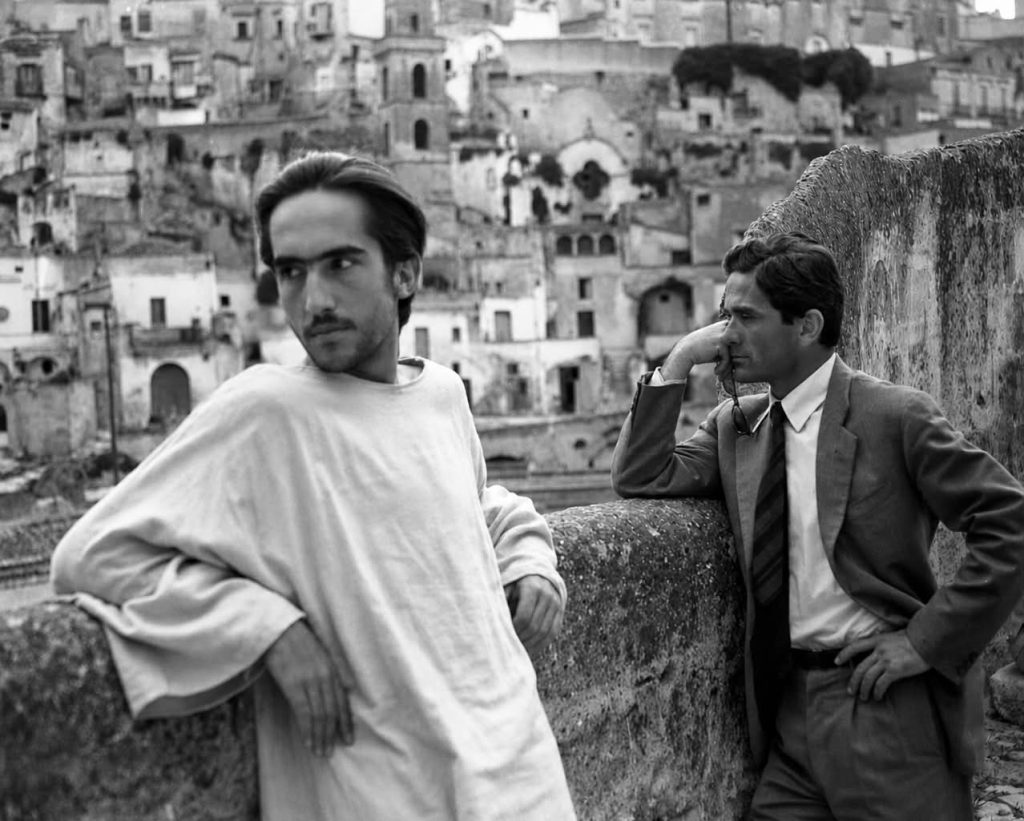
In the first chapter of my book, I briefly retrace the history of films devoted to the figure of Jesus, highlighting the movies Martin Scorsese watched from childhood onward. Among all the films about Christ, the one that had the greatest impact on him was Pier Paolo Pasolini’s The Gospel According to St. Matthew. Scorsese confirmed this once again during a conversation with Antonio Spadaro at an event held in Rome last December to mark the fiftieth anniversary of Pasolini’s death. This film departs from the grandeur of Hollywood biblical epics and avoids turning the story into a spectacle. Like Scorsese’s work, it emphasizes the humanity of Jesus more than His divinity. Pasolini restores the disruptive power of Jesus’ words without the embellishments of traditional religious iconography. During the event in Rome, Scorsese repeated a statement he had already made many years earlier in an interview that I quote in my book: “Christ is the God-Man for us believers, but for everyone He is the man who gave us the most important message for the survival of our race on earth.”
-The Last Temptation of Christ has long represented a battle for freedom of expression in cinema. WILD FILMMAKER, now the world’s largest community of independent film producers, has made freedom of speech its core principle. Do you believe it is important to have an international platform where artists can express themselves freely, without constraints?
Absolutely. The freedom of expression fostered by a community such as WILD FILMMAKER is of tremendous importance. Despite the rehabilitation of Scorsese’s film, many issues still remain. This story should renew attention to the freedom to express one’s ideas and to the right to profess one’s religious faith. At the time, the only production company that refused to be intimidated by the protests and threats of Christian fundamentalism was Universal, which invoked constitutional protections. Fortunately, these freedoms are also guaranteed by our magnificent Italian Constitution, which deserves to be defended because it protects us.
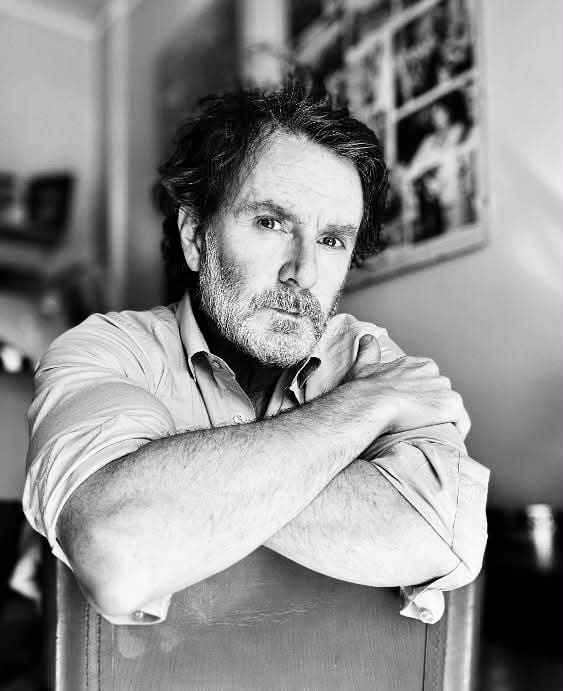
To describe myself, I would say that I’m a simple person who values authenticity, honesty, and kindness. At least, I try to leave that impression on everyone I meet throughout my life. I’m a single mother raising a child with a disability, and thanks to my son, I’ve learned patience and what truly matters most in life. I’m usually my own worst critic, but if I leave a lasting impression on someone, I hope it’s a positive one. I live in France, to Grenoble.
-Do you remember the exact moment you fell in love with cinema?
The exact moment I fell in love with cinema was when I was six years old, watching Jurassic Park. That day, two passions were born: archaeology and filmmaking. Seeing dinosaurs brought to life and projected onto a giant screen for thousands of people completely amazed me. Later, I learned that dinosaurs were extinct, but my passion for cinema never disappeared. What fascinated me most was being behind the camera and writing the stories I wanted to bring to life on screen. That’s when I started writing my very first story drafts.
-Tell us about your project “Bad Influence / Mauvaise Influence”.
Bad Influence is an independent short film made with a volunteer crew. It tackles difficult subjects such as marital rape, coercive control, and the exploitation of a partner for prostitution, while also exploring the psychological hold one person can have over another. Lucie knows she could leave, that she could escape this living nightmare, but she stays because she feels trapped. As viewers, we feel just as powerless. We watch the events unfold before our eyes, unable to intervene, just like Lucie herself. During filming, one of the most memorable moments for the crew was being in the room while my actors, Camille Labrot and Méverick Graux, performed the bedroom scene. It was deeply uncomfortable and emotionally suffocating, because we experienced what Lucie was going through in the presence of this man. They both delivered extraordinary performances, and I’m incredibly proud of their work. My Director of Photography, Rachem Moyen, and I were completely in sync throughout the production. He understood my vision from the very beginning and translated even my smallest ideas into powerful images. His work was simply outstanding.This project was incredibly ambitious, with a script that was both emotionally and technically challenging to bring to the screen. Yet fifteen people believed in me and volunteered their time and talent and my co-productions too : Shaolin Shadow, la Mine Productions et Rachem Productions. I’ll never forget that incredible feeling of achieving the dream I had as a little girl. It’s truly surreal.
-Which Director inspires you the most?
I’m a huge admirer of Charlie Chaplin. His ability to express every emotion through body language alone, without saying a single word, has always fascinated me. More recently, of course, I’ve been deeply inspired by Steven Spielberg and Christopher Nolan. They have an extraordinary talent for transporting audiences into incredible worlds while still making everything feel grounded and believable. Their filmmaking relies on craft rather than excessive visual effects, and in that sense, all three directors share something in common: they’re never interested in superficiality.
-What do you dislike about the world and what would you change?
There is so much to say about a world that still isn’t functioning as it should. There are countless battles to fight if we want to build a better future where everyone has a place and can live in peace. The causes that matter most to me are the living conditions of women and children, especially issues such as violence, poverty, and disability. I hope that one day they will all be treated with the dignity and respect they deserve, rather than being used as bargaining chips or excuses to justify the destruction of countries and lives.
-How do you imagine cinema in 100 years?
I sincerely hope there will still be real film sets filled with real people, and that human creativity will remain at the heart of filmmaking. Technology, filmmaking techniques, and cameras will undoubtedly continue to evolve, but I hope authenticity, everything that makes us human, will still shine through every story brought to the screen. I also hope cinema will continue to be a shared experience that brings people together.
-What is your impression of WILD FILMMAKER?
To be completely honest, I’m only just discovering WILD FILMMAKER, and I’m delighted to do so. As someone who’s still at the beginning of my filmmaking journey, every new encounter fills me with the same sense of wonder I had as a six-year-old child. I’m realizing that I’ve only seen the tip of the iceberg in this industry, and that there are so many opportunities waiting to be discovered. WILD FILMMAKER is one of them. You’ve given me the opportunity to talk about a project that means so much to me while giving emerging filmmakers a platform to share their voices, and I’m truly grateful for that. If the six-year-old version of myself could see what I’m doing today, giving an interview to talk about one of my films, she simply wouldn’t believe it. For that alone, thank you for giving me this unforgettable moment.
I’m a playwright, screenwriter, musician, and former standup comedian raising a family in the northwest of the United States. I primarily write grounded, character-driven stories that find comedy in the dramatic and seek heart where there is suffering. I think the power of friendship is underrated and the satisfaction of affluence is overrated. And I think music is a universal tonic for pain.
-Do you remember the exact moment you fell in love with cinema?
Before I was a teenager I attended a Halloween screening of the 1925 silent classic Phantom of the Opera with Lon Chaney. It was a full house, and the picture was shown in a deteriorating movie palace built in 1928. Included was a live organ accompanist playing the original score. The dynamic combination of being in the dark with a community of strangers and sharing a story, its sight and sounds in a magical setting left a powerful impression and inspired my first “film studio,” LCII productions, where I created rudimentary short stop-motion productions.
-Tell us about your project “The Iditarod Band”.
The Iditarod Band is drawn from my experience in Alaska in the 1980’s. My friends and I were young and eager to discover our places in the world. I was a fish out of water, a man who neither fished nor hunted, a cheechako with a guitar. But through music I found my people, and they were not who I expected. My female friends were pioneers, members of an early generation of women untethering themselves from matrimonial expectations. And we were witnessing a sea change in the culture when, starting in 1985, for the first time a woman won the Iditarod Sled Dog Race. They won four years in a row, and it seemed to us anything was possible. The Iditarod Band captures the hope of youth, the magic of friendships and the faithful nurturing of dreams that define who we become.
-Which Director inspires you the most?
Tough question: I love films of the 50’s and 60’s and there are half a dozen directors in particular who coaxed extraordinary performance from their talent. But if I had to choose it would be Billy Wilder. His portfolio is an extraordinary compilation of comedies, histories and dramas, a range as rich as Shakespeare’s, assembled while collaborating with the greatest acting talents and their egos for over half a century.
-What do you dislike about the world and what would you change?
I dislike how cruelty, indifference to suffering and apathy have been normalized as a creed. I believe if folks simply asked themselves “Why?” about their choices, then drilled down on the values underlying their answers, they would become more thoughtful, considerate, generous, and understanding of other living things in this world.
-How do you imagine cinema in 100 years?
The ability to create and share visual stories will likely be easier as technology simplifies filmmaking and begets a hundred million auteurs. But I hope what is sustained is the experience of going to a place, a cinema, and sharing a compelling, emotionally engaging drama, or a hilarious misadventure. The collective experience of being in the dark and sharing an unfolding event with others is a core element of cinema. It is a place and an immersive experience with strangers brought together by a common hunger. It is a modern version of tribal storytelling shared around a fire. Conversely, what we watch on TV, laptops or our phones is not, in my opinion, cinema. It is its own thing.
-What is your impression of WILD FILMMAKER?
First, it’s such an honor to be invited to share my thoughts about my work and about cinema. WILD FILMMAKER seems to celebrate both the artistic giants of the cinema as well as the aspirants using film and storytelling to chronicle our modern lives and our desperate efforts to make emotional connections with anyone in an increasingly disconnected and shrinking world. It is a forum that invites discussion of how we can tell timeless, unfiltered stories without gatekeepers collecting tickets.
I’m a complex woman who’s still learning about herself. I don’t give up when something is important to me. I love to laugh and banter because in those moments, I’m free, nothing else matters, only pure joy. At random I come up with ideas for products and since working in this industry, I come up with story ideas for film and television. I’ve had many jobs/careers that always dealt with helping people. I share my home with Leo, my canine companion/co-worker and enjoy going on hikes with him. I love where I live because it’s beautiful and I feel safe while living with C-ptsd and derealization.
-Do you remember the exact moment you fell in love with cinema?
After my trauma I would have panic attacks when going to the cinema, and stopped going until after I was married. My ex-husband and I went to see the film Platoon. As we drove out of the theater in silence, we looked at each other and my ex-husband pulled over. Tears came and we sat letting it all sink in. Platoon made me fall in love with cinema. The realism shown struck me to the core. Powerful, moving, and unforgettable and believed Platoon should be required in History classes.
-Tell us about your project “TWO FATES”.
TWO FATES by Kelsey Ann Wacker
Based on the memoir- God, the Mafia, My Dad, and Me
by Lori Lee Peters
Lodi, California 1970s, Lou Peters appears to be living the American dream. A rising General Motors executive who becomes a respected Cadillac dealer, Lou has built a life defined by ambition, discipline, and devotion to his family.
To his young daughter Lori, he is more than a father-he is her protector, prankster, hero, and safest place in an increasingly confusing world.
But beneath Lou’s success lies a dangerous collision with organized crime when his dealership becomes entangled in a statewide money-laundering operation connected to the Bonanno Mafia family. For Lou, whose childhood dream was once to become an FBI agent, the threat becomes a call to action. Rather than look away, he chooses to risk everything by secretly helping federal authorities infiltrate the criminal network from the inside.
Inside the Peters home, another invisible war is unfolding.
At thirteen, Lori’s life changes forever when a terrifying religious prophecy triggers a profound psychological break. Convinced by her two best friends-the world is ending and God is coming to bring everyone to Heaven. Lori doesn’t want to die and begins living by a secret survival system of rituals, hiding, and obsessive calculations designed to keep herself alive. At the center of her fragile logic is one belief: her father will know what to do. Lou becomes both her emotional anchor and imagined shield against annihilation.
Father and daughter, though deeply bonded, are unknowingly waging parallel wars under the same roof-each trapped in danger, each trying to survive, and neither fully aware of the other’s battle.
Lou’s courage eventually helps federal agents secure the evidence needed to expose powerful Mafia figures, culminating in a critical breakthrough that brings dangerous criminals to justice. After years of risk and sacrifice, Lou survives- but victory is heartbreakingly brief. Diagnosed with a terminal illness, Lou dies within a year at just forty-nine years old.
For Lori, her father’s death is more than a devastating loss-it is the collapse of the one person who made survival feel possible. In the aftermath, grief forces Lori to confront all the buried trauma, silence, and psychological scars she carried throughout her youth. Only then does she begin to understand the tragic parallel that defined their lives: while her father was fighting organized crime, she was fighting for her own mind.
In the end becomes Lori’s journey to reveal the truth her father never fully knew and revealing to the world the Hero he truly was.
-Which Director inspires you the most?
Women directors- In particular Greta Gerwig she takes chances and her instinct is spot on.
-What do you dislike about the world and what would you change?
I dislike how divided we have become, especially here at home.
I would eliminate the use of religion as a tool for fear, control, and manipulation. I believe too many people-especially children-have experienced trauma, shame, and fear in its name. I would replace fear-based belief systems with compassion, critical thinking, and respect for one another.
-How do you imagine cinema in 100 years?
If cinema still exists in 100 years, I imagine much of it will be driven by advanced technology and artificial intelligence. Perhaps audiences will look back on human history through stories created with tools we can barely imagine today.
-What is your impression of WILD FILMMAKER?
This is my introduction to Wild Filmmaker. So far I’m pleasantly surprised and intrigued.
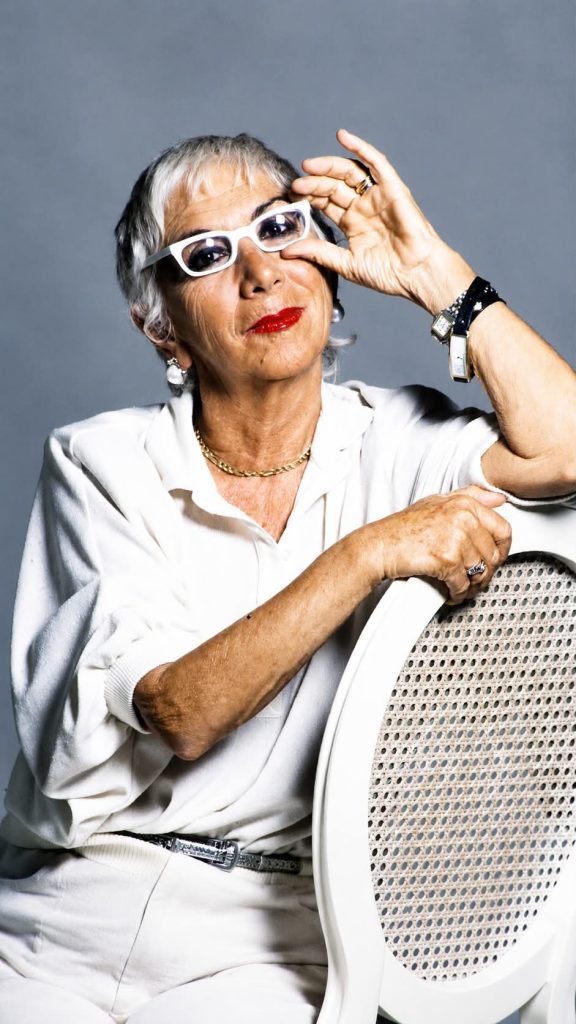
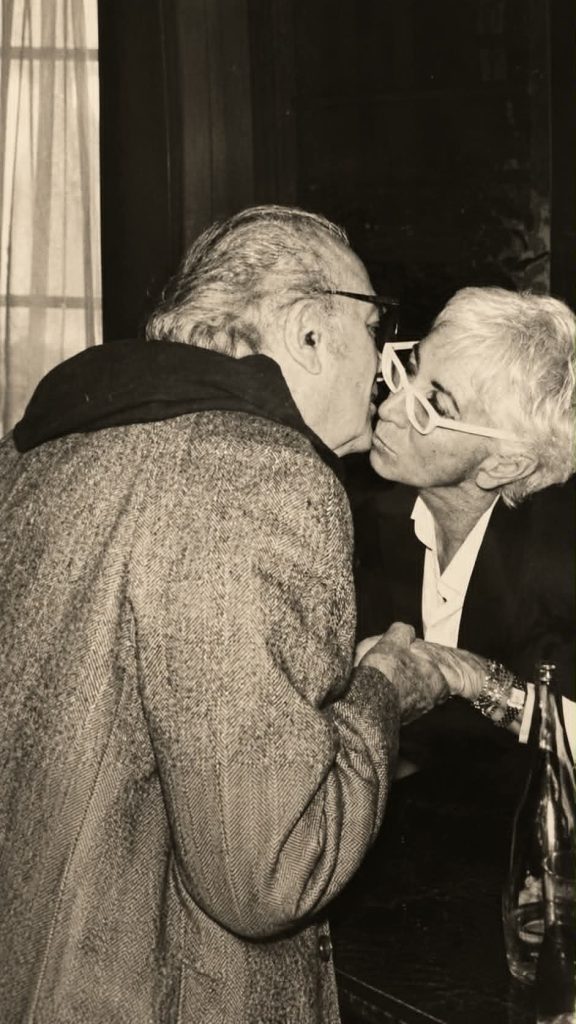
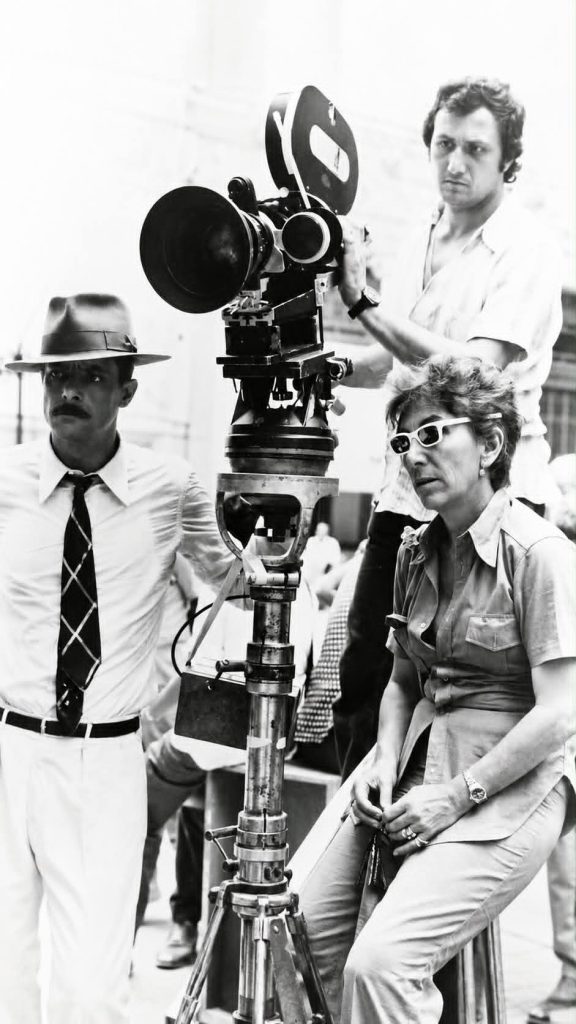
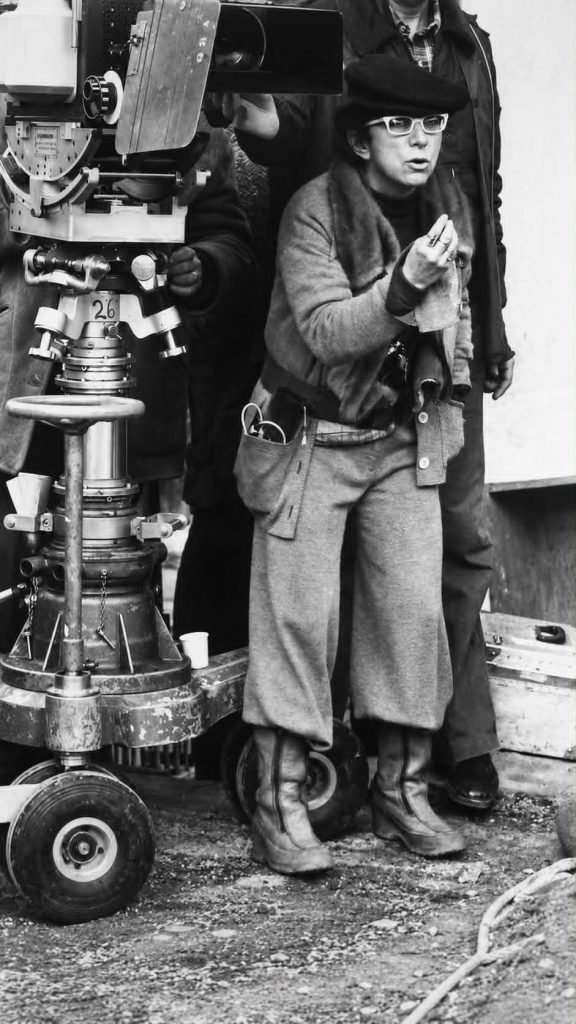
I am truly delighted to welcome Gabriela Trujillo to the Wild Filmmaker community. It is a great pleasure to have her with us, especially because this interview gives us the opportunity to explore the extraordinary legacy of Lina Wertmüller, one of the greatest film directors of all time. In recognition of her remarkable contribution to cinema, the Academy honored her with the Academy Honorary Award in 2020.
Lina Wertmüller began her cinematic journey in the early 1960s as an assistant director to Federico Fellini before going on to build a groundbreaking career that left an indelible mark on the history of world cinema. For this reason, I am especially pleased that Gabriela Trujillo is helping introduce and preserve Wertmüller’s work for younger generations, ensuring that her artistic legacy continues to inspire audiences around the world.
I was also deeply touched by Gabriela’s kind words about Wild Filmmaker. For more than six years, our community has been committed to supporting independent arthouse cinema on a global scale, championing a vision of filmmaking that places creativity, artistic freedom, and cultural value above purely commercial interests.
I believe this interview is a source of great pride for our entire community, and I am confident it will offer our readers and viewers a valuable opportunity to rediscover the artistic and cultural legacy of Lina Wertmüller through Gabriela Trujillo’s unique perspective and insight.
Who Is Gabriela Trujillo?
Gabriela Trujillo is a film historian and writer. She has published several essays, including Marco Ferreri, le cinéma ne sert à rien (Capricci, 2021) and James Gray, sous le signe de Saturne (Capricci, 2026), as well as a novel, L’Invention de Louvette (Verticales, 2021), in addition to numerous critical essays.
She taught film studies before working at the Paris Cinema Museum. She later became Head of Cultural Programming at the French Cinémathèque. She subsequently directed the Grenoble Cinémathèque and the Grenoble Short Film Festival before joining the programming team of the Directors’ Fortnight.
Can You Tell Us About Your Initiative Dedicated to Lina Wertmüller?
Ever since I discovered Lina Wertmüller’s autobiography (Tutto a posto e niente in ordine, Mondadori) in Turin, along with the restored version of Seven Beauties presented at Cannes Classics in 2019, I wanted to follow the trail of this remarkable Italian filmmaker, whose work remains surprisingly little known in France.
Of course, some of my friends recognized her name and remembered Nanni Moretti’s rather unkind reference to her in Sono un autarchico. That only made me more determined to watch all of her films, and eventually to share them with audiences. It took some time, but thanks to the dedicated teams at the French Cinémathèque, we were able to organize the most comprehensive retrospective of her work possible.
What Fascinates You Most About This Italian Filmmaker?
What I admire is that, like Agnès Varda, Lina Wertmüller was one of the first female directors to openly address the material realities of filmmaking. They made films, they achieved success, and they earned a living from their work—a privilege that many other women filmmakers never had. In Italy, for example, Lorenza Mazzetti directed films without ever being able to make a living from them.
But above all, what I love is the virtuosity of Wertmüller’s cinema: its excess, its audacity, its almost delirious energy. I am deeply drawn to her sense of the grotesque, which I believe is essential. Very few filmmakers, apart from Varda and Cuba’s Sara Gómez, have explored so brilliantly the way class struggle fuels the conflict between the sexes. They dared to expose machismo even within the most respected progressive and activist circles. Wertmüller does so with extraordinary talent, intelligence, and tenderness.
Lina Wertmüller Began Her Career Working Alongside Federico Fellini. What Affinities Do You See Between These Two Great Poets of Cinema?
There is, of course, the immense influence of the maestro on The Basilisks (I basilischi). Wertmüller’s debut feature engages with Italian Neorealism only to transcend it through the language of dreams, much like Fellini himself.
Both filmmakers celebrate an overflowing, joyful, and exuberant sensuality that runs throughout their work.
Lina Wertmüller’s Cinema Still Feels Irreverent Today, Filled With Irony in Its Approach to Major Social Issues. Why Do You Think These Themes Remain So Relevant?
First and foremost, I believe that the extraordinary sophistication of many of Wertmüller’s films—in terms of directing actors, production design, and screenwriting, continues to enrich world cinema. Future generations of filmmakers should draw inspiration from this body of work, which is both politically engaged and deeply popular.
When Greta Gerwig and Jane Campion paid tribute to Wertmüller, they reminded audiences of her profound influence. Her films deserve to be programmed now more than ever because twenty-first-century feminism needs to rediscover the contributions of artists who, even while operating outside the major feminist movements of the 1970s, advanced women’s emancipation through their work.
Moreover, the battle between the sexes has never truly disappeared. We see this clearly today with the resurgence of aggressive masculinist ideologies. To remain alert in such challenging times and to do so with humor, generosity, and humanity, Wertmüller’s cinema can still show us the way.
What Is Your Impression of WILD FILMMAKER, a Platform Whose Mission Is to Bring Together Independent Artists From Around the World and Shine a Light on Cinema That Often Remains Completely Invisible?
I firmly believe that WILD FILMMAKER is carrying out not only a mission but a true vocation.
In an age overwhelmed by artificial and increasingly superficial images, it is extraordinarily difficult to preserve both the rigor and the determination required to showcase a cinema that remains invisible, yet lucid, critical, and essential.
We need WILD FILMMAKER if we are to continue loving cinema and defending it as a bastion of beauty and intelligence against the systematic intellectual impoverishment of the masses driven by today’s new forms of fascism.
With this victory, you have achieved an important milestone and have become an authoritative voice in international cinema. What are your next projects?
Thank you for that flattering characterization of the distinctions TriBeCa Film Critics Circle Awards has bestowed upon me. I am humbled and honored to be named best visionary screenwriter, and grateful for American Money’s award for best arthouse script. The next project is assisting Incandescent Pictures, a Nashville-based independent film producer, with what is necessary for the lead-up to Whitni Resides, CEO of Incandescent, plan to film American Money. Whitni’s production partner, Dianne Berry, is portraying Edie France, the lead character; Dianne was the first person to read the script nearly 4-1/2 years ago, and even then, in the infancy of American Money, I could envision Dianne as Edie. Dianne shared with me a trailer and another film clip for a couple of her previous roles. I knew after watching her in action that Dianne is talented and legit! An interestingly serendipitous facet of Dianne is this: she was, as a wealth advisor and a CPA, active in the stock market for her clients on Black Monday 1987. That’s the period during which the script is set. Wall Street is the engine of American Money. I drew upon my brief 7 year career as a stockbroker to develop the characters Edie France, Mason Bricker, Stanley Mumphord, and the nefarious duo of Chaz and Darrell. I knew them well.
Other film scripts I am writing include Padre Guns, in which a young man’s dreams of college gridiron glory are interrupted as he draws upon his Catholic faith to fight against the racial injustice levied against his best friend, and Soaring Dove, a story of a what-if romance. She is the future of benevolent American politics and He is the Everyman who helps her resolve a threat against her people. The immediate excitement is working with Whitni and Dianne to get American Money on the silver screen. In the words of Edie’s love interest Mason Bricker, “I’d rather be lucky than good.”
Describe yourself with three adjectives that best reflect your vision of the world.
First? Optimistic. It ain’t over ‘til it’s over, and even then, I firmly believe you’ll get another sunrise. Failures provide the best lessons. What you did before does not necessarily determine what you can do. So, what you are could possibly have no bearing on what you will become. My favorite line from 19th century Irish poet Oscar Wilde is, “Every saint has a past and every sinner has a future.” There is always and forever an opportunity for redemption; forgiveness is the basis of my faith, Roman Catholicism. One of my favorite oil paintings is from, again, the 19th century. A German draftsman and etcher, Moritz Retzsche, created The Chess Players. My interpretation is a regular guy is involved in a chess match with the devil and it’s not looking good, but an angel gazes down to remind the regular guy that the king has one more move. Never, never, I say NEVER ever give up.
Next? Confident. My wish for mankind to exude the same confidence I have. If you don’t believe in yourself, chances are no one else will. Confidence begins in your soul; from there it grows in your mind, so ya gotta believe since you are what you think about. In 35 days I celebrate my 70th birthday, meaning I’m on the launching pad for my 8th decade on this planet. In the previous 70 years I have worked and played in many arenas. During my junior high years, I was a nerd winning science fairs and history contests. Something told me to give American football a shot. Despite being relatively small (barely under six feet tall and a skinny 180 lbs) and not really fast, I had the confidence to stick my headgear into high school teenagers bigger than me. A couple of college coaches came calling; one was even from the United States Naval Academy. Like many athletes, I played my last game at age 17 and moved on with life, at first studying psychology then finally settling on mechanical engineering. I was pretty good at that, but a bad economy soon after college graduation ended my job. I went with the hot hand at the time: Wall Street. My confidence landed me in the middle of the pack among men making a lot of money. That game changed on Black Monday 1987. I eventually returned to mechanical engineering; oddly, that’s when I entered my 5th arena. I became a writer. That brings me to TriBeCa. In everything I have done, I always believed I could do it. As it turns out, with the 13th verse in the 4th chapter of St. Paul’s letter to the Philippians in my mind, I’m right.
Finally? Determined. An optimistic and confident person is teed up to “grip it and rip it,” but that person needs to be determined do whatever has to be done to realize the dream. I love Jesse Jackson’s “keep your eyes on the prize.” Maybe some folks are born screenwriters. I had to learn, so I found a couple of good teachers. Dianne Berry told me a couple months after we met that she thought American Money had potential, so she introduced me to film script guru Tammy K. Gross (tammygross.com). Tammy is so insightful and knowledgeable, I just had to coin her nickname: Movie Harvard. She’s been working with me since the 2nd rewrite of American Money. Without Tammy, I’m permanent potential. The other teacher is the thoroughly awesome Charlotte Pritt. Talk about someone excelling in a variety of arenas! Charlotte was a writing teacher for high schools and colleges in West Virginia who, due to her brilliance and giant heart, ran for governor of West Virginia in 1992, 1996, and 2016. If you haven’t already guessed it by now, Charlotte is the inspiration for Soaring Dove. She was a political force through the 1990s who had the opportunity to speak during television network prime time on the floor at the 1996 Democratic National Convention. Think Tulsi Gabbard. That was Miss Pritt 30 years ago. I was fascinated by Charlotte from afar for 32 years. Four years ago I simply started a conversation with her through Facebook’s private messenger. One thing delightfully led to another, and she and I got together to write film scripts. Charlotte is the writer who helped me with what several film festival juries call the “cracking third act” of American Money. Please allow me to repeat, I’d rather be lucky than good. Where there’s a will, there’s a way. Determination. The world needs more determined people who are willing to do whatever it takes.
WILD FILMMAKER is, above all, a space for freedom of thought and sharing. Who would you most like to find yourself in front of, and what would you say to them?
Ernest Hemingway. At one time I thought Hemingway was boorish but brilliant. Several years ago I finally owned the fact I, too, am boorish and I’d really like Hemingway’s brilliance to draw out whatever brilliance is deep within me. Hemingway is a man’s man; I am a guy’s guy. We both seek romance and adventure, although mine pale in comparison. Luckily, I never experienced war as Hemingway did, and I’ve never crawled out of a burning crashed airplane as he did twice. I did not incur the head injuries Hemingway suffered; my experiences from succumbing to the coercion by my first wife and a psychiatrist (with whom she eventually became a BFF) to treat a phantom bipolar misdiagnosis (now that’s been proven 100% false by a few other doctors) lead me to believe the brain trauma led to Hemingway’s suicide.
So, here’s what I’d say to Ernest Hemingway:
I am so sorry you were subjected to the blatantly unnecessary fifteen treatments of electroconvulsive therapy. Psychiatrists, also known as lying-ass fake doctors, scrambled your brilliance. I get it; the eccentricities you and I share just don’t mix well with the status quo. Well, to quote Jeff Goldblum’s character Michael from the 1983 classic film The Big Chill, “Eff them if they can’t take a joke.” I’ve decided to dedicate my pursuit of writing film scripts to the years after your 62nd year that the fake doctors stole from you. Mr. Hemingway, I’m balls to the wall, doing my best to live your legacy. To begin this, I visited Paris in April this year to walk your streets, and even frequented Shakespeare & Company bookstore across from the Cathedral of Notre Dame. There, I could feel your presence, an inspirational presence I brought back with me to my home in the coalfields of Appalachian southern West Virginia. Leave no doubt, I’m going to make you proud by keeping your legacy alive. Say hello to St. Peter at the Pearly Gates. One day I hope to meet you there. I’m buying the tequila.
Through the WILD FILMMAKER community, we have succeeded independent filmmakers under the same spotlight as mainstream industrial cinema. How do you evaluate our work and activities?
Personally speaking, WILD FILMMAKER is one of the best things to ever happen to my burgeoning screenwriting career. You brought me into your community after you had spent 5 years successfully establishing the presence of indies and arthouses. Thank you for setting me up! Through reading WILD FILMMAKER I have learned so much about what has turned out to be my market. Several film festival juries commented favorably to me that American Money is a script that arthouses are looking for. The agreement I have signed with the independent producer Incandescent Pictures says it all. I am looking forward to riding the tide created by the passions of the WILD FILMMAKER people. May the peace your higher power provides you be as sweet as the peace given to me by The Holy Trinity.
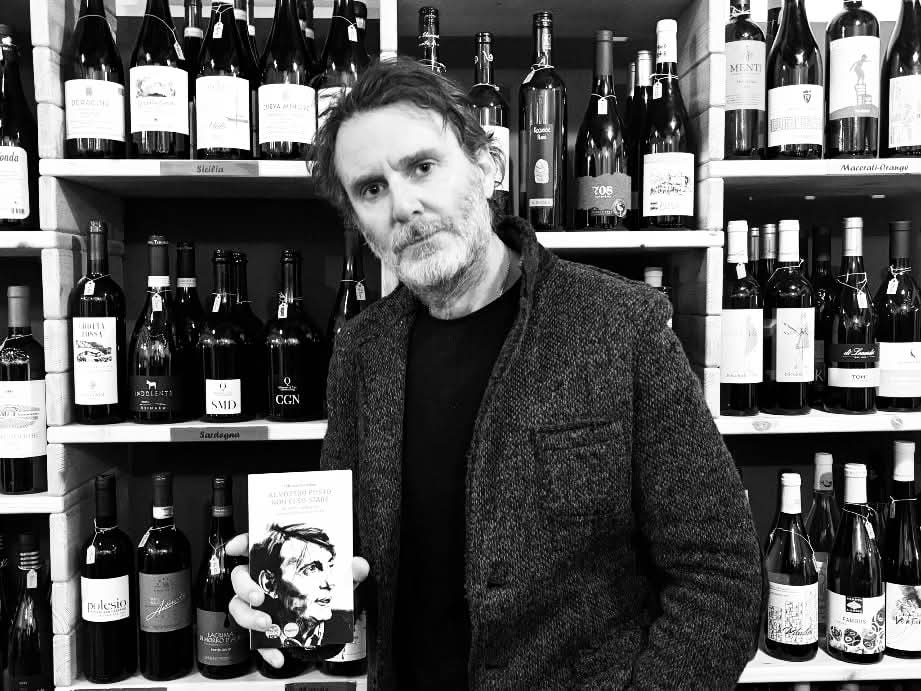
I usually describe myself as both a jurist and a jester. In the first role, I practiced as a criminal defense lawyer for twenty-five years and have served as an honorary magistrate at the Public Prosecutor’s Office of Lucca for more than twenty years. At the same time, however, I have a second face—like the Joker—fascinated by words and by the way they transform into stories, songs, and performances.
I still haven’t figured out, though, which of my two personalities is Jekyll and which is Hyde.
What inspired you to dedicate a book to Fabrizio De André, and which aspect of his figure did you feel most compelled to explore?
My love for Fabrizio De André has deep roots. I have listened to him since early adolescence, and for me he has represented far more than a simple singer-songwriter. He became a true point of reference, not only culturally but also ethically. There was—and still is—something in what he said and sang that resonates deeply within me, making him feel extraordinarily close and kindred.
For this reason, I have always felt I owed him a kind of debt, one that I tried to repay, at least in part, by writing this book. To tell the story of his life and artistic journey, I chose the lens of justice, imprisonment, and the relationship with power—not only judicial power. These are themes that are part of my daily life, and they were central to De André’s work from the very beginning of his career—from La ballata del Michè to the songs on his final album, Anime Salve.
His unconventional view of human justice—focused more on understanding than condemnation, and hostile to every form of revenge and punitive populism—is a legacy that deserves not only to be preserved but also passed on.
De André was an artist who gave voice to the marginalized, the outcasts, and the contradictions of society. How relevant is his message today?
De André will always remain relevant because his gaze was directed, above all, toward humanity—in every sense of the word.
His reflections on the many human societies, different from one another yet always structured and organized by the dominant social class in a specific place and historical moment, and on the power that class exercises to preserve itself, are universal and timeless themes.
There will always be, on one side, the maiores who make laws in their own image and for their own protection, and on the other side, the vast ranks of the minores—the marginalized, the defeated, the outcasts of every kind—destined to become the designated victims of laws they had no part in creating.
During your research and the writing of the book, did you discover any lesser-known episodes from De André’s life and work?
Having cultivated a passion for and studied De André for many years, I already knew a great deal about him. However, I enjoyed rediscovering and exploring in greater depth the initiatives he quietly supported on behalf of prisoners.
These ranged from a long-secret visit to inmates at the Is Arenas penal colony in Sardinia, to his involvement in a training and support program for prisoners at San Vittore prison. Unfortunately, due to his premature death, that project remained largely an expression of intent.
At the same time, it was incredibly meaningful and educational to delve into the details of the kidnapping he suffered in 1979 and, above all, into his reaction—both inside and outside the courtroom—to that terrible experience. Most remarkable was the immediate forgiveness he extended to the kidnappers themselves. He did not even file a civil claim against them during the trial.
It was a concrete and extraordinary example of understanding rather than mere compassion. It impressed even Wim Wenders, who, captivated by Fabrizio’s music and eager to learn everything about him, was deeply struck when he learned of this episode.
If you had to choose one De André song as the key to understanding his human and artistic universe, which would it be and why?
Probably Il testamento di Tito, from the 1970 album La buona novella, because it contains everything.
It embodies his ability to change perspective in order to better understand the world—writing the entire album based on the apocryphal gospels rather than the canonical ones, and adopting, in its final song, the viewpoint of one of the thieves crucified alongside Christ rather than Christ’s own.
It reflects his attention to society’s marginalized, to those who live beyond the boundaries of legality largely because they exist outside the barbed-wire enclosures of the social class that holds power.
And it expresses his indomitable faith in an anarchic form of pietas—a natural inclination, constantly corrupted and undermined by power, to recognize the Other as equal to oneself and therefore to understand their weaknesses, fragilities, and miseries.
What is your impression of WILD FILMMAKER, a platform whose goal is to promote independent art on a global scale while ignoring the rules of the industry?
I can only have a completely positive opinion of it.
I believe that, in the arts, there is a huge problem of accessibility and awareness regarding everything that does not belong to the major industries—whether cinematic, musical, or literary.
We live in an era dominated by giants that swallow up every available space and make virtually invisible anything that exists and moves outside their sphere. In a way, this resembles De André’s “last ones,” forced to live on the margins by powers that overwhelm and crush them.
I believe that WILD FILMMAKER is something of a “Faber” within the cinematic universe—a reality striving to shine a spotlight on worlds that would otherwise remain hidden in the shadows.