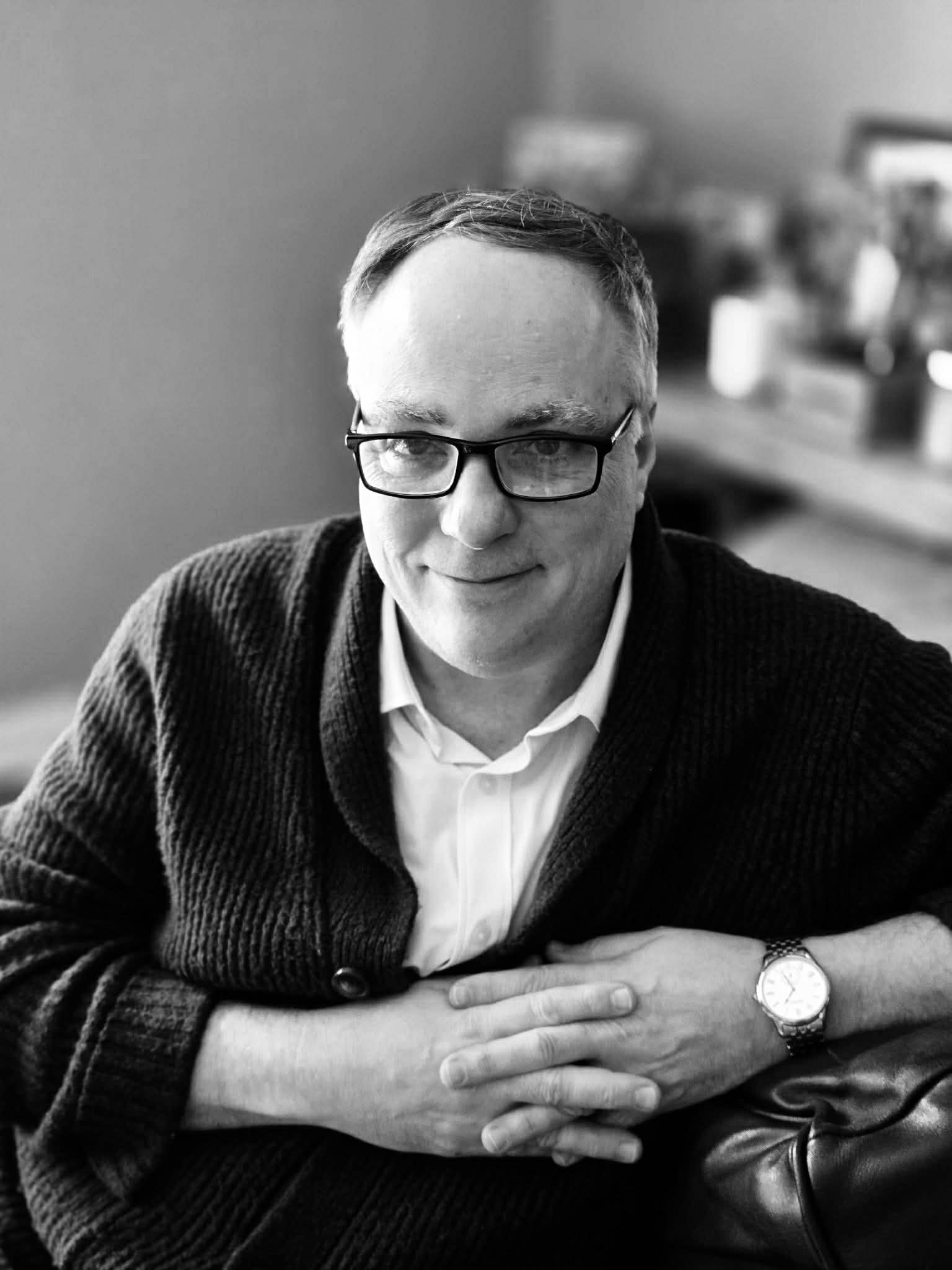
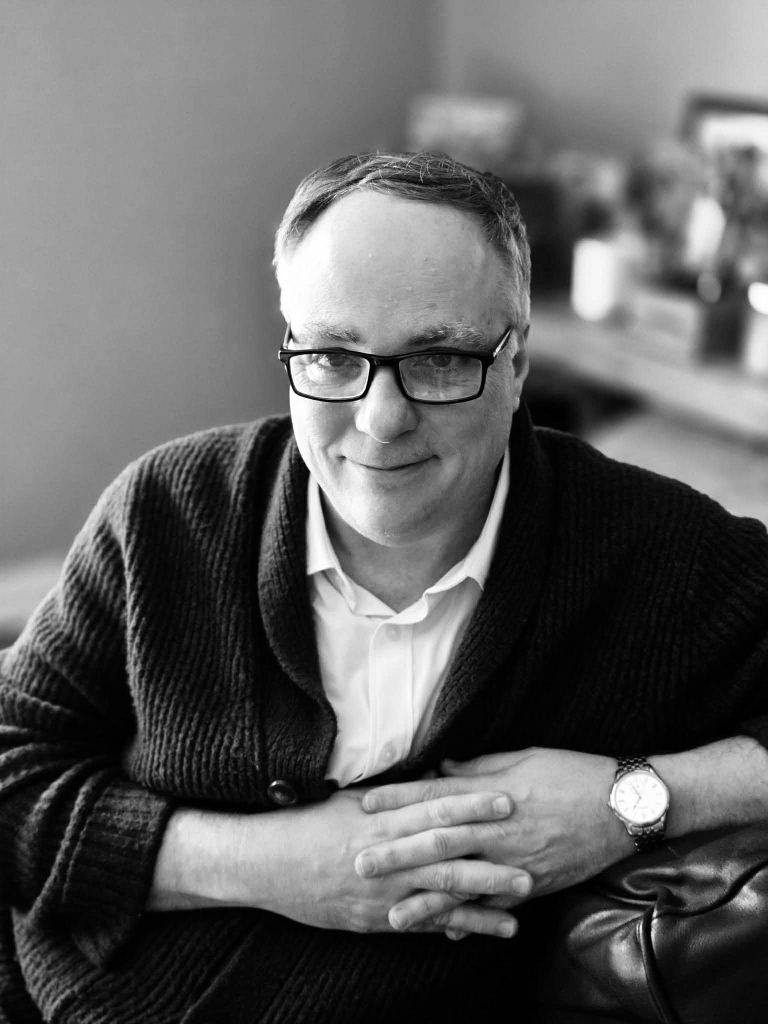
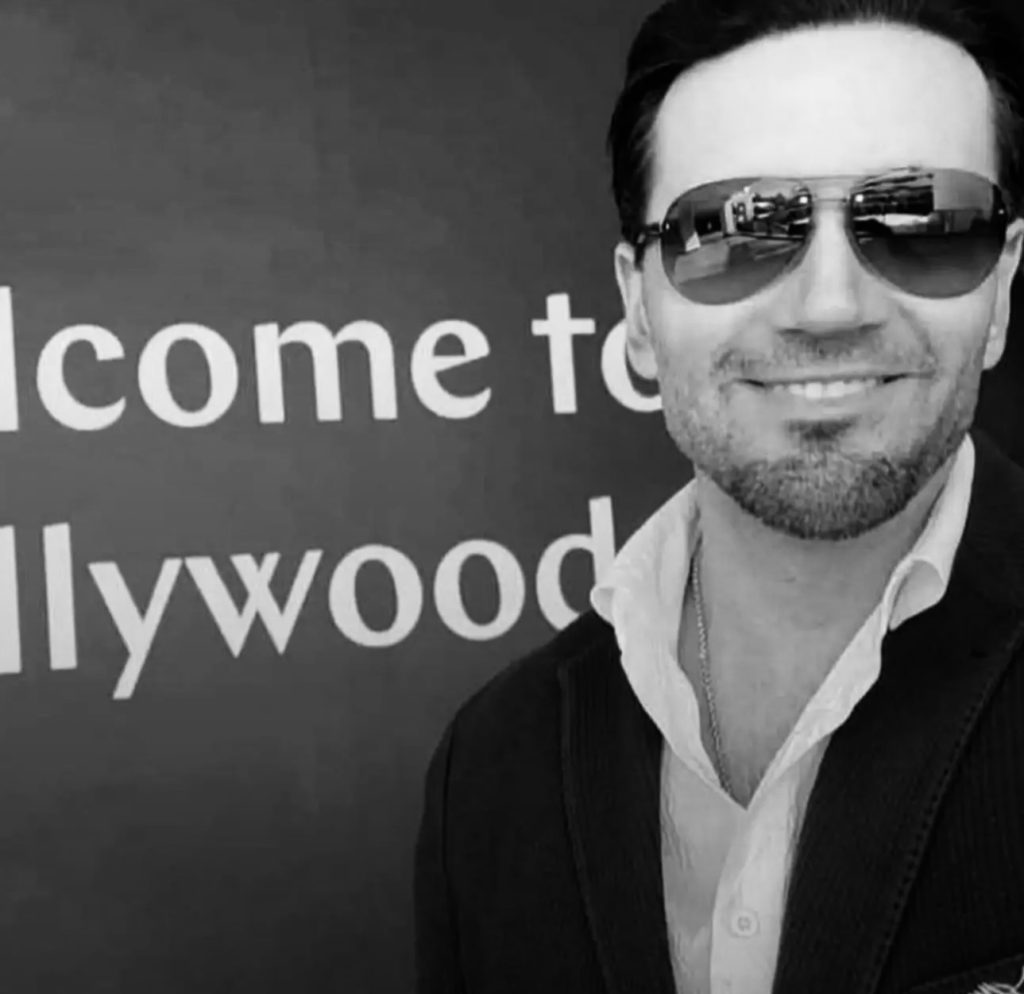
Justin Charles Gizzi is a writer and musician from Pittsburgh, PA. His screenplays “The Soft Core”, and “Tomorrow’s Dream”, have been selected for numerous film festivals, winning several awards nationally. He is also the bass player in heavy metal bands Urns, and Demoralizing.
-Do you remember the exact moment you fell in love with cinema?
Not the exact moment, but at a young age I found films to be magical. I liked a lot of fantasy and adventure films, comedies. As I was getting to my early teen years I leaned more into sci-fi and horror. Shortly thereafter I watched The Godfather for the first time, and realized that there was a whole other level to the story-telling and production of a film. I feel like that opened up a whole other world for me.
-Tell us about your project “The Soft Core”.
The Soft Core follows Charles Coxe, a once promising writer/director/actor of the stage, who years later finds his career stagnated in the world of erotic late night cable TV features. He’s balancing work with placating his Emmy-award winning actress ex-wife, spending time with his 11 year old daughter, and being intertwined with his closely knit group of co-stars.
-Which Director inspires you the most?
It’s impossible to pick one. I love the look of Michael Mann’s films. The rawness of Friedkin. The imagination of Lynch. The style of Scorcese.
-What do you dislike about the world and what would you change?
Conflict. I still work as a Doorman and I find there are very few situations that can’t be resolved peacefully. Nothing but peaceful resolutions, that’s the change I would want to see.
-How do you imagine cinema in 100 years?
That’s a good question, I had to think on it for a moment. I suppose my hope is for a vibrant and celebrated cinema culture. Where the artists are still the creative force.
-What is your impression of WILD FILMMAKER?
Any organization that champions artists gets a thumbs up right away from me. But I’ve really enjoyed how Wild Filmmaker gets inside the minds of the artists and brings out the heart in their work.
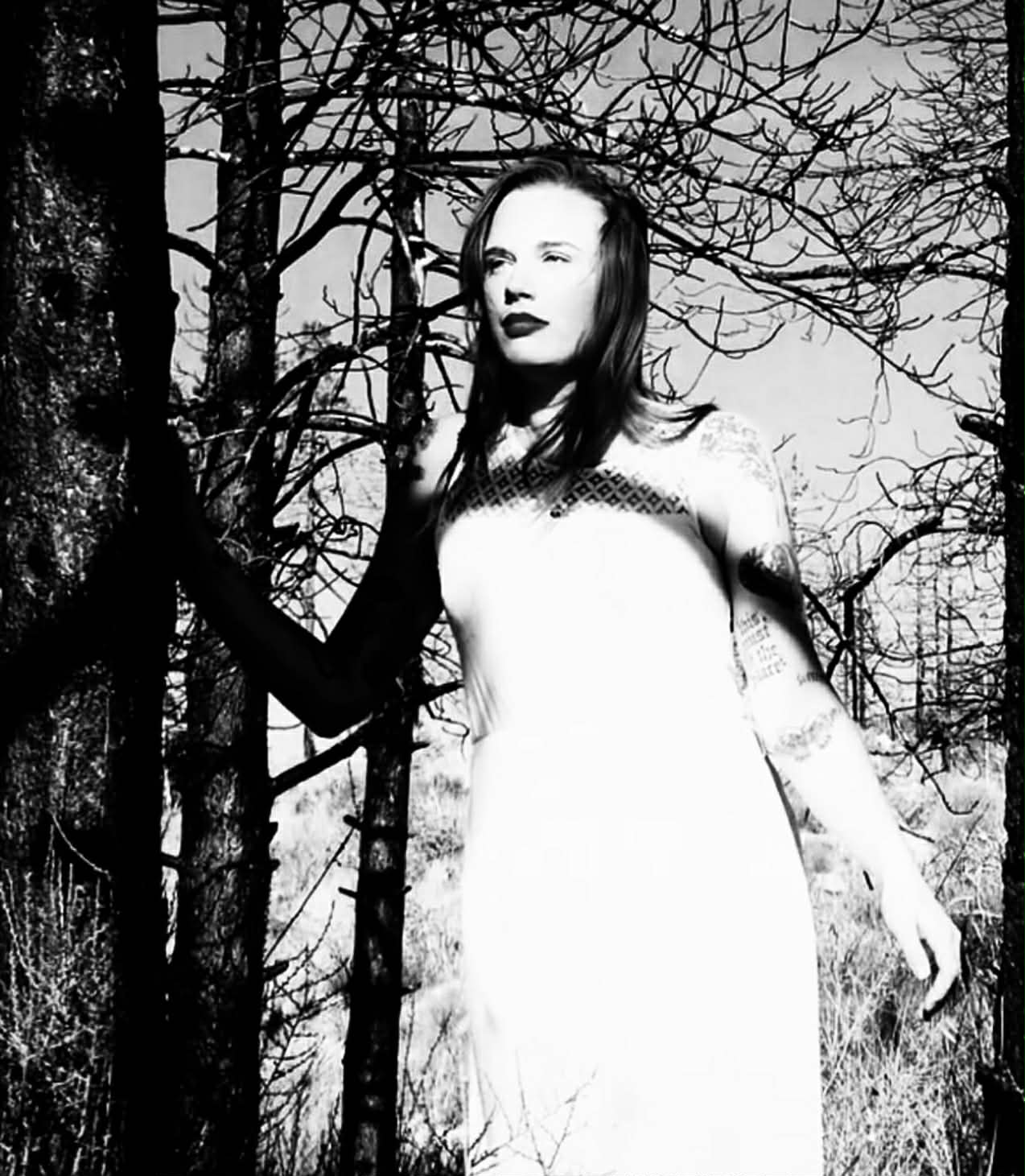
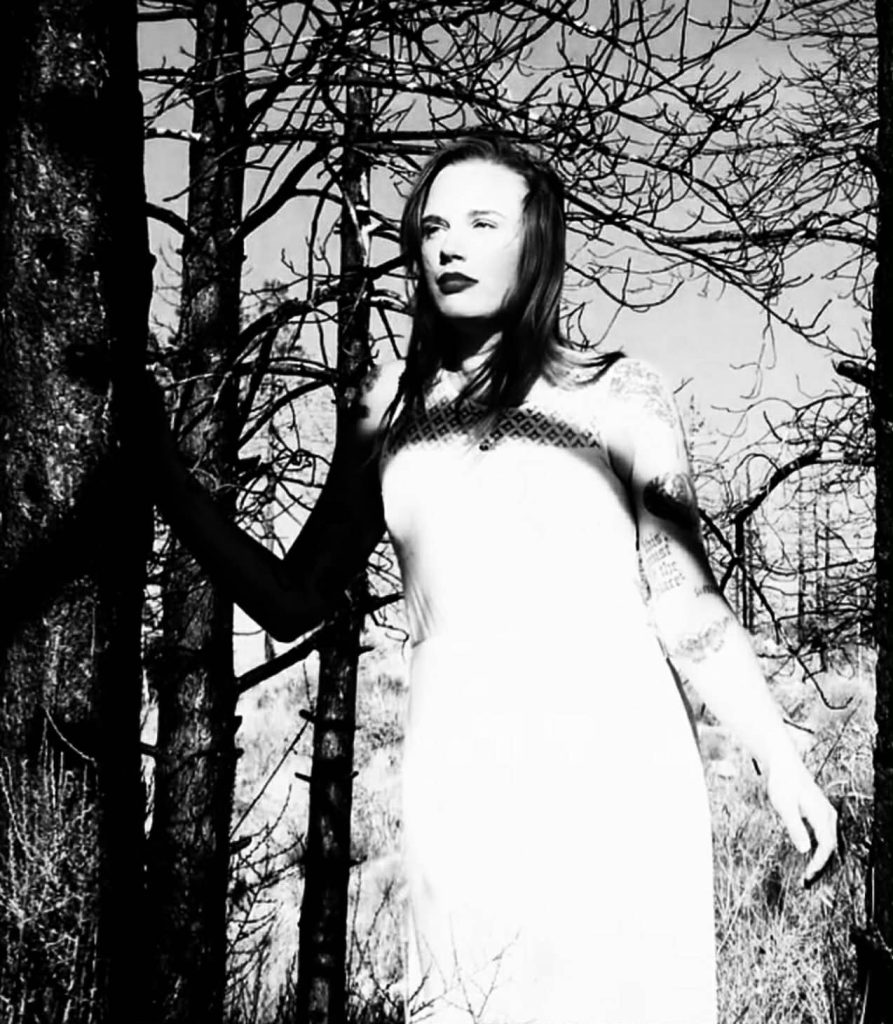
Sarah Bitely is a Los Angeles–based filmmaker specializing in psychologically driven, visually distinctive storytelling. Her work spans thriller, music, and fashion film, where she blends narrative tension with experimental form to create immersive, tone-forward experiences. With a focus on rhythm, atmosphere, and sensory impact, her films push beyond traditional structure to engage audiences on a visceral level
-Do you remember the exact moment you fell in love with cinema?
I first fell in love with cinema in college, when I was introduced to a breadth of international and unconventional films that completely reshaped my understanding of storytelling. Encounters with works like The Marriage of Maria Braun and Nights of Cabiria struck me with the force of revelation—opening me to the idea that film could operate on multiple emotional, psychological, and aesthetic layers at once. What began as discovery quickly became fascination, as I recognized cinema’s ability to move beyond narrative into mood, subtext, and visual language. That formative experience continues to inform my work today, where storytelling is driven as much by feeling and atmosphere as it is by plot.
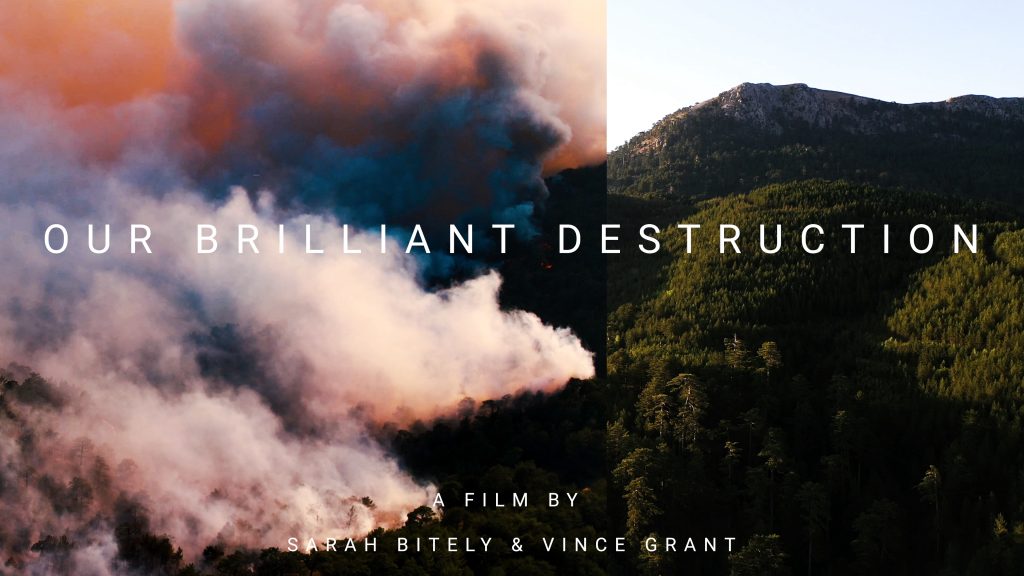
-Tell us about your project “Our Brilliant Destruction”.
Our Brilliant Destruction was born from grief—and urgency. As climate collapse becomes increasingly visible, our cultural response often drifts toward distraction or denial. I wanted to create a film that resists that numbness.
This immersive music film transforms an album about climate change into a cinematic journey through the consequences we’ve engineered—and the fragile hope that remains. Rather than instructing, it moves through emotion: denial, indulgence, destruction, and reckoning. Music drives the experience; image confronts it.
Visually, the film is built on contrasts—beauty and ruin, machinery and nature, intimacy and devastation—mirroring our collective trajectory and questioning our capacity for change.
I’m not interested in passive viewing. I want the audience to feel implicated, unsettled, and awake. If it creates discomfort, that is intentional. If it sparks responsibility or urgency, it has done its job.
Hope, to me, is not soft—it’s defiant. This film is an act of defiance, and an invitation to protect the only home we share.
The film’s production reflects its message: prioritizing environmental responsibility by relying on archival and stock footage to minimize travel, emissions, and ecological impact.
-Which Director inspires you the most?
I’m deeply inspired by Lynne Ramsay’s work—her films feel raw, unfiltered, and emotionally fearless in a way that prioritizes sensation over explanation. She has a remarkable ability to distill interior experience into image and sound, often stripping away traditional dialogue and exposition in favor of something more visceral and instinctive. Her visual language is intensely intimate—fragmented, textural, and deeply subjective—drawing you into a character’s psychological state until you’re not just observing it, but inhabiting it.
What resonates most with me is her trust in atmosphere and ambiguity. She allows silence, rhythm, and image to carry meaning, creating a tension that lingers beneath the surface and refuses easy resolution. Her films don’t guide the viewer—they immerse you, unsettle you, and stay with you long after. That approach continues to shape how I think about storytelling: less as something to explain, and more as something to feel.
-What do you dislike about the world and what would you change?
Greed is accelerating the unraveling of our world. If I could change anything, it would be our collective perspective—the belief that scarcity must define us. There is enough for all of us, if we choose to live with care rather than excess. By supporting one another and remaining conscious of our impact on the environment, we move toward a way of living that is not only more sustainable, but more humane—for everyone who shares this planet.
-How do you imagine cinema in 100 years?
Imagining cinema 100 years from now is both exciting and a little unsettling—change is happening so quickly that it’s hard to predict where it will lead. I hope that independent cinema continues to be valued, because it’s where some of the most personal, risk-taking, and culturally vital work lives.
The rise of AI is daunting, but I believe there will always be a need for human-driven storytelling—for work that carries lived experience, emotional truth, and a genuine point of view. As a society, we need those voices more than ever.
-What is your impression of WILD FILMMAKER?
What stands out to me about WILD FILMMAKER is its sense of community. It feels like a space where artists are not only showcased, but truly seen and supported. There’s an openness to unconventional work and a real appreciation for filmmakers who are pushing boundaries and exploring new forms of storytelling.
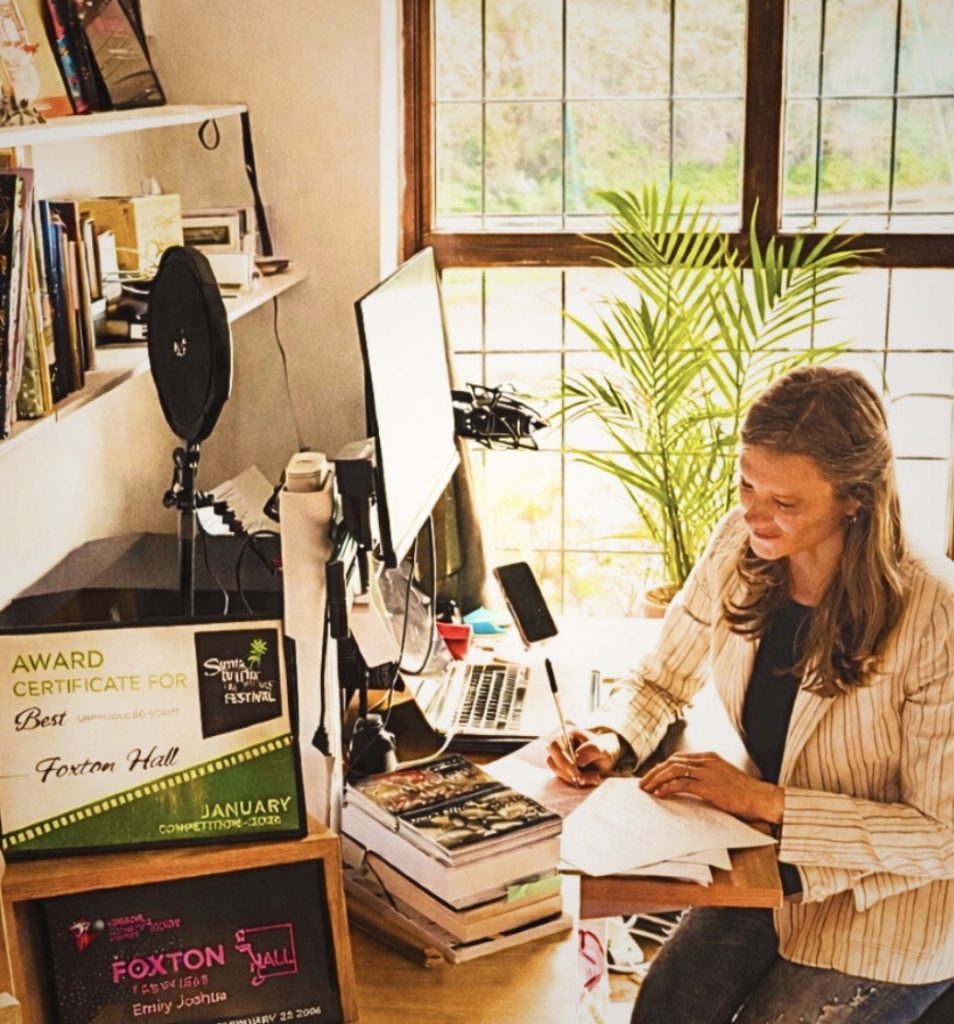
I’m a screenwriter drawn to stories about ‘survival despite the odds’; the outsider’s perspective on longing, identity, power and belonging. I write inclusive, character-led genre drama for television and film, and I’m especially interested in the tension between what people feel and what they are either permitted or able to reveal. My background is in theatre, music, and BBC research and broadcast, so I came to screenwriting through performance. My disabilities prevent me from performing now, so screenwriting enables me to be a part of the stories that I want to see. As a disabled and neurodivergent writer, that perspective is central to how I create character narratives. I want to write work that is entertaining, emotionally rich and socially aware, where underrepresented audiences are included on screen without the storytelling ever becoming didactic.
Do you remember the exact moment you fell in love with cinema?
As a small child, I used to write and illustrate my own little books, and I was allowed to use the dining room for my artwork. An old black and white television lived in the corner of that room. So, I used to create my own stories whilst I watched and listened to other people’s tales. Everything was monochrome, so I became habituated to seeing black & white films as equally important to colour. My love of film grew from listening to perfect clipped post-war received pronunciation and watching the crazy stunts by Harold Lloyd as much as through going to large cinemas to see the latest films. When I switched on the old black & white TV, I never knew what sort of world I would enter before I was immersed in it… and it captivated me. In my mind… I could be anyone anywhere, anytime.
Tell us about your project “Foxton Hall.”
Foxton Hall is an eight-hour coming-of-age Regency romance set in 1807, where love, scandal and underhand deals collide in the ruthless world of the debutante society. At its heart is the relationship between Phoebe, a wealthy heiress and young woman of colour, and Amelia, the housekeeper’s daughter, who has been raised beside her almost like a sister. When Phoebe enters London society and insists Amelia masquerade as a lady to accompany her, their friendship is tested inside a world built to divide women by class, race and marriage value. The cost to Amelia for being found out is not only social, but also physical and mental injury. What interests me is the tension between intimacy and competition, the emotional cost of trying to belong in a society shaped by exclusion and how we overcome these obstacles whilst still positively seeking love.
Foxton Hall has specifically been written as a returnable / infinite serial for streaming platforms with interweaving narratives built on intrigue, lies and the desperate desire to succeed at any cost.
Which Director inspires you the most?
Steven Spielberg. I love the emotional and tonal range of his large portfolio of filmmaking. The fact that the same filmmaker could create something as viscerally gripping as Jaws and something as devastating and humane as Schindler’s List deserves my admiration. He understands our need for family, our desire for love and success, compassion and, for some, cruelty. He understands that audiences want a depth of feeling that will leave the cinema with them. That’s inspiring.
Screenshot
What do you dislike about the world and what would you change?
There are 2 things:
Firstly, I dislike exclusion masquerading as normality. So many systems still quietly decide who belongs, who is valued, who is heard, and who is expected to adapt in silence, without discussion, notification or choice. I want a world where difference is not treated as a problem to explain but is viewed as part of the diverse experience of being human and is embraced.
Secondly, I dislike the mindset that chooses money over humanity. I would like to see more support for the climate clean-up (like the Earth Shot Prize) and help for those suffering through man-made climactic disasters. I have written an Indie Horror Sci-Fi television series (Last Apocalypse) that suggests where we are headed if we don’t sort things out… but let’s hope that over the long term it proves less prophetic than it has been over the past few years!
How do you imagine cinema in 100 years?
Story telling will always exist. It’s an important part of the human narrative: it’s how we learn, share and connect. But 100 years into the future is hard to predict. Thinking positively, I would love cinema to continue to develop technologically. Perhaps it would become fully immersive, or even holographic, with the audience walking into the action, like theatre in promenade. But I can also imagine the future ‘us’ having to go back to reels of film, edited with sticky tape, projected onto a wall from a bunker under a wasteland…
What is your impression of WILD FILMMAKER?
I think WILD FILMMAKER plays an important role in championing independent voices. It opens filmmaking up to more than just the large studios, which brings a culturally rich and diverse perspective to the industry. I value spaces that promote artistic identity, creative process and cinematic ambition. Publications like this matter because they give filmmakers and writers room to speak about what drives the work beneath the surface. Any platform that supports arthouse cinema, bold perspectives and an international creative community is doing something vital for underrepresented storytelling.
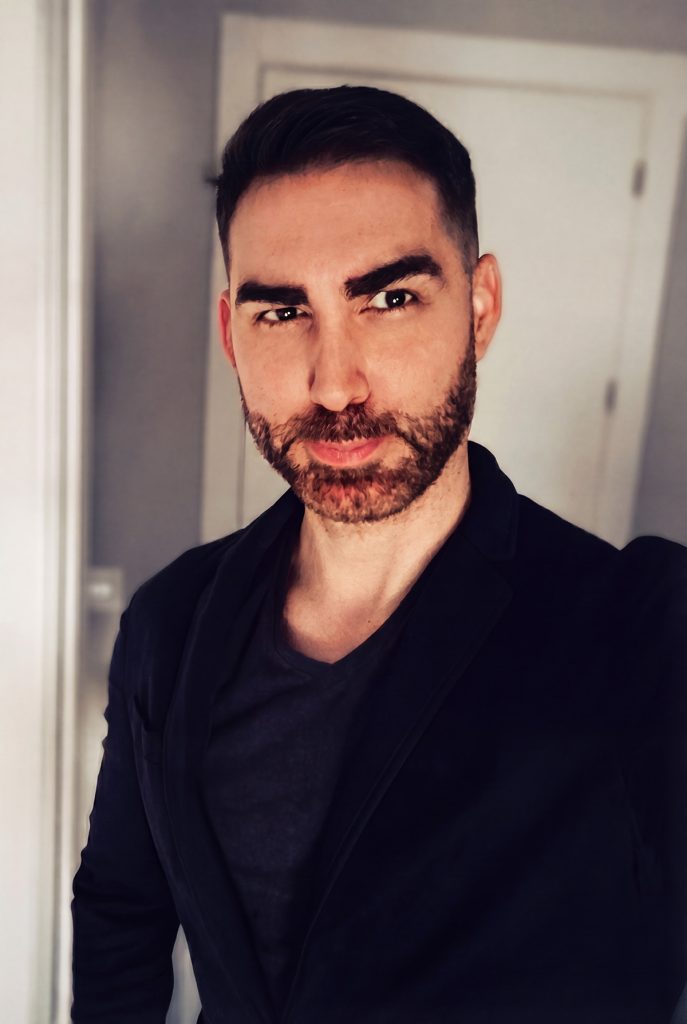
I call myself a “digital storyteller,” though that single phrase can hardly contain the trajectory I have traveled. As an IT strategist, I dissected the inner logic of technology; as a mystery novelist, I explored the darkest strata of narrative. Now, I am redrawing the horizons of cinema through the unprecedented language of generative AI. Where three identities collide, I have not fractured — rather, I have converged them into a single vision, one determined to make visible on screen what conventional cinematic grammar has never quite been able to reach.
-Do you remember the exact moment you fell in love with cinema?
Growing up, my family did not have much. As the youngest of four brothers, the cinema was not a space I was easily permitted to enter. I can still vividly recall being caught by a caretaker after sneaking over a crumbling wall, and made to stand in punishment. Yet even that moment could not drive me from the films. Those particles of white light cascading down upon the screen — to the boy I was, they were not mere entertainment. They were the very archetype of mystery and wonder.
Among the many works that have marked me, the one I would name as a defining imprint is Giuseppe Tornatore’s Cinema Paradiso (1988). That film, which traces the life of a man who carries within him a near-obsessive love for cinema, was the catalyst that first made me fall in love with the art form in my childhood.
-Tell us about your project “CICADA”.
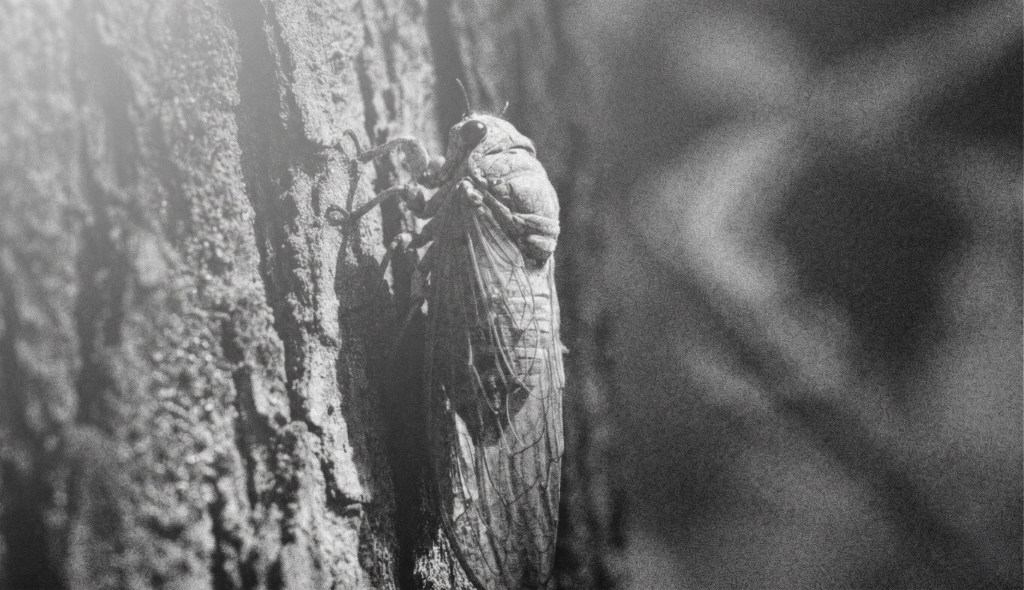
The cicada is often perceived by human eyes as a fragile creature — one that waits seven years beneath the earth only to sing through a single summer before vanishing. I have never considered it fragile.
CICADA is my tribute to that waiting, and to that singular, luminous moment of existence. The song of freedom finally released by a being long suppressed — it is also an allegory for the “freedom” and “self-realization” that modern people crave most desperately, yet so rarely manage to hold in their hands. Employing generative AI to heighten its surreal texture and aesthetically refined mise-en-scène, the work went on to receive recognition at the Cannes Arts Film Fest 2026, proving how gracefully technology and art can coexist. To me, CICADA is not merely an award-winning film. It is the milestone from which every journey that follows will begin.
-Which director inspires you the most?
“From Godard, I learned the liberation of form; from Scorsese, I was profoundly moved by a cinematic legacy that pierces to the very essence of things.”
In my twenties, I liberated myself before Godard’s films. But as time passed, my gaze settled deeply upon the work of Martin Scorsese. What Scorsese’s camera captures is not simply story — it is anthropological insight, the abyss of human nature trembling between guilt and redemption. That unflinching gaze, which persists in looking beyond violent reality, compelled me to ask from the very foundations: what is narrative, truly?
-What do you dislike about the world, and what would you change?
What I fear most is not an external enemy. It is the destruction of human beings by human beings themselves — that is the danger I am most vigilant against.
In an age when everything is volatilized and fragmented, people are imprisoned by the gaze of others, losing the opportunity to look inward and encounter their own authentic selves. Through cinema, I wish for audiences to pause — just briefly. That momentary stillness in which the forgotten value of human dignity, and the beauty of life itself, might be rediscovered. Now that an era has arrived in which films can be made without a camera, I find myself wanting to say, with even greater conviction: precisely now, we must be on guard against lightness, and never cease to wrestle with the question of truth. AI is, in the end, only a tool.
-How do you imagine cinema in 100 years?
A century from now, in the world I envision, cinema will no longer be something one watches. The boundary between screen and audience will have dissolved; people will commune in real time with infinite worlds through the power of imagination alone. They will generate their own narratives, becoming protagonists or directors at will. That world — where the border between reality and fiction is redrawn anew at every moment — may be a utopia, or it may be a world that poses an entirely different order of questions. Standing before that possibility, I find myself filled with wonder, while still refusing to let go of the solemn questions that must accompany it.
-What is your impression of WILD FILMMAKER?
WILD FILMMAKER strikes me as the most vital artistic community of this era. Its commitment to rejecting the grammar of mainstream cinema and championing the auteur spirit and artistic experimentation serves as an immense lighthouse, pointing the way for independent creators such as myself. To have become part of this singular platform — where artists from across the world may share their inspirations and stand in solidarity with one another — is something I regard as a genuine honor. I extend my deepest respect and gratitude to the WILD FILMMAKER team for lending an ear even to the smallest of voices. I hope that you will continue to open doors of opportunity for independent creators like me in the years to come.
I’m a writer focused on serialized storytelling that examines how systems—intelligence, finance, and political institutions—shape individual lives over time. I’m particularly interested in placing ordinary people inside those systems and exploring how they respond when circumstances become far larger than they can control. My work is built around causality, where decisions made within those structures reverberate across decades, often in ways the characters themselves don’t fully understand.
Do you remember the exact moment you fell in love with cinema?
What drew me in wasn’t a single moment, but the realization that film could operate simultaneously as intimate character study and as a way to explore larger historical forces. I’m particularly interested in stories where cause and consequence unfold over long periods, revealing how personal lives are shaped by events far outside a character’s immediate awareness.
Tell us about your project “American Mythos”.
American Mythos is a serialized Cold War psychological thriller told across three decades, where a covert rivalry between Len, a U.S. intelligence officer, and Marguerite, a KGB strategist, embeds itself deep within American life. As their decisions ripple forward, an unsuspecting generation in the 1980s is drawn into the system they built.
The series unfolds across interlocking timelines, revealing how quiet, strategic decisions made during the Cold War resurface years later in unexpected and deeply personal ways. At its center are individuals who begin as ordinary participants in their own lives, only to find themselves shaped by forces they neither see nor fully understand—where what appears local and personal is ultimately part of something much larger.
Which Director inspires you the most?
I’m particularly influenced by filmmakers like Michael Mann and David Fincher, whose work demonstrates a high level of structural precision and control. One of the things I find most compelling in their films is the use of tonal layering—where procedural detail, psychological tension, and atmosphere operate simultaneously rather than in isolation.
Their stories often balance a grounded, almost clinical realism with an underlying sense of unease, allowing meaning to build through accumulation rather than exposition. That approach is central to how I construct American Mythos, particularly in maintaining tension across timelines and allowing larger systemic forces to emerge through character-driven moments.
What do you dislike about the world and what would you change?
There’s a tendency to reduce complex systems into simplified narratives, particularly when it comes to history and power. That simplification can obscure how decisions actually get made and how long their effects persist. I’m interested in creating work that reflects that complexity rather than resolving it too cleanly.
How do you imagine cinema in 100 years?
The tools will change, but the underlying purpose will remain—understanding human behavior through story. What I think will continue to evolve is the scale of narrative structure, with more emphasis on long-form storytelling that can reflect the layered, interconnected nature of real-world systems.
What is your impression of WILD FILMMAKER?
Platforms that provide visibility for structurally ambitious and independent work play an important role, particularly at early stages of development. Creating space for projects that operate outside traditional models allows those ideas to begin finding an audience and identity before entering larger systems.
I am a Spanish screenwriter who understands cinema as a way of touching the invisible. I am drawn to stories that are not only seen, but deeply felt—stories capable of leaving a wound, a caress, or a question within the viewer. I write from emotion, but also through a deeply visual gaze. I have always believed that a glance, a silence, or a gesture can say far more than a long speech. My pursuit as an author is to find a human truth that lingers in the person who watches.
Do you remember the exact moment when you fell in love with cinema?
I could not point to a single exact moment, because cinema entered my life little by little, like a silent revelation. But I do remember discovering that a story could change you from within and continue living inside you long after it had ended. That was when I understood that cinema was not merely entertainment, but memory, emotion, identity, and refuge.
Tell us about your project “SYNNOIA”?
SYNNOIA is a story of love, loss, and identity wrapped in an intimate and emotional science fiction atmosphere. It begins with a question that has long obsessed me: how far would we be willing to go to hold on to the person we love? In SYNNOIA, technology makes an impossible kind of closeness possible, but it also opens the door to a form of intimacy that is as profound as it is dangerous. Beyond its futuristic dimension, the story speaks of the fear of letting go, the pain of accepting an absence, and the way love, when it clings too tightly, can become a prison. It is a very visual, deeply sensory, and profoundly human work.
Which director inspires you the most?
If I had to name a particularly strong influence, I would say Robert Zemeckis. I have always been fascinated by his ability to unite emotion, storytelling, and spectacle without ever losing humanity. I also deeply admire Stanley Kubrick for his visual ambition, his precision, and his ability to turn every image into something unforgettable. In a way, I am drawn to that union between the emotional power of Zemeckis and the cinematic force of Kubrick.
What do you dislike about the world, and what would you change?
What pains me is the coldness with which we so often coexist with the suffering of others, the speed at which everything is consumed and forgotten, and the loss of emotional depth in so many aspects of life. I would change that disconnection. I would like to see a world that is more sensitive, more aware, and more capable of looking at others with genuine humanity. Cinema, precisely, has the power to restore what the world sometimes numbs.
How do you imagine cinema in 100 years?
I imagine a form of cinema that will be technically unrecognizable to us, with tools and modes of immersion that we can barely begin to imagine today. But I also believe that, if it remains true cinema, it will preserve what is essential: the human need to tell stories, to remember ourselves, and to move one another through them. Technology will change, formats will change, but the need for an image that reveals something profound will remain untouched. As long as human beings continue to seek meaning, cinema will continue to exist.
What is your impression of WILD FILMMAKER?
My impression is very positive. I believe it is always valuable to find spaces that support independent cinema and authorial voices. In such a saturated landscape, giving visibility to creators and their stories feels truly important to me. I appreciate the opportunity to share my perspective as an author and to speak about SYNNOIA.
I see myself as a digital craftsman who enjoys genre films and animation. In the late 1980s, I was able to enter the world of animation professionally, where I have worked continuously for forty years. During that time, I have done everything from concept design, storyboarding, 2D and 3D animation, matte painting, and even post-production, digital special effects, compositing, and editing, for both film and television.
Of course, I continued directing short films and have directed three small low-budget independent animated feature films. I have also participated in the production of more than 30 films and more than 50 animated series, providing services.
-Do you remember the exact moment you fell in love with film?
In 1983, when I was only 16, a Super 8 camera came into my hands. I’ve always been passionate about science fiction films, and I started shooting my first short films, homemade and with almost no budget, using drawings, paintings, models and matte paints. Thanks to this, I was able to enter the world of animation.
-Tell us about your projects.
When I started, I did animation services for 2D animated television series, always geared towards children. But the truth is, although I liked animation, I preferred stories for adults. I’m passionate about science fiction, fantasy, and horror, and I enjoy exploring those genres within animation.
-Which director inspires you the most?
When it comes to animation, I’m not really into Disney or Pixar. I think I’ve always preferred the Puppet animation, like Aardman, Henry Selick, Laika… And in 2D, my idol is Hayao Miyazaki. My children grew up watching ALL his films and still do. As for live-action, I have many “best movies,” from The Godfather and Blade Runner to my absolute favorite, John Carpenter’s The Thing. I like many genres and many different kinds of films. But I think if I had to name directors right now, they would be: Christopher Nolan, Denis Villeneuve, and Alex Garland…
-What do you dislike about the world and what would you change?
Ugh… a sensitive topic these days… I can’t stand: Authoritarianism, the abuse of power, the manipulation of both information and people, the widespread dehumanization.
Of course, wars… mistreatment, hunger… I could go on and on, unfortunately… It pains me deeply to see a world where injustices are committed daily and nothing is done to stop it.
-How do you imagine cinema in 100 years?
100 years?… I think there’s going to be a huge change, not just in how films are made, but in our traditional concept of cinema. Not in 100 years . Very soon…
I have no doubt that AI is going to transform everything (not just in film). It will bring good things, but unfortunately, bad things. There’s already a bit of that… But, my latest short films were created with AI. I have many colleagues who are completely against its use. I totally understand. Change is always scary, and this one is going to be very radical. And the misuse of this technology… My first contact with AI was quite distressing. A French conceptual designer I knew wrote to me saying that they were using his images to train AI without his permission and that they were undoubtedly using mine as well.
He sent me a link, and sure enough, that was the case. From rejection and anger, I went to horror. But I decided to try it to understand how important this new way of doing things could be.
I was overwhelmed. In just one afternoon, using my own images, I ran some tests and saw how this technology was capable of doing the same thing I could, improving the quality and in a fraction of the time I needed. I was in shock for a week.
Could I fight against this? Should I just give it all up? At that time, I was working for an American company creating 3D content for entertainment, and I unwittingly saw for a while how denying its existence was a mistake.
The company itself was slowly but steadily introducing AI tools… The tsunami everyone was talking about was here. So it was pretty clear to me: If a tsunami comes, you can either sit and wait and succumb to it… or learn to surf… Many people still just bury their heads in the sand and pretend nothing’s wrong. They see the tsunami as a mirage… and that’s a mistake.
-What did you think of WILD FILMMAKER?
The truth is, I didn’t know about it, but after discovering it, I think it’s a great tool for delving a little deeper into the difficult world of independent filmmaking.
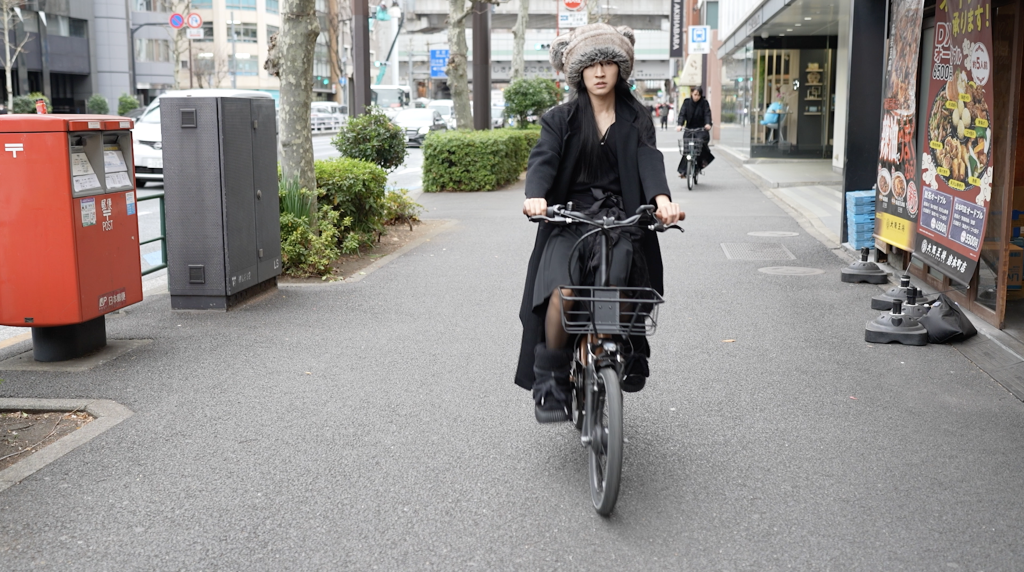
How much can a river tell us? This question inspires the poetic journey into which director Graciela Cassel leads the viewer in “Love is Lonely Hunter.”
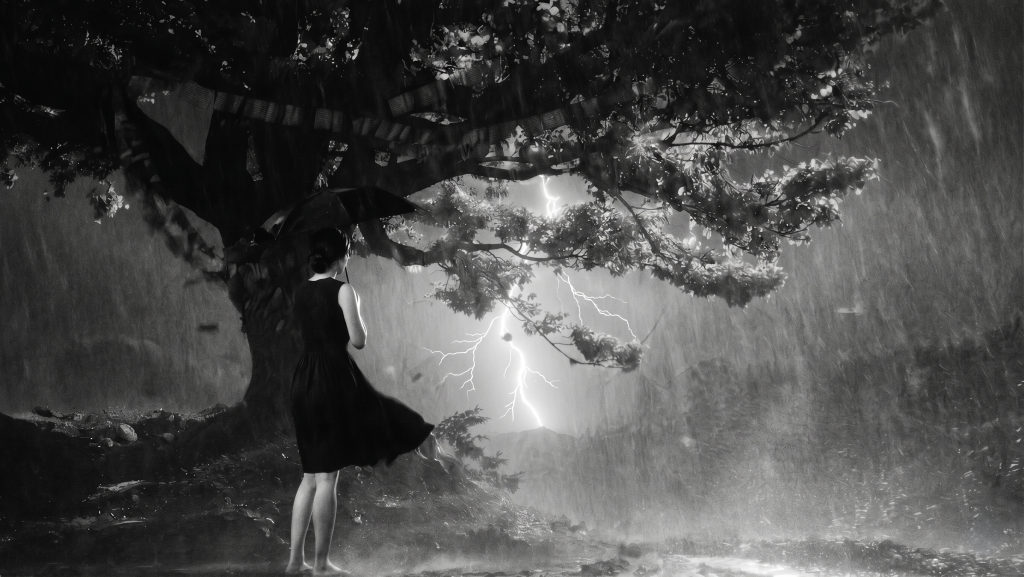
Alongside this sensory itinerary, there ideally unfolds a short experimental film that seems to arise from the same expressive urgency: a girl walks alone through a city that could be anywhere, Rome, Chicago, Berlin, Tokyo, or no specific place at all. Urban space thus becomes a neutral, almost abstract container, where time stretches and narrative dissolves into pure perception.
The protagonist’s step, repetitive and silent, recalls the contemplative cinema of Wim Wenders, in which the journey is never merely movement but an inner quest.
In the same way, the camera lingers on details, a fox, a reflection, an empty street, with a sensitivity that evokes the lyrical grace of Terrence Malick, transforming everyday reality into an almost metaphysical experience.
Yet it is in the pauses, the silences, and the suspended gazes that a deeper echo emerges, one close to the spiritual tensions of Ingmar Bergman: solitude is not merely an urban condition, but an existential inquiry, a form of inner listening that traverses space and empties it.
The city, stripped of all frenzy, almost seems to observe the protagonist more than it is being observed. Sounds are sparse, often replaced by a silence that amplifies every gesture, every hesitation. The shots, often static or only slightly moving, construct an emotional rather than a physical geography. Every street walked does not lead to a destination, but to a spiritual awareness, to an inner growth.
Natural light, used by Graciela Cassel in “Love is Lonely Hunter” with great sensitivity, accompanies the passage of time like a slow breath. The absence, or near absence, of dialogue reinforces the impression of a cinema that privileges the image as the primary form of storytelling. In this sense, the film escapes any traditional narrative logic, choosing fragmentation and suspension. It is a cinema that asks the viewer to inhabit space, not to understand it.
The movement of the protagonist thus becomes an almost ritual gesture, a practice of crossing through the world.
There is a constant search for authenticity, far removed from any narrative artifice. The film seems to arise from the urgency to observe, rather than to tell. And it is precisely in this act of observation that its most authentic strength is revealed. This short urban road movie, in its essentiality, demonstrates how Graciela Cassel has consciously absorbed and reworked the principles of the Nouvelle Vague: narrative freedom, rejection of classical conventions, attention to reality, and visual improvisation. The camera becomes light, almost invisible, following the flow of life without imposing a direction.
Like the river evoked at the beginning, this film too flows without ever truly stopping, carrying with it fragments of life, images, emotions. And it leaves the viewer with the task of gathering them, interpreting them, and making them their own.
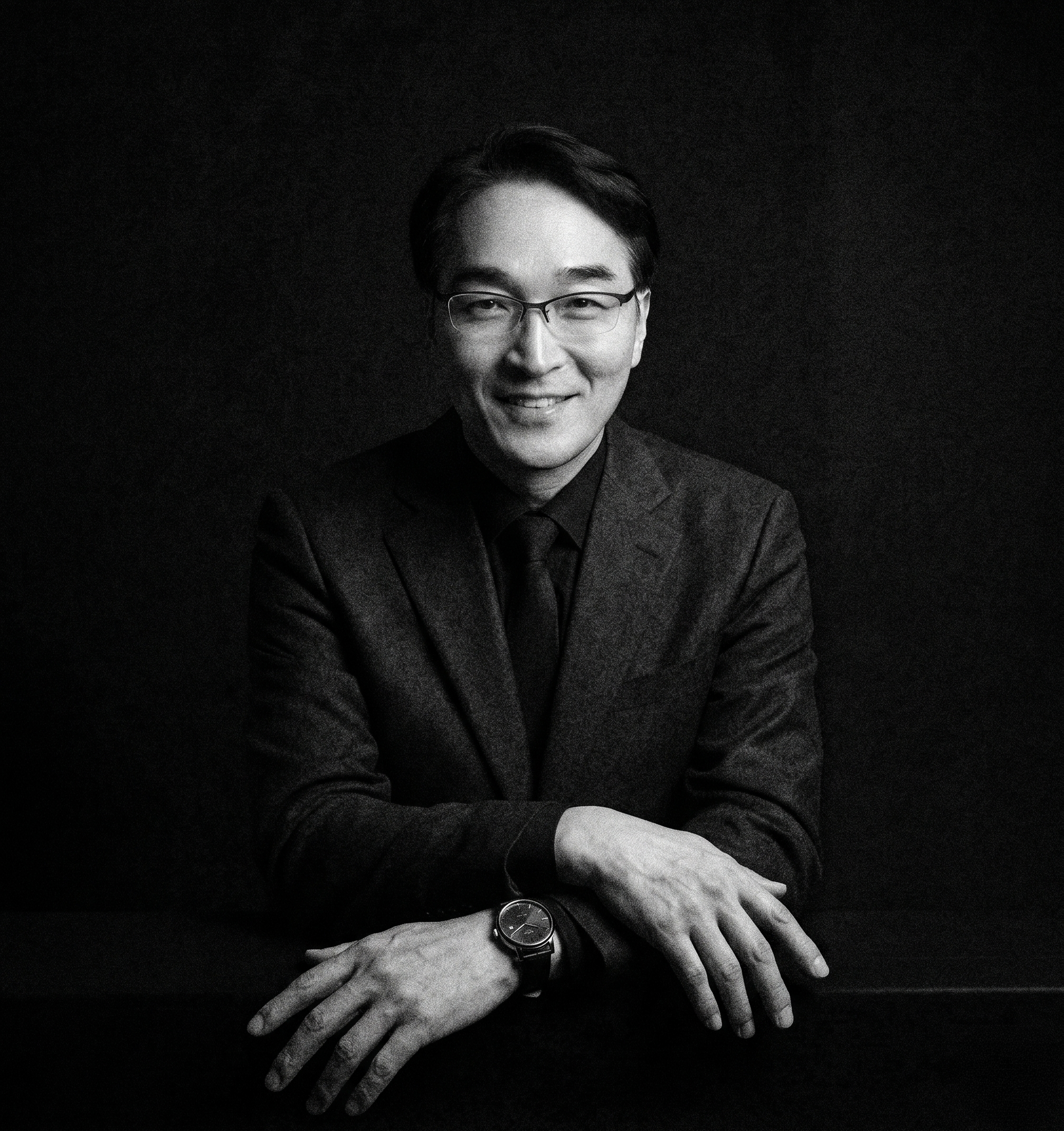
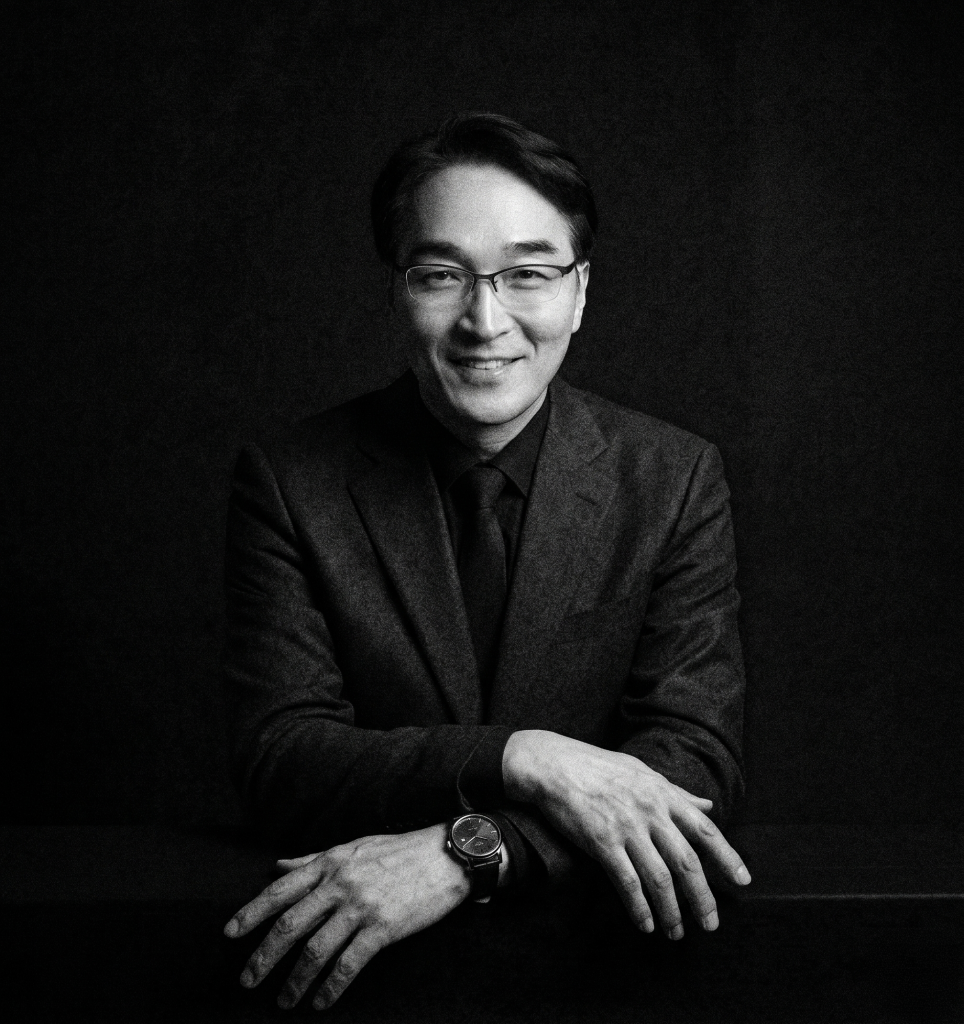
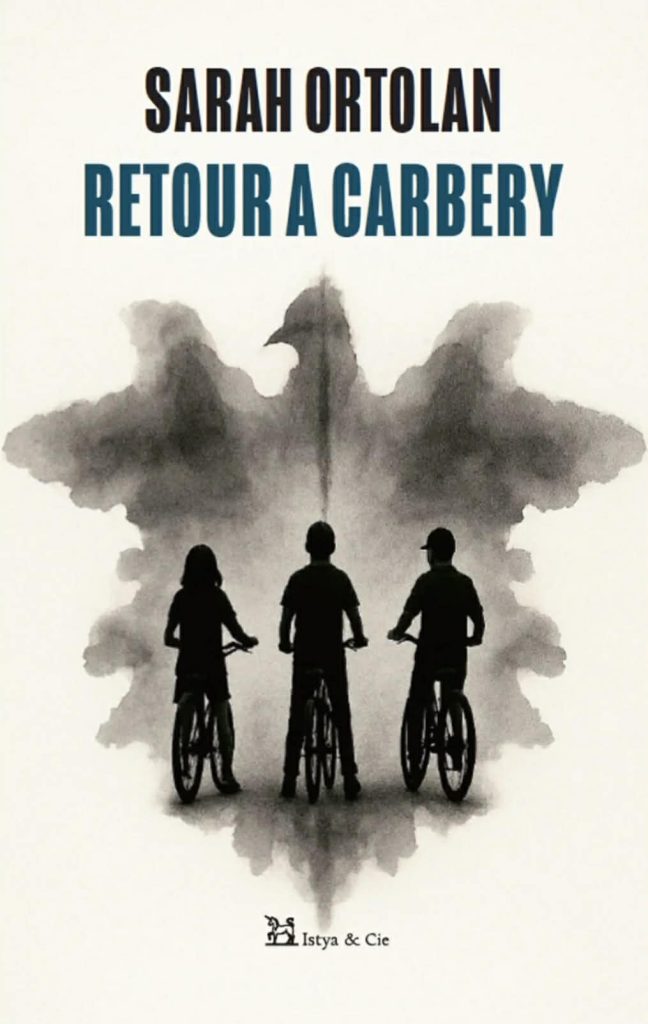
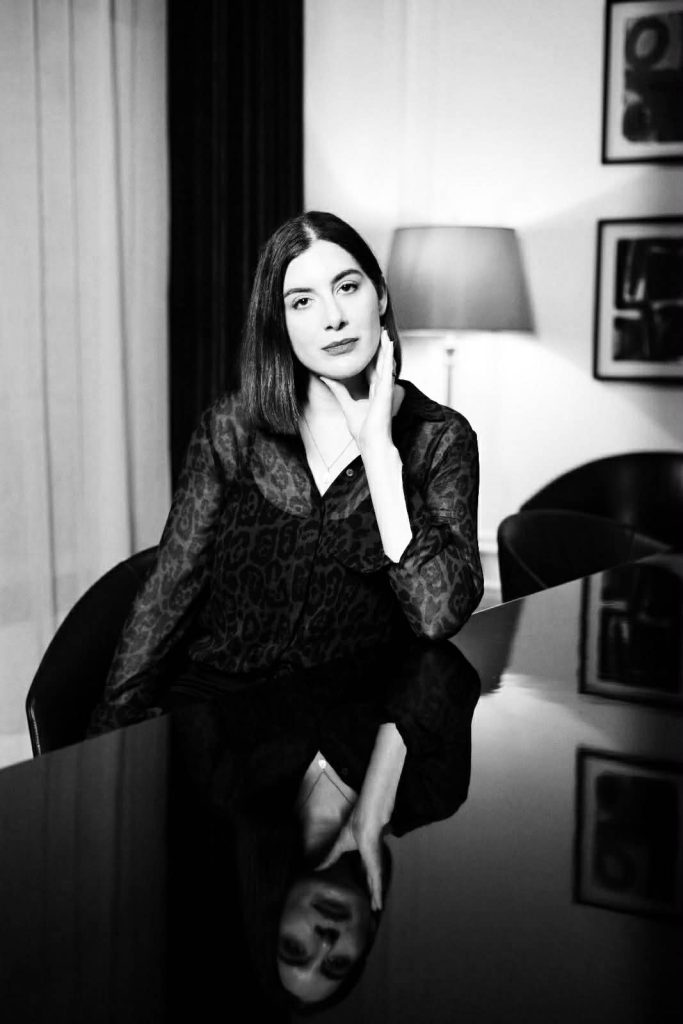
I am a trained psychologist specializing in autism. I have always written in my free time, and a few years ago I began publishing short stories in literary journals. When I had the opportunity to devote more time to writing, I completed my first novel, Return to Carbery, whose plot and characters had been haunting me for about ten years.
Tell us about your book: Return to Carbery.
It is a psychological thriller with a strong nostalgic dimension. The story follows three childhood friends—Stan, Alice, and Finch—who reunite as adults. They are confronted with a gruesome murder that takes them back to the summer of 1997, when they were tracking a mysterious “Thing” behind disturbing events in the seaside town where they spent their holidays. They begin to realize that this “Thing” may have grown along with them… and they resume their investigation where they left off.
The novel alternates between two timelines: 1997 and 2017. The chapters set in the past fully immerse the reader in the atmosphere of the 1990s, a period that coincides with my own childhood and that I am particularly fond of with its music, cultural references, games, advertisements, and more. It’s a kind of Proustian madeleine for my generation, but with a bitter aftertaste.
What particularly interested me was exploring the idea of the uncanny: something familiar that suddenly becomes disturbing, where discomfort arises from the shift between the known and the unsettling, between the lost paradise of childhood and what truly lies beneath it.
This may be linked to my background in psychology, but I feel that the past, with its share of trauma, buried or repressed memories, is always potentially dangerous, while at the same time exerting a powerful attraction on us.
Which writer inspires you the most?
Without hesitation: Stephen King. I discovered him at the beginning of my adolescence, at a time when I was shaping my personality and artistic universe, and it was a real shock. I feel as though I continue to live in some of his stories, or that they continue to live within me.
What I admire most about him is his ability to anchor completely wild plots in absolute psychological realism, and to create worlds so familiar that they feel like parallel versions of our own. We fully identify with his characters’ thoughts and emotions. We believe in them because they are sincere and deeply human.
His vision of childhood confronted with threat, and of summer as a threshold, a liminal space, an initiatory rite of passage, has greatly influenced me. In fact, the name Carbery is a tribute to Derry, the Maine town where the characters of his novel It return after twenty-seven years of absence and forgetting.
What do you dislike about the world, and what would you change?
I’m going to give a completely naïve but obvious answer: I would remove the existence of evil and all forms of suffering from this world. Of course, I would also be shooting myself in the foot creatively and probably signing the end of my career, since it is precisely the question of the evil lurking within each of us that obsesses me and that I explore in my thrillers.
How do you imagine cinema in 100 years?
I believe technological developments will allow for extremely advanced visual performances and immersive experiences, but also increasingly standardized ones. At the same time, I hope we will remain capable of returning to the essence of cinema: telling stories through images.
Because what truly matters and I think audiences recognize this is that these stories are good, sincere, and driven by a unique vision.
What is your impression of WILD FILMMAKER?
I believe that initiatives like WILD FILMMAKER are essential to keeping independent cinema alive outside the rules imposed by the industry, and to making it more accessible to everyone.
I also find it very valuable to bring together a strong community around a shared vision of artistic creation, and to give visibility to emerging authors like myself, who might not otherwise have access to these spaces. So, thank you.
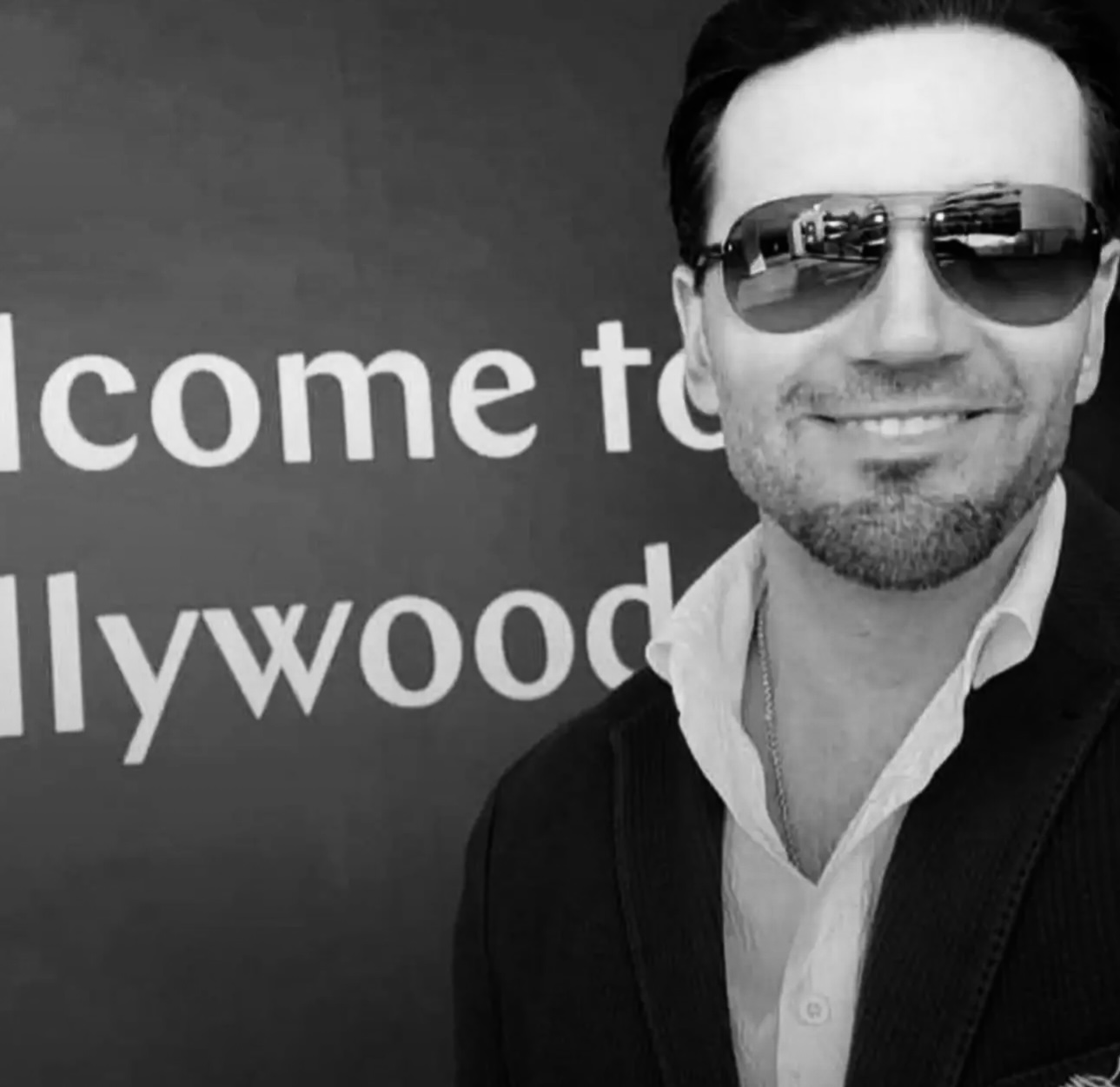
First, thank you very much for the opportunity to share my experiences in such a special and meaningful interview. I am a Puerto Rican filmmaker, writer, actor, composer, and psychologist who creates from the harmonious combination of cinema, creative writing, music, psychology, and technology. My work blends magical realism, Caribbean memory, and emotional depth, exploring the invisible presence of ancestry and the psychological landscapes that shape who we become. I am also passionate about themes of social consciousness and global impact: we make cinema with purpose, filled with poetry, visual richness, and musicality.
As a pioneer in traditional animation direction and AI-driven hybrid filmmaking in Puerto Rico, as well as in my earlier experiences in live action and hybrid live-action/animation formats, I have walked a wonderful path shaped by curiosity, discipline, and cultural responsibility. This journey has led to several historic milestones: becoming the first Puerto Rican finalist at the American Pavilion in Cannes; the first Puerto Rican animation director to present work at the Palais des Festivals during Animaze/Animation in Cannes; and the creator of Puerto Rico’s first extended multi-award-winning animated film to represent the island across international festivals.
As a great blessing, I am also the first Puerto Rican filmmaker to surpass more than 200 international laurels and more than 50 awards, integrating animated, hybrid, and live-action projects—recognitions evidenced across multiple festival platforms worldwide, with a presence spanning North America, South America, Europe, Asia, Africa, and Oceania. These achievements remind me daily of the importance of perseverance and the responsibility of representing my island with humility and integrity.
Thanks God, my work has also been recognized at the governmental level. I received the first Distinguished Filmmaker Medal awarded by the House of Representatives of Puerto Rico, alongside filmmakers such as Jacobo Morales, an Academy Award nominee. I have also been welcomed twice into the Office of the President of the Senate of Puerto Rico for my achievements in cinema, and I have received nominations and recognitions for my projects on social consciousness and global impact in Peru, Mexico, and the United Kingdom.
Every project I direct is fully authored by me, from concept to screenplay, as part of my dedication to elevating Puerto Rican storytelling while expressing my creative spirit from a universal perspective. My studies in psychology, natural sciences, communications, creative writing, cultural studies, and politics have enriched my vision: I have always sought to learn from every discipline I explore to make art a manifesto, a continuous ideal, and to remain an eternal learner.
Do you remember the exact moment you fell in love with cinema?
Yes, and in truth, it began long before I understood what cinema truly was. As a child, I felt the sensation of embodying different stories as a protagonist through imagination, sensing that stories could breathe and come alive. I saw myself immersed in film one way or another. I didn’t yet have the language for it, but I felt the call.
I began as an actor, entering the fascinating world of characters, the continuous search for verisimilitude, and the emotional architecture of performance. Over time, I discovered other roles—writing, composing, producing—until I finally reached the place where all those paths converged: directing. That early intuition, that childhood vision, became an internal compass. Without any doubt, this was my place.
Tell us about your projects: “OSKÄR” and “FOREVER PRINCËNEY.”
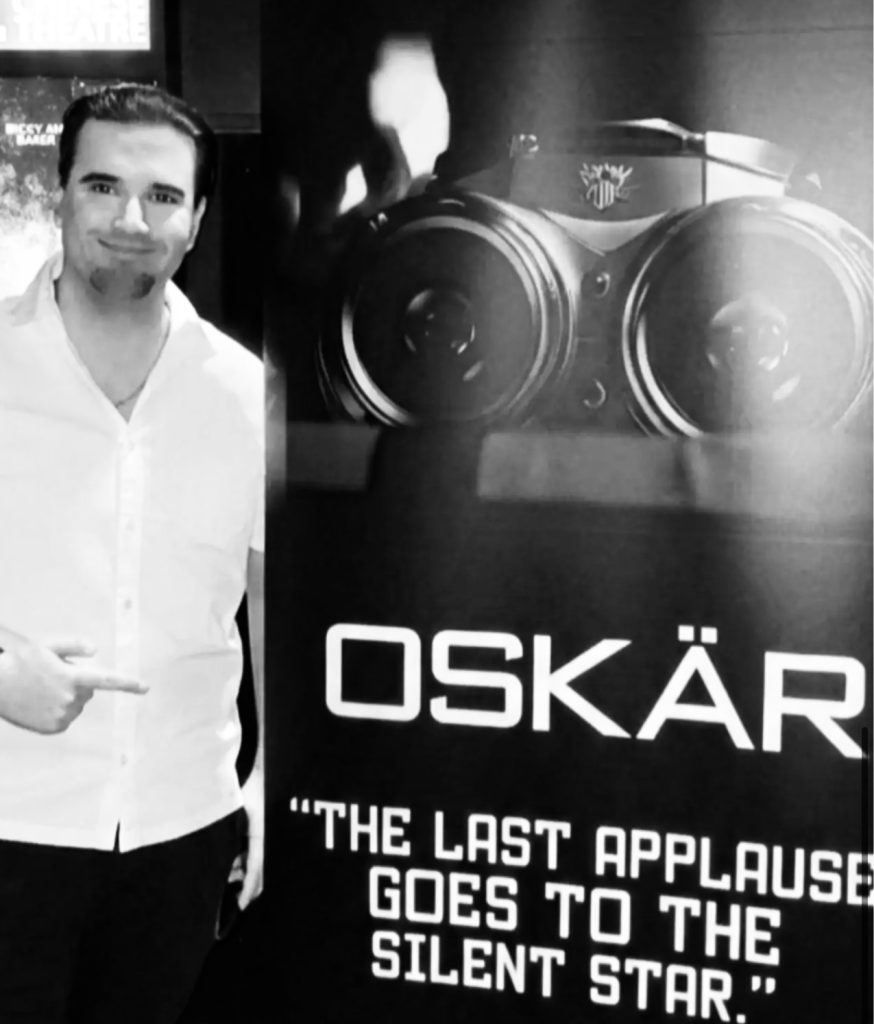
OSKÄR is a hybrid animated project that merges AI-assisted imagery with traditional cinematic sensibility. It explores the emotional journey of a character who moves through memory, identity, and the echoes of Mother Earth in labor pains whispering to the wind. The project has received international recognition, including a turning point in my trajectory: Best Animation Director at a screening at the Chinese Theatre in Hollywood, marking the first time an animated film produced in Puerto Rico was presented in this iconic venue.
The animator of OSKÄR is Jorge Dardo Cáceres, who is also the editor and sound designer of the project; he knows how to listen to my intuition when making decisions, works intensely to grow in his precious craft, and connects deeply with my vision of cinema.
We promised to make history, and we are doing it. From Bulgaria, Japan, South Korea, Ukraine, Uruguay, Türkiye, Hungary, Bali, London (twice), New York, Los Angeles, the Chinese Theatre in Hollywood, France, and Poland, OSKÄR continues to illuminate special screens around the world. One of the most meaningful recognitions came from Japan and South Korea, countries whose animation cultures are deeply respected. Likewise, the filmmaker who won the Goya Award for Best Animated Film 2025 and was selected for the Oscars 2026 praised our narrative for its social and human themes and our way of illuminating through experimental art, after we received several awards in Bulgaria.
Throughout this very special journey, OSKÄR has received Best Animated Story Toward the Future, Best Direction – Animation, Best Innovation (Technique) in Animation, Best Film of the Season, an Honorary Mention, and finalist distinctions in both London and Los Angeles, across four international AI festivals and numerous traditional international festivals. The journey of OSKÄR—especially its screening at the Chinese Theatre during the Golden State Film Festival, with the breeze of the Oscars less than a week away—has been one of firm and consistent steps, after years of hard work and dedication. And we return to the city of Cannes this May, after being accepted into a new venue parallel to the festival.
Meanwhile, FOREVER PRINCËNEY, an animated feature screenplay, contributed to achieving my 200th laurel in the period 2009–2026. Winning Best Animated Feature Screenplay in the city of Cannes reflects the immense value of this achievement, earned through hard work and dedication. Through our creative projects, Puerto Rico is now presenting itself as a cinematic production force in both AI-driven and traditional animation, with firm and consistent steps in independent festival circuits.
Together, OSKÄR and FOREVER PRINCËNEY form two parallel creative universes that converse with one another: one rooted in memory and tenderness; the other, in diversity and resistance.
Which director inspires you the most?
Hayao Miyazaki inspires me with his spiritual tenderness, his way of letting innocence breathe, and his respect for nature as a character. Guillermo del Toro captivates me through his devotion to monsters as metaphors for our wounds; his cinema is an ode to compassion from the rejected or marginalized. Pedro Almodóvar teaches me about masculinity and fragility, about the emotional architecture of men, desire, vulnerability, and the colors of the human heart. These three directors form an interesting triangle that I aspire to emulate.
What do you dislike about the world and what would you change?
I am deeply concerned by the speed with which the world forgets its own humanity. We live in a time where noise replaces meaning and where vulnerability is mistaken for weakness. There is also our deliberate act, at both personal and collective levels, of often forgetting what is essential or choosing not to listen. On the other hand, I would promote, through the art-science binomial, imagination directed toward social transformation and the indescribable value of cultural memory, because within it lies our ability to recognize ourselves, to heal, and to build more sensitive and more human futures.
How do you imagine cinema in 100 years?
I imagine cinema becoming profoundly immersive, a fusion of sensory, emotional, and technological dimensions where stories are not only watched but inhabited. Audiences would enter narratives, feeling them from within rather than observing them from afar. And even so, the essence would remain: the innate need to connect, to feel intensely, to witness the human condition with eyes tied to unconditional love.
What is your impression of WILD FILMMAKER?
WILD FILMMAKER feels like a manifesto that honors the seventh art, something difficult to find in the digital universe, expanding with the wings of a magazine of immense and yet selective reach. A space that celebrates creators who dare to break paradigms and embrace the disruptive spirit of purposeful, conceptual, soulful cinema. I am grateful, as an eternal learner, for the welcome into this distinguished editorial space of art-makers that does not bind itself to traditional color patterns. Because only in such unexplored corners are immortal realities created.