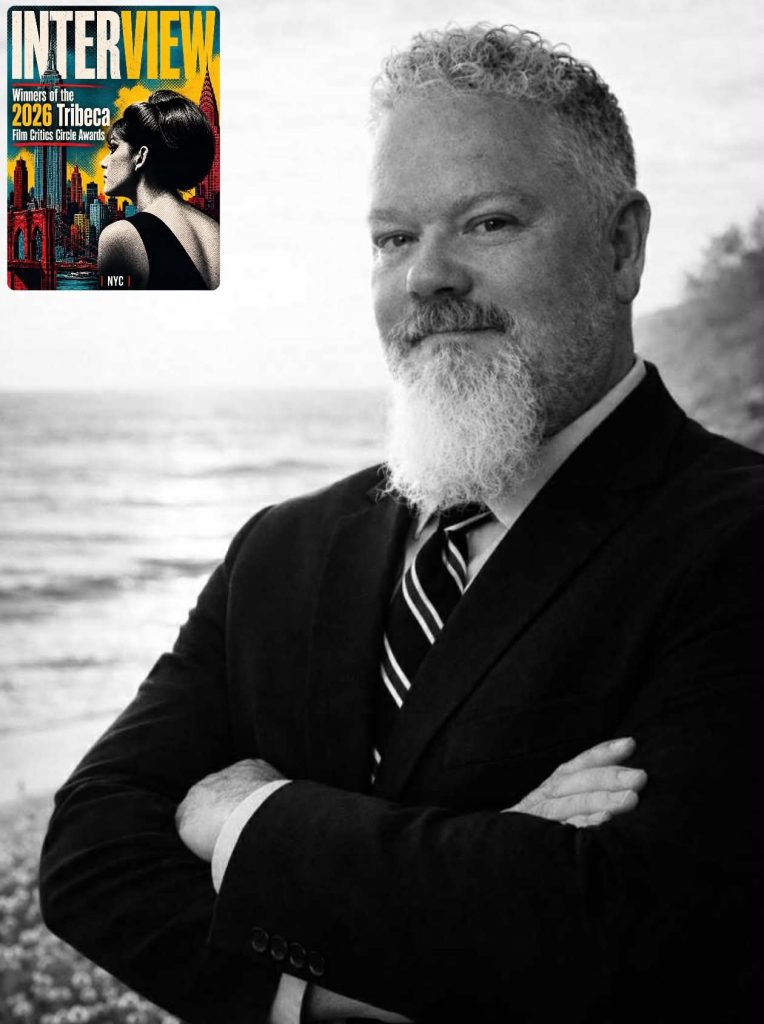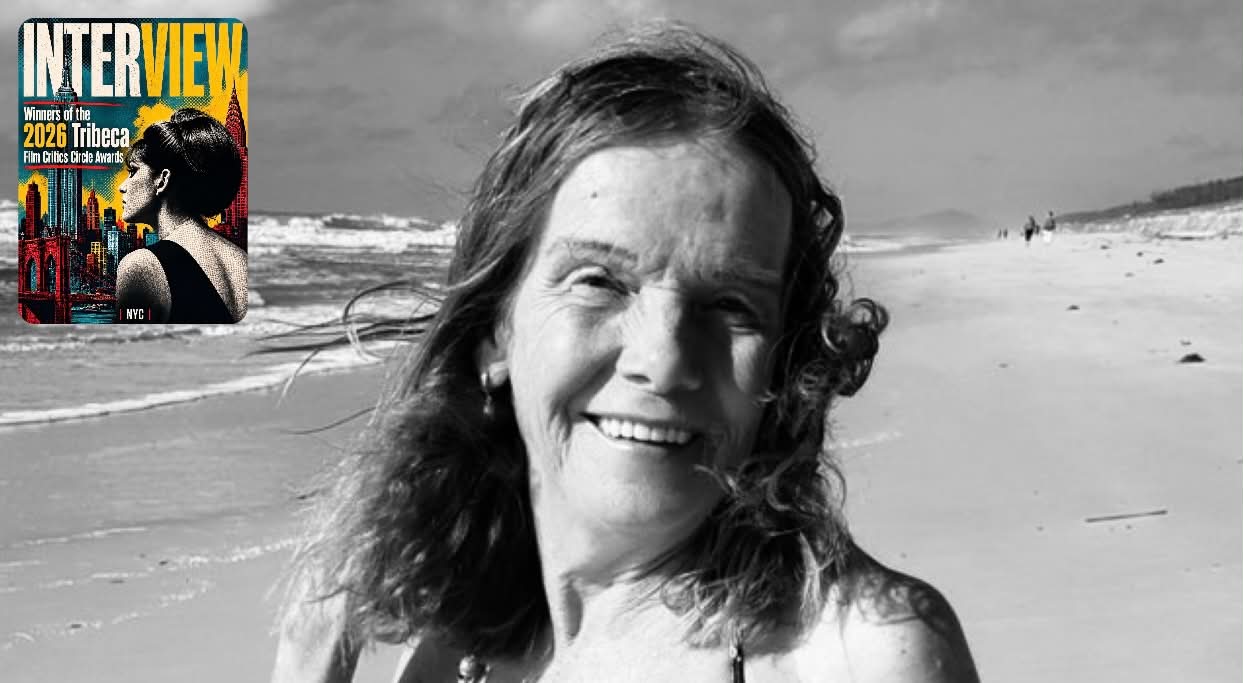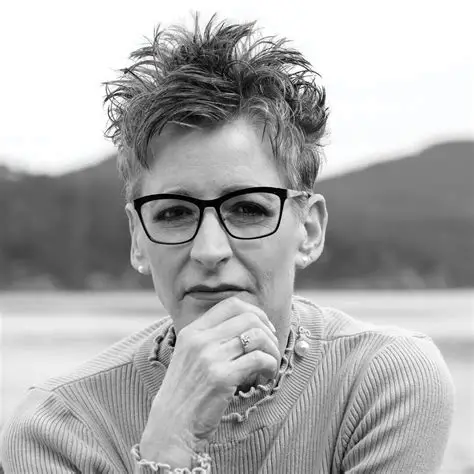
“Two Fates” (EXCLUSIVE) Interview with Lori Lee Peters

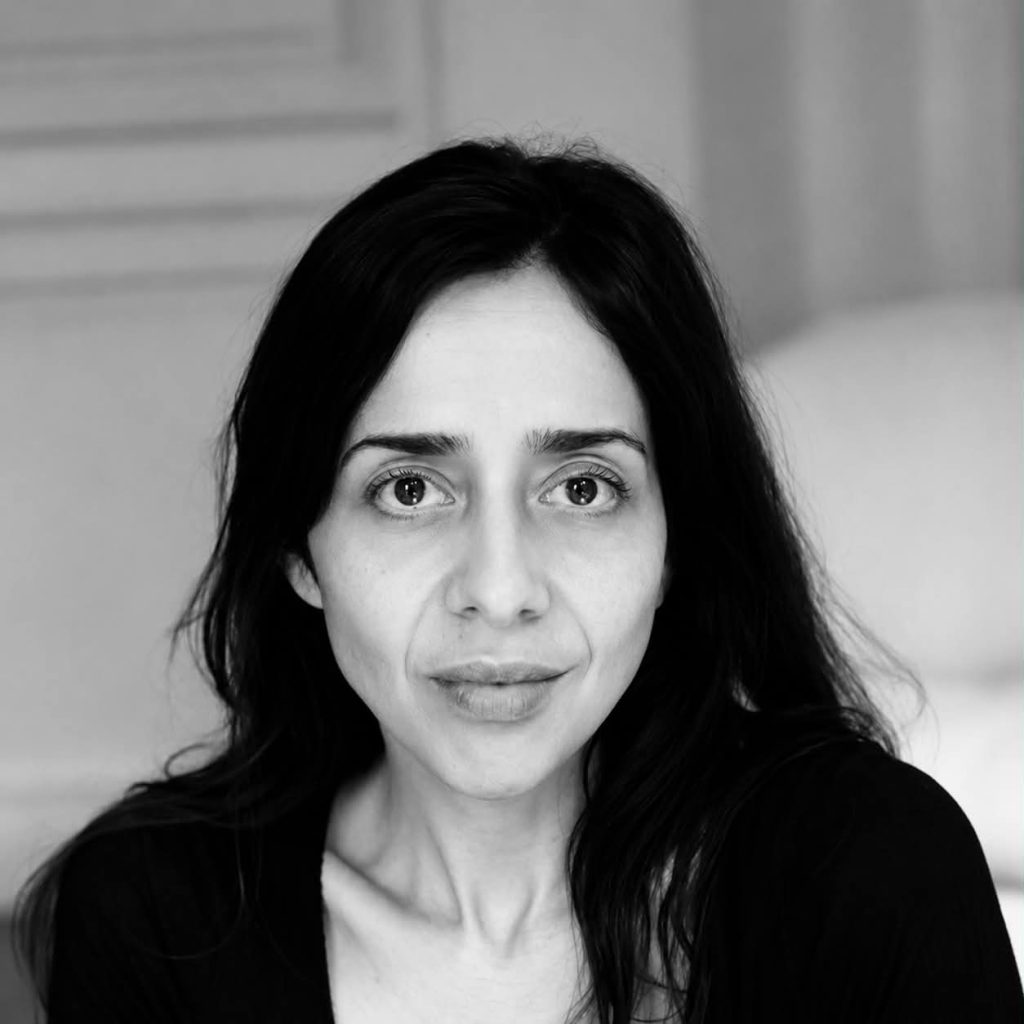
-Who is Lori Lee Peters?

I’m a complex woman who’s still learning about herself. I don’t give up when something is important to me. I love to laugh and banter because in those moments, I’m free, nothing else matters, only pure joy. At random I come up with ideas for products and since working in this industry, I come up with story ideas for film and television. I’ve had many jobs/careers that always dealt with helping people. I share my home with Leo, my canine companion/co-worker and enjoy going on hikes with him. I love where I live because it’s beautiful and I feel safe while living with C-ptsd and derealization.

-Do you remember the exact moment you fell in love with cinema?

After my trauma I would have panic attacks when going to the cinema, and stopped going until after I was married. My ex-husband and I went to see the film Platoon. As we drove out of the theater in silence, we looked at each other and my ex-husband pulled over. Tears came and we sat letting it all sink in. Platoon made me fall in love with cinema. The realism shown struck me to the core. Powerful, moving, and unforgettable and believed Platoon should be required in History classes.

-Tell us about your project “TWO FATES”.

TWO FATES by Kelsey Ann Wacker 

Based on the memoir- God, the Mafia, My Dad, and Me 

by Lori Lee Peters 

Lodi, California 1970s, Lou Peters appears to be living the American dream. A rising General Motors executive who becomes a respected Cadillac dealer, Lou has built a life defined by ambition, discipline, and devotion to his family. 

To his young daughter Lori, he is more than a father-he is her protector, prankster, hero, and safest place in an increasingly confusing world.

But beneath Lou’s success lies a dangerous collision with organized crime when his dealership becomes entangled in a statewide money-laundering operation connected to the Bonanno Mafia family. For Lou, whose childhood dream was once to become an FBI agent, the threat becomes a call to action. Rather than look away, he chooses to risk everything by secretly helping federal authorities infiltrate the criminal network from the inside.

Inside the Peters home, another invisible war is unfolding. 

At thirteen, Lori’s life changes forever when a terrifying religious prophecy triggers a profound psychological break. Convinced by her two best friends-the world is ending and God is coming to bring everyone to Heaven. Lori doesn’t want to die and begins living by a secret survival system of rituals, hiding, and obsessive calculations designed to keep herself alive. At the center of her fragile logic is one belief: her father will know what to do. Lou becomes both her emotional anchor and imagined shield against annihilation.

Father and daughter, though deeply bonded, are unknowingly waging parallel wars under the same roof-each trapped in danger, each trying to survive, and neither fully aware of the other’s battle.

Lou’s courage eventually helps federal agents secure the evidence needed to expose powerful Mafia figures, culminating in a critical breakthrough that brings dangerous criminals to justice. After years of risk and sacrifice, Lou survives- but victory is heartbreakingly brief. Diagnosed with a terminal illness, Lou dies within a year at just forty-nine years old.

For Lori, her father’s death is more than a devastating loss-it is the collapse of the one person who made survival feel possible. In the aftermath, grief forces Lori to confront all the buried trauma, silence, and psychological scars she carried throughout her youth. Only then does she begin to understand the tragic parallel that defined their lives: while her father was fighting organized crime, she was fighting for her own mind.

In the end becomes Lori’s journey to reveal the truth her father never fully knew and revealing to the world the Hero he truly was.

-Which Director inspires you the most?

Women directors- In particular Greta Gerwig she takes chances and her instinct is spot on.

-What do you dislike about the world and what would you change?

I dislike how divided we have become, especially here at home.

I would eliminate the use of religion as a tool for fear, control, and manipulation. I believe too many people-especially children-have experienced trauma, shame, and fear in its name. I would replace fear-based belief systems with compassion, critical thinking, and respect for one another.

-How do you imagine cinema in 100 years?

If cinema still exists in 100 years, I imagine much of it will be driven by advanced technology and artificial intelligence. Perhaps audiences will look back on human history through stories created with tools we can barely imagine today.

-What is your impression of WILD FILMMAKER?

This is my introduction to Wild Filmmaker. So far I’m pleasantly surprised and intrigued.
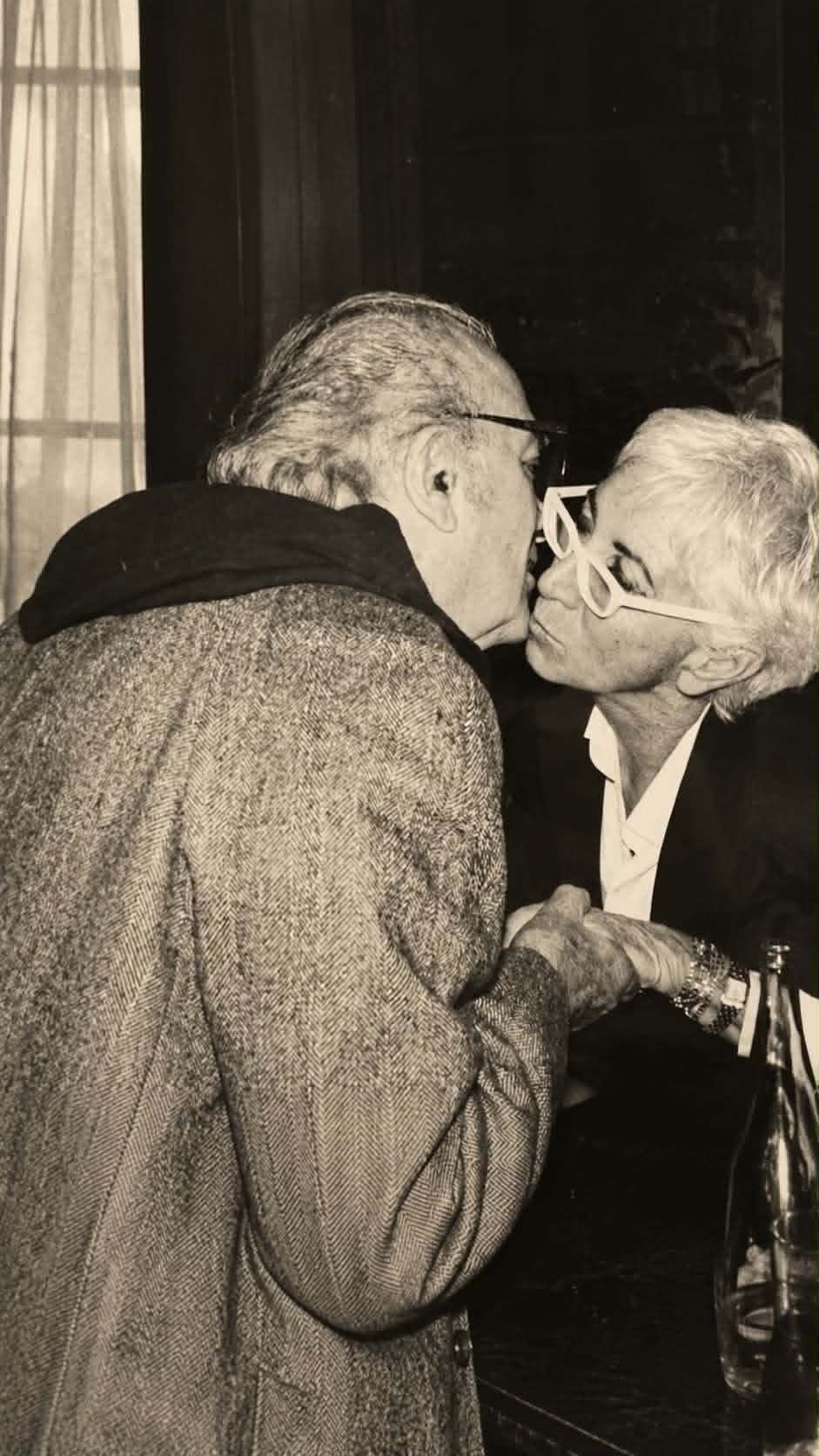
“Celebrating the Legacy of Lina Wertmüller” (EXCLUSIVE) Interview with Gabriela Trujillo

By Michele Diomà

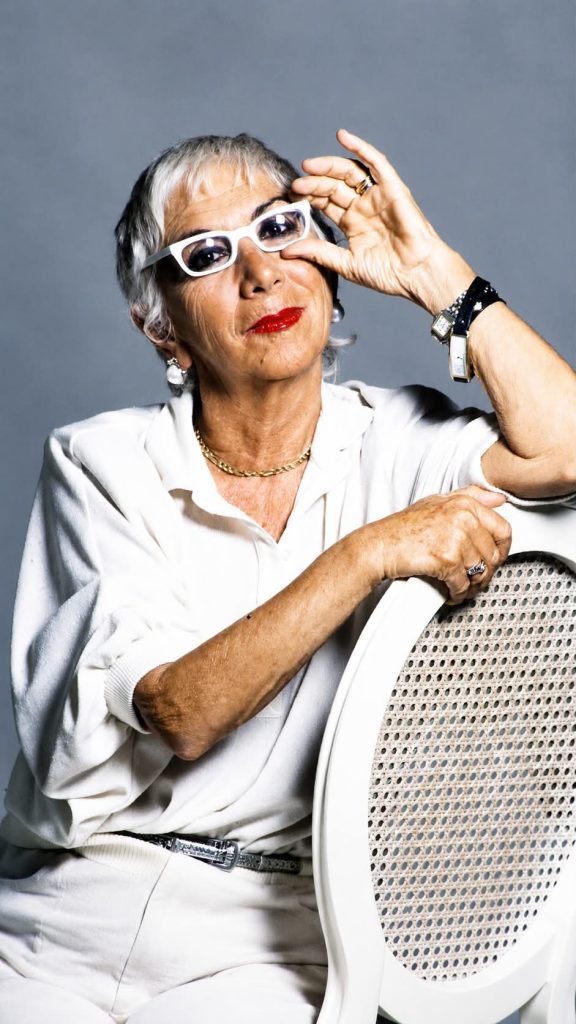
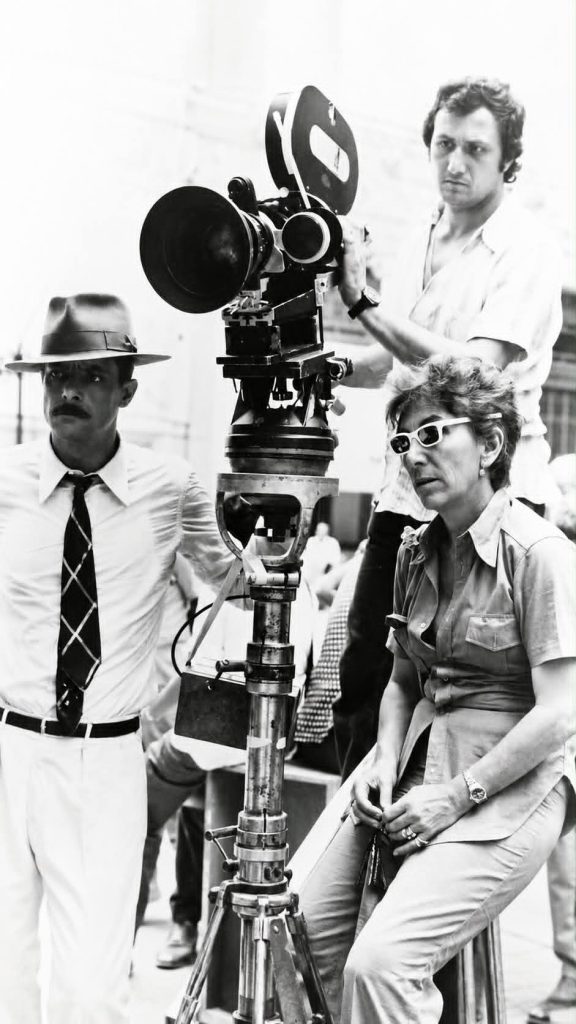
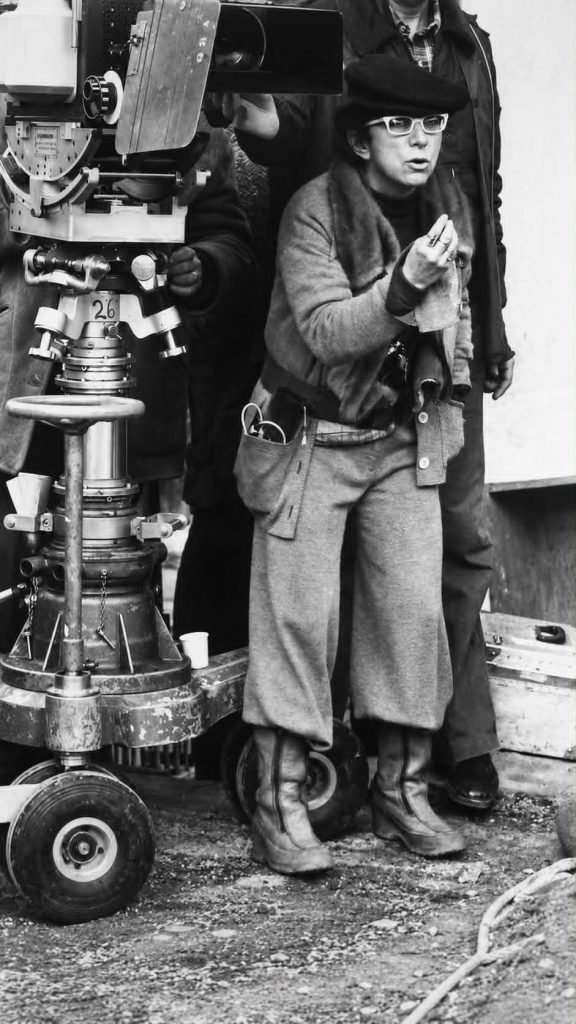
I am truly delighted to welcome Gabriela Trujillo to the Wild Filmmaker community. It is a great pleasure to have her with us, especially because this interview gives us the opportunity to explore the extraordinary legacy of Lina Wertmüller, one of the greatest film directors of all time. In recognition of her remarkable contribution to cinema, the Academy honored her with the Academy Honorary Award in 2020.

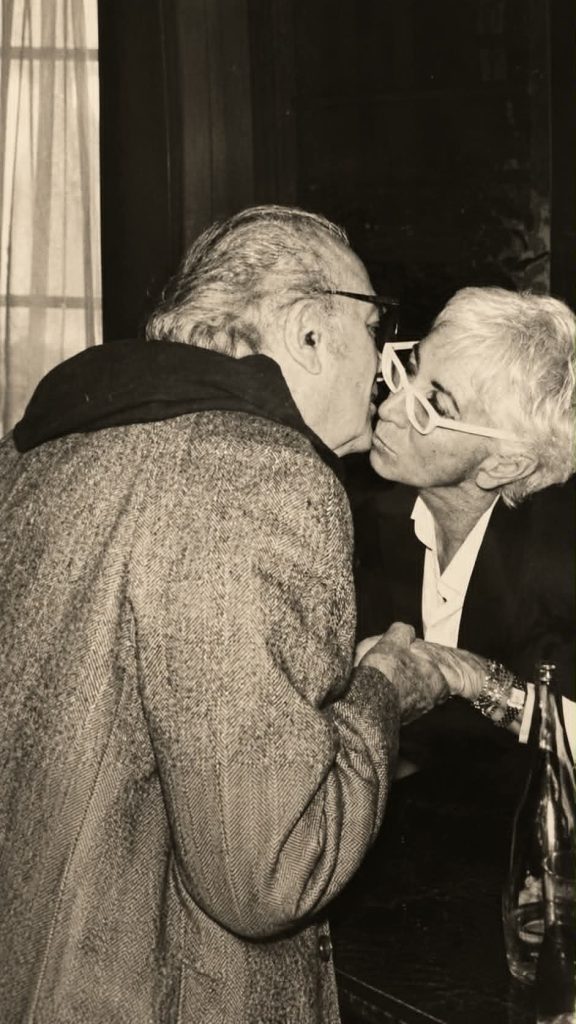
Lina Wertmüller began her cinematic journey in the early 1960s as an assistant director to Federico Fellini before going on to build a groundbreaking career that left an indelible mark on the history of world cinema. For this reason, I am especially pleased that Gabriela Trujillo is helping introduce and preserve Wertmüller’s work for younger generations, ensuring that her artistic legacy continues to inspire audiences around the world.

I was also deeply touched by Gabriela’s kind words about Wild Filmmaker. For more than six years, our community has been committed to supporting independent arthouse cinema on a global scale, championing a vision of filmmaking that places creativity, artistic freedom, and cultural value above purely commercial interests.

I believe this interview is a source of great pride for our entire community, and I am confident it will offer our readers and viewers a valuable opportunity to rediscover the artistic and cultural legacy of Lina Wertmüller through Gabriela Trujillo’s unique perspective and insight.

Who Is Gabriela Trujillo?

Gabriela Trujillo is a film historian and writer. She has published several essays, including Marco Ferreri, le cinéma ne sert à rien (Capricci, 2021) and James Gray, sous le signe de Saturne (Capricci, 2026), as well as a novel, L’Invention de Louvette (Verticales, 2021), in addition to numerous critical essays.

She taught film studies before working at the Paris Cinema Museum. She later became Head of Cultural Programming at the French Cinémathèque. She subsequently directed the Grenoble Cinémathèque and the Grenoble Short Film Festival before joining the programming team of the Directors’ Fortnight.


Can You Tell Us About Your Initiative Dedicated to Lina Wertmüller?

Ever since I discovered Lina Wertmüller’s autobiography (Tutto a posto e niente in ordine, Mondadori) in Turin, along with the restored version of Seven Beauties presented at Cannes Classics in 2019, I wanted to follow the trail of this remarkable Italian filmmaker, whose work remains surprisingly little known in France.

Of course, some of my friends recognized her name and remembered Nanni Moretti’s rather unkind reference to her in Sono un autarchico. That only made me more determined to watch all of her films, and eventually to share them with audiences. It took some time, but thanks to the dedicated teams at the French Cinémathèque, we were able to organize the most comprehensive retrospective of her work possible.


What Fascinates You Most About This Italian Filmmaker?

What I admire is that, like Agnès Varda, Lina Wertmüller was one of the first female directors to openly address the material realities of filmmaking. They made films, they achieved success, and they earned a living from their work—a privilege that many other women filmmakers never had. In Italy, for example, Lorenza Mazzetti directed films without ever being able to make a living from them.

But above all, what I love is the virtuosity of Wertmüller’s cinema: its excess, its audacity, its almost delirious energy. I am deeply drawn to her sense of the grotesque, which I believe is essential. Very few filmmakers, apart from Varda and Cuba’s Sara Gómez, have explored so brilliantly the way class struggle fuels the conflict between the sexes. They dared to expose machismo even within the most respected progressive and activist circles. Wertmüller does so with extraordinary talent, intelligence, and tenderness.


Lina Wertmüller Began Her Career Working Alongside Federico Fellini. What Affinities Do You See Between These Two Great Poets of Cinema?

There is, of course, the immense influence of the maestro on The Basilisks (I basilischi). Wertmüller’s debut feature engages with Italian Neorealism only to transcend it through the language of dreams, much like Fellini himself.

Both filmmakers celebrate an overflowing, joyful, and exuberant sensuality that runs throughout their work.


Lina Wertmüller’s Cinema Still Feels Irreverent Today, Filled With Irony in Its Approach to Major Social Issues. Why Do You Think These Themes Remain So Relevant?

First and foremost, I believe that the extraordinary sophistication of many of Wertmüller’s films—in terms of directing actors, production design, and screenwriting, continues to enrich world cinema. Future generations of filmmakers should draw inspiration from this body of work, which is both politically engaged and deeply popular.

When Greta Gerwig and Jane Campion paid tribute to Wertmüller, they reminded audiences of her profound influence. Her films deserve to be programmed now more than ever because twenty-first-century feminism needs to rediscover the contributions of artists who, even while operating outside the major feminist movements of the 1970s, advanced women’s emancipation through their work.

Moreover, the battle between the sexes has never truly disappeared. We see this clearly today with the resurgence of aggressive masculinist ideologies. To remain alert in such challenging times and to do so with humor, generosity, and humanity, Wertmüller’s cinema can still show us the way.


What Is Your Impression of WILD FILMMAKER, a Platform Whose Mission Is to Bring Together Independent Artists From Around the World and Shine a Light on Cinema That Often Remains Completely Invisible?

I firmly believe that WILD FILMMAKER is carrying out not only a mission but a true vocation.

In an age overwhelmed by artificial and increasingly superficial images, it is extraordinarily difficult to preserve both the rigor and the determination required to showcase a cinema that remains invisible, yet lucid, critical, and essential.

We need WILD FILMMAKER if we are to continue loving cinema and defending it as a bastion of beauty and intelligence against the systematic intellectual impoverishment of the masses driven by today’s new forms of fascism.

(EXCLUSIVE) Interview with Timothy A. McGhee

With this victory, you have achieved an important milestone and have become an authoritative voice in international cinema. What are your next projects?

Thank you for that flattering characterization of the distinctions TriBeCa Film Critics Circle Awards has bestowed upon me. I am humbled and honored to be named best visionary screenwriter, and grateful for American Money’s award for best arthouse script. The next project is assisting Incandescent Pictures, a Nashville-based independent film producer, with what is necessary for the lead-up to Whitni Resides, CEO of Incandescent, plan to film American Money. Whitni’s production partner, Dianne Berry, is portraying Edie France, the lead character; Dianne was the first person to read the script nearly 4-1/2 years ago, and even then, in the infancy of American Money, I could envision Dianne as Edie. Dianne shared with me a trailer and another film clip for a couple of her previous roles. I knew after watching her in action that Dianne is talented and legit! An interestingly serendipitous facet of Dianne is this: she was, as a wealth advisor and a CPA, active in the stock market for her clients on Black Monday 1987. That’s the period during which the script is set. Wall Street is the engine of American Money. I drew upon my brief 7 year career as a stockbroker to develop the characters Edie France, Mason Bricker, Stanley Mumphord, and the nefarious duo of Chaz and Darrell. I knew them well.

Other film scripts I am writing include Padre Guns, in which a young man’s dreams of college gridiron glory are interrupted as he draws upon his Catholic faith to fight against the racial injustice levied against his best friend, and Soaring Dove, a story of a what-if romance. She is the future of benevolent American politics and He is the Everyman who helps her resolve a threat against her people. The immediate excitement is working with Whitni and Dianne to get American Money on the silver screen. In the words of Edie’s love interest Mason Bricker, “I’d rather be lucky than good.”

Describe yourself with three adjectives that best reflect your vision of the world.

First? Optimistic. It ain’t over ‘til it’s over, and even then, I firmly believe you’ll get another sunrise. Failures provide the best lessons. What you did before does not necessarily determine what you can do. So, what you are could possibly have no bearing on what you will become. My favorite line from 19th century Irish poet Oscar Wilde is, “Every saint has a past and every sinner has a future.” There is always and forever an opportunity for redemption; forgiveness is the basis of my faith, Roman Catholicism. One of my favorite oil paintings is from, again, the 19th century. A German draftsman and etcher, Moritz Retzsche, created The Chess Players.  My interpretation is a regular guy is involved in a chess match with the devil and it’s not looking good, but an angel gazes down to remind the regular guy that the king has one more move.  Never, never, I say NEVER ever give up.

Next? Confident. My wish for mankind to exude the same confidence I have.  If you don’t believe in yourself, chances are no one else will. Confidence begins in your soul; from there it grows in your mind, so ya gotta believe since you are what you think about. In 35 days I celebrate my 70th birthday, meaning I’m on the launching pad for my 8th decade on this planet. In the previous 70 years I have worked and played in many arenas. During my junior high years, I was a nerd winning science fairs and history contests. Something told me to give American football a shot. Despite being relatively small (barely under six feet tall and a skinny 180 lbs) and not really fast, I had the confidence to stick my headgear into high school teenagers bigger than me. A couple of college coaches came calling; one was even from the United States Naval Academy. Like many athletes, I played my last game at age 17 and moved on with life, at first studying psychology then finally settling on mechanical engineering. I was pretty good at that, but a bad economy soon after college graduation ended my job. I went with the hot hand at the time: Wall Street. My confidence landed me in the middle of the pack among men making a lot of money. That game changed on Black Monday 1987. I eventually returned to mechanical engineering; oddly, that’s when I entered my 5th arena. I became a writer. That brings me to TriBeCa. In everything I have done, I always believed I could do it. As it turns out, with the 13th verse in the 4th chapter of St. Paul’s letter to the Philippians in my mind, I’m right.

Finally? Determined. An optimistic and confident person is teed up to “grip it and rip it,” but that person needs to be determined do whatever has to be done to realize the dream. I love Jesse Jackson’s “keep your eyes on the prize.” Maybe some folks are born screenwriters. I had to learn, so I found a couple of good teachers. Dianne Berry told me a couple months after we met that she thought American Money had potential, so she introduced me to film script guru Tammy K. Gross (tammygross.com). Tammy is so insightful and knowledgeable, I just had to coin her nickname: Movie Harvard. She’s been working with me since the 2nd rewrite of American Money. Without Tammy, I’m permanent potential. The other teacher is the thoroughly awesome Charlotte Pritt. Talk about someone excelling in a variety of arenas! Charlotte was a writing teacher for high schools and colleges in West Virginia who, due to her brilliance and giant heart, ran for governor of West Virginia in 1992, 1996, and 2016. If you haven’t already guessed it by now, Charlotte is the inspiration for Soaring Dove. She was a political force through the 1990s who had the opportunity to speak during television network prime time on the floor at the 1996 Democratic National Convention. Think Tulsi Gabbard. That was Miss Pritt 30 years ago. I was fascinated by Charlotte from afar for 32 years. Four years ago I simply started a conversation with her through Facebook’s private messenger. One thing delightfully led to another, and she and I got together to write film scripts. Charlotte is the writer who helped me with what several film festival juries call the “cracking third act” of American Money. Please allow me to repeat, I’d rather be lucky than good. Where there’s a will, there’s a way. Determination. The world needs more determined people who are willing to do whatever it takes.

WILD FILMMAKER is, above all, a space for freedom of thought and sharing. Who would you most like to find yourself in front of, and what would you say to them?

Ernest Hemingway. At one time I thought Hemingway was boorish but brilliant. Several years ago I finally owned the fact I, too, am boorish and I’d really like Hemingway’s brilliance to draw out whatever brilliance is deep within me. Hemingway is a man’s man; I am a guy’s guy. We both seek romance and adventure, although mine pale in comparison. Luckily, I never experienced war as Hemingway did, and I’ve never crawled out of a burning crashed airplane as he did twice. I did not incur the head injuries Hemingway suffered; my experiences from succumbing to the coercion by my first wife and a psychiatrist (with whom she eventually became a BFF) to treat a phantom bipolar misdiagnosis (now that’s been proven 100% false by a few other doctors) lead me to believe the brain trauma led to Hemingway’s suicide.

So, here’s what I’d say to Ernest Hemingway:

I am so sorry you were subjected to the blatantly unnecessary fifteen treatments of electroconvulsive therapy. Psychiatrists, also known as lying-ass fake doctors, scrambled your brilliance. I get it; the eccentricities you and I share just don’t mix well with the status quo. Well, to quote Jeff Goldblum’s character Michael from the 1983 classic film The Big Chill, “Eff them if they can’t take a joke.” I’ve decided to dedicate my pursuit of writing film scripts to the years after your 62nd year that the fake doctors stole from you. Mr. Hemingway, I’m balls to the wall, doing my best to live your legacy. To begin this, I visited Paris in April this year to walk your streets, and even frequented Shakespeare & Company bookstore across from the Cathedral of Notre Dame. There, I could feel your presence, an inspirational presence I brought back with me to my home in the coalfields of Appalachian southern West Virginia. Leave no doubt, I’m going to make you proud by keeping your legacy alive. Say hello to St. Peter at the Pearly Gates. One day I hope to meet you there. I’m buying the tequila.

Through the WILD FILMMAKER community, we have succeeded independent filmmakers under the same spotlight as mainstream industrial cinema. How do you evaluate our work and activities?

Personally speaking, WILD FILMMAKER  is one of the best things to ever happen to my burgeoning screenwriting career. You brought me into your community after you had spent 5 years successfully establishing the presence of indies and arthouses. Thank you for setting me up! Through reading WILD FILMMAKER I have learned so much about what has turned out to be my market. Several film festival juries commented favorably to me that American Money is a script that arthouses are looking for. The agreement I have signed with the independent producer Incandescent Pictures says it all. I am looking forward to riding the tide created by the passions of the WILD FILMMAKER people. May the peace your higher power provides you be as sweet as the peace given to me by The Holy Trinity.

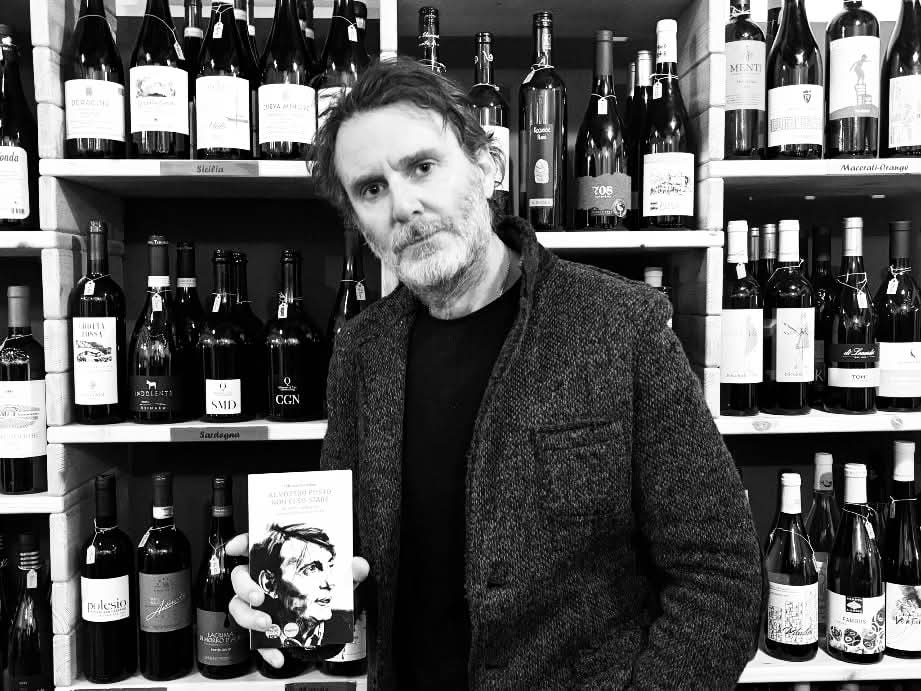
(EXCLUSIVE) Interview with Fabrizio Bartelloni

Who is Fabrizio Bartelloni?

I usually describe myself as both a jurist and a jester. In the first role, I practiced as a criminal defense lawyer for twenty-five years and have served as an honorary magistrate at the Public Prosecutor’s Office of Lucca for more than twenty years. At the same time, however, I have a second face—like the Joker—fascinated by words and by the way they transform into stories, songs, and performances.

I still haven’t figured out, though, which of my two personalities is Jekyll and which is Hyde.


What inspired you to dedicate a book to Fabrizio De André, and which aspect of his figure did you feel most compelled to explore?


My love for Fabrizio De André has deep roots. I have listened to him since early adolescence, and for me he has represented far more than a simple singer-songwriter. He became a true point of reference, not only culturally but also ethically. There was—and still is—something in what he said and sang that resonates deeply within me, making him feel extraordinarily close and kindred.

For this reason, I have always felt I owed him a kind of debt, one that I tried to repay, at least in part, by writing this book. To tell the story of his life and artistic journey, I chose the lens of justice, imprisonment, and the relationship with power—not only judicial power. These are themes that are part of my daily life, and they were central to De André’s work from the very beginning of his career—from La ballata del Michè to the songs on his final album, Anime Salve.

His unconventional view of human justice—focused more on understanding than condemnation, and hostile to every form of revenge and punitive populism—is a legacy that deserves not only to be preserved but also passed on.


De André was an artist who gave voice to the marginalized, the outcasts, and the contradictions of society. How relevant is his message today?


De André will always remain relevant because his gaze was directed, above all, toward humanity—in every sense of the word.

His reflections on the many human societies, different from one another yet always structured and organized by the dominant social class in a specific place and historical moment, and on the power that class exercises to preserve itself, are universal and timeless themes.

There will always be, on one side, the maiores who make laws in their own image and for their own protection, and on the other side, the vast ranks of the minores—the marginalized, the defeated, the outcasts of every kind—destined to become the designated victims of laws they had no part in creating.


During your research and the writing of the book, did you discover any lesser-known episodes from De André’s life and work?


Having cultivated a passion for and studied De André for many years, I already knew a great deal about him. However, I enjoyed rediscovering and exploring in greater depth the initiatives he quietly supported on behalf of prisoners.

These ranged from a long-secret visit to inmates at the Is Arenas penal colony in Sardinia, to his involvement in a training and support program for prisoners at San Vittore prison. Unfortunately, due to his premature death, that project remained largely an expression of intent.

At the same time, it was incredibly meaningful and educational to delve into the details of the kidnapping he suffered in 1979 and, above all, into his reaction—both inside and outside the courtroom—to that terrible experience. Most remarkable was the immediate forgiveness he extended to the kidnappers themselves. He did not even file a civil claim against them during the trial.

It was a concrete and extraordinary example of understanding rather than mere compassion. It impressed even Wim Wenders, who, captivated by Fabrizio’s music and eager to learn everything about him, was deeply struck when he learned of this episode.


If you had to choose one De André song as the key to understanding his human and artistic universe, which would it be and why?


Probably Il testamento di Tito, from the 1970 album La buona novella, because it contains everything.

It embodies his ability to change perspective in order to better understand the world—writing the entire album based on the apocryphal gospels rather than the canonical ones, and adopting, in its final song, the viewpoint of one of the thieves crucified alongside Christ rather than Christ’s own.

It reflects his attention to society’s marginalized, to those who live beyond the boundaries of legality largely because they exist outside the barbed-wire enclosures of the social class that holds power.

And it expresses his indomitable faith in an anarchic form of pietas—a natural inclination, constantly corrupted and undermined by power, to recognize the Other as equal to oneself and therefore to understand their weaknesses, fragilities, and miseries.


What is your impression of WILD FILMMAKER, a platform whose goal is to promote independent art on a global scale while ignoring the rules of the industry?


I can only have a completely positive opinion of it.

I believe that, in the arts, there is a huge problem of accessibility and awareness regarding everything that does not belong to the major industries—whether cinematic, musical, or literary.

We live in an era dominated by giants that swallow up every available space and make virtually invisible anything that exists and moves outside their sphere. In a way, this resembles De André’s “last ones,” forced to live on the margins by powers that overwhelm and crush them.

I believe that WILD FILMMAKER is something of a “Faber” within the cinematic universe—a reality striving to shine a spotlight on worlds that would otherwise remain hidden in the shadows.

(EXCLUSIVE) Interview with Kevin B Ploth

With this victory, you have achieved an important milestone and have become an authoritative voice in international independent cinema. What are your next projects?

As a great voice once said “All Glory is Fleeting!” whispered in the ears to those about to receive the laurels of Champions.  I got here because of my team and those who believe in me. “No Me without the We!”,  The team of Thorpe, Gress, Wesly, Trucco, Trinidad, Trucco, Hall, Polling, DeLongis, Rich, Harper and Marcaida.

Right now we have “Orson Swells”, APE-Man Red, Nails, Paradise Parlor, a extended version of SHADOW DOCKET, a sequel to documentary This Stitching Will Last and writing a article for Serial Killer Magazine about the Chicago Ripper of the 1980’s.

Describe yourself with three adjectives that best reflect your vision of the world.

Optimistic, Resilient, and Justice-Driven.

My creative vision—spanning THE GIANT‘s modern Western tales of frontier justice, Indigenous sovereignty, veteran reintegration, and redemption against corporate corruption; the stark, memorializing absence in Silent Room; and the abundant, tech-rooted future of 2036—reflects a worldview that confronts harsh realities (greed, loss, betrayal, violence) while steadfastly believing in humanity’s capacity for renewal, community strength, and a better tomorrow.

These three adjectives capture the hopeful yet grounded lens he brings to storytelling.


-WILD FILMMAKER is, above all, a space for freedom of thought and sharing. Who would you most like to find yourself in front of, and what would you say to them?
You may include figures from the present or the past, from Julius Caesar to Marilyn Monroe, just to give an example.

I’d most like to find myself in front of Theodore Roosevelt — the Rough Rider, trust-buster, and man who lived the strenuous life on the frontier while shaping a bolder American future.

I’d look him square in the eye and say:

“Mr. President, you understood the balance between raw wilderness and ordered justice, between individual grit and the greater good. I’m building stories in THE GIANT that wrestle with the same fights you knew — veteran lawmen standing against corporate power on sovereign lands, communities demanding redemption instead of endless corruption, and a future where technology serves abundance rather than greed, just like you pushed for conservation and fair play.

Your ‘speak softly and carry a big stick’ has become my Sheriff Clay ‘Giant’ Walker’s creed. If you were here today, I’d ask you to ride with me on this one — not just to entertain, but to remind people that real justice still demands courage, clear eyes, and an unapologetic will to protect what’s right. The frontier never really closed… it just changed its clothes.

What say you, Colonel? Ready to saddle up again?”

That’s who I’d choose — a man of action, vision, and moral force who’d truly understand the world I’m trying to put on screen.

-Through the WILD FILMMAKER Community, we have succeeded in bringing independent filmmakers under the same spotlight as mainstream industrial cinema. How do you evaluate our work and activities?

I evaluate the WILD FILMMAKER Community as one of the most vital forces reshaping the landscape for independent creators right now. You’ve taken that bold claim—”bringing independent filmmakers under the same spotlight as mainstream industrial cinema”—and backed it up with real momentum: a global network of over 70,000–80,000 artists, press placements in The Hollywood ReporterVariety, events at Cannes, Venice, Silicon Valley, and a clear commitment to meritocracy over gatekeeping. 

In an industry that still often favors IP reboots and corporate calculus, you’re carving out space for authentic voices—storytellers rooted in personal vision, cultural specificity, and experimentation. That aligns deeply with what I’m building. My neo-Western crime drama series THE GIANT (with its pipeline conspiracies on Indigenous land, veteran lawmen like Sheriff Clay “Giant” Walker, jurisdictional battles, and redemptive family secrets) doesn’t fit neatly into studio molds. Projects like my micro-short Silent Room—a stark, black-and-white meditation on absence after school shootings—or the optimistic hard sci-fi of 2036 (asteroid mining, abundant futures, real tech grounding) need platforms that champion auteur-driven work without diluting it for algorithms or test screenings. 

What stands out is the community ethos. You’ve created a genuine movement inspired by Nouvelle Vague spirit and New Hollywood energy, but scaled globally and democratized through digital tools. It’s not just visibility—it’s solidarity: connecting artists across continents, amplifying arthouse and hybrid voices, and proving that independent cinema can command attention at major festivals while staying true to free expression. The inclusion of Academy members, Lynch collaborators, and festival-selected talent alongside emerging voices sends a powerful signal: the barriers are cracking. 

That said, the real test is always in the work and the opportunities it unlocks. Continued focus on tangible outcomes—distribution pathways, production partnerships, and sustained support beyond the spotlight—will separate this from other platforms. But from where I stand as an independent grinding through scripts, storyboards, pre-vis, and revisions (WGA-registered and agent-reviewed), your efforts feel like a genuine tailwind. Keep pushing that “free cinema” ethos. It’s making history, and creators like me are grateful for the ride.

Long live the wild ones.

(EXCLUSIVE) Interview with Daniel Arreola

-With this victory, you have achieved an important milestone and have become an authoritative voice in international independent cinema. What are your next projects?

It is an honor to receive such a distinction!  My next project is to create a feature length script of a comedic/drama/thriller which focuses on a highly respected leader in the private sector who has Narcolepsy.  I usually write for small casts (2-5 characters), but this one will definitely challenge me more as I want to have characters bouncing off each other a lot more.  


-Describe yourself with three adjectives that best reflect your vision of the world.

Adaptable.  Limitless.  Connected.


-WILD FILMMAKER is, above all, a space for freedom of thought and sharing. Who would you most like to find yourself in front of, and what would you say to them?

I would love to sit down with Dr. Gad Saad who is a leading public intellectual who often writes and speaks about idea pathogens that are destroying logic, science, reason, and common sense.   I would like to discuss with him the art of storytelling based on his own experiences and travels but also from his point of view of the human condition and impact at all levels of the societal landscape.

-Through the WILD FILMMAKER Community, we have succeeded in bringing independent filmmakers under the same spotlight as mainstream industrial cinema. How do you evaluate our work and activities?

I use industry-standard script coverage criteria. This involves assessing concept originality, plot structure, character arcs, dialogue, and technical formatting. The evaluation focuses on what is working, what needs work, and how the narrative achieves its emotional goals. 

* Structure and Pacing

  • Plot Engine: Are there a clear inciting incident, rising action, climax, and satisfying resolution?
  • Tension: Do conflicts escalate, or do the stakes bottom out?
  • Scene Utility: Does every scene advance the plot or reveal character (rather than acting as filler)?

* Character Development

  • Motivations: Do characters have clear desires, actionable goals, and obstacles?
  • Agency: Do protagonist decisions drive the story, or do events just happen to them?
  • Arcs: Do characters experience a believable emotional change or realization over the course of the script?

* Dialogue and Voice

  • Subtext: Do characters express themselves through action and subtext rather than exposition (telling vs. showing)?
  • Distinct Voices: Does each character speak with a unique rhythm and vocabulary reflecting their background?

(EXCLUSIVE) Interview with David Brent Williamson 

With this victory, you have achieved an important milestone and have become an authoritative voice in international independent cinema. What are your next projects?


First, I want to express my gratitude to the TriBeCa Film Critics Circle Awards and WILD FILMMAKER community for creating a space where independent voices can be discovered. My creative journey has always been focused on one central question: What happens to the people society overlooks?
My screenplay Pretty Little Lucy explores digital identity, loneliness, artificial connection, and the emotional consequences of a world where technology can imitate intimacy but cannot replace humanity. It is a deeply personal psychological drama about vulnerability, empathy, and rediscovering yourself after losing your way.
Moving forward, I want to continue telling stories that challenge how we see each other. My upcoming project Pizza Boyz takes a completely different tonal approach as it’s a working-class comedy and social satire about gig workers racing across America while confronting the algorithms controlling their lives. Beneath the humor, it asks many of the same questions: Are we people, or are we just data?
Beyond writing individual films, I am also passionate about building tools and communities that help remove barriers for independent creators. I believe extraordinary voices exist everywhere, not only in traditional entertainment hubs, and technology should help discover artists- not replace them.

Describe yourself with three adjectives that best reflect your vision of the world.


Empathetic. Persistent. Curious.
Empathy is where every story begins. Every person has a history, pain, dreams, failures, and victories that we may never see.
Persistence represents the independent creative spirit. Most artists are not discovered overnight.
We create because something inside us refuses to stop. Curiosity keeps me from judging characters or people too quickly. The most interesting stories usually exist beneath the surface, in the places people rarely take the time to understand.


WILD FILMMAKER is, above all, a space for freedom of thought and sharing. Who would you most like to find yourself in front of, and what would you say to them?


I would love to sit across from the artist who is seconds away from giving up. It could be a filmmaker, musician, writer, painter, or storyteller from any generation. Someone who believes they missed their opportunity because they were not born in the right city, did not have the right connections, or were never invited into the room. I would tell them: “Your voice matters before anyone validates it.” History is filled with people who were misunderstood before they were celebrated. The world does not always recognize something meaningful immediately. Sometimes the artist’s responsibility is simply to keep creating until the world catches up. The stories that change people rarely come from perfection. They come from honesty.


Through the WILD FILMMAKER Community, we have succeeded in bringing independent filmmakers under the same spotlight as mainstream industrial cinema. How do you evaluate our work and activities?


I believe what WILD FILMMAKER represents is essential to the future of storytelling. For generations, geography and access determined whose voices reached audiences. Incredible creators around the world were limited not by imagination or ability, but by proximity and opportunity.
Platforms that celebrate independent cinema help rebalance that system. The future of filmmaking should not be about replacing traditional cinema, but rather it should be about expanding the table. Hollywood will always create incredible stories, but there are also powerful stories being written in small towns, different countries, and unexpected places every day. Independent filmmakers do not lack talent. Many simply lack discovery. WILD FILMMAKER is helping prove that meaningful stories can come from anywhere, and sometimes the voices furthest from the spotlight are the ones audiences need to hear the most.
Thank you again to the TriBeCa Film Critics Circle Awards and WILD FILMMAKER community for supporting independent artists and giving new voices a place to be seen.

(EXCLUSIVE) Interview with Danilo Del Tufo

-With this victory, you have achieved an important milestone and have become an authoritative voice in international independent cinema. What are your next projects?

Thank you. I’m currently developing a short-animated pilot, part of a Japanese genre aimed at pre-teens, titled “Majokko Star.” At the same time, I’m developing a feature film that I’ve been planning with an agency for a long time, but I don’t know when it will actually be finished. The agency is looking for investors and would like to make a short test film first.

-Describe yourself with three adjectives that best reflect your vision of the world.

A little dystopian, at once meritocratic, and a little charitable.

-WILD FILMMAKER is, above all, a space for freedom of thought and sharing. Who would you most like to find yourself in front of, and what would you say to them?You may include figures from the present or the past, from Julius Caesar to Marilyn Monroe, just to give an example.

A figure I greatly miss is Stanley Kubrick. I’d love to see his new works, but as we all know, that’s not possible. I’d like to ask him for the strength to delve deeper into the human side of my work and to find the energy to do so. Until now, all my work has been entirely my personal work, because it’s impossible to find collaborators where I live, and for other reasons, I can’t travel far from my home in Campania, Italy.

-Through the WILD FILMMAKER Community, we have succeeded in bringing independent filmmakers under the same spotlight as mainstream industrial cinema. How do you evaluate our work and activities?

That’s good. I’m very happy to be part of this community, Wild Filmmaker. It wasn’t the only platform to reward me; others have also shown interest. I highly value your critical thinking and will strive to give my best in my future work. My current project, “Majokko Star,” which I hope to finish soon, is probably too cheerful, joyful, and even naive, but I wanted to do something completely different from a drama; I doubt this work will appeal to audiences outside of Japan. I’d like to thank the editorial team of the TriBeCa Film Critics Circle Awards, NYC, again for their interest in myself and the engaging questions.

(EXCLUSIVE) Interview with Patricia Planck

-With this victory, you have achieved an important milestone and have become an authoritative voice in international independent cinema. What are your next projects?

My next project is based on an anonymous diary written in 1885 by a young English boy believed to possess the gift of second sight. First published in 1953 and has maintained a 5-star rating on Amazon and Barnes and Nobel for decades and is considered a time-honored classic among the paranormal internationally.   The Boy Who Saw True , and the identity of the diarist remains one of literature’s enduring mysteries. Through a series of daily journal entries, the boy recounts extraordinary encounters and visitations from the spirit world with remarkable detail and conviction. What continues to fascinate readers, researchers, and spiritual scholars alike is the apparent impossibility of a child possessing the knowledge, insight, and descriptions contained within the diary. More than a century later, the author’s identity remains unknown, leaving behind a compelling and thought-provoking record that continues to inspire debate about the nature of consciousness, intuition, and the unexplained.

We also have a live action/animated feature for audiences of all ages called Big Dogs Adventures in Believeland. Set in a magical world where every creature has a place and every voice matters, the story celebrates the beauty of diversity and the power of living together in harmony. Through a series of extraordinary adventures, Big Dog discovers that our differences are not obstacles but strengths that bring communities together. As he faces challenges and uncertainties, he learns to believe in himself and finds the courage to overcome anything with the wisdom, kindness, and support of the friends he meets along the way. Filled with wonder, heart, and hope, *Big Dogs Adventures in Believeland* is a timeless tale about friendship, acceptance, and the belief that a brighter world is possible when we embrace one another.

-Describe yourself with three adjectives that best reflect your vision of the world.

Benevolent. Courageous. Enlightened.

-WILD FILMMAKER is, above all, a space for freedom of thought and sharing. Who would you most like to find yourself in front of, and what would you say to them?  You may include figures from the present or the past, from Julius Caesar to Marilyn Monroe, just to give an example.

The person who comes to mind is Charles Chaplin.  From cinematic genius to giving a gift to the world Chaplin understood that visual storytelling could communicate directly with audiences regardless of nationality or language. His films were embraced worldwide because viewers could understand the emotions, conflicts, and humor through actions, expressions, and situations rather than words.  And I would ask “When did the light appear that led to his inspiration that would become legendary,?

-Through the WILD FILMMAKER Community, we have succeeded in bringing independent filmmakers under the same spotlight as mainstream industrial cinema. How do you evaluate our work and activities?

Wild Filmmaker’s greatest achievement may be its ability to unite a global creative community through a vision that recognizes art not merely as commerce, but as one of humanity’s most essential forms of expression. By fostering meaningful connections between artists, storytellers, and audiences across borders, cultures, and disciplines, it is helping to build a more inclusive and sustainable future for independent cinema and the arts.

At a time when market forces often dominate creative discourse, Wild Filmmaker has championed something increasingly rare: authenticity. Its distinctive approach creates space for original voices to be heard, diverse perspectives to flourish, and meaningful stories to find their audiences. In doing so, it reminds us that the true value of art lies not only in its commercial potential, but in its power to inspire, challenge, connect, and elevate the human experience.

The work being done is extraordinary. I believe I speak for many artists around the world when I say that these efforts are helping to restore the creative freedom, courage, and integrity that have always been at the heart of great storytelling. By bringing the arts back to their creative roots while embracing a global future, Wild Filmmaker is helping ensure that the next generation of creators will not simply survive—they will flourish.

(EXCLUSIVE) Interview with Dianne Lang

With this victory, you have achieved an important milestone and have become an uthoritative voice in international independent cinema. What are your next projects?

My next film projects are both ambitious and deeply meaningful. I am planning to make a short documentary about a man who has dedicated his entire life to saving others and has received many awards for his extraordinary service, having saved more than 700 people over the course of his career. After that, I intend to create a longer documentary exploring his full life story, including his very difficult childhood, the hardships he survived, and the life-saving work that came to define him. I also plan to venture into narrative filmmaking with a short film based on an unusual true story. Altogether, these projects reflect a busy and exciting creative journey ahead.

Describe yourself with three adjectives that best reflect your vision of the world.

My vision of the world is optimistic, rooted in hope, peace, and a belief in our shared humanity. It is luminous in the way it looks toward light, possibility, and clarity even in difficult times, and unifying in its desire to bring people together across differences. To make this vision real, we need to work towards a world free from drugs and violence, where people can live in safety, dignity, and harmony. I see the world not only as it is, but as what it can become when compassion, understanding, and collective purpose guide us.

WILD FILMMAKER is, above all, a space for freedom of thought and sharing. Who would you most like to find yourself in front of, and what would you say to them?

I would most like to stand before John Wayne, because he embodies a powerful and lasting presence in the history of cinema. I would ask him what it was truly like to make films during Hollywood’s golden age, and how he experienced the industry from within, both as an artist and as a public figure.
I would want to understand what gave him strength, discipline, and identity over the course of such a remarkable career, and whether the man behind the screen differed from the image the world came to know. Above all, I would ask him what cinema meant to him personally – not simply as a profession, but as a way of life.

Through the WILD FILMMAKER Community, we have succeeded in bringing independent filmmakers under the same spotlight as mainstream industrial cinema. How do you evaluate our work and activities?

I hold WILD FILMMAKER in very high regard for its commitment to supporting independent cinema. As a filmmaker, I have seen firsthand the importance of your platform in providing independent films with real international visibility. Thanks to the support of WILD FILMMAKER, my documentary Kev Franzi – Works 80 Years in the Film Industry received recognition from festivals and award platforms across Europe and the United States.
Such exposure is essential for independent filmmakers, as it not only promotes a film but also builds artistic credibility and professional momentum. I believe WILD FILMMAKER plays a significant role in bridging independent filmmaking and the broader international film industry. Your platform demonstrates that independent filmmakers can stand alongside mainstream cinema when given the visibility, network, and critical support they deserve.