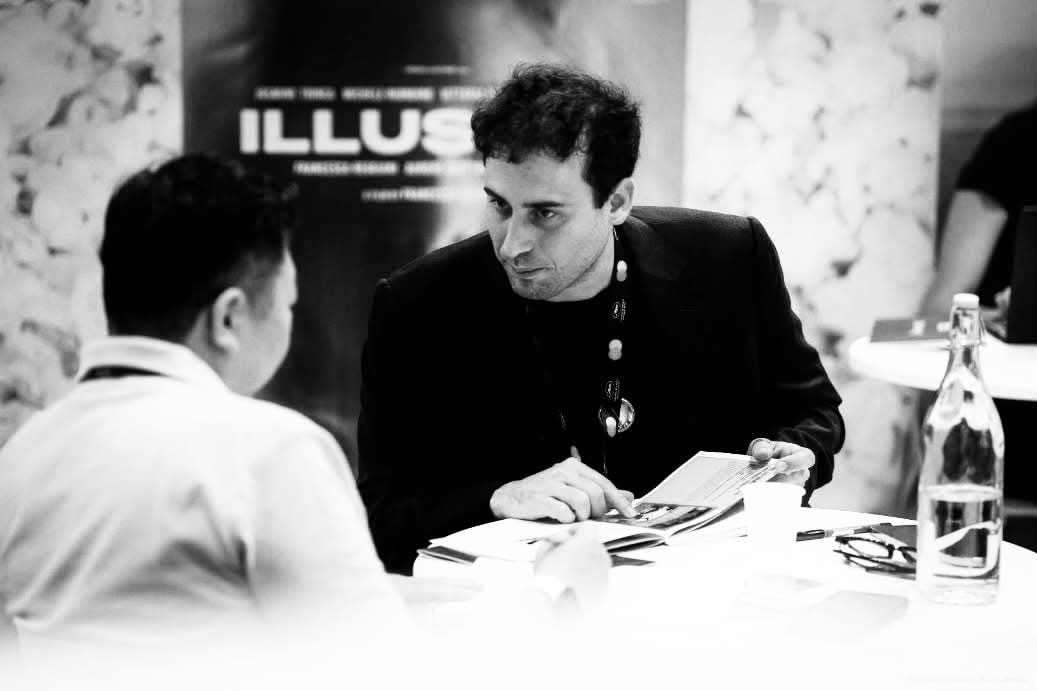
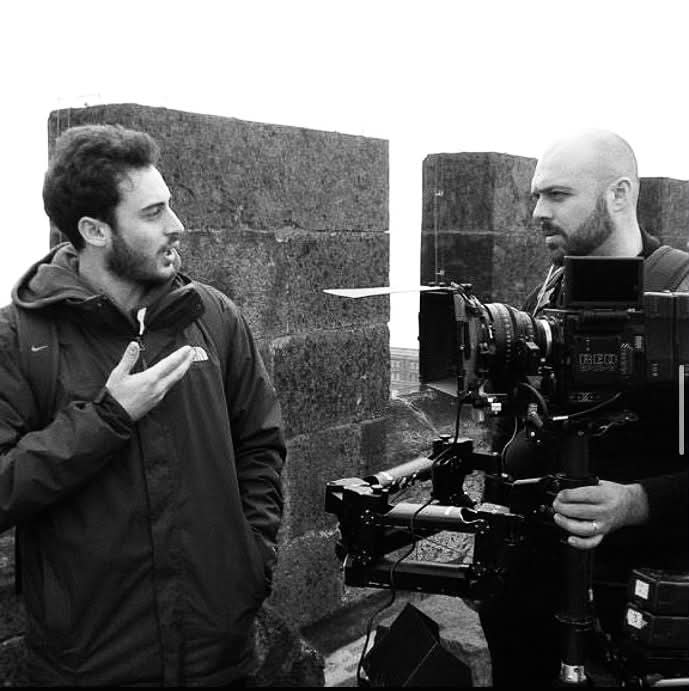
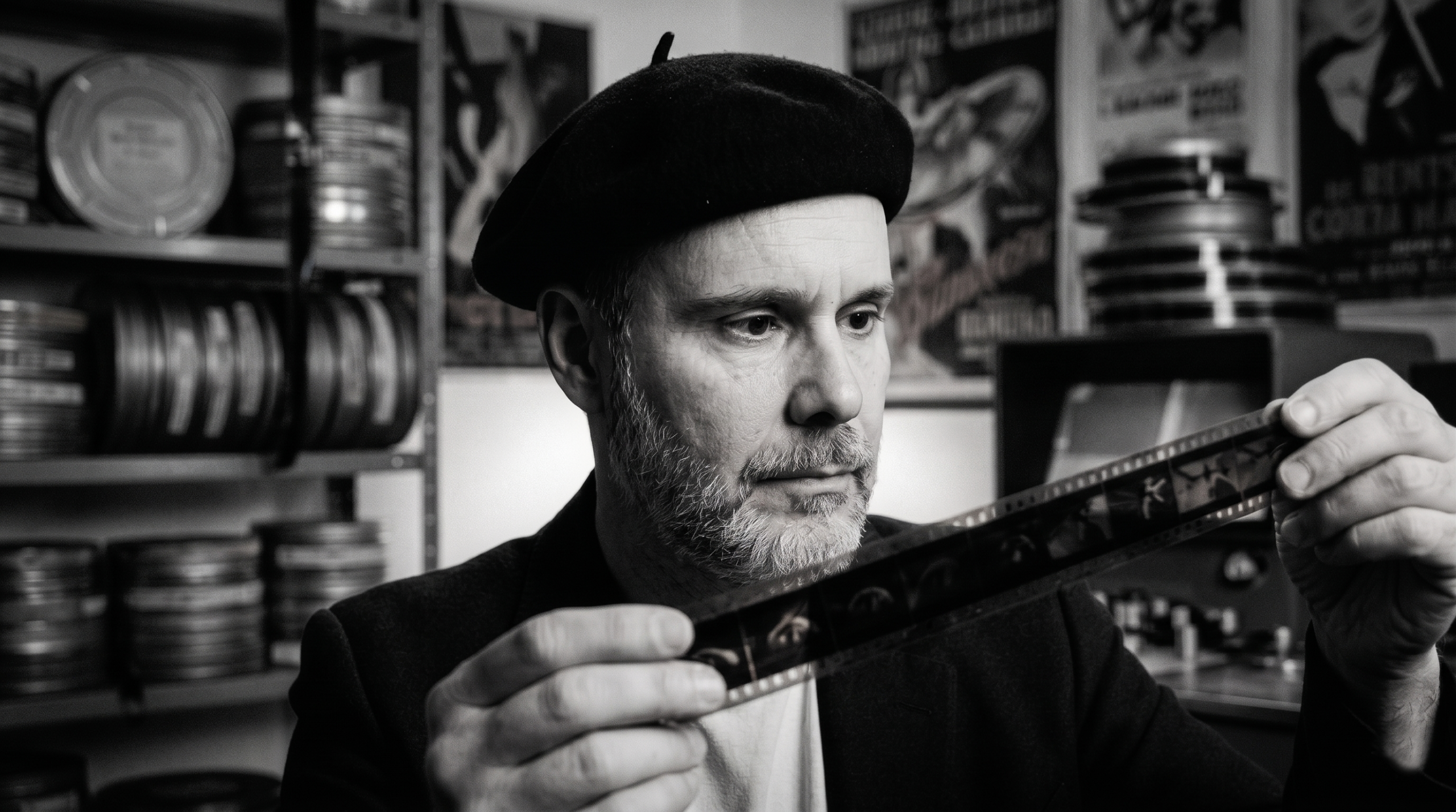
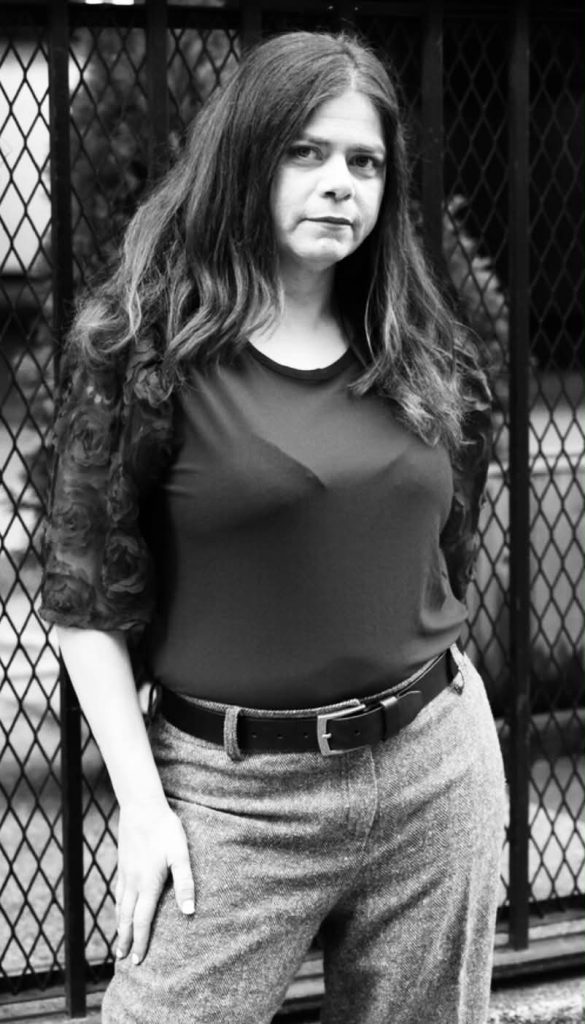
I am the International Sales Coordinator of the international distribution department at Fandango. I began working in the film industry as an assistant director in Campania, contributing to several projects, including those of the acclaimed director Antonio Capuano, whom I am pleased to mention. I was then fortunate enough to join the editorial department at Cattleya before eventually moving into film distribution, collaborating over the years with several companies in the sector, including Coccinelle Film Sales and Minerva Pictures.
Cinema has always been part of my life, thanks to my father, Guido Pappadà, who has many years of experience in the industry as a visual effects supervisor and has received several nominations for the David di Donatello Awards.
What assessment can you make of your 79th Cannes Film Festival?
Given the current global geopolitical situation, I believe it would have been difficult to expect greater participation in the market. The real disappointment, unfortunately, is the ongoing shortage,following what was already seen at the Berlin Film Festival, of Italian projects within the Festival itself.
For this reason, we are proud that Fandango Sales can boast the only fully Italian production selected for the Festival, in the Cannes Classics section. This was made possible thanks to Francesco Zippel’s outstanding documentary “Vittorio De Sica – Una Vita in Scena”, produced by Quoiat Films and Cinecittà Luce.
Despite this rare exception, it is important to reflect on the work being done for the industry by the government, which evidently is not producing the desired results. This creates a vicious cycle that not only affects the nation’s cultural production but also undermines the export potential and international promotion that cinema can provide to the Italian brand. In a country that relies heavily on tourism, this should certainly not be considered a secondary issue.
What do you like and dislike about the world today?
We live in an era where opinions and beliefs are increasingly polarized. If we want to preserve the system of rights and responsibilities upon which Western democracies have fortunately been built, I believe it is essential to restore healthy dialogue. Unfortunately, from what I observe, such dialogue is often missing in many of the issues debated in public discourse.
This is why cinema and culture are important tools that deserve renewed appreciation. They should offer the opportunity to explore and portray the shades of gray within a generation that too often sees everything as either black or white.
What is your opinion on the use of AI in cinema, in all its various forms?
If we look at the evolution of creative expression throughout history, the tools and methods of artistic creation have always changed, and they have rarely been welcomed without skepticism. The most recent example that comes to mind is the transition from film to digital technology, which was initially met with doubt but ultimately expanded creative possibilities while also reducing production costs.Of course, evolution does not always equate to progress. However, I would focus more on the opportunity to improve the quality and diversity of the content we produce rather than on the potential disappearance of certain roles, which is a natural consequence of technological change over time. That being said, legislation will certainly need to be updated, as it is necessary to regulate certain copyright-related issues in light of these new technologies and possibilities. Overall, however, I am more interested in the quality of what is produced than in the methods used to produce it.
What is your impression of WILD FILMMAKER?
One of great professionalism and energy, qualities that are essential in this industry. The essence of cinema will always be measured by the dialogue and storytelling that surround it. Therefore, I can only encourage you to continue on this path, considering the results and achievements you are accomplishing. I would also like to express my sincere thanks for giving me the opportunity to be featured among your articles.
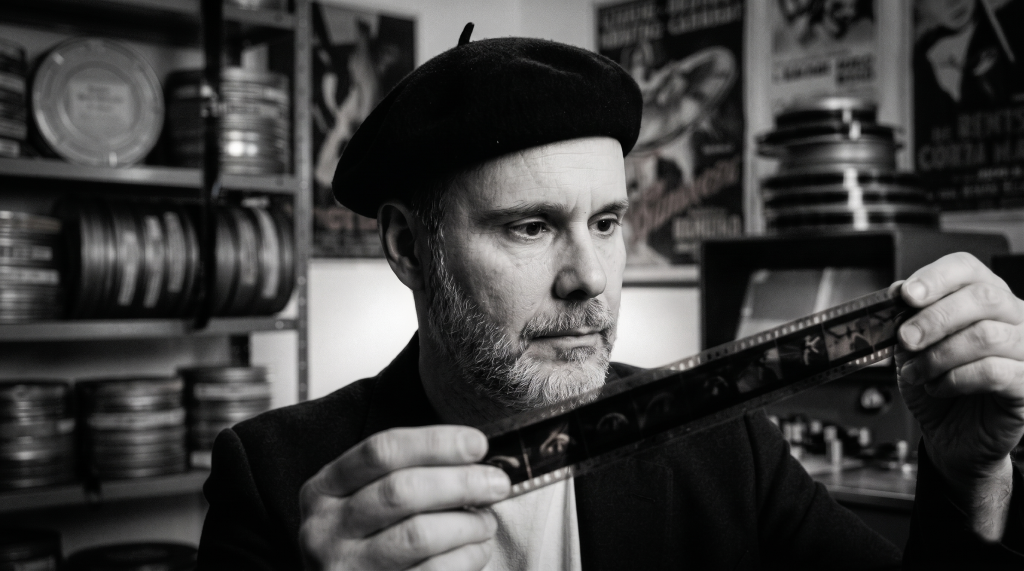
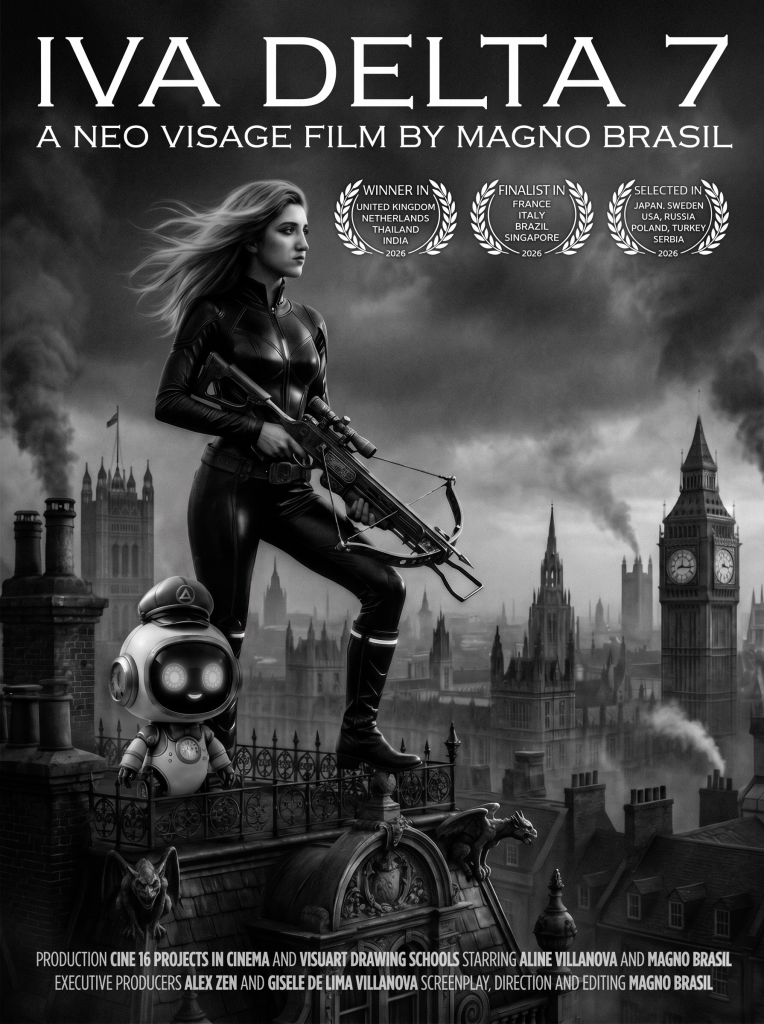
Magno Brasil is a Brazilian independent filmmaker, visual artist, educator, and creator of the NEO VISAGE cinematic language. My relationship with cinema began very early. My father owned a small movie theater in the town where I was born, and I grew up surrounded by projectors, film reels, posters, and the almost magical atmosphere of movie screenings. Some of my earliest memories are connected to the sound of projectors and the feeling of watching entire worlds emerge on a screen. For many years, however, filmmaking itself felt distant from my reality. Cameras, studios, crews, and financing belonged to a world that seemed inaccessible to someone from my background. So I found another way to tell stories: pencils, ink, paper, comics, and illustration. In 1991, I founded Visuart, an art school that would eventually become a reference in visual arts education in Brazil. Over the decades, I had the privilege of seeing former students build successful careers in animation, illustration, comics, and international entertainment. Some later worked on projects connected to Marvel, Disney, Star Wars, and major comic publishers. That always moved me deeply. Yet there was also a quiet frustration. I was helping artists fulfill their dreams while my own cinematic universe remained unrealized. For years I developed stories, characters, and projects, only to encounter the financial and structural barriers that often prevent independent creators from bringing ambitious visions to life. Artificial Intelligence changed that reality. For the first time, I felt I had access to a creative bridge capable of transforming decades of accumulated imagination into moving images. IVA DELTA 7 emerged from that process, not as a technological demonstration, but as an authored cinematic universe with its own mythology, symbolism, and visual identity, shaped through what I call MYTHO-FUTURISM: a fusion of espionage, time travel, mythology, history, and speculative science fiction. Today, my work explores how emerging technologies can coexist with artistic direction, cinematic language, and authorship. Tools evolve. Vision remains.
DO YOU REMEMBER THE EXACT MOMENT YOU FELL IN LOVE WITH CINEMA?
Yes. I believe it happened inside the projection booth of my father’s theater. I was fascinated not only by the films themselves, but by everything surrounding them: the mechanical rhythm of the projector, the smell of film stock, the darkness of the auditorium, and the collective sense of wonder shared by an audience. Science fiction and fantasy had a particularly profound effect on me because they transformed the impossible into emotion. Very early in life I understood that cinema was more than entertainment. It could be memory, philosophy, emotion, and visual poetry all at once. That feeling never left me. Even when I followed a path through comics, illustration, and education, the desire to make films remained alive. When generative technologies emerged decades later, I felt I had finally discovered a way to bring the worlds I had carried within me since childhood into existence. That path would eventually lead to IVA DELTA 7 and the birth of NEO VISAGE.
TELL US ABOUT YOUR PROJECT “IVA DELTA 7”
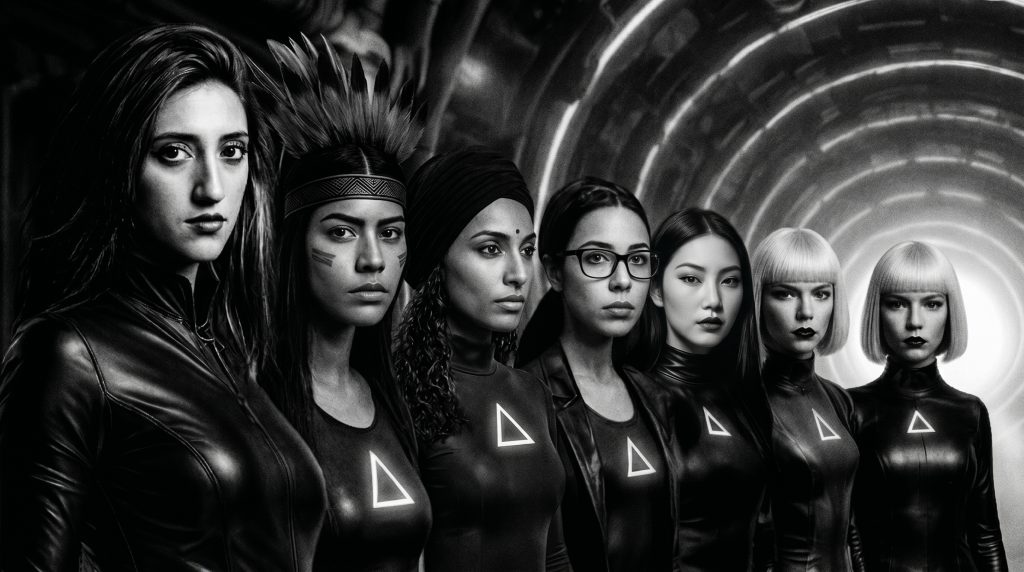
IVA DELTA 7 is an independent science-fiction cinematic universe built around memory, identity, artificial intelligence, war, mythology, and human emotion. Visually, the project introduces what I call NEO VISAGE, a cinematic language that combines anime influences, comic-book composition, retrofuturism, painterly atmospheres, stylized three dimensional aesthetics, and classical cinematic framing into a single emotional experience. For me, Artificial Intelligence was never simply a production tool. It also became part of the aesthetic. The technology allowed me to merge visual languages that I have loved throughout my life: classic science-fiction cinema, Japanese animation, pulp illustration, comic books, stop-motion fantasy, and experimental filmmaking. Narratively, the universe is built around MYTHO-FUTURISM, a fusion of espionage, time travel, mythology, history, and speculative science fiction. Music also became a fundamental part of its identity. The soundtrack draws inspiration from the orchestral spy scores of the 1960s, featuring dramatic brass sections, melancholic harmonies, and feminine vocal motifs that function almost like an invisible emotional narrator. Even when the protagonists are absent from the screen, the feminine presence continues to inhabit the universe through the music itself. Because at its core, IVA DELTA 7 is a profoundly feminine universe. The agents who travel through time and alter history are women. They are not secondary figures. They are leaders, strategists, intellectuals, warriors, and guardians of memory. That vision comes directly from my own life. I grew up surrounded by strong women, my mother, grandmother, sister, as well as important women in my personal, emotional and creative life, who played a decisive role in shaping both my artistic and personal formation. In IVA DELTA 7, the feminine does not orbit the narrative. It is the narrative. I often describe the production of IVA DELTA 7 as my own “Snow White moment.”
When Walt Disney decided to produce Snow White and the Seven Dwarfs, many believed animation could never sustain a feature-length emotional narrative. In a very different context, but driven by a similar spirit of experimentation, I believed AI could become a legitimate cinematic language rather than merely a technological curiosity. The international recognition the film has received has reinforced that belief. The festivals are not recognizing the technology. They are recognizing authorship.
WHICH DIRECTOR INSPIRES YOU THE MOST?
I should probably begin by apologizing because I cannot answer this question with a single name. Every film I have watched throughout my life has left some emotional or aesthetic trace behind. Sometimes consciously, sometimes unconsciously. Because IVA DELTA 7 belongs to a universe deeply connected to pop culture, science fiction, comic books, mythology, and geek culture, I will focus on the influences that most directly shaped its identity. The first is Maurice Binder. The classic James Bond title sequences fascinated me from childhood. Long before the story itself began, Binder was already creating atmosphere, mystery, emotion, and expectation through imagery, music, graphic design, and symbolism. He taught me that an opening sequence can emotionally prepare an audience for the journey ahead. That lesson stayed with me for life and strongly influenced the opening philosophy of IVA DELTA 7. Another major influence is worldbuilding itself. Stanley Kubrick, Ridley Scott, Akira Kurosawa, Christopher Nolan, and David Lean helped shape my understanding of atmosphere, scale, rhythm, visual composition, and narrative architecture. David Lean deserves special mention because his epic approach to cinema inspired my decision to include an Overture and Intermission in IVA DELTA 7. I have always loved the feeling that certain films are not simply stories but events. Watching them feels almost like embarking on a journey through time itself. Russian cinema also occupies a special place in my artistic formation. Sergei Eisenstein profoundly influenced my understanding of editing as an emotional language. His ability to generate meaning through montage, visual collisions, rhythmic construction, and expressive close-ups demonstrated that cinema could communicate ideas and emotions far beyond dialogue. Andrei Tarkovsky influenced me in a completely different way. Films such as Solaris taught me the power of contemplation, atmosphere, silence, and cinematic time itself. His camera movements often seem less concerned with action than with inviting reflection. They encourage the audience to inhabit a moment rather than simply observe it. That influence can be felt in several moments of IVA DELTA 7, particularly in the presentation of Alpha, where I deliberately pursued a more meditative rhythm and visual presence. For that reason, the recent Official Selection of IVA DELTA 7 at the Sochi Film Festival carries special meaning for me. Russia is one of the places where cinematic language itself was profoundly expanded and redefined. Seeing an independent Brazilian science-fiction film created with generative AI tools find recognition there feels deeply rewarding because it reinforces something I have believed from the beginning: Technology is only a tool. What truly matters is authorship, cinematic language, emotional vision, and the ability to connect with an audience. I am also deeply influenced by classic fantasy and science-fiction filmmaking. The chromatic atmosphere of Hammer Films, the stop-motion artistry of Ray Harryhausen, George Pal’s The Time Machine, Irwin Allen’s The Time Tunnel, and Franklin J. Schaffner’s Planet of the Apes all form part of the visual DNA of IVA DELTA 7. The Vortex itself is a direct homage to The Time Tunnel. Another influence that deserves special mention is Star Trek. Long before giant modern franchises dominated popular culture, Star Trek demonstrated that it was possible to build a powerful and enduring universe through ideas, characters, and vision rather than budget alone. What always fascinated me about the original series was its ability to use science fiction as a vehicle for discussing humanity itself. Diversity, ethics, coexistence, prejudice, diplomacy, and the future of civilization were explored through stories that, on the surface, seemed to be adventures among the stars. That lesson had a profound impact on me. Star Trek proved that ambitious worldbuilding does not necessarily emerge from unlimited resources. It emerges from strong ideas, compelling characters, and a coherent mythology. I believe that influence is present throughout IVA DELTA 7. Beneath the time travel, espionage, artificial intelligence, and mythology, the project is ultimately about people. About memory, identity, sacrifice, coexistence, and the human capacity to imagine better futures. In many ways, Star Trek taught me that science fiction can be both spectacle and reflection at the same time. Japanese animation also played an enormous role in shaping my magination. Osamu Tezuka and Hayao Miyazaki taught me that fantasy, philosophy, poetry, melancholy, and emotion can coexist naturally within the same narrative. Their work demonstrated that imagination does not diminish depth. In many cases, it amplifies it. Comic books were equally important. The IVA agents deliberately wear uniforms inspired by superhero iconography. I have always been fascinated by how modern superheroes resemble mythological archetypes, contemporary gods navigating sacrifice, destiny, identity, and moral dilemmas. The difference is that most superhero mythologies began with male heroes. In IVA DELTA 7, the mythology begins with heroines. The women are not supporting characters orbiting the narrative. They are the narrative. Finally, Quentin Tarantino profoundly influenced me through his use of dialogue, tension, humor, and character construction. One of my greatest challenges while making IVA DELTA 7 was proving that AI-generated characters could create genuine emotional empathy rather than simply visual spectacle. I wanted audiences to care about the characters, laugh with them, reflect with them, and feel emotionally connected to their journeys. The response from audiences and international festivals suggests that they can. Ultimately, however, what inspires me most is not technology, spectacle, or even genre. It is authorship. I admire creators who build worlds that feel unmistakably their own. Creators whose films could not have been made by anyone else. That, for me, is the highest achievement a filmmaker can reach.
WHAT DO YOU DISLIKE ABOUT THE WORLD AND WHAT WOULD YOU CHANGE?
One of the things that concerns me most about the modern world is the enormous inequality in access to opportunity, particularly in the arts and cultural production. Throughout history, countless talented artists, writers, filmmakers, and creators have faced financial, institutional, or bureaucratic barriers that prevented their ideas from reaching the public. Sometimes extraordinary stories disappear simply because their creators never had access to the resources required to make them visible. Perhaps that is one of the reasons I dedicated so much of my life to education. In 1991, I founded Visuart, which continues to operate today with the mission of preparing artists not only technically, but also professionally and humanly—people capable of combining talent with sensitivity, critical thinking, and an understanding of the complexity of the world around them. Maintaining an independent educational institution is not easy. We survive primarily thanks to the trust of our students. I often say that Visuart was never really a business. It became a philosophy of life. If I could change one thing, it would be to create a world where artistic creation is more accessible and original voices have a fair opportunity to be heard regardless of economic background, geography, or institutional connections. The world needs more creators. More storytellers. And more opportunities for imagination to flourish.
HOW DO YOU IMAGINE CINEMA IN 100 YEARS?
I believe cinema will become far more immersive, interactive, and technologically fluid than anything we can currently imagine. Artificial intelligence, virtual environments, neural interfaces, and real-time cinematic generation may radically transform the production process itself. Yet I also believe something fundamental will remain unchanged. Audiences will continue searching for emotion, beauty, symbolism, conflict, and meaning. Technology changes. Human curiosity does not. Throughout my career I have tended to embrace technological transitions rather than fear them. When digital art tools began transforming the illustration industry in the late 1990s, many artists resisted them. My school was among the first to teach digital painting, and we were heavily criticized for it at the time. Today, those tools are standard across the industry. I witnessed a similar reaction with generative AI. Where some saw a threat, I saw a new creative language waiting to be explored. For me, technology should never replace imagination. It should amplify it. I also believe cinema will become increasingly decentralized. Independent creators from regions historically excluded from major production centers will gain the ability to reach global audiences directly.
In many ways, I believe we are already witnessing the beginning of that transformation. One hundred years from now, the tools will certainly be different. What will matter, as it always has, is whether someone still has a story worth telling. At our core, we are still the descendants of those who gathered around ancient fires at the end of the day to share stories. The screens may change, the technologies may evolve, but the human need to tell stories, and to listen to them, remains eternal.
WHAT IS YOUR IMPRESSION OF WILD FILMMAKER?
What I admire about WILD FILMMAKER is its genuine commitment to discovering and supporting independent voices. Many platforms speak about originality while still favoring established structures and familiar names. WILD FILMMAKER seems genuinely interested in filmmakers who possess strong personal identities and distinctive artistic visions, regardless of where they come from. That matters enormously. Independent cinema survives because there are spaces willing to value experimentation, authorship, and creative courage. I believe publications like WILD FILMMAKER play an essential role in preserving that spirit and helping new voices reach an international audience.
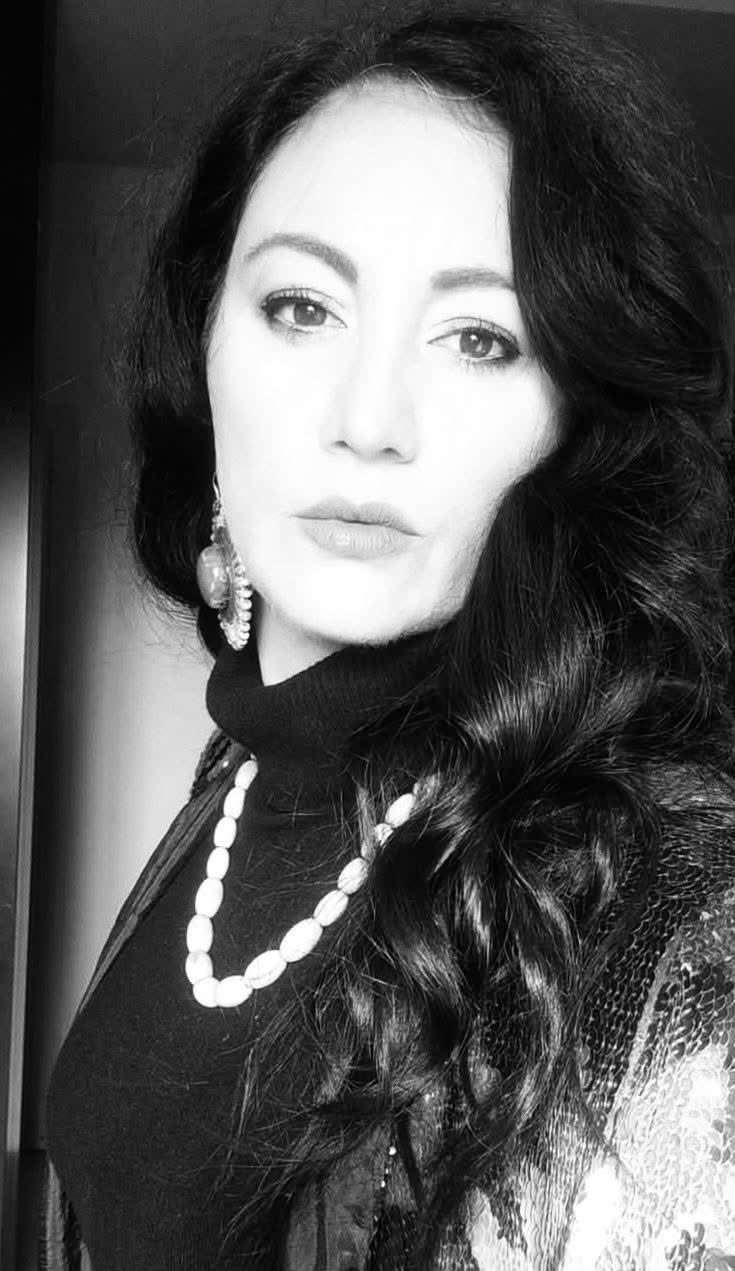
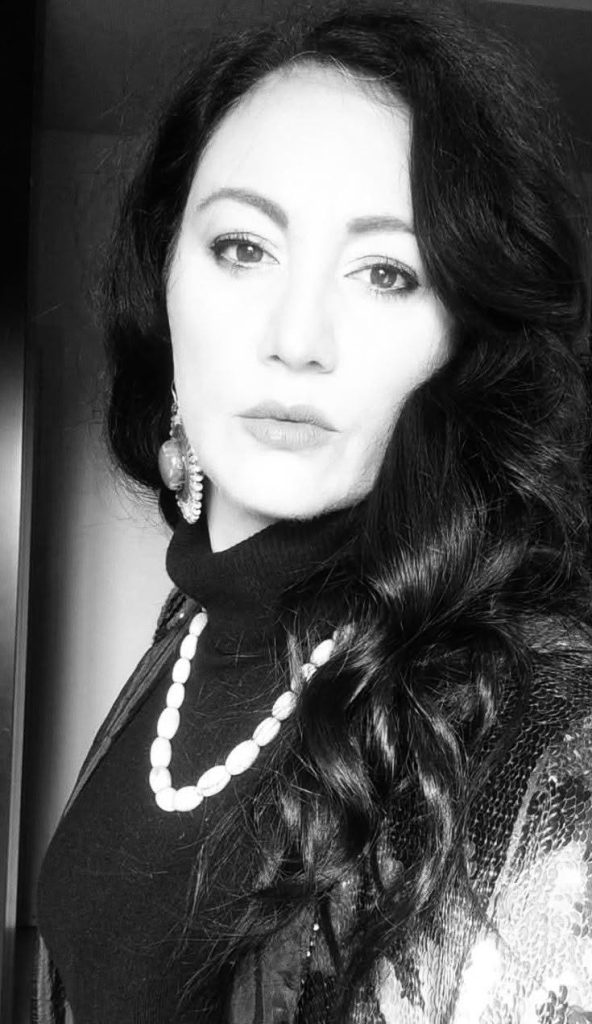
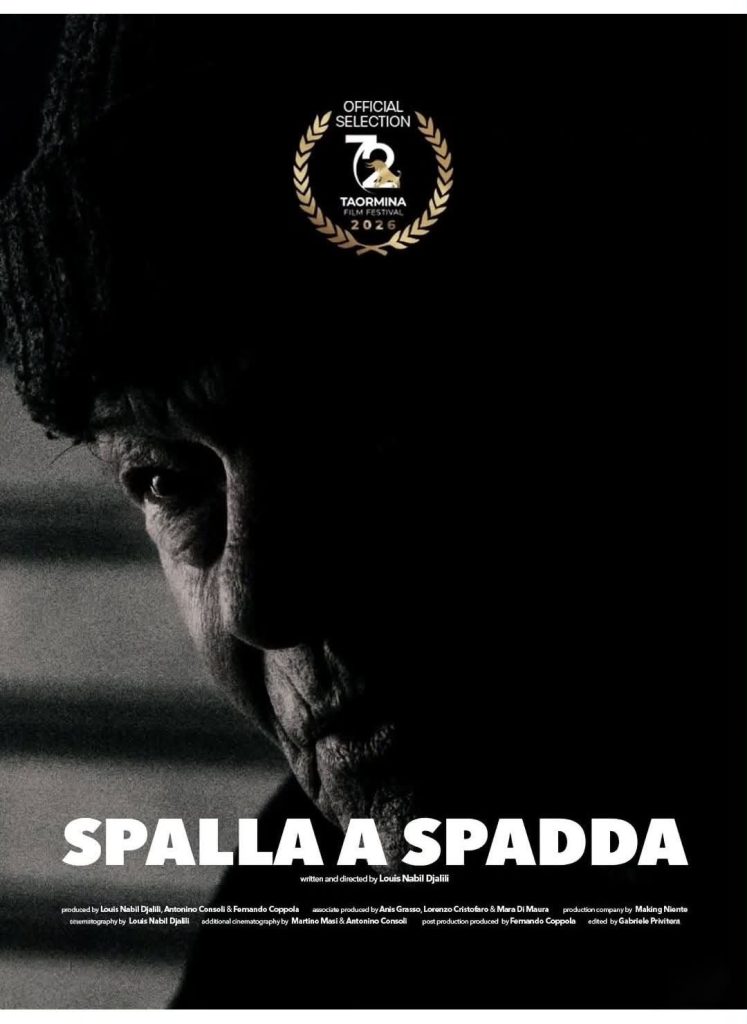
I am an actress, playwright, and theatre director. In 2012, I founded the Sala Teatro Ridotto in Catania, where I staged my own plays, including In the Mirror, The Deception of Algorithms, 2191: Beyond the Garden, and Candida Superluna, Partly by Magic, Partly by Luck, which recently received recognition at the Isolario Competition in the Theatre category. I worked with the Teatro Stabile di Catania, directed by Fabio Grossi, in La volata di Calò by Savatteri, and with Quarta Parete under Costantino Carrozza, performing in classics ranging from Molière to Pirandello. As an actress, I have appeared in several productions, including I Nostri Figli directed by Andrea Porporati, Il Capo del Mondo by Salvo Campisano on Prime Video, the thriller Killer Card by Giuseppe Di Blasi, released in cinemas last April, the short film Argento by Fabrizio Ferrara and directed by Massimiliano Russo, and, most notably, Louis Nabil Djalili’s debut feature film Spalla a Spadda, which is competing at the 72nd Taormina Film Festival.
Tell us about the film you took part in that will be presented at the 72nd Taormina Film Festival.
The film shows how, in order to truly understand the character, customs, traditions, and mindset of a people different from your own, in this case, Sicilians, you must live among them. The director is a very young British artist of Iranian origin who married a beautiful Sicilian woman and moved to Catania for love. My role, in which I was uniquely joined by my father Giuseppe—who has appeared in productions such as Inspector Montalbano, Lost Kisses, Squadra Antimafia, and *Agrodolce*—is that of a woman who stubbornly defends a specific term used for a particular type of food, taking the dispute to its most extreme consequences. It is a role I thoroughly enjoyed playing, and whose determination reflects my own personality.
What do you like and dislike about the world?
I deeply love art in all its forms and the opportunity it offers to dream and escape reality. I believe that the life one can experience on a stage or a film set is far more fulfilling than everyday life—an alternative dimension where one can live as intensely as possible. Art is also the most powerful means of conveying messages and exploring truth and the deepest meaning of life because it works through emotions, which are the strongest and most enduring channel of memory. What I absolutely dislike are dishonesty and violence in all their forms, especially when directed against the most vulnerable people.
Every artist has someone or something that inspired them. Where do you draw your creative drive from?
When I write or perform, I draw inspiration from life itself, whether directly experienced or reflected through the stories of others. Three years ago, I published my first novel, Con i tacchi nei sanpietrini (Walking in Heels on Cobblestones), released by Gaeditori and presented at the Turin International Book Fair. I am currently working on a second novel. I realize that through writing I do nothing but rework lived experiences, perhaps in an attempt to find meaning in them. A part of me is scattered throughout all my characters and every story I write. *Many believe that the acting profession risks being disrupted by revolutionary technologies such as AI. What is your opinion on this?* I firmly believe that nothing can replace the human element. Anything created by human beings possesses something unique, an element that speaks to the heart better than anything else. I do not deny that the simulation of human beings and human creativity can be concerning, especially since, in terms of technical perfection, machines can surpass human beings, who are imperfect by nature and prone to error. It is, in a way, the oldest sin of hubris repeating itself. But can anything compare to the charm of imperfection? Moreover, no technology will ever replace live performance—an experience that is unique, unrepeatable, and different every single night, every single second.
What is your impression of WILD FILMMAKER?
I believe it is an organization undertaking a genuine challenge because any effort to shine a spotlight on independent and lesser-known artists and works is both admirable and monumental. It is easy to write about and promote already established artists and famous faces, but dedicating oneself to discovering and promoting new voices in the arts is always an act of great courage. Thank you from the bottom of my heart. Long live the dreamers!
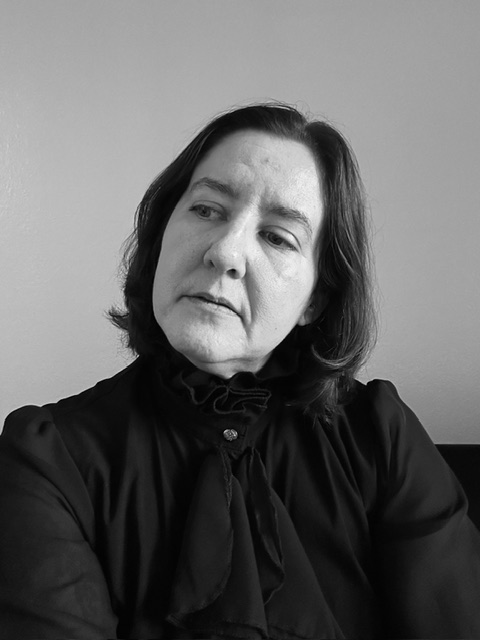
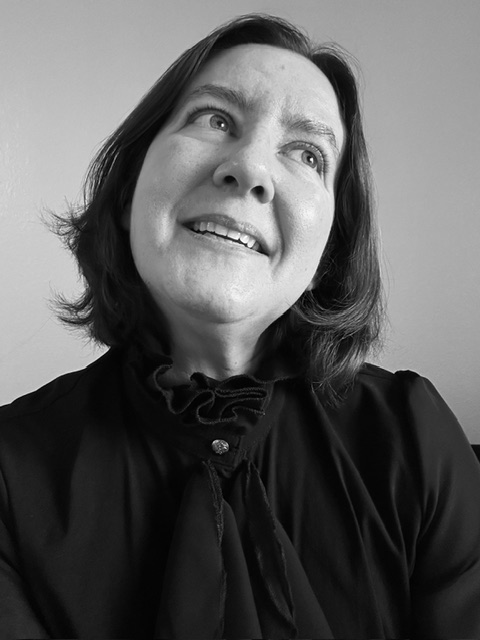
I’m a new screenwriter with the audacity to think I have what it takes to make it in this highly competitive field. I bring a unique background and practical skill set to the table. After teaching high school English (writing & literature) for 30 years, I recently retired and am now fully invested in pursuing my dream, to write stories that move people, stories that inspire, motivate, and connect us in our common pursuits of truth, justice, love, and joy. My bachelor’s and master’s degrees and long professional career taught me invaluable lessons that I now bring to my writing. Selecting texts from all genres of film and print for my students to read and analyze taught me what resonated with them on a human level. There is an enormous amount of humanness that happens every day in the microcosm of a high school classroom.
I was witness to it and part of it, and I used literature and film to help students better understand themselves and the world around them. I’ve always enjoyed good writing, in both print and visual genres. I understand that the world we live in today consumes far more of the latter, so my rationale for emphasizing screenwriting, and features in particular, is to capture what I find compelling, fascinating, and inspiring in the world around me. There is no shortage of unique ideas and experiences to write about. I’m passionate and dedicated in my work, and I don’t doubt my skills or my potential. I’m ready for what’s next.
-Do you remember the exact moment you fell in love with cinema?
As a kid, it was definitely seeing my first Star Wars movie in a theater. I had never experienced anything like it. Being immersed in the sound and enormity of the images was breathtaking. I had no idea or aspirations to work in the industry until much later into adulthood. When I started writing screenplays, I developed a whole new appreciation for what makes the cinematic experience so incredibly special.
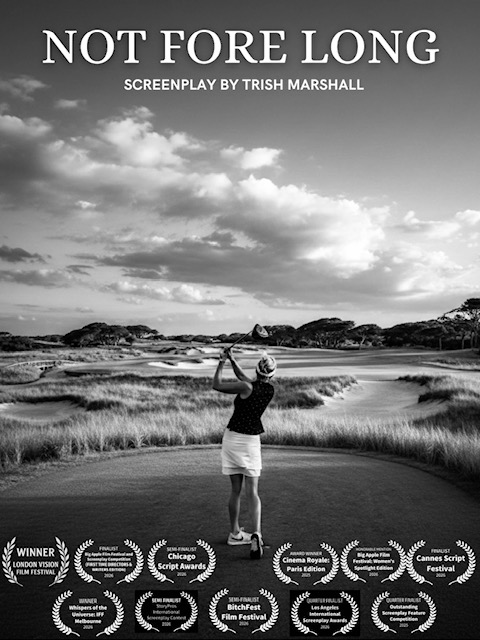
-Tell us about your project “Not Fore Long”.
Logline: When Lucy’s husband Bryan discards her for his young receptionist, her comfortable country club life comes to an abrupt end. Now facing her third divorce, she must overcome the legal restrictions she’s under in order to heal and move on. Bryan is relentless and smug in his financial power advantage. He offers to settle their divorce over a golf match. He wrote the rules, but she changes the game. This screenplay was inspired by my own divorce circumstances, which, at the time they were happening, seemed too bizarre to be true. My original script was much more depressing, but I lightened it up considerably on subsequent iterations while maintaining my original purpose and themes.
This story is about the process of healing and self-determination after loss, with the help of friendship and through the focus/lense of sport. Golf is both a metaphor for disparity and also a potential for equity.
-Which Director inspires you the most?
If I had to choose just one, it is definitely Greta Gerwig. There is so much I admire about her work, especially her relatable characters, direct dialog, and themes of women’s self-actualization. She has been a major source of inspiration for me, and I strive to emulate her style and themes.
-What do you dislike about the world and what would you change?
Humans harming each other has to be the thing I dislike most and wish to stop. More peace, more diplomacy, compromise, and alliance, less war. I also dislike the way most industry negatively impacts the planet and how so many people are complacent about it and disconnected from nature. I would love to help people learn to heal, connect, and improve our stewardship of our planet and each other through powerful storytelling.
-How do you imagine cinema in 100 years?
I imagine AI will take over traditional filmmaking in the coming years and challenge writers and directors to stay ahead of the curve, creating the kind of content that reflects reality and compels consumers to be more discerning about the content we consume. I believe audiences will always gravitate toward what is authentic, even if it is fantasy/fiction.
-What is your impression of WILD FILMMAKER?
I’m impressed with Wild FilmMaker’s modern approach to inclusive, expansive cinema. As this landscape continually changes, learning how to capitalize on the increasing technical capabilities, rather than be eclipsed by them, will ensure the kinds of cinematic experiences that made us fall in love with film will continue to draw new audiences to appreciate its evolution.
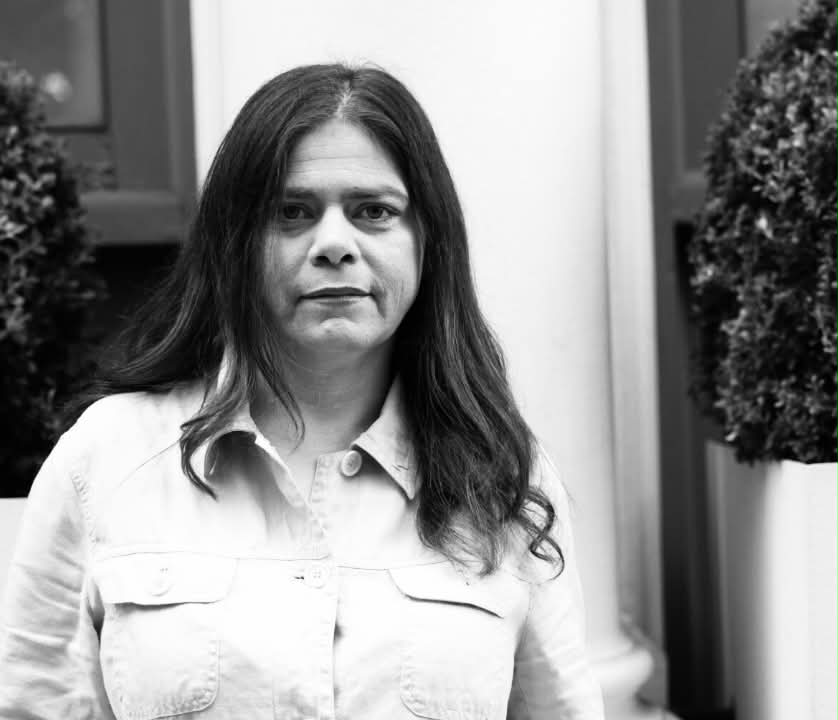
I am a filmmaker and writer driven by a desire to understand people and the stories that shape who they become. My work primarily explores trauma, resilience, identity, and the desire to belong. I am interested in the moments that define us, the experiences we carry, and the ways we rebuild ourselves after loss or hardship.
My background and upbringing taught me that every person has a story worth telling. I am drawn to stories where individual experiences reveal something larger about memory, emotion and the human condition. For me, filmmaking is both an artistic practice and an act of observation and listening.
Do you remember the exact moment you fell in love with cinema?
I have been watching films for as long as I can remember, they were my best friends and teachers in many ways as a child. I do not recall a single moment, but I do distinctly remember watching Stand by Me when I was eight years old and understanding that I was watching life being lived on screen. Looking back, I can see that I was always drawn to stories that explored complicated emotions and the parts of ourselves we often struggle to express. Films showed me that images, sound, and silence could communicate things words sometimes cannot.
Over the years, I realized that film is more than a medium for entertainment—it is a way to process experiences, preserve memories, and create connections between people who might otherwise never understand one another. That realization continues to inspire me every time I seek out a new story to tell.
Tell us about your project “BREATHE”.
BREATHE is a deeply personal exploration of trauma, resilience, and the weight of memory. The project began as a way to process my own experiences and emotional aftermath of living through both the 2023 Maui and 2025 Los Angeles fires. Through that journey, I became increasingly interested in how we carry difficult experiences within us—how loss, grief, and uncertainty shape our identities, while hope and healing continue to emerge alongside them.
To tell this story as honestly as possible, I made the decision to step in front of the camera. In many ways, the film became an act of self-reflection for me and an attempt to understand what healing can look like after devastation. Returning to Maui to shoot the film was especially meaningful. I wanted to capture not only the beauty and spirit of the island, but also its inherent strength. Collaborating with Director Amia Voluntad, who has her own deeply personal connection to the Maui fire, brought an added layer of authenticity and care to the filmmaking process.
At its core, the title reflects something both simple and profound. Breathing is our most fundamental act of survival, yet it can also symbolize presence, perseverance, and renewal. The film lives in the space between struggle and acceptance—the moments when we choose to face what hurts rather than running from it.
Ultimately, BREATHE asks how we continue moving forward after a traumatic event. It is a story about vulnerability, endurance, and the quiet resilience that often goes unseen. My hope is that audiences recognize parts of their own journeys within the film and leave with a sense of connection, reflection, and a feeling of being a little less alone.
Which Director inspires you the most?
David Lynch is hands down my favorite Director. What inspires me most about his work was his willingness to embrace ambiguity and emotion rather than provide easy answers. I appreciate how he examined mental health and identity in ways that reached the deepest parts of the psyche while creating visually mind-bending art. His films provide a platform for audiences to personally engage with uncertainty and discover meaning through feeling as much as through narrative.
David reminded us that human experiences are often contradictory, fragmented, and wildly subjective. His work explores the hidden layers beneath everyday life, revealing beauty, fear, longing, and mystery in abstract and surreal ways. I admire his commitment to this artistic vision and his belief that film can communicate truths that exist beyond words.
What do you dislike about the world and what would you change?
What troubles me most about the world is how disconnected people have become from one another’s experiences. We live in a time when information is everywhere, yet genuine understanding can feel increasingly rare. People are reduced to labels, assumptions, or headlines now instead of being seen in their full humanity.
If I could change one thing, it would be our capacity for empathy. I believe many of the world’s divisions stem from an inability—or unwillingness—to listen to stories different from our own. Film has the power to bridge those divides. It invites us into someone else’s reality and reminds us that beneath our differences, many of our fears, hopes, and struggles are the same.
How do you imagine cinema in 100 years?
I imagine the technology of filmmaking will evolve in ways that we cannot yet imagine. Stories may become more immersive, interactive, and integrated into our everyday lives. Artificial intelligence, virtual production, and new forms of audience engagement will likely transform both how films are made and how they are experienced.
But I believe the essence of film will remain the same. As someone drawn to stories about trauma, resilience, and identity, I do not think technology can replace our need to see ourselves reflected in the lives of others. We will always search for stories that help us understand who we are, where we come from, and how we connect with one another.
The filmmakers who leave a lasting impact will be those who embrace new tools while remaining committed to emotional honesty and human truth. My hope is that despite ever-evolving technology, arthouse cinema will continue to thrive as a space for bold, personal storytelling—one that challenges us, inspires us, and preserves the magic of experiencing a film together.
What is your impression of WILD FILMMAKER?
WILD FILMMAKER represents the kind of space that independent film needs. It celebrates artistic voices that are willing to take risks, challenge conventions, and explore deeply personal themes. In an industry often dominated by commercial pressures, it is refreshing to see a publication committed to championing filmmakers who view film as an art form and a vehicle for meaningful dialogue.
What I appreciate most is its commitment to building a global community of storytellers. Film has always been a way to connect people across cultures and experiences, and WILD FILMMAKER plays an important role in fostering those connections. It creates space for conversations about creativity, identity, and the evolving language of film, which is essential for the future of independent filmmakers.
I’m a writer, filmmaker, actor, model, and athlete based in California’s Central Coast. My writing credits include Shattered but Strong and Back in the Saddle on IMDb. In 2024, I created the short film Practice, a project where I served as director, writer, producer, editor, and performer. I was born with high‑functioning autism and several learning differences that shape how I move through the world. My perceptual reasoning falls in the borderline range, so visual information takes more effort for me to interpret and organize. My working memory is low‑average, which means multi‑step instructions or fast‑paced information can be draining. My processing speed is also in the borderline range, so I often need more time to take in and respond to what I see. I also have a speech impediment and a stutter. Even with all of that, I refuse to let these challenges define my limits. They’re part of my story — not the end of it. I’m committed to creating, performing, and pushing forward toward the dreams I know I’m capable of achieving.
-Do you remember the exact moment you fell in love with cinema?
I think I fell in love with cinema when I first learned that my maternal great‑grandfather had been an actor in the early Our Gang series (1922–1944). When the original shorts were sold for television syndication in 1955, the series was reintroduced to the world as The Little Rascals. Because Metro‑Goldwyn‑Mayer still owned the trademark for the name Our Gang, Hal Roach—the show’s creator—rebranded the package for TV audiences. As I grew older, I also learned how fragile that history was. Many of the early silent Our Gang films were lost forever in the catastrophic 1965 MGM vault fire. Vault 7 on Lot 3 in Culver City went up in flames, taking with it irreplaceable prints from the era when those child actors—my great‑grandfather among them—were just beginning their lives on screen. That connection to a vanished piece of film history is what first made cinema feel magical to me.
-Tell us about your project “From Shattered to Strong: A Long Way Forward”.
From Shattered to Strong: A Long Way Forward began as a silent screenplay—an assignment for my Writing for Electronic Media class at Cuesta College in San Luis Obispo in the spring of 2023. I originally earned a C on that project, but I didn’t let that be the end of it. Since then, I’ve added dialogue, expanded scenes, and reshaped the story into something far more personal and meaningful to me. This screenplay is rooted in my own experiences with resilience, recovery, and the complicated journey that follows any life‑altering event. “Shattered” represents the breaking point—trauma, loss, betrayal, mental health struggles, or any moment when life feels fractured beyond repair. “Strong” reflects the rebuilding that follows—not pretending everything is fine, but becoming stronger because of what was endured. And “A Long Way Forward” captures what feels most honest to me: healing isn’t linear. It’s slow, imperfect, and full of setbacks and small victories. The themes that emerged—perseverance through pain, mental and emotional recovery, rediscovering purpose, transforming personal experience into art, and holding onto hope without sugarcoating the struggle—are all deeply tied to my own life. I wanted the title to feel universal. Even though the story follows one character, almost anyone can relate to the feeling of being broken and having to figure out how to move forward anyway. As a writer, my goal is to create human characters whose struggles feel real and relatable. I want audiences to see pieces of themselves in the moments of vulnerability, fracture, and growth. I’ve always been drawn to stories where strength and fragility coexist—where adversity shapes a person, but doesn’t define their limits. The themes I return to again and again come from lived experience: being underestimated, pushing through obstacles, and learning to find self‑worth in the aftermath of hardship. I’m especially inspired by the quiet, everyday moments where growth happens almost unnoticed. From Shattered to Strong: A Long Way Forward is my attempt to honor that journey—messy, painful, hopeful, and ongoing.
-Which Director inspires you the most?
I can’t narrow my inspiration down to just one director, but a few stand out for very different reasons. The first is James Cameron. His work on Titanic has stayed with me ever since I saw it in the theater. Even though it wasn’t his personal life experience, the way he brought a real historical tragedy to life made me wonder whether any of my own ancestors might have been on that ship when it went down. His ability to blend epic storytelling with emotional truth is something I deeply admire. Another director on my list is Drew Kirsch, who co‑directed two Taylor Swift music videos. My admiration isn’t just because of the TSwift connection—it’s also because he attended Cuesta College from 2008 to 2011. Since I was at Cuesta from 2000 to 2025, I sometimes wonder if I ever walked past him on campus. Yes, I spent 25 years in college, but I’m proud to say I earned five degrees during that time.
-What do you dislike about the world and what would you change?
One thing I dislike most about the world is the way people often look at and treat individuals with disabilities. There’s still a tendency to underestimate them, to make assumptions about what they can or cannot do, or to treat them as if they’re defined solely by their disability. That mindset has deep historical roots, especially in the entertainment industry. People with disabilities have been visible in entertainment since the 19th century, but not always in ways that honored their humanity. In the early days, they were displayed as spectacles in traveling circuses and dime museums—places that allowed them to earn a living, but at the cost of being treated as curiosities rather than people. Early silent films often used disabled individuals as visual gags, reducing them to punchlines instead of characters. After World War II, Hollywood began telling more stories about disability, but the roles were almost always played by able‑bodied actors. It wasn’t until the disability rights movement gained momentum that things started to shift. Organizations like the Media Access Office pushed for better representation, and the passage of the Americans with Disabilities Act in 1990 helped open the door for more authentic portrayals. One moment that deeply moved me was Garth Brooks’ 1994 music video for “Standing Outside the Fire.” It featured a young man with Down syndrome who falls during a race but gets back up again. That image stayed with me because it showed resilience without pity—strength without stereotypes. What I want most is for people with disabilities to be treated with the same dignity and respect as anyone else. I want the world to stop assuming limitations and start recognizing potential. And in the entertainment industry, I want to see real, lasting change. Authentic casting — ending the long‑standing pattern of able‑bodied actors playing disabled characters. Inclusivestorytelling — creating roles where a character’s disability isn’t the entire plot, but simply part of who they are. Supporting disabled filmmakers — ensuring representation exists behind the camera, in writers’ rooms, in directing, and in executive leadership.
-How do you imagine cinema in 100 years?
I imagine cinema a century from now as a fully immersive, boundary‑breaking experience—one where storytelling surrounds, responds, and evolves with people, shaping itself in real time as we move through it.
-What is your impression of WILD FILMMAKER?
My impression of Wild Filmmaker is that it truly champions independent filmmakers and screenwriters who are shaping the next wave of global cinema. What stands out to me most is the industry exposure they provide—something that’s genuinely invaluable for a screenwriter. My work can be strong, but none of it matters unless producers, managers, agents, and directors actually know I exist. Sometimes all it takes is one person reading my script at the right moment to open a door. I also appreciate that they host networking events and industry co‑production opportunities. Through VIP Ignite Live, I learned just how essential networking is in entertainment. This industry runs on relationships; talent alone rarely opens every door. Personal connections get your work in front of the right producers, agents, and executives, helping you bypass crowded submission pipelines. The entertainment world operates on trust. A recommendation from a respected colleague carries enormous weight when people are hiring for cast, crew, or creative roles. Networking also keeps me plugged into industry trends, unadvertised opportunities, and what studios are looking to produce next. For me, that combination of visibility, connection, and access is exactly what makes Wild Filmmaker so compelling.