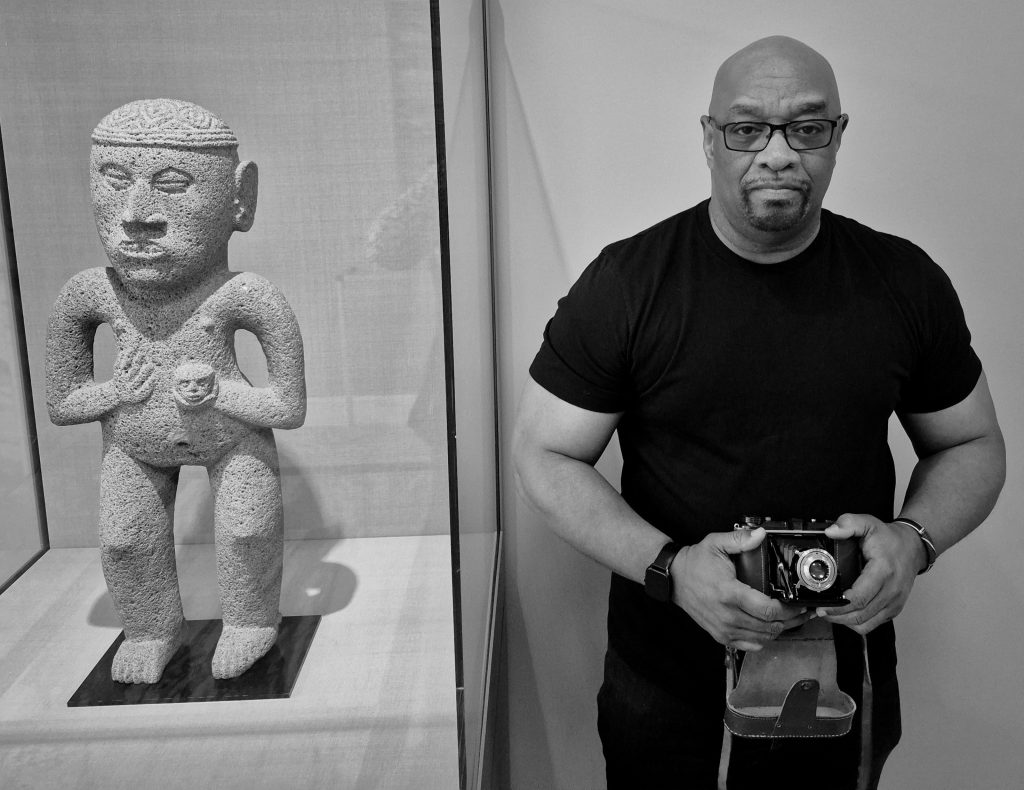
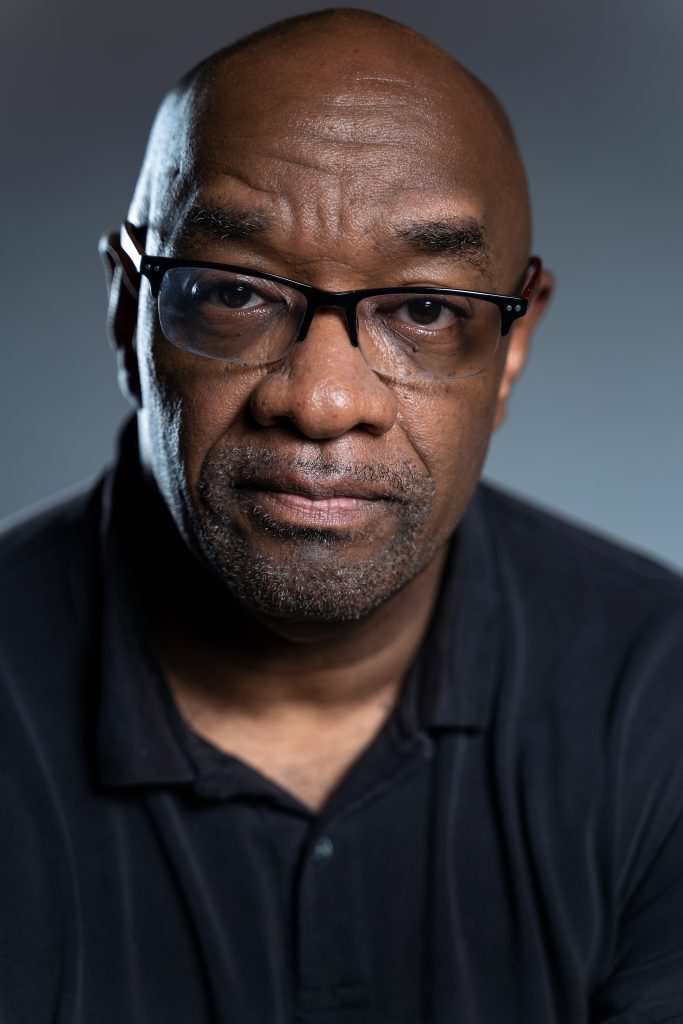
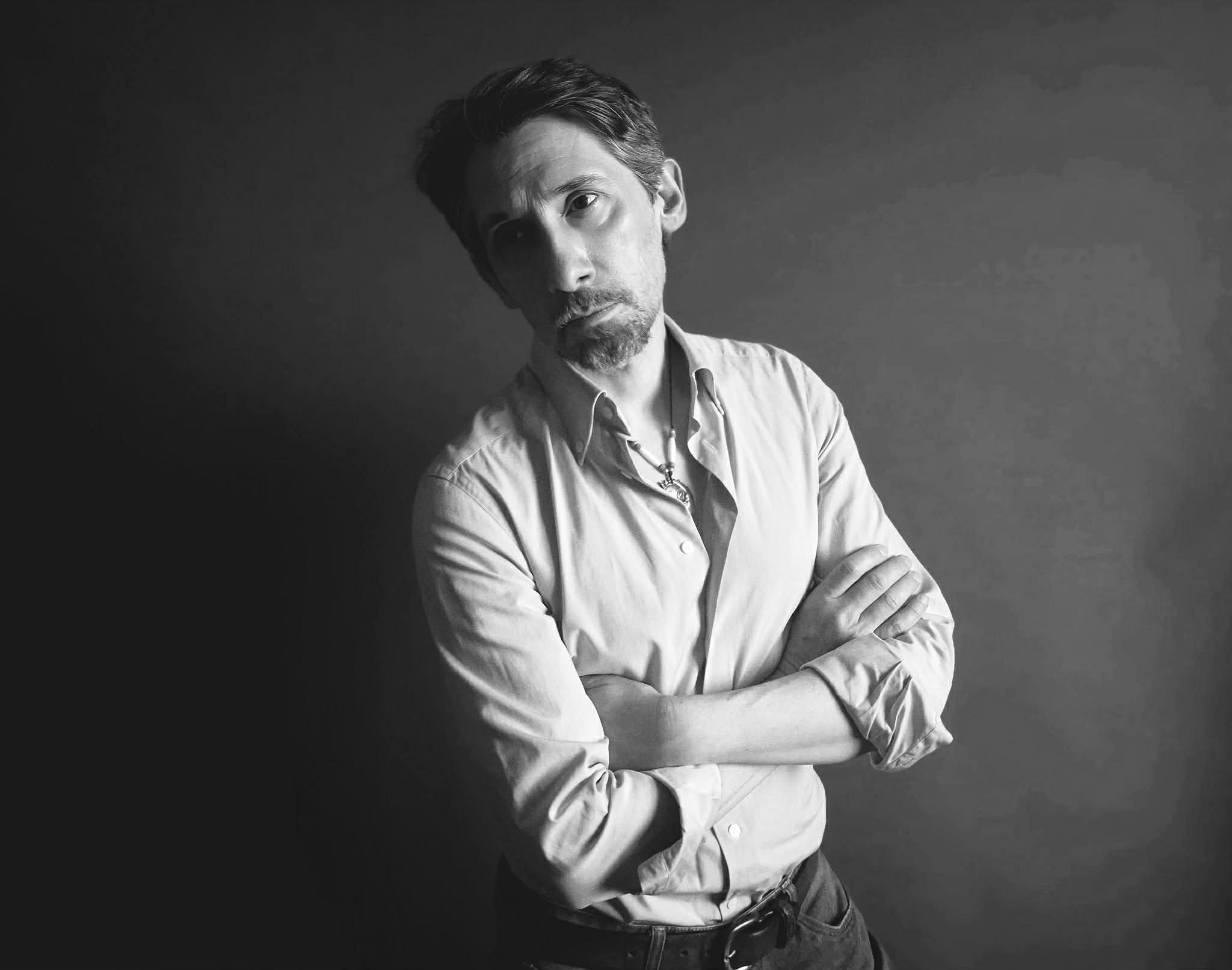
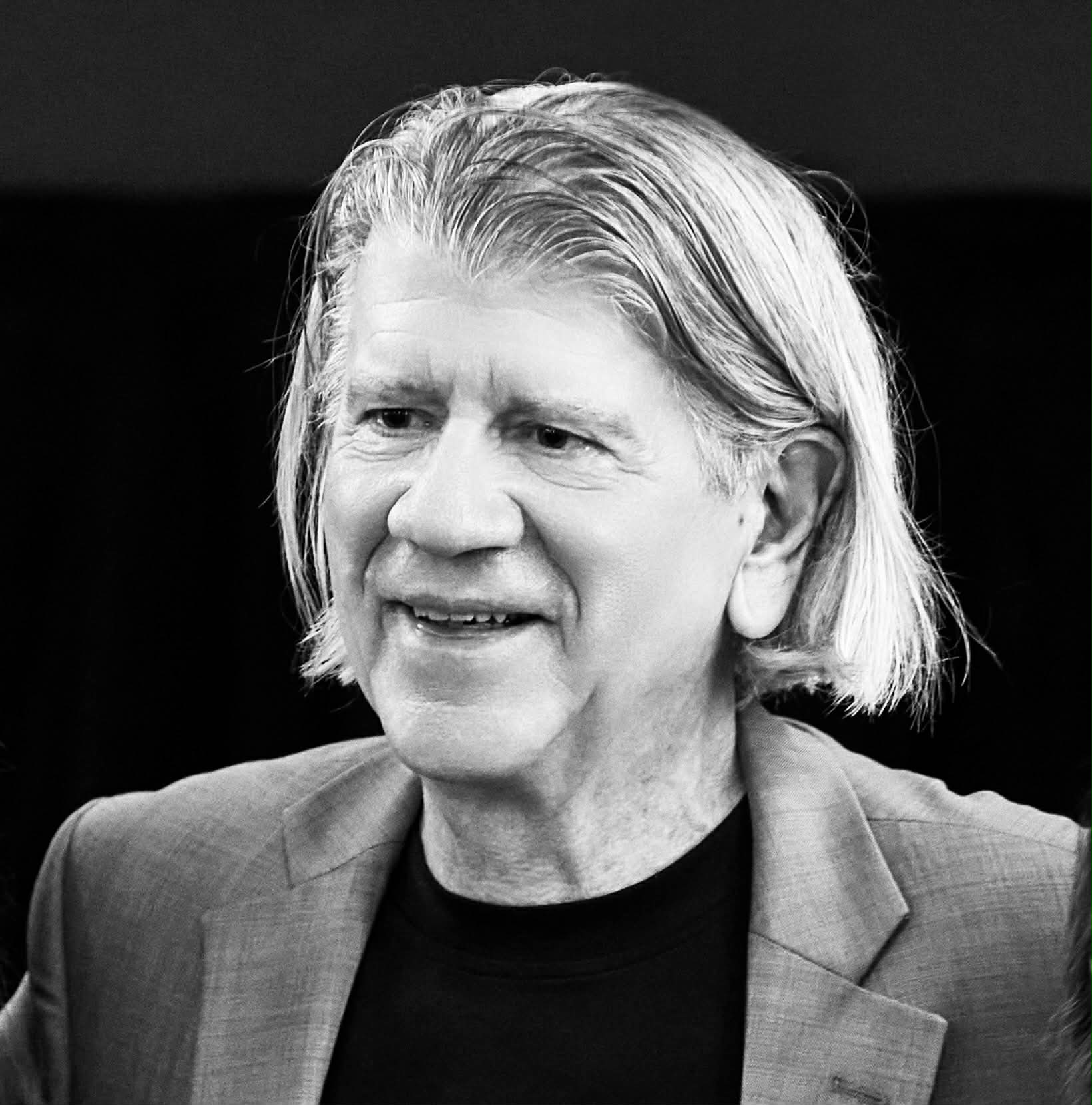
ALTA CALIFORNIA is a project that has been with me for decades. It began when I immigrated to California. I was preparing to enter the University of California, Santa Barbara, to study for my Ph.D.
I took a class in American history at a local community college determined to know some history of my newly adopted land. I came with a European attitude to history: power struggles, dominance, colonialism, etc. These ways of seeing were completely absent in my class.
And so, my personal exploration began: a seemingly simple question. What had happened to the California native population? Once it consisted of more than 500 tribes! Then came the “westward expansion.” Now there are only 109 tribes, many small. This took me back to “The Mission Era,” and the dominance of the Franciscan padres.
I read many history books about the era. What had happened? I soon discovered that, once again, “History is written by those who win and those who dominate.” (Edward Said). But this wasn‘t just defeat for the natives. The secular authorities—notably Captain Felipe de Neve—were also relegated to those forgotten by history. Moreover, of critical importance, Neve’s “Regalemento,” a plan vital to the natives in the mission and supported by King Carlos, was undercut in a most Machiavellian fashion, by Serra. Few now know of this.
Nicholl Fellowship wrote of ALTA CALIFORNIA: “There is meaning here. There were themes having to do with racism and faith and the nature of both. The script is also saying something about humanity, and this was well integrated into the piece and arose out of it organically.”
Now my task was to create a form that melded history with drama and, eventually, a screenplay. For this I made my central figure a mixed blood: Spanish father unknown, native mother murdered. He is thrust into a battle of survival and existential identity as he navigates oppressive mission life and brutal colonizers. And ALTA CALIFORNIA was created.
After decades of study, it is ironic that politics has caught up with me! California Assembly Bill, 1821 (2024), signed into law by Governor Newsom, demands the effect of “The Mission Era” and Gold Rush on the native population be taught in schools. In addition, a museum for the study of the California Natives is now planned for Sacramento.
I’m building a world of cinema and screenwriting that drives the viewer to look at who we were, so we can understand who I have become.
My current project, In the Waters of My Mind, began as a book. That book evolved into an investigation of what happened in my early life. Instead of answers, it led me down a rabbit hole. So, I adapted my book into a script and used FOIA to chase lingering questions. Then a friend, a playwright, read my script and urged me to start filming shorts from it.
Consider the odds: I studied computer science. No writing experience. No film work. No connections to a vast industry I knew nothing about. And yet, I have produced six movie shorts so far, not in chronological order, excavating pieces of my childhood: Detroit in 1967, Hamtramck, our family’s grocery store that survived the riots, a bank robbery my brother was duped into, and the murder of my father, exactly two years to the day after that robbery which unraveled our entire lives.
I realized I would never get simple answers. I became interested in the messy, painful, beautiful truth of what happens when ambition, betrayal, and love collide inside a single family. I had to morph into something entirely different from what I trained for. I became a modern-day Oscar Micheaux using every tool available to tell my story. A Black story. But much more than that. My story, on my own terms.
That meant acting, directing, editing, and sometimes filming. Learning the business side of film. Understanding that the industry is going through a metamorphosis, one that has allowed me to produce my work. Technology has given me opportunities a single person could hardly have dreamed of. Twenty years ago, I could never have made what I’ve made so far.
Memory is not linear. It’s tidal. It comes in waves. The past lives in us whether we want it to or not. I didn’t write my book in linear fashion. I wrote what I felt in each moment of it handwritten. I still have those pages.
In the Waters of My Mind is more like a lake than a river. A lake has different parts: vast, shallow, deep, clear, murky. And it’s there, in what we can’t forget, in what I can’t forget.
Do you remember the exact moment you fell in love with cinema?
I was born in 1961 into a strong Christian home. Television was a privilege, not a right. My parents limited what we watched and when, but limits can be a gift they taught me to be intentional. We spent plenty of time outside, socializing, playing sports.
My brother and sister were nine and six years older, so their movies became mine by osmosis: “The Ten Commandments”, “Ben-Hur”, “The Greatest Story Ever Told”. Those epics felt like scripture. Unlike my siblings, I attended parochial school, St. Philip Lutheran, the first Black Lutheran church in Michigan. The stakes were cosmic, biblical. The moral lines were clear. I didn’t just watch those films. I absorbed them.
Then I discovered Hitchcock. He taught me that the most important battles aren’t fought with armies, but in a single room, with a single glance, with a key turning in a lock. That felt truer to my world. Several of my favorites: “North by Northwest”, “Dial M For Murder”, “The Birds”, “Rear Window”. Then came the ultimate scary film: “Night of the Living Dead” a strong Black man trying to survive a zombie apocalypse, only to be tragically killed at the end.
Then the 1970s arrived, and with them, Blaxploitation: “Shaft”, “Superfly”, “Across 110th Street”, “Claudine”. I listened to the soundtrack before I could see the films, my parents would never have allowed in the house. When I finally watched them, I didn’t know what to make of them. These weren’t the Black historical figures my mother read to me about weekly: inventors, activists, artists, people with dignity in the face of humiliation, grace in the face of violence. Dr. King, Malcolm X, Patrice Lumumba, Dr. Charles Drew, Booker T. Washington, George Washington Carver. That was my Black education.
So, when I saw “Shaft”, he was totally different. Cool clothes. A thrill to watch because the lines were blurred the good guy could be as ruthless as the bad guy. Raw, complicated, unapologetic Black power. It took me a while to understand what Blaxploitation was about, and who funded it. Those films were ancestors and orphans: the dignified and the defiant, the respectable and the real. They reached an audience Oscar Micheaux knew years earlier. Only later did I learn that “Shaft” saved MGM, on the brink of bankruptcy, rescued by a Black movie with an awesome Isaac Hayes soundtrack, and directed by Gordon Parks.
But nothing resonated like “The Godfather”. Absolutely nothing. I didn’t see it until after my father died. Here was a fictional story by Mario Puzo, brought to the screen, and it struck me because my own story was similar, but real.
My project, In the Waters of My Mind, is my attempt to bring all these influences into the same room: the moral weight of my Christian upbringing, the story echoes of “The Godfather”, the psychological suspense of Hitchcock, the raw complexity of Blaxploitation. And underneath it all, the true story of my father, mother, brother, and me people who survived things they shouldn’t have, and those who didn’t.
That’s when I fell in love with cinema. When I realized it could hold all my contradictions without breaking.
Tell us about your project Of Who We Were.
Of Who We Were is my longest short film to date, 35 minutes. It’s essentially a subset of my inaugural episode, The Past That Will Not Die, a 55-page script that kicks off the series. Due to logistics, time, and budget, I had to scale it down to fit the standard 40-minute-or-under format required for festival judging as a short.
Of Who We Were is a chapter in my larger story, going back to 1967, the year everything came together for me as a child. So much happened that year: the traditional sixth birthday party my siblings and I would receive, my father purchasing our grocery store in Detroit at the corner of Broadstreet and Elmhurst, and, ironically, the Detroit riot.
Many of my shorts begin with references to past family photos or a significant event. Of Who We Were opens with an interview and a voiceover I recorded in 2007 with NPR for the 60th anniversary of the riot. Before the video begins, I start with a song: “He’s My Everything,” a song my mother played in our home and that my sister and brother sang as a duet in church. My sister and I later sang it in remembrance of that time, accompanied by family photos.
The video then moves to a dinner prepared by my mother, where her sister, Aunt Bessy, my godmother Aunt Ester, and our neighbor Ms. Land break bread together. They speak of many things, but mostly the store.
The next scene shows young Timmy listening through the furnace ducts to the room next door, where his brother Henry, cousin Jerome, and Robert are talking. His sister Rena catches him, asks what he’s doing, and eventually convinces him to join them. They talk about their lives and their challenges as kids in a loving family.
Then we see Henry working at the store, chatting with a friend, and meeting a young woman he will eventually date. Timmy faces a challenge with a neighborhood girl who likes him. Their father, Joseph, sets up a deal with the local Black Muslims to sell their bean pies, distribute their newspaper, and secure their protection. Meanwhile, Joseph’s wife voices her concerns about the arrangement.
This episode is about family, love, respect, and the new challenges that come with owning the store. It allows the viewer to develop relationships with all the family members, a sharp contrast to my other shorts.
Ultimately, Of Who We Were seeks to earn the viewer’s investment. Events will challenge what the audience is presented with here, and I wanted to build an emotional arc for the things that will eventually happen.
Which director inspires you the most?
I can’t name just one. Here are the directors who have shaped me.
Spike Lee – I’ve watched almost all his work. I’ve seen his development, his journey, and how he broke down barriers for Black film in every role: directing, acting, casting new and unknown stars, and integrating music that speaks directly to a scene or sets the tempo of his films. He enlisted his father to do the music for She’s got to have it.
Francis Ford Coppola – How do you top The Godfather trilogy? To be frank, Godfather Part II is two films in one. His ability to move back and forth in time, finding compelling moments in both timelines, was amazing. And then there’s Apocalypse Now.
Stanley Kubrick – His films weren’t always my favorites, but Full Metal Jacket was a tour de force. An awesome screenwriter as well.
Alfred Hitchcock always found a way to create suspense with great dialogue. North by Northwest, Dial M for Murder, The Birds, Rear Window, Psycho. Writer, director, multi-talented.
John Singleton – Boyz n the Hood was amazing. A powerful cast. No one else could have written and directed that film the way he did. He encompassed Black culture and the age-old struggle of getting out of the hood before it’s too late. And he had a string of hits: Rosewood, Higher Learning, and more.
Oscar Micheaux – The G.O.A.T. of Black film. Unstoppable. He found a way when every roadblock was in front of him. Wrote, directed, and produced 44 films. Segregation? No problem – he worked the system. Black people wanted to see themselves on screen, so he made his deals and traveled from theater to theater. He was the equivalent of Too Short and Master P before they existed, only better. A self-published author. I’ve taken a page from him.
What do you dislike about the world and what would you change?
The more you read, the more the illusion shatters. The world is a lie dressed up as opportunity.
People chase the 1% with their last breath, then turn around and whine about the same oligarchs who own the game. They want to be the boot yet complain about the stomped on. It shows you have only one value… conforming.
And let’s talk about being Black in America. You’re told you’re unique, but the same damn hierarchy eats us from within at times. We can be extremely resourceful under extreme and unfair conditions at times, given a fair playing field, the sky can be the limit. Yet, we are bound by the colonizer’s religion. Severed from our heritage by the Atlantic slave trade. Rudderless, not just because they push us down, but because too often we won’t grab the wheel.
So, what would I change? Everything.
What did integration get us when bought into a society that has never wanted us, not truly, not beyond what we can provide or entertain. I would gather my own like-minded people. Educate our own children. Build our own tables instead of pleading for a seat at theirs. Be self-sufficient. Work the land ourselves and watch it prosper under our own hands, not someone else’s. And… tell our own stories.
No more asking. No more performing respectability for a master who doesn’t respect us.
We can change the world by leaving their version of it behind.
How do you imagine cinema in 100 years?
Technology has made our cinematic entertainment individualistic. We interact with each other less, so we have fewer stories to build from. Gone are the days of intellectual stimulation or playful physical interaction. Now everything is transaction-based: How do I monetize sitting in my bedroom, playing video games with strangers around the world? How do I build the next AI-bot that creates millions?
Within 100 years, I see a backlash against AI, against tech, against the isolation masquerading as connection. People are and will hunger for something real. They’ll want to see films again. Real stories. Fiction and nonfiction that breathe that require a room full of strangers, something created by real people. It doesn’t mean that you can’t use technology at all, but more as a tool to use for creativity and not just empty entertainment.
Technology won’t disappear, but it will be forced to find a balance: individual experiences alongside the communal. Because cinema without a shared audience isn’t cinema. It’s just content.
And content doesn’t change anyone.
What is your impression of WILD FILMMAKER?
WILD FILMMAKER wants to find the heartbeat of filmmakers from every walk of life. They’re just as comfortable interviewing a Scorsese as they are finding someone like me—to get a read on the pulse of an evolving industry.
Technology has displaced what was once a stable pillar of media. Filmmakers have no choice now: we must embrace technology, use it to our advantage, and shed any trepidation.
Wild Filmmaker seeks out the people who have been in the trenches—and who have made cinema that moves audiences, entertains them, and perhaps even sparks change.
I’m humbled and thankful they chose me to offer my insight.
When you plan the realization of a film project, what are your objectives?
When I begin developing a film project, my first objective is to create a strong cinematic identity where image and sound are inseparable. For me, storytelling does not start only with plot, but with atmosphere, rhythm, and emotional resonance. Very often I “hear” a scene before I fully see it, which comes from my background as a soundtrack critic and continues to influence the way I direct and edit today.
At the same time, I try to design projects that can evolve beyond their initial format. Cassandra Venice, for example, started as a short film but was conceived from the beginning as part of a larger cinematic universe. I see cinema as something that grows step by step through encounters with audiences, festivals, and collaborators.
Ultimately, my objective is to create films that remain accessible while still carrying symbolic depth. If a viewer leaves the screening with the feeling that something stayed with them beyond the story itself, then the film has succeeded.
With Artificial Intelligence, cinema is undergoing a phase of transformation even more radical than the one that occurred in the 1920s with the transition from silent films to sound. What is your opinion on this?
Artificial Intelligence represents a major transformation, but I see it primarily as an expansion of cinematic language rather than a replacement of filmmaking.
In independent cinema especially, A.I. opens possibilities that previously required very large production structures. It allows filmmakers to visualize mythological imagery, symbolic environments, or complex atmospheres that would otherwise remain out of reach. Used thoughtfully, it becomes a creative ally rather than a shortcut.
In my recent film When Cassandra Venice Speaks, I explored what I describe as a Hybrid Vision approach — combining traditional filmmaking with carefully integrated A.I. visual elements. The intention was not to replace reality, but to extend it in a way that supports the emotional and mythological layers of the story.
Cinema will always remain a human art form. Technology can transform the tools, but meaning still comes from the filmmaker’s perspective.
To which production or distribution company would you like to propose your new project? Give us a profile, including some examples.
I am interested in collaborating with production and distribution partners who support visually distinctive cinema with international resonance and long-term creative vision.
A project like Cassandra Venice, which combines mythology, environmental reflection, and a hybrid cinematic language, naturally fits within production environments that are open to innovative storytelling across formats such as short film, feature film, and limited series development.
Companies such as A24, FilmNation Entertainment, or StudioCanal represent this type of ecosystem, where strong cinematic identity and international accessibility can coexist.
At the same time, I strongly believe that cinema evolves through encounters. I am particularly interested in working with co-producers who see a project not only as a single production, but as part of a broader creative trajectory that can grow over time.
WILD FILMMAKER can now “sit at the table with the big players” alongside The Hollywood Reporter and Variety during the Cannes Film Festival, but we have chosen to continue being a Global Cultural Movement with an ethical mission: to bring democracy into cinema, placing the Work of Art at the center of our project rather than Marketing. Do you think we are doing a good job?
Yes, and I believe this role is increasingly important today.
Cinema has always depended on spaces where artistic voices can develop independently from purely commercial expectations. Platforms that support filmmakers internationally and encourage cultural dialogue help keep cinema alive as a creative movement rather than reducing it to a marketing structure.
In my own experience with Cassandra Venice, I have seen how valuable it is when organizations create visibility for projects that explore new cinematic languages and symbolic storytelling approaches. These initiatives help filmmakers connect across borders and open new possibilities for collaboration.
Supporting cinema as an artistic dialogue between cultures is already a meaningful contribution to its future.
-When you plan the making of a film project, what are your goals?
Every time I begin a film project, my main desire is to share some of my reflections with others or to involve them in considering situations we often consider distant from ourselves. I prefer psychological themes because they fascinate me, and I think I can safely say that my main goal is to capture the attention of as many people as possible and bring them into the “world I’ve created” to tell them stories that, I hope, will make them think.
-With artificial intelligence, cinema is undergoing a transformationeven more radical than the one that occurred in the 1920swith the transition from silent films to talkies. What is your opinion onthis?
Artificial intelligence is a tool, and as such, it can be used for good or bad. I believe it represents a very beneficial opportunity to better tell, with sound and images, the stories our imagination creates. I’ll use it in my next short film too, but only as a small support… The biggest mistake would be to replace our creativity, the actors, and many other people who create cinema, with AI.
-To which production or distribution company would you like to propose your new project? Describe it to us, including some examples.
I’d like my short film titled “ELIA” to be distributed on some platform and thus become accessible to more people… from the high-speed train entertainment portal to more traditional streaming platforms.
-WILD FILMMAKER can now “sit at the table with the big names” along with The Hollywood Reporter and Variety during the Cannes Film Festival Festival, but we have chosen to remain a global cultural event A movement with an ethical mission: to bring democracy to cinema, placing the Work of Art at the center of our project rather than Marketing. Do you think we’re doing a good job?
Giving independent filmmakers the opportunity to showcase their work is certainly a great thing. The lack of resources shouldn’t prevent independent cinema from gaining visibility.
When you plan the realization of a film project, what are your objectives?
At Paradigm, every project begins with what we call the synergistic cooperation between art, science, and business — the three pillars on which our entire philosophy rests. Great films, in our experience, emerge only when artistic vision, technical craft, and commercial discipline are pulled into balance. Any one of those elements working in isolation produces something incomplete, and the audience always feels it.
Our objectives, then, are straightforward but uncompromising. We set out to make films that advance the art and language of cinema rather than imitate it; that transcend the ordinary in story and execution; that are produced with the kind of fiscal rigor that keeps creative ambition tethered to reality; that carry keen public appeal across cultures and generations; and that ultimately deliver strong returns to the people who invest in them. Anything less, in our view, is a missed opportunity — both for the audience and for the medium itself.
With Artificial Intelligence, cinema is undergoing a phase of transformation even more radical than the one that occurred in the 1920s with the transition from silent films to sound. What is your opinion on this?
The comparison to the silent-to-sound transition is apt, and we welcome it. We have always been firm proponents of the synergistic cooperation between art, business, and science in filmmaking, and AI is simply the newest expression of the science side of that triangle. We have incorporated it into our process— in previsualization, in archival enhancement, in workflows that would have required months of labor a decade ago. As a tool, it is genuinely thrilling, and filmmakers who refuse to engage with it will find themselves left behind.
But it is a tool, and it must be regarded as one. AI can simulate the surface of human expression with impressive fidelity, but it does not possess — and in our view will never possess — the lived humanity required to strike the universal chords that reside at the core of our being. Great cinema speaks to something deeper than pattern recognition; it speaks soul to soul. The danger is not that AI will be used; the danger is that filmmakers will forget that the human element is the thing being communicated, and that no degree of computational sophistication can substitute for it. Our position is therefore clear: embrace the tool, and never confuse it for the artist.
To which production or distribution company would you like to propose your new project? Give us a profile, including some examples.
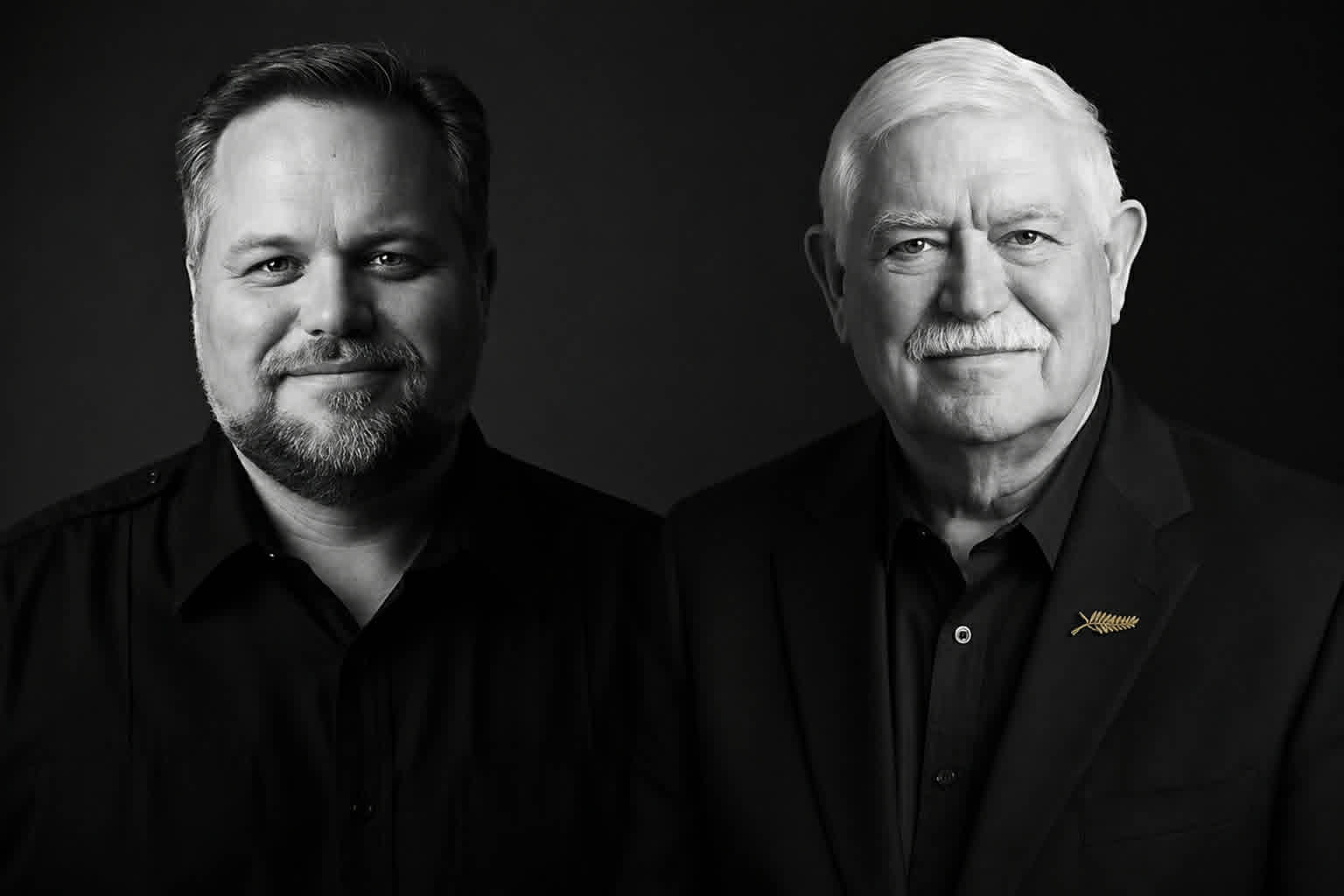
Our slate is positioned for the major streaming distributors — Netflix, Hulu, Disney+, Amazon, — each of which is actively seeking premium documentary and narrative work that travels internationally. We have three productions currently in play.
AMERICA BOXED IN
A feature documentary directed by Casey G. Williams and Ian S. Williams that uses the freight container — that unassuming steel box — as a lens through which to examine the seismic consequences of globalization. The film traces how the container has compressed the world, transferred power from governments to non-state actors, fractured political systems, and shifted wealth and influence from West to East. It is a meditation on the architecture of the modern world, told through the object that built it. The film has earned more than 100 awards worldwide.
THE WOVEN PATH
A Chinese scholar retraces the extraordinary journey of William Taylor — the only American POW to escape Japanese captivity and traverse occupied China during the Second World War, rescued and protected by Mao Zedong’s Eighth Route Army. The film weaves together a story of courage, cross-cultural compassion, and the enduring human threads that bind China and America across generations — a timely meditation on what the two nations once shared, and what they might share again.
THE ORNAMENT: A Christmas Story of Forgiveness and Redemption
In 1959 small-town America, a bitter, childless shopkeeper — whose wife was killed decades earlier by a drunk driver — receives a mysterious crystal ornament from a young boy. As the ornament gradually reveals a personalized vision of Christ’s compassion, culminating in the healing of Malchus’s severed ear, it awakens in the old man a capacity for forgiveness he had thought long dead. The story crests when he surrenders everything he has — including the ornament itself — to the very man who destroyed his life. It is a Christmas story about forgiveness and redemption.
WILD FILMMAKER can now “sit at the table with the big players” alongside The Hollywood Reporter and Variety during the Cannes Film Festival, but we have chosen to continue being a Global Cultural Movement with an ethical mission: to bring democracy into cinema, placing the Work of Art at the center of our project rather than Marketing. Do you think we are doing a good job?
Unequivocally yes. In an industry increasingly dominated by algorithms and marketing departments, no organization matches Wild Filmmaker’s commitment to placing the work of art at the center of the conversation — and no one matches your support for independent filmmakers. The decision to remain a global cultural movement with an ethical mission, rather than be absorbed into the trade-press establishment, is precisely what makes your voice indispensable. We hope to remain aligned with Wild Filmmaker, in any capacity that proves useful, for many years to come.
I am an explorer of words, but also of the silences between them, who believes in the magic of stories to transform the world into a more beautiful reality. As a fiction writer, poet, and screenwriter, I divide my time between the structure of society and the imaginary worlds I create, always searching for that point where emotion becomes universal.
-Do you remember the exact moment you fell in love with cinema?
It was a gradual revelation, but the defining moment came when I realized that a film can “write” with light and silence what I was trying to express through pages of prose and poetry. That ability of cinema to suspend time captivated me forever: light can become language, silence can be more powerful than any answer. That’s when I knew it was no longer just fascination, but belonging.
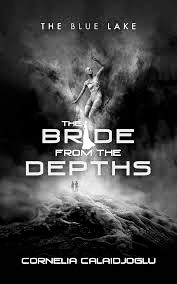
-Tell us about your project “The Bride From The Depths”.
“The Bride from the Depths” is a deeply personal project that started from a fascinating urban legend from the city of Câmpina, Romania, shaped by my obsessions: love, death, trauma, memory. It first took the form of a novel, where I explored themes such as war, death, and parental violence within a mystical atmosphere, and later became a film screenplay. It is a story that weaves Romanian folklore with magical realism. For me, this project represents the bridge between literature and image, an attempt to give visual form to a legend that has haunted the imagination of locals for generations.
-Which Director inspires you the most?
I am drawn to directors who have a strong visual aesthetic and literary depth, such as Tarkovsky for the poetry of images, or Pedro Almodóvar for the way he portrays feminine strength:
Manuela in All About My Mother loses her son, but rebuilds her life by helping other women—her empathy becomes strength.
Raimunda in Volver survives abuse, hides a crime, and protects her daughter.
Benigno & Alicia (in mirror) in Talk to Her: Alicia, though in a coma, becomes the moral center of the story; the film explores fragility and feminine autonomy.
-What do you dislike about the world and what would you change?
I am saddened by the lack of empathy and the speed with which we judge without listening. If I could, I would replace the background “noise” of today’s society with more introspection and a genuine desire to understand the other person’s story.
-How do you imagine cinema in 100 years?
I believe it will become a total sensory experience, where the barrier between the spectator and the screen will completely disappear. However, regardless of technology, the core will remain the same: the human desire to experience a good story.
-What is your impression of WILD FILMMAKER?
I see WILD FILMMAKER as a vital space for creative freedom. In an industry that can sometimes become too commercial, platforms that celebrate artistic cinema and give a voice to independent creators are essential for the survival of the artistic spirit.
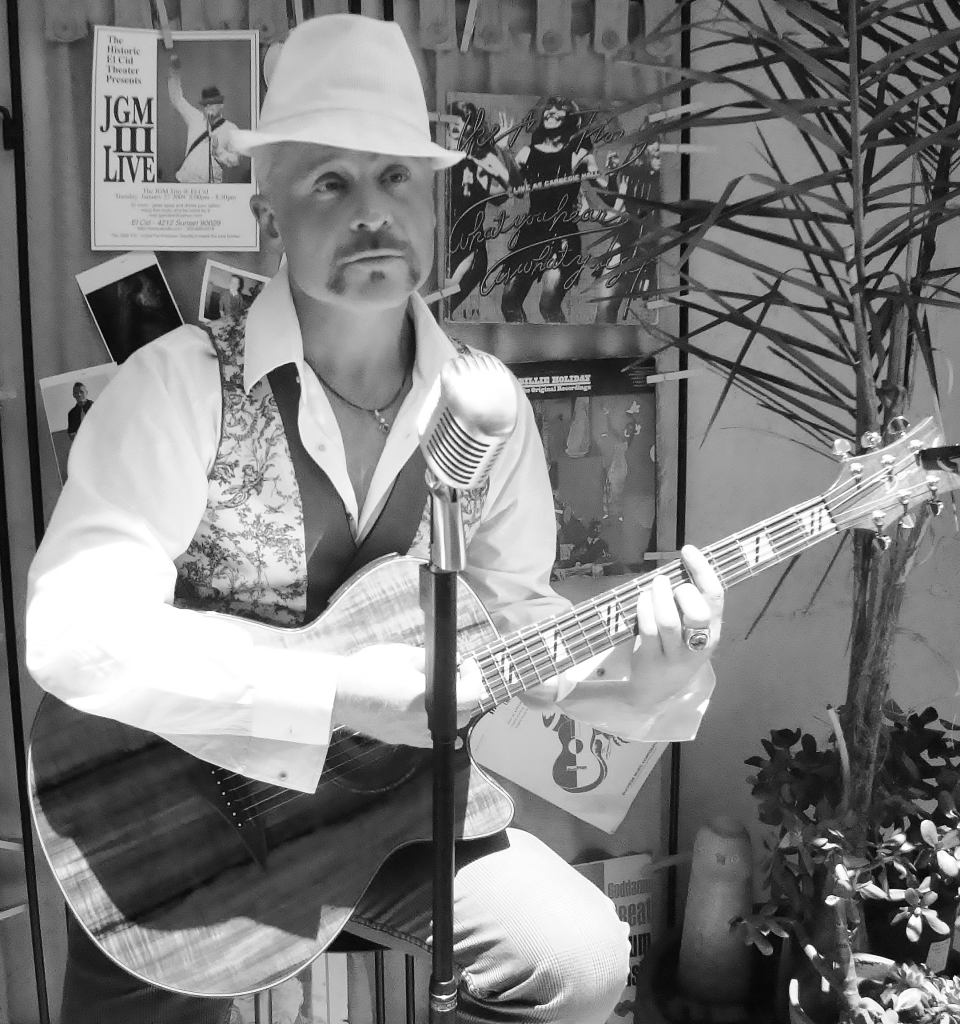
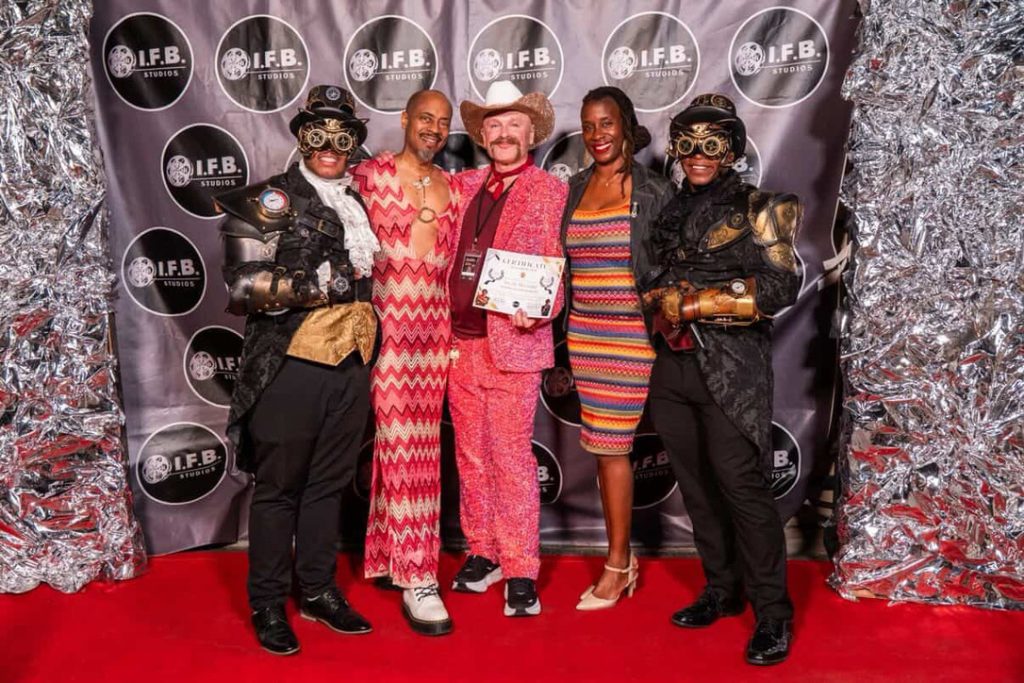
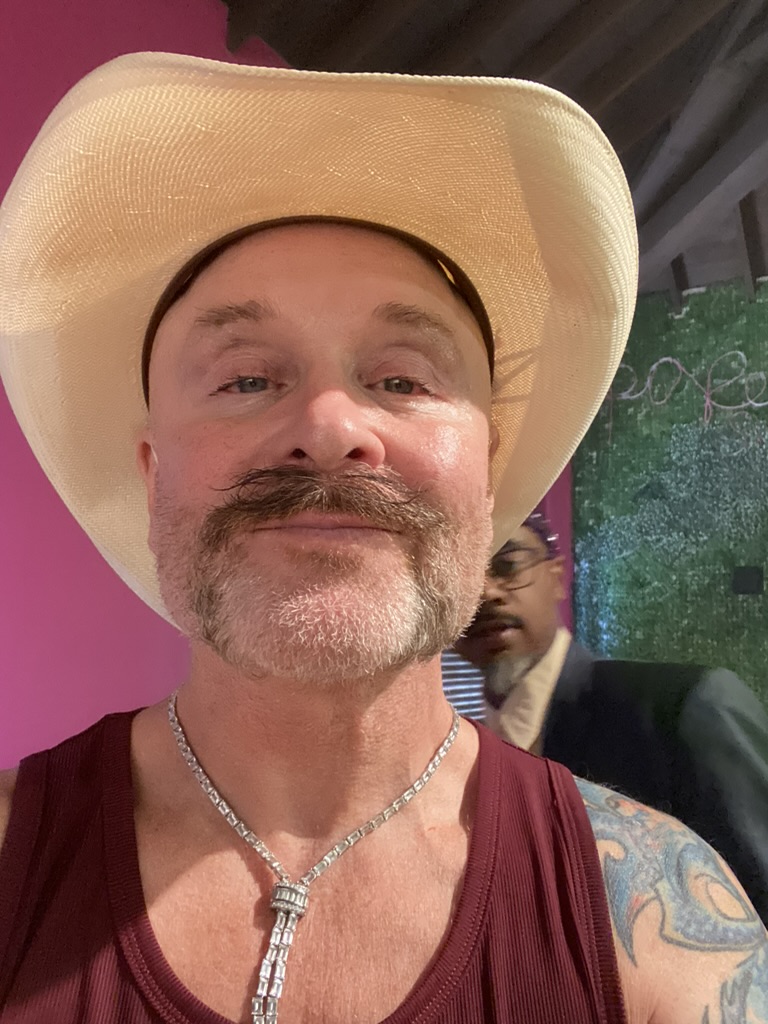
Jeffrey George Moline grew up a cowboy on a farm on a dirt road outside of Austin Minnesota – where the meat product Spam is created. He was a stranger in his home due to his sexuality. He grew up in a musical family. In 1980 at 19 years old he left his home and family and moved to Los Angeles where he overcame more adversity. He became strong and created a wonderful uniquely American family of his own. I have been a creator, an artist all my life. Life on lifes’ terms can be challenging and disappointing. We have jobs, bills, expectations, illness, misfortune – that stall or stop our idea of progress based on our perceived idea of what success looks like. It was age 65 when my lifetime of experience as a musician and storyteller combined with filmmaking and the support of friends and loved ones, that I was able to bring Grandpa’s Got A Brand New Pill to life.
Do you remember the exact moment you fell in love with cinema?
I was 8 years old and Mae West was my first – Hollywood Diva. On saturday nights at midnight KROC TV station out of Rochester Minnesota played old Hollywood Comedies. I was breaking the rules by staying up late, with my face inches from the old black and white television in the basement, the sound down low. Miss West impressed me because she wrote her own material and strutted across the screen, but I also loved W.C. Fields, The Marx Brothers. From then on I read any and everything I could, about film, film stars, the picture business and Hollywood. When I moved to Hollywood I would often go to watch these classics on the big screen at revival theaters.
Tell us about your project “Grandpa’s Got A Brand New Pill”.
Our short musical film began as a song inspired by my then 80 year old mothers boyfriend taking too much Viagra and thinking he was having a heart attack. I then decided at age 65 to reinvent myself as a musical artist and take my talents outside the world of dingy clubs and into the world as a musician and filmmaker. So I wrote a short story about a fiesty woman on the eve of her 96th birthday who insists on a happy ending so she shows up with Viagra and weed. The senior residents of Shady Nook get happy and the police are called. Having lived in Hollywood so long I’ve met many actors so I reached out to my friends and tailored the parts for their particular talents. Grandpa’s Got A Brand New Pill has provoked laughter around the globe. Our next short musical comedy film is titled Two Tears In A Bucket and begins shooting late this summer of 2026.
Which Director inspires you the most?
Luc Besson – I enjoy the world he creates in his films. The Fifth Element is one of my favorite films. The color, the costumes and characters are amazing. I also love Indian films with dancing scenes.
What do you dislike about the world and what would you change?
Obviously LGBT hatred. It is difficult to navigate a hostile world. I practice Nichiren Buddhism with the SGI USA. I believe a person can undergo an inner transformation, a human revolution, a change in their character and that act itself provokes change and transformation in our physical environment. I have seen this play out in my own personal life. So I am helping make a change for the better by continuing to listen, learn, grow and change and cultivating my humanity daily.
How do you imagine cinema in 100 years?
Everyone will be able to use AI to make personal films.
What is your impression of WILD FILMMAKER?
It feels like a wonderful opportunity to connect to other filmmakers, connect to festivals and meet other wonderful people who create and love art.
I am a creative producer and writer focused on film and television content. Storytelling is a world I love to go to and see how far I can take it. To develop quality, but original high-concept stories, or story-driven intellectual properties – I care deeply about developing original, high-concept, story-driven projects that feel both engaging and on a journey you might never explore.
My focus isn’t on chasing what fits a big-budget mold, but on creating stories that genuinely connect with audiences—work that feels human, authentic, and lasting. I’m especially interested in stories that open a window into different cultures, with the hope that they not only entertain, make you feel, but also broaden understanding in a real and thoughtful way.
Do you remember the exact moment you fell in love with cinema?
When I first felt the magic, the impossible possible, the power of opening the mind and being inspired.
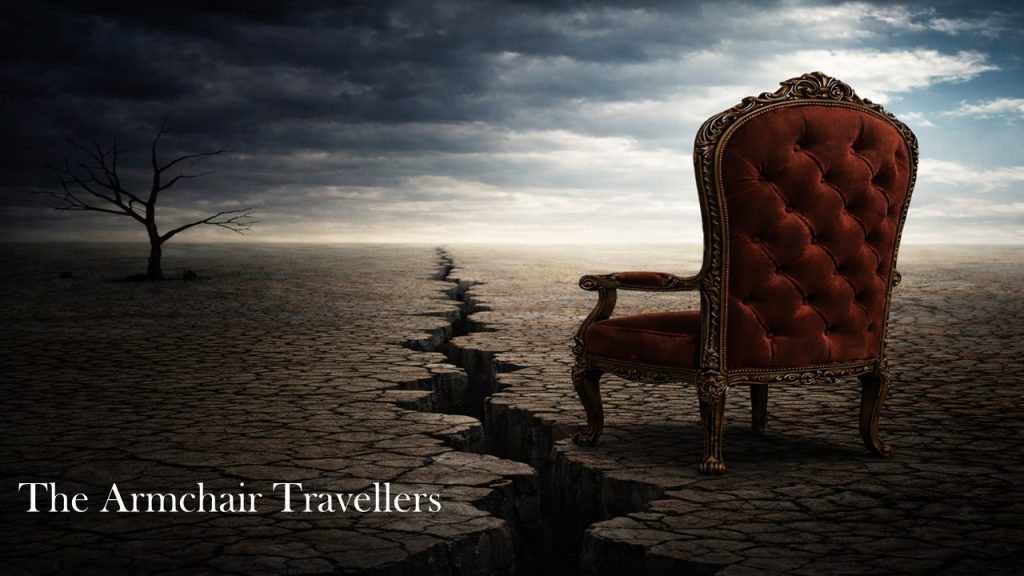
Tell us about your project “THE ARMCHAIR TRAVELLERS”.
The story is a wholly original and a high-concept screenplay, with multi-award-winning recognition both here in the US and on the international stage as Best Fantasy/Sci-Fi, and Thriller.
The Armchair Travellers is a genre-defying cinematic journey – blending fantasy, historical literature, rom-com warmth and thrilling fearless adventures. In a world where books come alive, the most extraordinary story is not found between the covers – but between the lines.
What begins as a miraculous gift of human desire, all play out across worlds beyond the written word. As the female led ensemble chase their deepest wishes, they discover that dreams can come true- but only some come without a price.
The “Chair” / Does the chair possess a consciousness of its own, quietly observing and deciding who may wield it? Is it inherently benevolent, guiding its occupant toward healing and revelation, or does it harbor a darker intent, subtly steering events toward chaos?
It’s full of Wild Magic with Heart. www.thearmchairtravellers.com
-Which Director inspires you the most?
There isn’t one. The directors like the Cohen Brother, or Wes Anderson, to Peter Jackson are just a few because they are not afraid and with vision.
What do you dislike about the world and what would you change?
Opportunity is still unevenly distributed. There’s more information than ever, but not necessarily more clarity, and I think because of this, we seem to be in short supply of kindness, realizing we are all human and beings. I’d want a world that’s a little more intentional and a lot more giving.
How do you imagine cinema in 100 years?
Honestly, with A.I. at our doorstep, I find it hard to answer. However, I believe good stories, by humans, will remain the light in the dark and we will be choosing films to watch, based on human versus A.I. It is already happening.
What is your impression of WILD FILMMAKER?
What matters most to me is that you’re continuing to support the arts at a time when everything is changing so quickly. That kind of commitment isn’t small—you’re helping shape where things go next.
By standing behind storytelling, you’re opening hearts, shifting perspectives, and giving space for work that truly connects with people. That has real impact.
Wild Filmmaker feels fearless in that way, and willing to support bold stories, meaningful voices, and projects that say something. You’re not sitting on the sidelines of change.
And it really does feel like a wave, a big one. The industry is evolving, the world is evolving, and you’re helping carry that momentum in a direction that values stories not just for the moment, but for what they can mean over time.
– When you plan the realization of a film project, what are your objectives?
My objective is to create an experience that continues after the film ends.
With Asherah: A Love Odyssey, I wasn’t interested in simply telling a story—I wanted to construct a space the audience steps into. The film moves through five movements—invitation, witness, origin, completion, and declaration—designed to be felt as much as understood.
I’m not trying to deliver answers. I’m trying to activate recognition. When it works, the audience doesn’t leave with a conclusion—they leave with the sense that something has opened.
That’s the objective: not closure, but continuation.
– With Artificial Intelligence, cinema is undergoing a phase of transformation even more radical than the one that occurred in the 1920s with the transition from silent films to sound. What is your opinion on this?
AI is accelerating cinema—but it’s also exposing it.
The tools are no longer the barrier. Images, voices, even structure can now be generated at scale. That shift forces a deeper question: if anyone can make something, what makes it matter?
The answer is intention.
AI can replicate form, but it cannot originate meaning. It doesn’t live, it doesn’t risk, it doesn’t choose. What we’re seeing isn’t the replacement of filmmakers—it’s the removal of excuses.
Cinema is moving from execution to authorship.
This isn’t the end of something—it’s the beginning of accountability.
– To which production or distribution company would you like to propose your new project? Give us a profile, including some examples.
I’m looking for partners who understand that cinema is evolving beyond a single format—it’s becoming a living ecosystem.
Companies like A24, Neon, and CJ ENM stand out because they support work with a clear identity that still travels globally. They recognize tone, authorship, and cultural positioning—not just output.
Asherah is designed as a chaptered narrative universe, with the feature film as its opening movement. The right partner sees beyond a single release and understands how story, character, and world evolve together over time.
This is not just about distribution—it’s about alignment.
– WILD FILMMAKER can now “sit at the table with the big players”… Do you think we are doing a good job?
Yes—and more importantly, you’re doing the right job.
Cinema has always existed in tension between art and commerce. What you’re doing ensures the work itself doesn’t disappear inside that tension. By keeping the focus on the film—not just the market—you preserve the reason the industry exists in the first place.
That doesn’t oppose the system. It stabilizes it.
Without spaces that prioritize the work, the industry loses its center—and everything becomes noise.
What you’re building cuts through that.
Final Line
I don’t see cinema as something we inherit fully formed.
I see it as something left open— not abandoned, but waiting for us to complete it.
-When you plan the realization of a film project, what are your objectives?
First off, I thank the WILD FILMMAKER editorial staff for including me in the Cannes Film Market. My primary objective upon the conception of a new screenplay is to tell a story derived from my personal experience in a manner that will resonate with many moviegoers. I have learned that is the most essential aspect of a story from Tammy Gross of ReelAuthor (tammygross.com) my friend and film script guru since 2022. My film scripts American Money and Padre Guns do just that. I have signed an Artist-Producer agreement with Incandescent Pictures, an independent film producer based in Nashville, to produce American Money in the near future. Padre Guns, a film script addressing sacrifice & redemption, will likely hit the market in late April. On the other hand, an example of one of my film script ideas that needs a lot of work is Peace Of Mind, the story of my 1990 exit from Wall Street. Tammy read the “barf” draft of the script and made the astute and valid comment about a key character, who was based on my extramarital girlfriend at the time, “No man will want to watch this movie with his wife.” So, it’s back to the drawing board to make that aspect of what I believe to be a great story that would have been completely screwed by the fictional Lana Grace, whom I love but everyone else would have despised.
-With Artificial Intelligence, cinema is undergoing a phase of transformation even more radical than the one that occurred in the 1920s with the transition from silent films to sound. What is your opinion on this?
The effects of AI on all art are akin to a major earthquake caused by the movement of major tectonic plates. I’ve read filmmakers can easily duplicate intellectual property such as musical performances and visual designs. AI has even given filmmakers the ability to “manufacture” a person; there’s no need to discover a Norma Jeane Mortenson in a World War II airplane factory because AI can simply generate a Marilyn Monroe. So, those artists need legal protection. In my humble opinion, writers are better protected, for now; I believe the current state-of-the-art of AI cannot write quality film scripts, but AI is getting better and better as the calendar pages flip. I’m 92 days away from my 70th birthday. By the time I live out my natural life, by the grace of God, AI will be as good as Tammy and I are now. I love to paraphrase the idea Al Franken expressed in an article on the subject of AI versus native intelligence published in The New Yorker during the recent Writers’ Guild strike: Artificial Intelligence has never hugged the porcelain throne puking its guts out from food poisoning after being jilted by a lover. Native intelligence rules…for now. Stay tuned. Don’t touch that dial.
-To which production or distribution company would you like to propose your new project? Give us a profile, including some examples.
Film festival juries since February 2025 have primarily steered American Money toward indies and arthouses. Then, in November I signed with Incandescent Pictures. I believe this trend is because of how I tend to write, and I’m thrilled with those prospects. One indie producer has already committed to read Padre Guns. Once I make Lana Grace more palatable, I can see Peace Of Mind headed toward arthouses. A fourth film script idea for which I’ve written the ending, Soaring Dove, may have the potential for more mainstream production. An Everyman helps a woman who is the future of benevolent American politics resolve a threat to her constituents. It’s set in the mid-1990s and has a Notting Hill feel to it. So, we shall see about that one. I love how I got here and I like where I’m headed. Indies and arthouses are fine with me.
-WILD FILMMAKER can now “sit at the table with the big players” alongside The Hollywood Reporter and Variety during the Cannes Film Festival, but we have chosen to continue being a Global Cultural Movement with an ethical mission: to bring democracy into cinema, placing the Work of Art at the center of our project rather than Marketing. Do you think we are doing a good job?
Absolutely! WILD FILMMAKER is doing a wonderful job, and I’m speaking both as an artist and a fan of film. Every movie begins with an idea; placing the work of art at the center only makes sense because that makes marketing easier. Personally, as a screenwriter, WILD FILMMAKER has taken me places I never thought were assessable to me. I’m a retired mechanical engineer who sought advice from three great writing teachers to turn his hobby into calling waiting to happen. I have the utmost appreciation for Michele Dioma and the editorial staff of WILD FILMMAKER. Thank you all. It’s been an awesome journey that I hope never has a destination. May the Peace your higher power gives you be as sweet as the Peace that The Holy Trinity provides me.