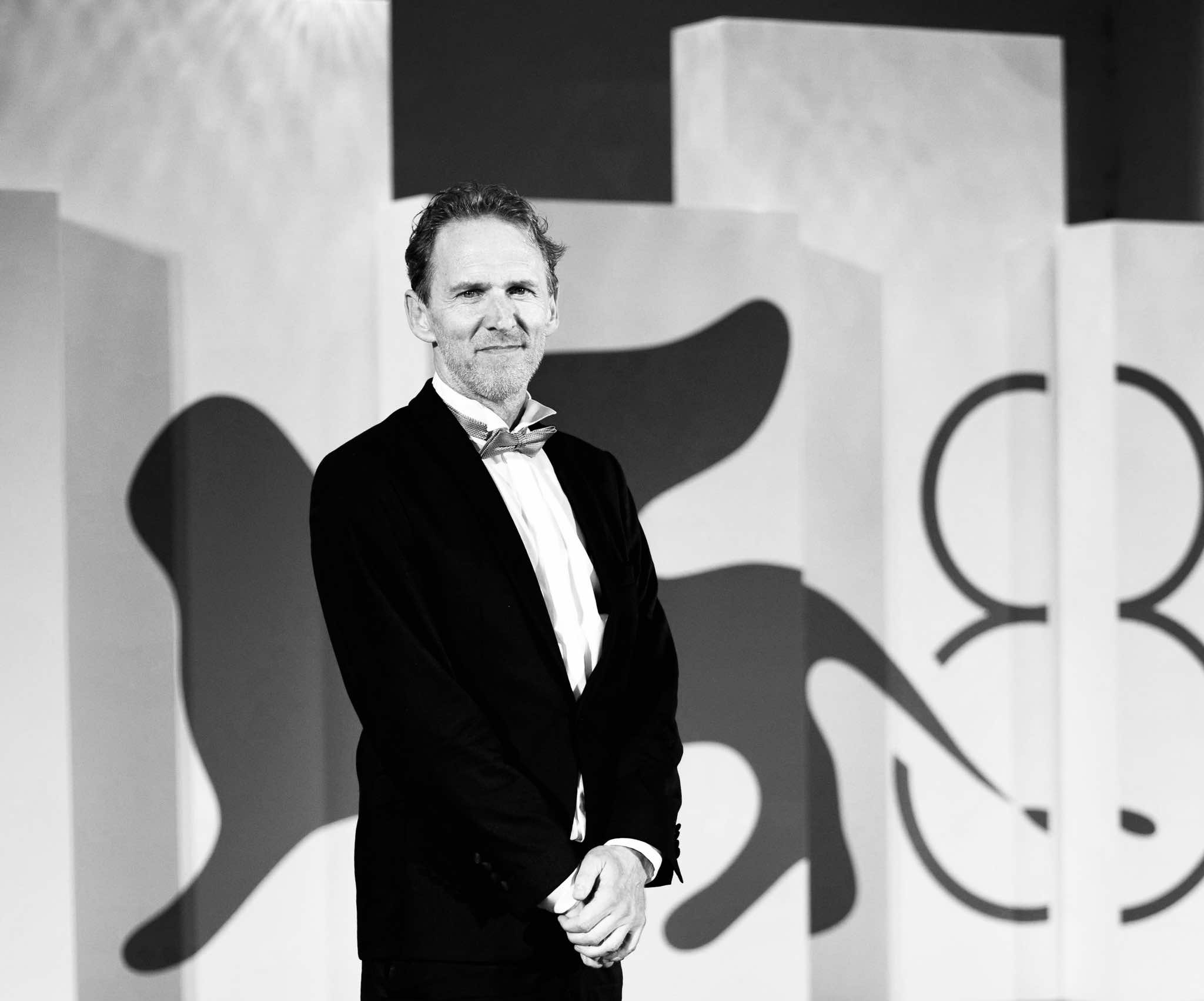
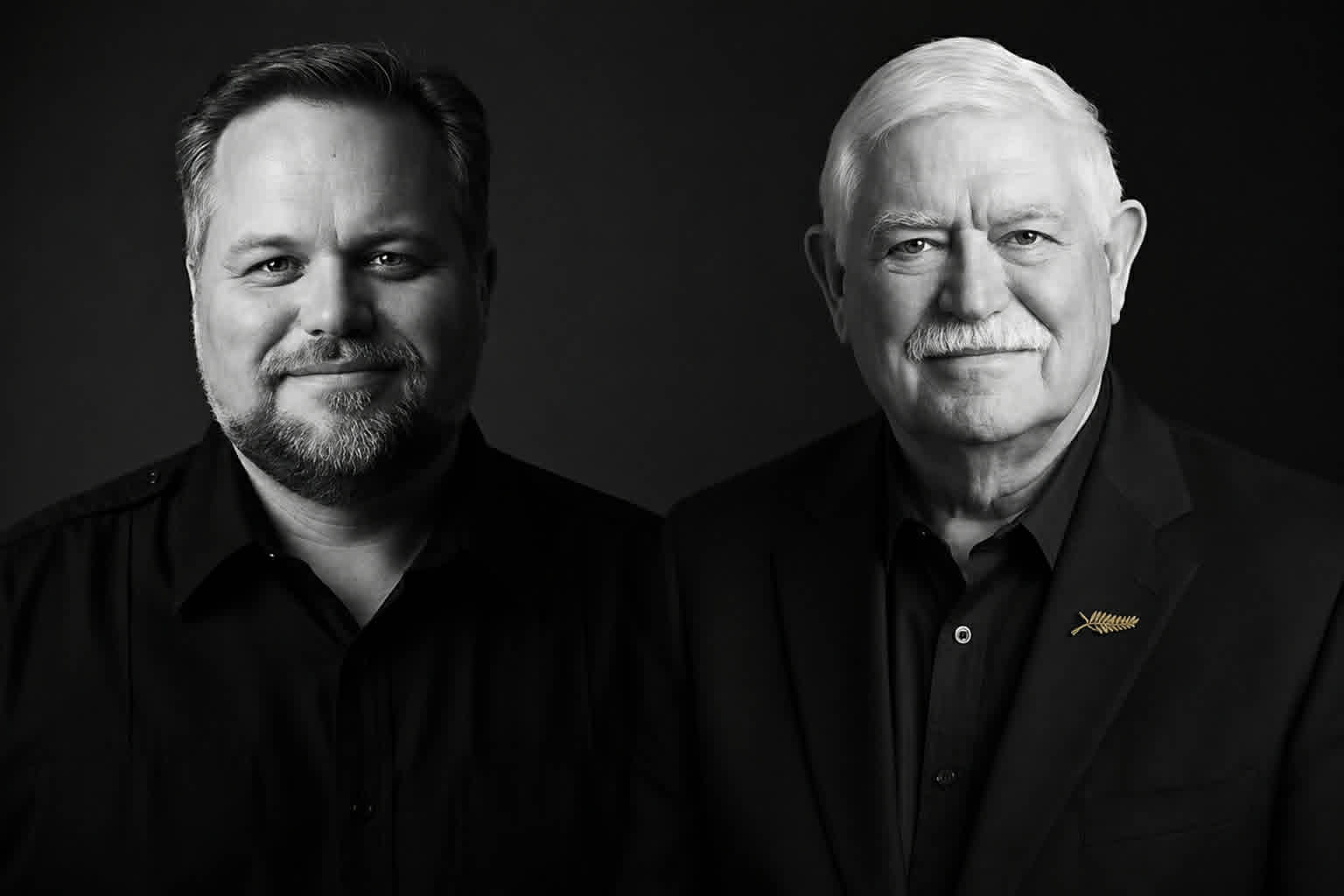
-When you plan the realization of a film project, what are your objectives?
When I plan a film project, my objectives are clear: to build a narrative that holds on screen, to structure a viable production model, and to ensure the film reaches the audience in its full form.
The starting point is always conflict. It is what organizes character, action, and language. From there, I approach the film both as an artistic work and as a product. I aim for a narrative with a strong identity, but also with the capacity to circulate in festivals, theaters, and streaming platforms. Planning must balance dramatic strength with real production feasibility.
I seek to develop projects with solid dramatic consistency, a defined language, and a clear market positioning. This guides every decision, from script to direction, from budget to distribution strategy.
I work with my feet on the ground, within the possibilities of independent cinema, without giving up aesthetic ambition. Creativity is the axis that sustains this equation, allowing the project to achieve quality and compete in the international circuit.
– With Artificial Intelligence, cinema is undergoing a phase of transformation even more radical than the one that occurred in the 1920s with the transition from silent films to sound. What is your opinion on this?
Artificial Intelligence is just another tool. The creative process remains human. Creation requires decision, and decision is human.
Cinema comes from experience, conflict, and intuition, elements that cannot be automated. Artificial Intelligence can support technical stages and research processes, but it does not replace the eye, the decision, and the responsibility of the creator.
The transition from silent to sound cinema transformed language. AI impacts the process. These are different natures.
The risk is not in the technology, but in how it is used. The tool cannot dictate content. If that happens, cinema loses its identity. AI expands possibilities, but it must function as support. Authorship and creativity remain human.
– To which production or distribution company would you like to propose your new project? Give us a profile, including some examples.
I am looking for partners with international reach, capable of connecting my films to different territories and platforms, without losing the project’s identity. My interest is in production and distribution companies working in independent cinema, with presence in festivals and experience in international sales, both for theaters release and streaming licensing, with a real capacity to bring the film to the audience. Partners who follow the project, understand its positioning in the market, and sustain its trajectory after completion.
Projects like Doctor Hypotheses 2 call for this kind of partnership, with an international vision and practical experience in film circulation, capable of articulating co-productions, accessing funds, and building a consistent trajectory across festivals, theaters, and platforms.
– WILD FILMMAKER can now “sit at the table with the big players” alongside The Hollywood Reporter and Variety during the Cannes Film Festival, but we have chosen to continue being a Global Cultural Movement with an ethical mission: to bring democracy into cinema, placing the Work of Art at the center of our project rather than Marketing.
The proposal is relevant. Placing the work at the center is essential. But this needs to have the magic word of cinema: action. It cannot be just discourse. It has to be practice and sustain this position within a market driven by marketing. If you can maintain this commitment over time, you are on the right path, and we will be applauding.
– Do you think we are doing a good job?
The path is interesting. The fact that you open space for the film and for the independent filmmaker is a major differentiator, especially for those working outside the center of the major industrial market. But the result is measured in practice, in the way projects are presented, followed, and positioned in the market. If this commitment is maintained, then yes, it is an exceptional work.
– When you plan the realization of a film project, what are your objectives?
I am happiest when I am creating something new and challenging. I aim for my films to explore unusual stories or themes and to have a distinctive visual style. Another key objective is to assemble a dream team of talented production professionals who are not only experts in their fields but also enjoyable to collaborate with.
– With Artificial Intelligence, cinema is undergoing a phase of transformation even more radical than the one that occurred in the 1920s with the transition from silent films to sound. What is your opinion on this?
What used to exist as a written film treatment is now evolving into something much closer to the final vision. With the advent of new AI tools, directors can present scenes in a more cinematic and concrete way—using AI as an advanced form of previsualization. This makes collaboration with cinematographers, actors, stunt coordinators, and CGI artists easier and more effective even before shooting begins. It allows the entire team to discuss, refine, and enhance the vision early in the process.
– To which production or distribution company would you like to propose your new project? Give us a profile, including some examples.
I am interested in collaborating with production and distribution companies that value bold, visionary storytelling and are open to unconventional narratives. Ideally, these would be companies that support distinctive visual styles and are willing to take creative risks. Examples include companies known for championing auteur-driven cinema and innovative filmmaking approaches.
– WILD FILMMAKER can now “sit at the table with the big players” alongside The Hollywood Reporter and Variety during the Cannes Film Festival, but we have chosen to continue being a Global Cultural Movement with an ethical mission: to bring democracy into cinema, placing the Work of Art at the center of our project rather than Marketing. Do you think we are doing a good job?
Yes, absolutely. Avant-garde, underground, and edgy films are given meaningful exposure and strong support through the Global Cultural Movement of Wild Filmmaker. It is inspiring to see a platform that prioritizes artistic integrity and creative freedom while amplifying diverse and unconventional voices in cinema.
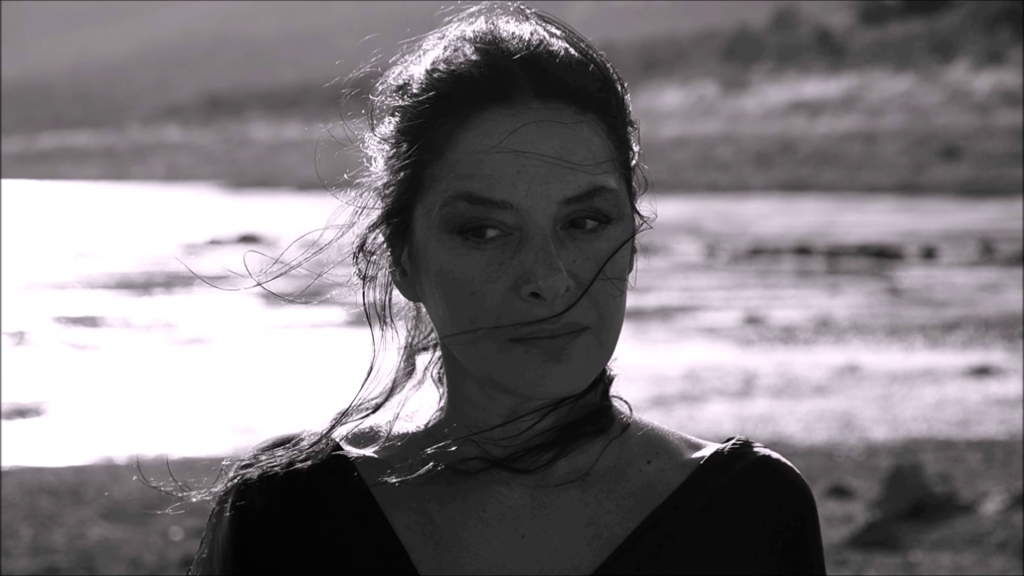
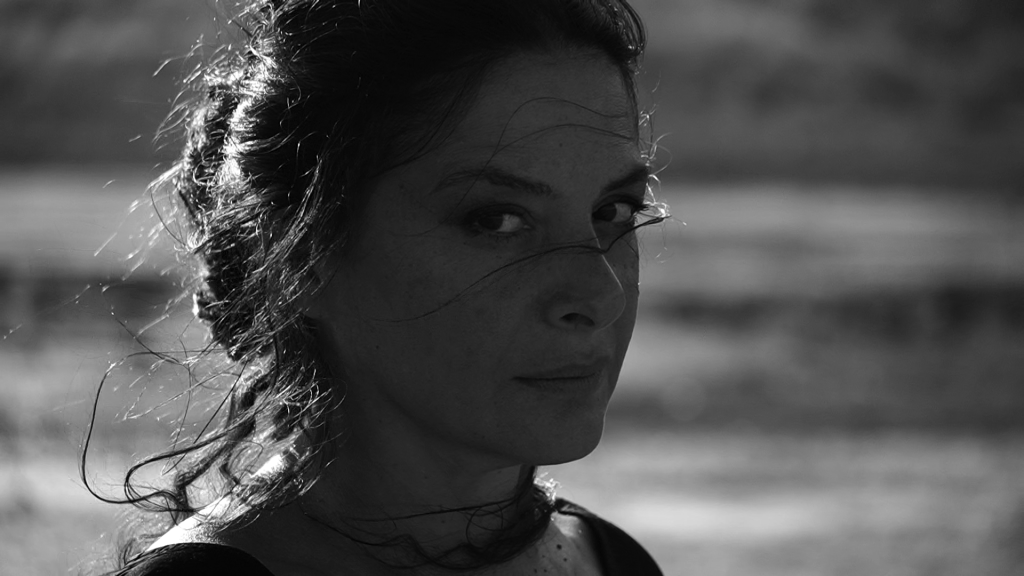
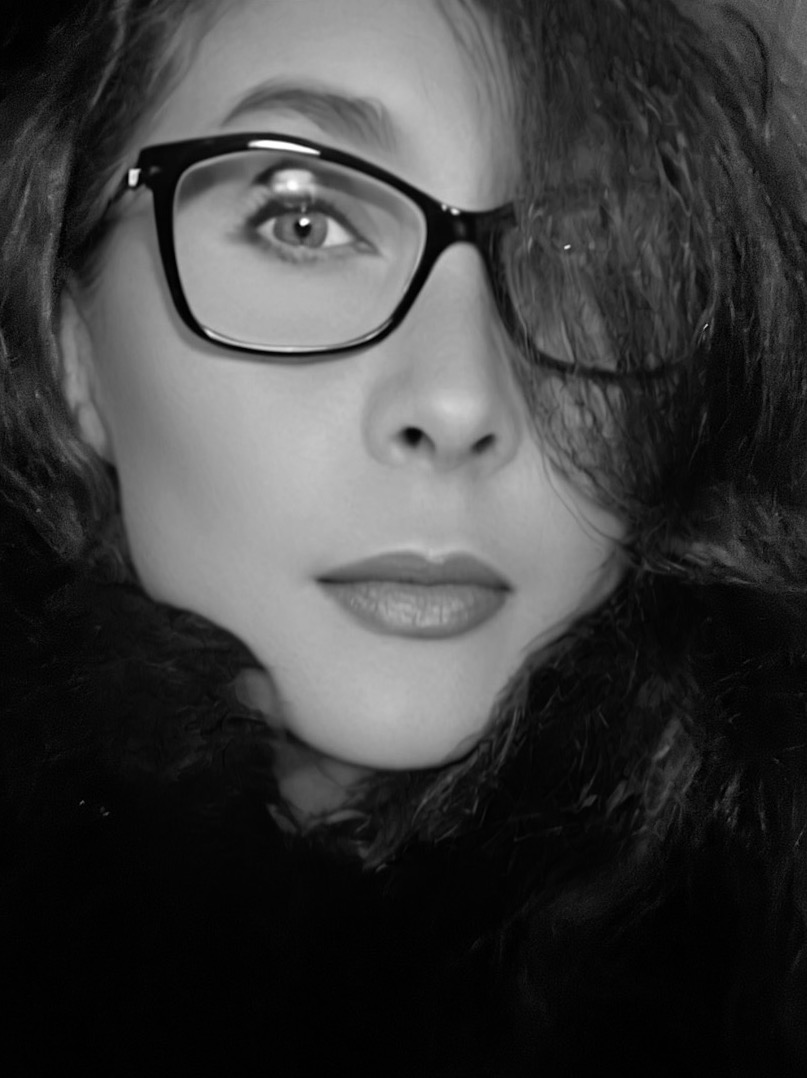
I am an artist working across acting, theatre and film directing, and poetry, based in Greece. My work as an actress includes collaborations with major cultural institutions such as the National Theatre of Greece, the Greek Art Theatre Karolos Koun, the National Theatre of Northern Greece, the Athens and Epidaurus Festival, and many others, encompassing total participation in more than thirty theatre productions, including many leading parts. My directorial portfolio comprises four stage productions, most recently Tennessee Williams’ Two-Character Play, presented under the auspices of the Hellenic Institute of Cultural Diplomacy—USA and currently touring Greece. My literary work includes four published poetry books. Among these, Encore—Women of Odyssey engages with the female figures of Homer’s Odyssey through a contemporary poetic lens, while Primordial provided the conceptual and textual basis for the multi award-winning poetic film Primordial. In addition to my artistic practice, I am the founder of the artistic company Maldoror focusing, among other, on international cooperation and development and on the promotion of work that foregrounds women’s identity and creativity.
Do you remember the exact moment you fell in love with cinema?
When I saw Maya Deren’s Meshes of the Afternoon and the legendary film Evdokia by the Greek director and actor Alexis Damianos, whom I had the pleasure of meeting in person, and who played a role in my decision to pursue theater, since during a recording session he pushed me to a level I hadn’t known I was capable of reaching. I think that in every area of my life, I’m drawn to creations made by people who dare to go against the grain.
Tell us about your project “Primordial”.
Primordial is a poetry/experimental film set in a wasteland, featuring an enigmatic woman—who could be an idea, history, or simply a human being of our times—who comes face to face with an end. The film is based on my book Primordial (Archegoni), which consists of poetic fragments and is inspired, among other, by Shakespeare’s The Tempest and the obscure Sykorax. I am interested in women as bearers of inner power and spiritual birth. The film Primordial, which we co-directed with George Zorbas, has participated in thirty international festivals in Greece, Brazil, Mexico, Russia, Malta, Serbia, Bulgaria, India, Belgium, the Netherlands, Thailand, Malta, France, Germany, the United Kingdom, Spain, the United States of America, and other, and has won ten honorable mentions and international awards.
Which Director inspires you the most?
Werner Herzog, because he works across different film genres, has made some much-loved films, such as Where the Green Ants Dream, Woyzeck, Stroszek, The Enigma of Kaspar Hauser, and amazing documentaries, and has never compromised. Alejandro Jodorowsky, with his dazzling, poetic cinema, is truly admirable; lately, I’ve also been discovering many experimental films that I greatly enjoy watching and marveling at how they were created under the conditions of their time. And I’ve also discovered a female director I didn’t know about, and I’m going to start studying, Sarah Maldoror, the mother of African cinema.
What do you dislike about the world and what would you change?
The lack of imagination and complete subservience to money. Generations of one-dimensional people are contributing to the perpetuation of the same suffocating environment that knows only how to profit from destruction. I wish we could believe in the good that lies within people.
How do you imagine cinema in 100 years?
Divided, just like our world. On the one hand, the majority of films lack imagination, packed with technology and following the same old formula; and on the other, films that explore, that center on the human being as a living entity, and that speak not to consumers, but to human beings with a soul.
What is your impression of WILD FILMMAKER?
A fresh perspective on the world of cinema and an international creative community that celebrates diversity and authenticity.
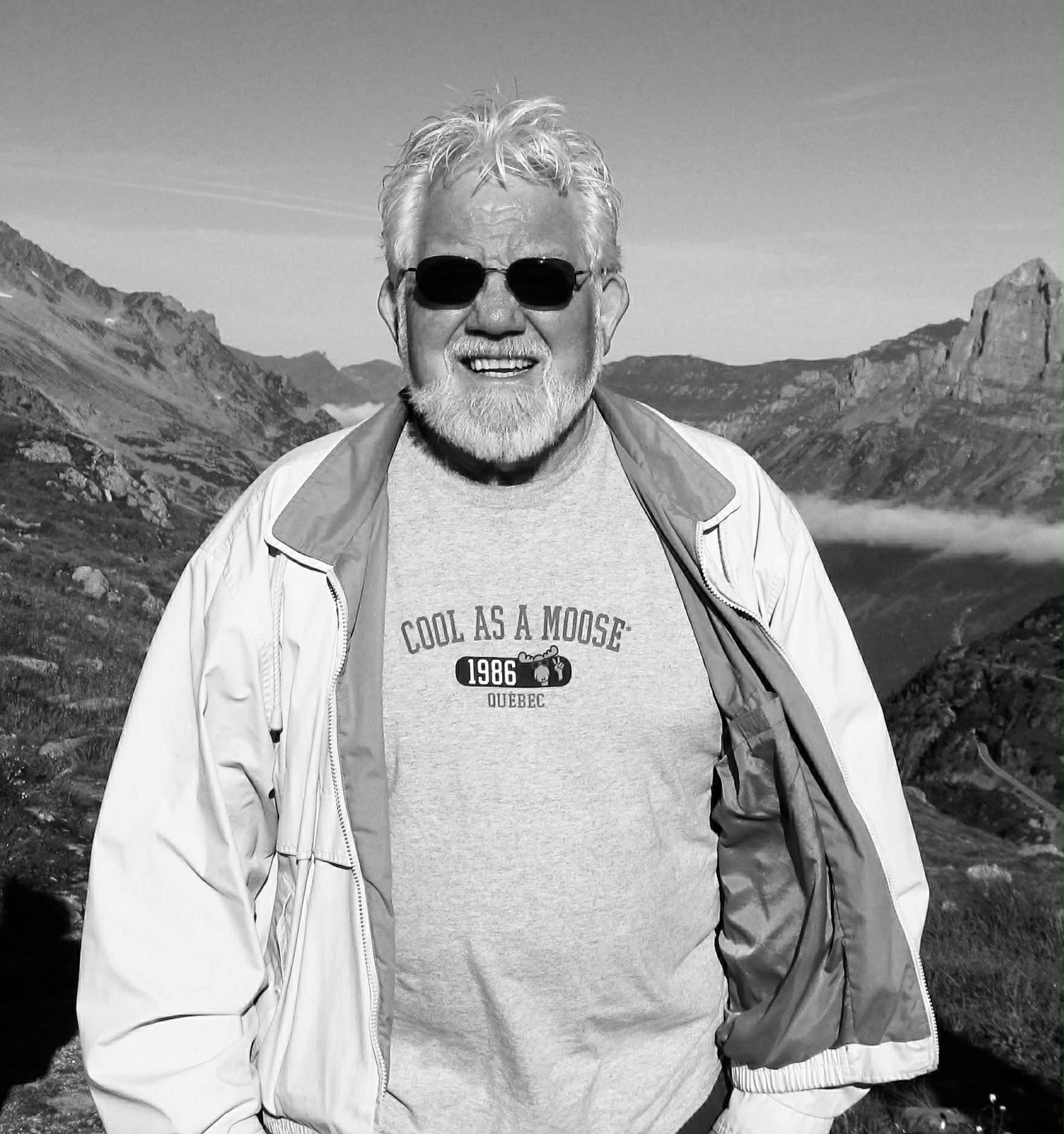
Born in Frankfurt am Main in November 1973, Kai has called Spain home since 1994.
His screenplay LAMBADA THE DANCE OF FATE made history, earning over 120 accolades across five continents — making him the most decorated debut screenwriter for a single biographical screenplay in cinema history.
Now, Kai turns a new and exciting page with his latest screenplay, MASTER HEIST – A True Christmas Fiction. Barely out of the starting gate, this bold new work has already captured 7 awards and 3 official selections on the international circuit — this includes winning the prestigious ABAFTA (Arthouse British Academy of Film and Television Arts) Awards 2026 and the Final Competition of the Indie Oscar 2026 in Los Angeles. The world, it seems, is once again paying close attention.
-When you plan the realization of a film project, what are your objectives?
When I plan the realisation of a film project, my objectives operate on several levels simultaneously — and they are all equally non-negotiable.
The first objective is always the story itself. Everything else — budget, casting, distribution, format — must serve the story, never the other way around. With both MASTER HEIST and LAMBADA THE DANCE OF FATE, the narrative architecture was built from the very beginning with a clear understanding of what each story needed to breathe. MASTER HEIST, for instance, was conceived with contained production value in mind — strong commercial appeal without sacrificing creative boldness. That balance is not an accident. It is a deliberate creative and practical decision.
The second objective is finding the right partnership. I have learned — sometimes the hard way — that the wrong collaboration can be more damaging than no collaboration at all. I am not simply looking for a producer or a director. I am looking for someone who understands what these stories are truly about. Someone who sees Mateo Vega, my protagonist, not just as a character, but as a statement. Someone who is as unafraid of the edge as I am.
The third objective is longevity. I do not write films I want people to watch once and forget. MASTER HEIST is already conceived to function as both a standalone feature and a natural entry point into a limited series — because the best stories deserve room to expand, to breathe, to surprise you a second time.
-With Artificial Intelligence, cinema is undergoing a phase of transformation even more radical than the one that occurred in the 1920s with the transition from silent films to sound. What is your opinion on this?
This is perhaps the most urgent and fascinating question facing cinema today — and I think it demands honesty rather than comfort.
Artificial Intelligence is not coming for cinema. It is already here. And yes, I believe the transformation it is triggering is every bit as radical — perhaps even more so — than the seismic shift from silent film to sound. That transition changed the technology of storytelling. What AI is doing now goes deeper. It is challenging the very definition of authorship, of creativity, of what it means to make something.
And that terrifies some people. I understand why. But it does not terrify me.
Here is what I believe. AI is a tool — the most powerful and most misunderstood tool the creative world has ever been handed. Like any tool, its value is entirely determined by the hands that hold it. A camera in the wrong hands produces nothing of consequence. The same camera in the hands of a Coppola or a Kubrick changes the world. AI will be no different.
What AI cannot replicate — what it will never replicate — is genuine human experience. The specific weight of loss. The particular texture of longing. The irrational, magnificent, destructive hunger of someone like Mateo Vega, who burns everything down just to be heard. Those things do not come from an algorithm. They come from a life actually lived.
My concern is not that AI will replace great storytellers. My concern is that the industry, in its perpetual chase for efficiency and profit, will use AI as an excuse to stop looking for them.
The transition to sound silenced some voices and amplified others. AI will do the same. The question — the only question that matters — is whether the industry will have the courage to ensure that the voices it amplifies are the ones with something real and necessary to say.
I intend to be one of those voices. With or without the machine.
-To which production or distribution company would you like to propose your new project? Give us a profile, including some examples.
This is a question I have thought about deeply — because the right home for MASTER HEIST is not simply the biggest name or the deepest pockets. It is the right creative culture. The right appetite for bold, original, commercially viable storytelling.
With that in mind, there are several companies that represent exactly the kind of partnership I am looking for.
A24 sits at the very top of that list. They have built something genuinely rare in modern Hollywood — a brand synonymous with creative courage and artistic integrity that nonetheless delivers consistent commercial results. Films like Everything Everywhere All at Once, Hereditary, and Midsommar prove that A24 understands something most studios have forgotten — that audiences are hungry for the unexpected. MASTER HEIST, with its meta-cinematic boldness and darkly original premise, feels entirely at home in their catalogue.
Working Title Films is another natural fit — particularly given the European dimension of my work. With a legacy that spans Four Weddings and a Funeral, Atonement, and The Theory of Everything, Working Title has consistently demonstrated an ability to bridge intimate, character-driven storytelling with genuine international commercial appeal. That balance is precisely what both my screenplays are built on.
Canal+ and StudioCanal represent the European pathway — and given the distinctly Mediterranean soul at the heart of MASTER HEIST, a company with deep roots in European cinema and strong international distribution infrastructure would be a powerful ally.StudioCanal’s history with films like Paddington, The Motorcycle Diaries, and Blue Is the Warmest Colour demonstrates a remarkable range and a genuine commitment to stories with a distinctive cultural identity.
For the streaming dimension — and given the series potential already built into MASTER HEIST — Netflix and Apple TV+ are the natural conversations to be having. Apple TV+ in particular has shown an extraordinary willingness to back original, ambitious projects from distinctive voices. The Banshees of Inisherin, Killers of the Flower Moon — these are films that take their audience seriously. That is exactly the company I want to keep.
Ultimately, the ideal partner is one who sees what I see — that MASTER HEIST is not just a film. It is a franchise, a conversation, and a statement. And that the audience waiting for it is larger, and hungrier, than anyone might yet imagine.
-WILD FILMMAKER can now “sit at the table with the big players” alongside The Hollywood Reporter and Variety during the Cannes Film Festival, but we have chosen to continue being a Global Cultural Movement with an ethical mission: to bring democracy into cinema, placing the Work of Art at the center of our project rather than Marketing.Do you think we are doing a good job?
Absolutely — and I want to say this with complete sincerity: Wild Filmmaker is doing an extraordinary job. Not just a good job. An extraordinary one.
What you have built is something the industry genuinely needs and, if we are honest, has been afraid to build for itself. The fact that Wild Filmmaker can now sit at the same table as The Hollywood Reporter and Variety during Cannes is not a small thing. That is a seismic shift. That is years of relentless work, uncompromising vision, and the kind of stubborn belief in something bigger than commercial gain that the industry rarely rewards — until suddenly, it cannot ignore it anymore.
But here is what I find most compelling about Wild Filmmaker’s position — and this is something I feel deeply as a filmmaker and screenwriter myself. You have chosen to remain a Global Cultural Movement with an ethical mission. To place the Work of Art at the centre, rather than the marketing machinery that so often suffocates it. That choice, made from a position where you could have easily gone the other way, says everything about the integrity of what you are doing.
And yet — and this is important — one does not necessarily rule out the other. Sitting at the table with the big players and maintaining an ethical, democratic mission are not opposing forces. They never were. In fact, I would argue that the most powerful position in any industry is the one where you have earned the respect of the establishment while refusing to be defined by it. That is exactly where Wild Filmmaker stands today.
Democracy in cinema is not a romantic ideal. It is a necessity. The greatest stories are not always born in the biggest offices or backed by the deepest pockets. They are born in the margins, in the overlooked corners, in the minds of people who were told the table was not for them. Wild Filmmaker pulls up a chair for those people. And in doing so, it makes the entire conversation richer, sharper, and more alive.
As someone who has experienced firsthand what it means to fight for a story that the mainstream was not yet ready to hear — I am genuinely grateful that platforms like Wild Filmmaker exist. You don’t just report on cinema. You’re changing what cinema can be.
Lena Mattsson is a distinguished Swedish artist and filmmaker whose voice frequently leads the conversation in Artist and Director’s Talks. Her work exists on the boundary where documentary meets poetry and magical realism, weaving a cinematic tapestry that challenges our perception and explores the very essence of human existence.
-When you plan the realization of a film project, what are your objectives?
When I embark on a new film project, I begin with a profound artistic and film-historical excavation — an almost archaeological descent into the layered strata of art and cinema. Each work emerges from the interplay between mind and spirit, often born in the liminal realm of dreams, where the boundaries of reality dissolve and intertwine with the subject I seek to illuminate.
A vital source of inspiration is the cinematic universe of Ingmar Bergman, whose work continues to resonate deeply within my artistic consciousness. Yet my practice is defined by its essential solitude. I take on nearly every role in the creative process: I write, direct, shoot, record and compose the soundscapes, edit, and at times even perform in my own works. This total authorship allows me an intimate and uncompromising artistic vision.
Once the raw material has taken shape, I transform the films into painterly and poetic expressions. These works may manifest as monumental, sculptural projections — cast upon islands, cliffs, buildings or houses — or unfold within more traditional cinematic frameworks. My practice is guided by the conviction that imagination alone sets the true boundary.
Most of my films are site-specific, sensitively attuned to the spatial, historical and emotional character of the locations where they are presented, as well as to the thematic questions I explore. I primarily work in long-form documentary, experimental cinema, art film and short film formats. My works are screened at international film festivals around the world.
Among them are several award-winning short films — The Aesthetics of Failure, Not Without Gloves and The Rorschach Test — which will be featured in the film journal Variety on 17 May 2026, during the Marché du Film at the Cannes Film Festival, in collaboration with WILD FILMMAKER.
I have had the privilege of collaborating with remarkable actors whose lived experiences have profoundly influenced my artistic direction, as well as with distinguished composers such as Conny C-A Malmqvist, who has created music for several of my works.
My films and artworks are exhibited in art halls, museums, galleries and public spaces. I am currently developing a major new project entitled In the Artist’s Eye, which will be presented together with a catalogue at the Royal Academy of Fine Arts in Stockholm from 20 March to 1 May 2027. This project is supported by an exhibition scholarship from the Gerard Bonniers Fund.
My artistic practice is an act of resistance — a persistent insistence on seeing beneath the surface in a world often content with mere appearances. In doing so, I seek to pose norm-critical questions about the human psyche, existence, transience and death, thereby opening portals to the unknown and inviting the viewer into the enigmatic realm of the moving image.
-With Artificial Intelligence, cinema is undergoing a phase of transformation even more radical than the one that occurred in the 1920s with the transition from silent films to sound. What is your opinion on this?
I have not yet incorporated Artificial Intelligence into my filmmaking practice. At the time of writing, I do not know whether or how I will use AI in my future film-making; that remains for the future to reveal. Nevertheless, I am fully aware that it will fundamentally reshape both cinema and its history — perhaps as profoundly as the transition from silent film to sound in the early twentieth century.
I view AI as a potential addition to my future palette, much like a new brush for a painter. As a classically trained artist with a five-year Master’s degree in painting, I do not resist the future — such resistance would be futile. Instead, I approach it with critical awareness and intellectual curiosity, a stance I intend to uphold throughout my artistic life.
For me, there are no absolute boundaries — only ever-evolving possibilities. Time itself will reveal what lies ahead. What remains essential is that the artist continues to follow their inner voice and vision with unwavering integrity, never compromising the truth of what they seek to express.
-To which production or distribution company would you like to propose your new project? Give us a profile, including some examples.
My work belongs primarily to the realm of experimental cinema. I therefore seek collaboration with producers and production companies that are both courageous and receptive — partners who believe in artistic freedom and trust the filmmaker’s intuition.
I draw inspiration from visionary filmmakers such as David Lynch, Francis Ford Coppola, Stanley Kubrick, Michael Haneke, Federico Fellini, Michelangelo Antonioni, Pier Paolo Pasolini, Agnès Varda, Orson Welles, Lars von Trier, Thomas Vinterberg, Bo Widerberg and, not least, Ingmar Bergman — all of whom realised their unique visions in collaboration with producers who respected their artistic integrity.
If I were to highlight one specific production company, Zentropa stands out, not least for its geographical and artistic proximity. Founded in 1992 in Copenhagen by Lars von Trier and producer Peter Aalbæk Jensen, the company has become synonymous with bold and visionary cinema. I chose Zentropa in particular because Lars von Trier has been a profound source of inspiration for me as a reflective filmmaker. He possesses a remarkable ability to pose interesting and deeply probing questions that touch the very core of human experience.
At the same time, I remain open to new collaborations, especially with emerging producers and companies willing to venture beyond conventional frameworks. In particular, for my new, more extensive artistic project at the Royal Academy of Fine Arts in Stockholm, I am seeking visionary collaborative partners who work with the moving image and with whom I can develop and realise this ambitious undertaking.
-WILD FILMMAKER can now “sit at the table with the big players” alongside The Hollywood Reporter and Variety during the Cannes Film Festival, but we have chosen to continue being a Global Cultural Movement with an ethical mission: to bring democracy into cinema, placing the Work of Art at the center of our project rather than Marketing. Do you think we are doing a good job?
I am deeply grateful and honoured to be part of WILD FILMMAKER, particularly in your collaboration with Variety and The Hollywood Reporter during the Cannes Film Festival. Your vision resonates profoundly with my own understanding of what meaningful cinema should be: bringing democracy into film while keeping the work of art at the very centre, rather than allowing marketing to dominate.
In a cultural landscape often driven by commercial imperatives, your mission stands as something rare and profoundly necessary — a genuine space for artistic freedom, authenticity and creative courage.
Only together can we bring about meaningful change.
WILD FILMMAKER embodies a spirit of true artistic liberation and cinematic magic — something I wholeheartedly support and stand behind.
ALTA CALIFORNIA is a project that has been with me for decades. It began when I immigrated to California. I was preparing to enter the University of California, Santa Barbara, to study for my Ph.D.
I took a class in American history at a local community college determined to know some history of my newly adopted land. I came with a European attitude to history: power struggles, dominance, colonialism, etc. These ways of seeing were completely absent in my class.
And so, my personal exploration began: a seemingly simple question. What had happened to the California native population? Once it consisted of more than 500 tribes! Then came the “westward expansion.” Now there are only 109 tribes, many small. This took me back to “The Mission Era,” and the dominance of the Franciscan padres.
I read many history books about the era. What had happened? I soon discovered that, once again, “History is written by those who win and those who dominate.” (Edward Said). But this wasn‘t just defeat for the natives. The secular authorities—notably Captain Felipe de Neve—were also relegated to those forgotten by history. Moreover, of critical importance, Neve’s “Regalemento,” a plan vital to the natives in the mission and supported by King Carlos, was undercut in a most Machiavellian fashion, by Serra. Few now know of this.
Nicholl Fellowship wrote of ALTA CALIFORNIA: “There is meaning here. There were themes having to do with racism and faith and the nature of both. The script is also saying something about humanity, and this was well integrated into the piece and arose out of it organically.”
Now my task was to create a form that melded history with drama and, eventually, a screenplay. For this I made my central figure a mixed blood: Spanish father unknown, native mother murdered. He is thrust into a battle of survival and existential identity as he navigates oppressive mission life and brutal colonizers. And ALTA CALIFORNIA was created.
After decades of study, it is ironic that politics has caught up with me! California Assembly Bill, 1821 (2024), signed into law by Governor Newsom, demands the effect of “The Mission Era” and Gold Rush on the native population be taught in schools. In addition, a museum for the study of the California Natives is now planned for Sacramento.
I’m building a world of cinema and screenwriting that drives the viewer to look at who we were, so we can understand who I have become.
My current project, In the Waters of My Mind, began as a book. That book evolved into an investigation of what happened in my early life. Instead of answers, it led me down a rabbit hole. So, I adapted my book into a script and used FOIA to chase lingering questions. Then a friend, a playwright, read my script and urged me to start filming shorts from it.
Consider the odds: I studied computer science. No writing experience. No film work. No connections to a vast industry I knew nothing about. And yet, I have produced six movie shorts so far, not in chronological order, excavating pieces of my childhood: Detroit in 1967, Hamtramck, our family’s grocery store that survived the riots, a bank robbery my brother was duped into, and the murder of my father, exactly two years to the day after that robbery which unraveled our entire lives.
I realized I would never get simple answers. I became interested in the messy, painful, beautiful truth of what happens when ambition, betrayal, and love collide inside a single family. I had to morph into something entirely different from what I trained for. I became a modern-day Oscar Micheaux using every tool available to tell my story. A Black story. But much more than that. My story, on my own terms.
That meant acting, directing, editing, and sometimes filming. Learning the business side of film. Understanding that the industry is going through a metamorphosis, one that has allowed me to produce my work. Technology has given me opportunities a single person could hardly have dreamed of. Twenty years ago, I could never have made what I’ve made so far.
Memory is not linear. It’s tidal. It comes in waves. The past lives in us whether we want it to or not. I didn’t write my book in linear fashion. I wrote what I felt in each moment of it handwritten. I still have those pages.
In the Waters of My Mind is more like a lake than a river. A lake has different parts: vast, shallow, deep, clear, murky. And it’s there, in what we can’t forget, in what I can’t forget.
Do you remember the exact moment you fell in love with cinema?
I was born in 1961 into a strong Christian home. Television was a privilege, not a right. My parents limited what we watched and when, but limits can be a gift they taught me to be intentional. We spent plenty of time outside, socializing, playing sports.
My brother and sister were nine and six years older, so their movies became mine by osmosis: “The Ten Commandments”, “Ben-Hur”, “The Greatest Story Ever Told”. Those epics felt like scripture. Unlike my siblings, I attended parochial school, St. Philip Lutheran, the first Black Lutheran church in Michigan. The stakes were cosmic, biblical. The moral lines were clear. I didn’t just watch those films. I absorbed them.
Then I discovered Hitchcock. He taught me that the most important battles aren’t fought with armies, but in a single room, with a single glance, with a key turning in a lock. That felt truer to my world. Several of my favorites: “North by Northwest”, “Dial M For Murder”, “The Birds”, “Rear Window”. Then came the ultimate scary film: “Night of the Living Dead” a strong Black man trying to survive a zombie apocalypse, only to be tragically killed at the end.
Then the 1970s arrived, and with them, Blaxploitation: “Shaft”, “Superfly”, “Across 110th Street”, “Claudine”. I listened to the soundtrack before I could see the films, my parents would never have allowed in the house. When I finally watched them, I didn’t know what to make of them. These weren’t the Black historical figures my mother read to me about weekly: inventors, activists, artists, people with dignity in the face of humiliation, grace in the face of violence. Dr. King, Malcolm X, Patrice Lumumba, Dr. Charles Drew, Booker T. Washington, George Washington Carver. That was my Black education.
So, when I saw “Shaft”, he was totally different. Cool clothes. A thrill to watch because the lines were blurred the good guy could be as ruthless as the bad guy. Raw, complicated, unapologetic Black power. It took me a while to understand what Blaxploitation was about, and who funded it. Those films were ancestors and orphans: the dignified and the defiant, the respectable and the real. They reached an audience Oscar Micheaux knew years earlier. Only later did I learn that “Shaft” saved MGM, on the brink of bankruptcy, rescued by a Black movie with an awesome Isaac Hayes soundtrack, and directed by Gordon Parks.
But nothing resonated like “The Godfather”. Absolutely nothing. I didn’t see it until after my father died. Here was a fictional story by Mario Puzo, brought to the screen, and it struck me because my own story was similar, but real.
My project, In the Waters of My Mind, is my attempt to bring all these influences into the same room: the moral weight of my Christian upbringing, the story echoes of “The Godfather”, the psychological suspense of Hitchcock, the raw complexity of Blaxploitation. And underneath it all, the true story of my father, mother, brother, and me people who survived things they shouldn’t have, and those who didn’t.
That’s when I fell in love with cinema. When I realized it could hold all my contradictions without breaking.
Tell us about your project Of Who We Were.
Of Who We Were is my longest short film to date, 35 minutes. It’s essentially a subset of my inaugural episode, The Past That Will Not Die, a 55-page script that kicks off the series. Due to logistics, time, and budget, I had to scale it down to fit the standard 40-minute-or-under format required for festival judging as a short.
Of Who We Were is a chapter in my larger story, going back to 1967, the year everything came together for me as a child. So much happened that year: the traditional sixth birthday party my siblings and I would receive, my father purchasing our grocery store in Detroit at the corner of Broadstreet and Elmhurst, and, ironically, the Detroit riot.
Many of my shorts begin with references to past family photos or a significant event. Of Who We Were opens with an interview and a voiceover I recorded in 2007 with NPR for the 60th anniversary of the riot. Before the video begins, I start with a song: “He’s My Everything,” a song my mother played in our home and that my sister and brother sang as a duet in church. My sister and I later sang it in remembrance of that time, accompanied by family photos.
The video then moves to a dinner prepared by my mother, where her sister, Aunt Bessy, my godmother Aunt Ester, and our neighbor Ms. Land break bread together. They speak of many things, but mostly the store.
The next scene shows young Timmy listening through the furnace ducts to the room next door, where his brother Henry, cousin Jerome, and Robert are talking. His sister Rena catches him, asks what he’s doing, and eventually convinces him to join them. They talk about their lives and their challenges as kids in a loving family.
Then we see Henry working at the store, chatting with a friend, and meeting a young woman he will eventually date. Timmy faces a challenge with a neighborhood girl who likes him. Their father, Joseph, sets up a deal with the local Black Muslims to sell their bean pies, distribute their newspaper, and secure their protection. Meanwhile, Joseph’s wife voices her concerns about the arrangement.
This episode is about family, love, respect, and the new challenges that come with owning the store. It allows the viewer to develop relationships with all the family members, a sharp contrast to my other shorts.
Ultimately, Of Who We Were seeks to earn the viewer’s investment. Events will challenge what the audience is presented with here, and I wanted to build an emotional arc for the things that will eventually happen.
Which director inspires you the most?
I can’t name just one. Here are the directors who have shaped me.
Spike Lee – I’ve watched almost all his work. I’ve seen his development, his journey, and how he broke down barriers for Black film in every role: directing, acting, casting new and unknown stars, and integrating music that speaks directly to a scene or sets the tempo of his films. He enlisted his father to do the music for She’s got to have it.
Francis Ford Coppola – How do you top The Godfather trilogy? To be frank, Godfather Part II is two films in one. His ability to move back and forth in time, finding compelling moments in both timelines, was amazing. And then there’s Apocalypse Now.
Stanley Kubrick – His films weren’t always my favorites, but Full Metal Jacket was a tour de force. An awesome screenwriter as well.
Alfred Hitchcock always found a way to create suspense with great dialogue. North by Northwest, Dial M for Murder, The Birds, Rear Window, Psycho. Writer, director, multi-talented.
John Singleton – Boyz n the Hood was amazing. A powerful cast. No one else could have written and directed that film the way he did. He encompassed Black culture and the age-old struggle of getting out of the hood before it’s too late. And he had a string of hits: Rosewood, Higher Learning, and more.
Oscar Micheaux – The G.O.A.T. of Black film. Unstoppable. He found a way when every roadblock was in front of him. Wrote, directed, and produced 44 films. Segregation? No problem – he worked the system. Black people wanted to see themselves on screen, so he made his deals and traveled from theater to theater. He was the equivalent of Too Short and Master P before they existed, only better. A self-published author. I’ve taken a page from him.
What do you dislike about the world and what would you change?
The more you read, the more the illusion shatters. The world is a lie dressed up as opportunity.
People chase the 1% with their last breath, then turn around and whine about the same oligarchs who own the game. They want to be the boot yet complain about the stomped on. It shows you have only one value… conforming.
And let’s talk about being Black in America. You’re told you’re unique, but the same damn hierarchy eats us from within at times. We can be extremely resourceful under extreme and unfair conditions at times, given a fair playing field, the sky can be the limit. Yet, we are bound by the colonizer’s religion. Severed from our heritage by the Atlantic slave trade. Rudderless, not just because they push us down, but because too often we won’t grab the wheel.
So, what would I change? Everything.
What did integration get us when bought into a society that has never wanted us, not truly, not beyond what we can provide or entertain. I would gather my own like-minded people. Educate our own children. Build our own tables instead of pleading for a seat at theirs. Be self-sufficient. Work the land ourselves and watch it prosper under our own hands, not someone else’s. And… tell our own stories.
No more asking. No more performing respectability for a master who doesn’t respect us.
We can change the world by leaving their version of it behind.
How do you imagine cinema in 100 years?
Technology has made our cinematic entertainment individualistic. We interact with each other less, so we have fewer stories to build from. Gone are the days of intellectual stimulation or playful physical interaction. Now everything is transaction-based: How do I monetize sitting in my bedroom, playing video games with strangers around the world? How do I build the next AI-bot that creates millions?
Within 100 years, I see a backlash against AI, against tech, against the isolation masquerading as connection. People are and will hunger for something real. They’ll want to see films again. Real stories. Fiction and nonfiction that breathe that require a room full of strangers, something created by real people. It doesn’t mean that you can’t use technology at all, but more as a tool to use for creativity and not just empty entertainment.
Technology won’t disappear, but it will be forced to find a balance: individual experiences alongside the communal. Because cinema without a shared audience isn’t cinema. It’s just content.
And content doesn’t change anyone.
What is your impression of WILD FILMMAKER?
WILD FILMMAKER wants to find the heartbeat of filmmakers from every walk of life. They’re just as comfortable interviewing a Scorsese as they are finding someone like me—to get a read on the pulse of an evolving industry.
Technology has displaced what was once a stable pillar of media. Filmmakers have no choice now: we must embrace technology, use it to our advantage, and shed any trepidation.
Wild Filmmaker seeks out the people who have been in the trenches—and who have made cinema that moves audiences, entertains them, and perhaps even sparks change.
I’m humbled and thankful they chose me to offer my insight.
When you plan the realization of a film project, what are your objectives?
When I begin developing a film project, my first objective is to create a strong cinematic identity where image and sound are inseparable. For me, storytelling does not start only with plot, but with atmosphere, rhythm, and emotional resonance. Very often I “hear” a scene before I fully see it, which comes from my background as a soundtrack critic and continues to influence the way I direct and edit today.
At the same time, I try to design projects that can evolve beyond their initial format. Cassandra Venice, for example, started as a short film but was conceived from the beginning as part of a larger cinematic universe. I see cinema as something that grows step by step through encounters with audiences, festivals, and collaborators.
Ultimately, my objective is to create films that remain accessible while still carrying symbolic depth. If a viewer leaves the screening with the feeling that something stayed with them beyond the story itself, then the film has succeeded.
With Artificial Intelligence, cinema is undergoing a phase of transformation even more radical than the one that occurred in the 1920s with the transition from silent films to sound. What is your opinion on this?
Artificial Intelligence represents a major transformation, but I see it primarily as an expansion of cinematic language rather than a replacement of filmmaking.
In independent cinema especially, A.I. opens possibilities that previously required very large production structures. It allows filmmakers to visualize mythological imagery, symbolic environments, or complex atmospheres that would otherwise remain out of reach. Used thoughtfully, it becomes a creative ally rather than a shortcut.
In my recent film When Cassandra Venice Speaks, I explored what I describe as a Hybrid Vision approach — combining traditional filmmaking with carefully integrated A.I. visual elements. The intention was not to replace reality, but to extend it in a way that supports the emotional and mythological layers of the story.
Cinema will always remain a human art form. Technology can transform the tools, but meaning still comes from the filmmaker’s perspective.
To which production or distribution company would you like to propose your new project? Give us a profile, including some examples.
I am interested in collaborating with production and distribution partners who support visually distinctive cinema with international resonance and long-term creative vision.
A project like Cassandra Venice, which combines mythology, environmental reflection, and a hybrid cinematic language, naturally fits within production environments that are open to innovative storytelling across formats such as short film, feature film, and limited series development.
Companies such as A24, FilmNation Entertainment, or StudioCanal represent this type of ecosystem, where strong cinematic identity and international accessibility can coexist.
At the same time, I strongly believe that cinema evolves through encounters. I am particularly interested in working with co-producers who see a project not only as a single production, but as part of a broader creative trajectory that can grow over time.
WILD FILMMAKER can now “sit at the table with the big players” alongside The Hollywood Reporter and Variety during the Cannes Film Festival, but we have chosen to continue being a Global Cultural Movement with an ethical mission: to bring democracy into cinema, placing the Work of Art at the center of our project rather than Marketing. Do you think we are doing a good job?
Yes, and I believe this role is increasingly important today.
Cinema has always depended on spaces where artistic voices can develop independently from purely commercial expectations. Platforms that support filmmakers internationally and encourage cultural dialogue help keep cinema alive as a creative movement rather than reducing it to a marketing structure.
In my own experience with Cassandra Venice, I have seen how valuable it is when organizations create visibility for projects that explore new cinematic languages and symbolic storytelling approaches. These initiatives help filmmakers connect across borders and open new possibilities for collaboration.
Supporting cinema as an artistic dialogue between cultures is already a meaningful contribution to its future.
-When you plan the making of a film project, what are your goals?
Every time I begin a film project, my main desire is to share some of my reflections with others or to involve them in considering situations we often consider distant from ourselves. I prefer psychological themes because they fascinate me, and I think I can safely say that my main goal is to capture the attention of as many people as possible and bring them into the “world I’ve created” to tell them stories that, I hope, will make them think.
-With artificial intelligence, cinema is undergoing a transformationeven more radical than the one that occurred in the 1920swith the transition from silent films to talkies. What is your opinion onthis?
Artificial intelligence is a tool, and as such, it can be used for good or bad. I believe it represents a very beneficial opportunity to better tell, with sound and images, the stories our imagination creates. I’ll use it in my next short film too, but only as a small support… The biggest mistake would be to replace our creativity, the actors, and many other people who create cinema, with AI.
-To which production or distribution company would you like to propose your new project? Describe it to us, including some examples.
I’d like my short film titled “ELIA” to be distributed on some platform and thus become accessible to more people… from the high-speed train entertainment portal to more traditional streaming platforms.
-WILD FILMMAKER can now “sit at the table with the big names” along with The Hollywood Reporter and Variety during the Cannes Film Festival Festival, but we have chosen to remain a global cultural event A movement with an ethical mission: to bring democracy to cinema, placing the Work of Art at the center of our project rather than Marketing. Do you think we’re doing a good job?
Giving independent filmmakers the opportunity to showcase their work is certainly a great thing. The lack of resources shouldn’t prevent independent cinema from gaining visibility.
When you plan the realization of a film project, what are your objectives?
At Paradigm, every project begins with what we call the synergistic cooperation between art, science, and business — the three pillars on which our entire philosophy rests. Great films, in our experience, emerge only when artistic vision, technical craft, and commercial discipline are pulled into balance. Any one of those elements working in isolation produces something incomplete, and the audience always feels it.
Our objectives, then, are straightforward but uncompromising. We set out to make films that advance the art and language of cinema rather than imitate it; that transcend the ordinary in story and execution; that are produced with the kind of fiscal rigor that keeps creative ambition tethered to reality; that carry keen public appeal across cultures and generations; and that ultimately deliver strong returns to the people who invest in them. Anything less, in our view, is a missed opportunity — both for the audience and for the medium itself.
With Artificial Intelligence, cinema is undergoing a phase of transformation even more radical than the one that occurred in the 1920s with the transition from silent films to sound. What is your opinion on this?
The comparison to the silent-to-sound transition is apt, and we welcome it. We have always been firm proponents of the synergistic cooperation between art, business, and science in filmmaking, and AI is simply the newest expression of the science side of that triangle. We have incorporated it into our process— in previsualization, in archival enhancement, in workflows that would have required months of labor a decade ago. As a tool, it is genuinely thrilling, and filmmakers who refuse to engage with it will find themselves left behind.
But it is a tool, and it must be regarded as one. AI can simulate the surface of human expression with impressive fidelity, but it does not possess — and in our view will never possess — the lived humanity required to strike the universal chords that reside at the core of our being. Great cinema speaks to something deeper than pattern recognition; it speaks soul to soul. The danger is not that AI will be used; the danger is that filmmakers will forget that the human element is the thing being communicated, and that no degree of computational sophistication can substitute for it. Our position is therefore clear: embrace the tool, and never confuse it for the artist.
To which production or distribution company would you like to propose your new project? Give us a profile, including some examples.
Our slate is positioned for the major streaming distributors — Netflix, Hulu, Disney+, Amazon, — each of which is actively seeking premium documentary and narrative work that travels internationally. We have three productions currently in play.
AMERICA BOXED IN
A feature documentary directed by Casey G. Williams and Ian S. Williams that uses the freight container — that unassuming steel box — as a lens through which to examine the seismic consequences of globalization. The film traces how the container has compressed the world, transferred power from governments to non-state actors, fractured political systems, and shifted wealth and influence from West to East. It is a meditation on the architecture of the modern world, told through the object that built it. The film has earned more than 100 awards worldwide.
THE WOVEN PATH
A Chinese scholar retraces the extraordinary journey of William Taylor — the only American POW to escape Japanese captivity and traverse occupied China during the Second World War, rescued and protected by Mao Zedong’s Eighth Route Army. The film weaves together a story of courage, cross-cultural compassion, and the enduring human threads that bind China and America across generations — a timely meditation on what the two nations once shared, and what they might share again.
THE ORNAMENT: A Christmas Story of Forgiveness and Redemption
In 1959 small-town America, a bitter, childless shopkeeper — whose wife was killed decades earlier by a drunk driver — receives a mysterious crystal ornament from a young boy. As the ornament gradually reveals a personalized vision of Christ’s compassion, culminating in the healing of Malchus’s severed ear, it awakens in the old man a capacity for forgiveness he had thought long dead. The story crests when he surrenders everything he has — including the ornament itself — to the very man who destroyed his life. It is a Christmas story about forgiveness and redemption.
WILD FILMMAKER can now “sit at the table with the big players” alongside The Hollywood Reporter and Variety during the Cannes Film Festival, but we have chosen to continue being a Global Cultural Movement with an ethical mission: to bring democracy into cinema, placing the Work of Art at the center of our project rather than Marketing. Do you think we are doing a good job?
Unequivocally yes. In an industry increasingly dominated by algorithms and marketing departments, no organization matches Wild Filmmaker’s commitment to placing the work of art at the center of the conversation — and no one matches your support for independent filmmakers. The decision to remain a global cultural movement with an ethical mission, rather than be absorbed into the trade-press establishment, is precisely what makes your voice indispensable. We hope to remain aligned with Wild Filmmaker, in any capacity that proves useful, for many years to come.