(EXCLUSIVE) Interview with Dianne Lang

-Who is Dianne Lang?

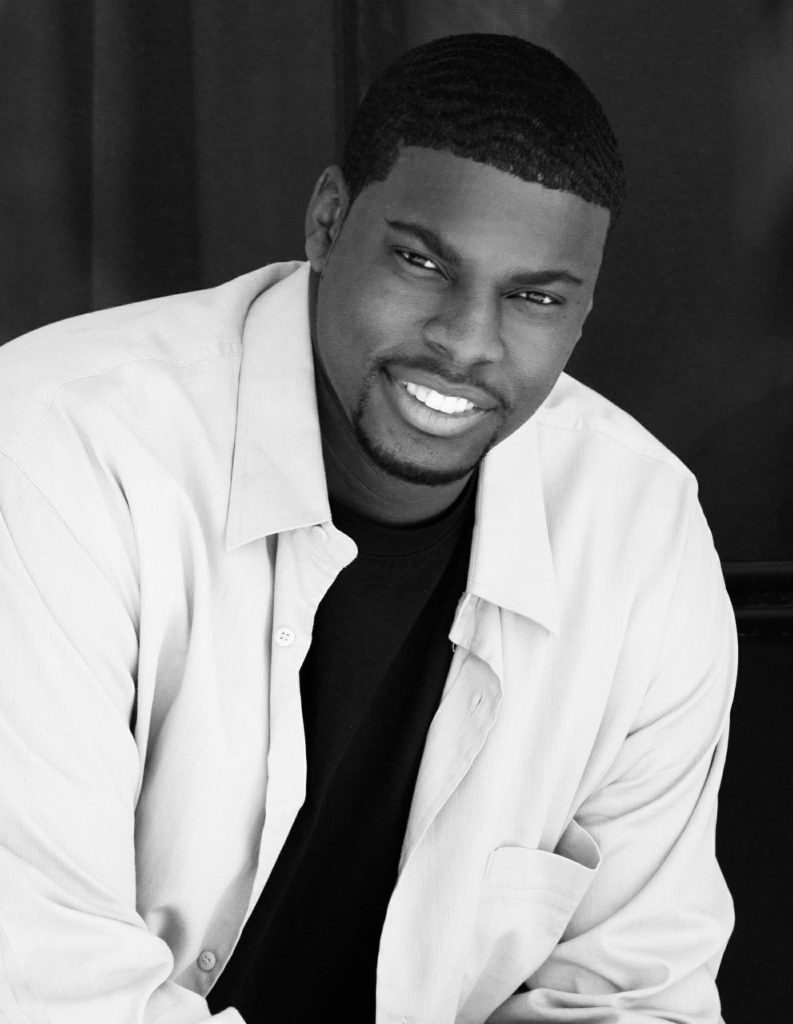
Let me introduce myself.  I am a photographer/filmmaker from the Sunshine Coast in Queensland, Australia.

Do you remember the exact moment you fell in love with cinema?

Of course, I fell in love with cinema instantly when I was nine years old and Mum was taking photos.  I just had to have that camera.  Mum eventually bought me my own camera.  It was hard waiting to get the photos developed, as I didn’t know if the photos were good or not until I had them developed.  Finally, the digital age arrived, and I could instantly see if the photo was good or if I needed to take a few more photos to get the right one.

-Tell us about your projects.

Bye Bye Baby

My Music Video “Bye Bye Baby” was created because of my love for dance.  My friend Lisa had written and performed a great country song which fitted perfectly.  The Sunny Coasters Line Dancers agreed to dance for me.  Sue Ravenscroft, their teacher, agreed to choregraph a line dance and then “Bye Bye Baby” was born.  My brother, Bill Clarke, cracks the whip.  Gayle and George Ward who live near a small Queensland town of Maryborough, filmed their cattle, and bad boy Ron Annis played the guitar.

This song is a typical country song – about Love and Relationships, exploring the intricacies of romantic love, heartbreak and finding a soulmate.  In this case the character has had enough and is saying goodbye to her current lying, money-grabbing, back-stabbing, cheating, two-timing boyfriend.  She is now searching for her real teddy bear, one who is a big, strong, sexy, caring and a cuddly kind of guy. 

I am the Producer and Director of my film “Bye Bye Baby”.  The exciting part is that I have entered this music video into both the “Original Song Section” and the “Music Video Section”, and it seems to be going well in many International Film Festivals.

Kev Franzi – Works 80 Years in the Film Industry HD

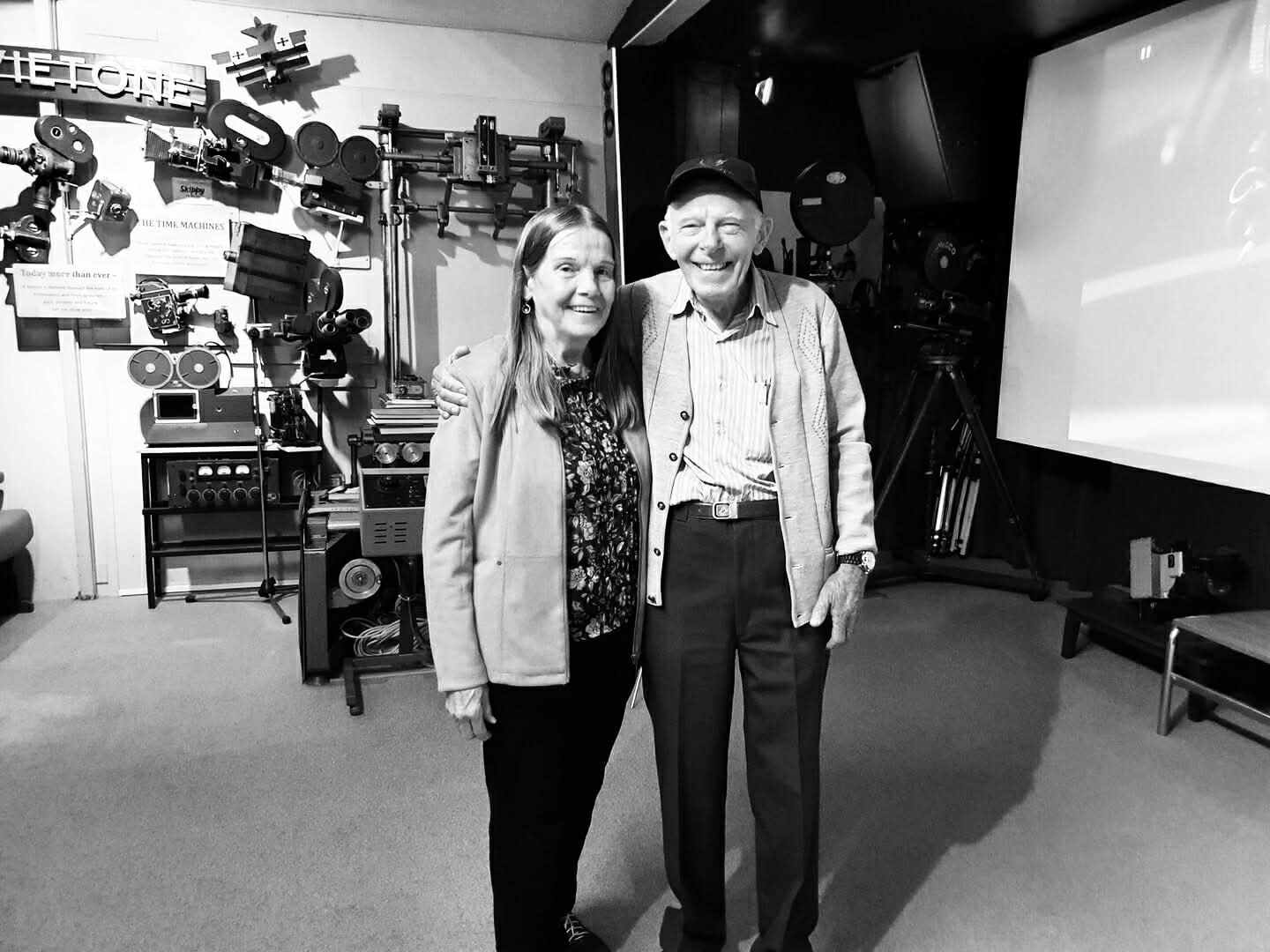
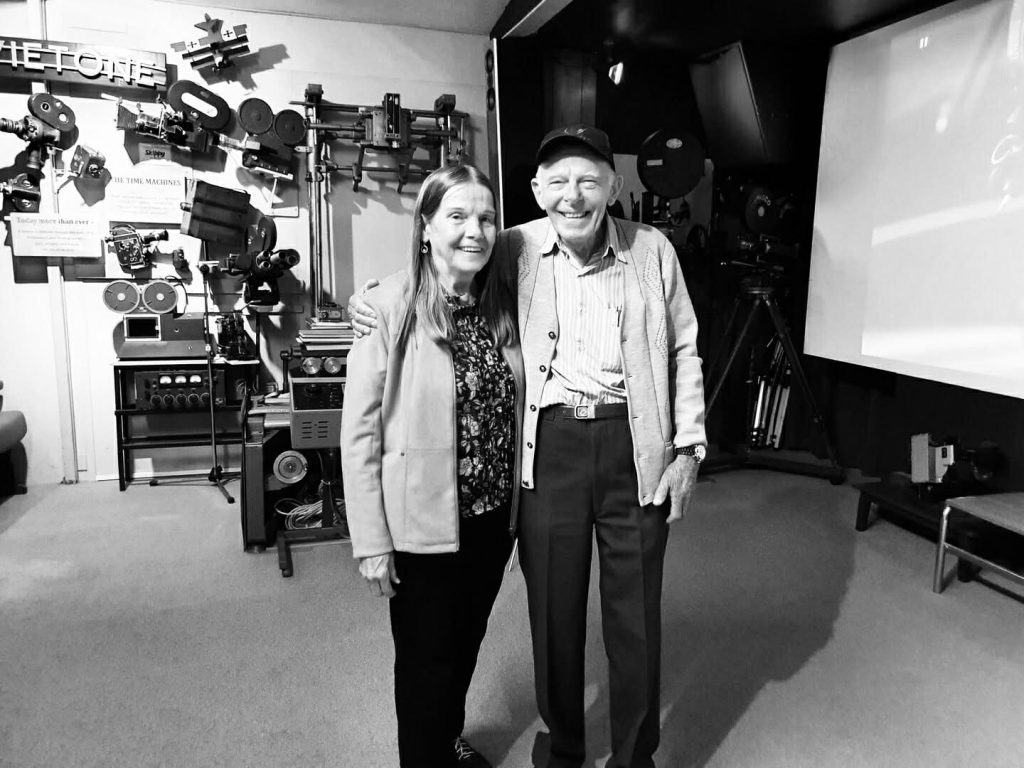
I viewed one of Kev Franzi’s cinematography shows at his movie museum theatre near Kenilworth.  Immediately, I knew he was an excellent subject for a documentary.  My documentary “Kev Franzi – Works 80 years in the Film Industry HD” was produced when Kev reached his 80 years in the film industry at 94 years of age.  He is so passionate about his work and is a fascinating character with a great depth of knowledge, so I had to show him to the world.

This is a brief story of Kev Franzi’s life through my lens, working in the film industry for 80 years.  It was Kev’s father who gave him a camera that started Kev on this career path at 13 years of age.  Ian Mackay, who undertakes the interview, talks to Kev about the highlights of his career.

Years in the Film Industry.

I am now seventy three years of age, but I was nine years of age when I had to use my Mother’s camera, which makes it sixty-four years of love and dedication for the film industry.  This is nothing when you see Kev has worked for eighty years in the film industry and he is still so passionate about his work.  He likes to exhibit items in his movie museum and loves to explain how they work.  Kev’s movie museum is a collection of cinemagraphic equipment and memorabilia that he has used.


-Which Director inspires you the most?

Steven Spielberg inspires me the most as he does different types of films and has won many awards.  Some of his films that inspired me are:

Jaws 1975

E.T. the Extra-Terrestrial 1982

Jurassic Park 1993

Saving Private Ryan 1998

Spielberg is known for his diverse filmography.

Steven Spielberg is widely regarded as one of the most influential and popular directors of all time. His films have received more than 150 Academy Award nominations, and he has won three Oscars for Best Director.  Spielberg’s movies connect internationally with audiences, earning him a reputation for not only entertaining films but also for creating emotionally powerful stories that connect with viewers.

-What do you dislike about the world and what would you change?

I’m concerned about how younger generations are showing less respect for society and often neglect basic manners.  The increasing toxicity and negativity are troubling, with people frequently backstabbing one another out of self-interest.  If we address these issues, perhaps we could reduce crime and violence in society.  I’m also bothered by how people are constantly on their phones, choosing screens over real conversations.  If this continues, we risk losing the art of meaningful dialogue.

-How do you imagine cinema in 100 years?

There’s no doubt that cinema will transform in ways I can hardly imagine over the next century.  I expect artificial intelligence to play a major role, with many films created by advanced AI software—so sophisticated that audiences might not distinguish them from those made by humans.  As production costs drop, we’ll likely see a surge in the number of films produced. This evolution could signal the end of traditional movie-going, as people watch films at home.  Perhaps one day, viewers will even be able to step inside and become part of the movie themselves.

-What is your impression of WILD FILMMAKER?

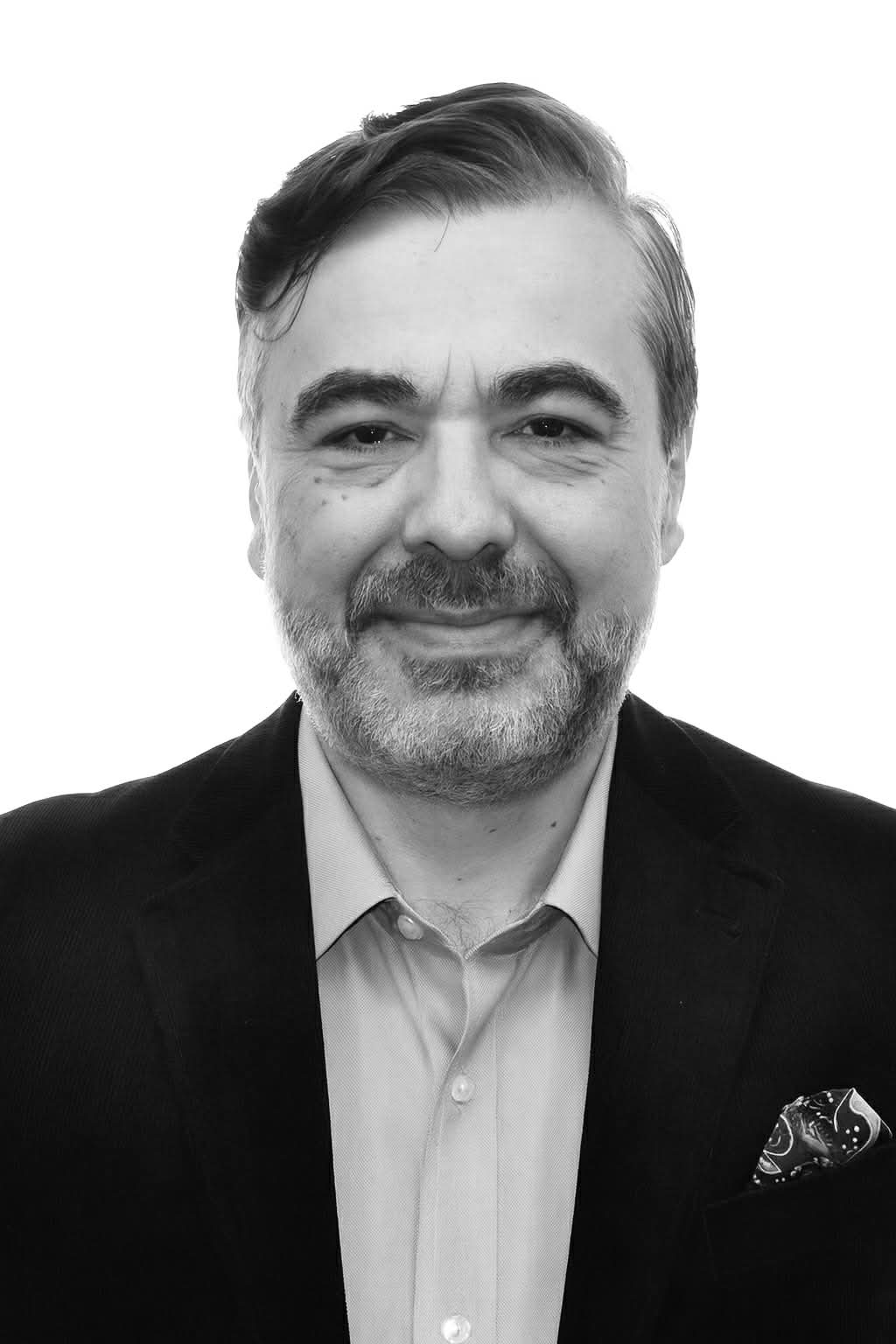
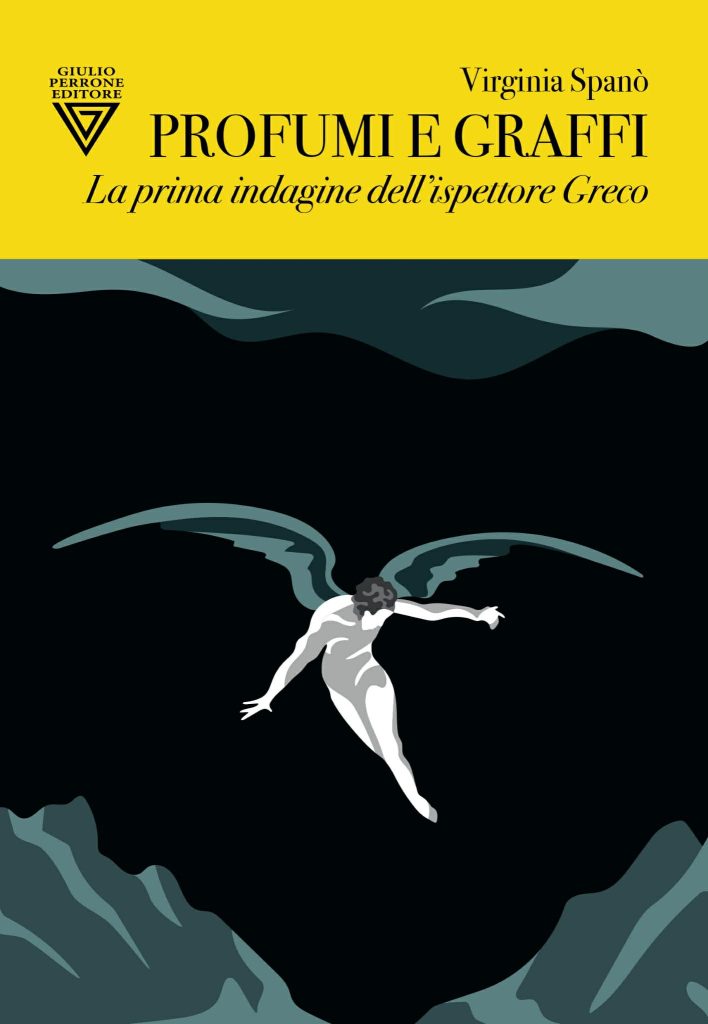
I have been very impressed by how many people have been interviewed by WILD FILMMAKER and the standard of the interviews e.g., the interview of Virginia Spano about her novel “Perfumes and Scratches”.  I am intrigued by the investigation  led by Andrea Greco who during the investigation of the murder, is forced to confront his own past.  Two narrative layers coexist between the murder investigation and the life of the protagonist.

WILD FILMMAKER generously provides filmmakers like me the opportunity to share our voices, images and be heard. I am deeply grateful for this support.
“Maxwell” (EXCLUSIVE) Interview with Derek Martin

-Who is Derek Martin?

Well Derek Martin, professionally Derek Lakeith Martin, is a passionate individual who loves all-things Cinema. From an early age I have always been drawn to movies and TV shows, especially the ones that require you to use your imagination a little bit. My journey into filmmaking was a long one. I started as an actor, then later joined SAG/AFTRA, which I’ve been a part of for 20 years. Being a part of that organization allowed me to get up-close and personal on Film and TV sets where I could see all of the departments in action. There, I was able to learn what it takes to put a film in motion. My love for directing, cinematography and editing were the driving forces behind this. I am a self-driven person that believes if you can conceive something in your mind, then you should at least put forth an effort to make it happen. 

I’m also a big history fan. What people did differently from how we do them now always fascinates me. I like learning about anything that took place in different eras. To be honest, I like learning about anything new. I believe you should try to educate yourself on anything outside of your on comfort zone that will allow you to be a well-rounded person.

-Do you remember the exact moment you fell in love with cinema?

    The exact moment I fell in love with cinema had to happen when I first experienced cinema on a large scale. I was young when the television premiere of Richard Donner’s Superman: The Movie came on TV one night. Although I had been to movie theatres before, and this was TV, there was still something different about this. The commercials hyped it up all week as a must-see experience…and they weren’t wrong!  I can remember sitting there eating popcorn while the opening credits swooshed in, accompanied by that iconic score from John Williams. To see one of your favorite cartoon characters come to life in a movie at that age was magic to me, and I knew that I wanted to be a part of that somehow when I grew up. To this day, I will always go and watch it when there is a special screening at the theatre.

-Tell us about your project “Maxwell”.

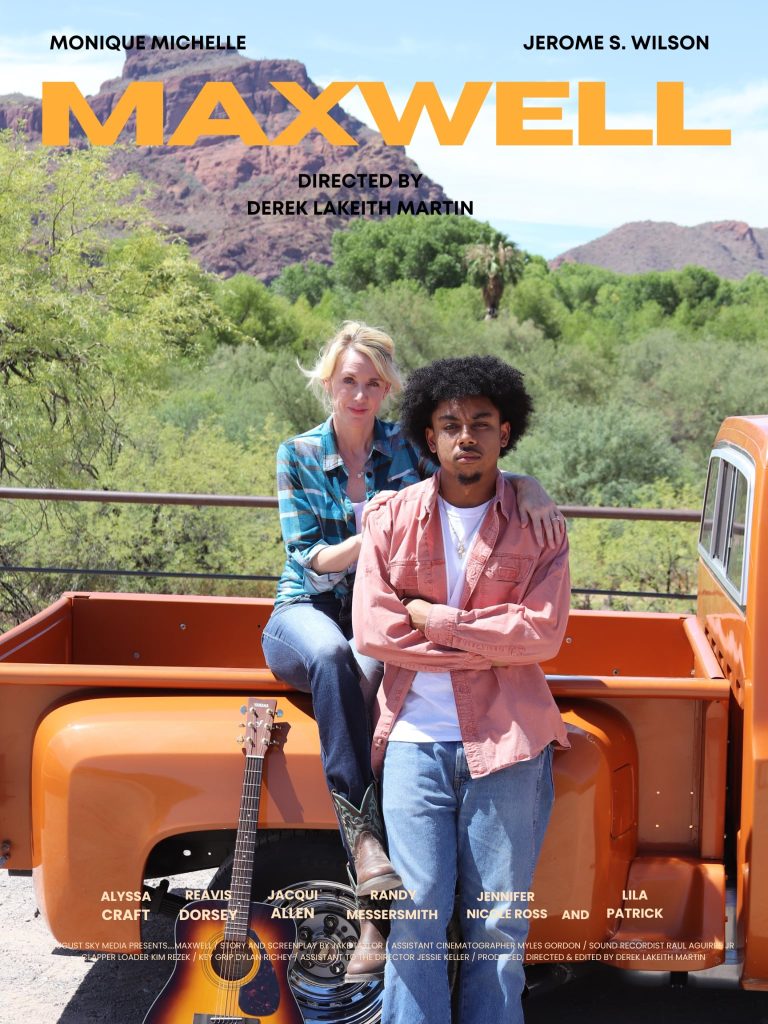
        Maxwell follows the story of Ann, a horse ranch owner and her enduring relationship with an aspiring artist, Maxwell. As they navigate the journey of their relationship, they have to decide what is best for them individually. I was looking to make a story-driven film, something where you could relate to the characters and the situation that they were in. I reached out and acquired a script from a longtime writer friend, Jake Taylor, who just happened to be sitting on this story.  After reading it, I simply said “Hey, I want to make this!” One of the things that attracted me to the story was its possibility to expand and be more than just a standalone short film. 

       I got started on casting the roles by picturing who I thought would be a great fit for each character, and how they could bring them to life. This process went fairly smooth until it came time to cast the role of Rain. I needed to find an actress of a certain age and was the perfect fit for what I was looking for. After not finding someone that fits the description, I was starting to think I was going to have to go in a totally different direction. One day I received a phone call from a theatre coach saying they may have found who I was looking for…they were correct! So, I cast this remarkable young actress and started filming. I always mention to people that Lila Patrick was the one that “completed” my film.

   When you’re in the realm of independent filmmaking, you have to be able to explore creative ways to execute your vision of the final product. This only happens with a talented cast and crew that you trust. I wanted to create an environment where they could be comfortable speaking freely and having their ideas heard. There were a lot of moving parts while producing and directing Maxwell, and having a strong group around you makes the filmmaking part of it easier. So far Maxwell has been making waves through the film festival circuit. I am very proud of some the accolades that it has received so far, especially Best Indie film and Best Indie Filmmaker.

-Which Director inspires you the most?

      To be truthful, I don’t have one particular director that serves as a source of inspiration. As someone who enjoys different types of movies, I am influenced by different types of directors. I grew up watching films from big budget directors like Steven Spielberg and later Michael Bay, but I also like the recognizable styling of directors like Tim Burton. Then you have directors like Ryan Coogler whose films I enjoy with his brand of storytelling, and the loyalty he always shows by using familiar cast, crew, and composers. I admire that type of loyalty. This is a practice that I’m fond of and use in my own world of filmmaking, as I am a very loyal director myself. I am always studying different styles from individual directors, therefore I’m inspired by a lot of different directors.

-What do you dislike about the world and what would you change?

    The world is filled with many different types of people and everyone has their own path that they follow. Being an individual is okay, but I dislike when someone can’t become knowledgeable outside of their own world. I believe that “knowing is growing” and how I would change this is to encourage people to learn something new outside of their comfort zone.

-How do you imagine cinema in 100 years?

I hope that cinema is still going strong and still has a strong base in storytelling in 100 years. As someone that understands how technology is important in film, I hope it doesn’t overtake some of the practicality that makes cinema special. People, meaning cast and crew, are what makes cinema what it is. I do believe that technology will have a prominent presence, but I just hope it doesn’t take over fully.

-What is your impression of WILD FILMMAKER?

Wild Filmmaker is doing a great job of giving a voice to independent filmmakers such as myself. Not everyone gets the opportunity to be heard or share what inspired them, but having a platform like this certainly helps change that. I really hope that Wild Filmmaker can continue to expand its reach across the globe.

“Heart of Love” (EXCLUSIVE) Interview with Gaetano Cristiano

Who is Gaetano Cristiano?

I’m an Environmental and Safety practitioner with a lifelong passion for storytelling. As an emerging screenwriter, I explore identity, memory, and the emotional landscapes we carry with us. Though in screenwriting as a creative hobby in my spare time, my debut feature Heart of Love has already received positive feedbacks, affirming the emotional resonance and originality of my work. I bring a unique perspective shaped by years working within real-world systems and a deep interest in the human side of transformation

Do you remember the exact moment you fell in love with cinema?

..of course..it was 1981 and I went to the cinema with my dad and brother to watch Raiders of the Lost Ark…that was the moment…when the magic sparked…

Tell us about your projects: “Heart of Love”.

The script explores an intimate drama about the haunting power of memory, the fragility of timing, and the radical courage it takes to show up as your true self. For anyone who’s ever whispered “What if?”, this is the answer—echoed across decades and danced in the dark. Heart of Love is written with an emphasis on emotional architecture, character depth, and cinematic intimacy.

Heart of Love presents an intersection of emotional and high‑concept identity mystery—two genres that consistently perform in both theatrical and streaming markets. This combination widens the film’s reach: it appeals to viewers seeking nostalgia and emotional catharsis, as well as those drawn to mystery, reinvention, and psychological tension.

The story’s core engine—a man confronting the life he abandoned and the love he never stopped carrying—is universally relatable . Themes of memory, identity, and redemption translate across cultures, and the high‑school‑reunion setting offers a built‑in hook that resonates with a broad demographic.

Heart of Love has received multiple accolades, including:

• Winner – Wolf Media Festival
• Winner – Seattle Filmmaking Award
• Winner / Finalist – World Class Film Awards (Honourable Mention category)
• Semi‑Finalist – Hollywood Indie Festival
• Semi‑Finalist – Dallas Movie Awards
• Semi‑Finalist – WIKI: The Fastest Screenplay Contest
• Quarter‑Finalist – Los Angeles International Screenplay Award
• Official Selection – American Screenwriters Conference
• Official Selection – Slamdance
• Official Selection – Philadelphia Off Page Movie Festival
• Official Selection – Off Page Film Festival

Which Director inspires you the most?

..Steven Spielberg without any doubt….independently of talent and styles or commercial allure he is the only one that can truly speak to a wide audience from small child to elderly people

What do you dislike about the world and what would you change?

I love the world the way it is and the way it has always been…I truly believe in balance of good and evil and an higher power so I let myself go in this wonderful thing we call life without complains and accepting the good and the bad, because of the AI revolution and technological advances I would not really know….it impossible to foresee…let’s hope the magic of acting and directing won’t be lost…

What is your impression of WILD FILMMAKER?

Great..very positive and engaging experience and a good opportunity for emerging talents to be heard.

“Perfumes and Scratches/Profumi e Graffi” (EXCLUSIVE) Interview with Virginia Spanò

Author’s Quote

“Between the mists of the Sibillini Mountains and the fire of Sicily, Andrea Greco searches for the truth in an investigation where memory, dreams, and reality blur together.”


Who is Virginia Spanò?

I am an Italian writer who loves telling stories where dreams, legend, and memory blend with reality.

What I write often arises from a specific territory and from the atmosphere that place can generate.

In my first novel, Perfumes and Scratches, I wanted to explore precisely this border space: the one where the landscape is not just a background, but becomes a living presence capable of influencing the characters, their memories, and their choices.

I am interested in telling the most fragile side of the human experience: invisible wounds, memory, and the way the past continues to act within us. For this reason, two dimensions always coexist in my stories: on one hand the investigation and the mystery, and on the other the inner journey of the characters.


Could you tell us about your novel “Perfumes and Scratches”?

Perfumes and Scratches is a psychological thriller set between Ascoli Piceno and the Sibillini Mountains, a territory rich in ancient legends and atmospheres suspended between mystery and myth.

Everything begins with the discovery of a corpse in Lake Pilato, a real place linked to a medieval legend according to which the body of Pontius Pilate was thrown into those waters.

The investigation is led by Andrea Greco, an inspector of Sicilian origin who has been transferred to Ascoli Piceno. While conducting the investigation, he is also forced to confront his own past.

Two narrative layers coexist in the novel: the criminal investigation, made up of murders and symbolism, and the inner journey of the protagonist. Throughout this path, Sicily constantly re-emerges through his dreams, memories, and the scents of his homeland, becoming an emotional presence that accompanies the reader throughout the story.

The central theme of the novel is manipulation: of memory, faith, and human relationships. Evil does not appear as something distant or abstract, but as something that can arise precisely where there should be protection.


Have you already planned a possible film or television project based on your novel?

I believe that Perfumes and Scratches has a strong visual component that could adapt well to a cinematic series.

The story unfolds across very evocative settings: on one side the Sibillini Mountains and Lake Pilato, places full of legends and atmospheres suspended between mystery and myth; on the other side Sicily, which emerges through the memories and dreams of the protagonist and brings the reader back to the landscapes of his homeland, up to the imposing presence of Mount Etna.

This contrast between the mists of the Sibillini Mountains and the primordial strength of Sicily could create a very interesting visual dialogue, in which nature becomes an integral part of the narrative.

I imagine an adaptation capable of maintaining this balance between criminal investigation, psychological dimension, and symbolic suggestion, where the search for truth also becomes a journey through memory and one’s own roots.


What do you dislike about the world and how would you change it?

I dislike when the complexity of people is reduced to simple or superficial categories.

Often what is defined as fragility is not really a weakness, but an authentic part of our nature. These are aspects of human sensitivity that, instead of being understood, are easily labeled and reduced to limitations.

In my novel, for example, the protagonist Andrea Greco suffers from panic attacks and anxiety, and also lives within a very intense dream dimension, where dreams become a space in which the past returns and takes shape. These could be considered signs of fragility, yet it is precisely through these cracks that he manages to perceive what others cannot see. His sensitivity becomes a tool of understanding and, in a certain sense, also a form of strength.

I believe that many of the wounds that run through our society arise precisely from this: from the unwillingness to truly listen to people’s stories and vulnerabilities.

Literature, cinema, and art, on the other hand, have the ability to restore depth to the human experience. Telling a story often means giving space to what is ignored or simplified.

If I could change something, I would like us to learn to look at these fragilities with a different perspective: not as weaknesses to hide or cure, but as parts of our humanity that can become a form of knowledge and strength.


What is your relationship with Artificial Intelligence?

I believe that artificial intelligence is a very powerful tool, but like all tools it depends on how we use it.

For me, writing always comes from a human experience: from observation, memory, and emotions. This remains the heart of every story.

Artificial intelligence can be useful as support in research, but narrative sensitivity and the vision of a story remain profoundly human.


What is your opinion about the activity of WILD FILMMAKER?

I find the work of WILD FILMMAKER very interesting because it creates a space for dialogue between authors, directors, and producers.

Today stories increasingly move across different languages: from literature to cinema, from television series to digital platforms. In this context it is important that places exist where these connections can be created.

Editorial projects like this can help bring out new authors and new stories, encouraging the meeting between the world of writing and that of the audiovisual industry.

“SCP-Zombie” (EXCLUSIVE) Interview with Bryan Harris

Who is Bryan Harris?

I’m a writer and director who loves family, friends, technology, and keeping up with the latest in TV, film, and comics. Storytelling has always been the center of my life. Whether I’m watching, writing, or filming, I’m constantly exploring how stories connect us and challenge us.

Do you remember the exact moment you fell in love with cinema?

I don’t remember the exact moment, but I can point to two memories that narrowed it down. The earliest story, according to my family, is me at two years old watching Cats & Dogs, shouting, “No, Lou, no!” at the screen. Even then, I was emotionally invested. That was my first understanding of how powerful storytelling could be. The second moment came when I was 17 and Batman v Superman hit theaters. I remember thinking, “People dedicate their whole lives to filmmaking.” That realization changed something in me. It made me see cinema not just as entertainment, but as purpose.

Tell us about your project “SCP-Zombie”.

SCP-Zombie exists within the larger SCP universe, an online collaborative writing project that anyone can contribute to. The SCP Foundation is essentially a catalog of horror stories organized by numbered anomalies. Each entry focuses on a monster, object, or humanoid anomaly that is captured and studied. My film centers around an outbreak of SCP-008, known as the Zombie Plague virus. It follows a group of survivors who must shelter in place while waiting for rescue. At its core, the film explores fear, isolation, and how people respond when systems of control begin to collapse. As for my film it follows a group of survivors that live through an outbreak of SCP-008 the Zombie Plague virus. The survivors must shelter in place until help arrives.

Which Director inspires you the most?

Zack Snyder inspires me the most. After watching Batman v Superman, I did a deep dive into his filmography and realized he had directed many films I already loved. I had only missed a few. His bold visual style, mythic scale, and willingness to take risks deeply resonate with me. His work reinforced my desire to pursue filmmaking seriously.

What do you dislike about the world and what would you change?

The world is beautiful. From the oceans to the sky, it’s filled with wonder, mystery, and love. But if I could change one thing, it would be the human mindset. We can be violent, destructive, and lacking in empathy. If we led with empathy, we would understand that people make mistakes. We would be kinder to emotional and physical pain. We would accept different cultures, religions, and lifestyles without hostility. The lack of empathy is what I would change.

How do you imagine cinema in 100 years?

In 100 years, I imagine cinema being separate yet connected. Traditional physical theaters may decline, but technology will bring audiences together in new ways. I believe virtual reality will be perfected, allowing people to simulate the theater experience from their own homes while still sharing it with others across the world.

What is your impression of WILD FILMMAKER?

I think WILD FILMMAKER is doing something important. They create space for artists to share their thoughts and vision while asking thought-provoking questions that push deeper reflection.

“Pathos” (EXCLUSIVE) Interview with Loick Matthias Peeters

-Who is Loick Peeters?

I’m a film director/screenwriter/producer/videographer/content creator from Belgium. I’m neurodivergent in the sense of having Autism Spectrum Disorder and Gilles de la Tourette (mentally, not vocally). I’m an author filmmaker; I have chosen my own voice which I dub “east meets west”: my own filmmaking style that is inspired by Japanese anime, manga and video games (east) as well as iconic western cinema (west).

-Do you remember the exact moment you fell in love with cinema?

I was around 14-15 years old when I frequently watched two films: The American (directed by Anton Corbijn) and Tron Legacy (directed by Joseph Kosinski) which started to spark my interest in cinema, but it wasn’t until I saw In Bruges (directed by Martin Mcdonagh) that I knew I wanted to be a filmmaker namely a screenwriter. Years later I would decide to primarily become a film director as well.

-Tell us about your project “Pathos”.

After my first short film Ethos received mostly negative reviews, I was devastated by it and wanted to make a new short film as soon as possible. Around that time I became an intern at a local ambitious IT company AMOTEK Technologies founded by entrepreneur Filip Smet. We shared an interest in cinema and the idea for making a short film together was born. During my internship, I became fascinated by AI and thus Pathos was born.

Originally Pathos was going to be very different, namely a science fiction thriller short film about redemption, but eventually I realised the story felt flat and I took the advice I received of starting over with the script. I dived deep in my cinema loving soul, I realised I wanted to be a stand out and created my filmmaking style “east meets west” and thus the real Pathos was born: a story with the personal theme of healing and the modern most important subtheme of AI. Pathos is inspired by the masterpiece Nintendo DS game Kingdom Hearts 358/2 Days (directed by my biggest artistic influence Tetsuya Nomura), the Japanese anime film Dragonball Super Broly, the legendary iconic masterpiece The Godfather (directed by Francis Ford Coppola) and finally The American (directed by Anton Corbijn).

-Which Director inspires you the most?

I have two directors who inspire me the most: from the east there is Tetsuya Nomura who is the creator of the Kingdom Hearts series of which I’m a huge fan and from the west there is Francis Ford Coppola who directed The Godfather trilogy. I always felt a special connection with the video game series of Kingdom Hearts which is much more than partially Disney to me, it’s so original, emotional and tragic with a beautiful soundtrack composed by Yoko Shimomura and as for The Godfather trilogy that needs no explanation of course.

-What do you dislike about the world and what would you change?

The toxicity and all the hate: people constantly backstabbing each other because they only care about themselves. I would want to change that and make people aware that in these dark times the last thing we should do is raise the sword against each other. We have to be there for each other in times of need, work together and we have to unite as we are supposed to be humanity.

-How do you imagine cinema in 100 years?

There will be four categories of cinema: the first three are what we have always known as arthouse, arthouse/mainstream mix and mainstream cinema, but the fourth one will be new: AI cinema which will be films entirely made by AI. Why you might ask? Because AI technology can’t be stopped and must co-exist with humanity, the arts and cinema.

Life is complexly gray: we need AI and AI needs us, we compliment each other, but true cinema (the first three categories) must always remain dominant!

-What is your impression of WILD FILMMAKER?

WILD FILMMAKER is great and kind for giving filmmakers like me the chance to show their voice and let them be heard. For that I’m eternally grateful to WILD FILMMAKER. 

(EXCLUSIVE) Interview with Giampietro Manzalini

Who Is Giampietro Manzalini?

I am 71 years old, a successful person who has always achieved what I set my mind to. I regret nothing about my past. I have many projects that I will not be able to complete… IT DOESN’T MATTER!… I will leave it to my grandchildren to continue along my path, just as I did with my parents. If you haven’t figured it out, I have a very high EGO… why pretend to be modest?!

The time I have left is short, and it is the most earthly thing closest to God—something science has not managed to control. This does not trouble me; on the contrary, the idea that my SCRIPTS might be read, perhaps even produced, fills me with pride in the eyes of my grandchildren, almost as if it were extending my life.

I recall Ray Bradbury’s story Fahrenheit 451 (directed by François Truffaut), where books were banned and burned, and a group of people memorized them to pass them on to future generations.

“I WANTED!… AND I ALWAYS WANTED!… AND I STRONGLY WANTED!” is a quote from Alfieri that has always guided me in life.

To your question: “Who is Giampietro Manzalini?” I reply with my website
(https://sites.google.com/view/giampietro-manzalini-eng/home), where you will find many answers. I believe the MOVIES section deserves your attention. All my scripts are available on the FilmFreeway portal.


FERRARA & THE YOUNG BALBO

(https://drive.google.com/file/d/1tGyIc10jIWiGkeNGLEA3lhB7CZqORnHw/view)

Historical action story (1919–1922). It recounts the birth of Agrarian Fascism in Ferrara, up to—but not including—the March on Rome, with the abuses of the Socialist Leagues as accomplices.

Awards: 2 Award Winner / 2 Finalist / 6 Semi-finalist / 1 Nomination


GIROLAMO SAVONAROLA & THE TRIAL OF FIRE

(https://drive.google.com/file/d/1Bl45lmBNCf2vQZB1vGgEo2rrqbSre226/view)

A historical account of the rise and fall of the Savonarolan Republic in Florence (1490–1498), from the expulsion of the Medici while Rodrigo Llançol de Borja ascends “ad limina Petri,” driven by nepotism and corruption within the Roman Church, leading the Dominican friar to the gallows and his remains to the stake. Savonarola was a precursor of Martin Luther’s Reformation.

Awards: 6 Award Winner / 6 Finalist / 2 Semi-finalist / 4 Nominations / 1 Honorable Mention


PARISINA – Punishment without Forgiveness

(https://drive.google.com/file/d/1JMfAQblxU8YDpLS-0KXYF700uXk5_yB1/view)

Historical drama (1416–1425) set at the court of Niccolò III d’Este, where 14-year-old Parisina Malatesta, his wife, after a period of mutual antipathy with Ugo—his illegitimate son—complicit with the plague, fall into a passionate love affair that leads them both to be beheaded.

Awards: 3 Award Winner / 2 Finalist / 8 Semi-finalist / 1 Honorable Mention


INFO

Do not think I am doing all this for money—quite the opposite.

I am willing to grant one (of your choice) of my SCRIPTS free of charge under the following conditions:

  1. Within six years, it must be screened at least 1,000 times (note that there are over 50,000 screens across the EU + USA + UK + AUS).
  2. Upon signing the contract, I must receive a guarantee from a leading Italian bank, expiring at the end of the sixth year, in the amount of €300,000.00—payable only if the film is not screened.
  3. Jurisdiction: FERRARA (Italy).

2 – Do you remember the moment you fell in love with Cinema?

Around the age of 18, when I learned lighting techniques and discovered photography, of which I am a good connoisseur. At the time, we used film cameras; we spoke of ASA, DIN, developers, fixers. I printed in black and white with decent success, even in national photography competitions.

I would spend nights watching silent films, appreciating actors and directors who are still worth watching today.

I have retained a certain bias: I watch movies critically, especially the lighting, the choice of framing, and the development of the plot.


3 – Tell us about GIROLAMO SAVONAROLA & The Trial of Fire.

I ask you to open the Pitch Deck available on the website:
https://drive.google.com/file/d/1Bl45lmBNCf2vQZB1vGgEo2rrqbSre226/view


4 – Which film masters inspire you the most?

It would be unthinkable to compare myself to these pillars of world cinema, but they are the first who come to mind—surely I forget many others.

I appreciate directors such as R. Polanski, Q. Tarantino, D. Lynch, J. Schumacher, J.-J. Annaud, F. Vancini, G. Salvatores, M. Bellocchio, M. Soldati, O. Welles, B. Wilder, A. Hitchcock, F. F. Coppola, F. Fellini, and others.


5 – What do you dislike about the world, and what would you change?

Wow… what a challenging question!!!… Off the top of my head, I would say we should follow more closely these two teachings of Our Lord:

Love and fear the Lord.

Respect others as yourself.


6 – How do you imagine Cinema in 100 years?

I cannot imagine it!

When I was a child, my father was amazed when he heard that in the USA cars were destroyed after use. Then came television, we went to the moon, we transmit wirelessly… all within 70 years… who knows in 10 years?!… perhaps televisions will emit smells, people and goods will move via teleportation… I will sleep at home, have breakfast in New York, and return home in the evening.


7 – What impression do you have of WILD FILMMAKER?

I am a newcomer to the field, so I do not know you yet… but you are welcome. I am open-minded and multifaceted.

(EXCLUSIVE) Interview with Peyman Majidi

Who is Peyman Majidi?

When I was young, I used to ask myself: “What does Peyman Majidi
want? What does he intend to do?” Driven by these questions, I started
working at the age of seventeen. Over the course of seven years, I tried
nearly thirty different jobs, only to leave them one by one—insignificant
and futile occupations in a world of the dead.
Everything changed the night I saw The Marriage of Mr. Mississippi on a
stage in Tehran; that was when I realized what I truly wanted. Suddenly,
everything became clear and meaningful to me. I believe art is a means
to rise and attain freedom. I pursued my education in Dramatic Literature
at university, where I met Sabina Shiari. We got married, and I began my
journey as a writer. My writing is an attempt to set myself free. She is an
extraordinary woman, a brilliant collaborator, and a wonderful partner.
Together, we strive for our independence and search for a path to
liberation, constantly experimenting with various forms and expressions
of art.

Do you remember the exact moment you fell in love with cinema?

Watching a film is an act of revelation—as profound as it is perilous. It
feels as though a shaman is showing you a vision or speaking a truth
that upends and utterly transforms your life. In my youth, I watched Alan
Parker’s The Wall with obsessive precision, once or twice every single
day for nearly two years. I was like a prisoner in solitary confinement,
clutching a yellowed, tattered scrap of newspaper hidden beneath his
mattress, reading it over and over again. I cherished it deeply. However,
the film that was destined to possess my soul once and for all—the true
answer to your question—was Angelopoulos’s The Suspended Step of
the Stork. I returned to the cinema to watch it for a long time. At that
time, Iran was at war with Iraq; films on the big screen were rarely
changed and would sometimes remain in theaters for months. I vividly
remember the empty cinema and the desolate, darkened streets through
which I would walk home. In those moments, cinema was truly like a
beautiful mistress in my imagination; I was profoundly in love with it.

Tell us about your project “Faust – This Had Never Happened OR
Resurrection of Angels with Broken Wings”.

It was born out of the pandemic! At that time, I hadn’t imagined returning
to cinema for years; it felt like an unreachable horizon. In truth, I had
written a stage adaptation of Goethe’s Faust, and we were in the midst
of pre-production for the theater when the COVID-19 lockdowns hit.
Suddenly, we were confined to our homes. Our only lifeline to the cast
and crew was through video calls and online rehearsals. Then, one
night, an idea struck me: why not transform this into a film? I proposed
the idea to Sabina—we are the co-directors and producers of this
project. She was initially shocked and asked for time to deliberate, but a
few days later, she accepted. When we shared the vision with the rest of
the team, everyone was on board. My reasoning was that Faust
possesses immense cinematic potential. It promised to be a profound
independent experience—a journey where we would transition from the
stage to the screen, unlearning and relearning everything from scratch.
Following that decision, we spent a year in rehearsals, followed by an
intense seven-day shoot to complete the production phase.
Our film is a Dadaist and, specifically, a dreamlike adaptation of
Goethe’s Faust. In the world of this film, we deal with dreams that are
disjointed, fragmented, and assembled like a collage. The visible reality
within these dreams is intentionally fabricated and artificial—it is not
magic. One must seek and comprehend the meaning of these dreams
beyond what is merely seen. Consequently, the narrative and every
element of the film were influenced by, and designed around, this very
concept. For instance, we pIt is as if you are witnessing a scene in a
dream without even blinking; everything unfolds before your eyes
without traditional cutting, or it leaps abruptly from one image to another,
yet you perceive it all as real. What we convey—and indeed, what we
warn the audience—is that this is a dream. In a concise and complete
sense, the film is an experiment in translating Goethe’s Faust into the
language of dreams. It stems from the premise that we first experience a
dream where everything is fabricated, and it is only through its cracks
and fissures that fragments of reality can be glimpsed.
Goethe’s Faust consists of two volumes. In the first, an aging Faust sells
his soul to Mephisto to regain his youth. In our adaptation—which draws
more heavily from the second volume—the young Faust and the old
Faust coexist simultaneously. In essence, Faust has become cloven,
torn between two halves in a state of intense conflict. The young Faust is
an urban architect and an anarchist, driven by the desire to build a
“terrestrial paradise,” while the old Faust is a hedonist in search of
pleasure and youth. Beneath this surface lies the struggle between
tradition and modernity—a war between the old world and new ideals.
Then, there is the third force: Mephisto, representing the oppressive
apparatus of power and capital. We extended this “dream logic” into
every facet of the film—visuals, sound, music, architecture, and costume
design. We intentionally disrupted costume continuity to maintain the
dreamlike instability. In our lighting, we explored the recurring motif
spoken by Mephisto: “Darkness shines like the day.” For instance, to
depict an eclipse and provoke a sense of unease, we filmed exterior
night scenes in natural daylight. This serves as a reminder that the
reality we perceive is something fake and manipulated—an unnatural
desire born from a malignant will. The sound design and effects followed
a similar philosophy, signaling that the reality of this world is a deception.
We utilized the sounds of storms and rain where no rain was visible, or
the surreal auditory experience of a piano being played upon a violin…

Which Director inspires you the most?

To answer this question, I could look to the extensive list I hold in my
mind—from Fellini, Buñuel, and Pasolini to Lynch and Tarantino, or
perhaps von Trier and Lanthimos. I have learned so much from all of
them; I deeply admire and love their cinema. However, there is one
director whose work remains, for me, eternally peerless—a definitive
benchmark. He is a master who could tackle any genre with absolute
perfection. His obsession and precision were boundless, and his films
are infinitely maddening, visceral, and profound: Stanley Kubrick.

What do you dislike about the world, and what would you change?

I believe nothing in this world is more abhorrent than tyranny and
ignorance, and no struggle is greater than the fight for freedom and
awareness. I stand against the misguided notion that for an individual—
and specifically for an artist—taking responsibility and gaining
awareness only leads to suffering. On the contrary, I believe both are
essential and transformative; they are the catalysts for growth and
transcendence. Without accepting responsibility, we lack the will to
change or evolve, and without awareness, we can never make a truly
right decision. Oppression and fossilized thinking strip life and art of their
meaning—and a world void of meaning is a desolate and degrading
place.

How do you imagine cinema in 100 years?

A century from now, we will still be on the path we travel today: the path
of evolution. And for evolution to occur, change is inevitable. Whether
these changes—this shedding of old skins—happen through conscious
choice and control, or through unpredictable events and revolutions,
they are unstoppable.
In this journey, cinema remains one of our most vital tools for exploring
and experiencing the profound depths of the human condition. I believe
that cinema will make monumental leaps in technology and technique,
which will undoubtedly allow for the creation of captivating fantasies.
Ultimately, however, the “Seventh Art” must commit to a process of
rebirth and renewal. It is destined to become more contemplative, more
inquisitive, and, above all, more honest.

What is your impression of WILD FILMMAKER?

I believe you have an exceptional and avant-garde publication that
provides a comprehensive and profound reflection of contemporary
cinema. Moreover, your magazine’s dedication to artistic and
contemplative cinema is truly commendable; it is this very focus that
lends prestige to the medium of film and commands my utmost respect. I
am deeply grateful for the opportunity you have provided me and for this
meaningful conversation. I sincerely wish you continued success.

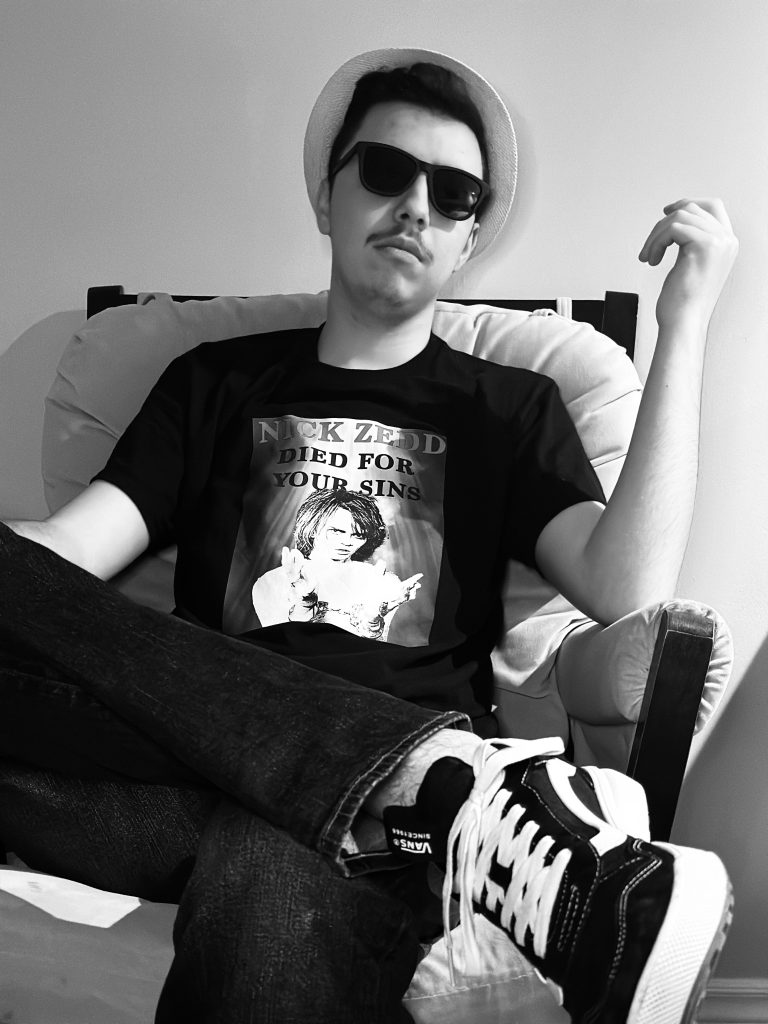
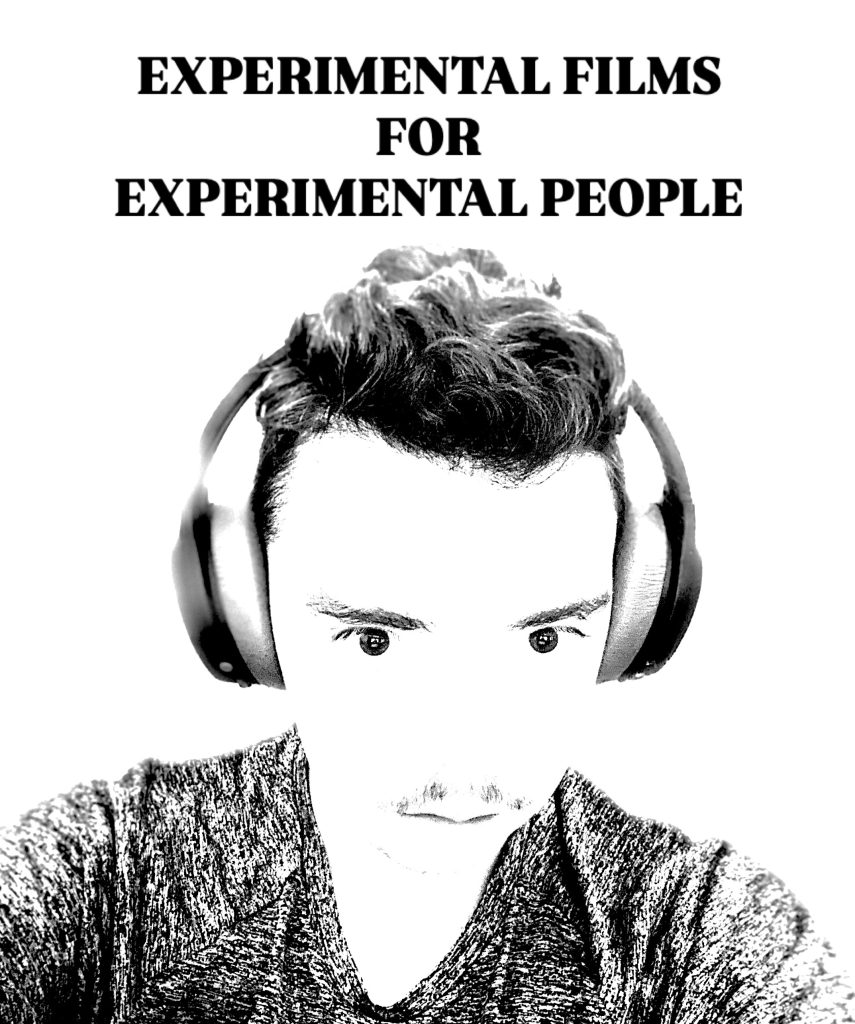
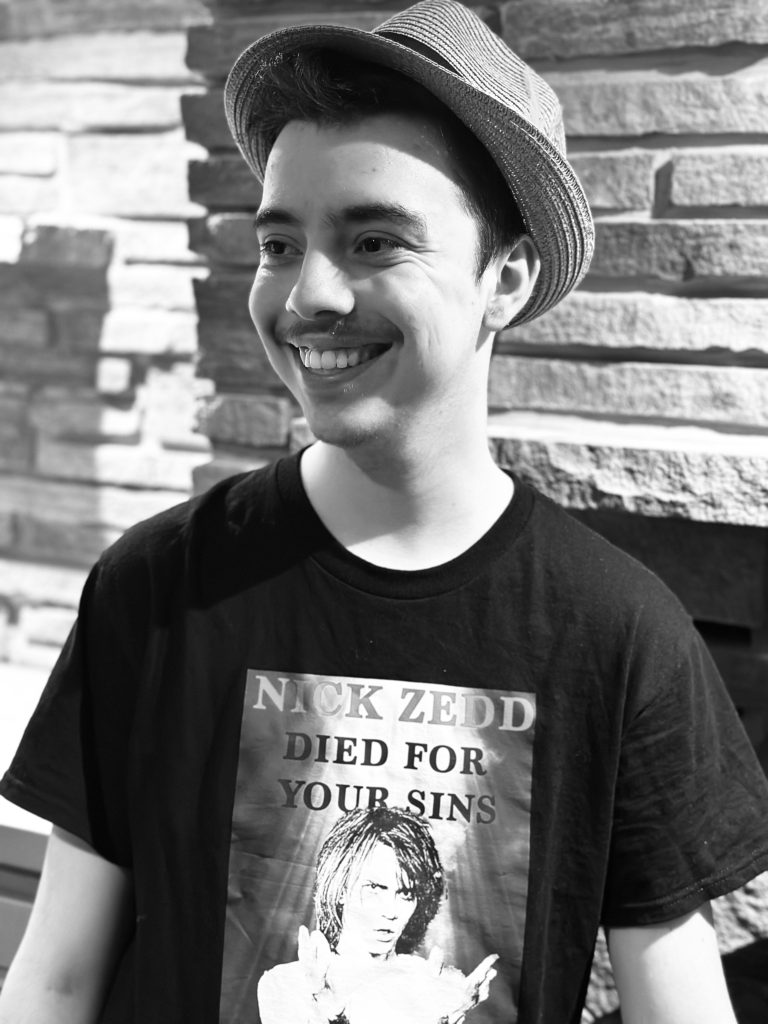
“Experimental Films for Experimental People” (EXCLUSIVE) Interview with Thomas Dimopoulos

-Who is Thomas Dimopoulos?

I am a filmmaker from Ontario, Canada primarily operating within the tradition of underground film. All of my movies are made with no-or low- budget and with a guerilla, DIY sensibility. To put it simply, at the current moment Thomas Dimopoulos is a free thinking, experimental and skeptical orb of consciousness using the cinematic art as well as other mediums as a way to subvert expectations and use cognitive dissonance in order to unlock new forms of thought inside of people, make them question, and hopefully make them laugh. 

-Do you remember the exact moment you fell in love with cinema?

There are many moments to choose from, as I have been making projects ever since I was four years old, when I started making stop motion projects. An early memory for me is when I was eight years old and discovered my father’s collection of Alfred Hitchcock films on DVD. I was drawn to “The Birds”, and remember first seeing that particular film as a pivotal moment for me. It also ignited my passion for exploring  Hitchcock’s work . 

Of course, another early moment of my love for cinema was seeing the Chaplin films as a younger child. “The Gold Rush” stands out as an example for me, though I believe “City Lights” is his most powerful work. Furthermore, I have great memories of watching many classic Hollywood Western films with my grandfather, such as “The Fastest Gun Alive”“The Man Who Shot Liberty Vallence”“Shane”, and most importantly “High Noon”. I  have probably seen “High Noon” with my grandfather a dozen times, and it remains one of my favourite films. 

Those were some instances of me falling in love with more ‘conventional’ cinema. 

However, the possibilities of film expand well out of the realm of what is ‘conventional’, and there are a couple of moments I can think of where I fell in love with this new type of movie. My first time seeing Kubrick’s “2001: A Space Odyssey” when I was eight years old in my family’s living room was a seriously important moment for me. It wasn’t until I was about thirteen when I started really discovering more experimental or underground film. I remember watching Guy Maddin’s “My Winnipeg” with my dad, discovering Nick Zedd’s underground masterpiece “They Eat Scum”, and first seeing Stan Brakhage’s “Dog Star Man” as being pivotal moments for me. 

-Tell us about your project.

I have many different projects I have done over the past many years. An endeavor within the past year was putting together a DVD compilation of my work, entitled “The Short Movies of Thomas Dimopoulos Vol. 1”. This compilation includes a good handful of my work, featuring “Pop Goes The Weasel!” (2024), “Big Ronda’s Ointment Surprise!” (2024), “Texas Roadside Pigs!” (2024), “Miss Rabbit & the Devil!” (2024), and “Flower Rat” (2025).I have since done additional films as well. 

“Pop Goes The Weasel!” is a 10 minute examination of a group of obsessive homeless people living in/around a construction site. The project came to fruition when my uncle approached me at Christmas dinner 2023 telling me that he was interested in acting in one of my movies (I had recently just released “Why Go Left When You Can Go Right?”). I left the dinner and went down to the basement with a napkin and a sharpie where I started the script, envisioning my uncle as a homeless man dragging a wrench, which he considers his pet, around on a leash, and wearing cat ears. Once I got that baseline for the work done, the other visions started coming to me (e.g., the demon boy who wishes he was a house, the shadow boxer befriending a child’s doll, etc). 

 “Big Ronda’s Ointment Surprise!” started as a title before anything else. I liked the ring to it. From there, I made it into a song, and characters started to emerge from that. I became highly intrigued with the idea of ointment obsession and really just went from there. I had a pretty loose script and shot the movie in just one afternoon with my aunt being perfect to play the titular character. I was shooting that movie pretty vibe based. It was my notion of a surrealist comedy. 

“Texas Roadside Pigs!” originated as a phrase I made up and became obsessed with using (“it’s hotter than a texas roadside pig outside!”). Eventually I started thinking about what such a thing would look like, and envisioning people dressed up as pigs lying on the sides of roads. Once this image came into my head, I could not get rid of it. I convinced some friends (longtime collaborators Ben Ford and Jiggilin’ Hinzman, who really are good sports) to star in the film, and I ended up being very happy with their performances. “Texas Roadside Pigs!” was made in a different way to my other films, in that it is the only one of my works that I storyboarded. I felt that to most impactfully convey the essence of what I wanted, storyboarding was important. As I shoot my work guerilla style, this film in particular I got into some trouble filming. I was shooting behind a retirement home, and security was called and escorted me off the premises. 

“Miss Rabbit & the Devil!” was a total departure from the other works thus far in that it was more personal. I play every role in the film, and it was really more of an experiment in hallucinations rather than having character or story. I enjoyed playing around with colour, as well as using strobe lights in order to have the viewer experience an altered state of awareness. 

“flower rat” was probably the most fun of my movies to make, despite it maybe being the darkest. I shot the film at a Halloween trail, starring a homeless woman who had tremendous acting talents. She was very easy to direct, got my vision and most of her work in the film was improvisational. When I was editing it, I turned the film into a comment on the culture, as I added in footage that I was seeing in the news. 

“Teenage Pregnant Clown!” also started as a phrase that I became enamoured  with. Overall, it is my idea of a more straightforward comedy without the straightforward part. Similar to my other work, I just started thinking about a pregnant clown who is a teenager, smoking cigars and having conversations with a tree. This film was a lot of fun to shoot. Many people tell me it’s their favourite of my work and for that, I am very pleased. 

“Crushed Cats” is one of my favourite of my films, and I feel that it is also one of my most politically explicit works. The film utilizes a lot of found footage of things I saw on the news, including body camera footage as well as archival interviews with Charles Manson. The work is an extremist, comedic, political film about authoritarianism. I play a little cat boy. I don’t think there is anything else I should write about this film as the best way to experience it is to watch it.

I am now in the process of doing a film called “Playful Planet” which is less concerned with character, and more interested in colour, vibration, and frequency. It features narration from the filmmaker Wigwolf, who is a good friend of mine. 

-Which Director inspires you the most?

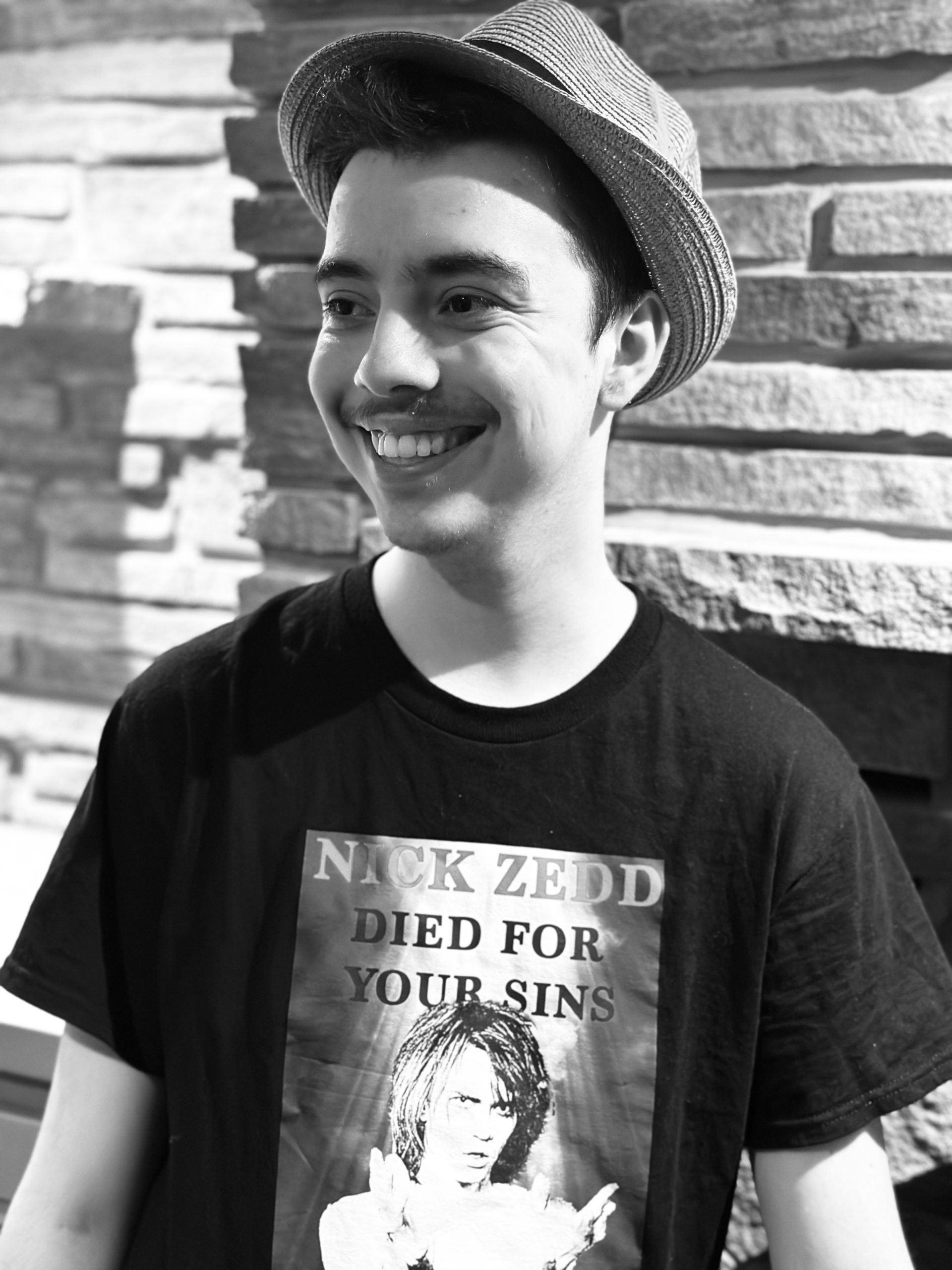
Many directors inspire me for different reasons. One of the directors who inspires me the most is the underground filmmaker and creator of the Cinema of Transgression, Nick Zedd. He consistently made both shorts and features in an uncompromising and raw way, and his do-it-yourself ethos resonates greatly with me. He proved that the only thing you need to make a good movie is a good mind. In fact, I have the pleasure of now being close friends with his widow, Monica Casanova, who I am working with in the Nick Zedd archive. Her and I have a lot of exciting things coming up! 

The filmmaker Giuseppe Andrews also serves as a big inspiration to me. The fact that he made over 30 features with little to no money living and shooting in a trailer park, has and will continue to inspire me and my work. I think both he and Nick are true artists.

-What do you dislike about the world and what would you change?

I dislike a lot about the world and there is a lot I would like to change. However, what I and my work are most concerned about now is the continuously increasing gap between the ultra wealthy and the rest of humanity. We are now living in a time where, according to a statistic by Oxfam, the top 1% have more overall wealth than the bottom 95% of the global population. I consider this to be an important statistic showcasing the immensity of human greed. 

I also find myself having problems with the corporatization of our planet and fear that in the years to come the world may be run by a series of large corporations, partially operating through the exploitation of labourers, for their continuous profits. I am concerned about the continuing use of child labor amongst many large corporations. These are things I hope to discuss in my future work. Similarly, I dislike that by the year 2050 it is projected that there will be more plastic in the ocean than fish (by weight). It is evident that our current system has nearly single-handedly destroyed the planet earth and if we wish to keep reproducing on this planet, something must be changed immediately. I fear that in 100 years it is entirely possible that clean air will be taxed by the corporate government elite. 

-How do you imagine cinema in 100 years?

I am excited to think about where cinema will end up in 100 years. I hope that cinema is still alive and flourishing. I do worry about the potential for film to fall victim to total censorship by a global fascist elite with the intention of demoralizing all art. I think there will always be a couple of important individual artists working however. I ponder if in 100 years movies will go further into the realm of virtual reality and I like the idea that movies may be things that you can physically get inside. I hope cinema will be more of a transcendental experience.

-What is your impression of WILD FILMMAKER?

I really appreciate what WILD FILMMAKER is doing, showcasing the lives and works of many different artists, both those who create for the mainstream audience as well as those who do not. I enjoy reading the interviews you do and always learn new things from them, as such a vast array of filmmakers are featured!

(EXCLUSIVE) Interview with Colette Standish

Tell us about your latest projects presented in the Bay Area.

In my current project, I explore and shape contrasting energies that form the eroticized body, using video and photography. As a result, the viewer  is taken on a subjective journey through the erotic dreamscape of the body, passing through varying streams of consciousness in pursuit of the ultimate erotic desire – the orgasm, metaphorically seen as “chasing the light.”

The video comprises several vignette videos that transcend the erotic imagination from the subconscious world of dreams into the conscious world of being. The video centers on the contradiction and paradox of the erotic experience, which brings about tension and thus finds its release through the transgression of opposing energies that clash and ignite each other into a kaleidoscope of light and color. The sounds of breathing navigate the labyrinth of the subconscious dream world, yet simultaneously, one is acutely aware of being in the present conscious world; one is lost and found, invisible and visible. The paradox of the erotic experience.

The photographic component is composed of varying stills from the film that have been manipulated and molded into submission via the subconscious and the erotic imagination, into the conscious world. Images are printed onto the surface of textured, porous paper, whereby the conscious and subconscious – the visible and the invisible – merge and enter into a state of secretion, leaving tattooed traces, or printed images, of the erotic experience.

Who inspires you when you create a work of art?

When I am in the process of creating art or filming, I often find myself deeply immersed in my own creative flow. However, before I begin, I typically listen to music and explore various artworks and films for inspiration. While working on my current project, I was listening to Björk, PJ Harvey and the slits ,as their music embodies both rawness and surrealism as well as being sexy as hell.  Film wise  I found myself influenced by The Innocents directed by Jack Clayton,  Fellini’s  8 ½ and Antonioni’s Blow – Up. Recently, I’ve been exploring a Gothic phase, which has led me to study the works of Joel-Peter Witkin, John Everett Millais’s “Ophelia,” and the art of the German surrealist Hans Bellmer.

What is Art in 2026?

Art needs to be challenged to evolve, and the importance of technologies, such as AI, is important to its survival as we enter the second quarter of the 21st Century. However, I fear that technology may overshadow the fundamental element of all art: human consciousness and one’s subjective experience of existence.

What projects are you currently working on?

I am working on eroticism as a philosophy, in particular focusing on the spiritual element of eroticism. For example, the conscious erotic experience is absorbed into the body and connects to the unconscious components of said body, detonating a combustion that results in the orgasm. As the orgasm filters through one’s consciousness and unconscious, the soul gathers the residues of the event, such as memory and identity – the spiritual essence of a living being – and turns the experience into deep feelings of emotion. Eroticism is a cognitive conduit that channels sexual love-eros via art, into a philosophy based on lived experiences.

What’s your impression of WILD FILMMAKER, the largest community of Indie Film Producers in the world?

WILD FILMMAKER is the contemporary epitome of Neorealism, returning to the social and human roots of filmmaking. Back in the 1940s/1950s, Neo Neorealism was a film movement about making things’ real, ie, characterized by a focus on the lives of the poor and working class, a documentary-like style using real locations, non-professional actors, and a rejection of studio glamour, giving filmmaking a human face and sensitivity. WILD FILMMAKER demonstrates that everyone can be a filmmaker, whether it’s with a camera phone or a traditional camera. It opens filmmaking up to everyone, not just the elite of Hollywood and other film industry centers. Again, just like before, it takes filmmaking out of the studio and onto the streets, utilizing elements of social engagement with actors, regardless of their level of professionalism, and imbuing it with a human sensibility, where anything and everything is possible.

I recall one late summer evening in 2022, when I spoke with Michele Dioma about his idea of creating a space for all independent filmmakers. I remember his passion and unwavering commitment to bringing filmmaking back into the hands of the people, and in a short space of time, he did it. I am very proud of him and WILD FILMMAKER.

https://www.colettestandish.com