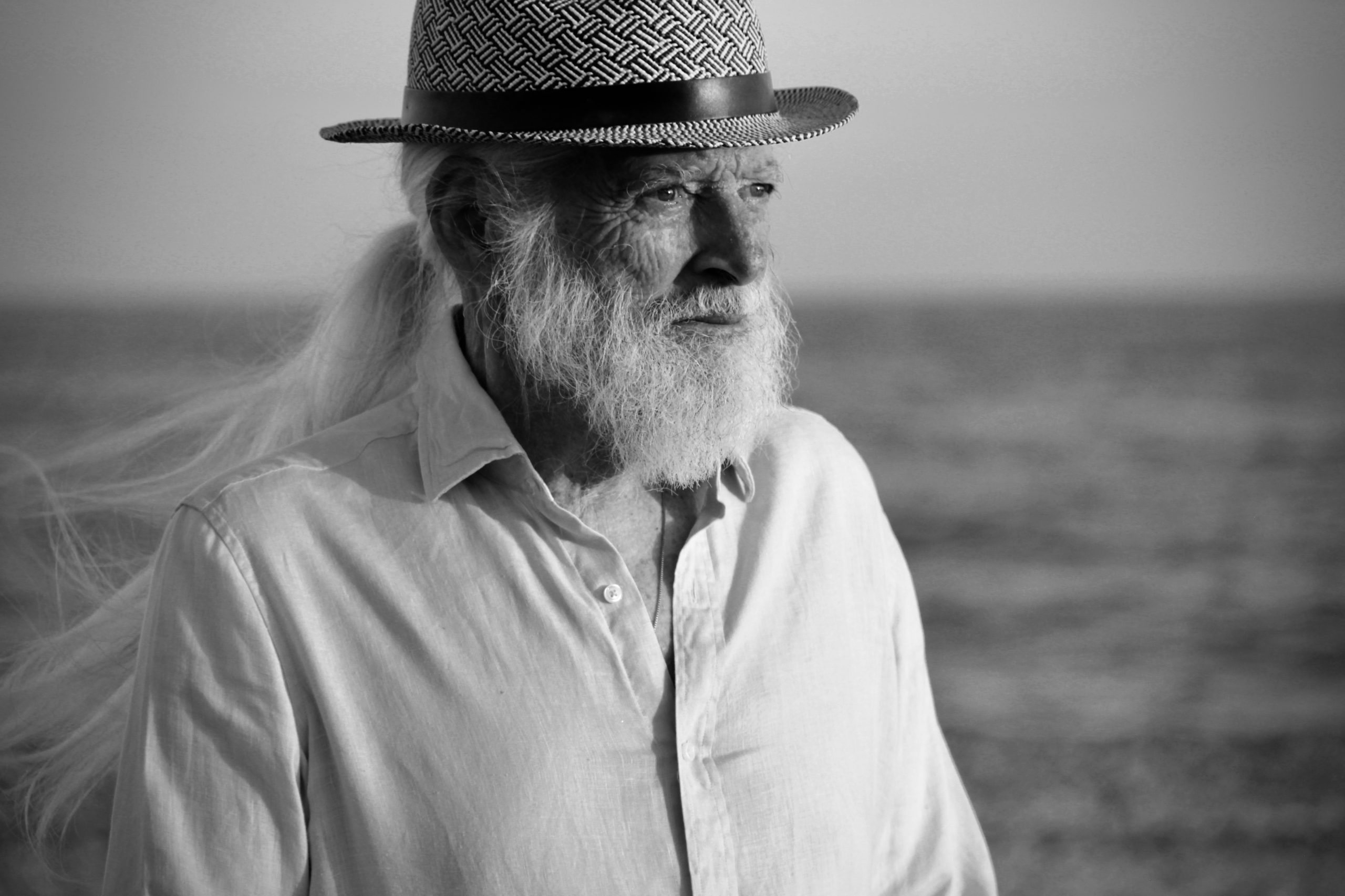
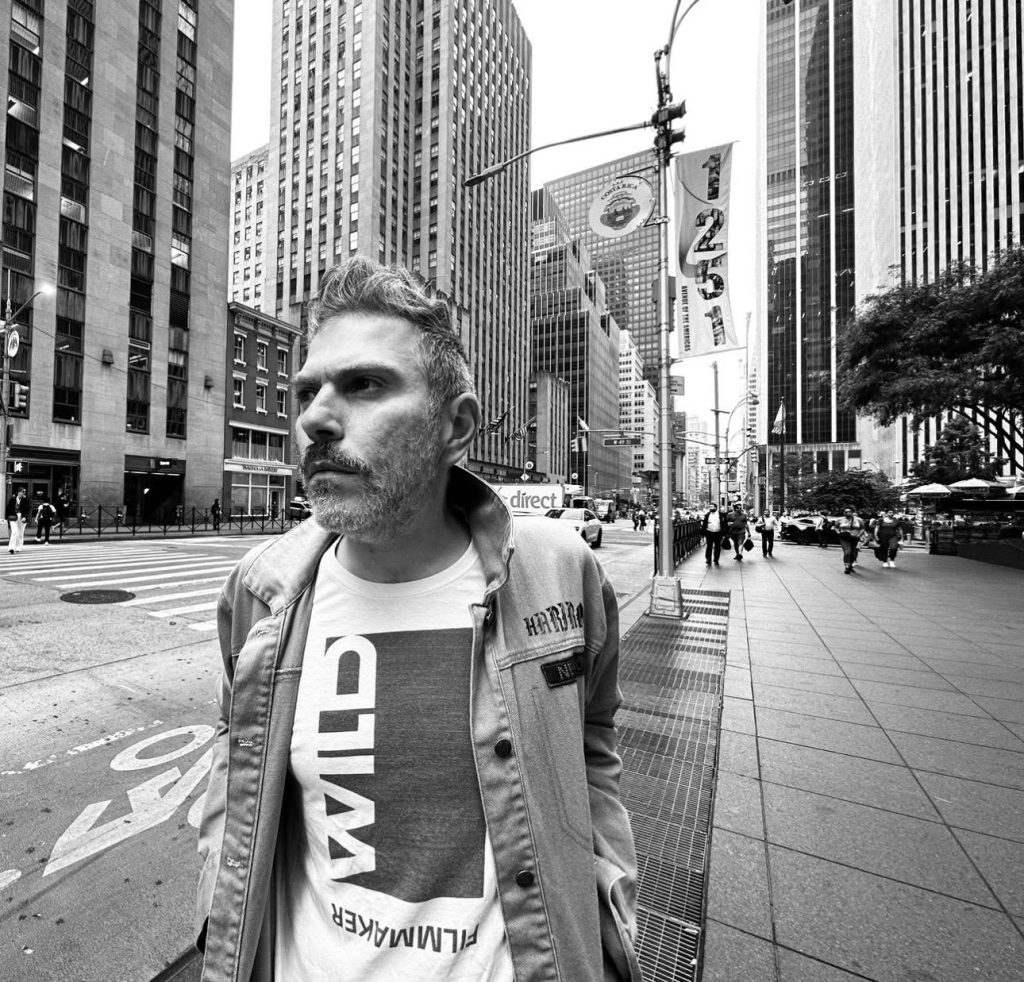
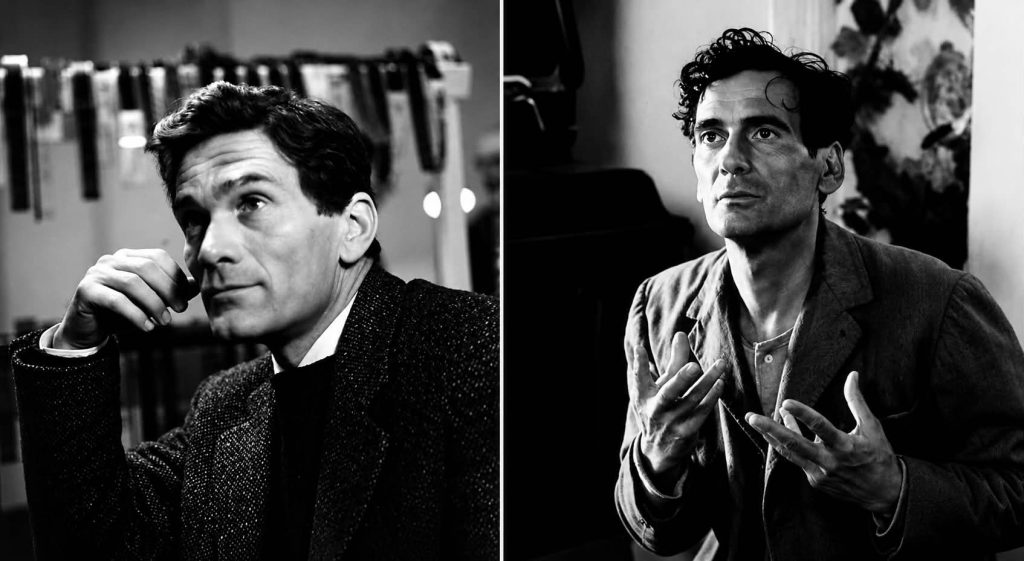
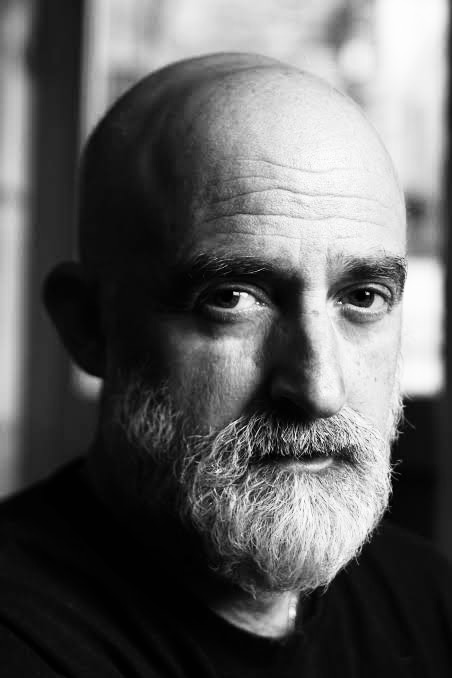
For those who love the history of cinema, there are great auteurs to study and often rediscover—and then there is Charlie Chaplin. Once, Federico Fellini said that Chaplin, in a way, is Cinema itself. I believe that if we want to understand the great tragedies humanity is experiencing today, we should revisit Charlie Chaplin’s films, because I think they contain the most precious message of peace that any artist has ever given to the world. It is with immense honor that today we welcome Michael J. Chaplin to the WILD FILMMAKER Community.
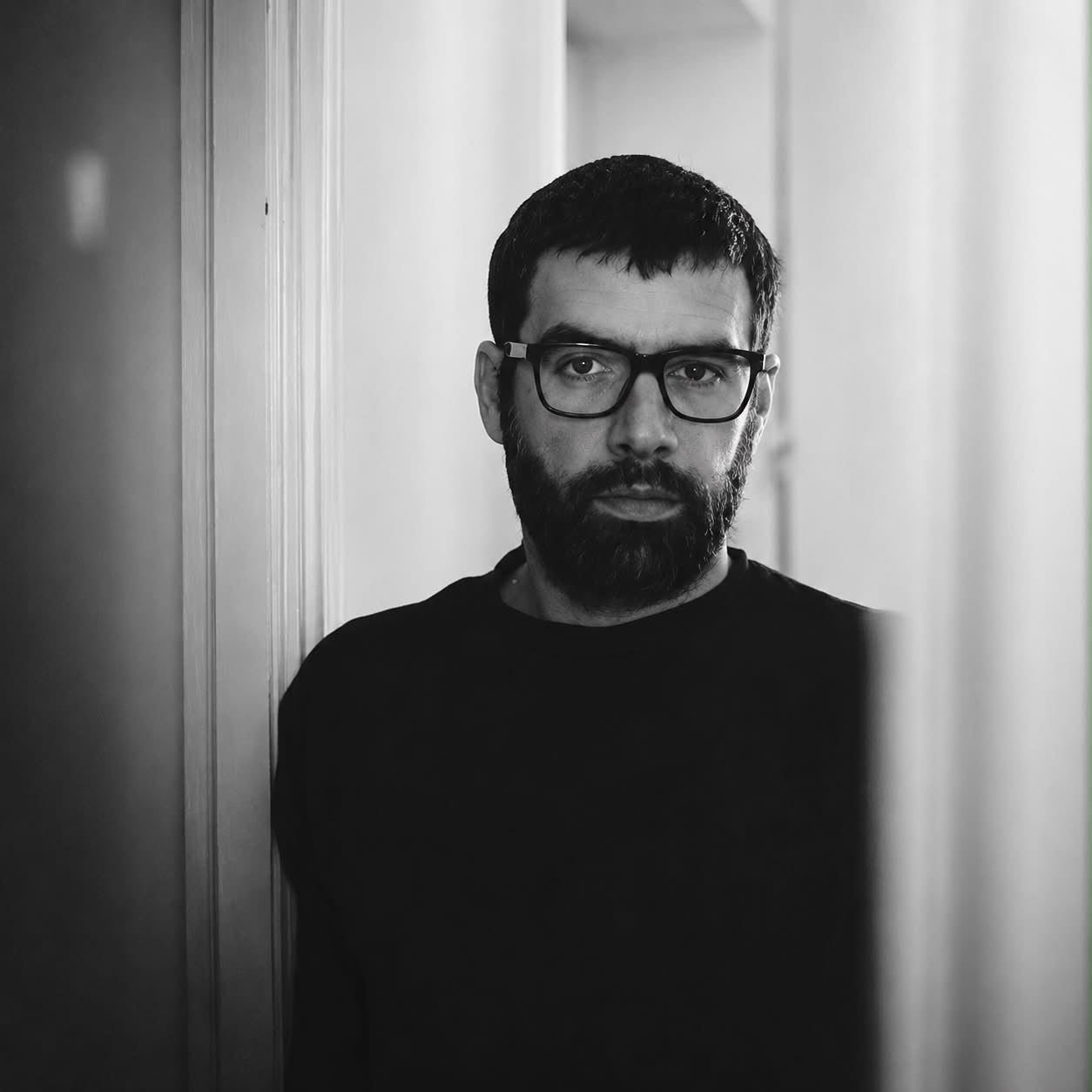
(PH By Ashim Bhalla)
Who is Michael J. Chaplin?
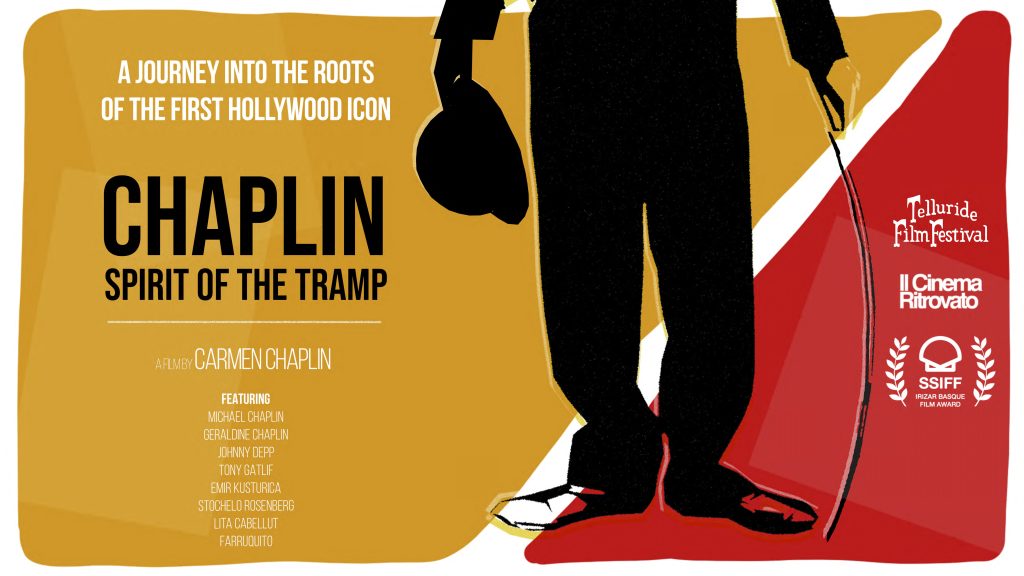
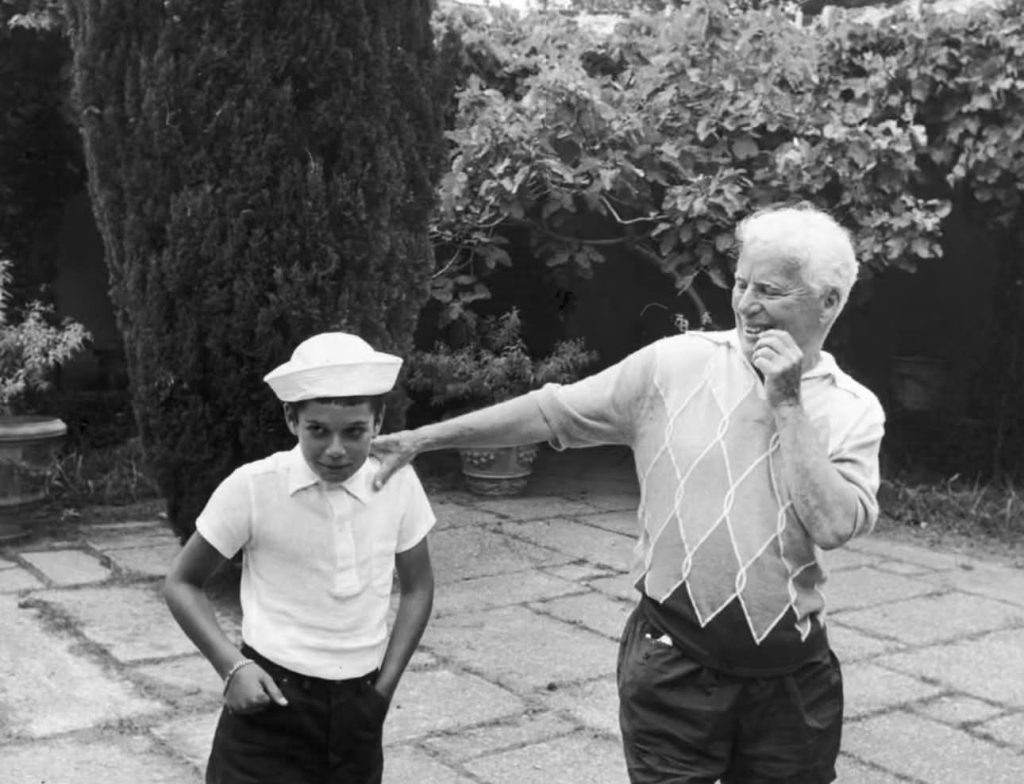
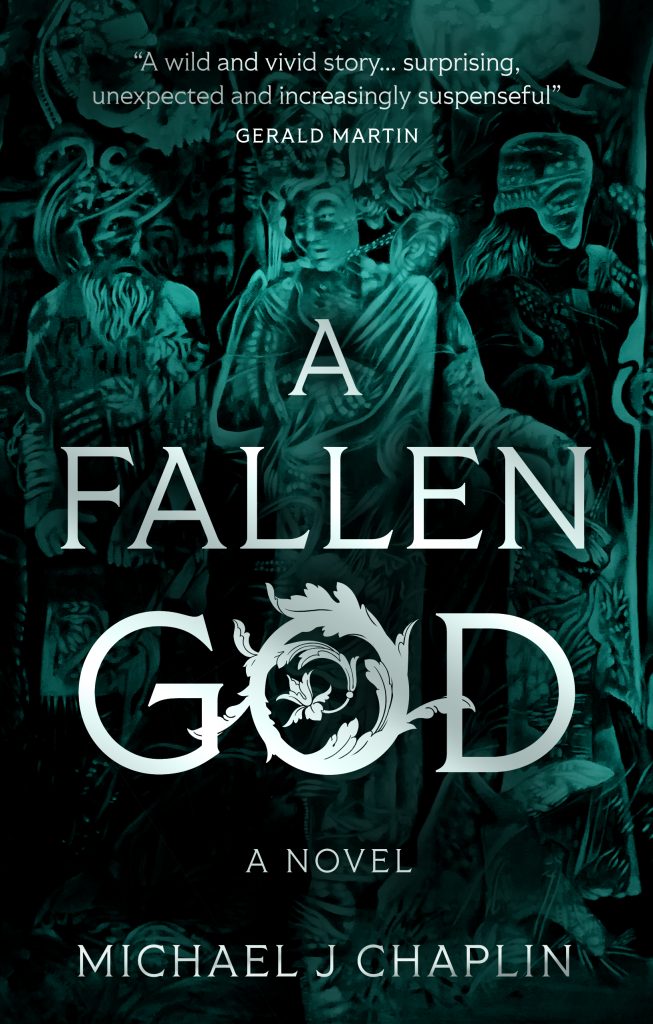
I am a British author, born in Santa Monica, California, and raised in Switzerland following my father’s expulsion from America during the McCarthy era. I am the eldest son of Charlie Chaplin and Oona O’Neill. After a youth spent trying to escape my father’s overwhelming fame, which followed me everywhere, I eventually found a stable life farming land in Southwest France and raising a large family. My literary debut is the historical fiction novel, A Fallen God. More recently, I have dedicated myself to tracing my father’s English Romany roots, an exploration that is the subject of the theatrical documentary Chaplin | Spirit of The Tramp, in which I am the central participant and narrator. I currently live in Switzerland, but continue to write and travel frequently in Southern Europe.
The main mission of WILD FILMMAKER is to introduce younger generations to the history of cinema. Is there a project you would like to create to help contribute to this goal?
My current project, the documentary Chaplin | Spirit of The Tramp, is designed to do exactly that. The goal of the film is to revisit Charlie Chaplin’s work through the lens of his Romany heritage, which is a new perspective compared to other films about his life. The film is particularly important in cultivating a love of the big screen experience to build future cinema-going audiences as it was made in that spirit. I am the thread that runs through the film, and it features my granddaughter, Uma Bhalla Chaplin, who interviews me and also voices an animated version of my father in his own words. This passing of the torch within the family, and the inclusion of a younger generation, introduces the Maestro to a new audience.
What do you like and what don’t you like about the world?
I am a family man, I spend most of my time at home reading and writing. I enjoy a simple life with my wife, children and grandchildren. There is much to dislike about the world but if I focus on basic goodness, people, my family, nature and simple pleasures like reading and writing then there is so much to like.
Every artist has someone or something that inspired them. Where do you draw your creative drive from?
For my novel, A Fallen God, the inspiration was drawn from the land itself. While farming in Southwest France, a strong, melancholic feeling settled over me. Discovering the history of the 13th-century conflict between the Church of Rome and the rebellious Cathar movement—and the subsequent genocide—unlocked the world and theme for my historical romance novel.
For my work in cinema, the drive is deeply personal and began when my father told me about his Romany roots at the age of ten, a confession that impressed me greatly. The documentary, Chaplin | Spirit of The Tramp, represents decades of my dedication to tracing and honoring this English Romany tradition. Ultimately, this project is a pilgrimage of love, where I reclaim my father and his legacy.
What impression do you have of WILD FILMMAKER?
I have a positive impression of WILD FILMMAKER. I appreciate it’s focus on preserving the history of cinema and promoting arthouse cinema at major film festivals. The mission to promote creativity and democratize cinema, while introducing younger generations to the history of the art form, is commendable.
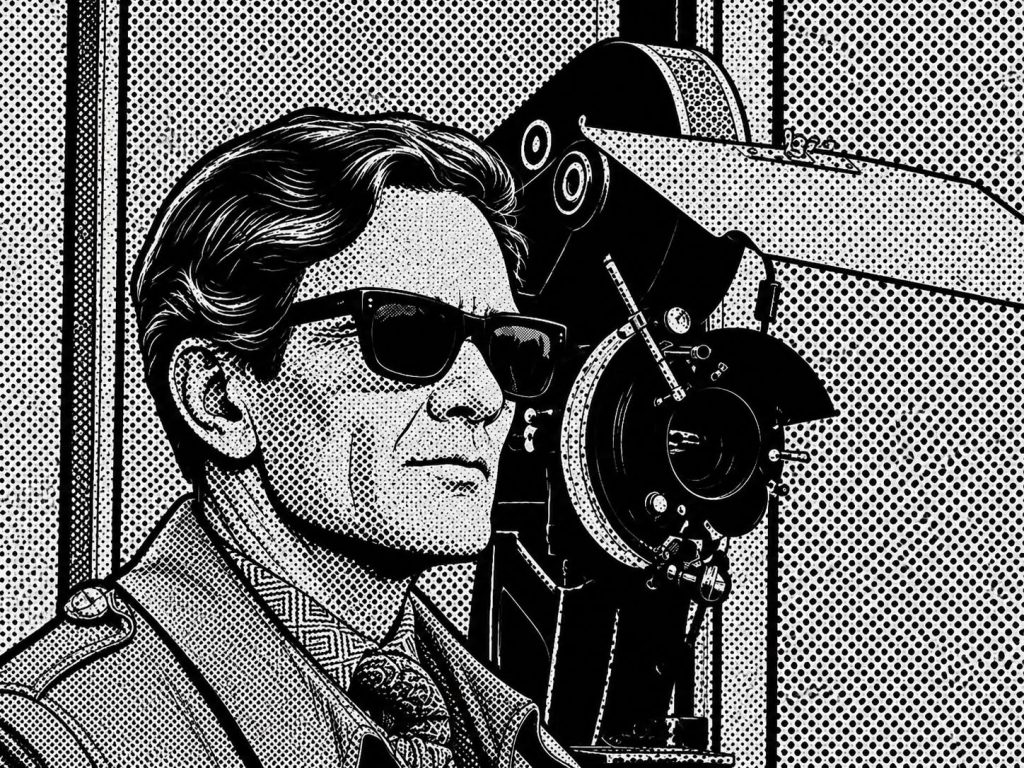
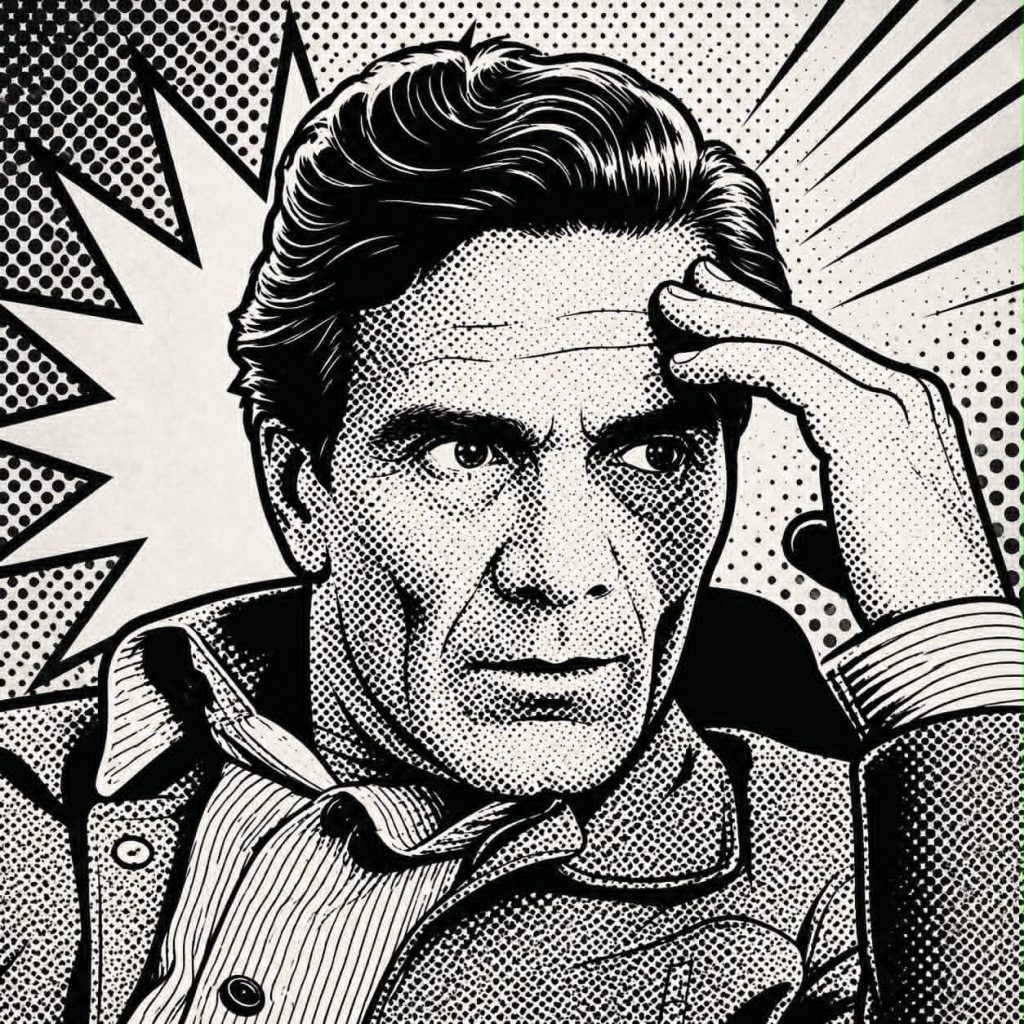
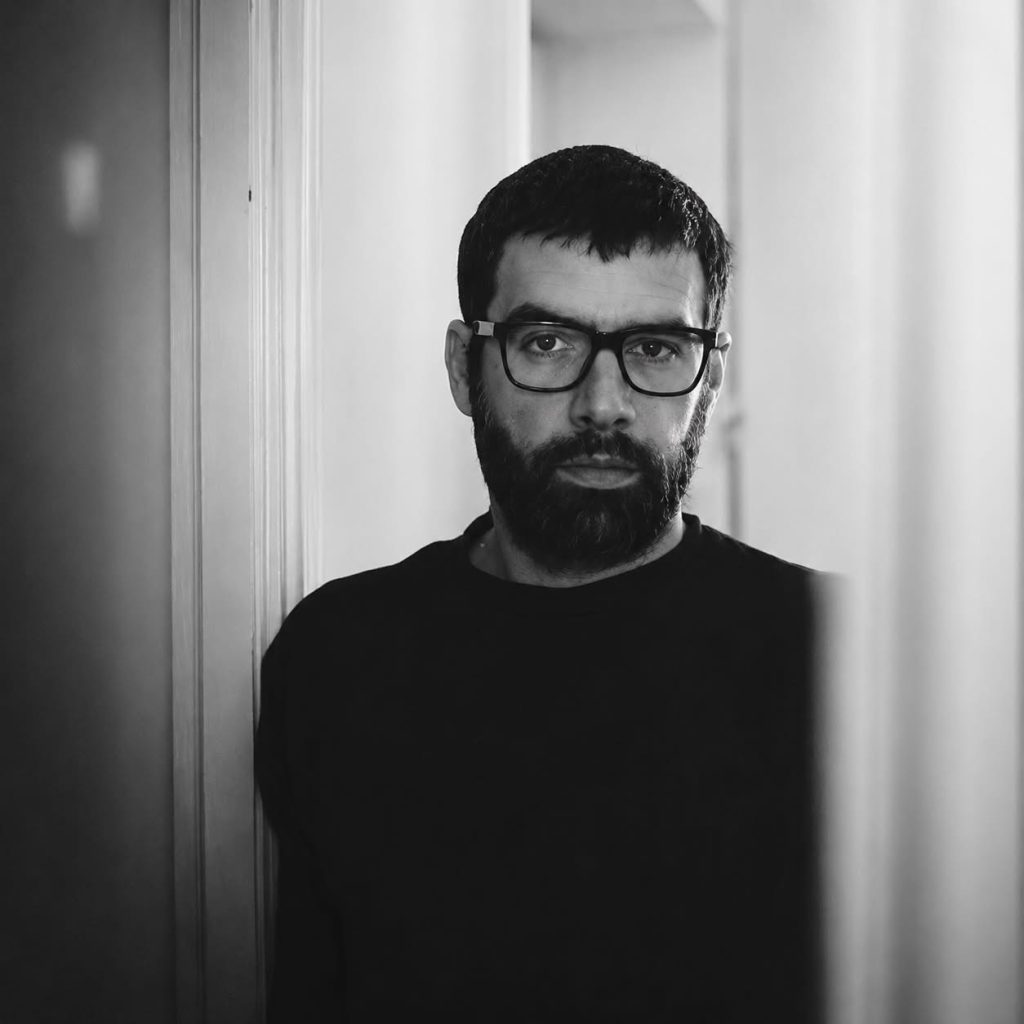
I’m a screenwriter, director, writer and creative writing teacher. Alongside my artistic and professional work, I collaborate with my mother Maria Grazia Chiarcossi, Pier Paolo Pasolini’s heir, in the care, preservation and promotion of the poet’s literary legacy, organizing seminars, workshops and open lectures on his work, in Italy and abroad.
-More than fifty years after his death, what does Pier Paolo Pasolini represent today for Italian society and for younger generations? // In your opinion, is Pasolini today a figure who is truly understood and studied, or has he become a symbol that everyone interprets according to their own perspective?
To answer this question, we must first clarify what we mean when we talk about Italian society. Formed barely a century ago on the ruins of the postwar period, it is a provincial by-product of the great European bourgeoisies. It came into being through inertia, modelling itself on them, but without any history behind it, no shared zodiac of values, no cultural consciousness. That is why it has never been able to place any brake on the dehumanization that capitalism has provoked in the West. When it could, it has even done the opposite: invoked it as a blessing. Its defining characteristics have always been conformism and philistinism, and in a century of existence it has produced very few intellectuals of substance. The one and only figure who continues to carry enormous weight in the nation’s conscience – or perhaps, I should say, in its unconscious – is Pier Paolo Pasolini. But his work is complex, powerful, contradictory; it forces you to question yourself, and the average Italian flees from complexity and from confrontation with his own contradictions as he would flee from death, for fear of losing the small privileges to which he clings tooth and nail. He prefers escapism. Through television first, and now the anonymous, impalpable and magmatic virtual world of the web, capitalism has entered the psyche of individuals, into their deepest imaginaries, poisoning their capacity for fantasy and judgment. A textbook example of this involution is escapism. Mystification. Unreality. Pasolini’s cultural legacy has also fallen into unreality. Today his figure is miraculous, his words prophetic, his tragic fate the fruit of some dark conspiracy, a purely symbolic event, if not an outright sought-after destiny. If his contemporaries failed to defuse the explosive charge of his words by demonizing him while he lived, his successors have succeeded by deifying him in death. The logical consequence of all this is that in the age of profound cultural and ideological regression in which we live, almost no one in Italy is any longer capable of perceiving the protest that runs through every line of his immense work, let alone reckoning with it. Even Pasolini’s poetry has become Poetry with a capital P, collapsing into a purely intimate, individual experience, detached from any immediate utility, urgency, or practicality. In other words, outside of History. Young people, who are still on the threshold of social life and see only its purest ideals, are not yet contaminated, corrupted, or mortified by petty-bourgeois cowardice and hypocrisy. They are generally adorable beings, full of hope and goodwill. They are still free, available. They can believe. On them, Pasolini’s words still have a real, overwhelming effect. They remain perhaps the only true resource, the only valid instrument for developing critical consciousness and civic sense. Unfortunately, the vast majority of them, through fragility, loneliness, and abandonment, succumb very quickly to conformism and consumption. But in my personal experience, in my small, humble, laborious work of spreading the poet’s thought, there is never a shortage of young people capable of listening to his words, making his worldview and his rage against injustice their own. For how much longer will they be able to resist those invisible forces that try in every way to occupy their judgment and their imagination? On this I will not venture an opinion. All my hope rests in the new generations. For better or worse, it all depends on them.
-Pasolini was often described as a controversial and prophetic intellectual: which of his analyses on politics, consumerism, and cultural change do you believe remain relevant today?
What strikes readers approaching Pasolini’s work for the first time is the precision with which he was able to describe the transformations of society at the exact moment they were occurring. If we were to take all his works, from the first poem he wrote at the age of seven to Salò, his last film, and arrange them in chronological order, we would have a portrait of Italian history from the end of the fascist years to the mid-1970s, day by day. After his death, the world changed, and with him disappeared, at least in Italy, an intellectual capable of narrating it to us. But his work remains indispensable for understanding the complex web of reasons that has brought us to where we are. His analysis of cultural homogenization through consumption and television remains entirely valid today – a diagnostic instrument for measuring the health of society that is perhaps even more powerful in our present, in which the same logic has reached a global scale. His denunciation of “development without progress” remains entirely valid, now that the relationship between productivity and wellbeing has been inverted and means have achieved overwhelming primacy over ends. His attack on the false tolerance of power – which integrates what it once repressed, reducing identity, sexuality, and marginality to pure commodity – also remains entirely valid. I could go on at length, but verifying whether his analyses are still current or not is a pastime that doesn’t particularly excite me, because it conceals something rather base: the secret hope of discovering sooner or later that he was, after all, wrong, that the world is fine as it is, that there is nothing we can do to change it, that one might as well enjoy life, that one can be happy even when others are not. And yet the opposite is true. Pasolini’s most important legacy lies precisely here: in hurling himself with all his strength against the injustices and the violence of power over the weakest, never letting his guard down, even at the cost of contradicting himself, even at the cost of exposing himself personally, even at the cost of his life.
-What don’t you like about the world, and what would you change?
This question too, unwittingly naive, springs from a completely mistaken ideological premise. For better or worse, there is no perfect world to aspire to. It is perhaps the most powerful illusion to which human beings fall victim, one that drives them, in all manner of ways, even the most inhuman, to impose their own idea of what is just, what is good, and what is beautiful upon others. Every individual is unique and unrepeatable: it would be enough to learn to live together respecting this principle, in peace. That, perhaps, is the only wish I feel able to express regarding the fate of the world: a wish for peace. But what is peace? For Pasolini, peace was not a state of serenity or restored normalcy after war. He abhorred what the world calls “normality”. “In the state of “normality” – he said – man tends to fall asleep; he forgets to reflect, loses the habit of judging himself, no longer knows how to ask who he is. And it is precisely during this “normality” that a state of emergency must be artificially created. And it is the poets who create it. The poets, those eternal indignants, those champions of intellectual rage, of philosophical fury. What makes the poet discontented? An infinity of problems that exist and no one is capable of solving. And without whose resolution, peace – true peace, the poet’s peace – is unachievable.” And he added: “As long as man exploits man, as long as humanity is divided into masters and servants, there will be neither normality nor peace. The source of all the evil of our time lies here.”
-WILD FILMMAKER is a global community of Arthouse film producers, a movement inspired by the Nouvelle Vague but on a worldwide scale. Do you think it is still possible today for an independent movement to prevail over the distribution power of the major companies?
It would be wonderful, but it would presuppose a genuine revolution. And it is very difficult to imagine a revolution – a concrete one: economic, social, and cultural – in the traditional sense of the word, because revolution implies a struggle against those in power. And today power has no centre, no name, no face, no masters. It corrupts and devours everything, even the movements that reject it. Currently the most subversive forces running through the West come from within it, from the most reactionary, extremist, and fanatical fringes of society. A phenomenon destined, in the best-case scenario, to implode the system rather than revolutionize it. The only true revolutions today are being made by machines. Hoping that from the four corners of the planet a healthy subversive impulse might arrive, capable of opposing all this and overturning the balance of power overnight, might still have made sense in the last century. Today I fear it is a vain illusion. But we must not surrender to despair. We live in an unjust society. But within this society our lives and our work unfold. So we live and work contributing to its sustenance. It compensates us poorly, worse, in a certain sense, it persecutes and humiliates us. So we criticize it, accuse it, oppose it. And this only worsens our practical situation, in terms of both life and work. Yet our criticisms, our accusations, our opposition do not prevent us from living and working within and for this society. They are even its principal nourishment. All of this is absurd. So what is left for us to do? Push the protest to the point of breaking the law? Or organize a kind of moral strike, isolate ourselves in voluntary exile, observe a symbolic fast, oppose a categorical refusal, a definitive, almost mystical “no” to the world around us? Taking our dissent to its ultimate consequences, these are the only two solutions, in the end. Artists possess, fortunately for them, one weapon: that of poetic expression. With it they can fight, in a certain sense, outside the law. But everyone else? Everyone else is forced to split themselves, to dissociate into two different people. By day, to work for society. In the evening, at the bar or on social media, to criticize it, accuse it, condemn it. It is the long tragedy in which entire lives are spent. But this tragedy, amid all the tragedies of the modern age, is the only one that presupposes a genuine hope. Perhaps independent artists should start over from here: fighting to put the human back at the centre, one battle at a time.
I am first and foremost a raconteur. When I was a boy, my friend and I used to play in Flannery O’Connor’s yard. Her mother, Miss Regina, would come outside and yell at us. Perhaps something rubbed off on me while I hid in the shrubs waiting for her to go back inside. I love telling stories. I am also a screenwriter, filmmaker, playwright, entrepreneur, and educator who has spent most of his life trying to better understand people. Before moving into filmmaking, I trained as a historian and therapist and eventually founded Darien Wellness, a behavioral health organization dedicated to helping people navigate life’s challenges. Looking back, whether in business, education, psychology, or filmmaking, I’ve really been doing the same thing all along: listening to stories and trying to tell them well. As a filmmaker, I’m particularly interested in the intersection of memory, identity, perception, and human behavior. Whether I’m making my documentary like PAPER MOON Rise or a psychological thriller like Occam’s Beard, I’m drawn to stories that challenge audiences to question what they think they know.
Do you remember the exact moment you fell in love with cinema?
I was pre-verbal—or perhaps just a child of few words—but I remember using movies, and to a lesser extent television, as an escape from my parents’ very unhappy marriage. Movies were a place I could run into and become totally absorbed. I was especially fascinated by films of the 1930s and 1940s. Many decades later, I figured out why. Most of those films were relatively short, and my undiagnosed ADHD worked well with that format. Long before I understood anything about attention or psychology, those movies were holding my interest in a way that many other things couldn’t.
Tell us about your project “Occam’s Beard”.
Occam’s Beard is a psychological thriller about a former child star who becomes convinced that his longtime psychiatrist has been replaced by an impostor. What begins as a routine therapy session slowly unravels into a confrontation about memory, grief, identity, and the stories we tell ourselves in order to survive. The title is a play on Occam’s Razor. The screenplay asks what happens when the simplest explanation is actually the wrong one. At its core, Occam’s Beard is about perception. Every character believes they understand what is happening, and every character, to some extent, does.
Which Director inspires you the most?
Wow. That’s an impossible question. F. W. Murnau, George Lucas, John Cassavetes, James Whale, Martin Scorsese, Woody Allen, Spike Jonze, Richard Linklater, Sam Mendes… please stop me. I can go on for a very long time if you let me. The truth is that I don’t really have a single favorite director. Different filmmakers inspire me for different reasons. Murnau’s visual storytelling, Lucas’s world-building, Cassavetes’ emotional honesty, Whale’s humanity, Scorsese’s energy, Linklater’s naturalism, Mendes’ precision—each reminds me that there are countless ways to tell a story well. If there’s one lesson I’ve taken from all of them, it’s that great filmmaking isn’t about following a formula. It’s about finding the approach that best serves the story you’re trying to tell.
What do you dislike about the world and what would you change?
That they charge so much for really good coffee. If I ruled the world, I’d introduce an inverse pricing system. The better the coffee, the less it costs. The finest cup of coffee on Earth would be about fifty cents, while terrible coffee would cost twenty dollars.
Screenshot
How do you imagine cinema in 100 years?
It will be charcoal drawings on cave walls (again)
What is your impression of WILD FILMMAKER?
I think Wild Filmmaker is an amazing place to be—and to be seen. I recently read an article about Martin Scorsese and thought, “Well, I guess this is as close as I’m ever going to get to Scorsese.”
Sharing the pages of the same magazine with him is a real honor. As a first-time filmmaker, that’s pretty remarkable company to keep.
I’ve been asking myself that question for quite some time. I think I’ve come up with an answer after all these years spent in this strange reality, but I’d be curious to hear what another Angelo Orlando would say about me. Maybe the one who lives in a parallel timeline, the one who solved all the problems that this Angelo keeps stubbornly collecting. Perhaps he would say that I’m an actor who tried to become a director, a director who tried to become a writer, a writer who tried to understand human beings, and a human being who, in the end, still understands very little. Or perhaps he would simply say that I am an observer. As a child, I observed people. Then the characters I realized were living inside people. Then films. Then dreams. Then coincidences. And at a certain point I understood that the most interesting thing was not observing the world, but realizing that the world was observing me. Since then, I have continued making films, doing theater, and writing for the same reason: trying to understand what we are doing here, telling each other stories. For now, I still haven’t found a definitive answer. But I must admit that the search is still a lot of fun.
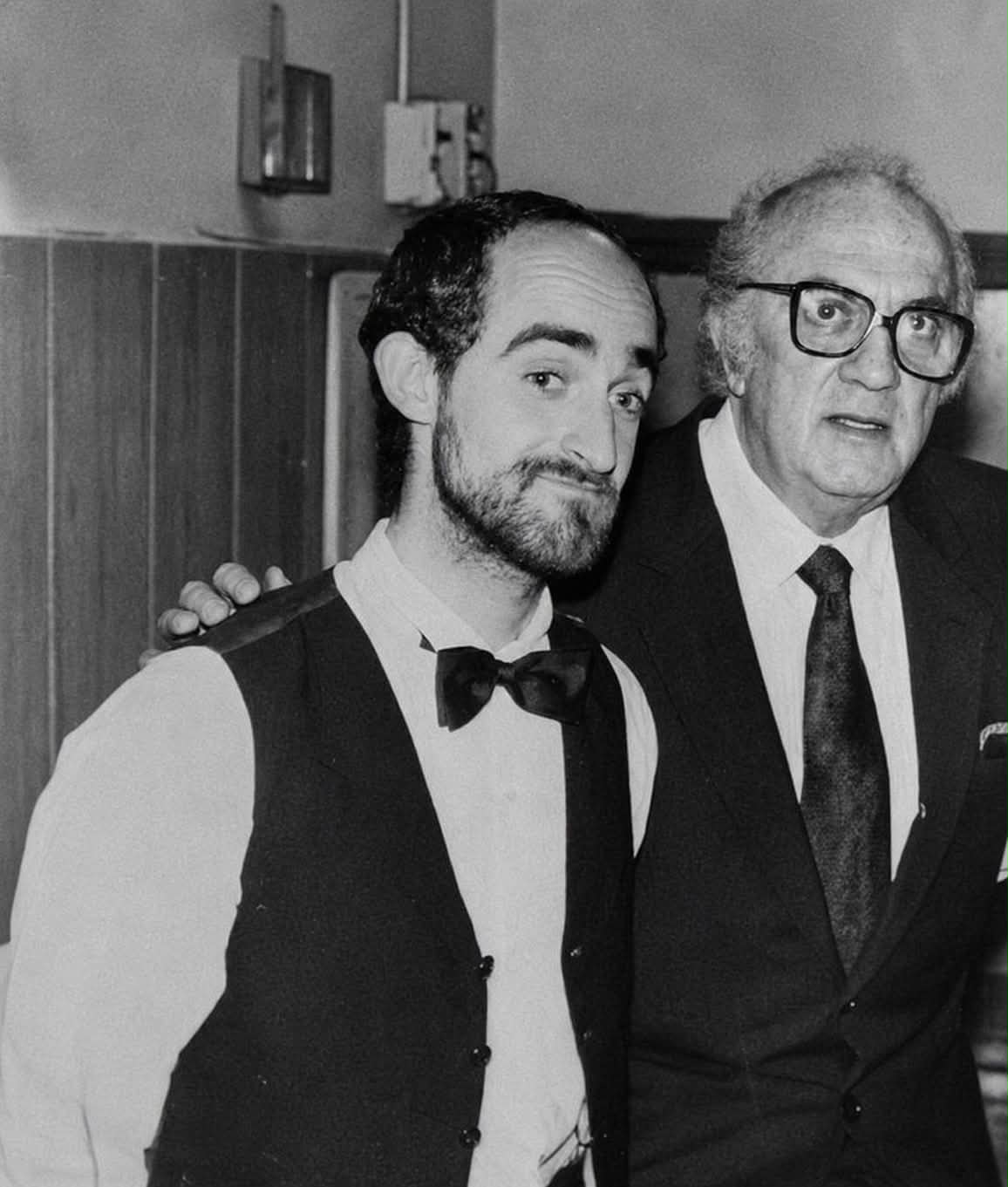
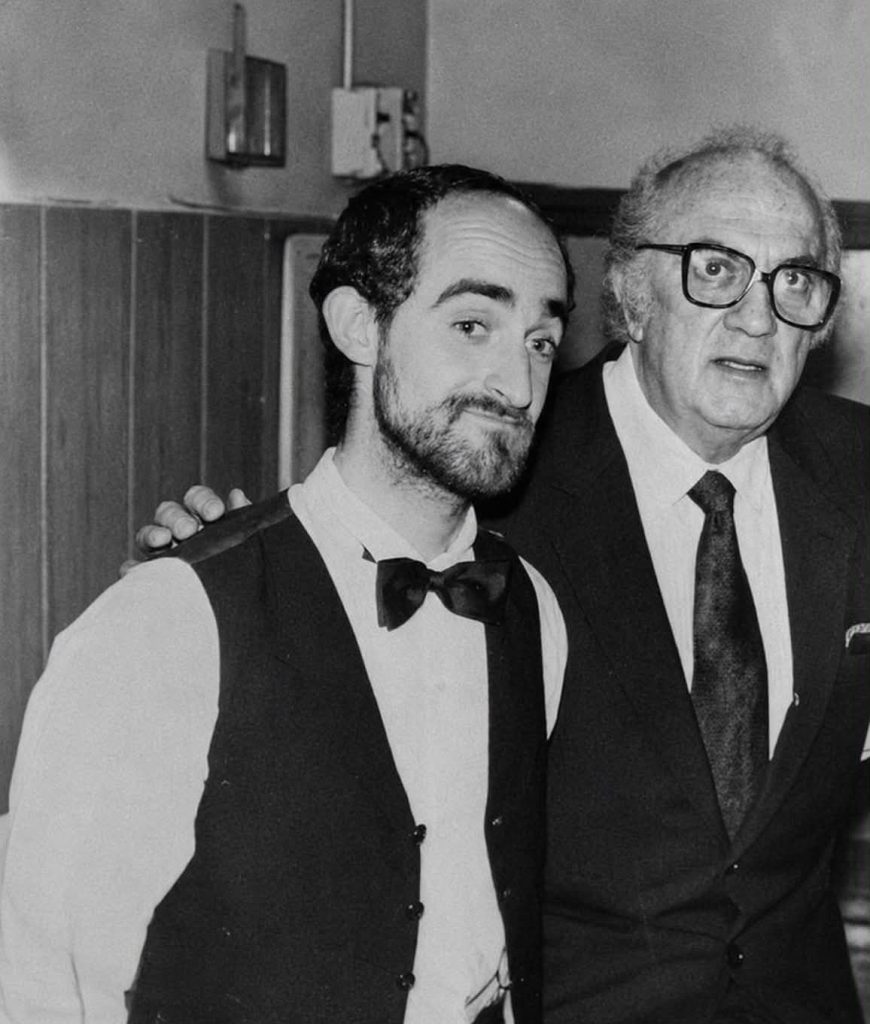
You were part of the cast of Federico Fellini’s last film, “The Voice of the Moon.” How did your collaboration with the Mozart of the Seventh Art begin and develop?
In reality, the story is both simpler and more mysterious than it seems. I wasn’t looking for Fellini. And, to be honest, at that time I wasn’t even thinking about cinema in a rational way. I loved it, of course, but my world was elsewhere: theater, comedy, variety shows, television. I was working a great deal and had the good fortune of collaborating with Renzo Arbore. It was Fellini who found me. He came to see me perform in the theater and wanted to meet me. Shortly afterward, he invited me to the studios on the Pontina highway, where they were building the set for The Voice of the Moon. He talked to me about the character, explained his vision, and immediately made me feel part of that world. The extraordinary thing is that I continued working simultaneously on the television show with Arbore. I even had special permission to leave the set and go record the program. Today it sounds unbelievable, but at the time I experienced it all quite naturally. Perhaps because I was young and had not yet developed the reverence that comes later. Fellini wanted me there. And that is one of the things that still strikes me today. Sometimes I would spend hours doing nothing. Observing. Waiting. Wandering around the set. Yet I always had the feeling that my presence was important to him, as if he were building something that went beyond a single character. Only many years later did I understand that the true privilege was not having acted in a Fellini film. It was having been able to observe up close the way he looked at the world. Because Fellini wasn’t merely directing a film. He seemed to be listening to something others could not hear. And every now and then, when I find myself doubting reality or following some apparently absurd coincidence, I realize that a part of that gaze has remained with me.
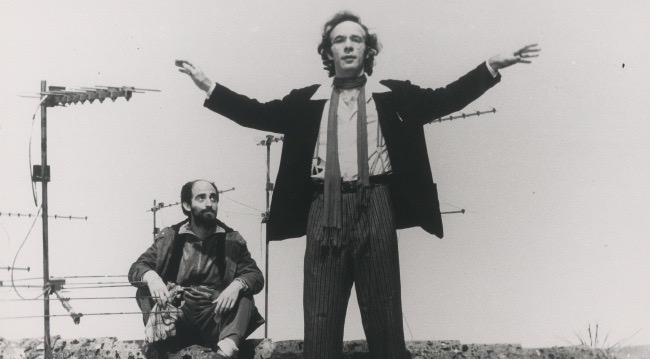
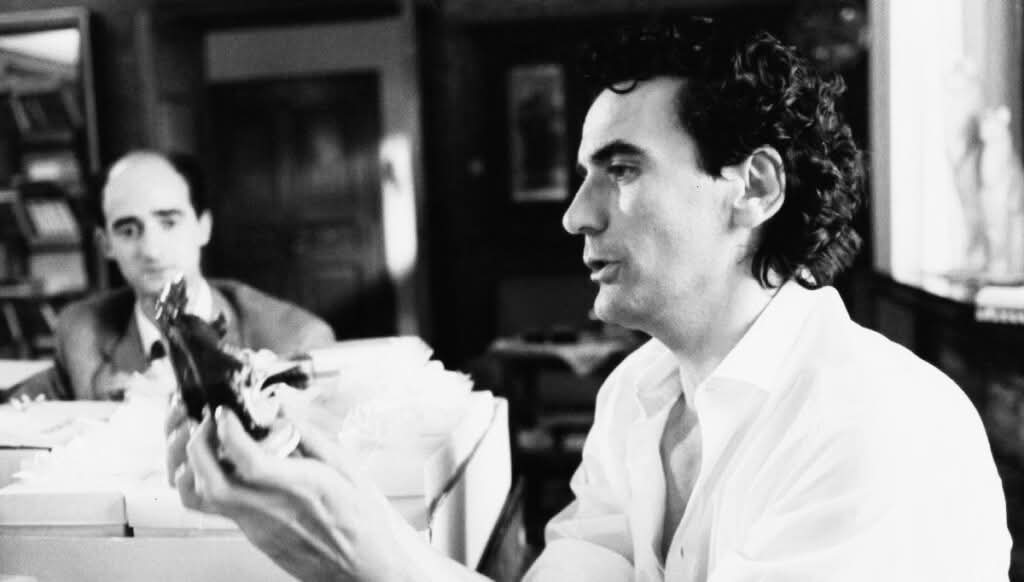
Shortly afterward, you became the co-star of one of the most beloved comedies of the last half-century of Italian cinema, “I Thought It Was Love… Instead It Was a Carriage,” directed by Academy Award nominee Massimo Troisi. Could you tell us how legendary lines such as “Cecilia, Cecilia, Cecilia…” were born, and what your relationship with Troisi was like on set?
Massimo always repeated one thing to me: “You have to annoy me.” He wanted the audience, looking at Amedeo, to think: “My God, how annoying this guy is…” And that was exactly the heart of the character. Amedeo was the essence of contradiction. A man who hid behind words, theories, and intelligence. A writer who seemed to have an explanation for everything and who, precisely for that reason, could not understand the only thing that truly mattered: love. He talked about love constantly but could not live it. He built universal theories that ended up who knows where, argued, reasoned, explained. He was a man who used thought as a defense against life. Massimo understood perfectly who Amedeo was and constantly guided me in that direction. He was an extraordinary perfectionist. He would make me repeat a scene ten, twenty times until he found the right rhythm. But it was never a technical search. He was searching for truth, for naturalness. He was looking for that moment when a line stops feeling written and seems to be born there, for the first time. Many scenes were the result of a sort of controlled improvisation. We would lock ourselves in the dressing room. He would arrive with a pen in hand. He would write, erase, adjust. Then we would go to the set and change things again. A word, a pause, a glance. And then again. Until everything seemed to flow naturally. The famous “Cecilia, Cecilia, Cecilia…” scene was my true baptism of fire. Massimo was lying on a hospital stretcher, poisoned by my diabolical little sister. I was beside him. It was one of the most important scenes in the film and, for me, the very first one I shot. I never wanted to work with Massimo Troisi because I always knew that I would work with him. I remember the excitement, the responsibility, the fear of being up to the task. But above all, I remember him: calm, attentive, amused. He knew exactly what he wanted and managed to convey that confidence to everyone. He never imposed. He guided. He made you feel part of something that was being born in that very moment. It is an extremely rare quality. Many directors direct scenes. Massimo directed the energy that allowed scenes to exist. That is what I feel as an inheritance, and what I always try to seek whenever I find myself directing a film that I have imagined.
In the final months of his life, Massimo Troisi’s face came to resemble that of Pier Paolo Pasolini. They seem like very different artistic personalities, yet I have always perceived a profound affinity between them in terms of intuitive ability and independent analysis free from external influences. In short, two pure thinkers. What is your opinion?
I believe the comparison makes sense, even though they belonged to worlds that appeared very distant from one another. There is one thing I can say because I lived it: Massimo loved Pasolini. How do I know? He told me himself. He often called me on the phone. He always asked the same question: “What are you doing?” Whatever I was doing, he would reply: “All right… come over.” And the incredible thing is that I really went. One day at his house, I asked him which Italian films he had loved the most. He didn’t even think for a second.
“La Ricotta,” he replied. “Pasolini’s La Ricotta.” At the time I didn’t even know what it was. I had never seen it. Only many years later did that conversation come back to me, and I went looking for it. I discovered that it was not a feature film, but one of the episodes of Ro.Go.Pa.G., a collective film directed by several filmmakers. Looking back on it today, that answer tells me a lot about Massimo. Behind the image of the popular actor, the comedian, the poet of irony, there was a man with profound intellectual curiosity and extraordinary sensitivity for everything authentic. Perhaps this is where I see the meeting point with Pasolini. Both were independent thinkers. Both observed the world without allowing themselves to be guided by fashions, affiliations, or convenience. Naturally, they did so in different ways. Pasolini sought conflict. He confronted it head-on. Massimo sought the human being. He observed people with tenderness. But both possessed that rare quality of seeing something before everyone else. Once Massimo told me something I have never forgotten: “Now I enjoy myself. Before, I didn’t even know I would make films.” It struck me deeply. He learned to love cinema by making it. Not by studying it. Not by chasing it. By living it. And over the years, that sentence has often returned to me because, ultimately, the same thing happened in my own journey. Today I enjoy it. And perhaps the greatest privilege is not understanding cinema. It is continuing to discover it.
What don’t you like about the world, and how would you change it?
I don’t like cynicism. I don’t like the degradation I see on social media. I don’t like the ostentatious vulgarity that has almost become a form of social intelligence. I believe instead that the world changes when people stop considering inevitable what is not inevitable. Every collective transformation begins with an individual transformation. It is not a spectacular answer, but it is the one I consider most truthful.
How do you imagine cinema one hundred years from now?
I have absolutely no idea. And every time I think I understand where cinema is heading, cinema changes direction. Probably, in a hundred years, screens will be different. Perhaps movie theaters as we know them today will no longer exist. Perhaps images will be three-dimensional, immersive, generated by artificial intelligences or even directly from our thoughts. Perhaps the viewer will enter the film. But I do not believe that this will change its deepest function. For thousands of years, human beings have sat around a fire telling stories. Cinema is merely the latest form that fire has taken. That is why I think that in a hundred years cinema will continue doing what it has always done: helping human beings remember who they are. Or who they could become. For me, the real question is not what cinema will be like in a hundred years. It is what the human being watching it will be like.
What is your impression of WILD FILMMAKER?
My first impression is that you possess a rare quality: enthusiasm. In independent cinema, people often talk about budgets, markets, platforms, algorithms, and strategies. All important things. But sometimes we forget that cinema is born from a much simpler act: someone falls in love with a story and decides to tell it. WILD FILMMAKER probably comes from that spirit. I like the idea that there is an international community of people who continue to believe in auteur cinema, creative risk, and stories that do not always follow the rules of the market. Because cinema is a very serious matter. But it should never be taken too seriously.
I am a woman who loves cinema and the possibility of telling stories through this incredible medium. I spent my final year of university in Paris. I left as a law student and returned knowing that I would work with moving images. In Paris, I went to the cinema every day and, unlike in Italy, films were always shown in their original language. There was a cinema that screened Death in Venice by Luchino Visconti every morning at 11 a.m. and that is where I truly fell in love with cinema. My journey was quite varied: I studied acting, worked in theatre, wrote screenplays, and eventually decided to try directing the stories I was writing. That is when I found my place in the world.
Tell us about your film dedicated to Tanio Boccia.
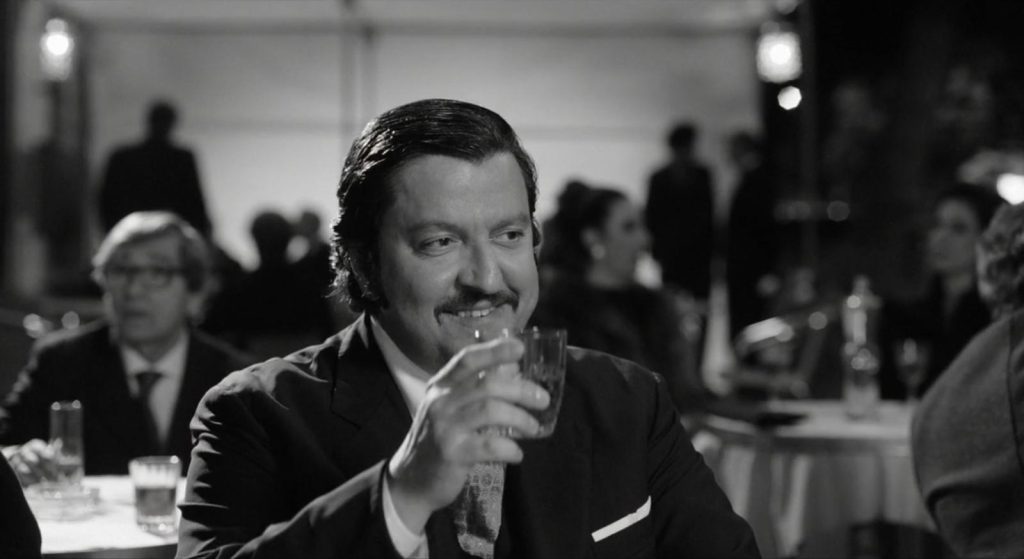
The Great Boccia is a tribute to the legendary figure of Tanio Boccia, remembered as “the worst director in Italian cinema history,” and tells the story of his remarkable achievement of shooting four films simultaneously in 1964. What immediately attracted me when producer Galliano Juso proposed the project was the opportunity to tell the story of the underbelly of Italian cinema, operating during the same years when Italian filmmaking was being celebrated worldwide thanks to great auteurs such as Vittorio De Sica, Federico Fellini, Michelangelo Antonioni, and Luchino Visconti. Tanio Boccia made popular, instinctive cinema, often improvised from script to production, attracting working-class audiences who filled cinemas and parish halls. The stories were simple, but the staging always aimed to be spectacular, even with minimal resources. Anti-elitist and determined, Boccia managed to complete twenty films throughout his career, becoming famous among film crews for his creative solutions, which were always born out of necessity and a lack of funding. He was also known among major filmmakers as “the worst,” precisely because of the imperfections of his films. This reputation even led to a famous joke referenced by Fellini, when Alberto Sordi teased him after the Academy Awards by saying that the Oscar had not gone to him, but to Tanio Boccia! Famous for never shooting the same scene twice, he was the king of “one take is enough.” In his films, it is common to find the same sequence reused multiple times or fragments taken from the discarded footage of other productions. For Boccia, everything was possible and nothing was impossible.
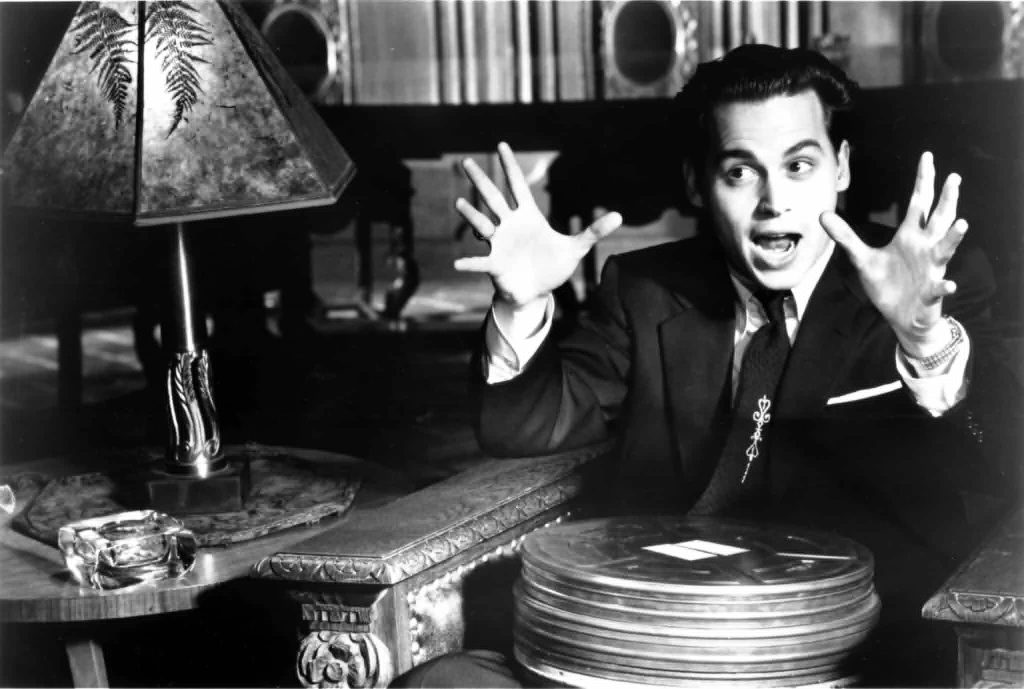
Are there similarities between Tim Burton’s Ed Wood and your film about Tanio Boccia?
I would say that both Ed Wood and The Great Boccia portray their protagonists with affection and curiosity. There is no mockery, but rather admiration for their relentless drive toward cinema and for the dream that cinema represents for these unconventional directors.
Both characters are driven by an absolute love of filmmaking, which pushes them to realize their projects at any cost, overcoming every obstacle and turning enormous limitations into creative inventions. The main difference lies in the nature of the two protagonists. Ed Wood is a romantic dreamer who experiences his creativity as something brilliant and unstoppable, whereas Tanio Boccia, in a very Italian way, belongs to a more practical, artisanal, and opportunistic tradition. Less visionary and more pirate-like. If Ed Wood is the unwitting poet of impossible cinema, Tanio Boccia is the anarchic survivor of Italian popular cinema.
Can the tribute to La Dolce Vita help young people discover that world?
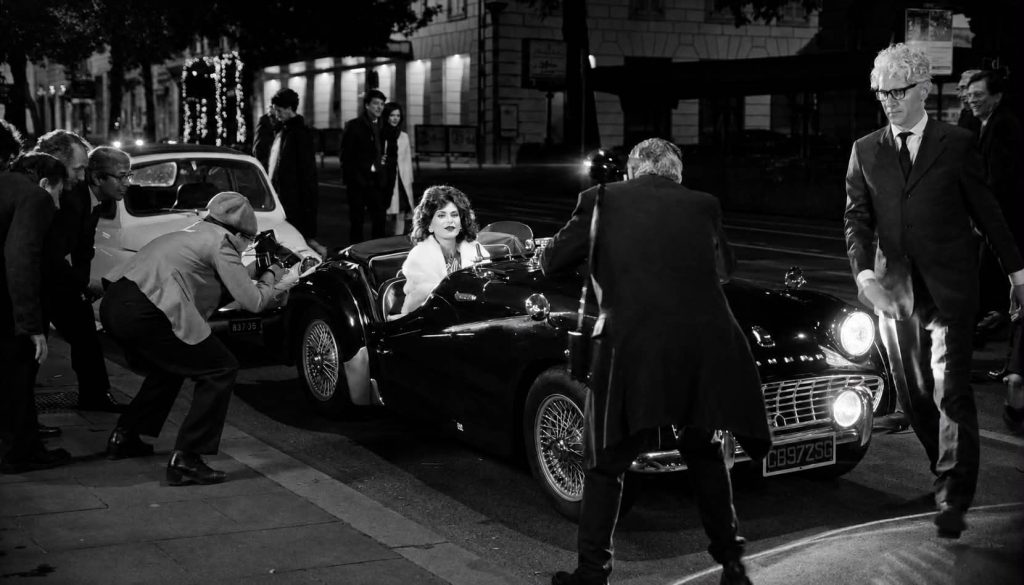
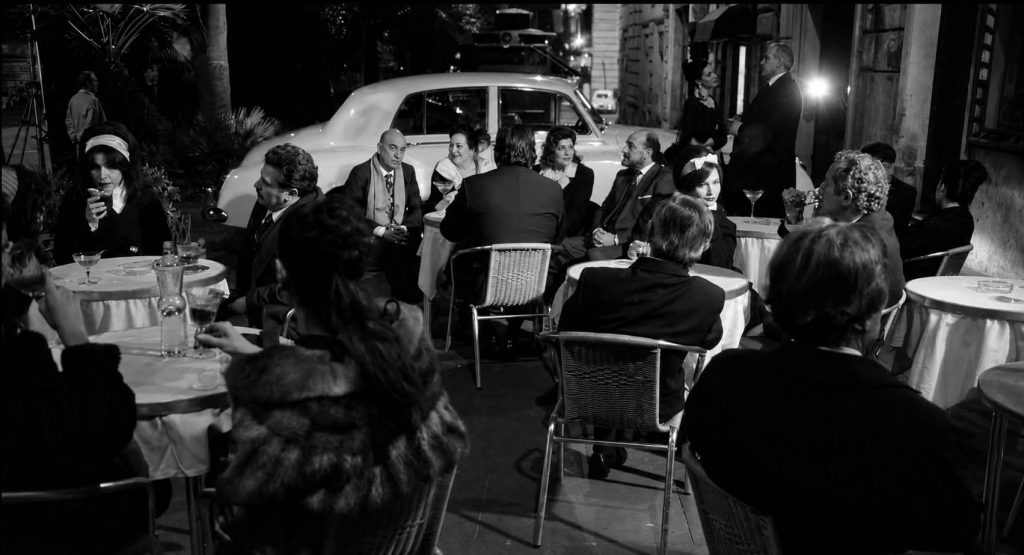
The tribute to La Dolce Vita inevitably passes through the Café de Paris on Via Veneto, which Boccia exploits, together with some cheese vendors, to pretend that he belongs to the glamorous world of cinema, while in reality he is completely on its margins. The setting is prestigious, but Boccia is a trickster. The aim of the film is precisely to show the hidden side of Italian cinema in action and perhaps also to tell younger generations about the value of all those people who made, and continue to make, films without necessarily winning festivals or going down in history.
What do you dislike about the world, and how would you change it?
I have never been resistant to change, and I believe that evolution, technology, and any form of human progress should be understood, managed, and, whenever possible, used to improve society. However, I am deeply concerned, I would even say frightened, by the increasing radicalization of opinions on every subject, from politics to science. In this regard, I believe social media, with its information bubbles, only deepens the inability of people to communicate with one another. In my own small way, I try to counter this trend by talking with people who think differently from me and, through cinema, by seeking projects that allow audiences to empathize with figures who are difficult to love: antiheroes like Tanio Boccia or controversial characters who challenge immediate understanding. I believe cinema can do a great deal to encourage doubt and imagine encounters that might otherwise seem impossible.
Your inspiration.
Italian-style comedy is undoubtedly my main source of inspiration: laughing at flaws, misery, and even cruelty, but always with a gaze full of love for the humanity of the characters.
What do you think of WILD FILMMAKER?
A project that dreams of democratizing cinema by promoting creativity, and that in just a few years has managed to build a platform dedicated to independent filmmaking with a community of more than 80,000 artists, can only inspire enthusiasm and hope. Identifying a free space, recognizing a real need, and filling that gap with ideas and hard work is a wonderful example for everyone.
A nervous, creative, book loving nerd, I’ve been writing manuscripts, poems, and screenplays since I was about 8 years old. I took the opportunity to write every chance I got. Children my age made me tense, but writing my thoughts down chased the demons away. Writing became vignettes of therapy to my child brain. The vignettes became television stories in my head, much like Rod Serling’s Twilight Zone.
-Do you remember the exact moment you fell in love with cinema?
It was 1968, I was 6 years old. My 2 older sisters took me and my niece and nephew (their kids/same age) to the drive-in movie.The double feature showing that hot summer night were Planet of the Apes (1968) and Valley of the Dolls (1967). I was looking forward to the latter film and it did not disappoint. The film based on Jacqueline Susann’s sensational novel. How did I know it was sensational? I had read passages of my sisters’ copy lying around the house.
That was true cinema to me at the time! “NEELY O’HARA” – Patty Duke
-Tell us about your project “The James Crow Hotel”.
My short film thriller, The James Crow Hotel, Winner of the Best Crime Category at Absurd Film Festival, March, 2026 in Milan Italy, invites the viewer into the warped reality of three 10 year old children, raised in a sundown town during the civil rights era, reimagined in current day america. The film is dark and a depiction of my formative years in my hometown, Shreveport Louisiana.
-Which Director inspires you the most?
Hands Down, Barry Jenkins!
I discovered Barry’s magic during his stand out LGBTQ-themed indie film, Moonlight (2016).
This film hit home. I personally know of not just Black men, but men in general that exist inside a DL (Down Low) lifestyle, i.e. Thug Life, The Pulpit, Married Life, Political Life, Homophobic Life…
“In moonlight, black boys look blue” has many connotations.
-What do you dislike about the world and what would you change?
The hatred and jealousy of humans on this earth. The assumption of what humans possess and how they accomplished their feat. The “every man for himself” mentality vs the “no man left behind” theory.
-How do you imagine cinema in 100 years?
100 years from today would give us a 2126 existence, which could have humanity on the brink if extinction and completely operated by bots, or Technology will collapse and take us back to the days of Roundhay Garden Scene (1888), a one-minute, short, black and white, silent film that will give us plenty to talk about around the water cooler at work on Monday morning.
-What is your impression of WILD FILMMAKER?
Honestly, I had never heard of the magazine. When I read the bios of some of the recipients, I was very excited! I absorbed Alison Somilleda’s Interview! The trauma and later resilience of my journey…
From the racial iniquities as a child to the military sexual trauma as a United States Air Force Airmen during the Gulf War to the open hatred of queer people of color in today’s america, I concur with Alison’s message. The articles in WILD FILMMAKER keeps me interested and engaged! Thank You for the Invitation!
I am the International Sales Coordinator of the international distribution department at Fandango. I began working in the film industry as an assistant director in Campania, contributing to several projects, including those of the acclaimed director Antonio Capuano, whom I am pleased to mention. I was then fortunate enough to join the editorial department at Cattleya before eventually moving into film distribution, collaborating over the years with several companies in the sector, including Coccinelle Film Sales and Minerva Pictures.
Cinema has always been part of my life, thanks to my father, Guido Pappadà, who has many years of experience in the industry as a visual effects supervisor and has received several nominations for the David di Donatello Awards.
What assessment can you make of your 79th Cannes Film Festival?
Given the current global geopolitical situation, I believe it would have been difficult to expect greater participation in the market. The real disappointment, unfortunately, is the ongoing shortage,following what was already seen at the Berlin Film Festival, of Italian projects within the Festival itself.
For this reason, we are proud that Fandango Sales can boast the only fully Italian production selected for the Festival, in the Cannes Classics section. This was made possible thanks to Francesco Zippel’s outstanding documentary “Vittorio De Sica – Una Vita in Scena”, produced by Quoiat Films and Cinecittà Luce.
Despite this rare exception, it is important to reflect on the work being done for the industry by the government, which evidently is not producing the desired results. This creates a vicious cycle that not only affects the nation’s cultural production but also undermines the export potential and international promotion that cinema can provide to the Italian brand. In a country that relies heavily on tourism, this should certainly not be considered a secondary issue.
What do you like and dislike about the world today?
We live in an era where opinions and beliefs are increasingly polarized. If we want to preserve the system of rights and responsibilities upon which Western democracies have fortunately been built, I believe it is essential to restore healthy dialogue. Unfortunately, from what I observe, such dialogue is often missing in many of the issues debated in public discourse.
This is why cinema and culture are important tools that deserve renewed appreciation. They should offer the opportunity to explore and portray the shades of gray within a generation that too often sees everything as either black or white.
What is your opinion on the use of AI in cinema, in all its various forms?
If we look at the evolution of creative expression throughout history, the tools and methods of artistic creation have always changed, and they have rarely been welcomed without skepticism. The most recent example that comes to mind is the transition from film to digital technology, which was initially met with doubt but ultimately expanded creative possibilities while also reducing production costs.Of course, evolution does not always equate to progress. However, I would focus more on the opportunity to improve the quality and diversity of the content we produce rather than on the potential disappearance of certain roles, which is a natural consequence of technological change over time. That being said, legislation will certainly need to be updated, as it is necessary to regulate certain copyright-related issues in light of these new technologies and possibilities. Overall, however, I am more interested in the quality of what is produced than in the methods used to produce it.
What is your impression of WILD FILMMAKER?
One of great professionalism and energy, qualities that are essential in this industry. The essence of cinema will always be measured by the dialogue and storytelling that surround it. Therefore, I can only encourage you to continue on this path, considering the results and achievements you are accomplishing. I would also like to express my sincere thanks for giving me the opportunity to be featured among your articles.
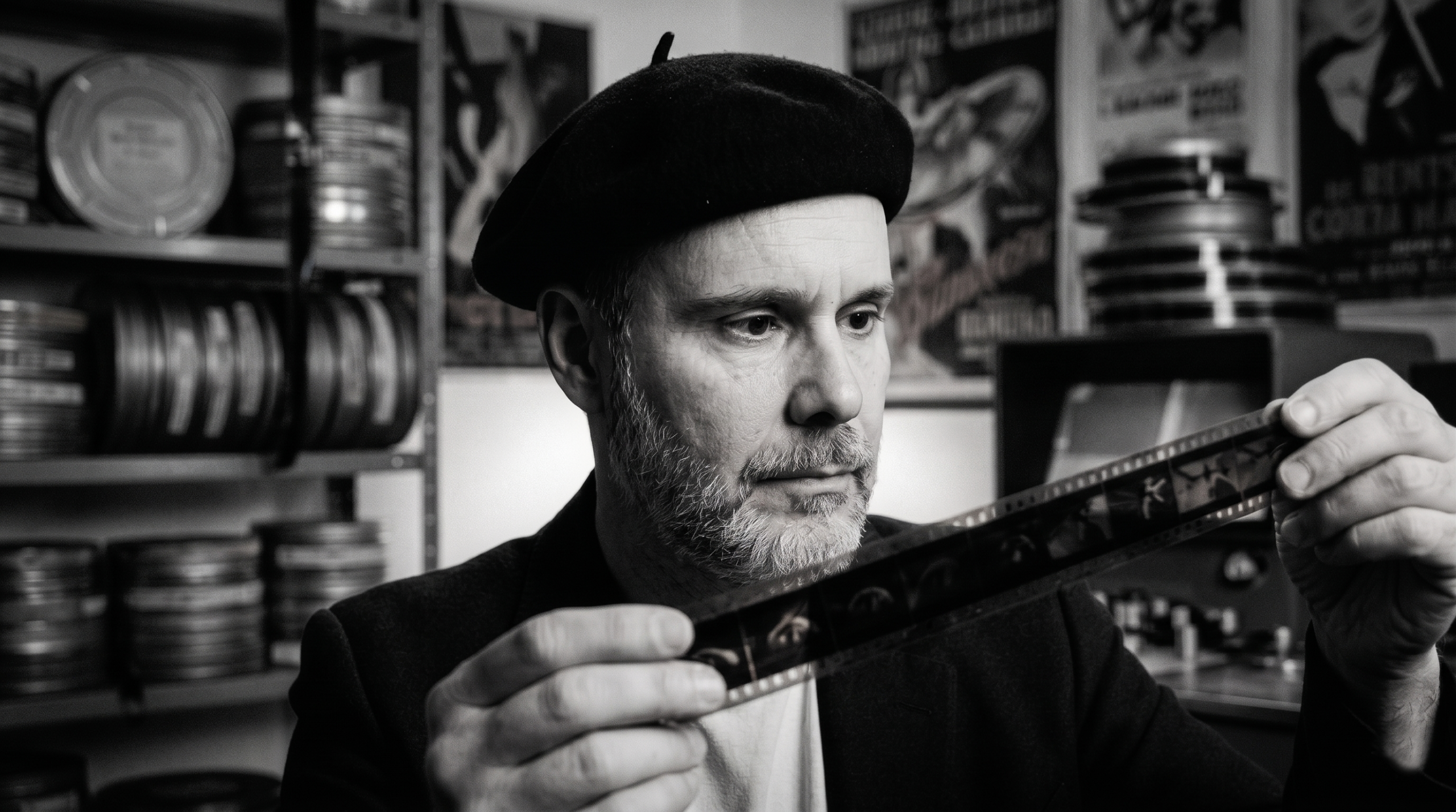
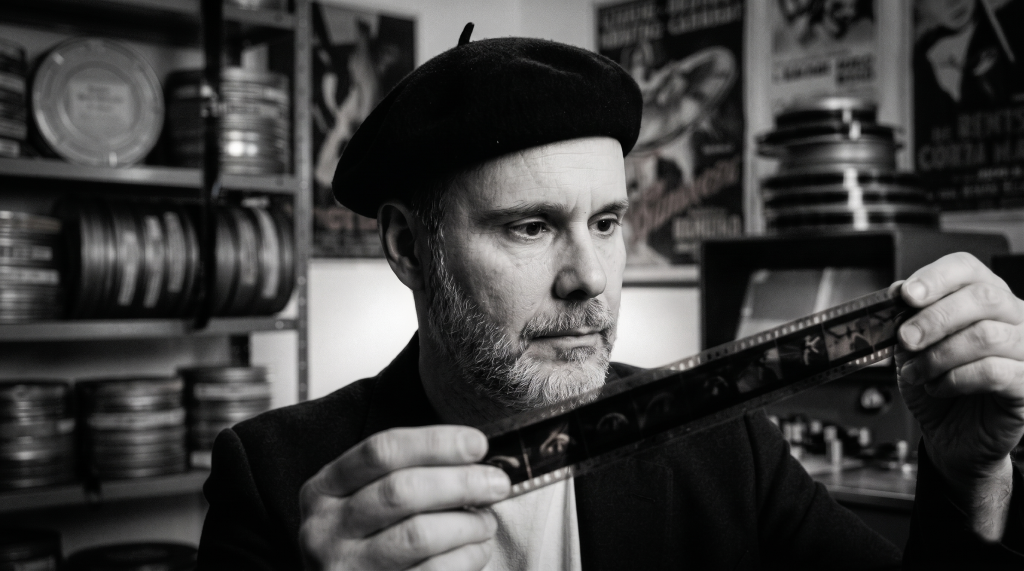
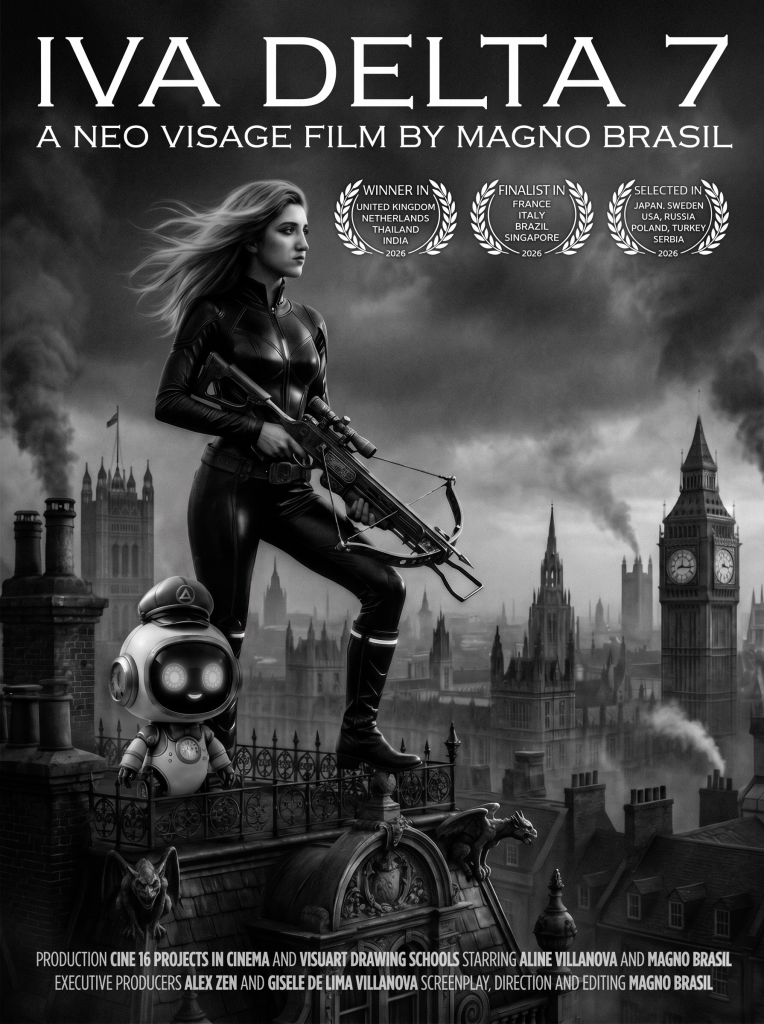
Magno Brasil is a Brazilian independent filmmaker, visual artist, educator, and creator of the NEO VISAGE cinematic language. My relationship with cinema began very early. My father owned a small movie theater in the town where I was born, and I grew up surrounded by projectors, film reels, posters, and the almost magical atmosphere of movie screenings. Some of my earliest memories are connected to the sound of projectors and the feeling of watching entire worlds emerge on a screen. For many years, however, filmmaking itself felt distant from my reality. Cameras, studios, crews, and financing belonged to a world that seemed inaccessible to someone from my background. So I found another way to tell stories: pencils, ink, paper, comics, and illustration. In 1991, I founded Visuart, an art school that would eventually become a reference in visual arts education in Brazil. Over the decades, I had the privilege of seeing former students build successful careers in animation, illustration, comics, and international entertainment. Some later worked on projects connected to Marvel, Disney, Star Wars, and major comic publishers. That always moved me deeply. Yet there was also a quiet frustration. I was helping artists fulfill their dreams while my own cinematic universe remained unrealized. For years I developed stories, characters, and projects, only to encounter the financial and structural barriers that often prevent independent creators from bringing ambitious visions to life. Artificial Intelligence changed that reality. For the first time, I felt I had access to a creative bridge capable of transforming decades of accumulated imagination into moving images. IVA DELTA 7 emerged from that process, not as a technological demonstration, but as an authored cinematic universe with its own mythology, symbolism, and visual identity, shaped through what I call MYTHO-FUTURISM: a fusion of espionage, time travel, mythology, history, and speculative science fiction. Today, my work explores how emerging technologies can coexist with artistic direction, cinematic language, and authorship. Tools evolve. Vision remains.
DO YOU REMEMBER THE EXACT MOMENT YOU FELL IN LOVE WITH CINEMA?
Yes. I believe it happened inside the projection booth of my father’s theater. I was fascinated not only by the films themselves, but by everything surrounding them: the mechanical rhythm of the projector, the smell of film stock, the darkness of the auditorium, and the collective sense of wonder shared by an audience. Science fiction and fantasy had a particularly profound effect on me because they transformed the impossible into emotion. Very early in life I understood that cinema was more than entertainment. It could be memory, philosophy, emotion, and visual poetry all at once. That feeling never left me. Even when I followed a path through comics, illustration, and education, the desire to make films remained alive. When generative technologies emerged decades later, I felt I had finally discovered a way to bring the worlds I had carried within me since childhood into existence. That path would eventually lead to IVA DELTA 7 and the birth of NEO VISAGE.
TELL US ABOUT YOUR PROJECT “IVA DELTA 7”
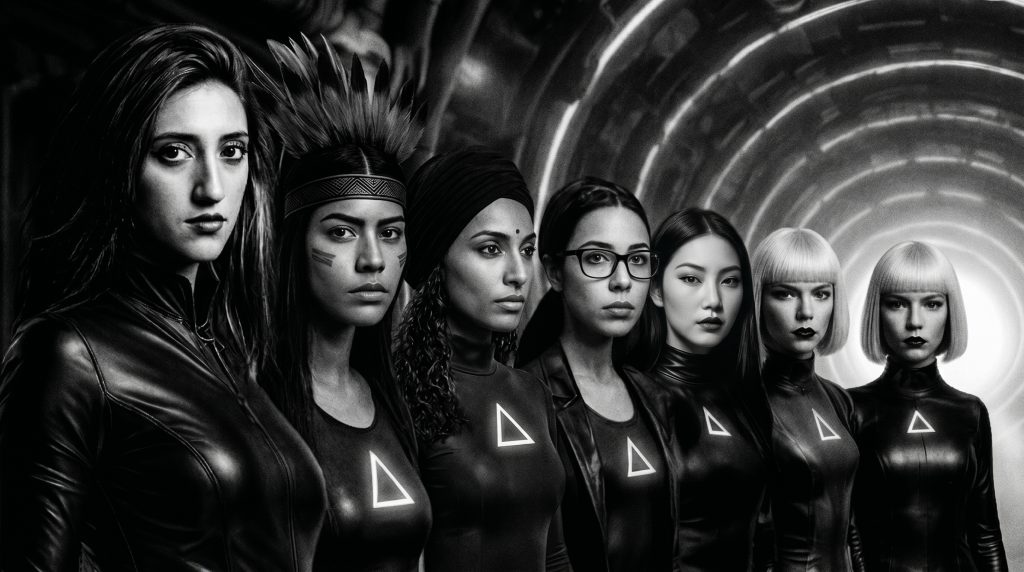
IVA DELTA 7 is an independent science-fiction cinematic universe built around memory, identity, artificial intelligence, war, mythology, and human emotion. Visually, the project introduces what I call NEO VISAGE, a cinematic language that combines anime influences, comic-book composition, retrofuturism, painterly atmospheres, stylized three dimensional aesthetics, and classical cinematic framing into a single emotional experience. For me, Artificial Intelligence was never simply a production tool. It also became part of the aesthetic. The technology allowed me to merge visual languages that I have loved throughout my life: classic science-fiction cinema, Japanese animation, pulp illustration, comic books, stop-motion fantasy, and experimental filmmaking. Narratively, the universe is built around MYTHO-FUTURISM, a fusion of espionage, time travel, mythology, history, and speculative science fiction. Music also became a fundamental part of its identity. The soundtrack draws inspiration from the orchestral spy scores of the 1960s, featuring dramatic brass sections, melancholic harmonies, and feminine vocal motifs that function almost like an invisible emotional narrator. Even when the protagonists are absent from the screen, the feminine presence continues to inhabit the universe through the music itself. Because at its core, IVA DELTA 7 is a profoundly feminine universe. The agents who travel through time and alter history are women. They are not secondary figures. They are leaders, strategists, intellectuals, warriors, and guardians of memory. That vision comes directly from my own life. I grew up surrounded by strong women, my mother, grandmother, sister, as well as important women in my personal, emotional and creative life, who played a decisive role in shaping both my artistic and personal formation. In IVA DELTA 7, the feminine does not orbit the narrative. It is the narrative. I often describe the production of IVA DELTA 7 as my own “Snow White moment.”
When Walt Disney decided to produce Snow White and the Seven Dwarfs, many believed animation could never sustain a feature-length emotional narrative. In a very different context, but driven by a similar spirit of experimentation, I believed AI could become a legitimate cinematic language rather than merely a technological curiosity. The international recognition the film has received has reinforced that belief. The festivals are not recognizing the technology. They are recognizing authorship.
WHICH DIRECTOR INSPIRES YOU THE MOST?
I should probably begin by apologizing because I cannot answer this question with a single name. Every film I have watched throughout my life has left some emotional or aesthetic trace behind. Sometimes consciously, sometimes unconsciously. Because IVA DELTA 7 belongs to a universe deeply connected to pop culture, science fiction, comic books, mythology, and geek culture, I will focus on the influences that most directly shaped its identity. The first is Maurice Binder. The classic James Bond title sequences fascinated me from childhood. Long before the story itself began, Binder was already creating atmosphere, mystery, emotion, and expectation through imagery, music, graphic design, and symbolism. He taught me that an opening sequence can emotionally prepare an audience for the journey ahead. That lesson stayed with me for life and strongly influenced the opening philosophy of IVA DELTA 7. Another major influence is worldbuilding itself. Stanley Kubrick, Ridley Scott, Akira Kurosawa, Christopher Nolan, and David Lean helped shape my understanding of atmosphere, scale, rhythm, visual composition, and narrative architecture. David Lean deserves special mention because his epic approach to cinema inspired my decision to include an Overture and Intermission in IVA DELTA 7. I have always loved the feeling that certain films are not simply stories but events. Watching them feels almost like embarking on a journey through time itself. Russian cinema also occupies a special place in my artistic formation. Sergei Eisenstein profoundly influenced my understanding of editing as an emotional language. His ability to generate meaning through montage, visual collisions, rhythmic construction, and expressive close-ups demonstrated that cinema could communicate ideas and emotions far beyond dialogue. Andrei Tarkovsky influenced me in a completely different way. Films such as Solaris taught me the power of contemplation, atmosphere, silence, and cinematic time itself. His camera movements often seem less concerned with action than with inviting reflection. They encourage the audience to inhabit a moment rather than simply observe it. That influence can be felt in several moments of IVA DELTA 7, particularly in the presentation of Alpha, where I deliberately pursued a more meditative rhythm and visual presence. For that reason, the recent Official Selection of IVA DELTA 7 at the Sochi Film Festival carries special meaning for me. Russia is one of the places where cinematic language itself was profoundly expanded and redefined. Seeing an independent Brazilian science-fiction film created with generative AI tools find recognition there feels deeply rewarding because it reinforces something I have believed from the beginning: Technology is only a tool. What truly matters is authorship, cinematic language, emotional vision, and the ability to connect with an audience. I am also deeply influenced by classic fantasy and science-fiction filmmaking. The chromatic atmosphere of Hammer Films, the stop-motion artistry of Ray Harryhausen, George Pal’s The Time Machine, Irwin Allen’s The Time Tunnel, and Franklin J. Schaffner’s Planet of the Apes all form part of the visual DNA of IVA DELTA 7. The Vortex itself is a direct homage to The Time Tunnel. Another influence that deserves special mention is Star Trek. Long before giant modern franchises dominated popular culture, Star Trek demonstrated that it was possible to build a powerful and enduring universe through ideas, characters, and vision rather than budget alone. What always fascinated me about the original series was its ability to use science fiction as a vehicle for discussing humanity itself. Diversity, ethics, coexistence, prejudice, diplomacy, and the future of civilization were explored through stories that, on the surface, seemed to be adventures among the stars. That lesson had a profound impact on me. Star Trek proved that ambitious worldbuilding does not necessarily emerge from unlimited resources. It emerges from strong ideas, compelling characters, and a coherent mythology. I believe that influence is present throughout IVA DELTA 7. Beneath the time travel, espionage, artificial intelligence, and mythology, the project is ultimately about people. About memory, identity, sacrifice, coexistence, and the human capacity to imagine better futures. In many ways, Star Trek taught me that science fiction can be both spectacle and reflection at the same time. Japanese animation also played an enormous role in shaping my magination. Osamu Tezuka and Hayao Miyazaki taught me that fantasy, philosophy, poetry, melancholy, and emotion can coexist naturally within the same narrative. Their work demonstrated that imagination does not diminish depth. In many cases, it amplifies it. Comic books were equally important. The IVA agents deliberately wear uniforms inspired by superhero iconography. I have always been fascinated by how modern superheroes resemble mythological archetypes, contemporary gods navigating sacrifice, destiny, identity, and moral dilemmas. The difference is that most superhero mythologies began with male heroes. In IVA DELTA 7, the mythology begins with heroines. The women are not supporting characters orbiting the narrative. They are the narrative. Finally, Quentin Tarantino profoundly influenced me through his use of dialogue, tension, humor, and character construction. One of my greatest challenges while making IVA DELTA 7 was proving that AI-generated characters could create genuine emotional empathy rather than simply visual spectacle. I wanted audiences to care about the characters, laugh with them, reflect with them, and feel emotionally connected to their journeys. The response from audiences and international festivals suggests that they can. Ultimately, however, what inspires me most is not technology, spectacle, or even genre. It is authorship. I admire creators who build worlds that feel unmistakably their own. Creators whose films could not have been made by anyone else. That, for me, is the highest achievement a filmmaker can reach.
WHAT DO YOU DISLIKE ABOUT THE WORLD AND WHAT WOULD YOU CHANGE?
One of the things that concerns me most about the modern world is the enormous inequality in access to opportunity, particularly in the arts and cultural production. Throughout history, countless talented artists, writers, filmmakers, and creators have faced financial, institutional, or bureaucratic barriers that prevented their ideas from reaching the public. Sometimes extraordinary stories disappear simply because their creators never had access to the resources required to make them visible. Perhaps that is one of the reasons I dedicated so much of my life to education. In 1991, I founded Visuart, which continues to operate today with the mission of preparing artists not only technically, but also professionally and humanly—people capable of combining talent with sensitivity, critical thinking, and an understanding of the complexity of the world around them. Maintaining an independent educational institution is not easy. We survive primarily thanks to the trust of our students. I often say that Visuart was never really a business. It became a philosophy of life. If I could change one thing, it would be to create a world where artistic creation is more accessible and original voices have a fair opportunity to be heard regardless of economic background, geography, or institutional connections. The world needs more creators. More storytellers. And more opportunities for imagination to flourish.
HOW DO YOU IMAGINE CINEMA IN 100 YEARS?
I believe cinema will become far more immersive, interactive, and technologically fluid than anything we can currently imagine. Artificial intelligence, virtual environments, neural interfaces, and real-time cinematic generation may radically transform the production process itself. Yet I also believe something fundamental will remain unchanged. Audiences will continue searching for emotion, beauty, symbolism, conflict, and meaning. Technology changes. Human curiosity does not. Throughout my career I have tended to embrace technological transitions rather than fear them. When digital art tools began transforming the illustration industry in the late 1990s, many artists resisted them. My school was among the first to teach digital painting, and we were heavily criticized for it at the time. Today, those tools are standard across the industry. I witnessed a similar reaction with generative AI. Where some saw a threat, I saw a new creative language waiting to be explored. For me, technology should never replace imagination. It should amplify it. I also believe cinema will become increasingly decentralized. Independent creators from regions historically excluded from major production centers will gain the ability to reach global audiences directly.
In many ways, I believe we are already witnessing the beginning of that transformation. One hundred years from now, the tools will certainly be different. What will matter, as it always has, is whether someone still has a story worth telling. At our core, we are still the descendants of those who gathered around ancient fires at the end of the day to share stories. The screens may change, the technologies may evolve, but the human need to tell stories, and to listen to them, remains eternal.
WHAT IS YOUR IMPRESSION OF WILD FILMMAKER?
What I admire about WILD FILMMAKER is its genuine commitment to discovering and supporting independent voices. Many platforms speak about originality while still favoring established structures and familiar names. WILD FILMMAKER seems genuinely interested in filmmakers who possess strong personal identities and distinctive artistic visions, regardless of where they come from. That matters enormously. Independent cinema survives because there are spaces willing to value experimentation, authorship, and creative courage. I believe publications like WILD FILMMAKER play an essential role in preserving that spirit and helping new voices reach an international audience.
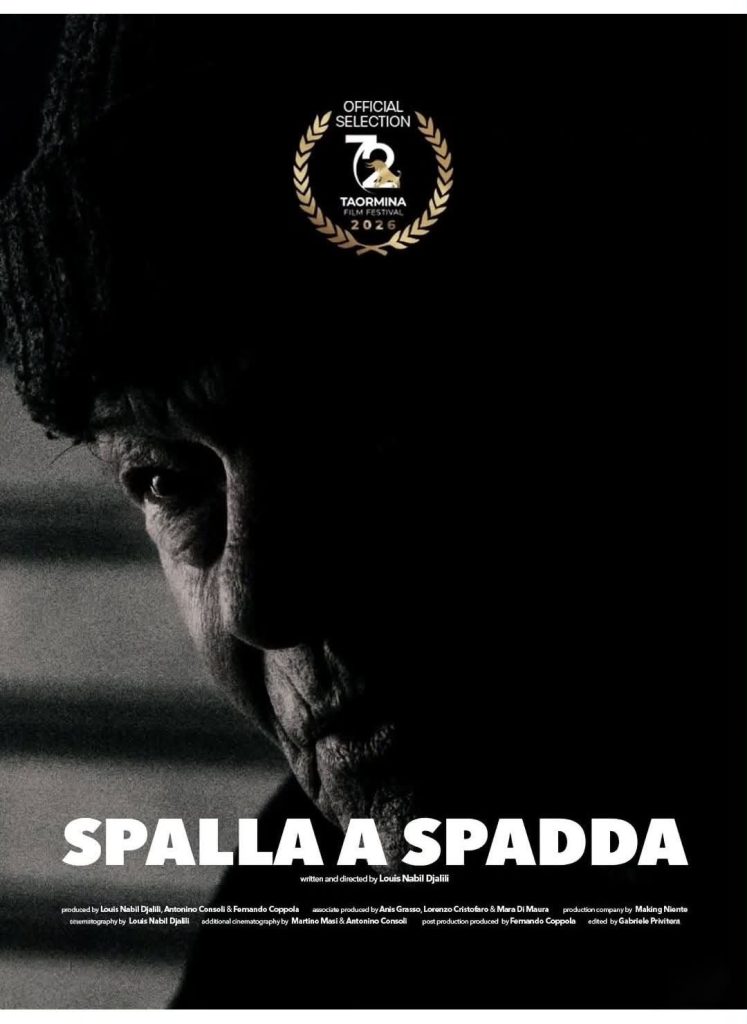
I am an actress, playwright, and theatre director. In 2012, I founded the Sala Teatro Ridotto in Catania, where I staged my own plays, including In the Mirror, The Deception of Algorithms, 2191: Beyond the Garden, and Candida Superluna, Partly by Magic, Partly by Luck, which recently received recognition at the Isolario Competition in the Theatre category. I worked with the Teatro Stabile di Catania, directed by Fabio Grossi, in La volata di Calò by Savatteri, and with Quarta Parete under Costantino Carrozza, performing in classics ranging from Molière to Pirandello. As an actress, I have appeared in several productions, including I Nostri Figli directed by Andrea Porporati, Il Capo del Mondo by Salvo Campisano on Prime Video, the thriller Killer Card by Giuseppe Di Blasi, released in cinemas last April, the short film Argento by Fabrizio Ferrara and directed by Massimiliano Russo, and, most notably, Louis Nabil Djalili’s debut feature film Spalla a Spadda, which is competing at the 72nd Taormina Film Festival.
Tell us about the film you took part in that will be presented at the 72nd Taormina Film Festival.
The film shows how, in order to truly understand the character, customs, traditions, and mindset of a people different from your own, in this case, Sicilians, you must live among them. The director is a very young British artist of Iranian origin who married a beautiful Sicilian woman and moved to Catania for love. My role, in which I was uniquely joined by my father Giuseppe—who has appeared in productions such as Inspector Montalbano, Lost Kisses, Squadra Antimafia, and *Agrodolce*—is that of a woman who stubbornly defends a specific term used for a particular type of food, taking the dispute to its most extreme consequences. It is a role I thoroughly enjoyed playing, and whose determination reflects my own personality.
What do you like and dislike about the world?
I deeply love art in all its forms and the opportunity it offers to dream and escape reality. I believe that the life one can experience on a stage or a film set is far more fulfilling than everyday life—an alternative dimension where one can live as intensely as possible. Art is also the most powerful means of conveying messages and exploring truth and the deepest meaning of life because it works through emotions, which are the strongest and most enduring channel of memory. What I absolutely dislike are dishonesty and violence in all their forms, especially when directed against the most vulnerable people.
Every artist has someone or something that inspired them. Where do you draw your creative drive from?
When I write or perform, I draw inspiration from life itself, whether directly experienced or reflected through the stories of others. Three years ago, I published my first novel, Con i tacchi nei sanpietrini (Walking in Heels on Cobblestones), released by Gaeditori and presented at the Turin International Book Fair. I am currently working on a second novel. I realize that through writing I do nothing but rework lived experiences, perhaps in an attempt to find meaning in them. A part of me is scattered throughout all my characters and every story I write. *Many believe that the acting profession risks being disrupted by revolutionary technologies such as AI. What is your opinion on this?* I firmly believe that nothing can replace the human element. Anything created by human beings possesses something unique, an element that speaks to the heart better than anything else. I do not deny that the simulation of human beings and human creativity can be concerning, especially since, in terms of technical perfection, machines can surpass human beings, who are imperfect by nature and prone to error. It is, in a way, the oldest sin of hubris repeating itself. But can anything compare to the charm of imperfection? Moreover, no technology will ever replace live performance—an experience that is unique, unrepeatable, and different every single night, every single second.
What is your impression of WILD FILMMAKER?
I believe it is an organization undertaking a genuine challenge because any effort to shine a spotlight on independent and lesser-known artists and works is both admirable and monumental. It is easy to write about and promote already established artists and famous faces, but dedicating oneself to discovering and promoting new voices in the arts is always an act of great courage. Thank you from the bottom of my heart. Long live the dreamers!
I’m a new screenwriter with the audacity to think I have what it takes to make it in this highly competitive field. I bring a unique background and practical skill set to the table. After teaching high school English (writing & literature) for 30 years, I recently retired and am now fully invested in pursuing my dream, to write stories that move people, stories that inspire, motivate, and connect us in our common pursuits of truth, justice, love, and joy. My bachelor’s and master’s degrees and long professional career taught me invaluable lessons that I now bring to my writing. Selecting texts from all genres of film and print for my students to read and analyze taught me what resonated with them on a human level. There is an enormous amount of humanness that happens every day in the microcosm of a high school classroom.
I was witness to it and part of it, and I used literature and film to help students better understand themselves and the world around them. I’ve always enjoyed good writing, in both print and visual genres. I understand that the world we live in today consumes far more of the latter, so my rationale for emphasizing screenwriting, and features in particular, is to capture what I find compelling, fascinating, and inspiring in the world around me. There is no shortage of unique ideas and experiences to write about. I’m passionate and dedicated in my work, and I don’t doubt my skills or my potential. I’m ready for what’s next.
-Do you remember the exact moment you fell in love with cinema?
As a kid, it was definitely seeing my first Star Wars movie in a theater. I had never experienced anything like it. Being immersed in the sound and enormity of the images was breathtaking. I had no idea or aspirations to work in the industry until much later into adulthood. When I started writing screenplays, I developed a whole new appreciation for what makes the cinematic experience so incredibly special.
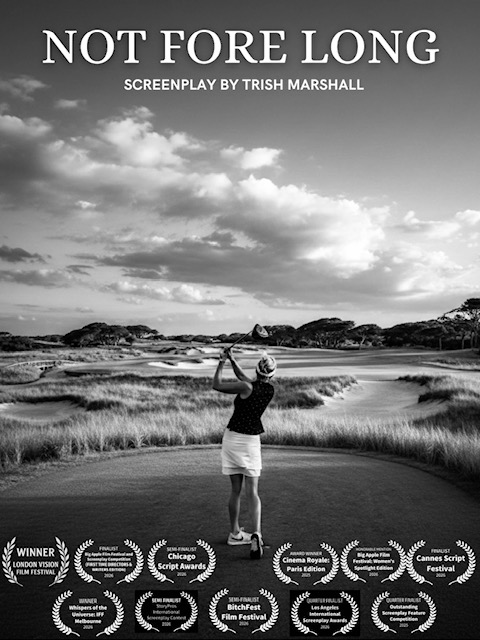
-Tell us about your project “Not Fore Long”.
Logline: When Lucy’s husband Bryan discards her for his young receptionist, her comfortable country club life comes to an abrupt end. Now facing her third divorce, she must overcome the legal restrictions she’s under in order to heal and move on. Bryan is relentless and smug in his financial power advantage. He offers to settle their divorce over a golf match. He wrote the rules, but she changes the game. This screenplay was inspired by my own divorce circumstances, which, at the time they were happening, seemed too bizarre to be true. My original script was much more depressing, but I lightened it up considerably on subsequent iterations while maintaining my original purpose and themes.
This story is about the process of healing and self-determination after loss, with the help of friendship and through the focus/lense of sport. Golf is both a metaphor for disparity and also a potential for equity.
-Which Director inspires you the most?
If I had to choose just one, it is definitely Greta Gerwig. There is so much I admire about her work, especially her relatable characters, direct dialog, and themes of women’s self-actualization. She has been a major source of inspiration for me, and I strive to emulate her style and themes.
-What do you dislike about the world and what would you change?
Humans harming each other has to be the thing I dislike most and wish to stop. More peace, more diplomacy, compromise, and alliance, less war. I also dislike the way most industry negatively impacts the planet and how so many people are complacent about it and disconnected from nature. I would love to help people learn to heal, connect, and improve our stewardship of our planet and each other through powerful storytelling.
-How do you imagine cinema in 100 years?
I imagine AI will take over traditional filmmaking in the coming years and challenge writers and directors to stay ahead of the curve, creating the kind of content that reflects reality and compels consumers to be more discerning about the content we consume. I believe audiences will always gravitate toward what is authentic, even if it is fantasy/fiction.
-What is your impression of WILD FILMMAKER?
I’m impressed with Wild FilmMaker’s modern approach to inclusive, expansive cinema. As this landscape continually changes, learning how to capitalize on the increasing technical capabilities, rather than be eclipsed by them, will ensure the kinds of cinematic experiences that made us fall in love with film will continue to draw new audiences to appreciate its evolution.