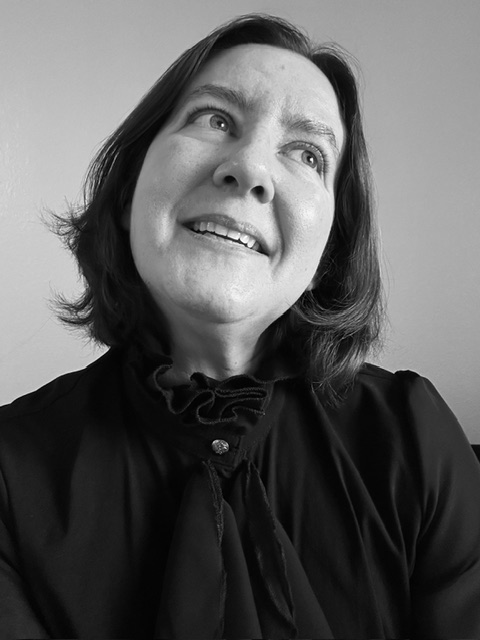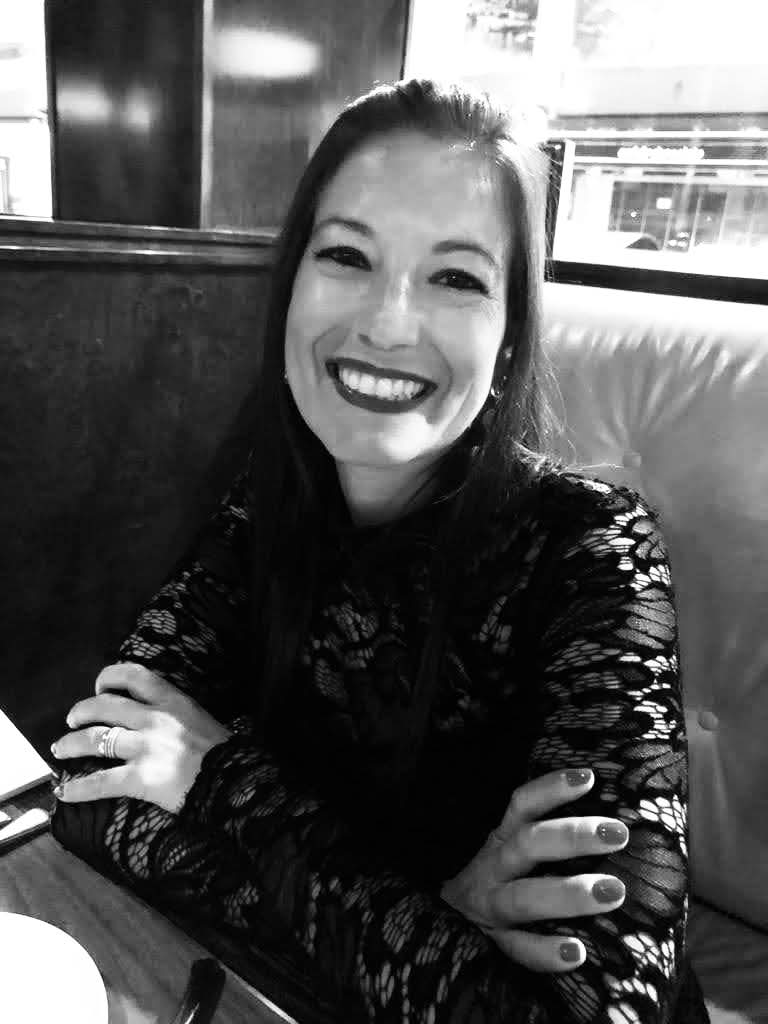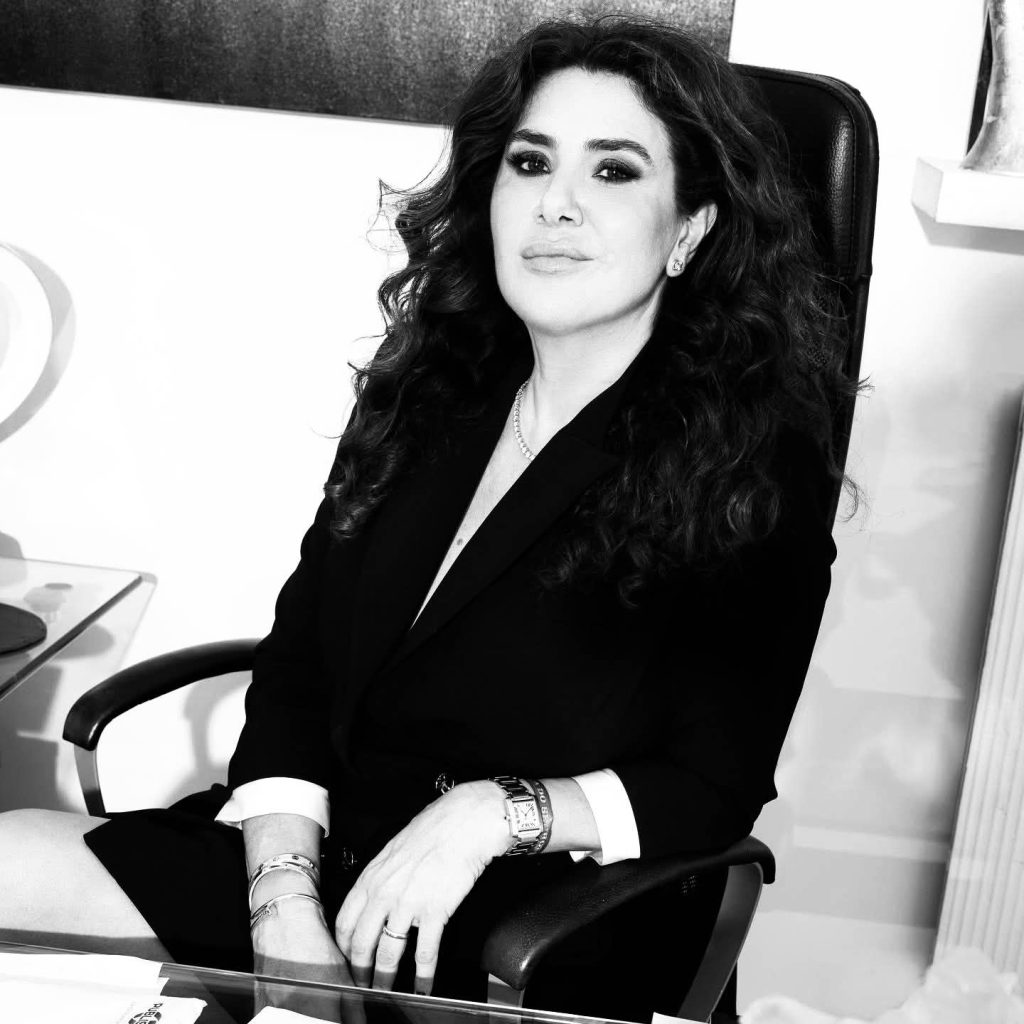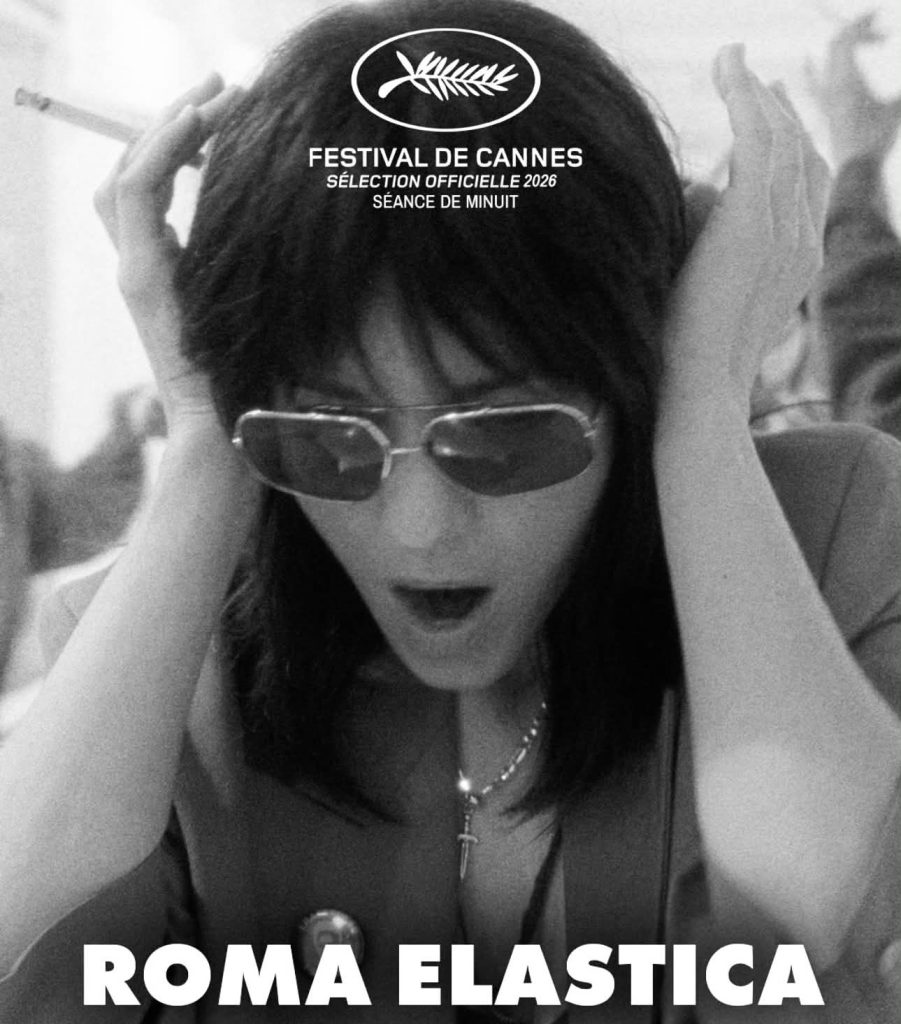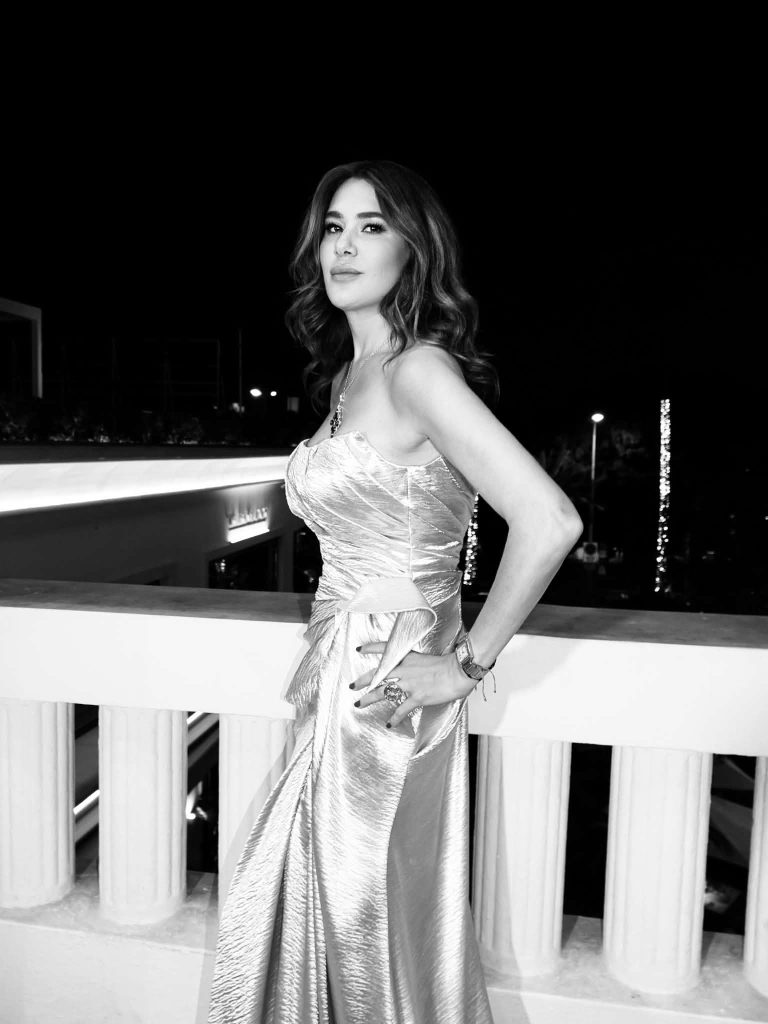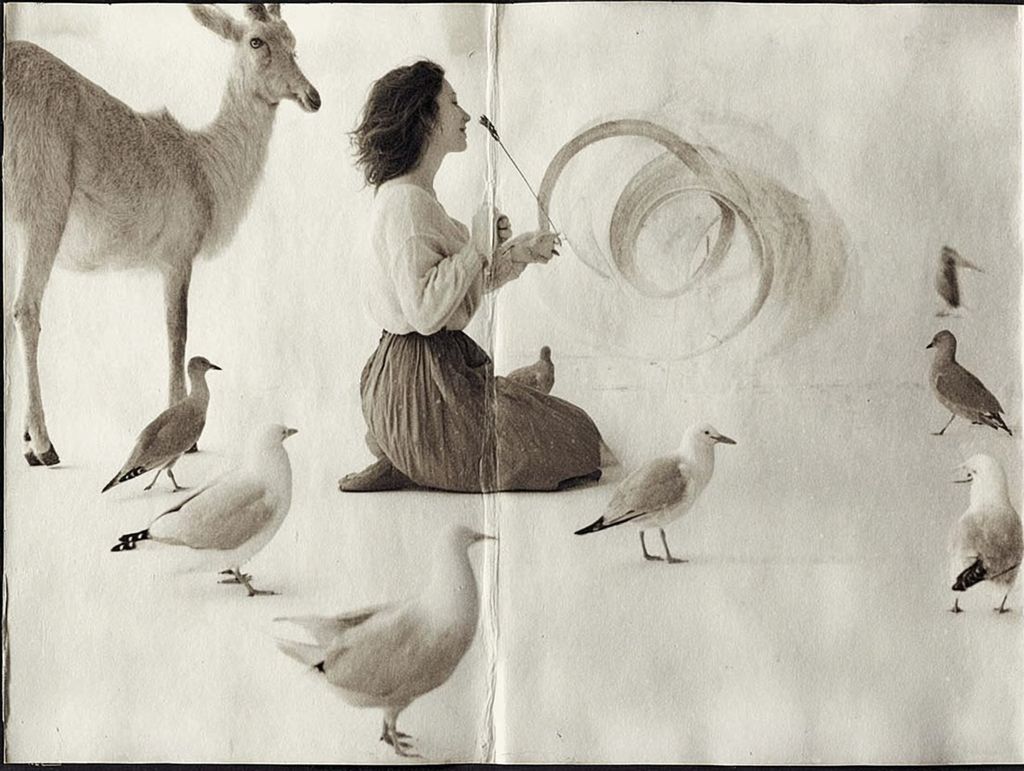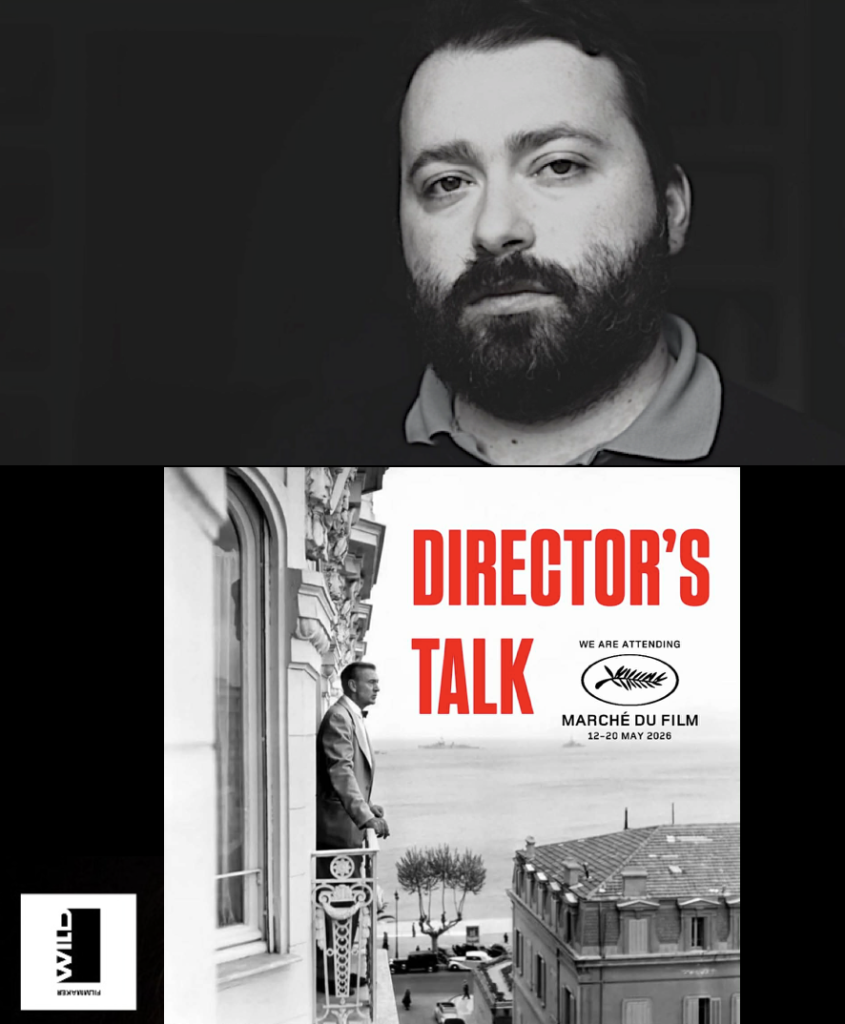
I am a Spanish screenwriter who understands cinema as a way of touching the invisible. I am drawn to stories that are not only seen, but deeply felt—stories capable of leaving a wound, a caress, or a question within the viewer. I write from emotion, but also through a deeply visual gaze. I have always believed that a glance, a silence, or a gesture can say far more than a long speech. My pursuit as an author is to find a human truth that lingers in the person who watches.
Do you remember the exact moment when you fell in love with cinema?
I could not point to a single exact moment, because cinema entered my life little by little, like a silent revelation. But I do remember discovering that a story could change you from within and continue living inside you long after it had ended. That was when I understood that cinema was not merely entertainment, but memory, emotion, identity, and refuge.
Tell us about your project “SYNNOIA”?
SYNNOIA is a story of love, loss, and identity wrapped in an intimate and emotional science fiction atmosphere. It begins with a question that has long obsessed me: how far would we be willing to go to hold on to the person we love? In SYNNOIA, technology makes an impossible kind of closeness possible, but it also opens the door to a form of intimacy that is as profound as it is dangerous. Beyond its futuristic dimension, the story speaks of the fear of letting go, the pain of accepting an absence, and the way love, when it clings too tightly, can become a prison. It is a very visual, deeply sensory, and profoundly human work.
Which director inspires you the most?
If I had to name a particularly strong influence, I would say Robert Zemeckis. I have always been fascinated by his ability to unite emotion, storytelling, and spectacle without ever losing humanity. I also deeply admire Stanley Kubrick for his visual ambition, his precision, and his ability to turn every image into something unforgettable. In a way, I am drawn to that union between the emotional power of Zemeckis and the cinematic force of Kubrick.
What do you dislike about the world, and what would you change?
What pains me is the coldness with which we so often coexist with the suffering of others, the speed at which everything is consumed and forgotten, and the loss of emotional depth in so many aspects of life. I would change that disconnection. I would like to see a world that is more sensitive, more aware, and more capable of looking at others with genuine humanity. Cinema, precisely, has the power to restore what the world sometimes numbs.
How do you imagine cinema in 100 years?
I imagine a form of cinema that will be technically unrecognizable to us, with tools and modes of immersion that we can barely begin to imagine today. But I also believe that, if it remains true cinema, it will preserve what is essential: the human need to tell stories, to remember ourselves, and to move one another through them. Technology will change, formats will change, but the need for an image that reveals something profound will remain untouched. As long as human beings continue to seek meaning, cinema will continue to exist.
What is your impression of WILD FILMMAKER?
My impression is very positive. I believe it is always valuable to find spaces that support independent cinema and authorial voices. In such a saturated landscape, giving visibility to creators and their stories feels truly important to me. I appreciate the opportunity to share my perspective as an author and to speak about SYNNOIA.
I see myself as a digital craftsman who enjoys genre films and animation. In the late 1980s, I was able to enter the world of animation professionally, where I have worked continuously for forty years. During that time, I have done everything from concept design, storyboarding, 2D and 3D animation, matte painting, and even post-production, digital special effects, compositing, and editing, for both film and television.
Of course, I continued directing short films and have directed three small low-budget independent animated feature films. I have also participated in the production of more than 30 films and more than 50 animated series, providing services.
-Do you remember the exact moment you fell in love with film?
In 1983, when I was only 16, a Super 8 camera came into my hands. I’ve always been passionate about science fiction films, and I started shooting my first short films, homemade and with almost no budget, using drawings, paintings, models and matte paints. Thanks to this, I was able to enter the world of animation.
-Tell us about your projects.
When I started, I did animation services for 2D animated television series, always geared towards children. But the truth is, although I liked animation, I preferred stories for adults. I’m passionate about science fiction, fantasy, and horror, and I enjoy exploring those genres within animation.
-Which director inspires you the most?
When it comes to animation, I’m not really into Disney or Pixar. I think I’ve always preferred the Puppet animation, like Aardman, Henry Selick, Laika… And in 2D, my idol is Hayao Miyazaki. My children grew up watching ALL his films and still do. As for live-action, I have many “best movies,” from The Godfather and Blade Runner to my absolute favorite, John Carpenter’s The Thing. I like many genres and many different kinds of films. But I think if I had to name directors right now, they would be: Christopher Nolan, Denis Villeneuve, and Alex Garland…
-What do you dislike about the world and what would you change?
Ugh… a sensitive topic these days… I can’t stand: Authoritarianism, the abuse of power, the manipulation of both information and people, the widespread dehumanization.
Of course, wars… mistreatment, hunger… I could go on and on, unfortunately… It pains me deeply to see a world where injustices are committed daily and nothing is done to stop it.
-How do you imagine cinema in 100 years?
100 years?… I think there’s going to be a huge change, not just in how films are made, but in our traditional concept of cinema. Not in 100 years . Very soon…
I have no doubt that AI is going to transform everything (not just in film). It will bring good things, but unfortunately, bad things. There’s already a bit of that… But, my latest short films were created with AI. I have many colleagues who are completely against its use. I totally understand. Change is always scary, and this one is going to be very radical. And the misuse of this technology… My first contact with AI was quite distressing. A French conceptual designer I knew wrote to me saying that they were using his images to train AI without his permission and that they were undoubtedly using mine as well.
He sent me a link, and sure enough, that was the case. From rejection and anger, I went to horror. But I decided to try it to understand how important this new way of doing things could be.
I was overwhelmed. In just one afternoon, using my own images, I ran some tests and saw how this technology was capable of doing the same thing I could, improving the quality and in a fraction of the time I needed. I was in shock for a week.
Could I fight against this? Should I just give it all up? At that time, I was working for an American company creating 3D content for entertainment, and I unwittingly saw for a while how denying its existence was a mistake.
The company itself was slowly but steadily introducing AI tools… The tsunami everyone was talking about was here. So it was pretty clear to me: If a tsunami comes, you can either sit and wait and succumb to it… or learn to surf… Many people still just bury their heads in the sand and pretend nothing’s wrong. They see the tsunami as a mirage… and that’s a mistake.
-What did you think of WILD FILMMAKER?
The truth is, I didn’t know about it, but after discovering it, I think it’s a great tool for delving a little deeper into the difficult world of independent filmmaking.
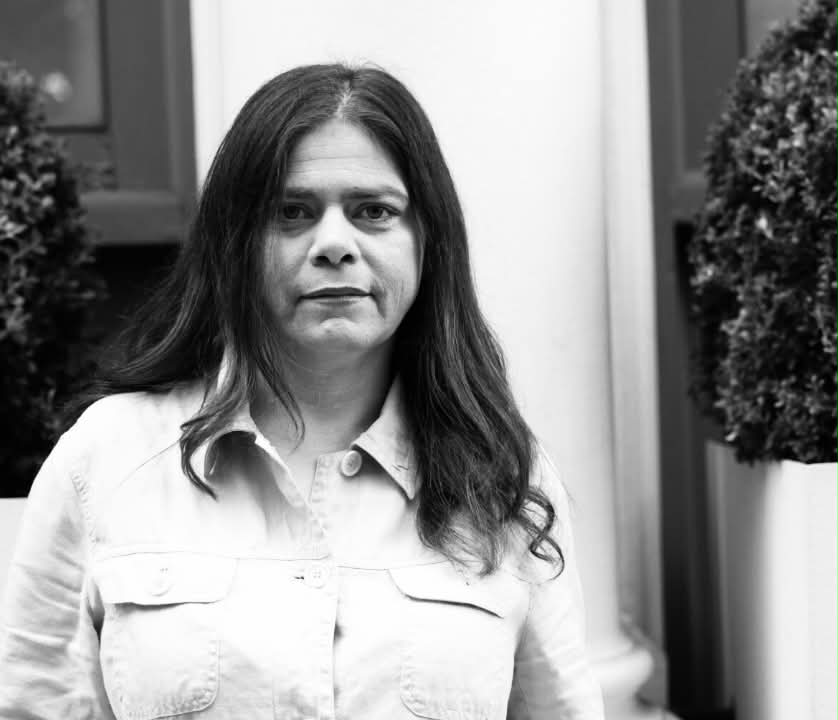
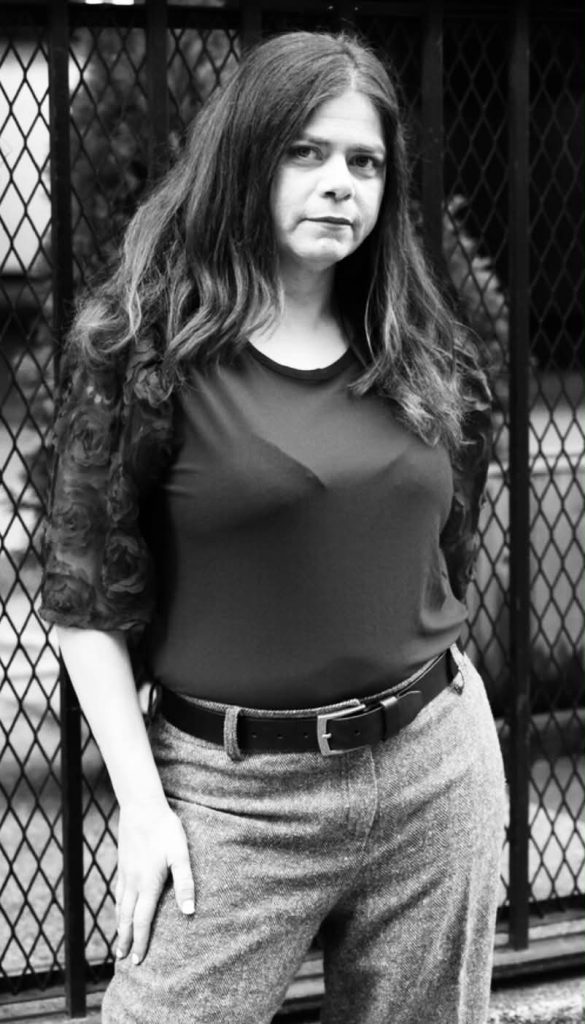
How much can a river tell us? This question inspires the poetic journey into which director Graciela Cassel leads the viewer in “Love is Lonely Hunter.”
Alongside this sensory itinerary, there ideally unfolds a short experimental film that seems to arise from the same expressive urgency: a girl walks alone through a city that could be anywhere, Rome, Chicago, Berlin, Tokyo, or no specific place at all. Urban space thus becomes a neutral, almost abstract container, where time stretches and narrative dissolves into pure perception.
The protagonist’s step, repetitive and silent, recalls the contemplative cinema of Wim Wenders, in which the journey is never merely movement but an inner quest.
In the same way, the camera lingers on details, a fox, a reflection, an empty street, with a sensitivity that evokes the lyrical grace of Terrence Malick, transforming everyday reality into an almost metaphysical experience.
Yet it is in the pauses, the silences, and the suspended gazes that a deeper echo emerges, one close to the spiritual tensions of Ingmar Bergman: solitude is not merely an urban condition, but an existential inquiry, a form of inner listening that traverses space and empties it.
The city, stripped of all frenzy, almost seems to observe the protagonist more than it is being observed. Sounds are sparse, often replaced by a silence that amplifies every gesture, every hesitation. The shots, often static or only slightly moving, construct an emotional rather than a physical geography. Every street walked does not lead to a destination, but to a spiritual awareness, to an inner growth.
Natural light, used by Graciela Cassel in “Love is Lonely Hunter” with great sensitivity, accompanies the passage of time like a slow breath. The absence, or near absence, of dialogue reinforces the impression of a cinema that privileges the image as the primary form of storytelling. In this sense, the film escapes any traditional narrative logic, choosing fragmentation and suspension. It is a cinema that asks the viewer to inhabit space, not to understand it.
The movement of the protagonist thus becomes an almost ritual gesture, a practice of crossing through the world.
There is a constant search for authenticity, far removed from any narrative artifice. The film seems to arise from the urgency to observe, rather than to tell. And it is precisely in this act of observation that its most authentic strength is revealed. This short urban road movie, in its essentiality, demonstrates how Graciela Cassel has consciously absorbed and reworked the principles of the Nouvelle Vague: narrative freedom, rejection of classical conventions, attention to reality, and visual improvisation. The camera becomes light, almost invisible, following the flow of life without imposing a direction.
Like the river evoked at the beginning, this film too flows without ever truly stopping, carrying with it fragments of life, images, emotions. And it leaves the viewer with the task of gathering them, interpreting them, and making them their own.
I am a trained psychologist specializing in autism. I have always written in my free time, and a few years ago I began publishing short stories in literary journals. When I had the opportunity to devote more time to writing, I completed my first novel, Return to Carbery, whose plot and characters had been haunting me for about ten years.
Tell us about your book: Return to Carbery.
It is a psychological thriller with a strong nostalgic dimension. The story follows three childhood friends—Stan, Alice, and Finch—who reunite as adults. They are confronted with a gruesome murder that takes them back to the summer of 1997, when they were tracking a mysterious “Thing” behind disturbing events in the seaside town where they spent their holidays. They begin to realize that this “Thing” may have grown along with them… and they resume their investigation where they left off.
The novel alternates between two timelines: 1997 and 2017. The chapters set in the past fully immerse the reader in the atmosphere of the 1990s, a period that coincides with my own childhood and that I am particularly fond of with its music, cultural references, games, advertisements, and more. It’s a kind of Proustian madeleine for my generation, but with a bitter aftertaste.
What particularly interested me was exploring the idea of the uncanny: something familiar that suddenly becomes disturbing, where discomfort arises from the shift between the known and the unsettling, between the lost paradise of childhood and what truly lies beneath it.
This may be linked to my background in psychology, but I feel that the past, with its share of trauma, buried or repressed memories, is always potentially dangerous, while at the same time exerting a powerful attraction on us.
Which writer inspires you the most?
Without hesitation: Stephen King. I discovered him at the beginning of my adolescence, at a time when I was shaping my personality and artistic universe, and it was a real shock. I feel as though I continue to live in some of his stories, or that they continue to live within me.
What I admire most about him is his ability to anchor completely wild plots in absolute psychological realism, and to create worlds so familiar that they feel like parallel versions of our own. We fully identify with his characters’ thoughts and emotions. We believe in them because they are sincere and deeply human.
His vision of childhood confronted with threat, and of summer as a threshold, a liminal space, an initiatory rite of passage, has greatly influenced me. In fact, the name Carbery is a tribute to Derry, the Maine town where the characters of his novel It return after twenty-seven years of absence and forgetting.
What do you dislike about the world, and what would you change?
I’m going to give a completely naïve but obvious answer: I would remove the existence of evil and all forms of suffering from this world. Of course, I would also be shooting myself in the foot creatively and probably signing the end of my career, since it is precisely the question of the evil lurking within each of us that obsesses me and that I explore in my thrillers.
How do you imagine cinema in 100 years?
I believe technological developments will allow for extremely advanced visual performances and immersive experiences, but also increasingly standardized ones. At the same time, I hope we will remain capable of returning to the essence of cinema: telling stories through images.
Because what truly matters and I think audiences recognize this is that these stories are good, sincere, and driven by a unique vision.
What is your impression of WILD FILMMAKER?
I believe that initiatives like WILD FILMMAKER are essential to keeping independent cinema alive outside the rules imposed by the industry, and to making it more accessible to everyone.
I also find it very valuable to bring together a strong community around a shared vision of artistic creation, and to give visibility to emerging authors like myself, who might not otherwise have access to these spaces. So, thank you.
First, thank you very much for the opportunity to share my experiences in such a special and meaningful interview. I am a Puerto Rican filmmaker, writer, actor, composer, and psychologist who creates from the harmonious combination of cinema, creative writing, music, psychology, and technology. My work blends magical realism, Caribbean memory, and emotional depth, exploring the invisible presence of ancestry and the psychological landscapes that shape who we become. I am also passionate about themes of social consciousness and global impact: we make cinema with purpose, filled with poetry, visual richness, and musicality.
As a pioneer in traditional animation direction and AI-driven hybrid filmmaking in Puerto Rico, as well as in my earlier experiences in live action and hybrid live-action/animation formats, I have walked a wonderful path shaped by curiosity, discipline, and cultural responsibility. This journey has led to several historic milestones: becoming the first Puerto Rican finalist at the American Pavilion in Cannes; the first Puerto Rican animation director to present work at the Palais des Festivals during Animaze/Animation in Cannes; and the creator of Puerto Rico’s first extended multi-award-winning animated film to represent the island across international festivals.
As a great blessing, I am also the first Puerto Rican filmmaker to surpass more than 200 international laurels and more than 50 awards, integrating animated, hybrid, and live-action projects—recognitions evidenced across multiple festival platforms worldwide, with a presence spanning North America, South America, Europe, Asia, Africa, and Oceania. These achievements remind me daily of the importance of perseverance and the responsibility of representing my island with humility and integrity.
Thanks God, my work has also been recognized at the governmental level. I received the first Distinguished Filmmaker Medal awarded by the House of Representatives of Puerto Rico, alongside filmmakers such as Jacobo Morales, an Academy Award nominee. I have also been welcomed twice into the Office of the President of the Senate of Puerto Rico for my achievements in cinema, and I have received nominations and recognitions for my projects on social consciousness and global impact in Peru, Mexico, and the United Kingdom.
Every project I direct is fully authored by me, from concept to screenplay, as part of my dedication to elevating Puerto Rican storytelling while expressing my creative spirit from a universal perspective. My studies in psychology, natural sciences, communications, creative writing, cultural studies, and politics have enriched my vision: I have always sought to learn from every discipline I explore to make art a manifesto, a continuous ideal, and to remain an eternal learner.
Do you remember the exact moment you fell in love with cinema?
Yes, and in truth, it began long before I understood what cinema truly was. As a child, I felt the sensation of embodying different stories as a protagonist through imagination, sensing that stories could breathe and come alive. I saw myself immersed in film one way or another. I didn’t yet have the language for it, but I felt the call.
I began as an actor, entering the fascinating world of characters, the continuous search for verisimilitude, and the emotional architecture of performance. Over time, I discovered other roles—writing, composing, producing—until I finally reached the place where all those paths converged: directing. That early intuition, that childhood vision, became an internal compass. Without any doubt, this was my place.
Tell us about your projects: “OSKÄR” and “FOREVER PRINCËNEY.”
OSKÄR is a hybrid animated project that merges AI-assisted imagery with traditional cinematic sensibility. It explores the emotional journey of a character who moves through memory, identity, and the echoes of Mother Earth in labor pains whispering to the wind. The project has received international recognition, including a turning point in my trajectory: Best Animation Director at a screening at the Chinese Theatre in Hollywood, marking the first time an animated film produced in Puerto Rico was presented in this iconic venue.
The animator of OSKÄR is Jorge Dardo Cáceres, who is also the editor and sound designer of the project; he knows how to listen to my intuition when making decisions, works intensely to grow in his precious craft, and connects deeply with my vision of cinema.
We promised to make history, and we are doing it. From Bulgaria, Japan, South Korea, Ukraine, Uruguay, Türkiye, Hungary, Bali, London (twice), New York, Los Angeles, the Chinese Theatre in Hollywood, France, and Poland, OSKÄR continues to illuminate special screens around the world. One of the most meaningful recognitions came from Japan and South Korea, countries whose animation cultures are deeply respected. Likewise, the filmmaker who won the Goya Award for Best Animated Film 2025 and was selected for the Oscars 2026 praised our narrative for its social and human themes and our way of illuminating through experimental art, after we received several awards in Bulgaria.
Throughout this very special journey, OSKÄR has received Best Animated Story Toward the Future, Best Direction – Animation, Best Innovation (Technique) in Animation, Best Film of the Season, an Honorary Mention, and finalist distinctions in both London and Los Angeles, across four international AI festivals and numerous traditional international festivals. The journey of OSKÄR—especially its screening at the Chinese Theatre during the Golden State Film Festival, with the breeze of the Oscars less than a week away—has been one of firm and consistent steps, after years of hard work and dedication. And we return to the city of Cannes this May, after being accepted into a new venue parallel to the festival.
Meanwhile, FOREVER PRINCËNEY, an animated feature screenplay, contributed to achieving my 200th laurel in the period 2009–2026. Winning Best Animated Feature Screenplay in the city of Cannes reflects the immense value of this achievement, earned through hard work and dedication. Through our creative projects, Puerto Rico is now presenting itself as a cinematic production force in both AI-driven and traditional animation, with firm and consistent steps in independent festival circuits.
Together, OSKÄR and FOREVER PRINCËNEY form two parallel creative universes that converse with one another: one rooted in memory and tenderness; the other, in diversity and resistance.
Which director inspires you the most?
Hayao Miyazaki inspires me with his spiritual tenderness, his way of letting innocence breathe, and his respect for nature as a character. Guillermo del Toro captivates me through his devotion to monsters as metaphors for our wounds; his cinema is an ode to compassion from the rejected or marginalized. Pedro Almodóvar teaches me about masculinity and fragility, about the emotional architecture of men, desire, vulnerability, and the colors of the human heart. These three directors form an interesting triangle that I aspire to emulate.
What do you dislike about the world and what would you change?
I am deeply concerned by the speed with which the world forgets its own humanity. We live in a time where noise replaces meaning and where vulnerability is mistaken for weakness. There is also our deliberate act, at both personal and collective levels, of often forgetting what is essential or choosing not to listen. On the other hand, I would promote, through the art-science binomial, imagination directed toward social transformation and the indescribable value of cultural memory, because within it lies our ability to recognize ourselves, to heal, and to build more sensitive and more human futures.
How do you imagine cinema in 100 years?
I imagine cinema becoming profoundly immersive, a fusion of sensory, emotional, and technological dimensions where stories are not only watched but inhabited. Audiences would enter narratives, feeling them from within rather than observing them from afar. And even so, the essence would remain: the innate need to connect, to feel intensely, to witness the human condition with eyes tied to unconditional love.
What is your impression of WILD FILMMAKER?
WILD FILMMAKER feels like a manifesto that honors the seventh art, something difficult to find in the digital universe, expanding with the wings of a magazine of immense and yet selective reach. A space that celebrates creators who dare to break paradigms and embrace the disruptive spirit of purposeful, conceptual, soulful cinema. I am grateful, as an eternal learner, for the welcome into this distinguished editorial space of art-makers that does not bind itself to traditional color patterns. Because only in such unexplored corners are immortal realities created.
Who is Eleonora… Good question. I often ask myself the same. The automatic answer that would come to me is a woman who is trying to find her own place in a world deeply wounded and violated by a dysfunctional system, in which human beings have lost their own consciousness. If I were to be specific, I would define myself as a young artist who uses her art to leave something beautiful in the world. What I would like is to be able to leave a mark, a memory, and give rise to a change in a historical era in which intelligence has become a fault and sensitivity a flaw. We find ourselves at a moment when political correctness taken to the extreme has led to a real castration of art. What I would try to do through acting and directing is to tear off the so-called Veil of Maya… Today you can’t have an autonomous thought; if you’re outside the norm you become a problem and not an added value… Deep down, I would say I am a dreamer with an accountant’s mind.
When you hear the word “soul,” what immediately comes to mind?
When I think of the word ‘soul’, my mind travels between purely technical, philosophical notions that were part of my academic-university training, and what I feel intuitively. I believe that human beings are the product of a duality, from a nihilistic perspective, between their animist side—which falls within the realm of empathy—and the pragmatism that increasingly leads toward darkness, a darkness that, as a sentient being, hides; a darkness so deep that if nourished it completely annihilates the soul. Today, more than ever, the media and the puppeteers who hide behind governing powers are trying to distance us from our consciousness, in order to render us obedient marionettes and deeply apathetic. Therefore, today more than ever, we artists have the responsibility to bring humanity toward its transcendent part that lifts us toward ‘God’, understood as all that concerns love, beauty, culture, and eternity.
Tell us about your projects.
This has been a very important year for me because it was the year in which I was able to bring my debut work Blue to life, with a strong theme like that of online erotic platforms, and as an actress I finally ventured into comedy, having been among the protagonists of the film Prendiamoci una Pausa, directed by Christian Marazziti, in which I acted alongside big names such as Marco Giallini and Claudia Gerini. To date, I am working on my second project as a director, which will address the MeToo movement from another perspective.
What don’t you like about the world, and what would you change?
Actually, the world created by Mother Nature is the emblem of beauty and perfection; what I dislike is the system that created human beings, in which they have gradually moved further away from their origins… A system that has given rise to elites who rule through unacceptable and corrupt financial systems and with extreme violence. People seem almost numb; they do not often realize the historical-cultural decay we are living through. They seem to have lost their critical spirit, and when confronted with someone who, instead, holds an ideal, they become aggressive because they are struck at their core and lack the tools to express a meaningful concept. All of this is the result of years in which the media have carried out a meticulous job to distance us from our intimacies and drag us toward a materialism with very negative implications. Only a few today truly see and feel that something isn’t working, and they are considered anarchists, conspiracy theorists who are then systematically right.
When did you realize that Art would be at the center of your life?
From a very young age… At ten years old I began writing poems, and at eleven I started my artistic journey as a classical dancer, which from ages 15 to 18 became a real profession. Even in adolescence my interests were studying, culture, and art. I wasn’t interested in the more superficial aspects that a teenager usually pursues. I have always loved going to the theatre and reading books, rather than going to nightclubs. When I was eighteen, I discovered acting and directing, and understood that this would be my path.
What is your impression of WILD FILMMAKER?
In my view, it’s a smart move that keeps pace with the times. It manages to give voice to both the legends and emerging artists, and this is an extremely important aspect. Today more than ever it is crucial to give momentum to new voices without forgetting the past. Another important aspect is the clarity with which the content is presented, conveyed with great expertise and lucidity, so that it is accessible to everyone. The use of black and white automatically evokes a retro look that recalls the great post-neorealist cinema, placing you immediately in an elegant and refined world.
Monica Bartolucci is a film producer who has made her passion for storytelling and artistic vision the core of her career. She is a determined professional, with a careful and sensitive eye for stories and people, capable of turning ideas into concrete projects.
Her work stands out for a strong commitment to authenticity and for her desire to give space to new voices in the film industry. She deeply believes in the value of young talent and in the need to create real opportunities for those who want to enter this world, even when it is more difficult and risky.
For her, producing does not only mean making films, but building paths, enhancing people, and contributing to a freer, more inclusive cinema open to change.
2) Do you remember when you realized you wanted to dedicate your life to cinema?
It was an awareness that developed over time. I have always felt a strong connection with storytelling and the language of images.
At a certain point, I realized that I wanted to actively contribute to that world, transforming ideas into concrete projects. Production became my way of shaping stories and guiding them to the audience.
3) Tell us about your projects
Throughout my career, I have tried to develop projects that are different from one another, but always connected by a strong narrative identity.
Among the works I have produced are Nonna ci produce un film (directed by Walter Garibaldi), Un posto sicuro (directed by Luca Tartaglia), L’abito e l’anima, and Love Game – il gioco dell’amore, broadcast on Rai 2 and now available on RaiPlay.
Currently, the film Storia di una mistress, directed by Ciro Tomaiuoli and starring Alice Carollo, Reyson Grumelli, and Francesco Leone, is about to be released. It will be distributed both in cinemas and on Prime Video.
I am also working on new projects, including the docufilm Bubuset and Luxury Frames.
My goal is to continue creating opportunities for young actors and professionals, focusing on talent and fresh energy.
4) What don’t you like about the world, and what would you change?
I don’t like how difficult it is for young people to emerge, especially in a competitive field like cinema.
I would change this system by giving more space and trust to those who have talent but not yet visibility. I strongly believe that investing in young people means investing in the future of cinema.
5) How do you imagine cinema in 100 years?
I imagine a cinema that is increasingly advanced from a technological perspective, probably more immersive and interactive.
But I believe the true essence will not change: the need to tell stories and to evoke emotions will remain central. Cinema will continue to be a mirror of society, even in new forms.
6) What is your impression of WILD FILMMAKER?
WILD FILMMAKER is an extremely valuable reality in today’s landscape because it represents a concrete space for creative freedom and authentic expression.
At a time when cinema often risks becoming standardized, initiatives like this have the courage to give a voice to independent projects, new visions, and emerging talents. This is exactly the kind of platform that can make a difference, creating connections, opportunities, and new paths for those who want to tell stories outside the box.
I really appreciate that WILD FILMMAKER does not simply promote content, but actively contributes to the growth of the sector by supporting those who have something genuine to say. It is an important point of reference for the future of independent cinema.
Let me introduce myself. I am a photographer/filmmaker from the Sunshine Coast in Queensland, Australia.
Do you remember the exact moment you fell in love with cinema?
Of course, I fell in love with cinema instantly when I was nine years old and Mum was taking photos. I just had to have that camera. Mum eventually bought me my own camera. It was hard waiting to get the photos developed, as I didn’t know if the photos were good or not until I had them developed. Finally, the digital age arrived, and I could instantly see if the photo was good or if I needed to take a few more photos to get the right one.
-Tell us about your projects.
Bye Bye Baby
My Music Video “Bye Bye Baby” was created because of my love for dance. My friend Lisa had written and performed a great country song which fitted perfectly. The Sunny Coasters Line Dancers agreed to dance for me. Sue Ravenscroft, their teacher, agreed to choregraph a line dance and then “Bye Bye Baby” was born. My brother, Bill Clarke, cracks the whip. Gayle and George Ward who live near a small Queensland town of Maryborough, filmed their cattle, and bad boy Ron Annis played the guitar.
This song is a typical country song – about Love and Relationships, exploring the intricacies of romantic love, heartbreak and finding a soulmate. In this case the character has had enough and is saying goodbye to her current lying, money-grabbing, back-stabbing, cheating, two-timing boyfriend. She is now searching for her real teddy bear, one who is a big, strong, sexy, caring and a cuddly kind of guy.
I am the Producer and Director of my film “Bye Bye Baby”. The exciting part is that I have entered this music video into both the “Original Song Section” and the “Music Video Section”, and it seems to be going well in many International Film Festivals.
Kev Franzi – Works 80 Years in the Film Industry HD
I viewed one of Kev Franzi’s cinematography shows at his movie museum theatre near Kenilworth. Immediately, I knew he was an excellent subject for a documentary. My documentary “Kev Franzi – Works 80 years in the Film Industry HD” was produced when Kev reached his 80 years in the film industry at 94 years of age. He is so passionate about his work and is a fascinating character with a great depth of knowledge, so I had to show him to the world.
This is a brief story of Kev Franzi’s life through my lens, working in the film industry for 80 years. It was Kev’s father who gave him a camera that started Kev on this career path at 13 years of age. Ian Mackay, who undertakes the interview, talks to Kev about the highlights of his career.
Years in the Film Industry.
I am now seventy three years of age, but I was nine years of age when I had to use my Mother’s camera, which makes it sixty-four years of love and dedication for the film industry. This is nothing when you see Kev has worked for eighty years in the film industry and he is still so passionate about his work. He likes to exhibit items in his movie museum and loves to explain how they work. Kev’s movie museum is a collection of cinemagraphic equipment and memorabilia that he has used.
-Which Director inspires you the most?
Steven Spielberg inspires me the most as he does different types of films and has won many awards. Some of his films that inspired me are:
Jaws 1975
E.T. the Extra-Terrestrial 1982
Jurassic Park 1993
Saving Private Ryan 1998
Spielberg is known for his diverse filmography.
Steven Spielberg is widely regarded as one of the most influential and popular directors of all time. His films have received more than 150 Academy Award nominations, and he has won three Oscars for Best Director. Spielberg’s movies connect internationally with audiences, earning him a reputation for not only entertaining films but also for creating emotionally powerful stories that connect with viewers.
-What do you dislike about the world and what would you change?
I’m concerned about how younger generations are showing less respect for society and often neglect basic manners. The increasing toxicity and negativity are troubling, with people frequently backstabbing one another out of self-interest. If we address these issues, perhaps we could reduce crime and violence in society. I’m also bothered by how people are constantly on their phones, choosing screens over real conversations. If this continues, we risk losing the art of meaningful dialogue.
-How do you imagine cinema in 100 years?
There’s no doubt that cinema will transform in ways I can hardly imagine over the next century. I expect artificial intelligence to play a major role, with many films created by advanced AI software—so sophisticated that audiences might not distinguish them from those made by humans. As production costs drop, we’ll likely see a surge in the number of films produced. This evolution could signal the end of traditional movie-going, as people watch films at home. Perhaps one day, viewers will even be able to step inside and become part of the movie themselves.
-What is your impression of WILD FILMMAKER?
I have been very impressed by how many people have been interviewed by WILD FILMMAKER and the standard of the interviews e.g., the interview of Virginia Spano about her novel “Perfumes and Scratches”. I am intrigued by the investigation led by Andrea Greco who during the investigation of the murder, is forced to confront his own past. Two narrative layers coexist between the murder investigation and the life of the protagonist.
WILD FILMMAKER generously provides filmmakers like me the opportunity to share our voices, images and be heard. I am deeply grateful for this support.
Well Derek Martin, professionally Derek Lakeith Martin, is a passionate individual who loves all-things Cinema. From an early age I have always been drawn to movies and TV shows, especially the ones that require you to use your imagination a little bit. My journey into filmmaking was a long one. I started as an actor, then later joined SAG/AFTRA, which I’ve been a part of for 20 years. Being a part of that organization allowed me to get up-close and personal on Film and TV sets where I could see all of the departments in action. There, I was able to learn what it takes to put a film in motion. My love for directing, cinematography and editing were the driving forces behind this. I am a self-driven person that believes if you can conceive something in your mind, then you should at least put forth an effort to make it happen.
I’m also a big history fan. What people did differently from how we do them now always fascinates me. I like learning about anything that took place in different eras. To be honest, I like learning about anything new. I believe you should try to educate yourself on anything outside of your on comfort zone that will allow you to be a well-rounded person.
-Do you remember the exact moment you fell in love with cinema?
The exact moment I fell in love with cinema had to happen when I first experienced cinema on a large scale. I was young when the television premiere of Richard Donner’s Superman: The Movie came on TV one night. Although I had been to movie theatres before, and this was TV, there was still something different about this. The commercials hyped it up all week as a must-see experience…and they weren’t wrong! I can remember sitting there eating popcorn while the opening credits swooshed in, accompanied by that iconic score from John Williams. To see one of your favorite cartoon characters come to life in a movie at that age was magic to me, and I knew that I wanted to be a part of that somehow when I grew up. To this day, I will always go and watch it when there is a special screening at the theatre.
-Tell us about your project “Maxwell”.
Maxwell follows the story of Ann, a horse ranch owner and her enduring relationship with an aspiring artist, Maxwell. As they navigate the journey of their relationship, they have to decide what is best for them individually. I was looking to make a story-driven film, something where you could relate to the characters and the situation that they were in. I reached out and acquired a script from a longtime writer friend, Jake Taylor, who just happened to be sitting on this story. After reading it, I simply said “Hey, I want to make this!” One of the things that attracted me to the story was its possibility to expand and be more than just a standalone short film.
I got started on casting the roles by picturing who I thought would be a great fit for each character, and how they could bring them to life. This process went fairly smooth until it came time to cast the role of Rain. I needed to find an actress of a certain age and was the perfect fit for what I was looking for. After not finding someone that fits the description, I was starting to think I was going to have to go in a totally different direction. One day I received a phone call from a theatre coach saying they may have found who I was looking for…they were correct! So, I cast this remarkable young actress and started filming. I always mention to people that Lila Patrick was the one that “completed” my film.
When you’re in the realm of independent filmmaking, you have to be able to explore creative ways to execute your vision of the final product. This only happens with a talented cast and crew that you trust. I wanted to create an environment where they could be comfortable speaking freely and having their ideas heard. There were a lot of moving parts while producing and directing Maxwell, and having a strong group around you makes the filmmaking part of it easier. So far Maxwell has been making waves through the film festival circuit. I am very proud of some the accolades that it has received so far, especially Best Indie film and Best Indie Filmmaker.
-Which Director inspires you the most?
To be truthful, I don’t have one particular director that serves as a source of inspiration. As someone who enjoys different types of movies, I am influenced by different types of directors. I grew up watching films from big budget directors like Steven Spielberg and later Michael Bay, but I also like the recognizable styling of directors like Tim Burton. Then you have directors like Ryan Coogler whose films I enjoy with his brand of storytelling, and the loyalty he always shows by using familiar cast, crew, and composers. I admire that type of loyalty. This is a practice that I’m fond of and use in my own world of filmmaking, as I am a very loyal director myself. I am always studying different styles from individual directors, therefore I’m inspired by a lot of different directors.
-What do you dislike about the world and what would you change?
The world is filled with many different types of people and everyone has their own path that they follow. Being an individual is okay, but I dislike when someone can’t become knowledgeable outside of their own world. I believe that “knowing is growing” and how I would change this is to encourage people to learn something new outside of their comfort zone.
-How do you imagine cinema in 100 years?
I hope that cinema is still going strong and still has a strong base in storytelling in 100 years. As someone that understands how technology is important in film, I hope it doesn’t overtake some of the practicality that makes cinema special. People, meaning cast and crew, are what makes cinema what it is. I do believe that technology will have a prominent presence, but I just hope it doesn’t take over fully.
-What is your impression of WILD FILMMAKER?
Wild Filmmaker is doing a great job of giving a voice to independent filmmakers such as myself. Not everyone gets the opportunity to be heard or share what inspired them, but having a platform like this certainly helps change that. I really hope that Wild Filmmaker can continue to expand its reach across the globe.
I’m an Environmental and Safety practitioner with a lifelong passion for storytelling. As an emerging screenwriter, I explore identity, memory, and the emotional landscapes we carry with us. Though in screenwriting as a creative hobby in my spare time, my debut feature Heart of Love has already received positive feedbacks, affirming the emotional resonance and originality of my work. I bring a unique perspective shaped by years working within real-world systems and a deep interest in the human side of transformation
Do you remember the exact moment you fell in love with cinema?
..of course..it was 1981 and I went to the cinema with my dad and brother to watch Raiders of the Lost Ark…that was the moment…when the magic sparked…
Tell us about your projects: “Heart of Love”.
The script explores an intimate drama about the haunting power of memory, the fragility of timing, and the radical courage it takes to show up as your true self. For anyone who’s ever whispered “What if?”, this is the answer—echoed across decades and danced in the dark. Heart of Love is written with an emphasis on emotional architecture, character depth, and cinematic intimacy.
Heart of Love presents an intersection of emotional and high‑concept identity mystery—two genres that consistently perform in both theatrical and streaming markets. This combination widens the film’s reach: it appeals to viewers seeking nostalgia and emotional catharsis, as well as those drawn to mystery, reinvention, and psychological tension.
The story’s core engine—a man confronting the life he abandoned and the love he never stopped carrying—is universally relatable . Themes of memory, identity, and redemption translate across cultures, and the high‑school‑reunion setting offers a built‑in hook that resonates with a broad demographic.
Heart of Love has received multiple accolades, including:
• Winner – Wolf Media Festival • Winner – Seattle Filmmaking Award • Winner / Finalist – World Class Film Awards (Honourable Mention category) • Semi‑Finalist – Hollywood Indie Festival • Semi‑Finalist – Dallas Movie Awards • Semi‑Finalist – WIKI: The Fastest Screenplay Contest • Quarter‑Finalist – Los Angeles International Screenplay Award • Official Selection – American Screenwriters Conference • Official Selection – Slamdance • Official Selection – Philadelphia Off Page Movie Festival • Official Selection – Off Page Film Festival
Which Director inspires you the most?
..Steven Spielberg without any doubt….independently of talent and styles or commercial allure he is the only one that can truly speak to a wide audience from small child to elderly people
What do you dislike about the world and what would you change?
I love the world the way it is and the way it has always been…I truly believe in balance of good and evil and an higher power so I let myself go in this wonderful thing we call life without complains and accepting the good and the bad, because of the AI revolution and technological advances I would not really know….it impossible to foresee…let’s hope the magic of acting and directing won’t be lost…
What is your impression of WILD FILMMAKER?
Great..very positive and engaging experience and a good opportunity for emerging talents to be heard.