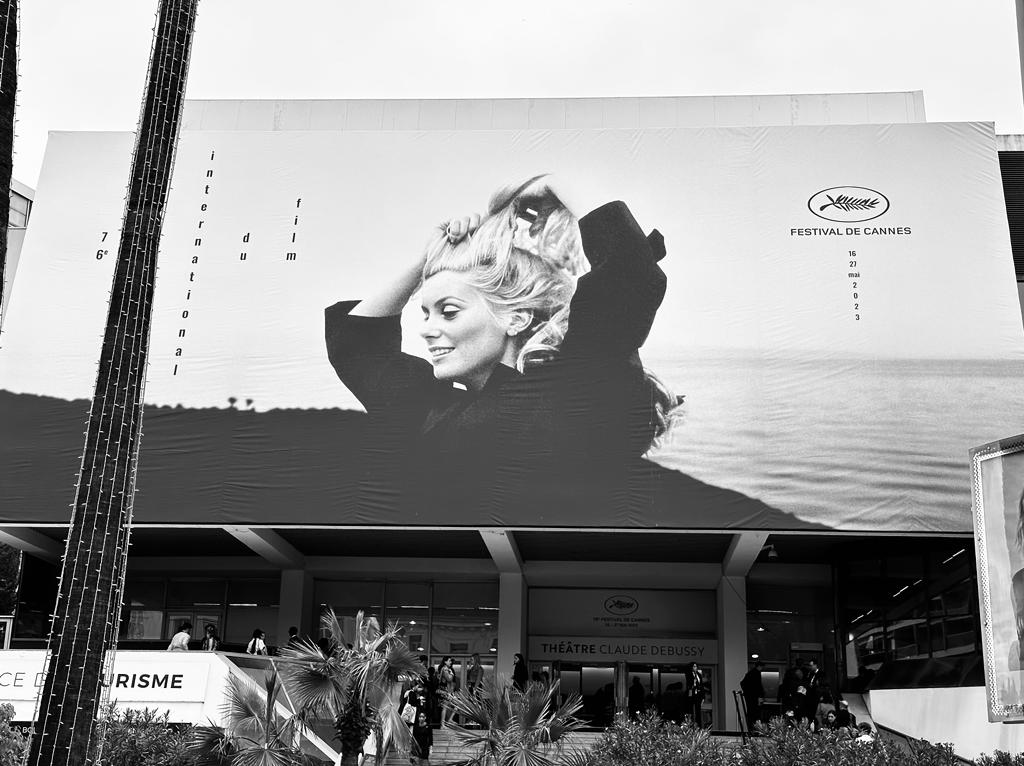
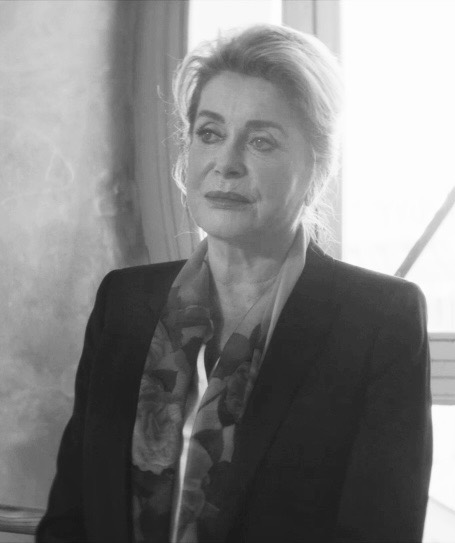
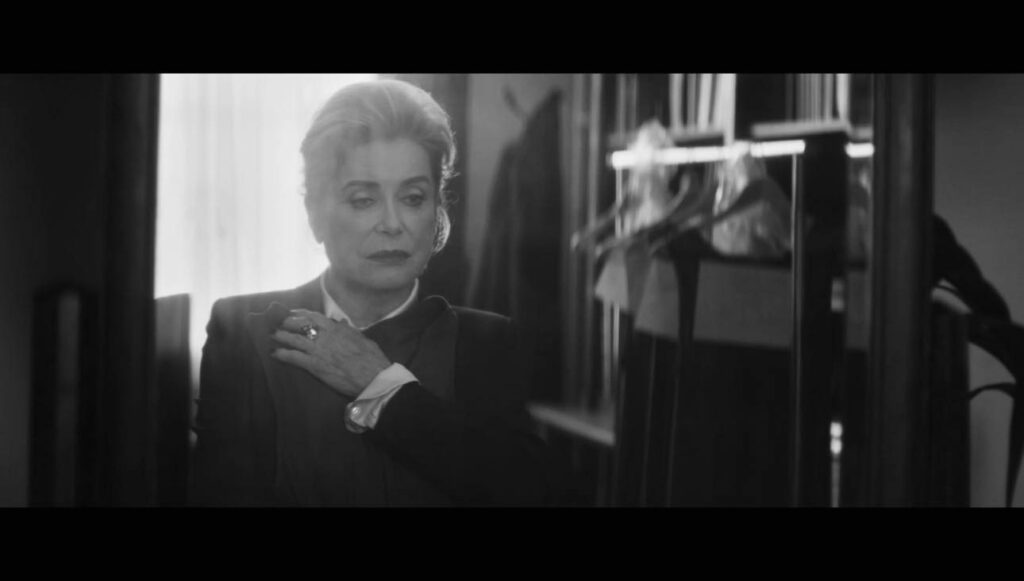
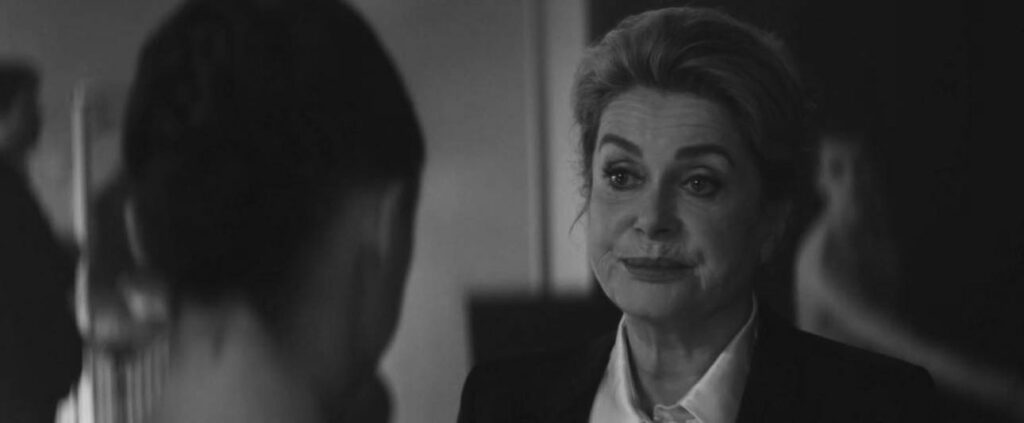
In cinema history, some faces become the synthesis of an entire era. Catherine Deneuve is for France, Marilyn Monroe is for the United States, and Sofia Loren is for Italy. That’s why presenting the “Feminine Singular” project with Catherine Deneuve makes us happy and proud. Her face is the image of the Cannes Film Festival 2023 and a civil commitment project. We discussed it with Ludovico Piccolo of Artex film, who are overseeing the international sales at the Cannes Market.
–What is the “Feminine Singular” topic with Catherine Deneuve?
The central theme of “Feminine Singular” is gender equality. The movie tells seven stories of seven women in seven episodes. The episodes have different focuses on women’s rights, like violence against women, disparities in the workplace, etc. The most important thing is that the characters don’t give up and keep fighting in front of every trouble. These are stories of women who find their strength in facing the difficulties imposed by society’s unequal way of thinking.
-What does promoting a project with an icon like Catherine Deneuve mean?
Catherine Deneuve is a great actress in cinema history. Her presence in the movie is essential for two factors: the message of the film and the promotion of it. That’s because a vital presence like hers gives trust to the audience and to the meaning that the movie wants to tell. Finally, there’s a more commercial and marketing aspect: a name like hers helps to sell the film internationally, so it also helps the movie’s message reach more people than possible.
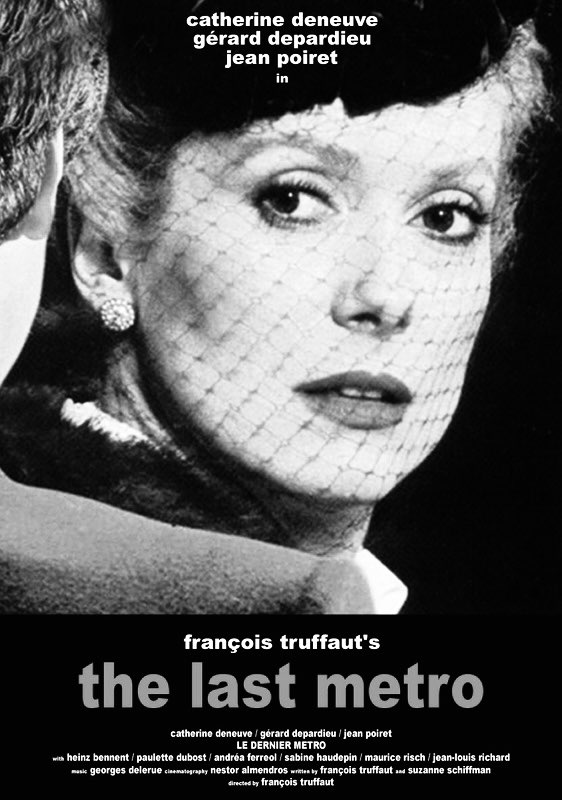
–The movie I love the most starring Catherine Deneuve is “The Last Metro” by François Truffaut. Is there anything about that character in “Feminine Singular”?
Surely a great actress brings her charisma in each movie: in ‘The Last Metro’ and ‘Feminine Singular’ The most important feature of the character played by Catherine Deneuve in the film we brought to the Cannes Market 2023 is the ability to give confidence to those next to her by going against all forms of prejudice.
-We at WILD FIlMMAKER are carrying out a ‘revolution of roles in cinema.’ That is, we intend to give a voice to the public, which is no longer just a spectator but can also become an author with the current means of producing and distributing an audiovisual project. By making this meritocratic path aimed at a universal audience, do you think we will be able to discover actresses destined to become new icons like Catherine Deneuve?
It is a valuable opportunity for those with something to say through cinema and from which new actors can emerge, but also new directors, screenwriters, etc. WILD FILMMAKERS is an original project that lets the public discover a new way of understanding cinema. I hope that the Community founded by Michele Diomà will continue to grow for the sake of cinema itself.
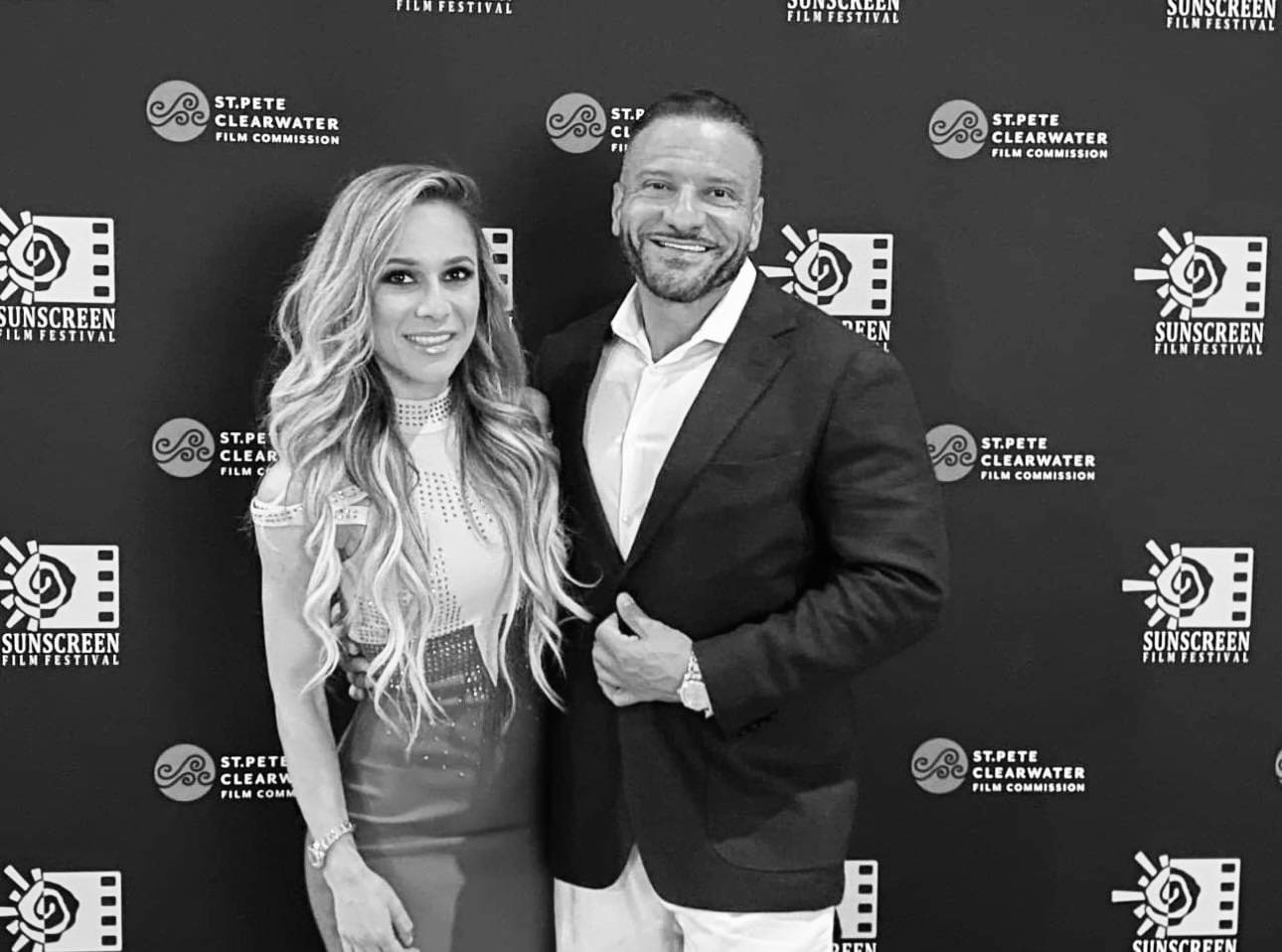
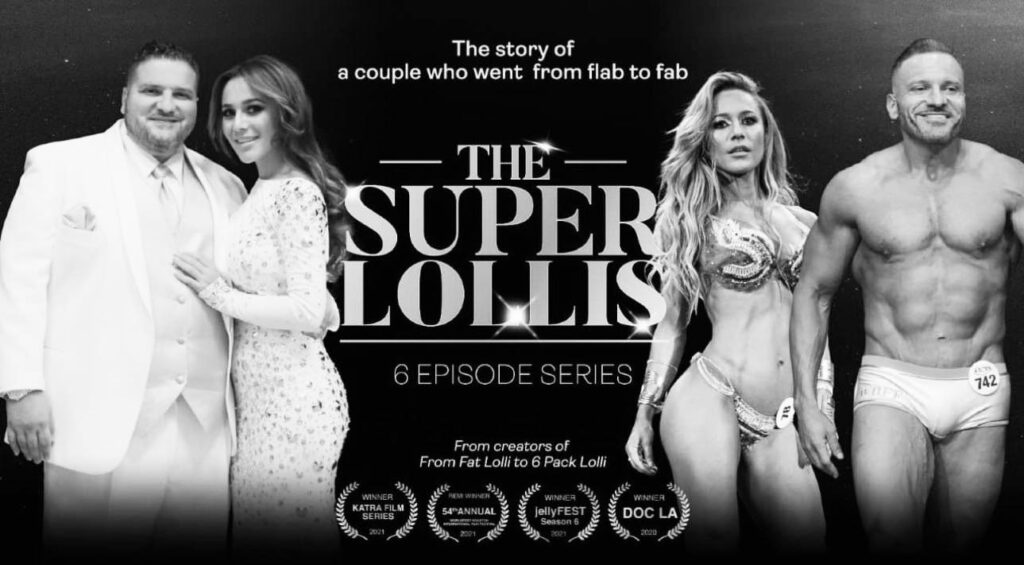
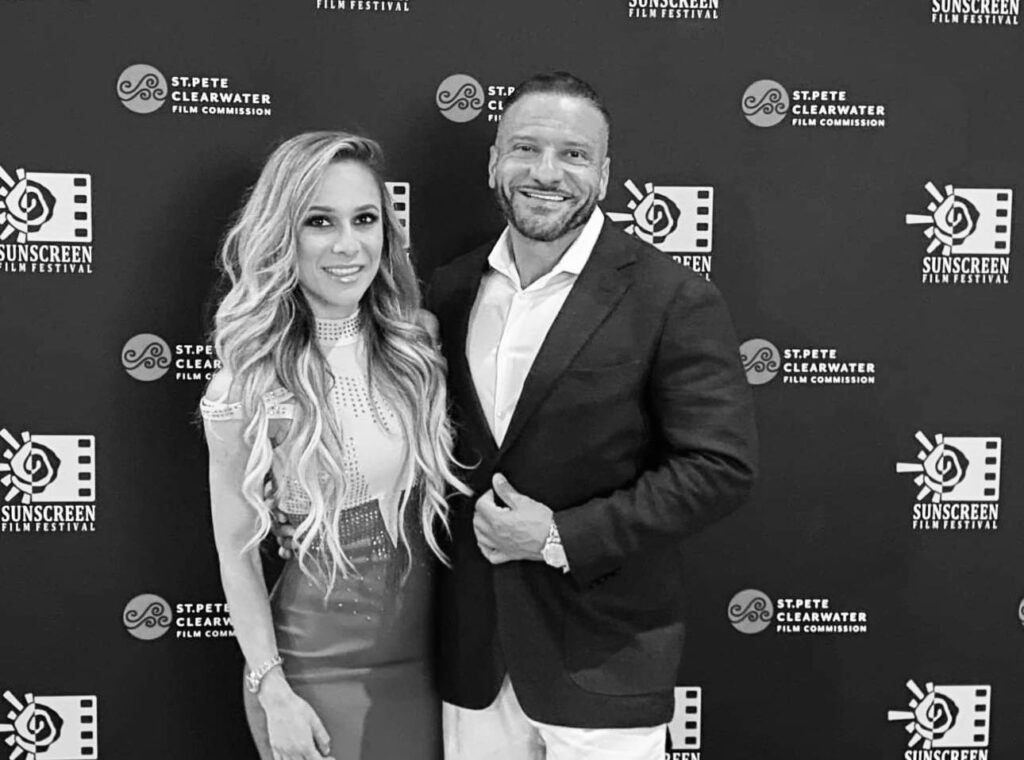
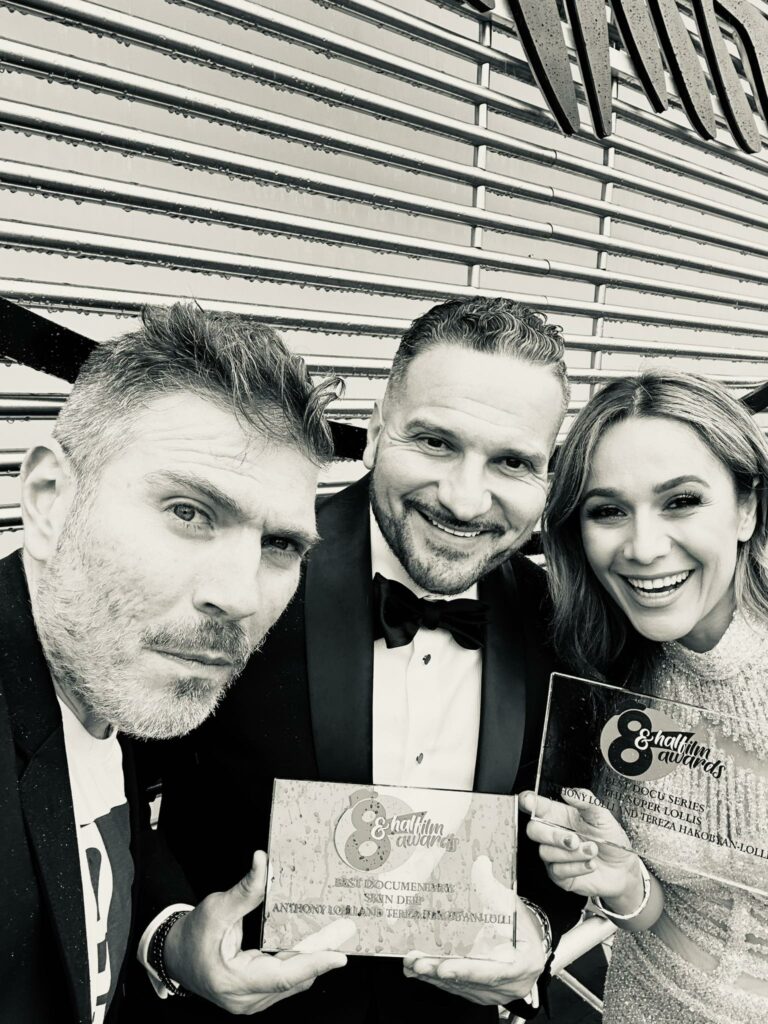
Anthony Lolli is my husband and the star of our first film “Skin Deep” & “The Super Lollis”. He produces and directs our documentaries with me.
-What inspired you to make “Skin Deep” & “The Super Lollis”“?
My husband embarked on a weight loss journey in 2018. We decided to capture his journey on his cell phone to hold him accountable. Once his transformation was complete where he lost 125lbs in 9 months, we knew we had to put together a film about it to inspire others to do what he did. And that was the start of our filmmaking production company journey – Lolli Brands Entertainment. As of today we have produced 5 documentaries and have 3 in pre production.
-Do you think the cinema can bring a change in the society?
Absolutely, we are a living proof of that. Our documentary was streamed 95 million times and we developed a cult like following. We get countless messages on our IG accounts every day, thanking us for the inspiring and life changing content we have been releasing. @anthonylolli – 1.4 million followers and @terezahakobyan
-What would you change in the world?
My husband and I are committed to enlighten the world to reconnect with Mother Earth when it comes to health, parenting, family, and achieve an overall balance in life where One can have it all.
–Where do you see the film industry going in the next 100 years?
Film industry has transformed after Covid and became more relatable, more real. I see documentaries taking the lead in the future as the audience is more interested in real life stories.
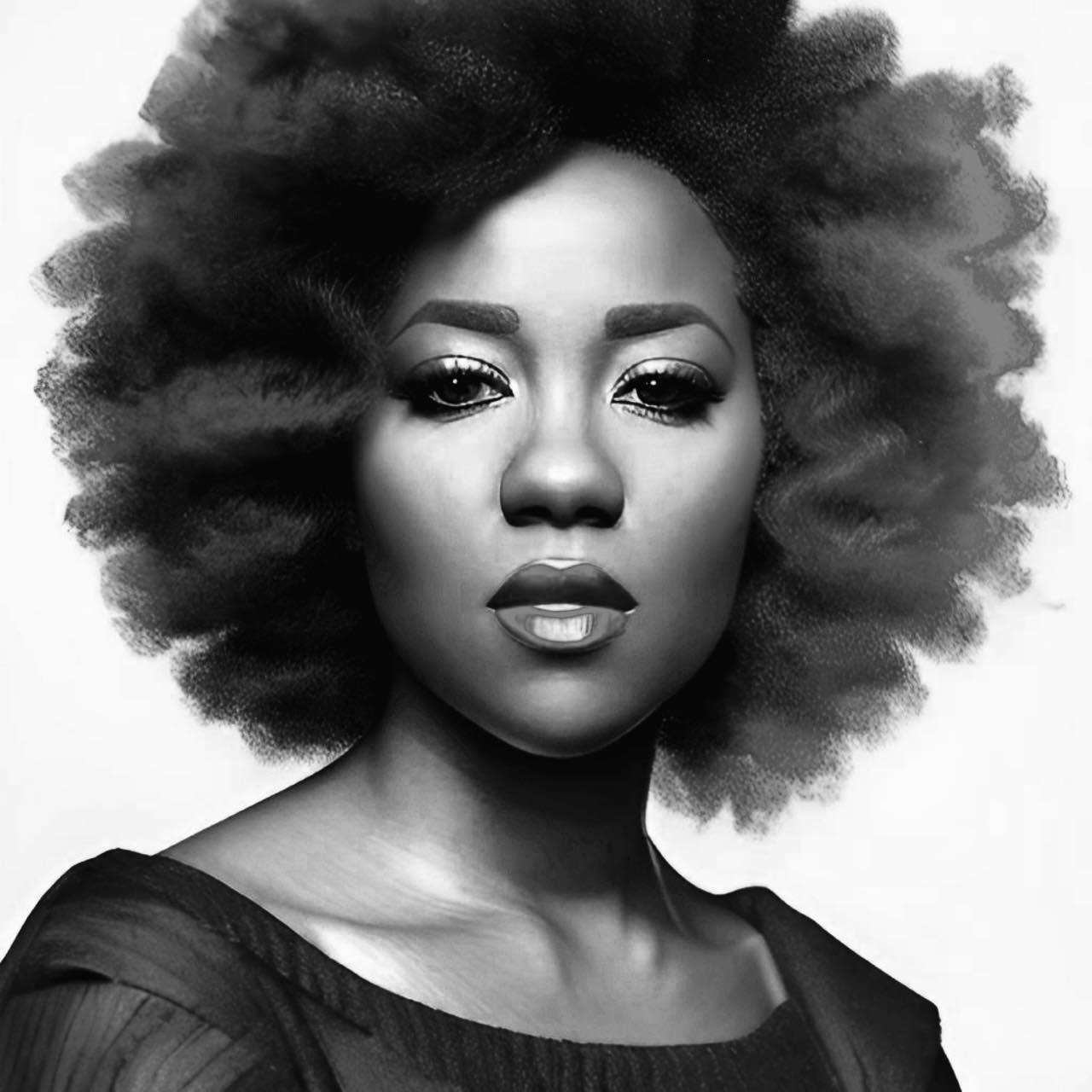
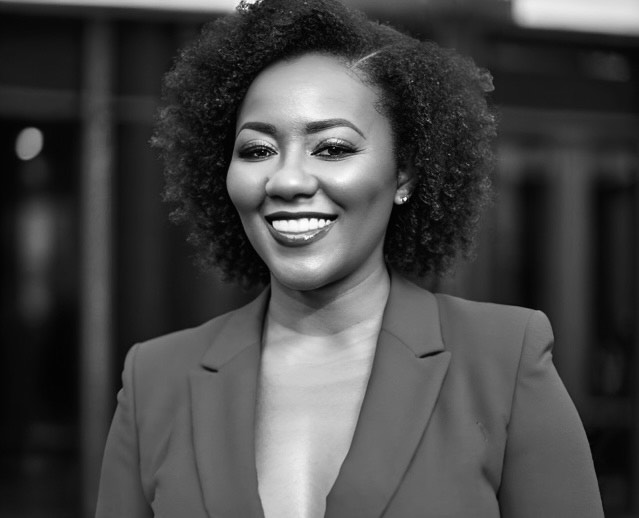
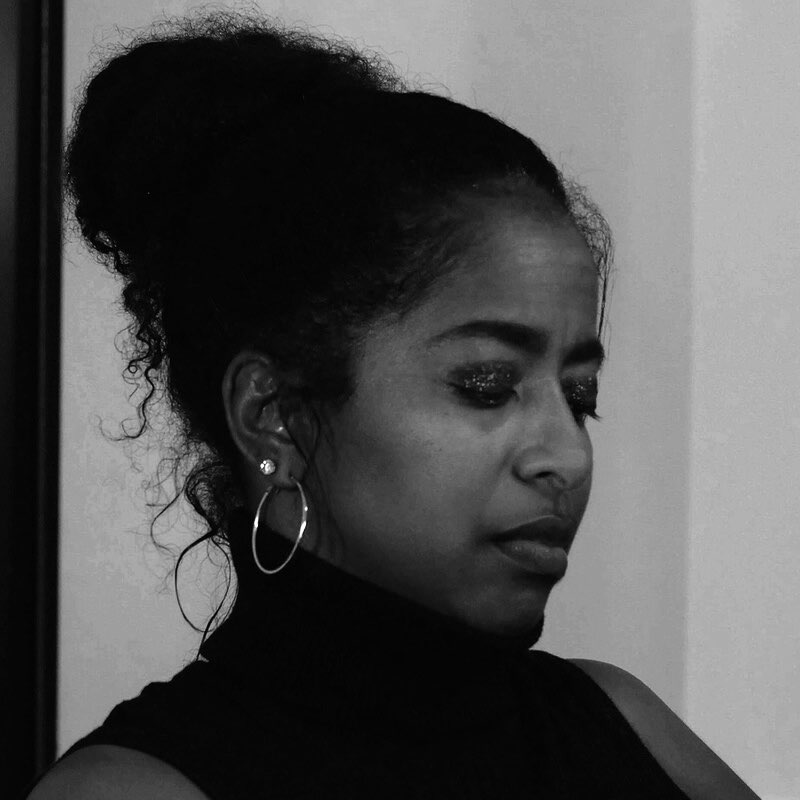
As an African American woman, artist, and storyteller, I infuse a rare perspective into the realm of narrative art. My ambition? To spotlight the hidden cultures and untold stories that seldom garner attention in mainstream circles. By confronting taboo subjects in a secure and engaging fashion, I empower the marginalized and underrepresented voices. Through my artistic endeavors, I aspire to foster a profound understanding and empathy for the rich tapestry of experiences that compose our world.
-What inspired you to become a screenwriter?
As an avid cinema enthusiast, I’ve always appreciated the diverse range of films available. However, I soon noticed a significant void when it came to stories that resonated with my own life experiences. Recognizing this gap, I felt inspired to contribute my voice, my storytelling, and my unique perspectives to the world of cinema. I became driven to share these untold narratives, insights, and lessons, enriching the industry with fresh and authentic perspectives.
-Do you think the cinema can bring a change in the society?
I am firmly convinced that cinema possesses the potential to enact meaningful, albeit subconscious, change within society through the medium of entertainment. By providing a visual window into different situations, cinema can elicit empathy, offer fresh perspectives, and stimulate thought-provoking conversations that ultimately pave the way for tangible transformation. Embracing the power of cinema, we can unite in our quest to better understand and shape the world around us.
-What would you change in the world?
Given my passion for cinema and storytelling, my ultimate goal is to foster greater inclusivity and diversity within the industry. I yearn to see a world where stories from all walks of life are embraced, providing a platform for marginalized voices to be heard and celebrated. By amplifying these unique perspectives, I believe we can spark vital conversations that inspire change, encourage empathy, and create a more interconnected global community. Through the power of storytelling, I hope to contribute to a more vibrant and inclusive cinematic landscape, ultimately enriching the tapestry of human experience.
-Where do you see the film industry going in the next 100 years?
As I gaze into the future of cinema, I foresee an extraordinary expansion in creativity, perspectives, and storytelling. I imagine a world where mixed media takes center stage in film production, seamlessly blending advanced AI technology with the raw talent of phenomenal actors, production, music and screenwriting. This potent fusion will deliver consistently captivating and evocative masterpieces, pushing the boundaries of traditional cinematic expression and taking audiences on unforgettable journeys through time and space.
An unprecedented event for independent cinema will begin in Cannes on May 16th. For the first time, filmmakers who have self-produced their projects will find themselves next to internationally renowned stars. It is a win that seemed impossible to many. A goal achieved thanks to the need and desire to ‘reinvent’ cinema!
In all industrial sectors, novelties are not loved and there is no difference in the film industry, which has targeted the web as its competitor. At Wild Filmmaker, we have a diametrically opposite opinion compared to those who produce cinema in a “classic way.” The web can be an excellent opportunity to create and spread a new way of doing and seeing cinema, which can finally be a free art form.
Our motto is “Wild Filmmaker – Cinema, not Propaganda. Poetry, not Marketing“.
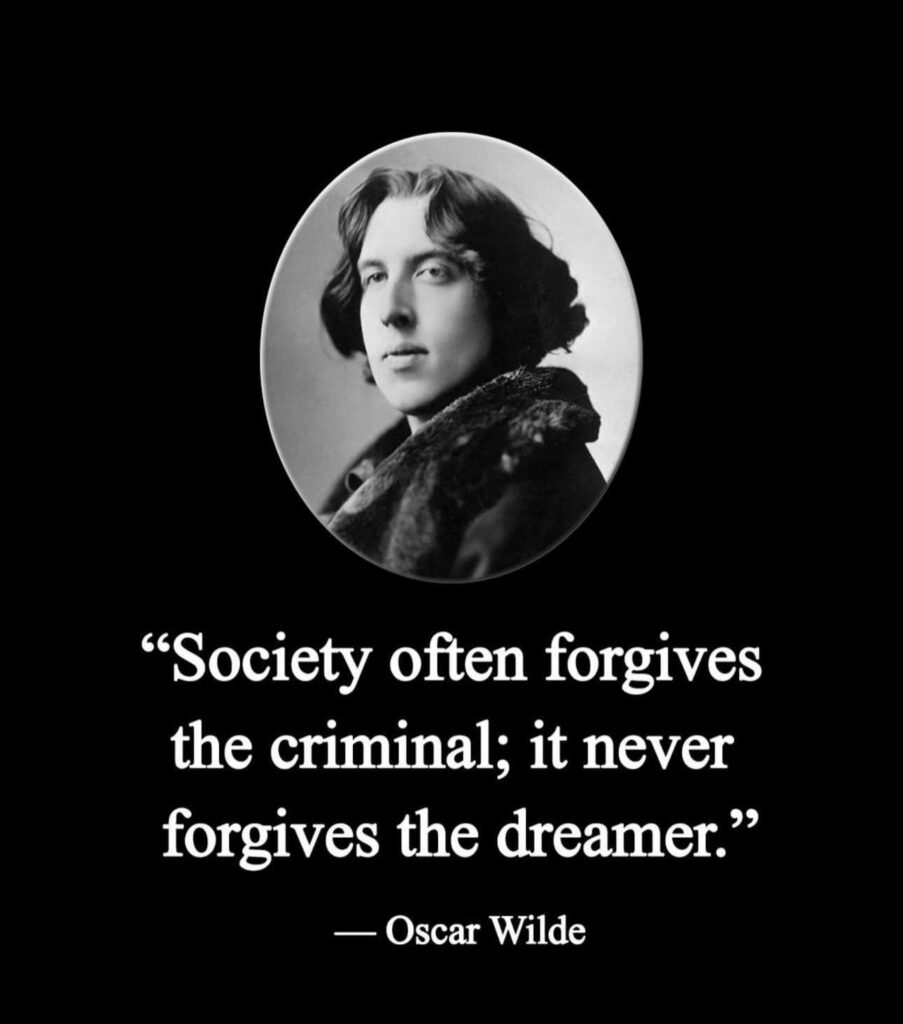
At first, we saw ourselves as dreamers doomed to fail, as the great Oscar Wilde would say.
Today, over 30,000 artists are part of our Community, from all over the world. Our co-production meeting in Cannes aims to discover the latest generation of filmmakers to hire for new projects that will be post-cinema pioneers. In addition to the already announced project of the series “eleveN fiftY” that will be filmed in New York, directed by Darius Rubin, and produced by Michele Diomà, we will soon reveal further initiatives.
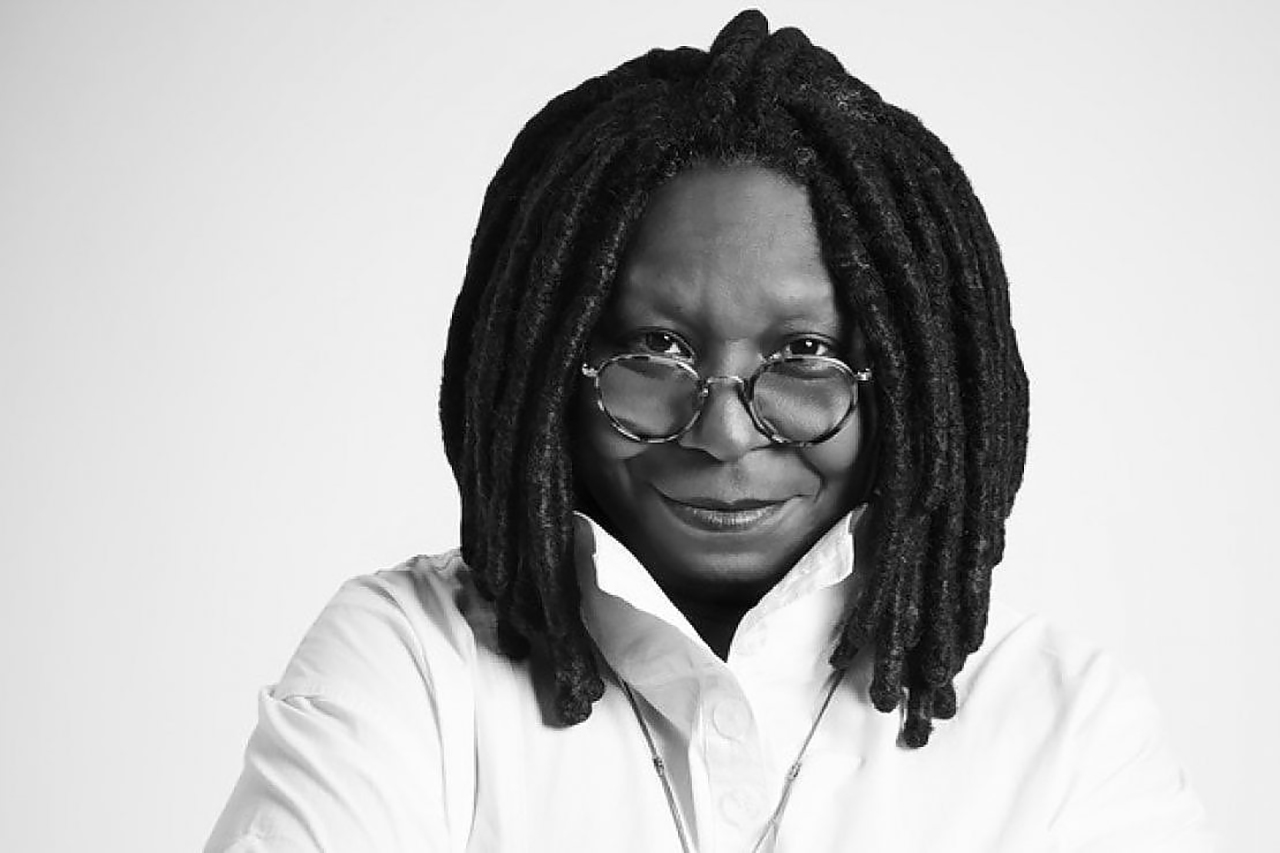
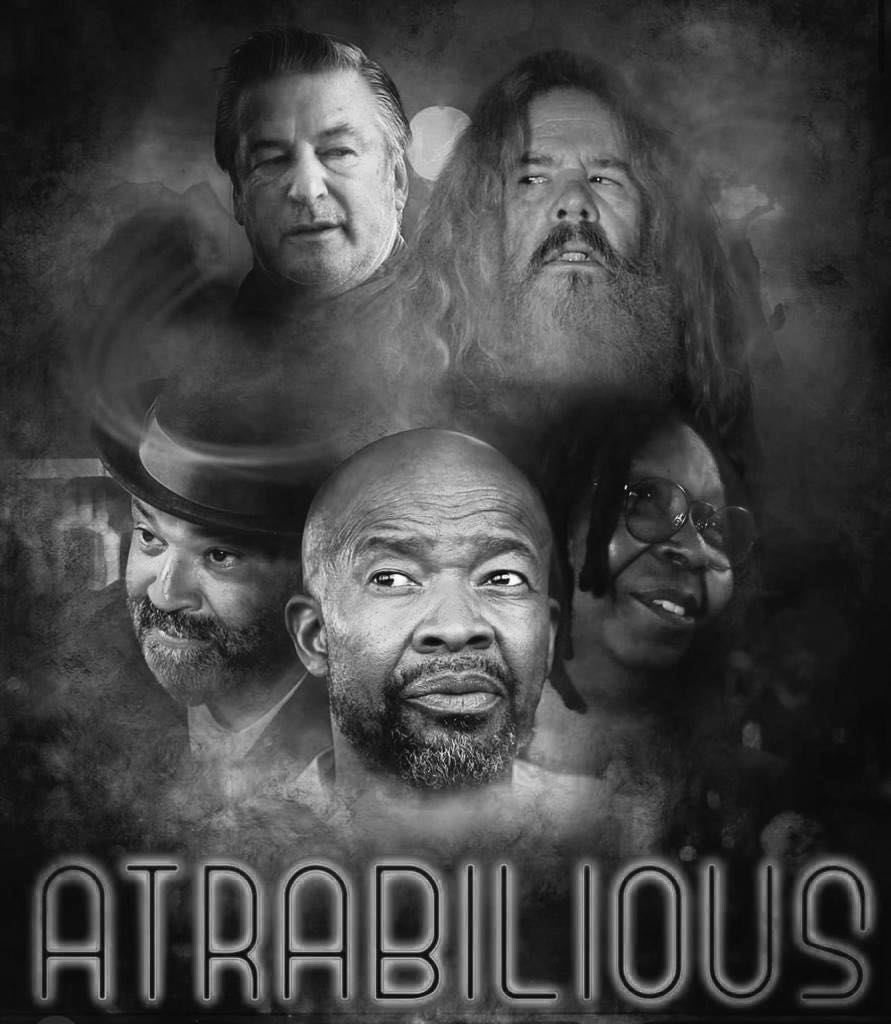
In the meantime, we are honored to pay tribute to another talented young director like William Atticus Parker, whose “Forty Winks” with Susan Sarandon and John Turturro was awarded best film at the 8 & Halfilm Awards last year. During our meeting in Cannes, we will show the trailer for “Atrabilious” (Whoopi Goldberg, Alec Baldwin, Jeffrey Wright…”.
Our journey is only at the beginning.
Thank you very much to all the filmmakers who believed in us.
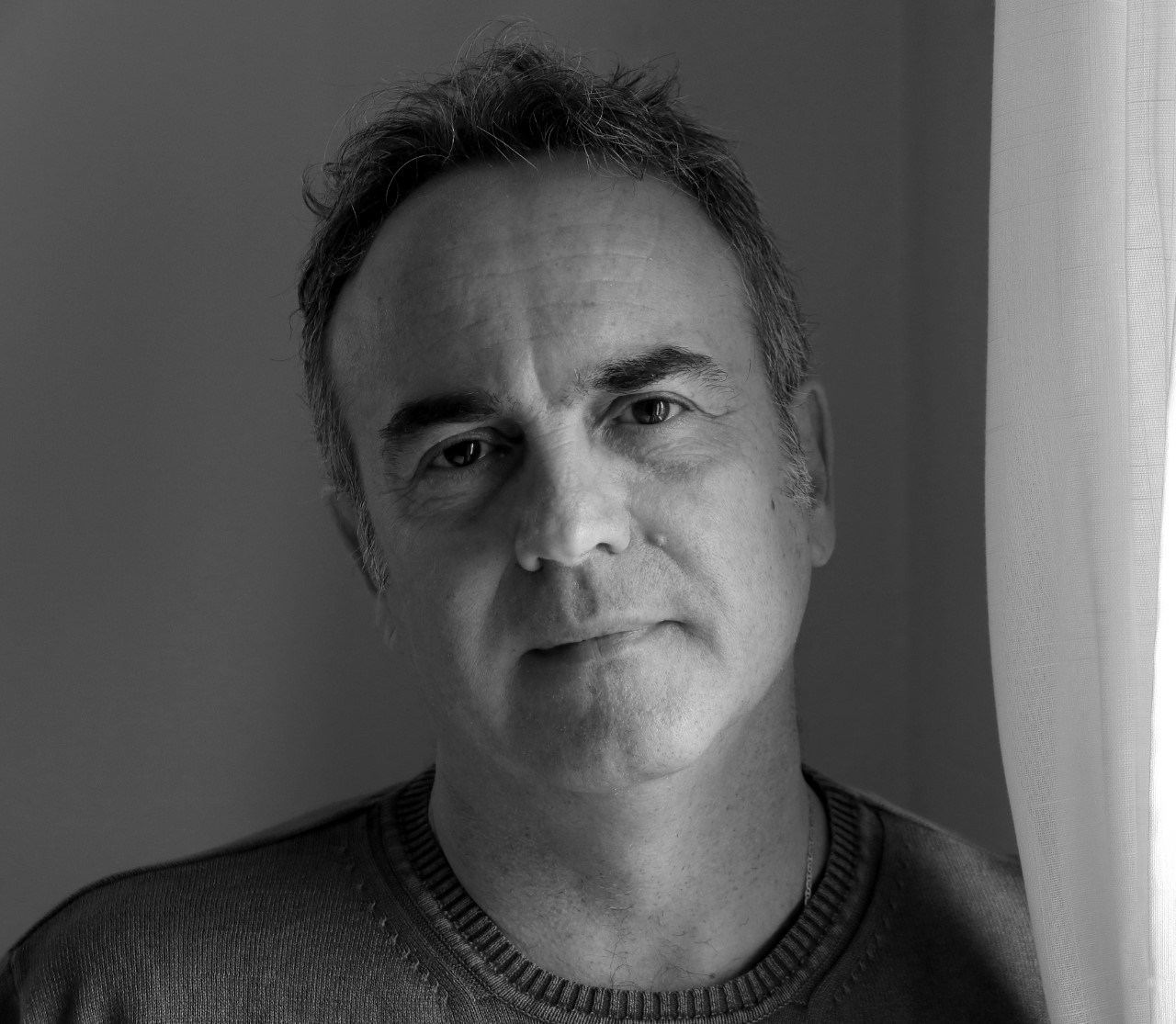
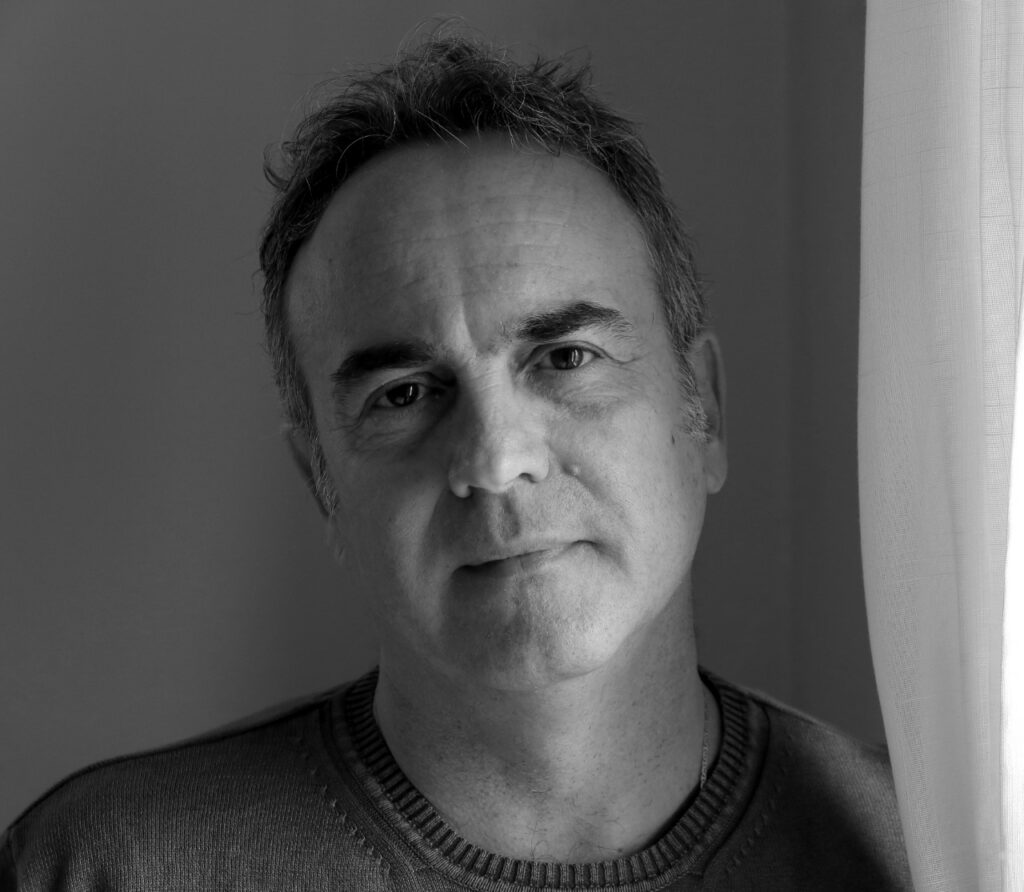
I am a person who deeply loves film and music, and I have devoted my whole life to these two passions. I began in 1982, playing as a guitarist in various bands then, in 1983, I moved on to cultivate the art of photography and later in 1993, the art of filmmaking. I began as an actor, acting in many feature and short films. This activity gave me many satisfactions. For example, with the 2020 short film ISOLATION – for which in addition to acting as the lead actor I shared my first experience in directing, together with director Roberto Loiacono – I won many awards as Best Actor.
ISOLATION was made during the first lockdown of 2020. I worked at home during the lockdown, with the help of my wife, making the entire first part of the short film. At the end of the lockdown the second part of the short film was made with the help of Director Roberto Loiacono, who was in charge of directing relatively to the final part, editing and production.
After Isolation I continued my activity as an actor. 2022 is the year I made my second work as a director (this time only): it is the short film Jasmine’s Suspicion, a “Spy Movie.”
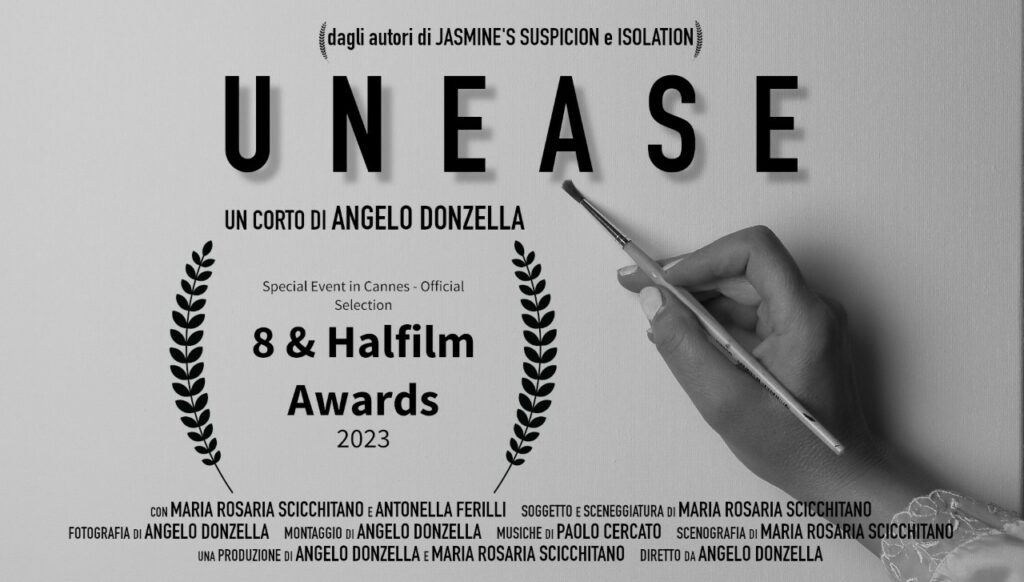
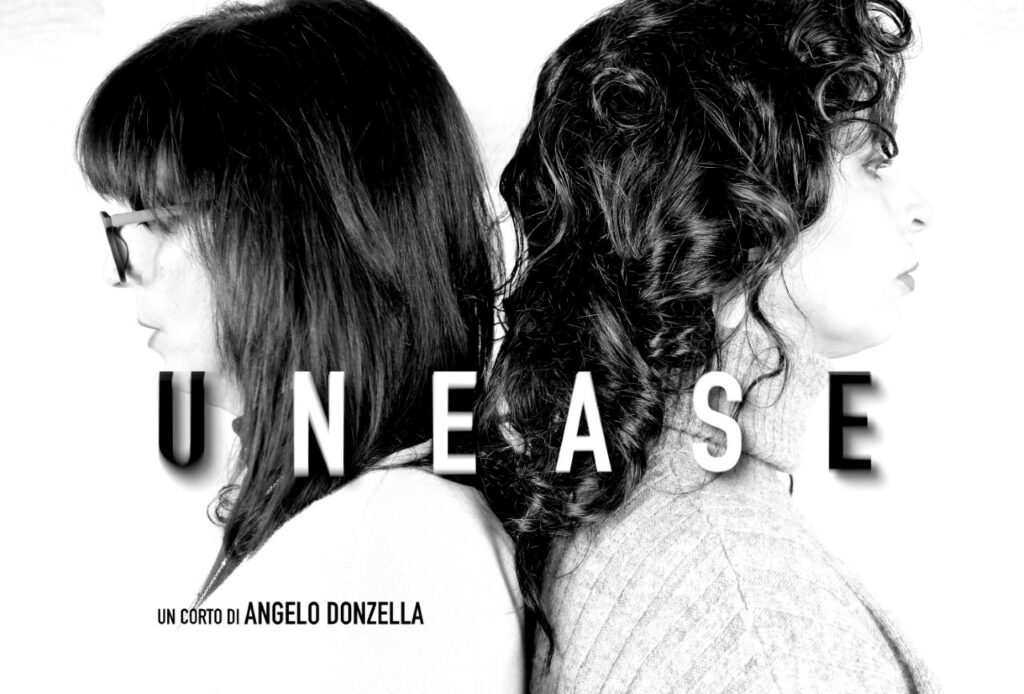
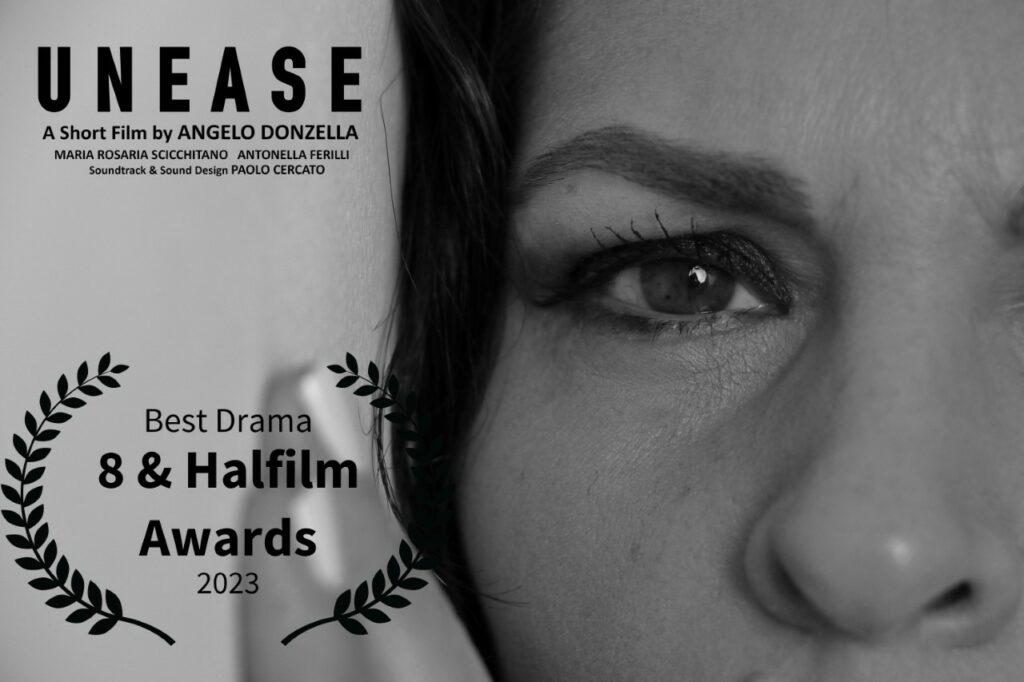
In January 2023 my wife Maria Rosaria Scicchitano, whom I consider my right-hand man (she is in charge of writing, screenwriting and acting) writes UNEASE, a project that is made in the space of only one month of intense work and is then presented in various International Festivals.
A key role in the realization of UNEASE can be attributed to musician Paolo Cercato, who sent me the soundtrack before I even went to the set. Listening to his music inspired me greatly in researching and creating the atmosphere I wanted to imprint on the short film.
-What inspired you to become a filmmaker?
Just acting did not give me the feeling of completeness, I felt the need to express my feelings through images and, loving photography, I felt the desire to experience something new. Some directors made me fall in love with cinema, to name just a few, among my favorites I can mention Michael Mann, David Fincher, Christopher Nolan, Jim Jarmusch, Clint Eastwood…. They are a source of continuous admiration for me. I am also a collector of films and of course music CDs. I spend much of my free time watching movies, TV series and listening to music, constantly looking for new inspiration.
-Do you think the cinema can bring a change in the society?
I like to think so, there are movies that left their mark and make you think, although I think fundamentally you need to be endowed with great personal sensitivity.
I remember years ago the movie “In the Name of the Father,” by Jim Sheridan, with a terrific Daniel Day Lewis, made a big impression on me. That story remained etched in my memory. This is just one example; many other movies left their imprint on me.
-What would you change in the world?
A really difficult question to answer. I wish so many things would change in the world, sometimes I have a feeling of helplessness, for not being able to do anything. The first thing that comes to mind is the desire for a world where peace reigns, but as I said I think a lot of things should change. I love nature and animals, and I like to think that sooner or later we can change our attitude toward the creatures that accompany us in this beautiful experience that is life.
-Where do you see the film industry going in the next 100 years?
To be honest I am a little bit pessimistic about the quality of cinema in recent years, I see few really interesting products. I am not talking about the technical level: by now with the new film equipment it is “easy” to get films of high technical quality, but I notice that less and less importance is attached to the content, which I often find uninteresting.
In recent years TV series have taken over and in some cases have even surpassed the films in circulation, I am talking about Series like Lost, 24, Breaking Bad, True Detective, Fargo, etc.
I don’t mind this, because I love TV series, the problem, in my opinion is that lately more space is being given to quantity over product quality.
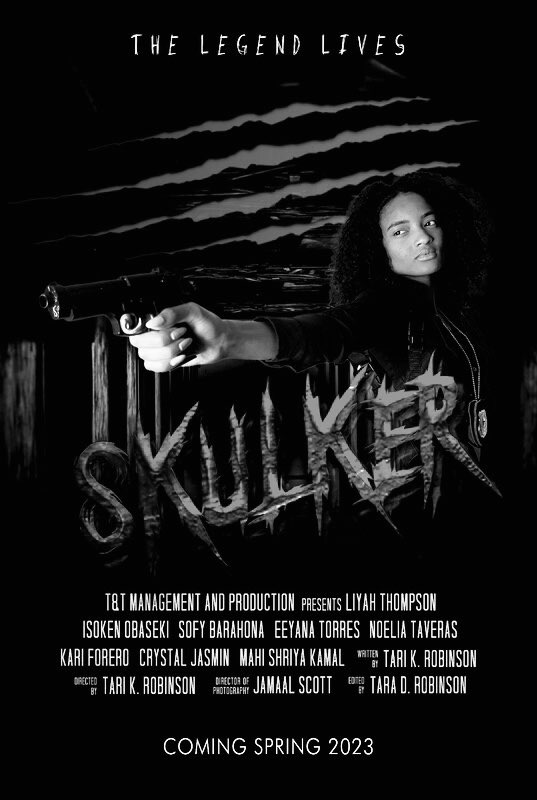
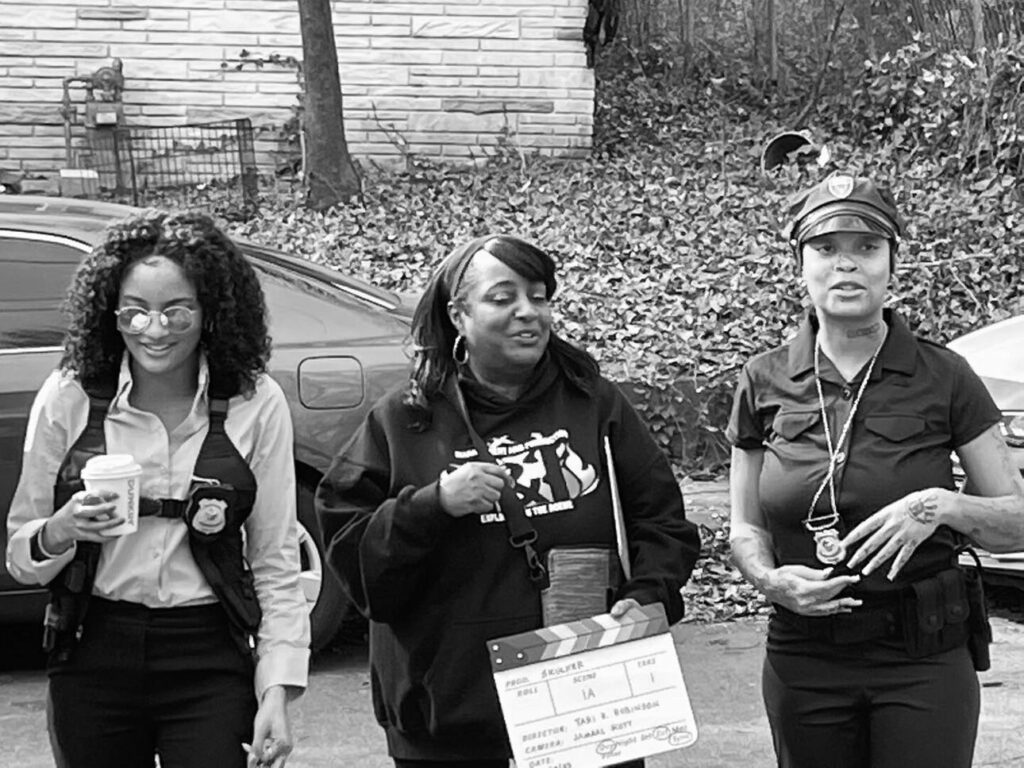
I am founder and CEO of T&T Management and Production, where I wear multiple hats as a writer, Director, and Executive Producer. My love for the art of storytelling has been ingrained in my from a very early age. Over the past few decades, I have honed my skills writing, directing and producing numerous award-winning short films that have been well-received in the film festival circuit. Being a filmmaker requires a lot of hard, sacrifice and a willingness to take risks and push boundaries. I have learned to appreciate and embody these qualities over the years.
-What inspired you to become a filmmaker?
Ever since I was a young child, I possessed a passion for storytelling and the desire to express my creative vision with the world. A lot of my inspiration comes from personal experiences and beliefs that I want to share with others. I’m also equally inspired by the works of great storytellers such as Steven Spielberg, James, Cameron, Michael Bay and George Lucas.
-Do you think the cinema can bring a change in the society?
Absolutely. I believe that cinema can be a powerful tool for social change, promoting empathy, understanding, and awareness of important issues while also providing entertainment and cultural exchange.
-What would you change in the world?
Combat climate change to ensure a sustainable future for our planet.
Inclusivity for women. Creating gender equality through opportunities and empowerment happens only when aligned and united. There needs to be a balance in unity between men and women in the entertainment industry.
Promoting peace. Conflicts of wars have caused immense suffering and loss of life. We need to find ways to promote peaceful resolutions.
-Where do you see the film industry going in the next 100 years?
With the advancement of technology such as artificial intelligence, I imagine this may have a significant impact on the film industry in the next hundred years. My hope is that AI doesn’t take over the creative process completely; there by eliminating the human element.
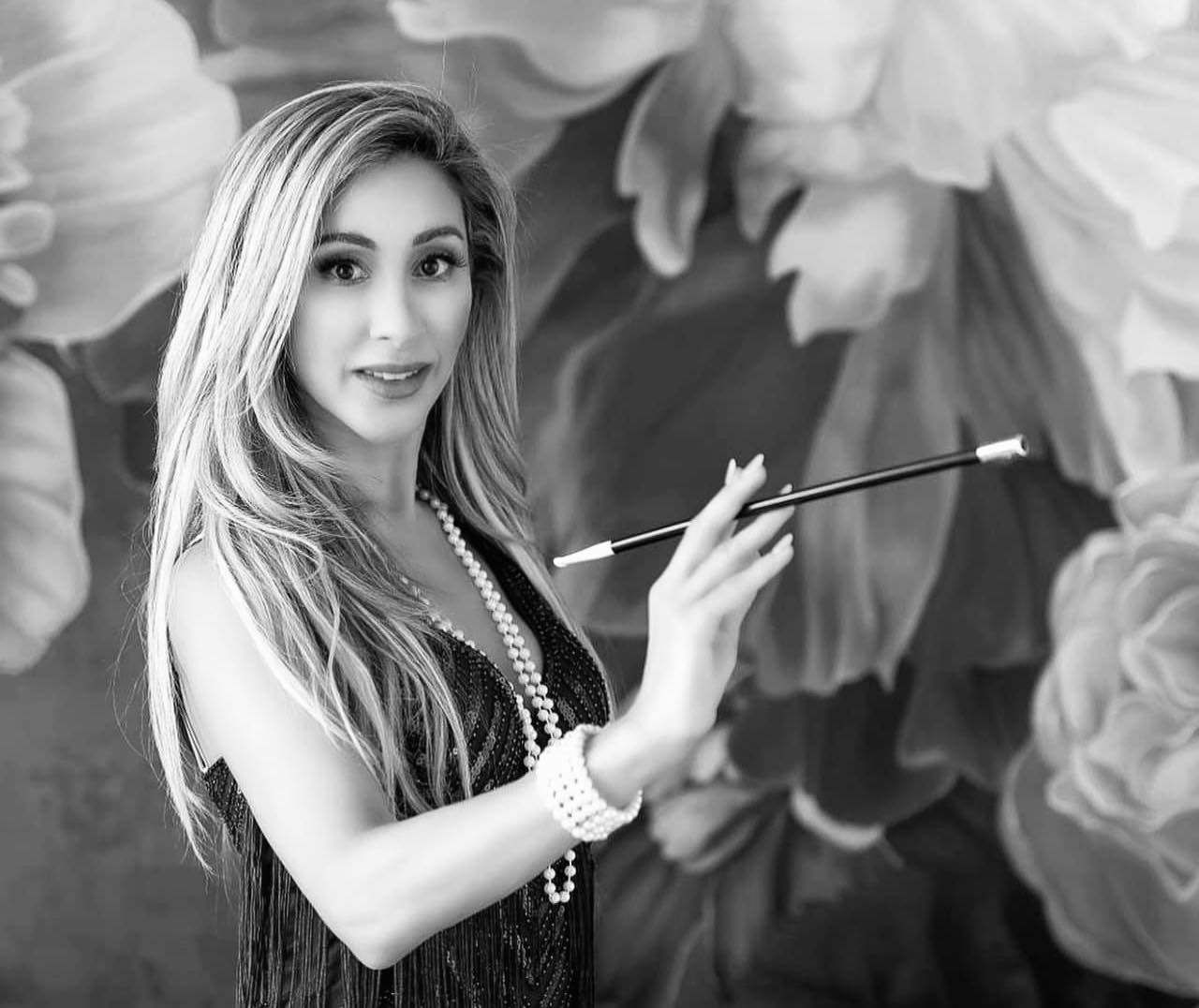
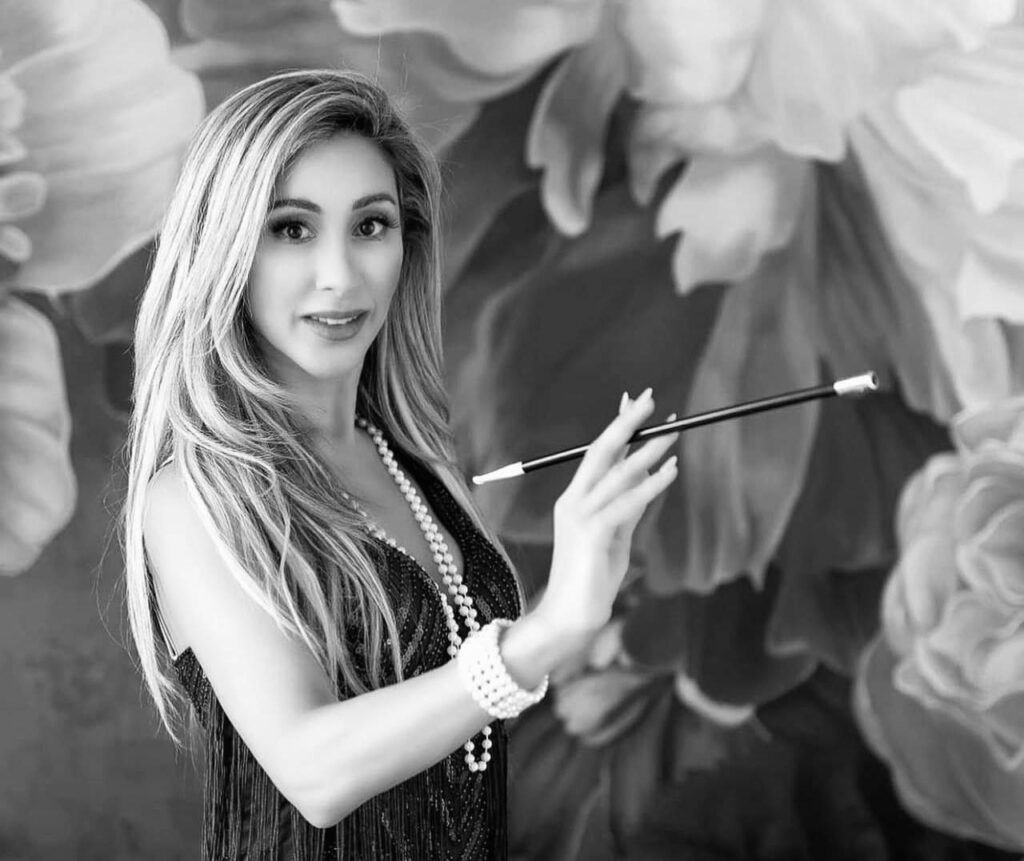
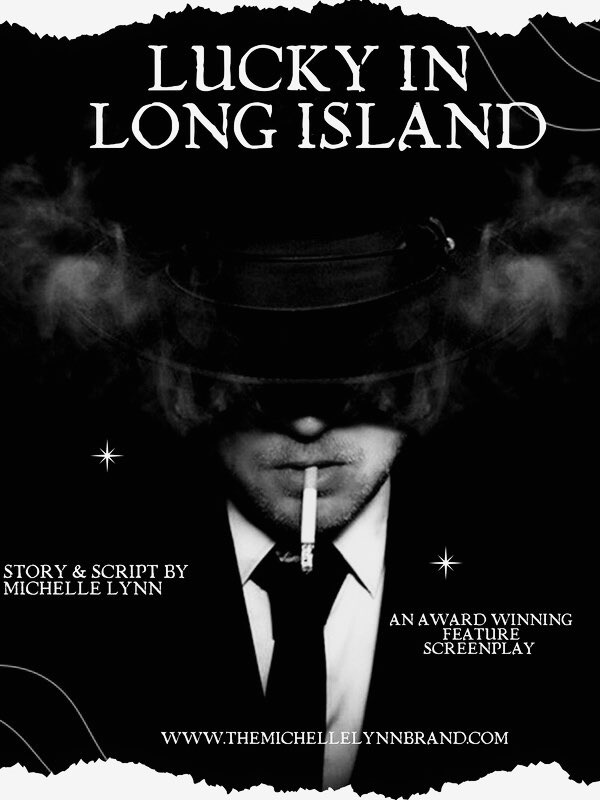
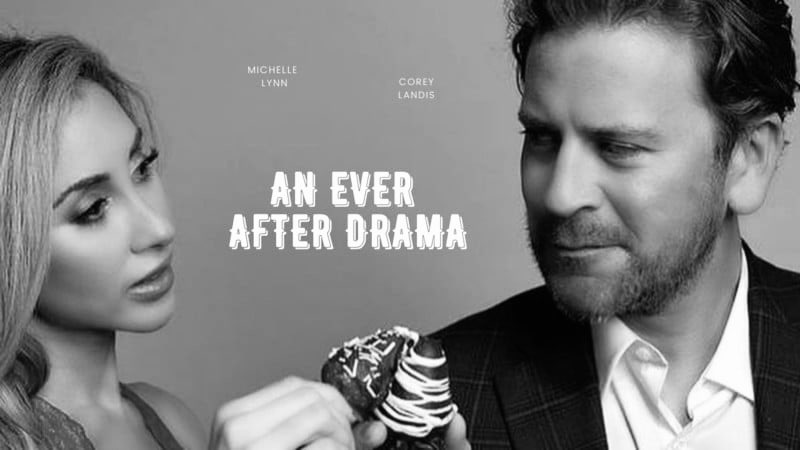
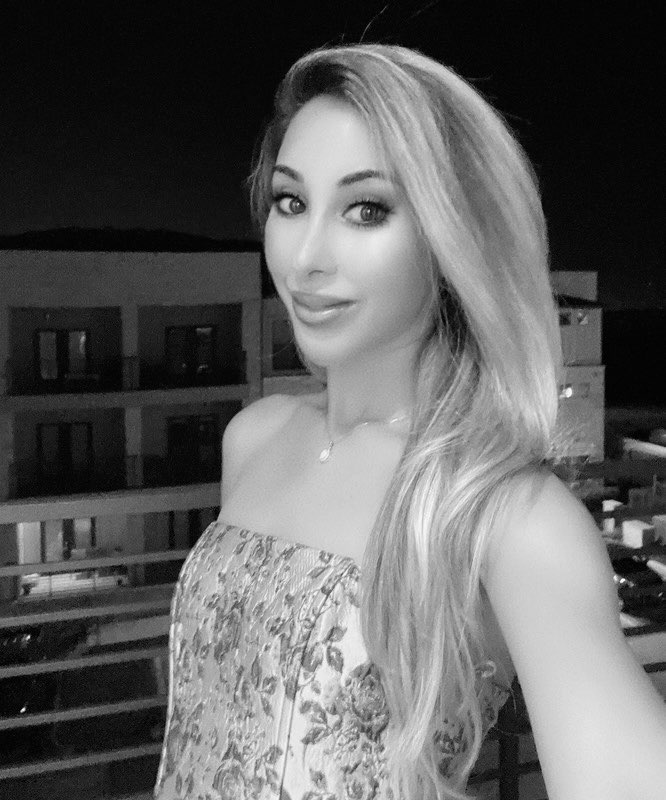
She is a an artist, leader , award winning actress, and storyteller. Michelle was born to work in the motion picture industry doing not just acting, but writing, producing and directing. She knew as early as 7 years old she was going to work in filmmaking and acting and credits god for giving her the gift to write, act and produce masterpieces on an award winning level. She has won over 101 awards in under 3 years spanning primarily her filmmaking, screenwriting, and acting with only 13 awards from her books.
-What inspired you to become a filmmaker?
I got inspired to be a filmmaker to showcase my talent for my acting, and storytelling. With the launch of The Silver Lights Books Series I felt my talent was not be recognized , and my skillset could really shine in filmmaking and acting.
-Do you think the cinema can bring a change in society?
Compelling Cinema and films told with an authentic voice and unique story cause change every day in society.
-What would you change in the world?
If I could change one thing in the world it would be the education programs in our schools. It would be making more of a core curriculum in public schools and lower income areas to have more classes accessible in filmmaking, digital marketing, screenwriting, photography, film editing , and high definition cinema in earlier youth . Also, having more classes like yoga as young as kindergarten teaching kids the importance the connection of the mind, body, and spirit and how to be aware of channeling emotions in a healthy way.
-Where do you see the film industry going in the next 100 years?
I see the industry taking on so many different faces from younger filmmakers that we see on youtube to more change with the documentary segment in soceity , and those like myself that have worked there way from the bottom to the top to showcase their extraordinary god given talent without necessarily having the formal training or hollywood connections.
Great question. I am someone who has spent her life being completely fascinated by the creative process…in art, music, film, poetry, nature. I see incredible beauty in the natural world and take a profound inspiration from the smallest of things – such as the way moss grows and expands across ancient stones or a drop of rain falls from a leaf; but I am someone who also recognize the tremendous pain and suffering that exists in the world and even though the suffering of others weighs heavily on me, I can still see light in darkness and remain optimistic for the state of humanity.
I am an individual who feels obligated to make the world a better place for both people and animals and I believe strongly, like Leonardo (da Vinci) did, that everything is connected to everything else. I feel in some ways this gives me an advantage because I tend not to see borders or boundaries between things which can be quite freeing. I also believe that we can never truly know ourselves because this would take many lifetimes of learning to achieve but also the ability to remember each one forever. Perhaps this is why I especially like what Rilke once wrote in a poem when he penned:
“… I circle around the ancient tower, as I have circled for a thousand years; and I still don’t know if I am a falcon, a storm, or an endless song.”
-What inspired you to become a screenwriter?
I will answer this question in two parts. First, I am completely new to this but fundamentally, I think my way of looking at the world or processing information, must have had a lot to do with it. From the time I was very little, I seemed to view everything through a particular lens, and so everyday scenes formed a still life or were like something excerpted from a film, a painting, or a stage production; and it was during these times that a dialogue would spontaneously form in my mind to the scenes I found interesting. So, for instance, if I witnessed a couple arguing in the street in the rain, the sound of the rain mixed in with their gestures or movements and would occur in slow motion before me and as though part of a scene from a film I had yet to write. Later, I realized that these dialogues could become scripts or plays. Eventually, I decided to try an experiment and breathe life into some of the voices that kept occurring in my head and this is when Dinner with Dante was born.
There is one thing I’d like to mention, and this is that I remain particularly fascinated by the potential of stories when told through rhythms and sounds that occur in nature. Rain, wind, dripping water – all these and more inspire me on a regular basis. If we close our eyes and imagine for just a moment a horse galloping in a wide-open field there is this wonderful triplet-like rhythm that we hear when the hooves strike the ground: Da-da-da, Da-da, da, Da-da-da. That sound alone would (and does) give me a thousand ideas. When I was younger it inspired me to write a poem called, Morello’s Last Dream, which is a monologue between Lorenzo de Medici and his favourite horse Morello, as they wildly galloped through the Tuscan countryside at dawn and in the hours after Guiliano’s death. In retrospect, I guess the poem is a bit like Dinner with Dante, only this time the monologue comes from the mind of the horse instead of the mind of a woman sitting in a cafe. My point is nature can serve as a powerful tool in creating stories.
The second answer to the question has to do with the concept or idea of freedom. When you write or film something, you are by nature, inherently free. Free to compose, free to reveal, engage, inspire, anything you want and in the way that you creatively envision. As an independent researcher in the arts, I deal with an entire universe of restrictions or parameters. Science is very precise as is archival research and documenting history. There is a certain methodology employed and either something is there, or it is not. It is a crowded mansion composed of many rooms where fiction is not welcome, nor should it be. And although I can’t say enough about the important role science plays in furthering our understand of an artwork and many things in the world in general, the public can sometimes get lost or weighed down by the facts and details and so I believe that films can close that gap by serving as bridges between these worlds.
-Do you think the cinema can bring a change in society?
I think cinema can and is a tremendous conduit for change through its power to enlighten, inspire, reveal, you name it… but with this comes an enormous responsibility. Cinema invites the filmmaker to make a difference, transcend borders and change the world but in my view the change must always be for the better.
-What would you change in the world?
This is such a big question, especially if we remember that every change we’d make would cause a ripple effect across the world so that changing bad things might change good things too. But I think that if I could change one thing somewhat safely, it would be to remove humankind’s propensity for extreme violence because this would go a long way towards creating continuous world peace. However, I wouldn’t stop there. I’d also increase empathy in the individuals who lack it… and maybe in the end it’s an increase in empathy that would be enough to change the world.
Changing the world becomes easier perhaps if we realize that some things are biologically driven or hard wired, at least for now. If we recall the violent games that occurred in the roman Colosseum during roman times, we can begin to understand that a certain percentage of the human race feeds off violence and violent scenes and that this violence appears to work like any other addiction in that, the more some experience it, the more numbed to it they become and often crave more. I think there are many examples of this in the entertainment world today. For instance, cinematically, we can witness it by the sharp increase in the use of graphic violence being used in many movies and films. And of course, on the internet and in real life we witness this all the time. So, this seems to suggest that this is a very, very old human story and that not much has really changed since the days of the colosseum games, only now the games are being played out on a series of very different stages.
Lastly, If I were to guess about the source of violence, I would say it is left over from some gene or genes that were useful to us thousands of years ago in our fight to survive in the wild. Adrenaline is a great example of this, and we already know it’s addictive. And so for change to occur we would need to evolve past it or past ourselves but of course this takes a very long time from an evolutionary standpoint. Yet I do believe that awareness is the first step in this critical journey if we hope to last as a race and not go extinct.
-Where do you see the film industry going in the next 100 years?
It is very hard to say since it is evolving so rapidly and is in part being fueled by the vertical rise in technological advances across multiple platforms. I can imagine though that it could shift more towards the viewer being able to swap places with the protagonist or other characters on the screen and become an active participant in the scenes they are watching. This is already happening in the gaming world and so the world of film could be influenced next by this idea.
I can also imagine a time in which the viewer is given a menu of basic options to choose from (setting, epoch, characters, music, etc.) and then gets to write the dialogue for their character and star in what now becomes, their own movie. They would then be able to share their movie on a large platform and perhaps compete for awards.
However, no matter what the future holds, I can only hope that the true beauty and art of filmmaking prevails, that it doesn’t stray too far away from itself and that it somehow manages to stay true to its fundamental roots long into the future.
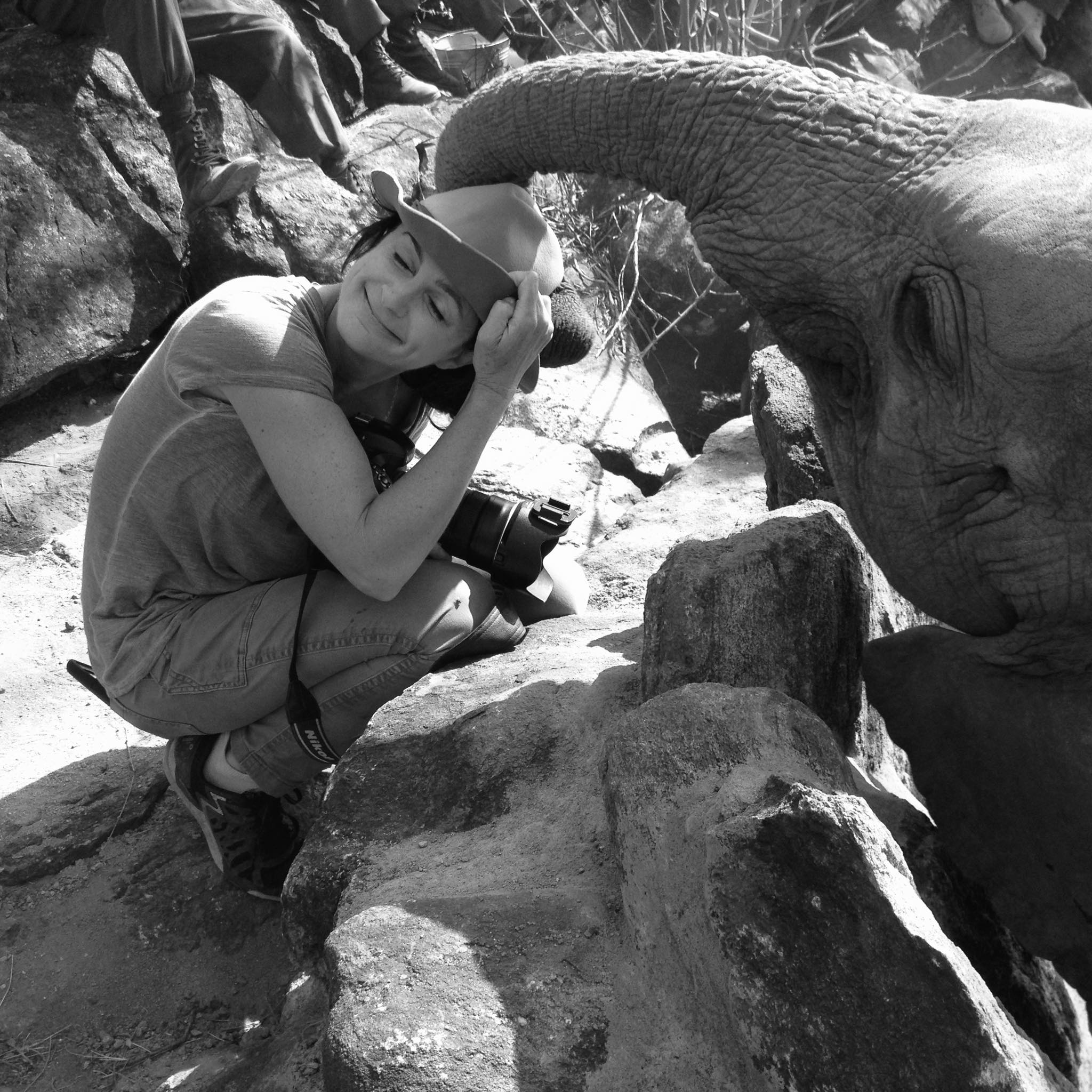
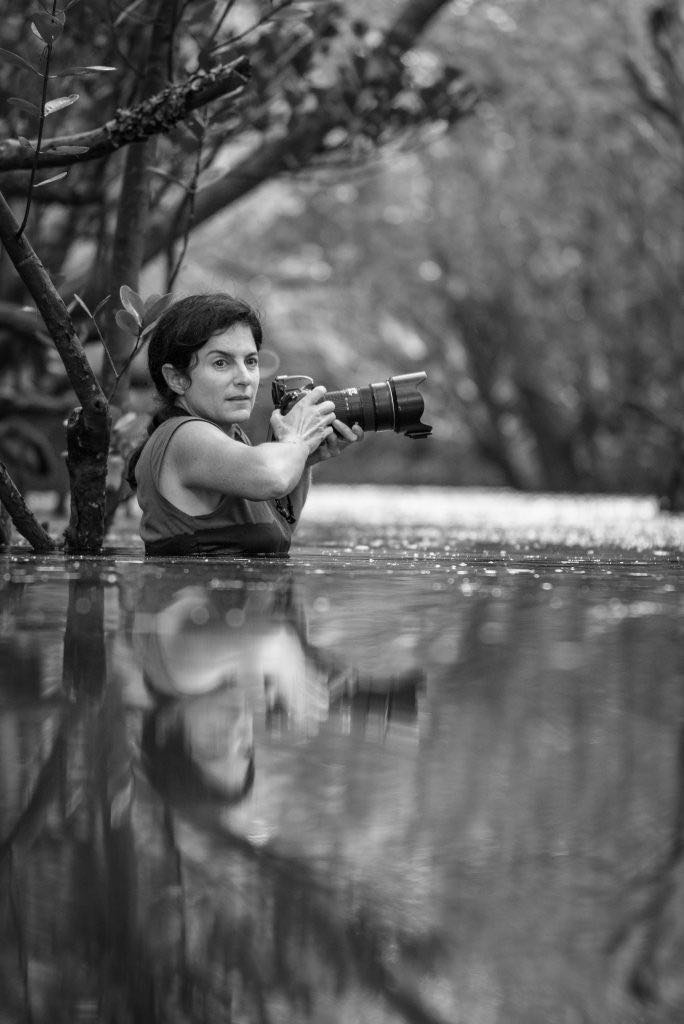
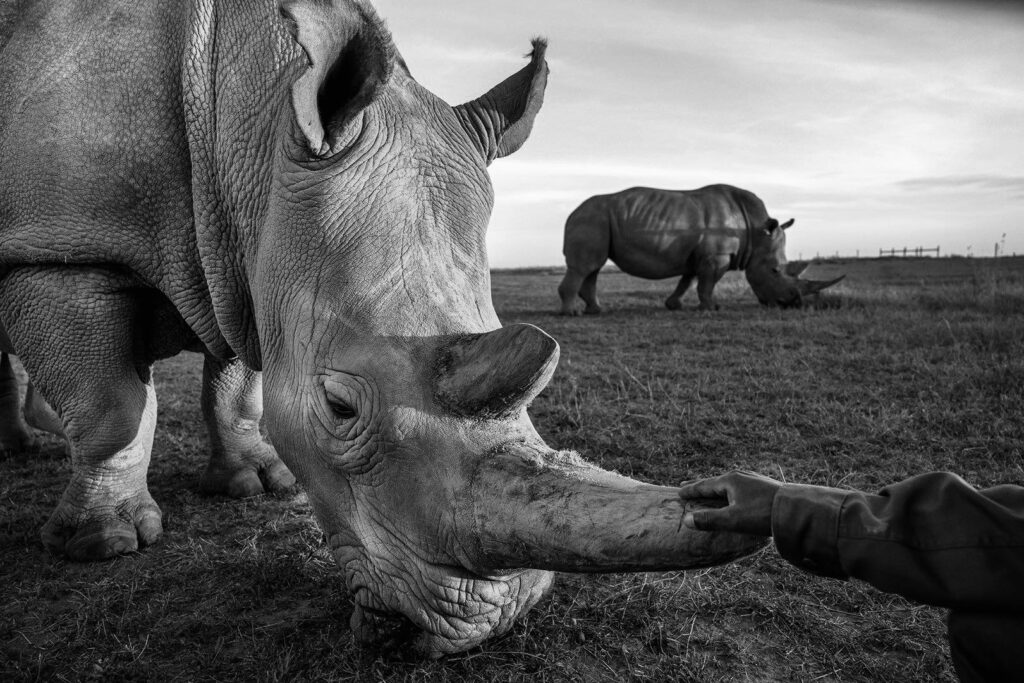
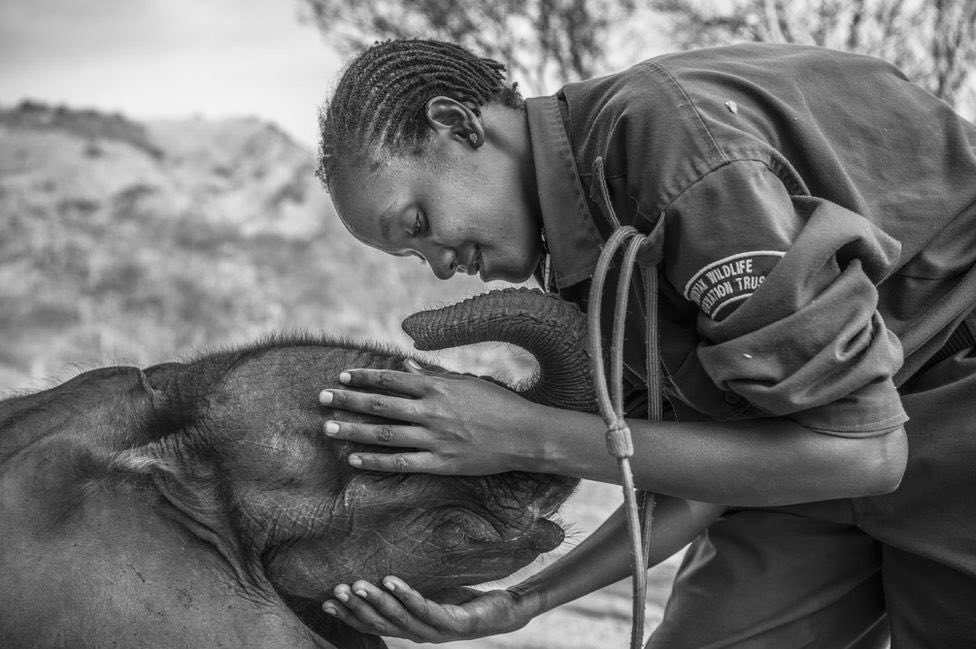
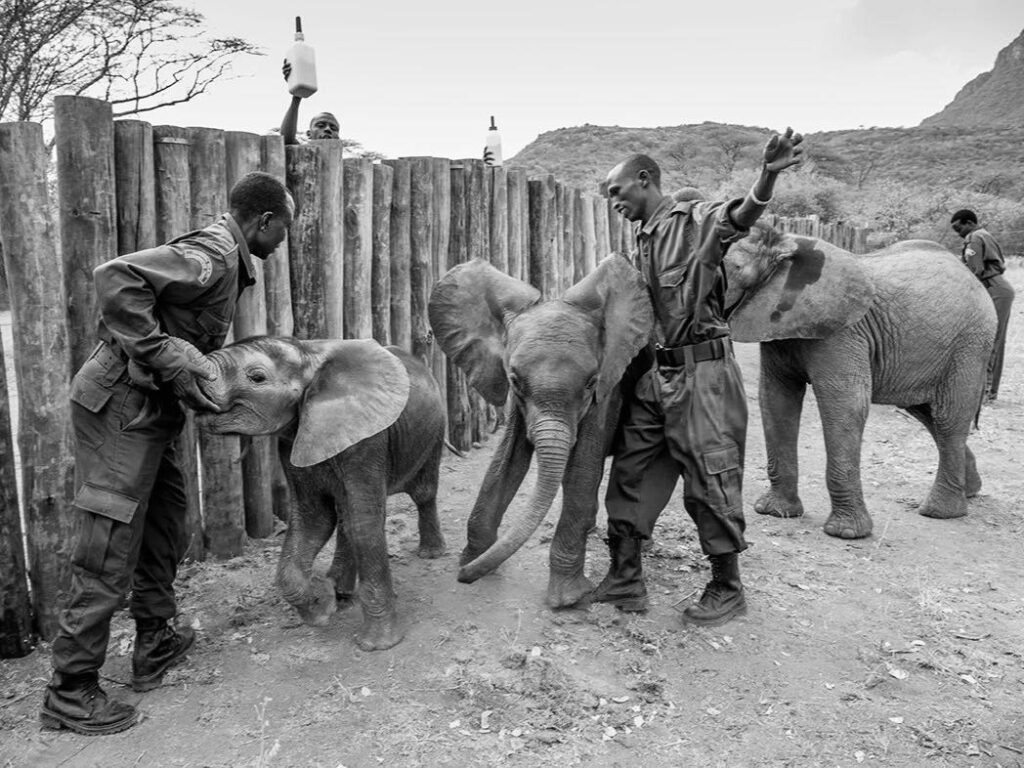
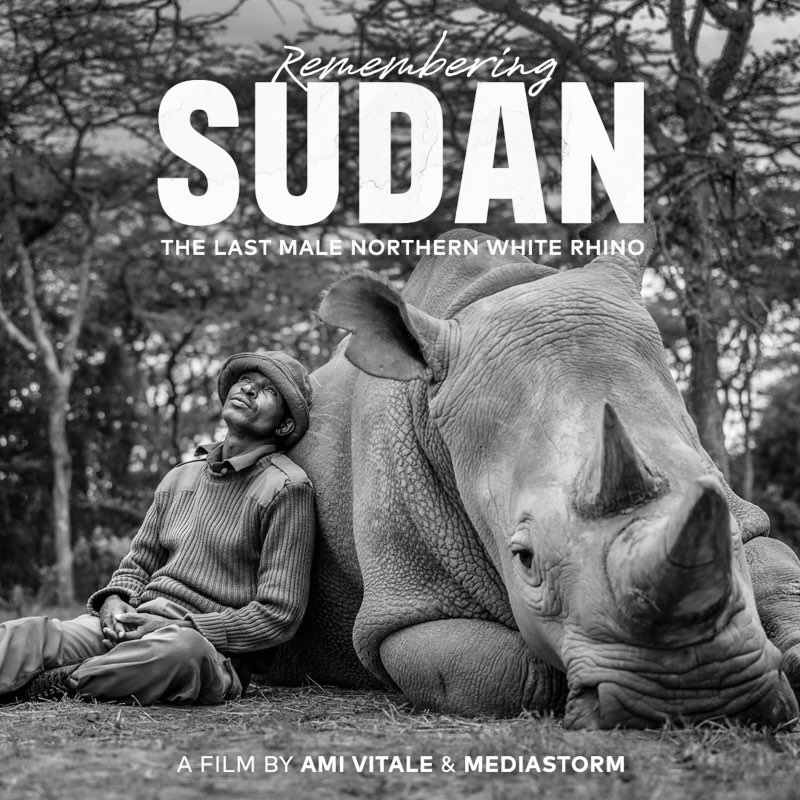
Photographer and filmmaker Ami Vitale has been creating unique stories that amplify the work of communities on the front lines of conservation. She has traveled to more than 100 countries, documenting the heartbreaking realities of war to witnessing the inspiring power of individuals making a difference. Her award-winning work illuminates the unsung heroes and communities working to protect wildlife and finding harmony in our natural world.
Ami is the 2022 Conservation International Innovators Fellow. In 2022, she was awarded with prestigious prizes from both the Missouri Honor Medal for Distinguished Service and the Lucie Humanitarian Award. Instyle magazine named Ami one of fifty Badass Women, a series celebrating women who show up, speak up and get things done. Ami has been named Magazine photographer of the year in the International Photographer of the Year prize, received the Daniel Pearl Award for Outstanding Reporting and is a six-time recipient of World Press Photos. Ami is also the founder and Executive Director of the women-led non-profit Vital Impacts, which supports humanitarian and conservation efforts around the world.
-What inspired you to become a filmmaker?
I believe there is a universal language between visual imagery and empathy; when we see something, it helps us to connect our brains and hearts. While Science and research is critical to understanding the planet and all the life we coexist with, filmmaking can often reach people in other profound ways. As visual storytellers we have a huge opportunity to inform and influence change.
-Do you think the cinema can bring a change in the society?
I think we could do a better job of explaining why educating the next generation of environmental storytellers and journalists is so important. The environmental movement has always been too cerebral in my experience, getting caught up in either abstract scientific arguments, focusing on forecasts of catastrophe and so on. I believe photography inspires wonder, connection and seeing ourselves as part of nature.
-What would you change in the world?
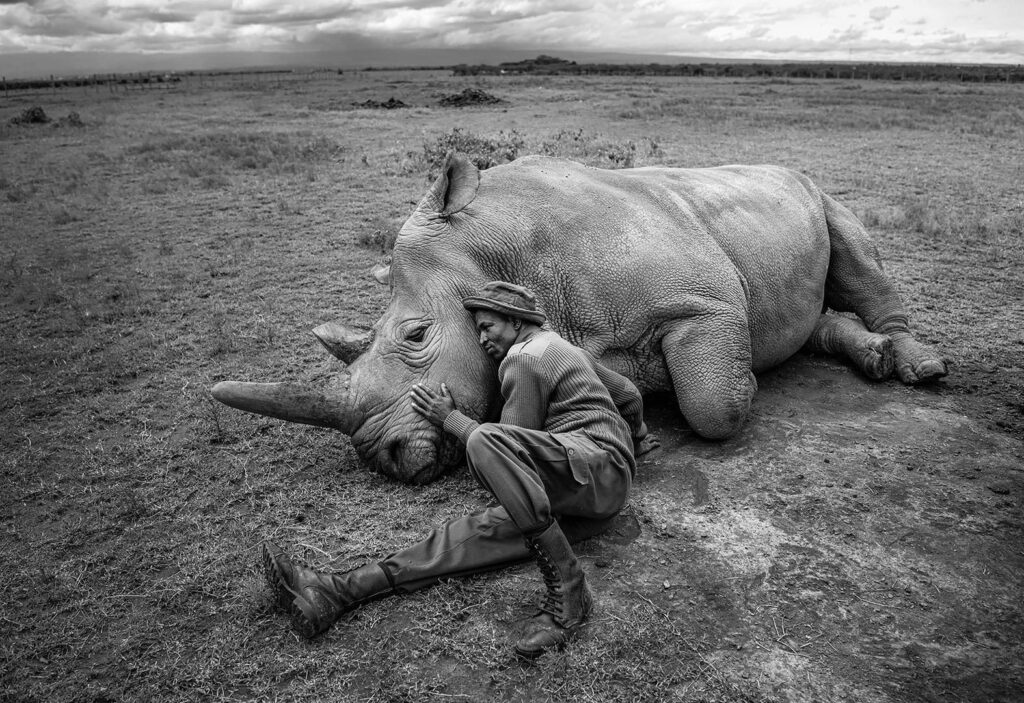
I would love for humanity to feel how interconnected we all are to all of life on this planet. When we see that these giants are part of a complex world created over millions of years, we see that their survival is intertwined with our own. Without rhinos and elephants and other wildlife, we suffer a loss of imagination, a loss of wonder, a loss of beautiful possibilities. When we see ourselves as part of nature, we understand that saving nature is really about saving ourselves.
–Where do you see the film industry going in the next 100 years?
Great question! I do not know but my hope it that we will have a complete revival and go back to our beginnings and rethink the past to guide us forward.
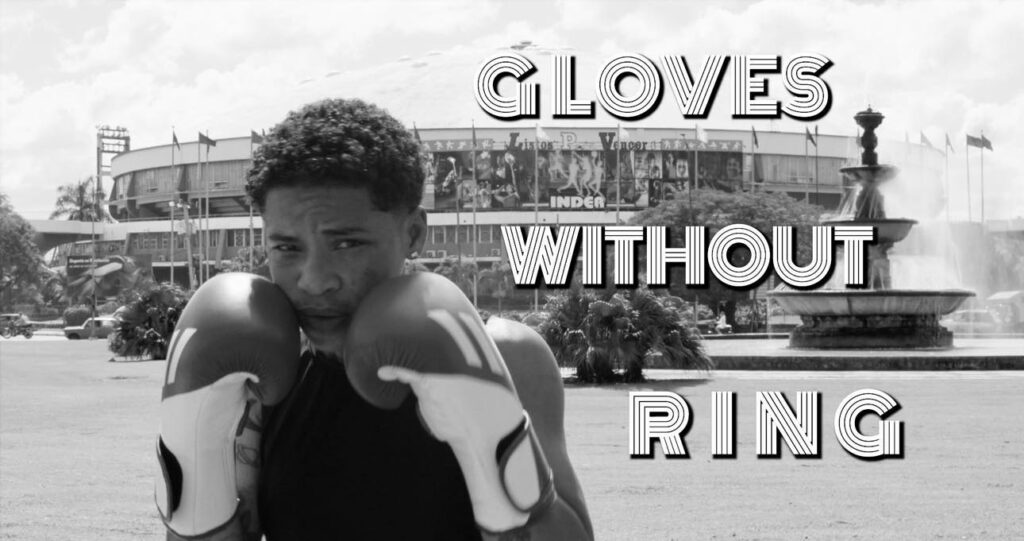
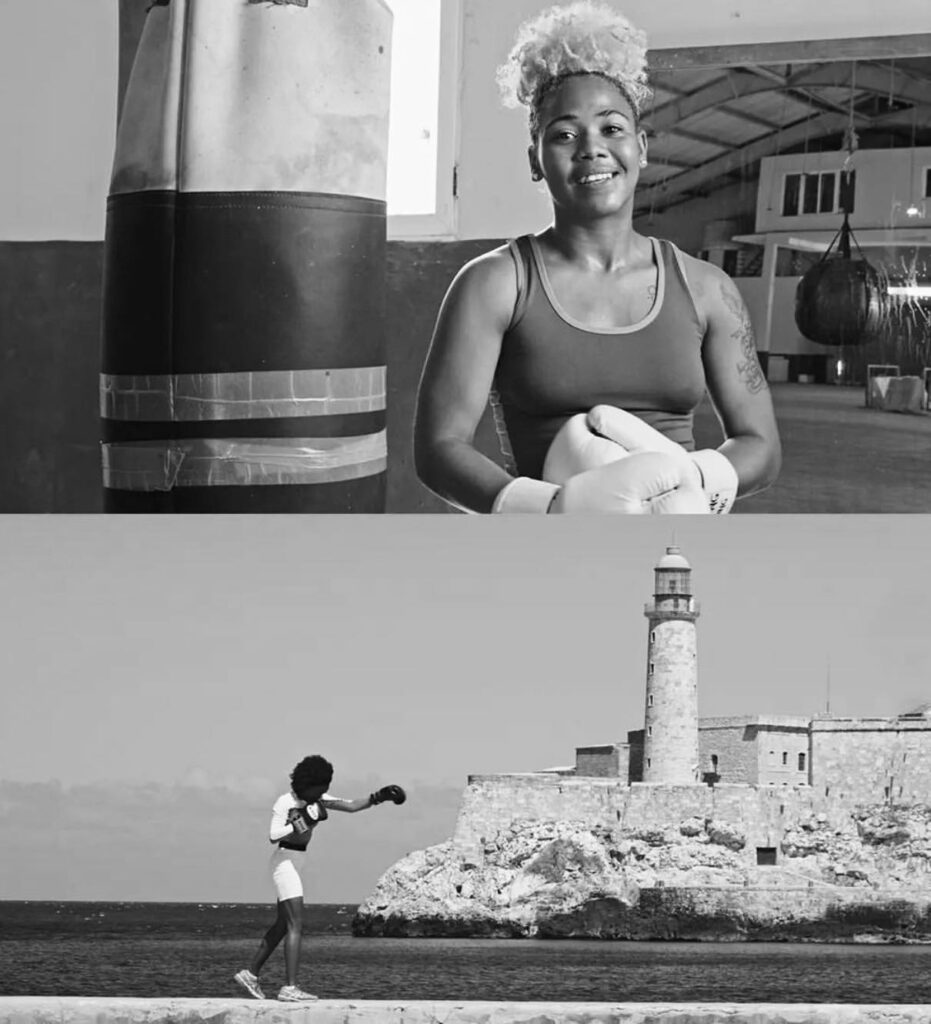
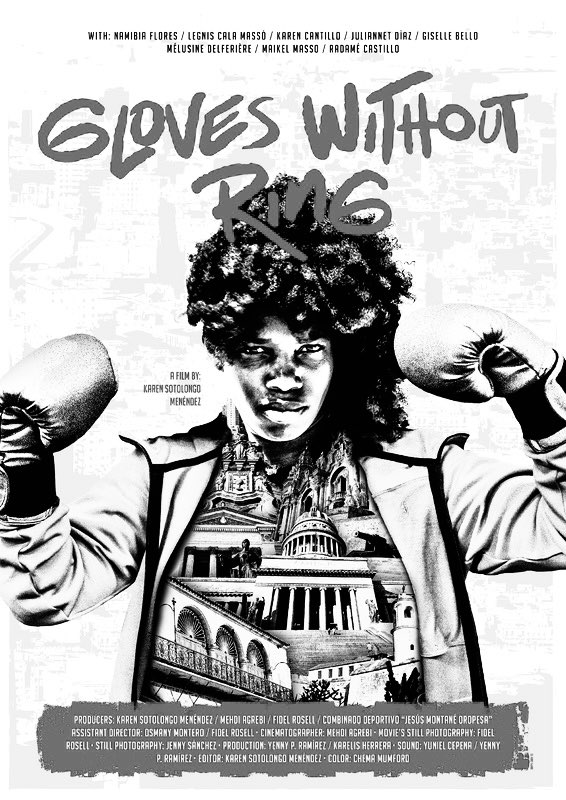
Professional Cuban Film Director, Editor, Art Director, Executive Producer and Actress graduated from the Metrópolis Education Center, the Barcelona’s International Film School (ECIB) and the PLató de Cinema Academy in Spain. Member of the Cuban Institute of Cinematographic Arts and Industry (ICAIC), the National Union of Writers and Artists in Cuba (UNEAC) and The Barcelona Documentary Club in Spain; she has worked in more than twenty films such as ¨In her hands¨ produced by Netflix, Moon Dogs Films, Chelsea and Hillary Clinton with the Oscar nominated director Marcel Mettelsiefen and Tamana Ayazi, ¨Moto GP Unlimited¨ streaming serie co produced by MediaPro Studios and Amazon Prime Video and her own films, achieving recognition for her work in and outside her native country; as well as the 8 & Halfilm Award, Austin International Art Festival, Hollywood International Golden Age Festival, San Francisco and London Independent Festival and the most recently award for Best European Film Director at the Sweet Democracy Film Awards. She currently works as a freelance artist in New York advocating mainly for pacifist and humanitarian causes.
-What inspired you to become a filmmaker?
Dreams. Since I was a child, I climbed trees and looked at the sea from there, or under the water, imagining worlds with my eyes open or closed. Expressing this fiction of my mind and helping with it became my battleground as soon as I learned to fly.
-Do you think the cinema can bring a change in the society?
Of course. The cinema is constantly changing and helps to move societies and their taboos, although it is a very dangerous double-edged tool, if it is done from love and intelligence it can manage to sensitize millions of souls in a few minutes.
-What would you change in the world?
From the world we live in, I would change racism, wars, economic inequality, hunger, paid education and health, animal abuse, the undervaluation of women, child abuse, visas to cross borders, undocumented emigration and, above all, hypocrisy for deal with these issues.
-Where do you see the film industry going in the next 100 years?
I see the film industry in a century being more supportive of human beings, able to show new forms of both entertainment and science to eradicate the differences that distance us from the natural peace with which we come to this world. Inspiring new generations with advanced filming mechanisms, even more accessibles to those who are passionate about storytelling from the audiovisual.